


What is Sustainable?
Sustainability refers to the ability to maintain or continue a particular process, activity, or system over the long term without causing negative impacts on the environment, economy, or society.
It is about balancing the needs of the present with the needs of future generations, while preserving the natural resources and ecosystems that support life on our planet.
Sustainability encompasses three main pillars: environmental, economic, and social sustainability. Environmental sustainability is about preserving the natural resources and ecosystems that we depend on, such as clean air, water, and soil.
Economic sustainability is about creating a viable and prosperous economy that benefits both current and future generations. Social sustainability is about promoting social justice, equity, and well-being for all members of society, while protecting cultural heritage and diversity.
Sustainable practices are those that promote sustainability by reducing environmental impacts, conserving resources, and promoting economic and social well-being. In agriculture, sustainable practices may include using organic farming methods, conserving water, reducing pesticide use, promoting biodiversity, and supporting local communities.
What is Sustainable Agriculture?
Sustainable agriculture is a farming system that aims to provide food and fiber while minimizing negative impacts on the environment, supporting rural communities, and promoting economic and social well-being. It involves using practices that maintain soil health, conserve water, reduce greenhouse gas emissions, and promote biodiversity.
Sustainable agriculture seeks to balance the needs of food production with the need to preserve natural resources and ecosystems for future generations. This means that it focuses on long-term sustainability rather than short-term profit maximization.
Some examples of sustainable agriculture practices include using crop rotation, reducing tillage, integrating livestock, using cover crops, and using natural pest control methods. Sustainable agriculture also involves reducing waste and using resources efficiently, such as by recycling nutrients, conserving water, and minimizing energy use.
Sustainable agriculture aims to create a resilient and sustainable food system that meets the needs of present and future generations, while protecting the planet and supporting the well-being of rural communities.

Benefit of Sustainable Agriculture
Sustainable agriculture offers numerous benefits that can have positive impacts on the environment, society, and the economy.
Here are some of the key benefits of sustainable agriculture:
Protecting the environment: Sustainable agriculture practices prioritize the conservation of soil, water, and biodiversity. By using methods such as conservation tillage, crop rotation, and integrated pest management, farmers can reduce soil erosion, conserve water, and limit the use of pesticides and fertilizers, which can have negative impacts on the environment.
Improving food security: Sustainable agriculture can help to increase the productivity and resilience of agricultural systems. This can contribute to greater food security, particularly in developing countries where small-scale farmers rely on their land for food and income.
Enhancing rural livelihoods: Sustainable agriculture can provide economic opportunities for small-scale farmers by improving their productivity and access to markets. This can help to reduce poverty and increase the economic resilience of rural communities.
Mitigating climate change: Sustainable agriculture practices, such as conservation agriculture and agroforestry, can help to reduce greenhouse gas emissions from the agricultural sector. This can contribute to global efforts to mitigate climate change.
Supporting biodiversity: Sustainable agriculture can help to conserve and enhance biodiversity by promoting the use of diverse crops, livestock breeds, and management practices that support ecosystem services.
Sustainable agriculture offers a range of benefits that can contribute to a more resilient, equitable, and sustainable food system. By adopting sustainable practices, farmers can improve their livelihoods, protect the environment, and contribute to global efforts to address some of the world’s most pressing challenges.

Sustainable Agriculture in the World
Sustainable agriculture is becoming increasingly important around the world as people recognize the need to balance food production with the long-term preservation of natural resources and ecosystems.
Here are some examples of sustainable agriculture practices that are being used around the world:
Organic farming: Organic farming uses natural methods to produce food without relying on synthetic fertilizers or pesticides. Organic farmers use practices such as crop rotation, composting, and natural pest control methods to maintain soil health and promote biodiversity.
Conservation agriculture: Conservation agriculture involves reducing tillage and using cover crops to conserve soil moisture, prevent erosion, and maintain soil health. This approach can also help to reduce greenhouse gas emissions and sequester carbon in the soil.
Agroforestry: Agroforestry involves integrating trees into farming systems to provide multiple benefits such as soil conservation, biodiversity, and carbon sequestration. Trees can also provide additional sources of income through the production of fruits, nuts, and timber.
Precision agriculture: Precision agriculture uses technology such as GPS, drones, and sensors to optimize the use of resources such as water, fertilizer, and pesticides. This can help to reduce waste and improve yields while minimizing environmental impacts.
Sustainable livestock production: Sustainable livestock production involves using practices such as rotational grazing, feed management, and manure management to reduce the environmental impacts of livestock production. This approach can also improve animal welfare and support rural livelihoods.
Sustainable agriculture practices are being used around the world to promote food security, protect natural resources, and support rural communities.
Country with best Sustainable Agriculture in The World
Here are 50 countries recognized for their sustainable agriculture practices, sorted by region:
Europe
Austria Belgium Denmark Finland France Germany Greece Ireland Italy Netherlands Spain
Sweden Switzerland United Kingdom
Sustainable agriculture in Europe refers to the practice of cultivating crops and raising livestock in a manner that minimizes negative impacts on the environment, while promoting economic viability and social well-being. European countries have been actively promoting and implementing sustainable agriculture practices to address various challenges, including climate change, biodiversity loss, soil degradation, and water scarcity.
One of the key aspects of sustainable agriculture in Europe is the reduction of chemical inputs, such as pesticides and synthetic fertilizers. European farmers have been encouraged to adopt organic farming methods, which rely on natural processes and biological diversity to maintain soil fertility and control pests and diseases. Organic farming certifications and labels have been established to help consumers identify and support sustainable agricultural products.
America Region
Canada Mexico Argentina Brazil Chile Colombia Costa Rica Cuba Ecuador Peru Uruguay
Sustainable agriculture in the Americas region refers to the practice of cultivating crops and raising livestock in a manner that promotes environmental stewardship, economic viability, and social well-being. The Americas region encompasses North, Central, and South America, each with its unique agricultural systems and sustainability challenges.
One of the key aspects of sustainable agriculture in the Americas is the promotion of conservation practices. These practices focus on soil conservation, water management, and biodiversity conservation. Soil erosion is a significant concern in many parts of the Americas, and sustainable agriculture encourages practices such as cover cropping, contour plowing, and terracing to reduce soil erosion and improve soil health.
Water management techniques, including efficient irrigation methods and water recycling, are also promoted to ensure responsible water usage. Moreover, sustainable agriculture in the Americas seeks to preserve and enhance biodiversity through the protection of native habitats, implementation of agroforestry systems, and conservation of genetic resources.
South Africa Tanzania Uganda Zambia
Sustainable agriculture in Africa refers to the practice of cultivating crops and raising livestock in a manner that promotes environmental conservation, economic development, and social equity. Africa faces various challenges, including climate change, land degradation, water scarcity, and food insecurity, which makes the adoption of sustainable agricultural practices crucial for the continent’s future.
One of the key aspects of sustainable agriculture in Africa is the promotion of agroecological practices. Agroecology emphasizes the integration of ecological principles into farming systems, focusing on enhancing soil health, biodiversity conservation, and natural pest and disease control. It encourages the use of organic fertilizers, crop rotation, agroforestry, and water conservation techniques to improve productivity while minimizing environmental impacts.
Asia
China India Indonesia Israel Japan Malaysia Nepal Philippines South Korea
Sri Lanka Thailand
Sustainable agriculture in Asia refers to the practice of cultivating crops and raising livestock in a manner that ensures environmental sustainability, social equity, and economic viability. Asia is a vast and diverse continent with a wide range of agricultural systems, and sustainable agriculture practices vary across different countries and regions.
One of the key aspects of sustainable agriculture in Asia is the promotion of agroecological practices. Agroecology emphasizes the integration of ecological principles into farming systems, focusing on enhancing soil health, biodiversity conservation, and natural pest and disease control. This approach encourages the use of organic fertilizers, crop rotation, agroforestry, and other techniques to improve soil fertility, conserve water, and reduce the reliance on chemical inputs.
It’s important to note that sustainable agriculture practices can vary widely within each country and region, and this list is not exhaustive.

FAO Role in Sustainable Agriculture
The Food and Agriculture Organization of the United Nations (FAO) has a crucial role in promoting sustainable agriculture globally. Here are some of the ways FAO contributes to sustainable agriculture:
Promoting sustainable farming practices: FAO provides technical assistance to governments and farmers to help them adopt sustainable farming practices. This includes promoting agroforestry, conservation agriculture, and integrated pest management, which can improve soil health, reduce greenhouse gas emissions, and increase crop yields.
Improving food security: FAO works to ensure that people have access to safe and nutritious food by promoting sustainable agriculture. This includes providing support for small-scale farmers and promoting local food systems.
Addressing climate change: Agriculture is a major contributor to climate change, but it is also vulnerable to its impacts. FAO works to reduce greenhouse gas emissions from agriculture and helps farmers adapt to the impacts of climate change.
Promoting biodiversity: FAO recognizes the importance of biodiversity for sustainable agriculture and works to promote the conservation and sustainable use of genetic resources for food and agriculture.
Supporting sustainable fisheries and aquaculture: FAO works to promote sustainable fisheries and aquaculture practices, including the development of guidelines for responsible fishery and aquaculture practices.
FAO plays a critical role in promoting sustainable agriculture by providing technical assistance, promoting best practices, and working with governments, farmers, and other stakeholders to ensure that agriculture contributes to food security, biodiversity conservation, and climate change mitigation and adaptation.
World Sustainable Agriculture – FAO Data
The Food and Agriculture Organization of the United Nations (FAO) is a specialized agency of the UN that leads international efforts to defeat hunger. FAO provides data and information on world sustainable agriculture through various reports and databases.
Here are some key facts and figures:
Hunger: According to FAO’s latest report on The State of Food Security and Nutrition in the World (2021), around 768 million people (9.9% of the global population) were undernourished in 2020. This represents an increase of around 118 million people since 2019.
Agriculture: Agriculture is a crucial sector for achieving the Sustainable Development Goals (SDGs). FAO estimates that the global population will reach 9.7 billion by 2050, and the demand for food is expected to increase by 50%. Sustainable agriculture is essential to meet this demand while protecting the planet’s natural resources.
Land Use: FAO estimates that about 70% of the world’s land is used for agriculture, forestry, and fisheries. Agriculture is the primary land-use sector, accounting for 50% of the world’s habitable land.
Water Use: Agriculture accounts for around 70% of global freshwater withdrawals, making it the largest user of water resources. FAO recommends the adoption of sustainable water management practices, such as drip irrigation and rainwater harvesting, to reduce water waste in agriculture.
Climate Change: Agriculture is both a contributor to and a victim of climate change. According to FAO, the sector accounts for about 25% of global greenhouse gas emissions. Climate change also affects agriculture through increased temperatures, changes in rainfall patterns, and extreme weather events.
Sustainable Agriculture: FAO promotes sustainable agriculture practices that are environmentally friendly, socially equitable, and economically viable. Examples include agroecology, conservation agriculture, and integrated pest management.
Organic Agriculture: According to FAO, organic agriculture is a holistic production management system that promotes and enhances agro-ecosystem health, including biodiversity, biological cycles, and soil biological activity. Organic agriculture accounts for around 1.5% of global agricultural land, with the highest shares in Europe and Latin America.
These are just a few key facts and figures on world sustainable agriculture based on FAO data. For more detailed information, please visit the FAO website.

World Sustainable Agriculture – FAO Statistic
Here are some FAO statistics related to world sustainable agriculture:
In 2019, the world’s farmers produced 2.8 billion tons of food, which is equivalent to 2.5 trillion kilocalories per person per day. However, about 811 million people still suffered from chronic undernourishment.
In 2018, around 570 million farms worldwide were family-owned and operated. These farms accounted for 90% of the world’s farms and produced 80% of the world’s food.
About 60% of the world’s agro-biodiversity has disappeared since the 1900s due to changes in land use, population growth, and changes in food systems. This loss of biodiversity reduces the resilience of ecosystems and puts food security at risk.
The world’s forests provide essential ecosystem services, including climate regulation, water supply, and biodiversity conservation. However, the world’s forests are still being lost at a rate of 10 million hectares per year, mainly due to agricultural expansion.
In 2020, 43 countries reported that they were experiencing food crises, with a total of 155 million people facing acute food insecurity. Conflict, climate shocks, and the economic impacts of the COVID-19 pandemic were the main drivers of food insecurity.
In 2018, organic agriculture accounted for around 1.5% of the world’s agricultural land, with the highest shares in Europe and Latin America.
Sustainable agriculture practices, such as conservation agriculture and agroforestry, have been shown to increase crop yields and improve soil health, while reducing the use of pesticides and chemical fertilizers.
These are just a few examples of FAO statistics related to world sustainable agriculture. For more detailed information, please visit the FAO website.
World Sustainable Agriculture – FAO Policy and Regulation
The United Nations Food and Agriculture Organization (FAO) is a specialized agency that works towards achieving food security for all and promoting sustainable agriculture. In order to promote sustainable agriculture, the FAO develops policies and regulations that guide agricultural practices around the world.
One of the key policy documents of the FAO related to sustainable agriculture is the “The 2030 Agenda for Sustainable Development”. This agenda recognizes the crucial role of agriculture in achieving sustainable development and calls for an integrated approach to address the interconnected challenges of eradicating poverty, ensuring food security, and promoting sustainable agriculture. The agenda also emphasizes the need to protect the environment and combat climate change.
Another important policy document of the FAO is the “Global Action Plan for Agricultural Diversification”. This plan aims to promote the diversification of agricultural systems in order to enhance their resilience to environmental and economic challenges, and to increase their productivity and profitability. The plan also recognizes the importance of empowering small-scale farmers and promoting their participation in decision-making processes.
In terms of regulations, the FAO develops and promotes the implementation of international standards and guidelines related to agriculture. For example, the FAO develops and promotes the implementation of the “Code of Conduct for Responsible Fisheries”, which provides guidelines for sustainable fishing practices. The FAO also develops and promotes the implementation of the “International Plant Protection Convention”, which aims to protect plant health by preventing the spread of pests and diseases.
FAO plays an important role in promoting sustainable agriculture through the development of policies and regulations that guide agricultural practices around the world.
Conclusion for Sustainable Agriculture in The World
Sustainable agriculture is crucial for ensuring food security and reducing the negative environmental impacts of agricultural practices. It involves using farming techniques that promote soil health, conserve water, and minimize the use of harmful chemicals.
Sustainable agriculture also promotes biodiversity and supports rural communities.
Many countries around the world have made significant progress in promoting sustainable agriculture through policy development, education, and research. However, there is still much work to be done to ensure that sustainable agriculture is adopted on a global scale. Governments, farmers, and consumers all have a role to play in promoting sustainable agriculture and reducing the negative environmental impacts of agriculture.
Sustainable agriculture offers a path towards a more environmentally and socially responsible food system that can help us to address the challenges of climate change, food security, and rural development.
https://www.exaputra.com/2023/05/50-country-with-best-sustainable.html












Weather Guard Lightning Tech

Uptime’s Takeaways from Hamburg 2026
The crew discusses Hamburg takeaways, including the industry mood, bigger blade risks, and OEM announcements.
The Uptime Wind Energy Podcast is brought to you by Weather Guard Lightning Tech, creators of the StrikeTape Ultra LPS retrofit. Subscribe to Uptime’s Substack newsletter. And check out Rosemary’s “Engineering with Rosie” Youtube channel. Have a question we can answer on the show? Email us!
 I met a guy today from a rural part of Central England–“nothing but farms and pubs,” as he put it. His father was an epidemiologist working for the United Nations, and so, as a boy, he lived all over the world and grew up largely in developing countries that suffered from horrific diseases.
He and his wife had the conversation one would expect from such people:
- Why are we so content to ignore climate change that is ruining our planet?
- Why are people so indifferent to the suffering of others?
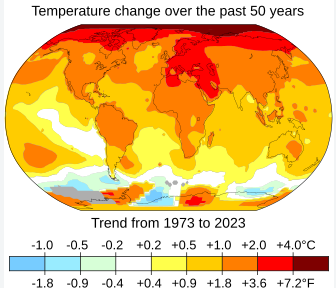
- How is it possible that billionaires expect to live well here on Earth while 99.9% of us suffering with wildfires, devastating storms, blistering heat, losses of landmasses, and desertification?
- At the end of the day, is money really that precious?
Obviously, not everyone thinks this way, but to be in something of a “lovefest” for just a few minutes was a great relief.
relief.
 I may have mentioned that I’m lucky enough to be a part of a group of boyhood friends from our prep school in Philadelphia that meets monthly on Zoom.
Yesterday the question came up as to how our political beliefs are formed, and the group found my input somewhat shocking.
First, from what I can understand from neurologists, our brains are “wired” to function in certain ways. Via some combination of genetics, epigenetics, and early experiences, we are incapable of looking at the world in a fundamentally different way than we do now. I am no more capable of being a Trump supporter than I am of starting as quarterback in the NFL or memorizing the first 22K digits of pi, the way certain savants can.
This is validated by studies showing that our political philosophies are shaped by the way our brains fire under certain circumstances. When experimental subjects were hooked up to electronics that monitored their brain activities were shown pictures that depict certain threats, the results from self-described “liberals” and “conservatives” differed considerably. When shown photographs of kittens and mountain ranges, both groups processed those images in the same regions of the brain. But when shown photographs of snakes and tarantulas, conservatives were far more likely to process these images through the amygdala, the “fight-or-flight,” or “reptile” brain that kicks in when we interpret something as a danger to our survival.
I’m not losing my mind about immigration into the U.S.; I’m unconvinced that hordes of immigrants from our south or the Muslims from the Mideast are destroying our nation.
Why is that? My brain is wired to doubt it. For whatever reason, I’m more inclined to think that I’m one of 8 billion people on this planet that have almost identical goals and ideals. We all want to survive, to love our children, to be productive and responsible human beings, and to appreciate beauty.
On top of that, I’m a follower of Sam Harris, neuroscientist, author, and philosopher, whose work has shown that free will is an illusion. He points to a study whose findings are that, when we make up our minds in an instant to do a certain thing, say lift our finger from a table at a certain point of our choice, that our brains have made that decision a full half-second before.
Needless to say, there is a ton more to understand here about Sam Harris and his work on this subject. I urge readers to take that step forward.



-
Climate Change1 year ago
Guest post: Why China is still building new coal – and when it might stop
-

 Greenhouse Gases2 years ago
嘉宾来稿:满足中国增长的用电需求 光伏加储能“比新建煤电更实惠”
-
Greenhouse Gases1 year ago
Guest post: Why China is still building new coal – and when it might stop
-

 Climate Change2 years ago
嘉宾来稿:满足中国增长的用电需求 光伏加储能“比新建煤电更实惠”
-

 Renewable Energy11 months ago
Sending Progressive Philanthropist George Soros to Prison?
-
Climate Change2 years ago
Bill Discounting Climate Change in Florida’s Energy Policy Awaits DeSantis’ Approval
-
Greenhouse Gases1 year ago
嘉宾来稿:探究火山喷发如何影响气候预测
-

 Climate Change2 years ago
Analysis: China’s CO2 falls 1% in Q2 2024 in first quarterly drop since Covid-19