

It always strikes us as amusing how many DIY projects you see online that seem to require more time and more money than it would take to simply buy the thing they’re trying to DIY in the first place. Are we missing the point?
We think that doing things ourselves and taking back the power to create instead of simply consuming is absolutely vital to the green movement. But if you don’t already have the materials and spend a lot of money purchasing craft supplies, does it really make sense to DIY?
These eight projects are true do-it-yourself masterpieces. One-of-a-kind outdoor projects you can make for almost nothing, with supplies you most likely already have or can easily pick up second hand for a song. Roll up your sleeves and let’s get started!
1. Teapot/Teacup Bird Feeder
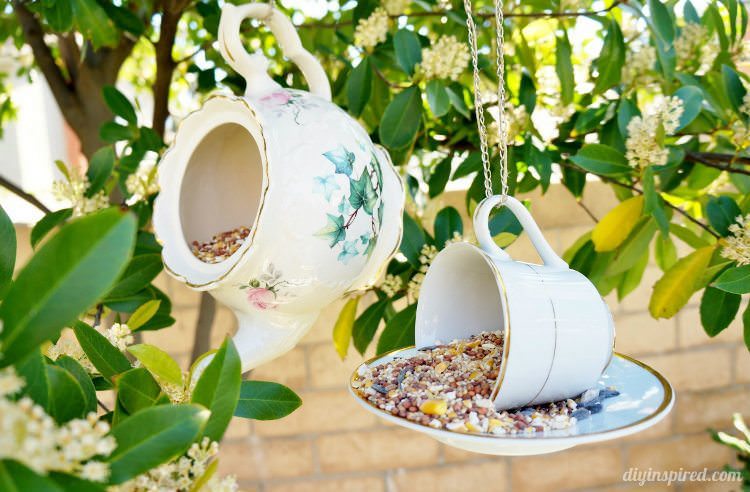
Do you have one of Grandma’s old tea sets lying around that doesn’t quite fit into the sleek modern aesthetic you’ve been cultivating? Put it to great use by feeding the birds in your area — in style.
Thrift stores are always awash in old china, so if you don’t already have the old tea set, consider going wild and spending a few bucks for this DIY delight. You’ll find blogger Dinah Wulf’s instructions for the teacup bird feeder at DIY Inspired.
Safety note: Use sturdy twine or cord — not chain — to hang the feeder. Birds can catch their toes in chain links, which causes serious injury. The National Audubon Society also recommends cleaning seed feeders every two weeks (more often in hot, humid weather) by scrubbing with soap and water and soaking in a 50-50 vinegar-water solution to prevent the spread of avian disease.
2. Gardening Tool Storage
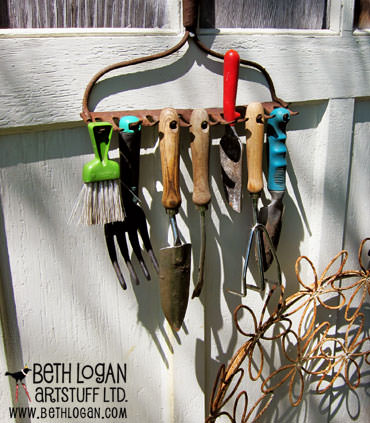
What on earth do you do with those rusty-as-heck, old-school garden rakes hanging around your garage? Well, if you’re any sort of DIY genius, you press them into service as a gardening tool holder.
The original inspiration for this project came from Beth Logan at Artstuff Ltd., whose blog has since gone offline. For a current walkthrough, see the Repurposed Rake Tool Rack tutorial at DIY n Crafts (project #14 in their roundup of 25 ways to reuse old garden tools). The concept is embarrassingly simple — remove the rake handle, mount the head tines-out on a fence or garage wall, and use the tines themselves as hooks for trowels, gloves, and pruners — but eye-catching enough to make you look like a DIY pro.
3. Bottle Tree

Do you like wine? No, I mean do you really like wine? Do you want a reason to drink more of it? And does your garden need a cute border? This sustainable, upcycled garden border may be just the project for you. You might have to expand your drinking list to include bottles of various shapes, sizes, and colors — but variety is the spice of life.
When friends ask how you managed to collect so many bottles, just laugh gaily and then distract them with your dainty teacup bird feeder. The bottle tree tradition itself runs deep — Mississippi garden writer Felder Rushing traces the practice back through African American Southern folk art and, by his own research, as far as ancient Egypt and Mesopotamia. See his bottle tree gallery and history for inspiration, or jump straight to his how-to guide for building one out of a cedar snag, rebar, or just about anything else.
4. Colorful Outdoor “Tiles”
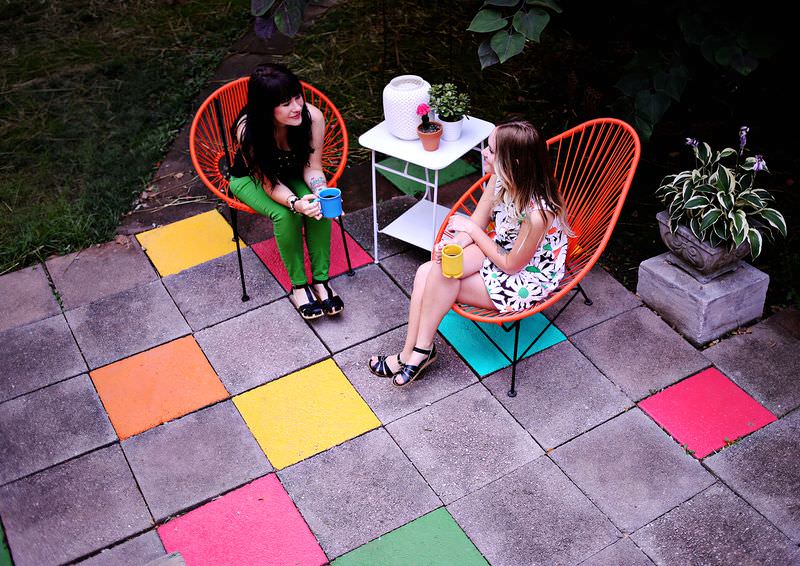
If your backyard isn’t perfectly landscaped and manicured, with an impeccably tiled “outdoor living space,” don’t despair. You can use up all those half-empty paint cans and create a Pinterest-worthy colorful backdrop for evenings spent clustered around a fire or barbecue.
Pop a few coats of paint on cement tiles and you have a one-of-a-kind flooring solution. If you rent, the same effect could be achieved on a more temporary basis by letting the kids go wild with sidewalk chalk and create a mosaic masterpiece. Check out Elsie’s Painted Patio Tiles at A Beautiful Mess for the back story on this DIY idea. (Heads up: the original author noted she had to touch up the paint each spring in Missouri winters — a porch and patio floor enamel will hold up better than wall paint.)
5. Home Sweet Gnome
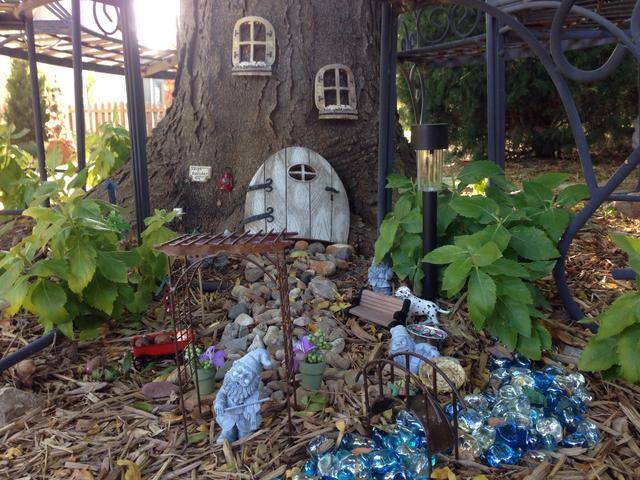
Okay, this one might be the least practical idea of the bunch, but that may be why I love it oh so much. If you have a stump in your backyard and you’re not willing or able to pay the truly insane amount it costs to have it ground down and removed, how about making it into a little gnome home? This is the perfect outdoor project if you have small children in your life.
Construct the trappings of a little house — door, windows, winding garden path — from found objects or natural materials, and affix them to the stump. Bonus points if you don’t tell the kids about this particular DIY project and allow them to simply stumble upon it one day in the garden. My mind would have been blown if I had come across one of these as a seven-year-old. For a step-by-step build, see this Gnome Tree Stump Home tutorial on Instructables.
Safety note: Don’t use an angle grinder to gouge windows or doors into a stump. Use a chisel and mallet for shallow detail work, or attach decorative pieces (driftwood, bark, polymer clay) to the outside instead.
6. Mosaic Stepping Stones from Broken China
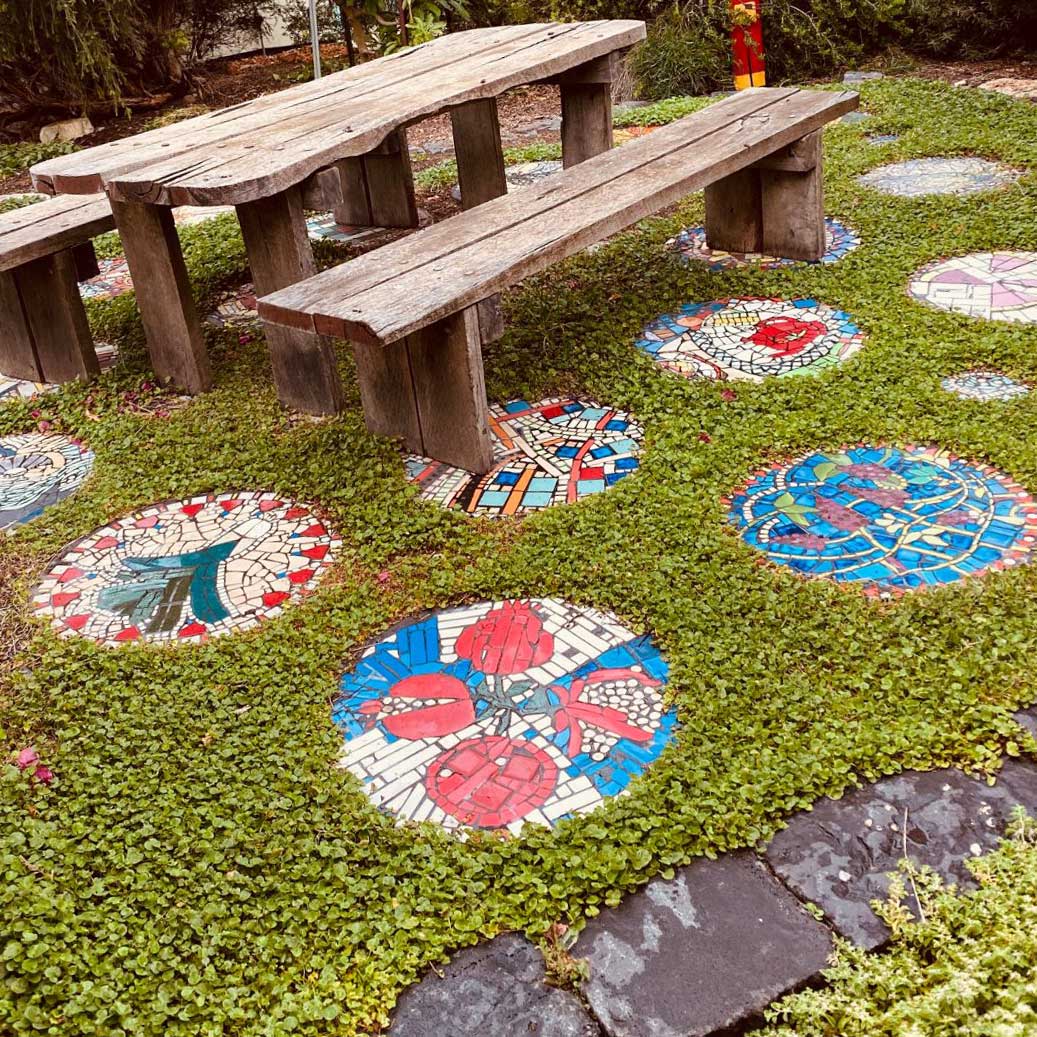
Every household eventually accumulates a small graveyard of chipped mugs, a single survivor from a four-piece dinner set, or a beloved teapot with a hairline crack. Rather than tossing them — broken ceramics generally aren’t accepted in curbside recycling — embed them in concrete stepping stones for a garden path that’s genuinely one of a kind.
This pairs beautifully with the teacup project above: any teacups that don’t make it past Project #1 (you will break a few) can come back as paving. The DIY mosaic stepping stones tutorial at Gardening.org walks through the full process — breaking ceramics safely inside a drop cloth, sizing pieces to half-inch to one-inch fragments, pressing them into wet concrete, and sealing the surface so sharp edges don’t cause injury underfoot. Basic mold options include an old cake pan, a plastic plant saucer, or a purpose-built stepping stone form from a craft store.
Safety note: Wear safety glasses and heavy gloves when breaking ceramics. Once cured, run a finger over the surface to check for protruding edges and file or sand any down before placing the stone where bare feet might land.
7. Vertical Pallet Herb Garden
Shipping pallets are one of the world’s most abundant near-free materials. Small businesses, garden centers, and feed stores often have stacks of them out back, and asking politely beats the alternative of seeing them landfilled. Mounted vertically against a sunny wall or fence, a pallet becomes a stacked planter that holds enough herbs to keep a kitchen in basil, thyme, parsley, and chives all season.
Grit Magazine published a clear how-to for a vertical pallet planter — line the back and sides with landscape fabric or heavy plastic to hold soil, fill through the slats, and plant each gap as its own row. The gaps act as natural divisions, so different herbs don’t fight for the same root space.
Safety note: Use only heat-treated pallets for anything edible. Look for the IPPC stamp with the letters HT (heat treated) and avoid any stamped MB (methyl bromide — a fumigant restricted under the Montreal Protocol). Unstamped pallets are unknowns; skip them for food crops. The same heat-treated pallets are fine for ornamental flowers either way.
8. Punched Tin Can Lanterns
Steel food cans — soup, tomato, coffee — are one of the most recyclable materials on Earth, but the recycling-then-buying-something-decorative loop has plenty of slack in it. With nothing more than a hammer, a few nails of varying sizes, and the freezer, an empty can becomes an outdoor lantern that throws constellation patterns across a patio at dusk.
HGTV’s tin can lantern tutorial covers the trick that makes this project work: fill the can with water and freeze it solid before punching, so the ice supports the can wall and prevents denting. Sketch your pattern on paper, tape it to the frozen can, punch through with a nail at each marked dot, and let the ice thaw. Drop in a battery tealight (much safer outdoors than a real flame) and group them along a walkway or down the center of an outdoor table.
The Point of All This
None of these projects requires you to buy more than a tube of waterproof adhesive, a bag of concrete, or maybe a stepping stone mold. The materials — chipped china, leftover wine bottles, empty cans, a forgotten pallet, an old rake — are already in your house or someone else’s. That’s the point. The greenest project is the one that uses what already exists, and the best part is that yours will look like nobody else’s.
Editor’s Note: This article, originally authored by Madeleine Somerville on June 17, 2015, was updated with corrected links and new ideas in May 2026.
The post Outdoor Projects You Can DIY for Almost Nothing appeared first on Earth911.
https://earth911.com/diy/outdoor-projects-you-can-diy-for-almost-nothing/

When it comes to establishing a “natural” skincare routine there are a few relatively simple swaps you can make: shampoo, skincare, deodorant, makeup and makeup remover — but, there’s one category that most people tend to struggle with and that’s non-toxic and eco-friendly perfume.
In this post, Madeleine of The Wise Consumer dives into what fragrance really is, if we should avoid all perfumed products, and how one goes about selecting an eco-conscious and natural perfume!
What is Fragrance Anyway?
For years I avoided any kind of perfume, eau de toilet, or spray — not because I didn’t love these kinds of products but because I was intentionally trying to avoid anything fragranced. And perfume is, in a word, just that — fragrance.
But what is “fragrance” actually?
As you’re most likely aware, fragrance is used to make things smell better, to mask unwanted odors, or to give something a more pleasant smell. According to the International Fragrance Association (IFRA), “fragrance is a chemical mixture that has a smell or odor…The mixtures that make a fragrance may include natural aromatic raw materials, obtained from plants using distillation, expression, and extraction, or synthetic materials.”
And, fragrance is everywhere!
It’s in our shampoo, our deodorant, candles, cleaning products, laundry detergents, and even in certain menstrual hygiene products. Sometimes, even “unscented” products can contain fragrance. As the FDA explains, this is because the manufacturer may add just enough fragrance to mask the unpleasant smell of other ingredients, without giving the product a noticeable scent. Like, I said, it’s everywhere.
As a whole, the concept of fragrance isn’t bad. In fact, could you imagine how dull life would be without scents? I am the first to admit that I love soaking in a warm eucalyptus or lavender-scented bubble bath. But, as a conscious consumer, I also like to know what ingredients are in my lavender-scented bubble bath, or any cosmetic product I use for that matter.
Unfortunately, when it comes to fragranced products it’s not always clear what chemical mixtures and ingredients go into making these scented products, even “naturally” fragranced products don’t always disclose their ingredients.
Why is the Ingredient “Fragrance” So Opaque?
Generally speaking, any cosmetic product sold to a consumer must display a list of ingredients. But according to the FDA, “under U.S. regulations, fragrance and flavor ingredients can be listed simply as “Fragrance” or “Flavor.”
This is because “fragrance and flavor formulas are complex mixtures of many different natural and synthetic chemical ingredients, and they are the kinds of cosmetic components that are most likely to be ‘trade secrets’”.
In a way, this makes sense. If a company spends hours of research, time, and money formulating the perfect fragrance for their product, they’re not going to want to disclose the list of ingredients that went into making that product.
But, this can be especially problematic for people with skin sensitivities and/or allergies.
If you’re allergic to a certain ingredient being used in the fragranced product but that ingredient isn’t disclosed, then it’s going to be much harder to know which products to avoid.
In these cases, the FDA recommends that you choose products that are fragrance-free, and check the ingredient list carefully.
Easier said than done seeing that, as I mentioned above, even unscented products can contain small amounts of fragrance to mask unpleasant odors!
As Made Safe shares, “without information about what ingredients actually make up a fragrance, it is difficult to understand the true extent to which our health is compromised by fragrance ingredients.”
This can get even more challenging if you’re extremely sensitive to certain fragranced products and their scents. Products such as laundry detergents, shampoos, cleaners, and body splashes make me nauseated and give me headaches. As it turns out I am not alone.
A 2016 study found that approximately 35% of the population studied reported health problems — such as migraine headaches and respiratory difficulties — when exposed to fragranced products.
According to their research, “fragranced consumer products, such as cleaning supplies, air fresheners, and personal care products, are a primary source of indoor air pollutants and personal exposure….even those called green and organic emitted hazardous air pollutants.”
Not to mention that over the years certain fragranced products have been found to contain ingredients such as phthalates, synthetic musks, formaldehyde, and allergens, just to name a few, that have been shown to have negative health impacts, especially on pregnant women.
Are “Natural” Fragrance and Essential Oils Non-Toxic?
Even “natural” extracts, such as essential oils, can trigger allergic reactions and skin sensitivities. In fact, according to the Environmental Working Group, certain essential oils, such as several citrus oil extracts or rose flower oil, which the European Commission has categorized as established allergens, “may trigger an allergic reaction after a few contacts or can cause someone to develop an allergy over a longer period of time”, EWG reports.
Additionally, a 2018 study found that essential oils, similar to certain synthetic fragrances, have also been found to emit numerous volatile organic compounds (VOCs).
According to the report, “some of these VOCs are considered as potentially hazardous under federal regulations. However, essential oils are exempt from disclosure of their ingredients on their label. Thus, the public may lack information on emissions and potential hazards from essential oils.”
What I’ve learned over the course of my research is that sometimes a synthetic ingredient may actually contain fewer allergens than a “natural” ingredient. As discussed in a previous post about non-toxic skincare, the word natural doesn’t always mean better.
And, when it comes to fragrance, the Breast Cancer Prevention Partners shares, “It is important that companies look for safer alternatives where available and report all ingredients in their fragrances, both natural and synthetic, so that consumers are able to avoid potential allergic reactions and other health consequences.” We can all agree on that!
The good news is today more perfume brands are creating products that are not only free of potentially harmful ingredients but that are also eco-friendly, ethically manufactured, and, best of all, provide complete ingredient transparency so consumers can know what they’re buying!
How to Choose a Non-Toxic and Eco-Friendly Perfume
Check the brand’s website for a list of ingredients. What ingredients are being used? Are the ingredients safe? Are they phthalate-free?
If you have any concerns or doubts about a specific ingredient you can always get more information on the EWG Skin Deep Database.
If the brand doesn’t list the ingredients on their website, feel free to contact them directly and ask them to share their list of ingredients with you. If they don’t, it may be time to find an alternative brand.
Ideally, an eco-friendly perfume brand will not only be transparent about its ingredients as well as conform to IFRA guidelines but will also focus on low or zero waste packaging and ethical manufacturing.
To help save you time on your hunt for a sustainably-made non-toxic perfume, check out the brands below!
Editor’s note: this guide includes affiliate links, which means we may earn a small commission if you choose to make a purchase through these particular links. As always, all product and brand selections meet rigorous standards for sustainability and are brands we genuinely love — and that we think you’ll love too!
The Best Eco-Friendly Perfume Brands
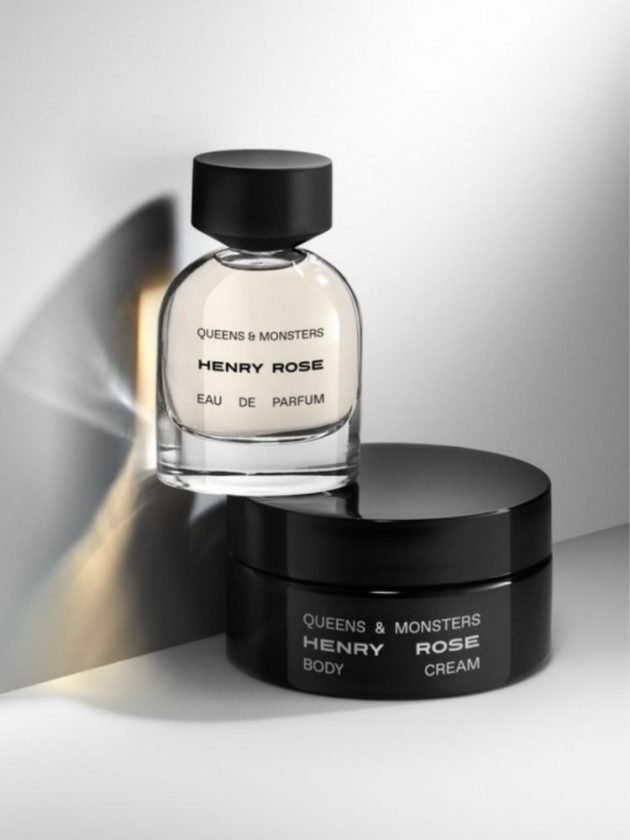
1. Henry Rose
This sustainable perfume brand provides an array of fragrances that are EWG and Cradle to Cradle Certified. Henry Rose perfumes are made of a combination of both safe synthetics and natural ingredients and are free of harmful ingredients such as phthalates, formaldehyde, and styrene. This nearly zero waste perfume brand also uses 90% recycled and 100% recyclable packaging.
Conscious Qualities: 100% Ingredient Transparency, EWG-Verified, Cradle to Cradle Certified (Gold), Eco Packaging, Gives Back
Scent types: Clean, Smooth, Spicy, Earthy
Price: $$
2. PHLUR
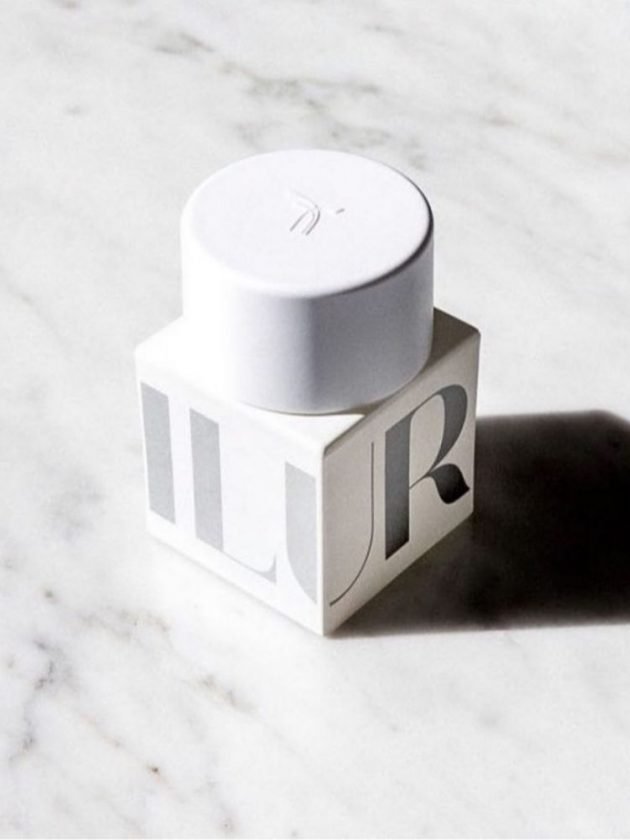
This certified B-Corp and eco-friendly perfume brand crafts their fragrances using only clean and safe ingredients. In fact, they vow to never use materials listed on the International Union for the Conservation of Nature’s Red List of threatened plants so as to ensure that their ingredients are always responsibly sourced. PHLUR is fully transparent about the ingredients used within their fragrances, both botanical and synthetics.
Conscious Qualities: 100% Ingredient Transparency, Gives Back, Recycled Packaging, Made Safe Supporter
Scent Types: Floral, Crisp and Fresh, Spicy
Price: $$
Check it Out: PHLUR | Credo Beauty | Sephora
3. One Seed
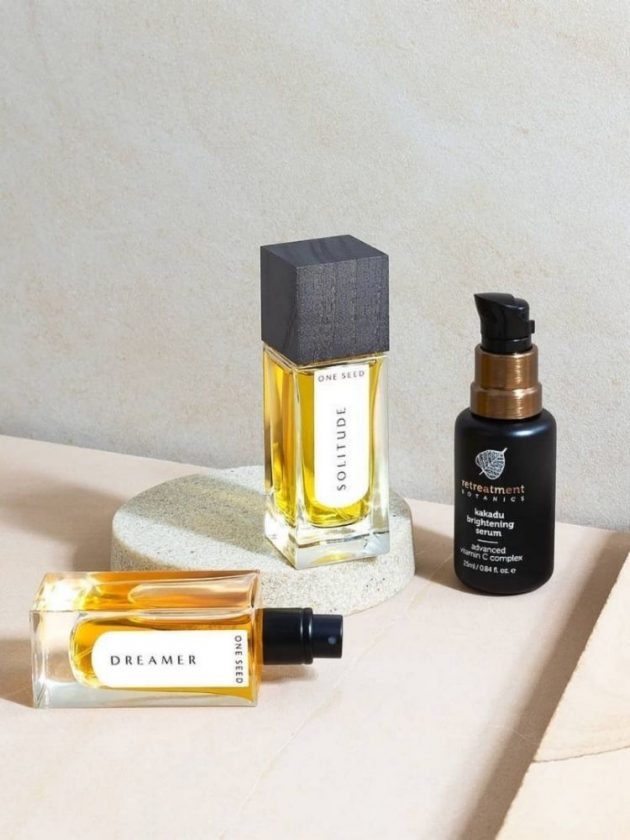
One seed makes honest natural and eco-friendly perfume from plants and tells you exactly what’s in it. Fully transparent about their ingredients, One Seed, uses no synthetic ingredients and is packaged in recyclable and reusable materials. In addition to working closely with their suppliers to ensure all their ingredients and materials are sustainably sourced. One Seed also offers customized fragrance blends of their sustainable perfume!
Conscious Qualities: 100% Ingredient Transparency, Only Natural Ingredients (80% Organic), Eco Packaging, Gives Back
Scent Type: Woodsy, Floral, Fresh, Warm
Price: $$
Check it Out: One Seed | Nourished Life
4. Leland Francis
Reviewed by CL&S Editor Elizabeth Joy
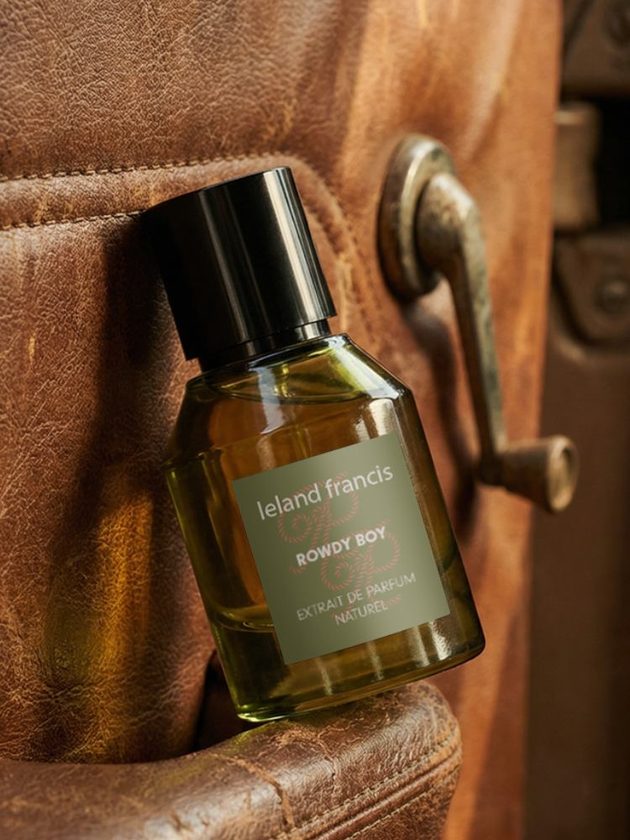
Crafted in small batches in Los Angeles with full ingredient transparency, Leland Francis fragrances are made entirely with plant-derived ingredients. Any sprays are blended with organic sugarcane alcohol.
When I read the scent profile of their fragrance, Rowdy Boy — made in collaboration with a queer-owned farm in Oklahoma City — of bergamot, clary sage, sandal wood, and vetiver, I was in. Their fragrances are unisex, but this one is an extrait de parfum which is more intense, so it was a better fit for my husband. We both love the scent!
Conscious Qualities: Cruelty-Free, Ingredient Transparency, 100% Naturally Derived Scent
Scent Type: Woody & Warm, Earthy, Herbal
Price: $$
5. Abbott
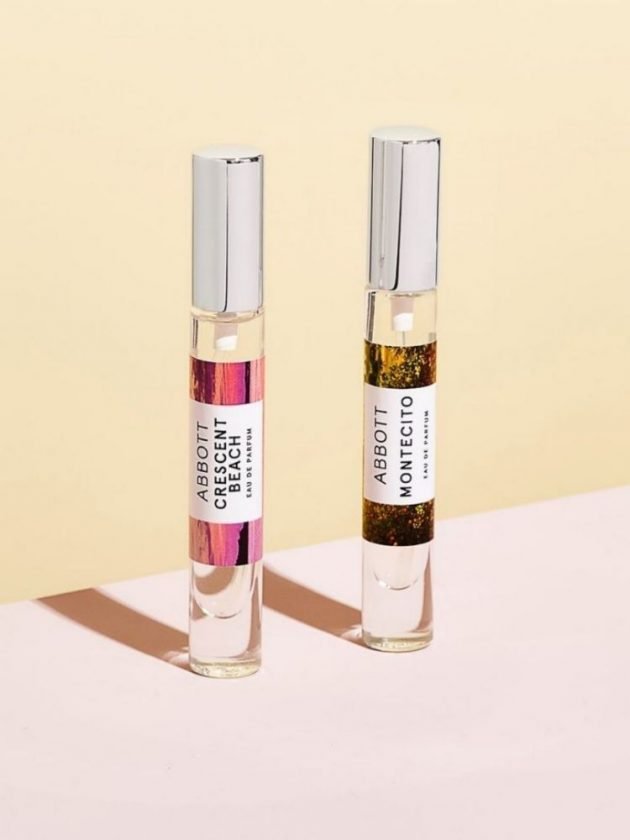
Abbott’s eco-friendly perfume is made using the cleanest conscious ingredients. These unisex fragrances are free of parabens, phthalates, sulfates, and other questionable ingredients. Carefully crafted using a mixture of natural and synthetic ingredients, Abbott discloses a full list of their ingredients on their website. Plus, their ingredients are sustainably sourced and they work closely with their suppliers to produce eco-minded packaging.
Conscious Qualities: 100% Ingredient Transparency, Vegan & Cruelty-free, Sustainably-Sourced Ingredients, Recyclable Packaging, Gives Back
Scent Type: Cool and Crisp (with a hint of spice), Fresh, Citrus, Floral
Price: $$
Check it Out: Abbott | Credo Beauty
6. The 7 Virtues
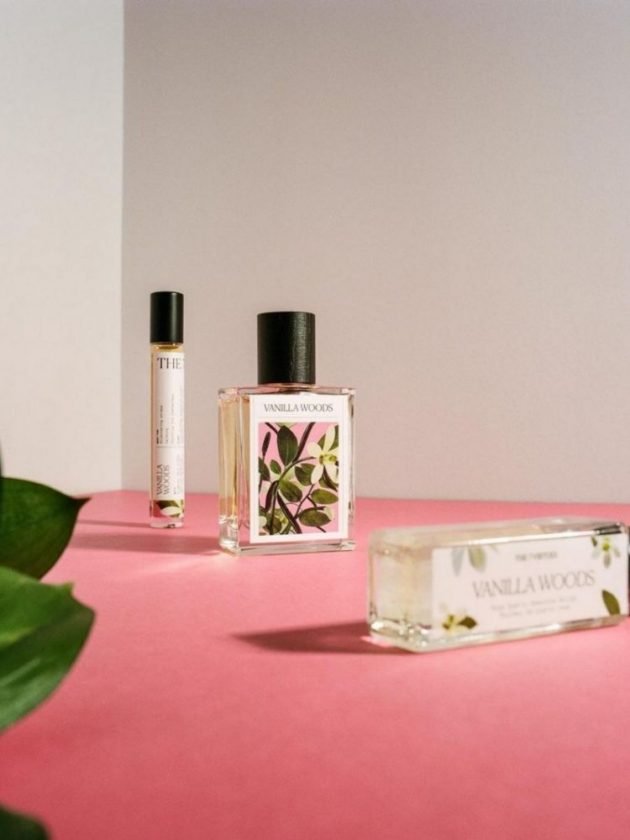
This fragrance brand is more than a fragrance, “it’s a movement to use business for peace. 7V (The 7 Virtues), founded by Barb Stegemann, a former journalist who never set out to make perfume, is a fair-trade, ethically sourced, and eco-friendly perfume brand on a mission to provide alternatives for farmers in nations rebuilding after war and strife around the world. Ingredients are ethically sourced from countries such as Afghanistan, Haiti, Rwanda, and Iran. In addition, 7V uses only clean and natural ingredients and is transparent about ingredients used in each fragrance.
Conscious Qualities: Fair Trade and Organic ingredients, Ingredient Transparency, Supports Farmers, Cruelty-Free & Vegan
Scent Types: Warm, Spicy, Floral, Woodsy
Price: $$
7. DedCool
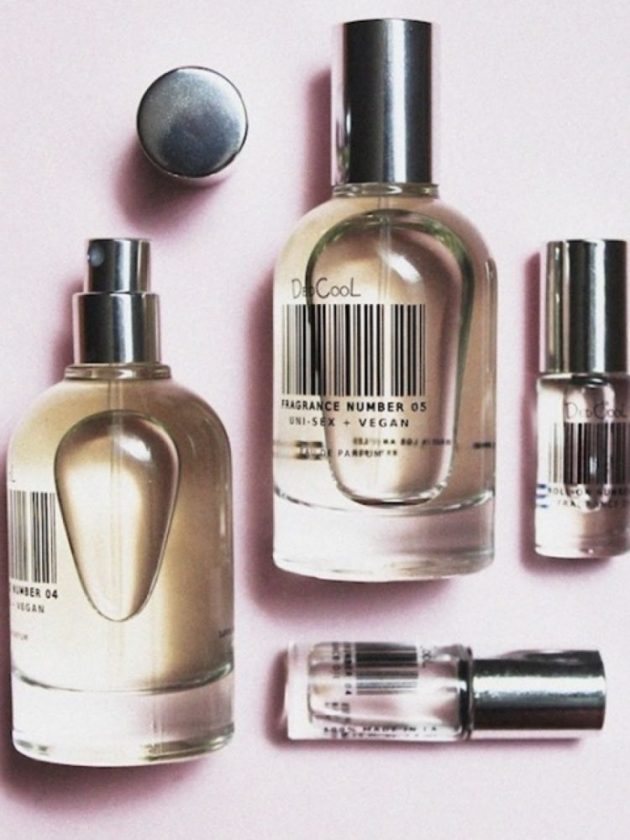
This LA sustainable perfume brand, founded by Carina Chaz, provides a variety of gender-neutral fragrances that are composed, crafted, filled, and packaged in reusable and recyclable glass bottles. Made in small batches, Ded Cool uses only safe synthetics and essential oils in their formulas and is free of carcinogens, harmful stabilizers and preservatives, and water, which many brands use to dilute their formulas.
Conscious Qualities: 100% Ingredient Transparency, Low Waste Packaging, Unisex Scents
Scent types: Citrus, Fresh, Light, Fruity
Price: $$
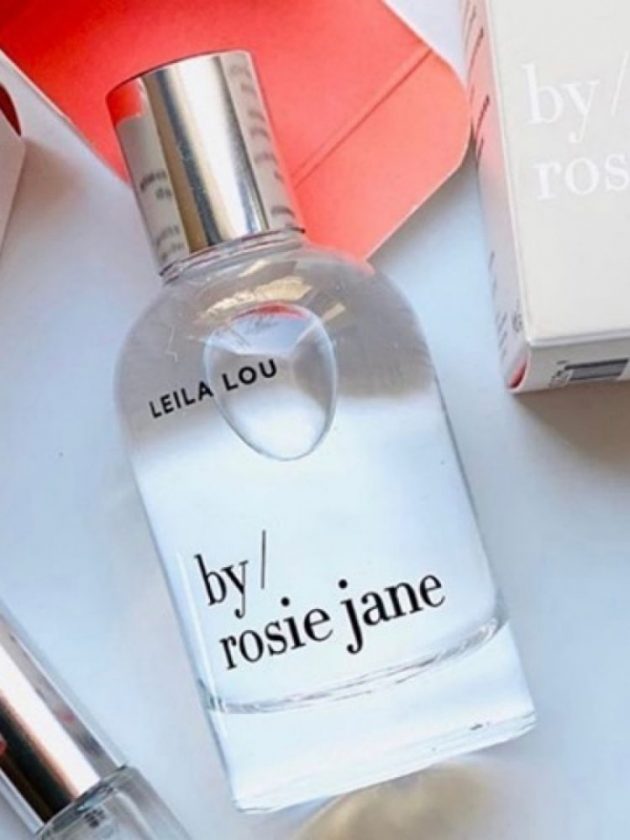
8. By Rosie Jane
Handmade in Los Angeles, California by/Rosie Jane products are mixed and formulated using sustainably sourced safe synthetic and botanical ingredients. Free of endocrine-disrupting ingredients, by/Rosie Jane provides complete ingredient transparency and uses certified organic ingredients whenever possible. The sustainable perfume also comes in recyclable packaging made using wind power, vegetable-based inks, and responsibly-sourced paper.
Conscious Qualities: 100% Ingredient Transparency, Eco Packaging, Responsibly-Sourced Ingredients
Scent Types: Musky, Fresh, Floral, Vanilla
Price: $-$$
Check it Out: by/Rosie Jane | Credo Beauty | Sephora
9 Cultus Artem
Handcrafted in small batches in the US, Cultus Artem’s eco-friendly perfume can be summed up in one word, elegant. These gender-neutral fragrances — which are free of BHA, BHT, color additives, ethanolamines (ETA, DEA, and TEA), formaldehyde, parabens, phthalates, and other questionable chemicals — undergo rigorous quality control and analysis. Cultus Artem values slow beauty and strives to reduce waste every step of the way, including in their packaging.
Conscious Qualities: Safe and Natural Ingredients, 10