

Just as Colombia – a coal-producing country that has halted new exploration licenses for hydrocarbons – was set to host the first fossil fuel phase-out summit in late April, the government received notice from a foreign energy firm operating on its soil. It was being sued for millions of dollars.
One day before Colombia hosted representatives from around 60 countries for the first Global Conference on Transitioning Away from Fossil Fuels, Spain-based firm Termocandelaria Power, which operates two of the country’s diesel- and gas-fired power plants, sued the government for $198 million alleging a breach of investor protection rules under a bilateral agreement.
Termocandelaria said government measures since 2024 have prevented its Colombian subsidiaries from receiving full payment for the power they supplied to a public utility, while the Colombian government justified its actions as needed to guarantee financial solvency and deliver electricity to rural communities.
While Termocandelaria declined to comment for this article, the company said in a press release last month that investment protection treaties “are designed to provide a stable and predictable legal framework for long-term investments in strategic sectors”.
The timing shows how trade agreements that offer investors protection when government decisions are seen as causing harm to their business – a system known as investor-state dispute settlement (ISDS) – can hamper the transition away from fossil fuels even when countries are pushing for it. Governments in the Global South are particularly exposed, experts told Climate Home News.
-
COP31 must persuade countries to make fossil fuel transition plans
As the Iran war disrupts oil and gas supplies, the UN climate summit should tackle fossil fuel dependency, energy affordability and energy access – national roadmaps are a good start -
Recycling could meet half of Europe’s critical mineral needs by 2050
A new report by an EU-funded research project says the bloc could harness its “urban mines” to reduce its dependence on China for energy transition minerals -
To phase out fossil fuels, developing countries need exit route from “debt trap”
New research from the Fossil Fuel Treaty Initiative shows that the Global South’s debt crisis is slowing down the pace of the energy transition and supporting fossil fuels


As part of the official academic contribution to the Santa Marta conference, researchers recommended that governments should “recognise” ISDS as a barrier to the energy transition, and called for negotiations on an international initiative to dismantle ISDS protection for fossil fuel investments, either through “a new standalone” international agreement or as part of a broader treaty.
Mario Osorio, a research fellow at the Center for Economic and Policy Research (CEPR), said Termocandelaria’s claim against Colombia “puts in perspective how serious, concrete and real these threats are” for developing countries.
Osorio said the second fossil fuel transition conference – to be held next year in Tuvalu – presents an opportunity for advancing ISDS reform from discussion to “something more concrete”.

Colombia pledges to exit ISDS
ISDS is a mechanism in international trade that allows foreign corporations – many of them linked to fossil fuel interests – to sue governments in international arbitration courts. One 2022 study estimated that possible legal claims from fossil fuel investors could reach $340 billion.
In the lead-up to the Santa Marta conference, Colombian President Gustavo Petro pledged to exit the ISDS system by reviewing Colombia’s 129 investment protection agreements. This came after more than 200 economists sent Petro an open letter urging Colombia to abandon the ISDS system.
Eunjung Lee, a senior policy advisor at UK-based think-tank E3G, said the Santa Marta conference had helped elevate ISDS reform as a key element of the transition away from fossil fuels, despite the issue remaining relatively little-known, even among climate negotiators.
She added that governments tend to be cautious about discussing ISDS at climate summits, as these treaties also implicate trade and economy ministries. “If it is not your file, then you can’t really say much about it and taking action is not necessarily up to you,” she explained.
Kyla Tienhaara, Canada Research Chair in Economy and Environment and a professor at Queen’s University who has worked on the issue for two decades, said the conference in Santa Marta marked a new approach, and that Colombia had placed ISDS “prominently in the agenda”.
The next transition conference presents an opportunity for governments to land on something more practical, particularly under the agreed work stream on “macroeconomic dependence and financial architecture”, but it will depend on the co-chairs Tuvalu and Ireland, she said.
Ireland was sued in May by oil company Lansdowne for failing to award a lease in the Barryroe offshore field. The claim was made under the Energy Charter Treaty (ECT), which fossil fuel companies have used to sue several governments over the consequences of enacting their climate policies.
Following a similar move by some other European states, Ireland left the ECT in April while the Santa Marta conference was ongoing, but existing fossil fuel investments are still protected for 20 years under a “sunset clause”.
-
Indigenous groups warn Amazon oil expansion tests fossil fuel phase-out coalition
South American nations like Ecuador, Peru and Brazil have led oil expansions in the Amazon rainforest, one of the most biodiverse regions in the planet -
Agricultural subsidies can be repurposed for a just and sustainable rural transition
Achieving climate goals and zero waste without undermining farming communities requires financial support – a priority for the COP31 Presidency


“Disappointing” conference report
Despite the prominence of the issue in the conference rooms, experts told Climate Home that the chairs’ takeaways report was “disappointing”, as it did not explicitly mention ISDS as a key obstacle to the energy transition.
The Netherlands, which co-hosted the summit, may have faced conflicting interests, said Tienhaara, as it is second only to the US as a “home state” for the investors bringing the most ISDS cases, including foreign companies structuring their investments through the country.
The Dutch government also withdrew from the ECT last year, which means it understands and has acted on the threat of investment treaties to climate action, the researcher said. “Unfortunately, they seem unwilling to extend their concern to the harm that these treaties cause in other countries, particularly in the Global South,” she added.
Lee of E3G said Global North countries like the Netherlands tend to export capital to developing countries, which is why they seek to protect their investors’ interests and are unlikely to drive a dismantling of the ISDS system themselves.
Developing countries like Colombia, which have been negatively affected by ISDS claims, have an incentive in “voicing their concerns” and forming a bloc around this topic. “Uniting Global South countries can make a stronger case,” Lee said.
The post Santa Marta process can confront trade protection for fossil fuels, experts say appeared first on Climate Home News.
Santa Marta process can confront trade protection for fossil fuels, experts say

Next week, diplomats from around the world will descend on Yerevan, Armenia, to negotiate a series of decisions under the UN Convention on Biological Diversity (CBD).
Between 19 and 30 October, 196 parties will gather to hammer out the precise wording of the dozens of legal texts that make up the decisions under the Conference of the Parties (COP) to the CBD.
This year’s summit is particularly significant, as it marks the halfway point between the agreement of the Kunming-Montreal Global Biodiversity Framework and the deadline for achieving its targets.
The CBD has found that countries are currently not on track to meet 22 out of the framework’s 23 targets.
During the fortnight, delegates will also be negotiating decisions relating to the two supplemental protocols to the CBD: the Cartagena Protocol, which covers biosafety; and the Nagoya Protocol, which covers access and benefit-sharing for the use of genetic resources.
(The Cartagena and Nagoya Protocols, which are each governed by a “meeting of the parties”, or “MOP”, have fewer parties than the CBD as a whole, with 173 and 141, respectively.)
Carbon Brief is tracking the progress of countries towards consensus on dozens of negotiating texts using the interactive table below.
The tracker includes texts from the COP, as well as the MOPs for the Cartagena and Nagoya protocols. It also includes draft decisions from the most recent subsidiary body meetings, as these form the starting point for the negotiations in Yerevan.
The CBD has three subsidiary bodies: the subsidiary body on scientific, technical and technological advice (SBSTTA), the subsidiary body on implementation (SBI) and the subsidiary body on article 8(j) and other provisions (SB8J).
SB8J focuses on issues related to the Indigenous peoples and local communities. It was established at COP16 in Cali, Colombia, in 2024.
The first two columns of the interactive tracker list the topic of each agenda item and the relevant body, with subsequent columns including dates, page counts and links to the original documents.
The table is searchable and can be sorted using the arrows in the header.
Areas of disagreement in UN draft texts are denoted by square brackets. Counting the brackets in a particular iteration of a text therefore gives a sense of how far parties are from reaching consensus.
The bracket column is colour-coded, with dark green indicating a low number of brackets and red indicating a high number of brackets remaining.
Texts can also present parties with choices using “options” or alternatives (“alt”), which are counted together in the sixth column of the table.
The key discussions in Yerevan will centre around two agenda items in particular. The first is the global review, which will assess progress towards the GBF and make recommendations for accelerating action.
The second is finance, which can be separated into two parts: resource mobilisation and the financial mechanism. On resource mobilisation, biodiverse global south countries are likely to push for an increased amount of international finance for conservation.
Disagreement over the creation of the financial mechanism led to the suspension of COP16 in Cali in October 2024, as parties failed to find agreement on the mobilisation of finance before the end of the summit.
Global south countries want the establishment of a separate financial mechanism under the control of the CBD; global north countries largely prefer to maintain the existing mechanism, which sits under the Global Environment Facility.
At the resumed session of COP16 in Rome in early 2025, countries agreed on a roadmap that would lead to the establishment of a permanent mechanism.
related
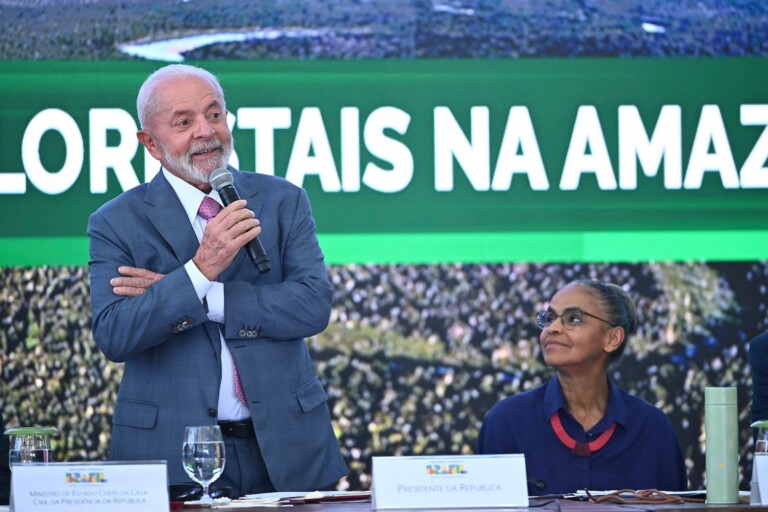
Analysis: Lula presidency saved at least 20,000km2 of Brazilian Amazon since 2022
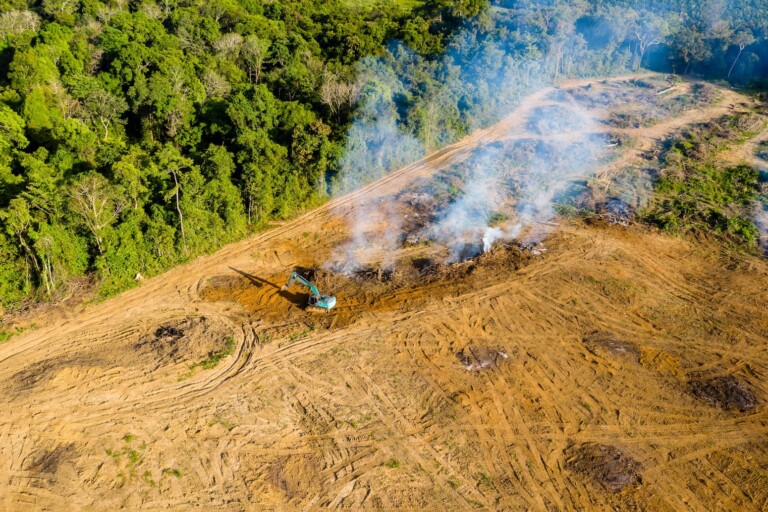
Why land-use emissions have fallen by a third this century – in six charts

Analysis: 84% of nations miss deadline to identify ‘nature-harming’ subsidies by 2025
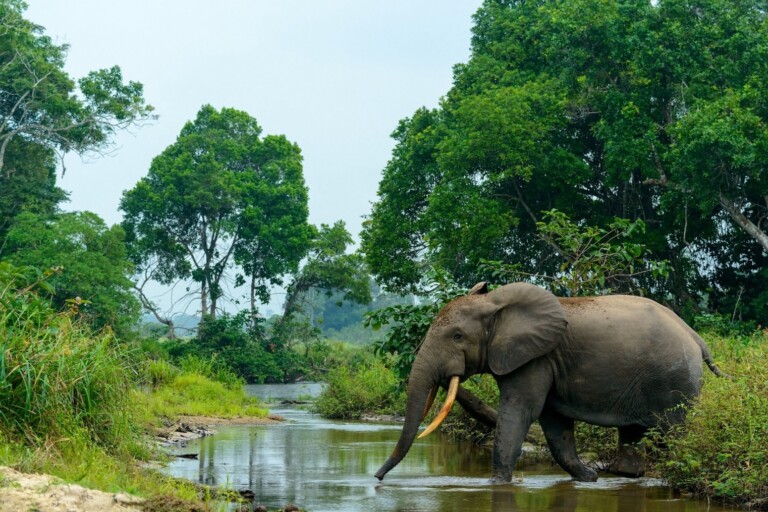
UK withdraws millions in funding from world’s second-largest rainforest in Congo
The post Interactive: Tracking negotiating texts at the COP17 biodiversity summit appeared first on Carbon Brief.
Interactive: Tracking negotiating texts at the COP17 biodiversity summit
A beacon of love
On an outer island of Fiji, two thousand nautical miles from Sydney, is a shining light of hope and resilience for our troubled world.
The island of Kioa is home to a Tuvaluan community who migrated from their atoll of Vaitupu in the late 1940s. It is a land of warm hearts, big smiles, and deep cultural roots; a place where the sound of a conch still summons the island together, where islanders paddle out to fish in carved outrigger canoes, and healthy happy children walk barefoot to school.
Here, culture is life. Kioans live sustainably through their traditional knowledge and practices. The island is alive with song, dance and the rhythms of a life tied to the tides, the winds, and the seasons.
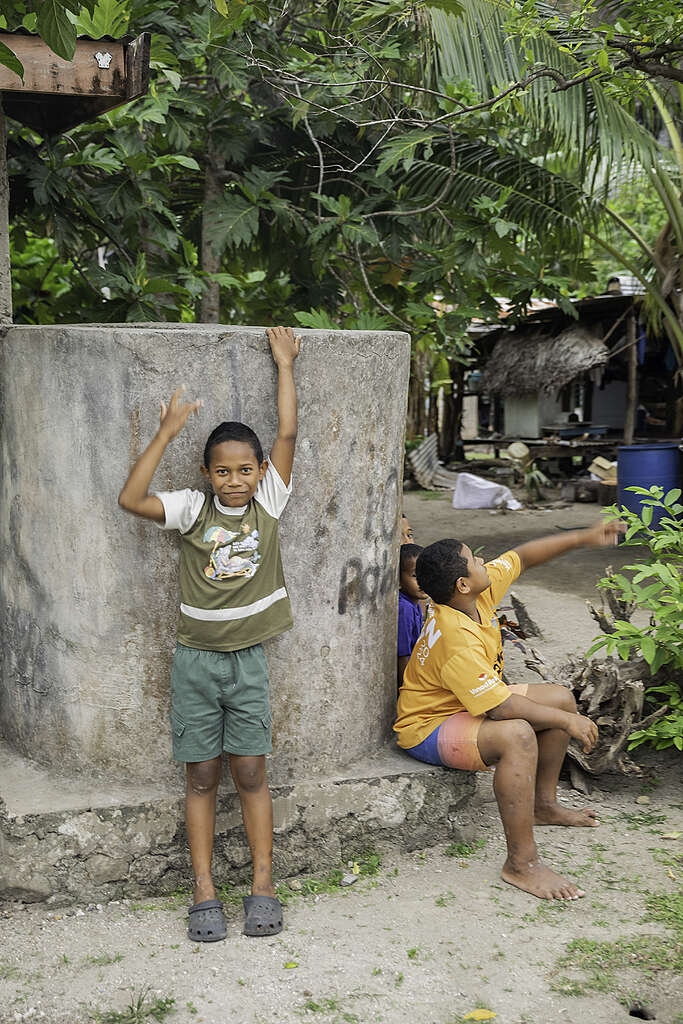
Facing the future
Greenpeace has been lucky to have a relationship with Kioa for a number of years now, and we are continually learning from this remarkable community.
Last week, as part of our Voyaging Oceania project, we returned to the island. Our purpose was twofold —- to carry messages from the island to leaders gathering in Nadi this week for the Pacific Pre-COP, and to support the Kioa community in their efforts to improve water security for the island.
Unlike Tuvalu itself, with its eight atolls, Kioa is a mountainous, forested and richly fertile island. It will remain habitable far into the future. Kioans did not initially migrate from Vaitupu due to climate change, but the move was prophetic. They now have a lifeboat.
However, even Kioa faces challenges on our rapidly warming planet, in particular when it comes to water. Climate change is shifting once reliable rainfall patterns. On top of this, the island is already feeling the effect of this year’s intensifying El Niño event, which for Fiji means reduced rainfall and prolonged dry spells.
Right now, fresh water has to be carefully rationed, and is only available for a few hours a day. During last week’s visit aboard our campaigning ship Oceania, Greenpeace was privileged to work with the Kioa community on a new solar-powered water distribution project for the island.
Designed and led by the island, the project involves using a solar pump to move water from a reliable source to a storage tank and then using gravity to distribute the water around the village.
It was a lesson in how local knowledge and ingenuity can be the backbone of today’s climate solutions. To build a dam around the source, the local community knew the exact spot where they could gather gravel at low tide to mix with the cement. They took only what was needed, knowing that all resources must be carefully conserved. Kioa has no roads and no machinery, and it was an all-of-island effort to carry the materials up to the project site, including many heavy bags of sand a