

Weather Guard Lightning Tech
Nordex U.S. Turbine, Sierra Leone INvestment, €2M to Modvion
Nordex has announced the N169 5. X turbine, specifically designed for the American market. Infinity Power, a joint venture between Egypt’s Infinity and Abu Dhabi’s Masdar, has outlined a plan to develop one gigawatt of renewable energy projects in Sierra Leone by 2033. Modvion has received a €2 million investment from CMPC Ventures, the innovation arm of the Chilean forestry company CMPC.
Sign up now for Uptime Tech News, our weekly email update on all things wind technology. This episode is sponsored by Weather Guard Lightning Tech. Learn more about Weather Guard’s StrikeTape Wind Turbine LPS retrofit. Follow the show on Facebook, YouTube, Twitter, Linkedin and visit Weather Guard on the web. And subscribe to Rosemary Barnes’ YouTube channel here. Have a question we can answer on the show? Email us!
Pardalote Consulting – https://www.pardaloteconsulting.com
Weather Guard Lightning Tech – www.weatherguardwind.com
Intelstor – https://www.intelstor.com
Allen Hall: I’m Allen Hall, president of Weather Guard Lightning Tech. And I’m here with the founder and CEO of IntelStor, Phil Totaro, and the chief commercial officer of Weather Guard, Joel Saxum. And this is your News Flash. News Flash is brought to you by our friends at IntelStor. If you need market intelligence that generates revenue, then book a demonstration of IntelStor at IntelStor. com.
First up, German wind turbine manufacturer Nordex has announced a new addition to its product line, specifically designed for the U. S. market. The N169 5. X turbine boasts a rotor diameter of 169 meters and can generate up to 5. 5 megawatts of power. This new model is optimized for regions with low to medium wind speeds and limited grid capacity.
Okay, Phil. Nordex must be seeing a market develop in the United States and they developed a turbine for that. What’s their ability to build that turbine in the United States?
Philip Totaro: First of all, let’s look at why they’re doing this in the first place. So, About six or seven years ago, I had spoken to some of their product folks and said, Hey, look at this Acciona three megawatt, 140 meter rotor product that they had.
And this was just after the merger, before they started designing this Delta platform that they got. That product, fit a gaping hole in the US market where they needed something low wind speed at a higher average power rating than, the 1. x and, the stuff that we had in the market.
And it’s actually what led GE to also go in that direction and develop something that was a 3 megawatt 140. It evolved into a 3. 6 154. Vestas launched last year, and they’ve been installing recently the V163 4. 5. So, this new Nordax turbine is based off of their Delta 4000 platform, which, for those that don’t know, that’s their N149, their N163, 155.
That’s between, 4. 5 and, and five megawatts. What they’re doing with this is besides having a longer rotor, which gives them access to lower wind speed sites, they’re leveraging the. Supply chain infrastructure that’s already in place. So they’ve got, generators, they got electrical equipment converters, controllers, et cetera, that fit that kind of, 4 to 5 megawatt product range where they’d be able to leverage that supply chain for this product.
They are, probably going to be building these in addition to what they already publicly announced with restarting their factory in Iowa. They’re probably going to be building these in Iowa as well and it looks like they will be able to take advantage of some of the domestic content.
Bonuses for the production tax credit and potentially even some of the Manufacturing tax credits as well. So I think all in all a great fit for a market need.
Joel Saxum: And this comes at the same time as Nordex is making moves in the United States outside of offering this new product They also input a new CEO of Nordex is North American operations Manav Sharma on June 1st of this year.
So, Nordex making some moves, looking to be a bigger player in the North American market, definitely.
Allen Hall: Moving over to Africa, Sierra Leone is poised for a significant boost in its renewable energy sector. Infinity Power, a joint venture between Egypt’s Infinity and Abu Dhabi’s Masdar, has signed a memorandum of understanding with the Sierra Leone government.
This agreement outlines a plan to develop one gigawatt of renewable energy projects in the country by 2033. Now, Phil, Sierra Leone is not a very large country. It’s about half the size of New York State. One gigawatt of renewable projects is a significant amount of energy.
Philip Totaro: It is. And the key takeaway of this for me is that Mazdar is also plowing money into yet another different market.
We’ve talked in the past few weeks on newsflash about how mass stars making moves throughout Europe Germany, Spain they’ve been talking to and Disa and now looking within, kind of continental Africa at different opportunities. They’ve also been making moves out and, the Asia Pacific region with investments in places like Kazakhstan and Uzbekistan.
But this is really, Mastar kind of extending their tentacles, if you will, I know they’re not octopus energy, but they’re still extending their tentacles in into a bunch of different markets.
Joel Saxum: Yeah, the cool thing to see here is Sierra Leone getting investment as an emerging market in a place that has, it’s electricity can be a scarce resource sometimes.
And the nice thing here is, is you, if you look at the same way that a lot of African countries adopted cellular technology. Where like say in the United States, we went through three, four different versions of LTE, 3G, 4G, 5G, all this stuff. And over there, they were able to go boom, 5G right away.
Cause they didn’t have to go through all the hurdles of getting through all this other infrastructure. Same kind of thing here instead of, Hey, do we have a, what, what are the power plants look like? And can we substitute renewables on the grid when you’re building, looking at one gigawatt of renewables?
Well, you can design your grid specifically for those one gigawatt of renewables in a pipeline. So you have the better possibility of actually developing those cheaper for the transmission side of things. So, really good to see here that a Masdar is playing in those emerging markets.
Allen Hall: Swedish company Modvion known for developing wind turbine towers has received.
A significant investment from CMPC Ventures, the innovation arm of the Chilean forestry company CMPC. The 2 million euro investment will support Modvion’s global growth, including the construction of an industrial plant in Europe. Modvion’s unique approach uses laminated wood for wind turbine towers, offering benefits such as a 90 percent reduction in emissions compared to steel towers and improved carbon capture capabilities.
Okay, Phil, so why is a Swedish company connecting with a Chilean forestry company? It seems like they’re quite a ways away from one another.
Philip Totaro: They are, but this is actually a, an interesting and kind of clever move for them regarding their locking up their supply chain. So if you’re familiar with Modvion, they’ve already been engaged with some forestry companies in Scandinavia.
As well as other companies, project developers like RWE are taking a look at their technology, Vestas is involved in some of their prototype development as well. But there is kind of a, a finite amount of the type of wood that they need for making these laminated veneer towers.
And so they want to be able to look to markets like Chile or even markets like I wouldn’t be surprised if they looked at markets like Ecuador in the future where we actually still get a significant amount of our, our balsa wood core for wind turbine blades out of, out of Ecuador these days.
So. Diversifying your supply chain in South America is a clever move, and being able to leverage it with investment from the Forrester Company’s venture arm is a bit of kudos to them.
Joel Saxum: I would like to see, for my de risking, I would say, I’d like to see a little bit more of a track record with these things before sticking a bunch of money in.
Into it. But that’s just in my mind. Interesting tie up Chile to Sweden, although Sweden does have a lot of forests just the wrong kind of trees apparently.
https://weatherguardwind.com/nordex-us-sierra-leone-investment-modvion/

 Some people may be, but, to a person, the foreigners I’ve met are deeply saddened, and terrified of the consequences of the Trump regime.
Their feeling is simply that America re-elected a convicted felon, rapist, and traitor who attempted to overthrow the U.S. federal government. If we’re willing to do that, we’re capable of anything, regardless of how depraved.
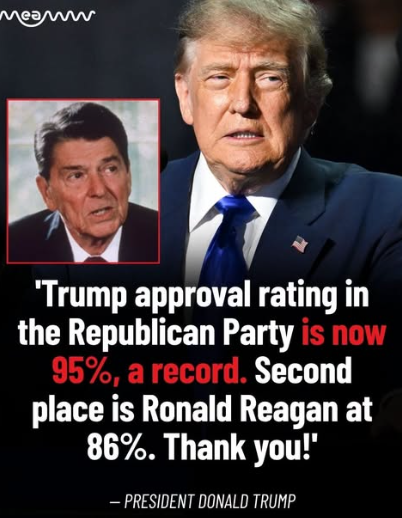 I’ve never understood why those who compose total bullshit like this don’t go for the gusto. Why 95% and not 99% or 100%?
Trump’s actual approval rating among Republicans is somewhere between 75% and 80%, as can be easily verified by anyone on Earth with a cell phone or computer. That number continues to dwindle, as he faces more pressure regarding the war, gas prices, child rape, etc.
Obviously, the president’s supporters are suckers for his lies, but isn’t this a bit over the top?
 I get a call every week or so from someone working for a start-up in oil exploration, hoping that I’ll invest. I guess my name and cell number got collected somehow from various online searches I’ve made.
I’m always quick to explain, “Oh, sorry, I don’t support wrecking the planet, even if I can profit from it. Neither should you. Bye now.”



-

 Greenhouse Gases2 years ago
嘉宾来稿:满足中国增长的用电需求 光伏加储能“比新建煤电更实惠”
-
Climate Change1 year ago
Guest post: Why China is still building new coal – and when it might stop
-
Greenhouse Gases1 year ago
Guest post: Why China is still building new coal – and when it might stop
-

 Climate Change2 years ago
嘉宾来稿:满足中国增长的用电需求 光伏加储能“比新建煤电更实惠”
-

 Renewable Energy11 months ago
Sending Progressive Philanthropist George Soros to Prison?
-
Climate Change2 years ago
Bill Discounting Climate Change in Florida’s Energy Policy Awaits DeSantis’ Approval
-
Greenhouse Gases1 year ago
嘉宾来稿:探究火山喷发如何影响气候预测
-

 Carbon Footprint2 years ago
US SEC’s Climate Disclosure Rules Spur Renewed Interest in Carbon Credits