

As the spring flowers start to appear and the days get longer, the urge to dig in the dirt returns. But you don’t have to wait for warmer weather to get growing. Starting plants from seed extends your relationship with the garden, gives you more control over seed sourcing, and saves real money compared to buying nursery starts, sometimes as much as 90% per plant.
Seed starting is also a lower-waste choice. You don’t need plastic nursery pots or peat-heavy commercial growing media, and get the option to select organic or open-pollinated varieties that big-box stores rarely carry. Here’s how to do it right.
This article includes affiliate links. If you buy something through these links, we earn a small commission that helps support our work.
Choose Seeds Worth Growing
Not all seeds are created equal, or equally easy. For beginners, stick to varieties with reliable indoor germination rates. Good bets include basil, broccoli, cabbage, cauliflower, chives, lettuce, melon, onion, pepper, and tomatoes.
For direct sowing outdoors, which lets you skip the indoor start entirely, beans, beets, carrots, corn, peas, spinach, squash, and zucchini all transplant poorly and are better started where they’ll grow.
When selecting seeds, consider choosing open-pollinated or heirloom varieties — they let you save seeds at season’s end and replant the following year, compounding your savings over time. Rebel Gardens’ certified organic 13-variety heirloom pack (seeds grown and packed in the USA in 100% recycled packets) is a solid starting point, as is Purely Organic’s USDA-certified vegetable starter kit. For herbs, Sweet Yards’ organic herb seed pack covers the kitchen essentials — basil, cilantro, dill, parsley, thyme, and more.
Reuse Containers or Go Soil Blocking
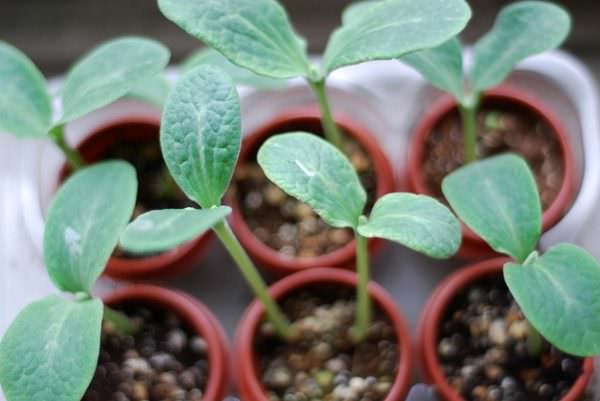
The sustainability case for seed starting is strongest when you skip buying new plastic plug trays. Save nursery flats from prior seasons or raid the recycling bin for 2- to 3-inch containers such as single-serve yogurt, applesauce, or pudding cups. Wash thoroughly and punch drainage holes in the bottom.
A more advanced option is soil blocking. A soil blocker tool compresses growing medium into self-contained cubes that need no container at all. Roots hit air at the block’s edge and stop growing (a phenomenon called air pruning), which produces a denser, healthier root mass.
Ladbrooke’s 20-block Mini 4 Blocker is the most widely used model for home gardeners.
Get Your Growing Medium Right
Don’t use garden soil or standard potting mix for seed starts; both are too dense and can introduce pathogens. You need a dedicated starter mix: light, sterile, and fine-textured enough to let tiny roots push through.
A premixed option, Old Potters’ Professional Germination Mix, offers a pH-adjusted medium made from peat moss, perlite, and vermiculite that eliminates the guesswork of blending your own starter soil. Or mix your own by combining equal parts perlite, vermiculite, and peat moss, then add 1/4 teaspoon of lime per gallon to neutralize the peat’s acidity.
Peat moss extraction raises sustainability concerns. It’s a slow-renewing carbon store. Coco coir, made from coconut processing byproduct, is a renewable alternative with similar moisture-retention properties. Plantonix’s coco coir + perlite + vermiculite bundle is worth considering if you want to skip peat entirely.
Heat Is the Underrated Variable
Most vegetable seeds germinate best between 65–85°F, and soil temperature matters more than air temperature. A spot near a heat vent can work, but that can be inconsistent. A seedling heat mat is the most reliable solution because it warms the root zone 10–20°F above ambient air temperature, which can cut germination time.
The VIVOSUN Seedling Heat Mat is a top-rated, UL-certified 10″×20.75″ mat that fits standard nursery flats and allows you to control the temperature. For an all-in-one solution, SOLIGT’s 60-cell seed starter kit with grow light and heat mat bundles tray, dome, light, and mat in a single purchase.
Before germination, seeds need consistent moisture, not light. Cover your flat with plastic wrap, a humidity dome, or a pane of glass to hold humidity while seeds sprout. Once you see green, remove the cover immediately: trapped humidity post-germination promotes damping-off, a fungal disease that collapses seedlings at the soil line.
Water Smart, Not Hard
Overwatering kills more seedlings than drought does. The goal is consistent moisture, which will make the soil feel like a well-wrung sponge, not a puddle. A fine-mist spray bottle is better than pouring water from above, which can displace seeds and compact the growing medium.
A quality garden mist sprayer runs under $25 and pays for itself immediately.
Grow Lights: Non-Negotiable Unless You Have a South-Facing Window
Seedlings need 12–16 hours of light per day. A sunny south-facing window might deliver 6–8 hours on a clear day. The gap produces leggy, weak starts that struggle when transplanted. Grow lights eliminate the variable entirely.
Position the bulb 2–4 inches above seedlings and use an outlet timer to automate the schedule. Full-spectrum LEDs are the current standard, as they run cooler and more efficiently than fluorescents. GROWFRIEND’s 40-cell all-in-one kit includes dual LED grow lights, a heat mat, humidity dome, and a soil moisture meter in one package.
Label Everything Because You Will Forget
This sounds obvious until you’re staring at 60 identical seedlings in March. Label every cell or flat immediately after sowing, noting the variety and the date. Reusable plant markers and a waterproof pen cost almost nothing and save considerable grief later.
Waterproof garden plant markers with permanent pen included are available in packs of 100+ for a few dollars.
Feed Lightly, Starting at Week 3
Commercial seed-starting mix contains little to no fertilizer by design, as high fertility can burn delicate seedlings. But after the first true leaves appear, plants need a nutritional boost. Start with a diluted liquid fertilizer (half the label-recommended strength) and apply weekly.
Fish emulsion and kelp-based fertilizers are popular organic choices that provide a balanced nutrient profile without the risk of chemical burn from synthetic fertilizers.
Thin Ruthlessly
Sowing two or three seeds per cell is standard practice. It hedges against low germination rates. But once sprouts emerge, you need to thin to one per cell. The instinct is to leave multiples “in case.” Resist it. Crowded seedlings compete for light, water, and nutrients, and the result is weaker plants across the board.
Thin by snipping extras at soil level with small scissors rather than pulling, which can disturb roots of the seedling you’re keeping.
Pot Up Before Roots Get Crowded
Seed-starting mix has almost no nutrients. Once seedlings develop their first true leaves, which are the second set, after the initial seed leaves, they need more root space and fertility. Move them into 3- to 4-inch pots filled with a nutrient-rich potting mix.
This “potting up” step is often skipped, and seedlings suffer for it, becoming stunted, yellowed, slow to establish when finally transplanted. Pot up early rather than late.
Harden Off: Skipping This Step Is Costly
Indoor seedlings are soft. They haven’t experienced wind, direct UV, or temperature swings. Transplanting directly from a grow light to full outdoor sun causes transplant shock that can set plants back weeks or can kill them outright.
Harden off over 7–10 days: start with 2–3 hours in filtered shade on a mild day, gradually increasing sun and wind exposure. Growveg’s hardening-off guide has a clear day-by-day schedule.
Timing: Use a Planting Calendar, Not Gut Feel
The single most common beginner mistake is planting too early. Tomatoes and peppers in the ground before nights are consistently above 50°F will sulk rather than grow. Frost-tender crops started too early indoors get root-bound before it’s safe to plant them out.
The Old Farmer’s Almanac planting calendar calculates seed-starting dates based on your last frost date. Input your zip code and it generates a personalized schedule. Check the forecast in the 48 hours before any outdoor transplanting.
What You Can Do
- Start with easy wins: basil, broccoli, lettuce, and tomatoes have high germination rates and forgive beginner mistakes.
- Choose open-pollinated seeds: you can save and replant them each year, building independence from annual seed purchases.
- Skip peat when possible: coco coir-based growing media performs similarly and avoids harvesting slow-renewing peat bogs.
- Reuse containers: clean nursery flats or single-serve food containers reduce plastic demand before a single seed goes in.
- Use a heat mat and grow light: these two tools account for the majority of seed-starting failures when absent.
- Harden off every seedling: skipping this step costs plants; the process takes 10 days and pays off every time.
- Time your starts correctly: use a frost-date-based planting calendar, not the date on the seed packet, which isn’t calibrated to your region.
Related Reading on Earth911:
Editor’s Note: This article was originally published April 30, 2015, by Sarah Lozanova, and most recently updated in March 2026.
The post Seed, Sprout, Spectacular: Tips for Starting Your Garden From Scratch appeared first on Earth911.
https://earth911.com/home-garden/seed-sprout-spectacular-tips-for-starting-your-garden-from-scratch/

Just like fashion has been overrun by fast fashion, home goods and furniture have similarly seen a rapid decline in quality. Rugs are no exception.
And similar to fashion, these cheap goods come at a high cost — namely, to the planet and to people. In fact carpet and rug production is rampant with exploitation.
On the other hand, fair trade rugs present the best of what a rug can bring to your home: artistry, craftsmanship, and heritage.
The brands featured in this guide are partnering with (and fairly paying!) skilled artisans who are using generations-old — and sometimes even centuries-old — techniques. These artisans are sustaining long lines of crafts, preserving their cultural diversity, and celebrating the richness of their time-honored crafts.
There’s simply no replacement for a timeless, quality artisan-made rug — they’re like pieces of art you can lay out on your floor or hang on your walls.
So, enjoy browsing through this guide to sustainable rug brands listed out below and best of luck on your search for the right fair trade rug!
Where to Find Ethical and Fair Trade Rugs
Note that this guide includes affiliates and partners. As always, brands must meet high standards for ethics and sustainability to be featured and all opinions are my own.
1. Obakki
Best for: warm-hued handwoven wool rugs
Categories: Area Rugs, Runners, Accent Rugs
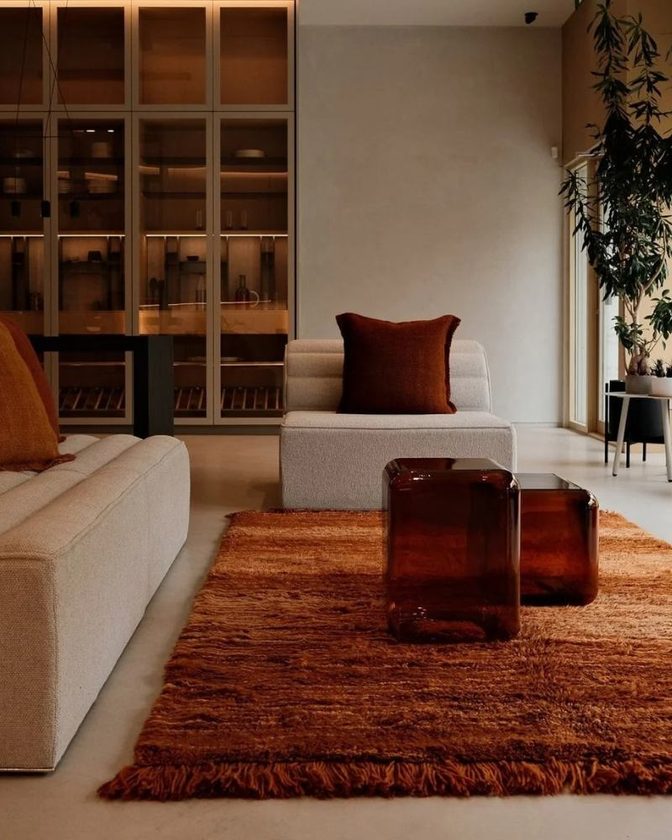
Obakki partners with artisan weavers primarily in Oaxaca, Mexico — including individual makers like José — who hand-dyes and weaves rugs on a traditional pedal loom using locally sourced sheep’s wool and natural dyes derived from native plants. The brand also works with Rrres Design Studio, a Latin American studio dedicated to preserving traditional Oaxacan weaving techniques, and sources handwoven textiles from artisan communities beyond Mexico as well, including Morocco.
Each rug is made from 100% wool with no synthetic dyes or backing. Most pieces are made-to-order with a 4-8 week production window, shipped directly from the artisan partners.
Price Range: $460 – $4,159
Conscious Qualities: Natural Fibers, Natural Dyes, Craft Preservation
2. Kiliim
Best for: modern wool kilim rugs
Categories: Area Rugs, Accent Rugs
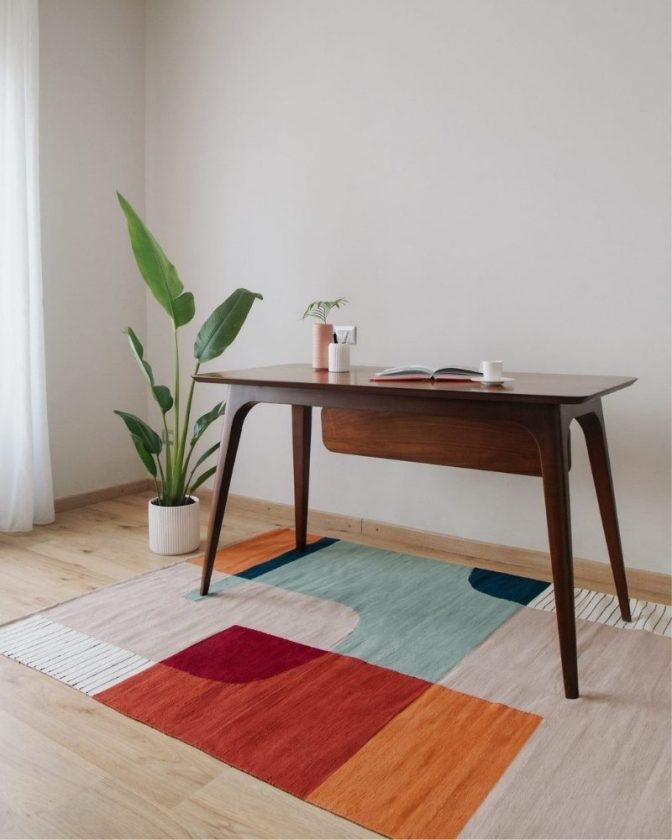
If you’re well-versed in rug terminology, you may recognize that this brand’s name looks similar to the word kilim.
Kiliim’s rug are made using authentic kilim rug craftsmanship by artisans in Egypt coming from generations of kilim artisans. To ensure ethical production and to support the preservation of this heritage craft, Kiliim pays living wages to all artisans.
Price Range: $95 – $4,812
Conscious Qualities: Ethical Production, Heritage Craft Preservation, Natural Fibers
3. Urban Natural
Best for: browsing fair trade rugs in lots of styles and sizes
Categories: Outdoor, Area Rugs, and Accent Rugs
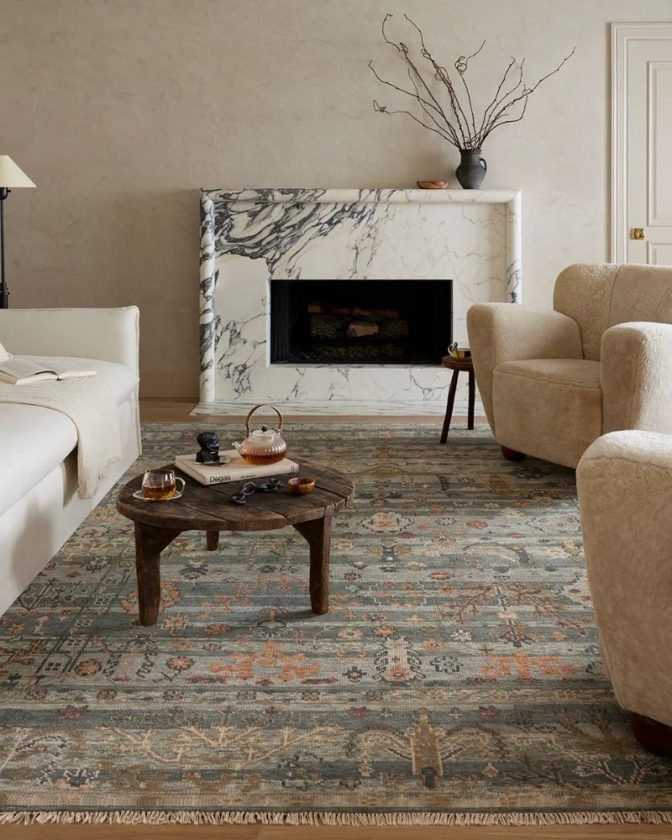
This natural home and lifestyle retailer has a beautifully curated selection of sustainably-made rugs crafted with materials like jute, sisal, wool, and cotton.
Several brands on Urban Natural are also ethically hand-loomed or hand-knotted, such as Loloi — a GoodWeave partner — and Jaipur Living — a brand that partners with thousands of local artisans to sustain heritage crafts.
Price Range: $259 – $9,755
Conscious Qualities: Eco-Conscious Materials
4. LOOMY
Best for: pet-friendly and performance rugs
Categories: Area Rugs, Accent Rugs, Runners, Outdoor Rugs
Founded by a weaver, LOOMY is dedicated to crafting beautiful artisan-made rugs that will last for decades to come.
LOOMY partners with highly-skilled artisan weavers who craft quality rugs made from eco-minded materials like banana silk, jute, and recycled cotton, plus performance options made from 100% recycled polyester built to withstand whatever life brings you.
Price Range: $298 – $8,298
Conscious Qualities: Natural Fibers, Craft Preservation, Vintage Options
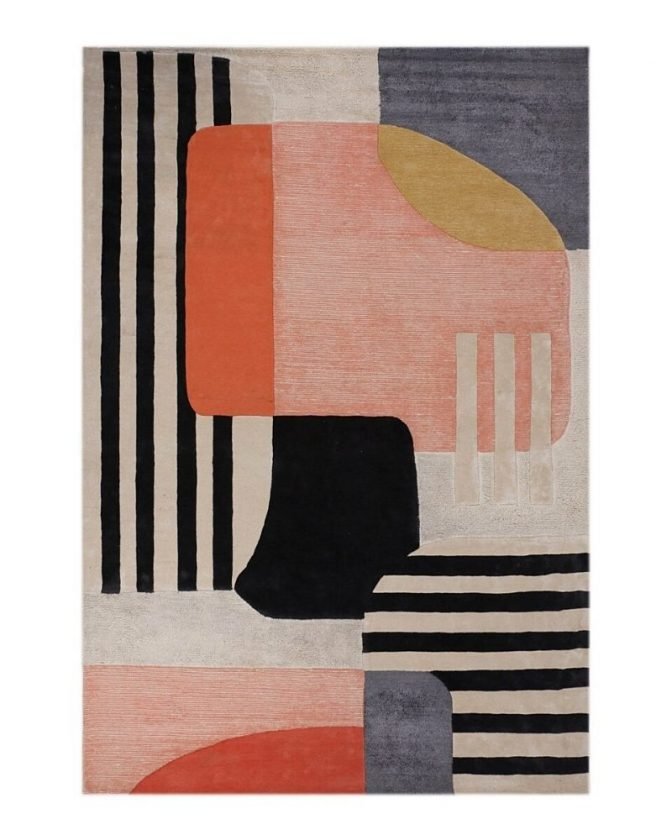
5. West Elm
Best for: fair trade rugs in on-trend mainstream styles
Categories: Area Rugs, Accent Rugs
West Elm is bringing ethical rugs to a broader market with their collection of Fair Trade Certified wool and cotton rugs. While I recommend browsing the smaller shops listed above first, West Elm is supporting the movement to responsibly-made, fair trade rugs.
Price Range: $$$
Conscious Qualities: Fair Trade production, Majority Natural Materials
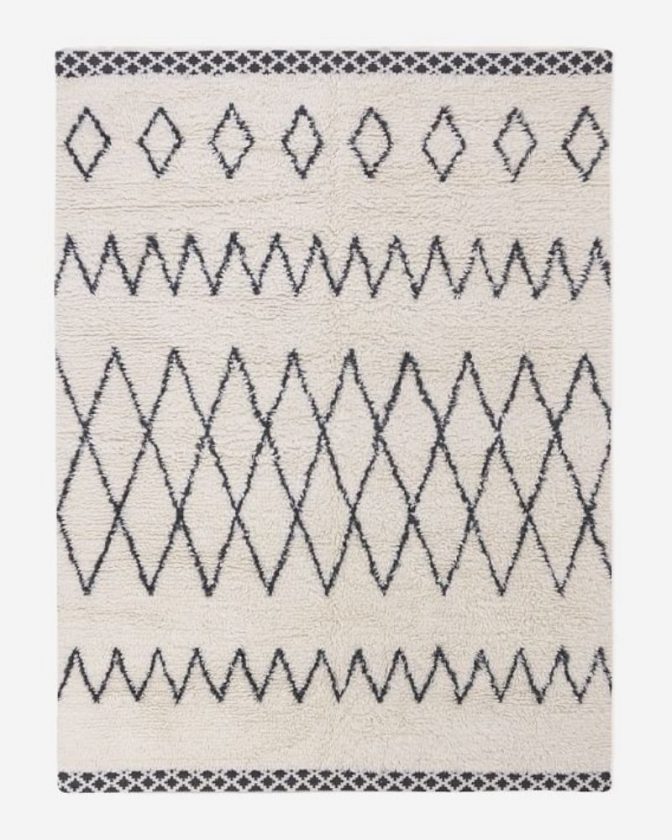
6. Jubi
Best for: Modern rugs in vibrant prints
Categories: Accent Rugs, Circle Rugs, Runners
Jubi is a Brooklyn studio founded by textile designer Cassie Dagostino. Every rug is handmade from New Zealand wool by fourth-generation weaving families in Bhadohi, India using traditional techniques. Each rug is made-to-order, meaning no excess stock. Since everything is made to order, expect between 3 and 7 weeks for your rug, depending on the technique used.
Conscious Qualities: Pays Above Market Rates, 100% Wool, Made-to-Order
Price Range: $228 – $668
Shipping: Free worldwide shipping

7. Rejuvenation
Best for: Classic rug styles made in Fair Trade factories
Categories: Accent Rugs, Runners, Area Rugs
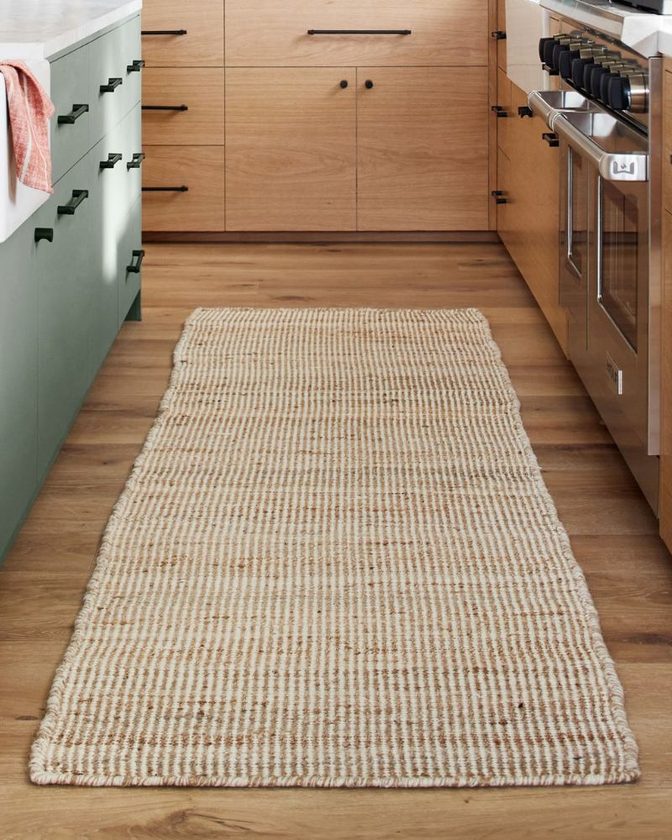
Home retailer Rejuvenation has a selection of rugs made in Fair Trade Certified factories. Their collection includes undyed hand-loomed rugs to geometric flatwoven wool rugs. And while I’d typically avoid synthetics, it tends to be unavoidable for outdoor rugs — so Rejuvenation’s Fair Trade 100% recycled poly rug is a good option.
Conscious Qualities: Fair Trade Certified, Mostly Natural Materials
Price Range: $79 – $1,649
Shipping: Contiguous U.S. shipping for 10% of product price (add $20 for HI, AK, and US. territorries)
Liked this guide to ethical rugs? You might also enjoy:
Ethical Home Decor Brands to Curate a Beautiful, Conscious Space
Eco-Friendly Furniture to Furnish Your Home Sustainably
Fair Trade and Eco-Friendly Blankets to Cozy Up With
The post 5 Best Ethical Fair Trade Rugs to Elevate Your Space appeared first on Conscious Life & Style.
As a longtime book lover, I may be biased, but I think a full bookshelf is one of the most beautiful additions to a space. There’s nothing better than seeing a showcase of your favorite reads alongside a TBR list.
A bookcase, though, can of course be used for all sorts of purposes from placing your favorite photos of family and friends to showcasing treasured vintage finds.
Whatever the case, this guide will help you find the right sustainable bookshelf for your living room, office, or wherever you like to cozy up with a good read!
So what make a bookcase more sustainable? What makes a bookshelf non-toxic?
First of all: sustainable and non-toxic are two overlapping — but distinct — criteria. And both of those terms can come with a lot of opinions and varying definitions.
When it comes to sustainable bookcases, I look for:
- Responsibly Sourced Materials: most bookshelves are made primarily with wood. While natural, unsustainable wood sourcing can be a cause of deforestation, so we want to see that the wood was from responsibly managed forests or made from reclaimed or repurposed wood. Some bookshelves may feature metal, in which case recycled materials here are important.
- High Quality Construction: sustainability includes longevity — how long will you be able to use that furniture piece before it goes to the landfill and gets replaced? Look for transparency around craftsmanship and woodworking processes. Another sign of quality is the length of warranty a company has for its products.
- Ethically Made: this one is straightforward in theory — were the people making it paid fairly and working in safe conditions? — but is unfortunately not always easy to find information. In this category, I look for transparency in practices, what relationship the brand has with the manufacturer (some produce in-house which is the best case scenario for transparency!), where it was made, and how well the makers were paid.
Ideally a sustainable bookshelf would also be non-toxic — as toxic chemical fumes aren’t exactly sustainable! But this isn’t always the case. For example, if a company prioritizes upcycled materials, they don’t necessarily have control over what inputs were part of the original materials. And sometimes a company focuses more on ethical artisan partnerships and sustainable wood sourcing, more than, say, using non-toxic finishes.
But when it comes to non-toxic bookshelves, this is what I look for. (Note that non-toxic doesn’t necessarily mean safe for all chemical sensitivities. Nor does it mean zero potentially irritating chemicals.)
- Solid Wood (where possible): MDF or pressed wood contains glue to stick the various wood pieces together, which can contain added formaldehyde. I prefer solid wood, or if it is engineered wood, I’d make sure the company is transparent around the type of glue used and/or they at least have a product certification like GREENGUARD. (More on that in a second.)
- Low or Zero VOC Finishes: most wood furniture is completed with some sort of finish to provide a protection against scratches or moisture. Many of these finishes are synthetic, and some can contain high levels of toxic chemicals. Look for a natural finish like linseed oil or beeswax or a low VOC synthetic finish.
Relevant Certifications
You’ll see a few certifications referenced throughout this guide. Here’s what each one covers:
- FSC Certified = the wood sourcing was responsibly managed; this is not a finish, foam, or textile guarantee.
- GREENGUARD / GREENGUARD Gold Certified = the finished product was tested for low chemical emissions, including VOCs, with Gold representing the stricter tier.
- Fair Trade Certified
 = verifies that a factory meets standards for fair wages, safe working conditions, and ethical labor practices.
 - Cradle to Cradle Certified (Gold) = evaluates a product or material across material health, circularity, clean air/climate, water/soil stewardship, and social fairness.
Where to Find Sustainable Bookcases and Shelving
I’m always a secondhand first proponent, and that goes for furniture, too. While your local thrift store might not have used bookshelves, check for dedicated furniture resale shops near you or estate sales. (I use EstateSales.net to find ones near me.) You can also find gently used pieces on online marketplaces like Facebook Marketplace, OfferUp or AptDeco.
If you can’t find something you love secondhand, and you don’t want to DIY your own bookshelf, then the next best choice is to shop from one of the sustainable furniture companies below. (If you’re simply looking for a bookstand, I’d suggest browsing Etsy for a collection of solid wood, bamboo, and reclaimed wood book stands and cookbook stands!)
Note that this guide includes affiliate links, which means we may earn a small commission if you purchase through these links which helps us continue to run this website and create resources like these. As always all brands meet strict sustainability criteria and are brands we love — and that we think you’ll love too!
1. Medley
Best for: low VOC wood bookcases
Medley’s bookshelves are elegant and elevated, perfect for a living room. Each piece is made with 100% solid FSC-certified hardwood for the tops and sides, though low-VOC CARB 2 compliant plywood is used for the shelves.
Every eco-friendly bookcase is handcrafted in the US (California or North Carolina) and completed with a low-VOC wood finish.
Price: $2,395 – $2,995
Materials: White Maple, American Walnut Wood
Conscious Qualities: Made-to-Order, US-Made, FSC-Certified Wood, Natural Finish
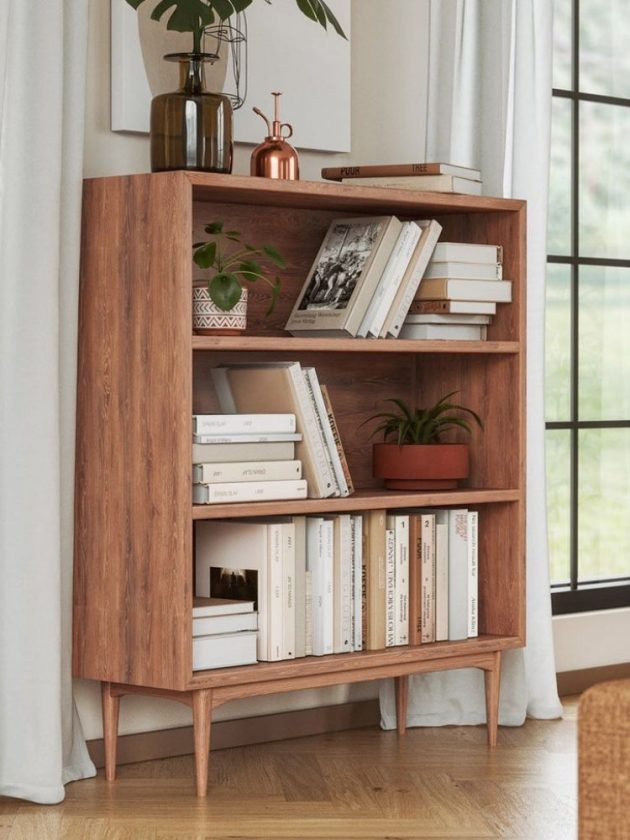
2. Thuma
Best for: non-toxic modular bookshelf
Thuma’s eco-friendly bookshelf is made from upcycled wood sourced from rubberwood trees no longer being used to source rubber. The brand’s bookshelf is also GREENGUARD Gold certified.
What makes Thuma’s bookshelf stand out to me, though, is its modularity — their Pillar Bookshelf can be set in 10 different configurations. And if you start with just a few shelves but later decide you want a larger bookshelf, you can simply buy an additional shelf or two to add on to it!
Price Range: $550 – $3,300
Materials: Upcylced Rubber Wood
Conscious Qualities: GREENGUARD Gold Certified, Repurposed Materials, Adaptable
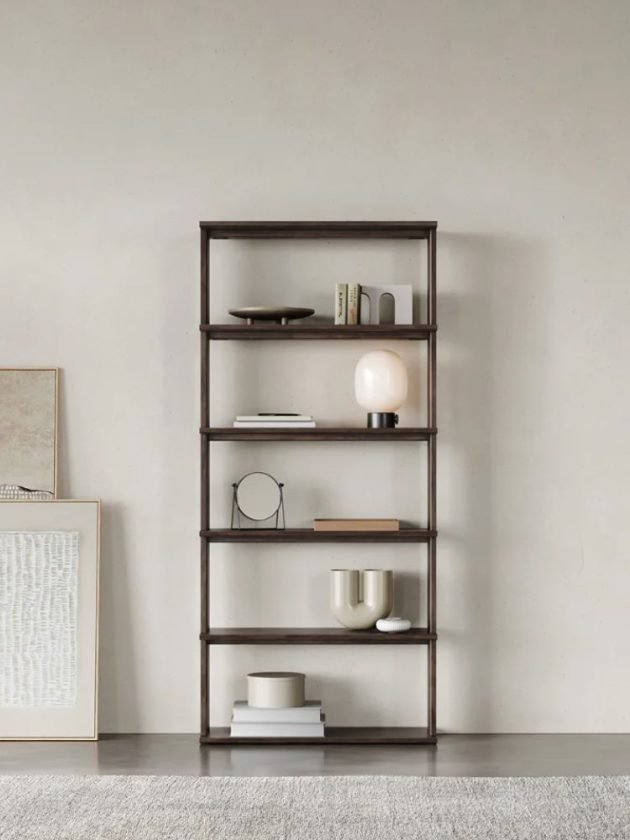
3. West Elm GREENGUARD Certified
Best for: low-tox bookcases and bookracks for kids
This furniture retailer has plenty of adorable, but functional, bookshelves for a playroom or kids’ bedroom. From cubby bookcases to mid-century bookracks, you’ll find plenty of options that are not only GREENGUARD certified, but made in Fair Trade Certifiedfactories, and/or with FSC-certified wood. Note that the company’s bookshelves are made with engineered wood, though.
West Elm also has GREENGUARD certified bookcases large enough for the adults too!
Price: $399 – $2,