Connect with us

Published

on

We progressives have our favorite states.

Sure, anyone can like New York or Massachusetts, or the entire rest of New England, but they have an advantage: incredible levels of education, which make electing Donald Trump or some other sociopath completely impossible. Then you have the Pacific Coast, with its focus on technology and entertainment.  Lots of smart people with lots of money are also, not about to fall for an obvious conman whose goal seems to be crippling America.

But, subtracting out those advantages, you have places like New Mexico.  Ahhhh.  Breathe a sigh of relief.  Can you image a neighbor of Texas with any level of gentility?  It’s not easy.

Pleased (but not at all surprised) to see New Mexico in the news here.

And of course they’re right.  Relieving the stress from young parents will help everyone (directly or indirectly) involved.  Does anyone benefit from young people who can’t go back to work because they afford childcare? From poorly educated kids?


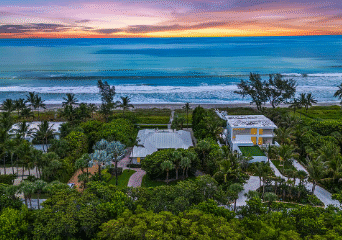
New Mexico – The Land of Enchantment

Renewable Energy

In the U.S., We Live Among Experts

Published

on

One might think that being surrounded by experts would be eutopia, but it’s not everything it’s cracked up to be.

At left is an expression of what life in the United States has become over the last decade, which differs greatly from the experiences of those in the rest of the world.

Trump supporters have, at various times, been experts in macroeconomics, epidemiology, and above all, climate science.

In the U.S., We Live Among Experts

Continue Reading

Renewable Energy

Making Judgements about California

Published

on

As I’m sure the idiot/liar who wrote this meme knows, California’s economy is by far the largest in the country, and, if it were a country unto itself, it would be the 4th largest in the world.

We have quality education, and we make money growing out of our ears.

There’s something to be said for great schools and colleges that crank out affluent, innovative people who kick ass in IT, agriculture, entertainment, and all the rest.

Making Judgements about California

Continue Reading

Renewable Energy

TPI Sale Delayed By $100M Claims, WindEurope Calls for Unity

Published

on

Weather Guard Lightning Tech

TPI Sale Delayed By $100M Claims, WindEurope Calls for Unity

Allen, Rosemary, Yolanda, and Matthew discuss highlights from Blades USA including the carbon blade debate. Plus TPI Composites’ bankruptcy sale hits major obstacles as partners dispute over $100M in claims. And Europe’s offshore and onshore wind developers clash over state aid, with WindEurope’s new CEO urging unity.

Sign up now for Uptime Tech News, our weekly newsletter on all things wind technology. This episode is sponsored by Weather Guard Lightning Tech. Learn more about Weather Guard’s StrikeTape Wind Turbine LPS retrofit. Follow the show on YouTube, Linkedin and visit Weather Guard on the web. And subscribe to Rosemary’s “Engineering with Rosie” YouTube channel here. Have a question we can answer on the show? Email us!

[00:00:00] The Uptime Wind Energy Podcast brought to you by Strike Tape, protecting thousands of wind turbines from lightning damage worldwide. Visit strike tape.com. And now your hosts.

Allen Hall 2025: Welcome to the Uptime Wind Energy Podcast. I’m your host Alan Hall, and I’m here with Yolanda Padron, Rosemary Barnes and Matthew Stead.

Yolanda and Matthew have just wrapped up a couple of days at the Blade USA forum in Austin, Texas. Maybe we should start there. Thoughts on the forum this year? Things that were highlights?

Matthew Stead: Yeah. Lightning Root de bond. One positive was that, um, there are a couple of startups there, so, you know, kudos to them for, you know, making the investment.

There was a. There was a startup around, you know, data analytics and, you know, bringing machine learning in. And then there was also another startup looking at recycling. [00:01:00] Um, really trying to get that, that food chain through of, um, you know, grinding and then turning into some sort of valuable product. Um, yeah.

However, I think someone also from EPRI said that, you know, at the moment, you know, the recycling path is, you know, eight times more expensive than the, um, the landfill path. There was a lot of carbon discussion actually. So, and, um, yeah, a lot of discussion about repairs, a lot of discussion about testing, uh, a lot of discussion about, you know, how maybe a carbon blade can last 40 years.

Um, so a lot of discussion about lifetime extensions around carbon. Um, but, but, but, but, you know, really, really hard to repair.

Allen Hall 2025: That goes back to the comments Rosemary and Morton Hanberg made about carbon blades. Should we be making. Carbon blades are not. And I think Morton’s opinion, and maybe Rosemary’s, I don’t wanna speak for her, was carbon blades are okay, but they are really difficult to repair.

Almost impossible to repair. And is it [00:02:00] worth even building them?

Rosemary Barnes: I think if you consider the blade in isolation, then it probably is adding more headaches than it’s worth. But carbon fiber is a bit of an enabler for improvements across the whole system of a, a wind turbine. ’cause when you take, like you can take a lot of weight out of a blade by using carbon fiber.

I mean, it’s never been cheaper to make a blade with carbon fiber than an equivalent blade with glass. You do, you buy the more expensive carbon fiber blade because it’s lighter, a like, a lot lighter, and then you can take, um, weight. It, it reduces the requirements for basically every other component in the wind turbine, but especially stuff like the pitch bearings.

Um, so you solve a lot of other problems, but you create blade problems. So. I think if you ask some of the only works on maintaining blades, then you’re gonna be like, why would you make a carbon fiber blade? It is so much headache. Um, but that’s not the reason why they were ever made in the first place.

[00:03:00] So you’d need to talk to, you know, somebody on, uh, I dunno, front end engineering. Someone from the sales team about why it is that they are going with a more expensive carbon fiber blade. Even acknowledging that they probably underestimate how many problems there are with o and m with, uh, carbon fiber blades.

But even so, like they’re already aware that there are trade offs. Um, and yeah, there’s non blade reasons for, for taking, taking that pain.

Allen Hall 2025: Are there other fibers that could be substituted besides carbon? There, I, I know fiberglass. A, a good, relatively strong fiber and carbon obviously is much stronger. But are there things in the middle that could be substituted that are non-conductive?

Rosemary Barnes: Uh, y yeah, there are, but carbon fibers, it’s not just strong. It’s really stiff. And that’s what its benefit is. Um, like there’s Kevlar but it’s not very stiff. So you would, we would make a really heavy blade if you used Kevlar. It would be probably bulletproof though. So I guess that would be a plus. I, I haven’t looked into it recently, but nothing is [00:04:00] at the, um, like got the performance specs and the cost specs that you would need to, um, make it replace carbon fiber.

Matthew Stead: So one thing that I picked up I thought was pretty, uh, interesting was that by having a stronger, you know, carbon protrusion, you know, the, you know, the backbone of the blade, um, it took a little bit of pressure off the skin. And so therefore, um, you know, the life, life of the blade, um, and the ability to keep running it ’cause the skin is not so critical.

Those seem to be a real, a real plus as well.

Rosemary Barnes: I don’t know, people talk about this in like absolutes, but everything is just a con continuum, right? Like you can make an all glass blade that would last a thousand years if you really wanted to. You just, you know, you just have to make it very, very strong.

’cause it’s, you know, it’s all based on fatigue lifetime. And the smaller that your, um, strain on every component in the blade is, then the less, um, the less fatigue damage is gonna accumulate. Making it a little bit stiffer will actually increase the lifetime by [00:05:00] a a lot. I think the main benefit to protrusions is just that you avoid all of the um, or you avoid a lot of the possibilities for manufacturing defects.

It’s easy to control the manufacture ’cause carbon fiber, like much more so than glass fiber. It’s so, um, it’s so dependent on the fibers being perfectly straight. If you have a little wrinkle, like a little wrinkle is bad in glass fiber, but it’s like really bad in carbon fiber. So protrusions mean that you won’t get wrinkles.

Uh, and you can, you know, control the manufacturing process a lot better, but they are barely repairable, right? So that’s the trade off. You can do some small repairs, but you’re not gonna be just. Um, if you’ve got a, a, a full thickness crack or something, it’s, you know, it’s gonna be game over. You’re not gonna be building that up again.

Allen Hall 2025: Delamination and bottomline failures and blades are difficult problems to [00:06:00] detect early. These hidden issues can cost you millions in repairs and lost energy production. C-I-C-N-D-T are specialists to detect these critical flaws before they become expensive burdens. Their non-destructive test technology penetrates deep to blade materials to find voids and cracks.

Traditional inspections, completely. Miss C-I-C-N-D-T Maps. Every critical defect delivers actionable reports and provides support to get your blades. Back in service, so visit cic ndt.com because catching blade problems early

Yolanda Padron: will save you millions.

Allen Hall 2025: Well keep going on the, the subject of blades. Imagine if you were selling your house and you told the bank you owe nothing on it.

Then the bank shows up with a bill for over a hundred million dollars. That is essentially what’s happening right now in the TPI composites bankruptcy. Uh, the wind blade manufacturer canceled its [00:07:00] February 17th asset auction after only one bidder came forward. A firm called ECP five LLC, which is, uh, part of Energy Capital Partners, which is based in New Jersey.

Uh, but before TPI. Can hand over the keys. It has to settle up with its business partners. TPI told the court many of those partners were owed little or nothing. Uh, the partners check their books. Strongly disagree. Now, the judge has a mountain of competing claims to sort through before the sale can close.

And everyone, I mean, the, the claims are big. Uh, there are several large names listed, and if you go through the filings, uh, Siemens C Mesa is probably the largest one, and it, it claims TPI owes about 84 million plus an unpaid inspection, repair, and replacement costs. Plus under 22 million [00:08:00]under apparent guarantee.

Others include Aurora Energy Services stating it is owned about $5 million, uh, for post-bankruptcy services, plus 38,000, uh, for before the filing of bankruptcy. The landlord up in Iowa for the TPI facility there is objecting because they’re owed some rent. Some other ones include, uh. Oracle, uh, which is, uh, has a lot of software licenses that TPI currently has, and they’re saying those licenses will not swap over to the new owner.

So there, this is a series of these filings going on at the minute, and they’re pushing back the closing of the, uh, sale hearing until March 9th. So they got about another two weeks as we record right now. This is a big deal and, and although I have seen almost nothing about it in the press. Because it’s hard.

One, it’s hard to find, and two, it’s really [00:09:00] difficult to sort through. Uh, but it is a major milestone for TPI that they’re gonna be able to sell the, or at least transfer ownership to, uh, energy capital partners. And the none of the buyers investors had bought part of the facilities. But GE Renova or Siemens cesa, for that matter, are not involved, at least at the top level.

Which is really to, in my opinion, odd. I thought GE Renova would’ve been involved, at least at some level. They have been supporting TPI through this process. But in terms of going forward, doesn’t look like too much is going on with Renova or Siemens Ga Mesa in, in terms of the operations of these facilities.

Thoughts.

Rosemary Barnes: Yeah, I agree. It’s strange that they wouldn’t have taken that opportunity and that makes me wonder what I don’t know that, you know, ’cause obviously it’s not a strange decision to the people who have made it so. They’ve got more information, a lot more information than us. So what is it that made it unappealing to them?

That’s, um, that’s my question. [00:10:00]

Yolanda Padron: What did TP, I think was gonna happen with all of that money that they owe everyone?

Allen Hall 2025: Well, it’s a bankruptcy hearing. Obviously they like to wipe that debt free and so would Energy Capital partners. They don’t wanna pay the a hundred million plus of whatever, uh, the court would ict, but.

You just like to get the assets. If you can do it, that’s your cheapest option if you’re Energy Capital partners. But do you see Energy Capital Partners running the facilities? There’s a lot of organization within TPI that manages those facilities and controls the operation. From the quality side engineering side, there’s, there’s a lot of pieces to TPI here.

Do you think they’re just gonna pick it up and run, run the company as it stands today? Or, or,

Rosemary Barnes: oh my goodness. I would be so nervous to, um, buy blades, uh, from them in that situation. I mean, we’ve seen so many examples in the last few years of decisions being made by senior management that have really compromised the quality at the end of the day.

Like in theory, yes, the factory, you know, all the processes are in place to do things. Um, to do things [00:11:00] right, but you know, as soon as they get the next new project, which they’re doing constantly, right? It’s not like they just make a blade and they just make it over and over again. They make many different kinds of blades.

There’s decisions to be made and you’re trying to get the price right and the quality right. And then, you know, given that we know that TPI was not profitable the way they were doing it before, they’re gonna have to spend less money. Then somebody who isn’t from the industry is making those calls about where to save it.

It just seems like totally implausible to me.

Matthew Stead: Can I just add though, you know, TPI was mentioned multiple times at, um, at Blades, USA, and so, you know, a lot of people are relying on them or have relied on them and so forth. And so maybe this is a strategy about supporting the industry into the future. Like I think Alan, you, you said that they’re involved in, um, this investment business has other wind assets, so maybe it’s just like.

Securing supply chain and, which I mean, that’s a pretty logical approach, isn’t it?

Allen Hall 2025: Oh, it would be. Uh, they’re about 50% owners of Ted’s US onshore fleet and a number. There are [00:12:00] other projects they’re involved in a number of renewable projects. Uh, so it would make sense for them to try to keep the supply chain going.

But the largest purchaser of GB GE turbines that I know of is NextEra. So you would think NextEra would want to step into the mix too and at least in all the court filings, I haven’t seen much from NextEra or nothing from them at all. It if Osted US is wanting to keep their supply chain and Energy Capital partners wanted to keep the supply chain going, that would make a lot of sense to me.

However, I just don’t know if they have the infrastructure to manage it. As Rosemary has described on numerous occasions running LM wind power is not easy. There’s just a lot of moving pieces, supply chain problems. You’ve got people problems, you have quality problems, you have repair problems, warranty issues.

It’s a lot to that business. It isn’t like you’re stamping out widgets. You, you have a responsibility to that product after it goes out into [00:13:00] service. So if you have problems out in service, you’re, you’re kind of on the hook for all those warranty claims. It’s complicated.

Rosemary Barnes: You make it sound like I was running lm

Yolanda Padron: Rosie runs the world.

Rosemary Barnes: I just wanna make it clear I was not running lm

Allen Hall 2025: Not yet. Rosie. There’s still time.

Rosemary Barnes: I was ru running one very tiny, tiny corner of it.

Yolanda Padron: I’d almost be curious ’cause like since ECP is so much into risk management and just, just in general, they have so many things that they are like part owners in, but they don’t necessarily manage the day to day hands on.

Uh. I’d almost be curious to see if maybe they take a page out of Rosie’s book and try to make one thing. Well,

Matthew Stead: mm, that’d be novel, wouldn’t it?

Rosemary Barnes: It has actually been tried before. Um, you know, it’s, it’s uh, not something that has escaped the notice of blade engineers, uh, that if you make one thing, you can do it right.

And wind turbine blades are a pretty similar there. No, you know, like great [00:14:00] differentiator between. How well performing the blades are from one company to another. I know at, at least at lm, they did have a blade that they designed, and their plan was to sell just heaps and heaps of those to multiple different manufacturers and just no one wanted it.

Um, so it just quietly died. Um, so yeah, the, the concept is good. I think it’s. A little bit harder to pull off than you would hope. There are also some Chinese companies that are kind of selling just parts, generic parts. And so if you wanted to make your own wind turbine, um, company, if you wanted to be a wind energy o and m Yolanda, you could just buy an assortment of parts from Chinese manufacturers and put a.

Yolanda Wind energy sticker on it and um, and, and, and you could be an an OEM. So it is, it, it, it is possible. I haven’t seen any of these out in the wild. Um, I have [00:15:00] heard of, you know, people considering it for, you know, certain aspects of certain types of projects. So it kind of exists in a way.

Matthew Stead: But the financial aspect, I mean, that’s accounting 1 0 1, I mean.

You gotta know your assets and to owe people a hundred million dollars, that’s absolutely shocking. Really?

Allen Hall 2025: They owed a lot more than that before the bankruptcy. It is a lot of money.

Matthew Stead: How do you miss that?

Allen Hall 2025: Well, I don’t think they missed it. I just think the warranty claims and some of the repair that was going on and the, the, it sounded like price discounting was happening to some of the OEMs just caught up to ’em.

But at the end of the day, I, I, I guess the question is. Does TPI as an entity remain? Obviously the Vestas portion will, because Vestas is gonna make them Vestas factories in a sense, and, uh, integrate as part of their overall operations. But Renova is not, Siemens is not interested in doing it, at least as we speak.

No one’s [00:16:00] making any noise over at Nordex. It, it does leave these assets questionable as to what the real value is. We haven’t heard how much, uh, ECP has paid for them yet. The Vestas factories that were purchased, I think the, the two TPI factories in Mexico, I think Vestas paid about $10 million for each factory, which is a really inexpensive price to pay for new factories because Vestus had talked about at one point a year or two ago, about standing up a new factory saying it would cost him roughly a half a billion dollars to do.

So buying a, that same asset for $10 million is a discount, a deep, deep discount, which maybe Vestas figures, Hey, it’s 20 million bucks, plus they got the India operations. Uh, it’s not that much money. If it all goes sour, it’s not that much money and we’re okay. Whereas Ver Nova decided to not to participate in that.

As wind energy professionals, staying informed is crucial, and let’s face it difficult. That’s why [00:17:00] the Uptime podcast recommends PES Wind Magazine. PES Wind offers a diverse range of in-depth articles and expert insights that dive into the most pressing issues facing our energy future. Whether you’re an industry veteran or new to wind, PES Wind has the high quality content you need.

Don’t miss out. Visit p ps wind.com. Today, over in Denmark, a fight has been brewing between offshore and onshore wind developers and. Sted once State Aid brought back for offshore wind auctions, onshore developers say that would tilt the playing field against them. Well, some have even walked out on their own trade group, uh, over it.

Now the new CEO of Wind Europe, Tina Van Stratton, uh, is stepping in the middle of that discussion with a simple message. We need both. Don’t let offshore and onshore wind divide us. Nearly 90% of Europe’s installed wind capacity sits currently on land, and [00:18:00] she says that is not going to change anytime soon.

Uh, so there, there is a big dispute about this right there. There does seem to be a, a amount of money being poured into offshore wind and requests of governments to support offshore wind at the same time. Onshore wind, which has been the primary growth market for wind in Europe, is getting the cold shoulder.

In a sense. How does this play out everyone? Is there a, a good solution to it or is the need for offshore wind so great that, that they have to ignore onshore wind development for a couple of years?

Matthew Stead: I think we should just all be friends. So, I mean, really. Yeah, we need both and, um, I mean for the diversity and, you know, uh, I’ll leave all the technical topics to Rosie, but, um, um, really I think we need both.

I mean, so what, it’d be crazy to, to drop the onshore, onshore industry.

Yolanda Padron: Yeah. I mean, it makes sense that, or said, especially Orid Europe doesn’t have any onshore anymore. Right. So it’s just [00:19:00]offshore. It would make sense that they really wanna push for help for themselves. And it’s, it’s great. It, it’s, it’s great to help, but I, I agree with Matt.

Allen Hall 2025: Well, the Northern Europe and Scandinavian countries are talking about 100 gigawatts in the water by what, 2050? Something of that sort. So that’s a lot of energy in the water. In order to do that, you have to devote a number of resources to it, which. Will mean onshore wind is not gonna get the support it probably deserves, even though it has a proven track record.

Rosemary Barnes: I just think it, it’s really interesting because I guess wind is, um, a very Europe. LED industry. Um, and so yeah, in Europe, e everything big and exciting is in offshore and the volume is in offshore. Um, I feel like that’s kind of filtered through to other regions though, because I mean, in Australia we don’t even have any offshore wind yet.

We are probably getting some, but you go to any wind energy event, it’s gonna be. [00:20:00] More than 50% offshore wind and sometimes like 90% offshore wind, um, focused, which is, I think crazy when onshore is, is exists and has plenty of problems that need to be solved, and we need to be building more, a lot faster. I, I do actually wish that.

If we could spend as much of the, you know, like some of the effort and the political effort that’s going into paving the way for offshore wind, I think would be much better spent on solving the problems. Um, the obstacles stopping us from rolling out onshore wind faster. Because we’re not on track in Australia to meet our renewable energy targets if we can’t get that under control.

And then in the US yes you have some offshore wind, but it is not a growth industry at the moment or it’s not very appealing at the moment, at least. Right. So, and I dunno how much you talk about it there, but I do hear a lot of, like a whole lot of talk about offshore compared to how important it is for regions outside of Europe.

Yolanda Padron: I think it’s important too to [00:21:00] note that. When you have a lot of offshore wind in your fleet, like you can sometimes test out products onshore that maybe they’re, of course not the exact same conditions, but you can test out products to a degree onshore. And I’ve seen, you know, owner operators that have to go across continents just to test that product because it’s cheaper to do that onshore than to do it offshore in your home site, in your backyard.

So I mean that that would really benefit from an RD standpoint. It would really benefit everyone. If

Allen Hall 2025: they gave it up attention

Yolanda Padron: to onshore.

Rosemary Barnes: When I was at lm, one of my, well my key team member who was an electrical engineer, he had, um, done a bunch of work for a system that was only implemented on an offshore wind farm.

And it sucked up so much time when stuff started going wrong with that, like even small things. And he was the only one [00:22:00] that could do it. You know, you go out, if you’ve got a five minute job to do, to get, you know, like turn something off and on again off. Reconnect something that’s a whole day of work, right?

Like you, and, and not like a normal day, but like a 12 hour day, you’re gonna go out in the morning, they, you know, they go around in a boat or whatever and drop people off and they don’t come get you when you’re done 10 minutes later, you know, they come get you at the end of the day when they’re picking everyone up again.

So, um, it, it was, it was incredibly challenging. I mean, for him personally and the team. Um, and I always recommend to, or, you know, sometimes I’m advising, um, companies that have offshore wind, um, technologies. And I’m always advising anything that you can test on shore, do it and get creative about it as well.

’cause you might think that you can’t, you certainly can’t get all the way there without testing in your real operating environment. But any problem that could happen onshore that you, um, learn about when it’s onshore is gonna cost you probably like, you know, one 10th as much [00:23:00] to fix. Um. So, and, and the time as well.

So, yeah, I, I think that you’re right that we should be actually considering onshore as an opportunity for, um, improving offshore technology as well.

Allen Hall 2025: Can we talk about, uh, data centers for a minute? Just off the top of mind, I’ve been listening to a number of podcasts over the last month or two talking about powering AI data centers and how much coal or natural gas.

It’s gonna be needed to provide the stable, reliable power that these data centers supposedly need. In the meantime, there’s like this industry being built, uh, and you see the, the purchases of gas turbines going out to like, what, 2032? I think it’s what Renova is talking about now is when you could actually get in line for a gas turbine.

Other manufacturers or gas turbines are basically saying the same thing in the meantime. [00:24:00] Elon Musk and SpaceX are talking about putting AI data centers up in space where you don’t have any regulatory issues. You don’t have to burn coal or natural gas or any of these things. So the, the ground-based AI data centers appear to be locked into making these really expensive buildings and assets and putting generation and transmission and, and this infrastructure together, which will cost them.

Hundreds of millions at a minimum, likely tens of billions of dollars to do, and that’s just in the United States. Meanwhile, SpaceX is really on a pathway of doing this up in the sky for probably a fraction of the cost. Is there a break point here? Because it does seem like the, the natural gas, coal, oil, petroleum industry and the on ground build, the building, people are ignoring that.

SpaceX has a [00:25:00] capability of doing this, and if Musk decides to do it, and SpaceX decides to do it, that all those gas turbine orders, all that infrastructure, all the gas pipeline, all the drilling that would have to happen would just go immediately. Poof. Gone.

Rosemary Barnes: I don’t know about immediately because I mean, we’re not at the point yet where you can just launch a data center into space.

So there is a bit of a, a, a transition period. Um, I. I also think that it’s overblown that, you know, I think you might have even fallen into the trap also, where you’re like, oh, when data centers need more energy, so therefore it has to be coal or gas or nuclear.

Allen Hall 2025: Nope, I agree with you.

Rosemary Barnes: Those things aren’t quick to build either.

If you truly wanted to do it quickly, you’d be putting in, um, you know, heaps of solar panels and batteries and, and you know, wind turbines where that made sense. But that said, I, I do agree that, uh, like I, I don’t think space-based data centers is farfetched at all. I, I guess the biggest [00:26:00] challenges, uh, are, um, the cooling and heating requirements space has very large temperature fluctuations.

So I guess you’re gonna need to design that carefully. I don’t think it’s insurmountable. Um, and then the next thing is a cost of launch, which I’m sure you’re about to tell me how. Dramatically the cost of launch is dropping. Um, you know, like, it, it’s got, it’s got a very good learning curve. The space launches, which is basically, you know, SpaceX is probably the main reason why that is just dropping and dropping and dropping.

So I don’t think that it’s unrealistic at all. I don’t know the timeframe. You would know more, Alan, you work in, um, aerospace. I just. You know, um, follow it for general interest.

Matthew Stead: I reckon it’s stupid. He’s really stupid on a number of grounds. So first of all, you know, why do that when. You just, I can’t see how it can ever be more cost effective and you know, [00:27:00] I, you know, you should really, should be putting that effort into things like, you know, better healthcare and so forth.

I mean, what a waste of resources. But why? I mean, why, why?

Allen Hall 2025: Because it’s a lot less expensive and it’s faster.

Matthew Stead: You’d do it in the ocean before that, wouldn’t you?

Rosemary Barnes: No, but the ocean still has, like how do you power it? You, you get the 24 7 solar power in space. That’s what you. That’s what you get, um, which you can’t get on Earth

Matthew Stead: or you put it next to a wind farm and you, you, and you make the load go up and down depending on the wind.

I mean, seriously, there’s so many other ways of doing it. You put it next to a wind and solar.

Rosemary Barnes: I agree with you, Matt, that I think that the, the bulk of the solutions with data centers is gonna come from one demand not being what people think it is today. Like the numbers that get reported are just like the.

Absolute best, best, best case scenario and then multiplied by three or four times because they’re looking at different options for locating each of the data centers they plan to make. So I think I wouldn’t be surprised if we end up with 10% of what people think that we’re gonna get. [00:28:00] Now, the first thing, secondly, people assume that it needs to be 24 7.

Just, you know, like a hundred percent reliable power, and that’s. That’s simply, yeah, it’s not, not everything needs to be just, um, you know, done at, at the exact time that it’s requested. There’s heaps of things that can be shifted and uh, when the price differential is there, then people are naturally going to choose that.

And in fact, there are already some companies offering different levels of reliability depend, you know, for different prices. And companies can choose which of their processes can be put on hold. Like a lot of the training stuff, you’re happy don’t. Need 99.999% reliability, you’re probably happy with 90% reliability.

And so, you know, if it costs a whole lot less than you will, I, I agree with you, Matt, that that’s gonna take most of it. But I do still think that for the, like, super reliable, um, data centers, I, I bet that we see at least one. And even if it’s just because Elon Musk is the type to push something through, um, you know, [00:29:00] first and.

Wait for the market to catch up later. Uh, maybe that will be the reason, but I, I honestly think it’s more than 50% likely that we see a data center in space in the next, in the next decade,

Matthew Stead: it would make more sense to like drill a hole to the center of the earth and get the, the hot well cutting rock

Rosemary Barnes: and or there’s also plenty of geothermal.

You did thermal projects as well.

Matthew Stead: Yeah, it’s just ridiculous.

Rosemary Barnes: I think that we’ve had our first hot take from Matthew, so I don’t know some sort of sound effect to be added here. Claire. Uh, yeah,

Allen Hall 2025: that wraps up another episode of the Uptime Wind Energy Podcast. If today’s discussion sparked any questions or ideas, we’d love to hear from you. Just reach out to us on LinkedIn and don’t forget to subscribe so you never miss an episode. And if you found value in today’s conversation, please give us a review.

It really helps other wind energy professionals discover the show. For Rosa, Yolanda and [00:30:00] Matthew, I’m Alan Hall, and we’ll see you next week on the Uptime Wind Energy Podcast.

TPI Sale Delayed By $100M Claims, WindEurope Calls for Unity

Continue Reading

Trending

Copyright © 2022 BreakingClimateChange.com