

Subscribe to receive transcripts by email. Read along with this episode.

-
- Subscribe to Sustainability In Your Ear on iTunes
- Follow Sustainability In Your Ear on Spreaker, iHeartRadio, or YouTube
Editor’s Note: This episode originally aired on December 22, 2025.
The post Best of Sustainability In Your Ear: Okhtapus Cofounder Stewart Sarkozy-Banoczy Accelerates Ocean Solutions appeared first on Earth911.
https://earth911.com/podcast/sustainability-in-your-ear-okhtapus-cofounder-stewart-sarkozy-banoczy-accelerates-ocean-solutions/

Think about what goes into your bathroom trash: empty toothpaste tubes, worn toothbrushes, floss containers, and the occasional mouthwash bottle. Together, they make oral care worth a second look.
Packaging is a good place to begin. Lumineux® Whitening Mouthwash, for example, comes in a bottle made with BPA-free recycled plastic. Choosing products with recycled packaging can help support more sustainable oral care habits. Check local recycling guidelines to ensure proper disposal.
There are other simple changes you can make without sacrificing dental hygiene.
7 Simple Tips for a Greener Oral Care Routine
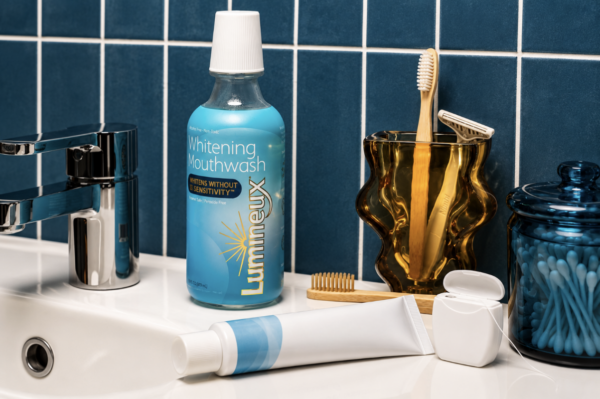
1. Choose Mouthwash With Recycled or Reduced Packaging
Before picking up a new bottle, look at its packaging. Does the manufacturer state how much recycled material it uses? Is there an extra box or wrapping that serves no obvious purpose?
A 2023 life-cycle study published in Environmental Research found that making bottle-grade PET resin from used PET bottles could cut greenhouse gas emissions by around 60% compared with virgin PET production in the scenarios studied. That’s a comparison of manufacturing processes, not a verified saving for a particular mouthwash bottle.
There’s also an important distinction: recycled means a product contains recovered material; recyclable means it can go through an appropriate recycling process after use.
A recycling symbol is no substitute for checking what your local program actually accepts.
2. Turn Off the Tap While Brushing
You don’t need a new product to save water. You only need to stop letting it run down the drain.
According to the U.S. Environmental Protection Agency, turning off the tap while brushing can save up to eight gallons a day. For someone who currently leaves the water running, that could add up to approximately 2,920 gallons over a year.
Wet your toothbrush, turn off the faucet, and turn it back on only when you need water. Rinse the sink once when you’re finished rather than leaving the tap running throughout your routine.
3. Switch to Bamboo or Replaceable-Head Toothbrushes
When bristles wear out, the handle often remains perfectly usable. A toothbrush with a replaceable head lets you keep that handle for longer.
Bamboo-handled brushes offer another option. A 2020 British Dental Journal study compared four toothbrush designs over five years. Bamboo and replaceable-head manual brushes had the lowest environmental impacts across the categories studied. The electric toothbrush examined had 11 times the climate-change impact of the bamboo model.
That isn’t a reason to throw out a working electric brush. Use what you already have, and explore alternatives when it’s time for a replacement.
Choose a brush that cleans your teeth comfortably and effectively. Replace worn heads or brushes when the bristles fray. For bamboo handles, check whether the bristles must be removed before composting the untreated handle. Don’t assume the entire brush is compostable.
4. Choose Toothpaste More Thoughtfully
Toothpaste tubes aren’t all made alike. Some use layers of different materials, while others use plastics that certain recycling programs can process. Check the manufacturer’s packaging instructions and your local rules before assuming a tube belongs in the recycling bin.
You may also come across toothpaste tablets, powders, or products sold with less packaging. Consider the complete package rather than the format alone. A product isn’t automatically better for the environment because its ingredients are described as natural.
Read the ingredient label, too. Oral care still needs to work. Choose toothpaste with proven cavity protection, including fluoride when appropriate, rather than making a choice based only on an environmental slogan.
5. Explore Lower-Waste Dental Floss Options
Think about the floss dispenser before you throw it away. If you’re buying a new plastic case every time you finish a spool, a refillable container could reduce that packaging.
Alternative floss materials, including silk, are also available. But words such as biodegradable and compostable deserve a closer look. Coatings can affect whether a material breaks down, and some products need industrial composting conditions.
Check the instructions before deciding where used floss belongs. Most importantly, keep cleaning between your teeth every day, whether you use floss or another suitable interdental cleaner.
6. Recycle Oral Care Products Responsibly
An empty mouthwash bottle may be accepted in curbside recycling while a toothbrush isn’t. Toothbrushes combine different components, and leftover paste or layered materials can complicate recycling toothpaste tubes.
Earth911’s guide to recycling toothbrushes and toothpaste tubes explains these challenges and describes take-back options for products that local recyclers may reject.
Start with your community’s recycling instructions. Empty and rinse bottles where required, and keep unaccepted items out of the bin. Then search for a nearby collection site using Earth911’s Recycling Search or check whether a manufacturer offers a mail-back program.
Recycling works better when the right materials reach the right facilities. Guessing can make the job harder.
7. Support Brands With Meaningful Environmental Initiatives
A company can put a leaf on its packaging without explaining what it’s actually doing for the environment. Look for specifics instead: recycled-content figures, reduced packaging, clear targets, and progress reports.
Tree planting is another initiative worth examining. Through the Lumineux® mouthwash subscription program, one tree is planted for every new subscription. That’s a concrete commitment, but it doesn’t necessarily mean that each purchase delivers a specific carbon benefit.
If tree planting matters to you, look for information about where trees go, how they’re cared for, and whether the company reports on their survival.
Ask similar questions about packaging improvements. The clearer the evidence, the easier it is to judge a brand’s claims.
Build a Greener Oral Care Routine, One Habit at a Time
Start with what you already have. Turn off the tap. Finish products before replacing them. When it’s time to shop, compare packaging and choose options that make sense for your needs and your local recycling system.
You don’t have to make every change at once. A few habits you can stick with will do more good than a bathroom full of replacements you didn’t need.
The goal is to reduce unnecessary waste while continuing to give your teeth and gums the care they need.
About the Author
This sponsored article was written by Dr. Kourosh Maddahi, DDS, a Beverly Hills cosmetic dentist and graduate of the University of Southern California School of Dentistry. He is the founder of Lumineux® and has written several books about the relationship between oral health and overall wellness. Learn more about his work on his official author page.
Title image courtesy of Canva.
The post Guest Idea: 7 Simple Tips for a Greener Oral Care Routine appeared first on Earth911.
https://earth911.com/health/guest-idea-7-simple-tips-for-a-greener-oral-care-routine/
Whether you’re planning to be a guest at a wedding, or attend a prom, gala, or any other special occasion, these ethical and sustainable formal dresses will be just the fit.
A lot of formalwear is made from irresponsibly sourced silk or polyester and is worn just once. It’s time to turn that around!
This guide will share sustainable formal dress options that have frocks you can rock to weddings, dances, galas, concerts, or any other event you have coming up.
How to Find Sustainable Formal Dresses
The most sustainable garment is the one already in your closet!
Do you have a special occasion dress or piece of formalwear that could fit the bill? While wearing an outfit only once to an event has unfortunately become the norm with social media, we can help counteract the culture by normalizing outfit repeating to special occasions again!
Another sustainable option is to make the most of what already exists by borrowing from a friend or family member or swapping with someone you know has a formal dress. This is something my friends and I did for high school dances like homecoming and prom. A friend’s Junior Prom dress became my Senior Prom dress the next year!
If there’s no one with your style and size, you can also expand your search of formalwear by browsing online resale platforms. Vestiaire Collective has a fabulous selection of dresses from designer brands for great prices, as does The RealReal. I’ve used The RealReal site to purchase dresses for weddings and other occasions.
If you just need a special occasion dress for one event, consider rental sites like Rent the Runway that offer affordable ways to get formalwear for a limited time.
If none of these options are available to you or you really feel ready to invest in an extra-special garment that you can wear for years to come, keep scrolling for our list of brands with sustainable and ethical formal dresses.
Brands With Sustainable Formalwear & Special Occasion Dresses
These brands have party-perfect minis, chic cocktail dresses, elegant evening gowns, and even pieces that would make for fabulous sustainable prom dresses! (You might also want to check out this guide for sustainable wedding dresses or this guide for more causal eco-friendly dresses.)
Price Key:
$ = Under $120
$$ = Under $250
$$$ = Under $400
$$$$ = $400+
Note that this guide contains partners and affiliate links. As always, all brands meet rigorous standards for sustainability and are brands we truly love — and that we think you’ll love too!
1. The RealReal
Best for: secondhand designer gowns and cocktail dresses
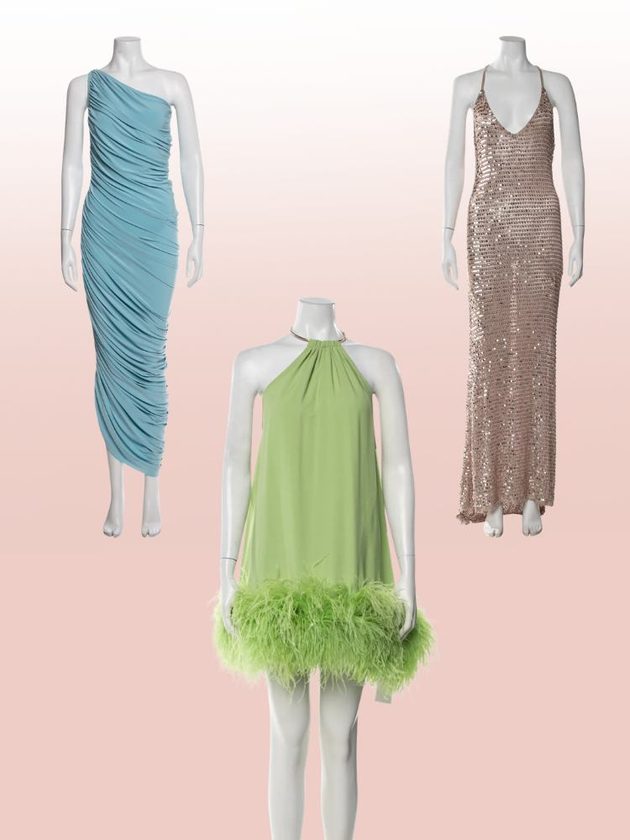
Whenever I’m looking for a wedding guest outfit or dress for another special occasion, The RealReal is my first stop. From gowns to cocktail attire, mini to maxi dresses, designer to contemporary, The RealReal is a mecca for dresses that sparkle and shine — at up to 70% off original prices.
Though you should expect an equally wide array of prices, from steals at under $70 to vintage designer looks coming in at $10K+. Be sure to use the price filter to find something that suits your budget.
Conscious Qualities: Secondhand
Size Range: XXS – 5XL
Price Range: $ – $$$$
2. Ninety Percent
Best for: affordable special occasion dresses
A responsibly-made occasion dress doesn’t have to break the bank. UK-based Ninety Percent has dresses made from lower impact materials like MicroModal and better practices like solar-powered production coming in at just around $100.
Most pieces are made at EchoTex, a facility in Bangladesh owned by the brand’s co-founder for maximum transparency. Best yet, 90% of the brand’s profits are shared across five causes and the workers behind the brand.
Conscious Qualities: Traceable Production, Profit Sharing
Size Range: UK 4-18 (US 0-14)
Price Range: $
3. Reformation
Best for: going-out and wedding guest dresses
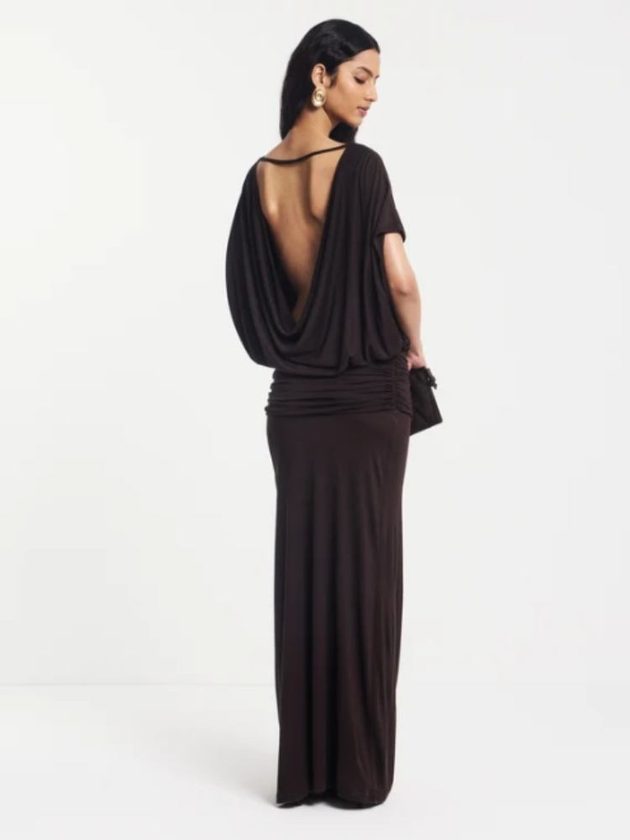
Reformation is a leader on sustainability among larger fashion brands, between their climate positive roadmap and better material sourcing (including recycled cotton, TENCEL Lyocell, and regenerative fabrics) to their supply chain transparency, limited production model, and circularity practices.
And the brand is making it easy to shop for sustainable special occasion dresses with their selection features like “Going Out Dresses” and “Wedding Guest Dresses”.
Conscious Qualities: Lower Impact Materials, Responsible Production Practices, Decarbonization Initiatives
Size Range: 0 – 12
Price Range: $$ – $$$
4. OMNES
Best for: made-to-order upcycled evening wear
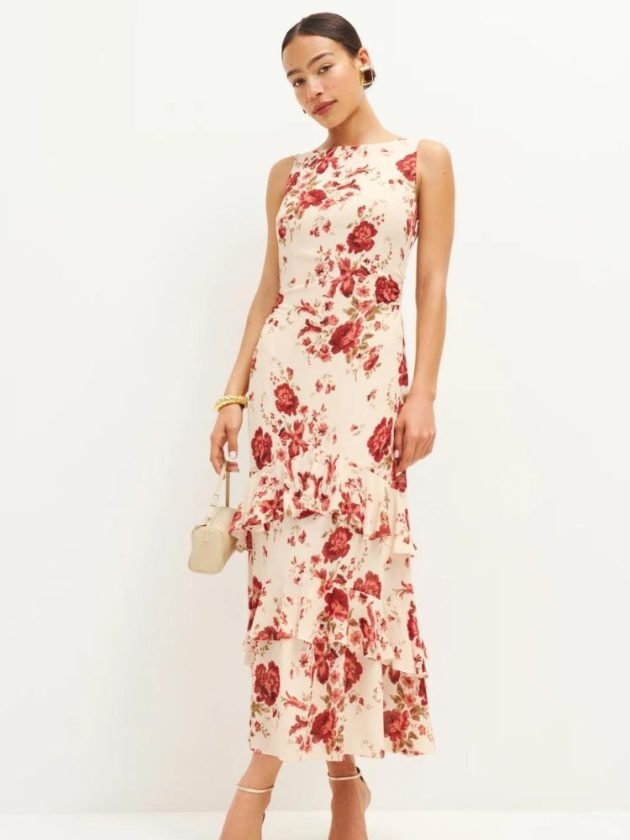
Making each piece to order using upcycled materials, Bastet Noir is a zero-waste fashion label. The brand’s sustainable formal dresses and other elegant apparel — including silk jumpsuits — are made by women in North Macedonia. 100% of Bastet Noir’s profits are reinvested into the women’s businesses and their children’s education.
Conscious Qualities: Repurposed Materials, Made-to-Order, Gives Back
Size Range: 4-10 + custom sizes
Price Range: $
5. AMUR
Best for: formal dresses for black tie dress codes
Standing for A Mindful Use of Resources, AMUR uses natural materials like cotton and recycled fibers like recycled polyester.
AMUR is the brand on this list with true gowns, so if you’re looking for a more sustainable prom dress or black tie occasion outfit, AMUR would be our pick. That said, the brand doesn’t have as much transparency on labor practices as the others in this guide.
Conscious Qualities: Natural & Recycled Fabrics
Size Range: XXS-XL
Price Range: $$$$
6. SeamsFriendly
Best for: natural fiber special occasion dresses
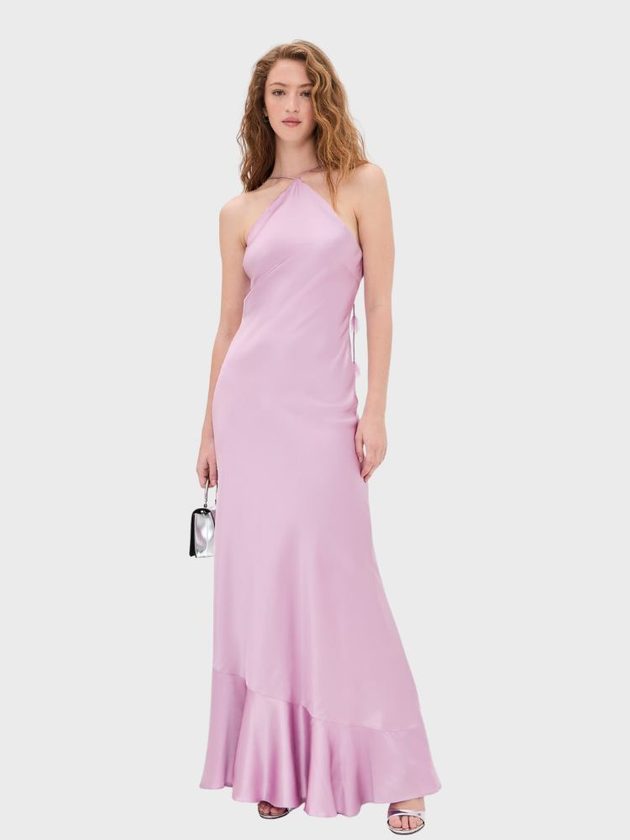
Can you find natural fiber formal or wedding guest dresses? SeamsFriendly is proving that the answer is yes. Crafted from 100% cotton or 100% linen in classic A-line and fit-and-flare dress fits, these are the perfect dresses for summer showers and weddings.
And since each piece is made-to-order just for you, you can select a fabric of your choice, select custom sizing at no additional fee, and customize the piece in dozens of other ways such as sleeve length, neck line, and even adding nursing-friendly zippers at the bust.
Conscious Qualities: Natural Fibers, Made-to-Order
Size Range: Custom sizing
Price Range: $
7. Christy Dawn
Best for: Semi-formal dresses for showers, baptisms, and casual weddings
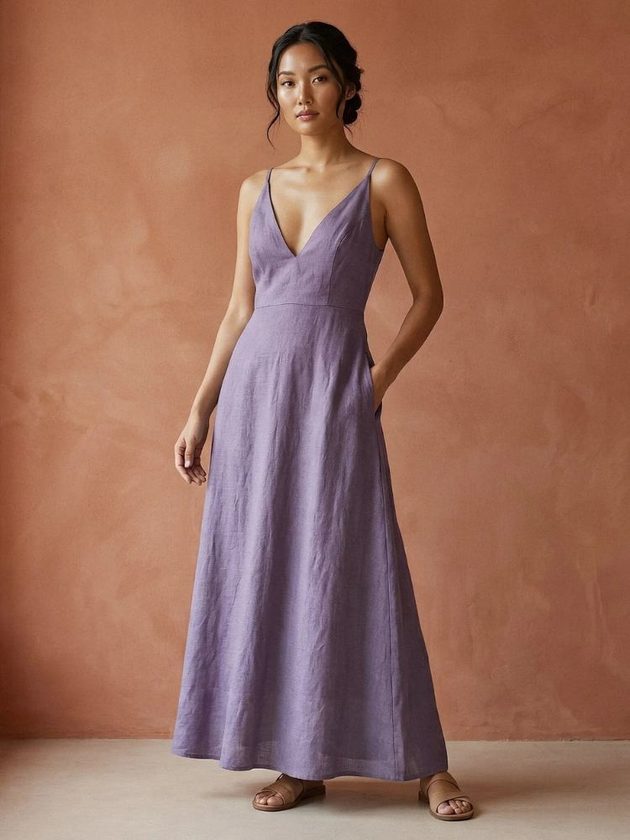
Christy Dawn’s dresses are vintage-inspired but totally timeless. Their feminine frocks can be worn as house dresses or semi-formal wear to weddings, bridal showers, baptisms, or other not-quite black-tie occasions. Their dresses are either made from reclaimed fabrics ethically in Los Angeles or from regenerative organic cotton that is sourced in partnership with a small collective in India.
You’ll also find sustainable special occasion dresses from Christy Dawn made with regenerative silk, like the dress pictured here!
Conscious Qualities: Reclaimed or Regenerative Fabrics, Ethical Production
Size Range: XS-3XL (extended sizing collection)
Price Range: $$$
8. BAACAL
Best for: mid-size and plus-size slip dresses
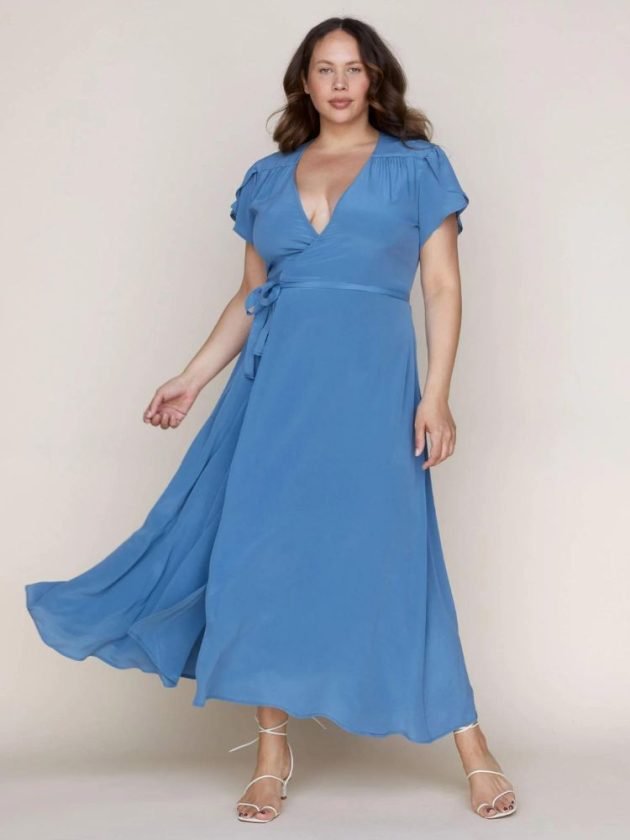
Frustrated that brands often stop their size range at 12 despite the average American woman wearing size 16, BAACAL creates conscious clothing for the “true majority”: women who wear sizes 10-22. The plus-size sustainable fashion brand uses upcycled, vintage, and other existing materials for their collections.
Conscious Qualities: Upcycled Fabrics, Small-Batch Collections, Size-Inclusive
Size Range: Unique sizing system of 1-4 (equivalent to 10-22)
Price Range: $$$
9. Lahive
Best for: bold special occasion outfits
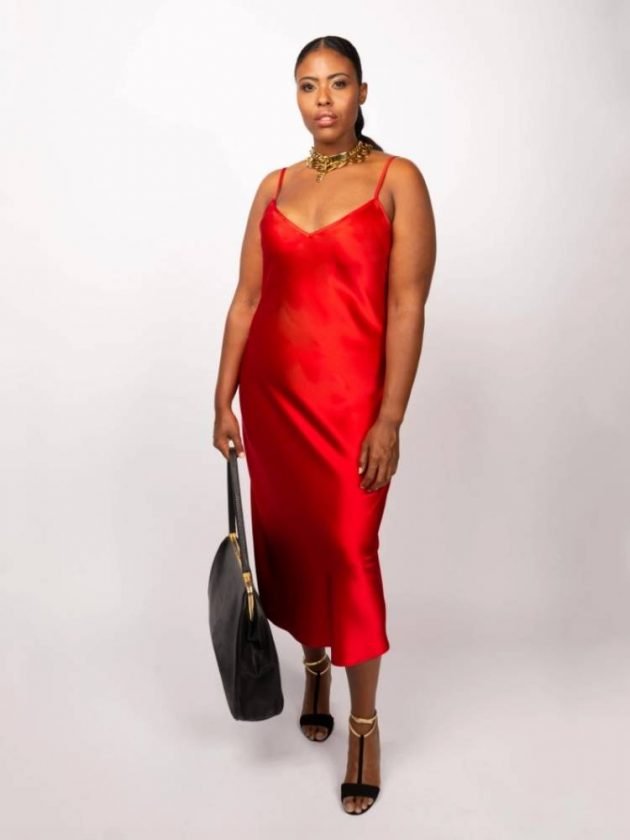
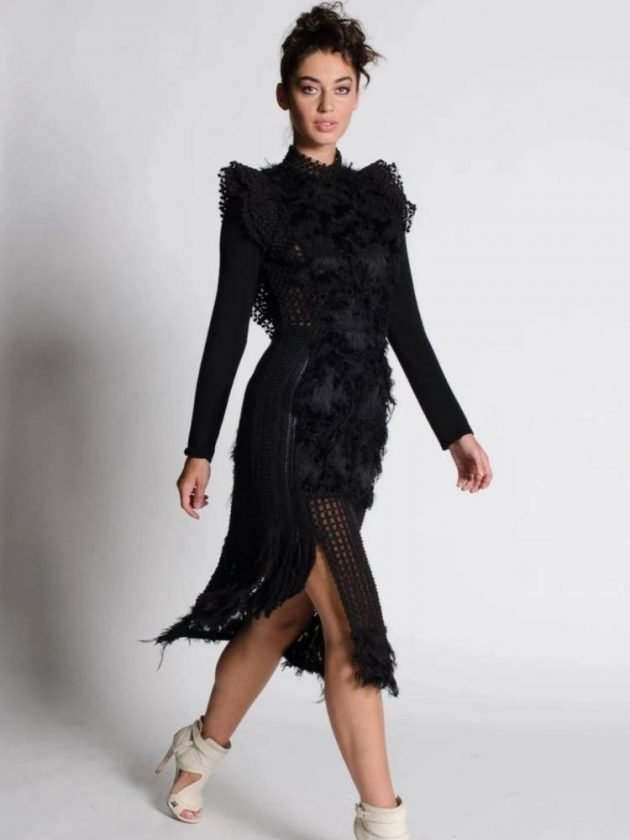
Bold and unique, Lahive’s stand-out dresses and other ethical formal wear will make a statement at cocktail hour or a night out downtown. The LA-based brand produces their luxe, textural pieces in small batches using upcycled materials in a factory run by solar power.
And this unique brand is sold at WOC-owned marketplace, ourCommonPlace.
Conscious Qualities: Upcycled Fabrics, Renewable Energy, Local Production
Size Range: XS-XL
Price Range: $$$
You Might Be Asking…
Are there affordable sustainable formal dresses?
Thankfully the answer here is yes! Ninety Percent has occasion dresses at around $100 or under, and SeamsFriendly’s made-to-order dresses run about $70 to $80. The RealReal is the other budget route, with plenty of formal dresses under $100, though prices can also run quite high for designer items so the price filter is your friend.
What’s a sustainable option for a wedding guest dress?
Reformation has a dedicated Wedding Guest Dresses category to make it easy. SeamsFriendly makes wedding guest dresses in 100% cotton or linen that could work for casual summer weddings, and Christy Dawn works for casual or semi-formal weddings. For a black-tie wedding, I’d look at AMUR or OMNES’ gowns.
Where can I find sustainable formal dresses in extended or custom sizes?
SeamsFriendly is made to measure, with a bust range of 26 to 72 inches and petite, regular, and tall heights. Christy Dawn has an extended collection up to 3XL, and The RealReal runs XXS to 5XL.
What’s the most sustainable way to get a formal dress for one event?
Wear or borrow what already exists first, then shop secondhand, either at your local consignment shop, thrift store or an online platform like The RealReal or Vestiaire Collective. Renting from a service like Rent the Runway or ByRotation can make sense for a single event you won’t repeat, but rental fees can be quite high so I find that buying secondhand is usually a better bang for my buck if I can wear it more than once. If none of those options make sense for you, then this guide has plenty of sustainably-minded brands to select from.
Are there sustainable prom or black tie gowns?
AMUR is the one brand in this guide that has true gowns, though OMNES and Reformation have some pretty elevated evening options too. The RealReal is my pick for a secondhand option.
What fabrics are best for sustainable special occasion or formal dresses?
This one is a bit tricky because natural fibers like linen don’t always give off the most elevated “evening wear” feel. That said, I’d still suggest a high-quality structured cotton or linen for a more casual affair. If you’re going more formal and want something more fluid, sheer, plush, or dramatic (like chiffon, organza, or tulle) then we likely have to extend our fiber options. The exception potentially being velvet or lace which can be — but often aren’t — made with cotton.
Instead we might look for peace silk, silk alternatives like TENCEL Lyocell (made from wood pulp), or recycled materials like recycled silk or recycled polyester. Recycled polyester isn’t my