

%20Assessment.JPG "KPI for Carbon Disclosure Project (CDP) Assessment")
Introduction Carbon Disclosure Project (CDP) Assessment
The Carbon Disclosure Project (CDP) Assessment is an annual evaluation conducted by the CDP, an international non-profit organization. The CDP assesses the environmental impact and climate-related performance of companies and cities worldwide.
The assessment focuses on measuring and disclosing carbon emissions, climate risks, and climate-related strategies and initiatives.
Outlook Carbon Disclosure Project (CDP) Assessment
The CDP assessment process involves companies and cities voluntarily responding to a questionnaire that covers various aspects of their environmental and climate performance. The questionnaire is designed to gather information on carbon emissions, energy usage, water management, deforestation risks, and other relevant data points.
The CDP assessment aims to provide investors, businesses, governments, and the public with standardized and transparent information on organizations’ environmental performance. The results of the assessment are used by investors to evaluate climate-related risks and opportunities, by companies to improve their environmental performance, and by policymakers to inform decision-making on climate-related issues.
Key Areas Carbon Disclosure Project (CDP) Assessment
The Carbon Disclosure Project (CDP) is an organization that focuses on measuring and disclosing carbon emissions and climate-related data of companies.
While the specific KPIs used in the CDP assessment may evolve over time, here are some key areas and indicators that are typically considered:
1. Carbon Emissions:
– Scope 1 emissions: KPIs measure direct emissions from owned or controlled sources, such as combustion of fossil fuels.
– Scope 2 emissions: KPIs assess indirect emissions from the generation of purchased electricity, heat, or steam.
– Scope 3 emissions: KPIs evaluate indirect emissions from activities not owned or controlled by the reporting organization, such as business travel, supply chain emissions, and waste disposal.
2. Climate-related Risk and Opportunities:
– Climate risk assessment: KPIs can include the identification and assessment of physical and transitional climate risks to the organization.
– Climate-related opportunities: KPIs may measure investments in renewable energy, energy efficiency projects, or other climate mitigation and adaptation initiatives.
3. Climate Strategy and Targets:
– Emissions reduction targets: KPIs assess the organization’s commitment to reducing its carbon emissions over time, typically aligned with science-based targets or other recognized frameworks.
– Climate-related strategy: KPIs may evaluate the integration of climate considerations into the organization’s overall business strategy and decision-making processes.
4. Governance and Disclosure:
– Board oversight: KPIs assess the level of board engagement and oversight on climate-related issues, including the establishment of a board committee or senior executive responsible for climate matters.
– Disclosure and transparency: KPIs measure the quality and completeness of reporting on climate-related data, including the level of disclosure on emissions, targets, and climate-related risks and opportunities.
It’s important to note that the specific KPIs and indicators used in the CDP assessment may vary depending on the reporting framework and requirements set by the CDP.
The CDP provides guidance on reporting practices and expectations to help companies assess and disclose their carbon emissions and climate-related data effectively.
https://www.exaputra.com/2023/06/kpi-for-carbon-disclosure-project-cdp.html

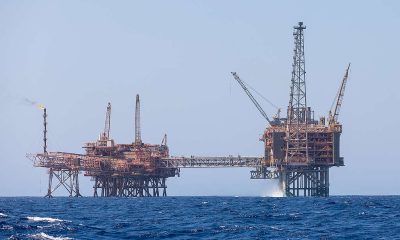


Nordex Q3 Orders Jump 30%, Vestas Bets on Australia
Nordex Q3 orders jump 30% and Vestas lands about a gigawatt in Australia. Plus why turbine factories skip Australia, high project costs, and whether batteries can replace coal.
The Uptime Wind Energy Podcast is brought to you by Weather Guard Lightning Tech, creators of the StrikeTape Ultra LPS retrofit. Subscribe to Uptime’s Substack newsletter. And check out Rosemary’s “Engineering with Rosie” Youtube channel. Have a question we can answer on the show? Email us!
 There are people who believe that our national problems stem from Hillary Clinton (never president) and Barack Obama (twice president and ranked #7 by historians).
These people are called idiots.
Weather Guard Lightning Tech
Trump Targets Revolution Wind, Nordex Q3 EBITDA Doubles
Allen covers the Trump administration’s bid to reopen Revolution Wind’s permit, a bipartisan Senate permitting deal, Nordex’s doubled third-quarter profit, and GE Vernova’s new wind chief.
The Uptime Wind Energy Podcast is brought to you by Weather Guard Lightning Tech, creators of the StrikeTape Ultra LPS retrofit. Subscribe to Uptime’s Substack newsletter. And check out Rosemary’s “Engineering with Rosie” Youtube channel. Have a question we can answer on the show? Email us!



-
Climate Change1 year ago
Guest post: Why China is still building new coal – and when it might stop
-

 Greenhouse Gases2 years ago
嘉宾来稿:满足中国增长的用电需求 光伏加储能“比新建煤电更实惠”
-
Greenhouse Gases1 year ago
Guest post: Why China is still building new coal – and when it might stop
-

 Climate Change2 years ago
嘉宾来稿:满足中国增长的用电需求 光伏加储能“比新建煤电更实惠”
-

 Renewable Energy12 months ago
Sending Progressive Philanthropist George Soros to Prison?
-
Climate Change2 years ago
Bill Discounting Climate Change in Florida’s Energy Policy Awaits DeSantis’ Approval
-
Greenhouse Gases1 year ago
嘉宾来稿:探究火山喷发如何影响气候预测
-

 Climate Change2 years ago
Analysis: China’s CO2 falls 1% in Q2 2024 in first quarterly drop since Covid-19