

Greetings from Malaysia—Cheow Mei and Max wanted to have a cool Malaysian greeting here, but people here just say “Hi.” Fortunately, English is the second official language in Malaysia, so Max’s Malaysian vocabulary is limited to “Thank you,” “How are you,” and “Hi.“
We, Cheow Mei and Max work together on the GAME project at the Centre for Marine and Coastal Studies (CEMACS). And that’s where some special things come together. CEMACS is part of Universiti Sains Malaysia (USM); the main campus is located in Gelugor, near the 1st Penang Bridge on Penang Island, whereas CEMACS is located in Penang National Park, which is the smallest national park in Malaysia! Travelling to CEMACS itself is a bit of an adventure. First, in whichever transportation we choose to take, we have to go through a long winding road to arrive at the Penang National Park. once we arrive at the national park, the journey continues with a 5-minute boat ride to CEMACS. Of course, we can also choose to hike to CEMACS as there is a hiking trail to CEMACS, which takes about 30 minutes. At more than 30 degrees and a humidity of 70%, this is a sweaty affair (believe us, we do this every weekend).
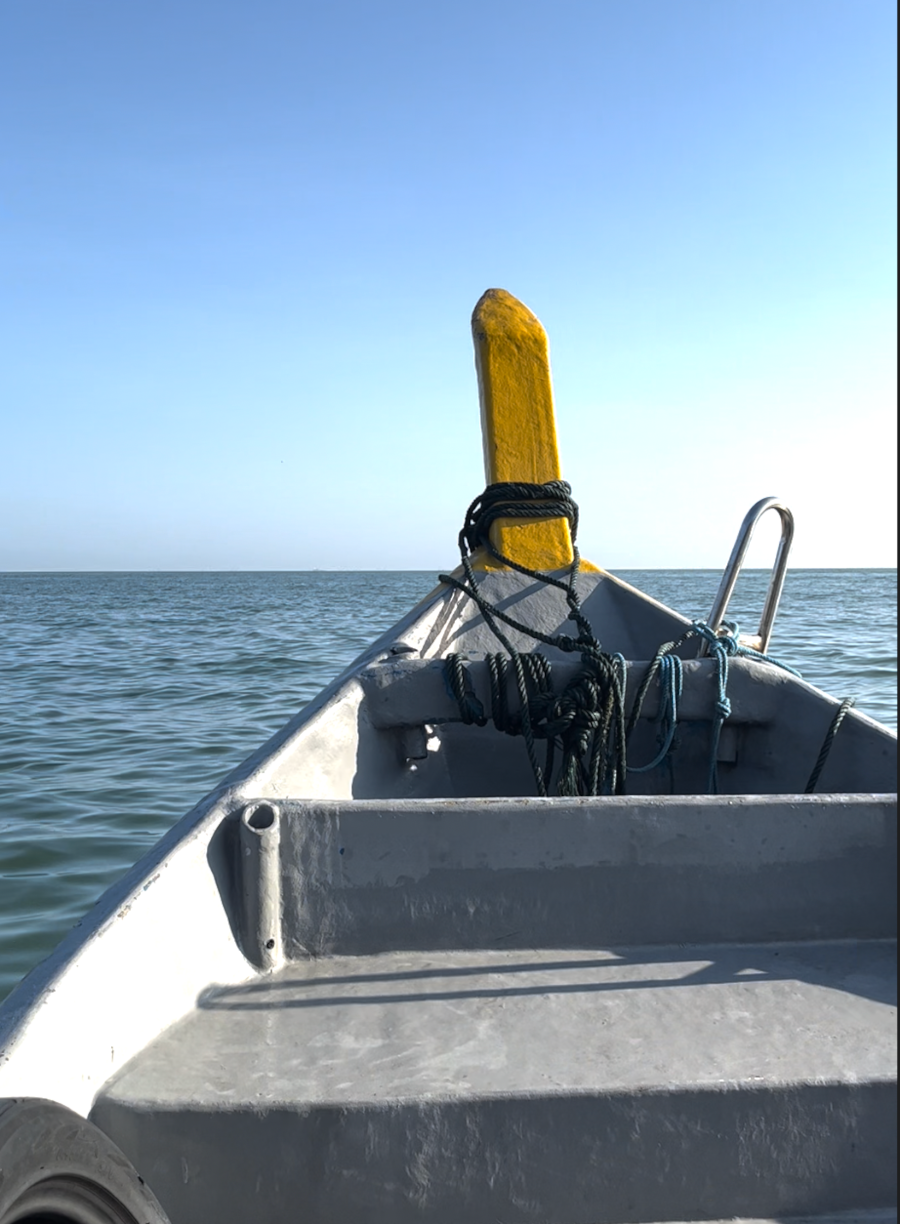
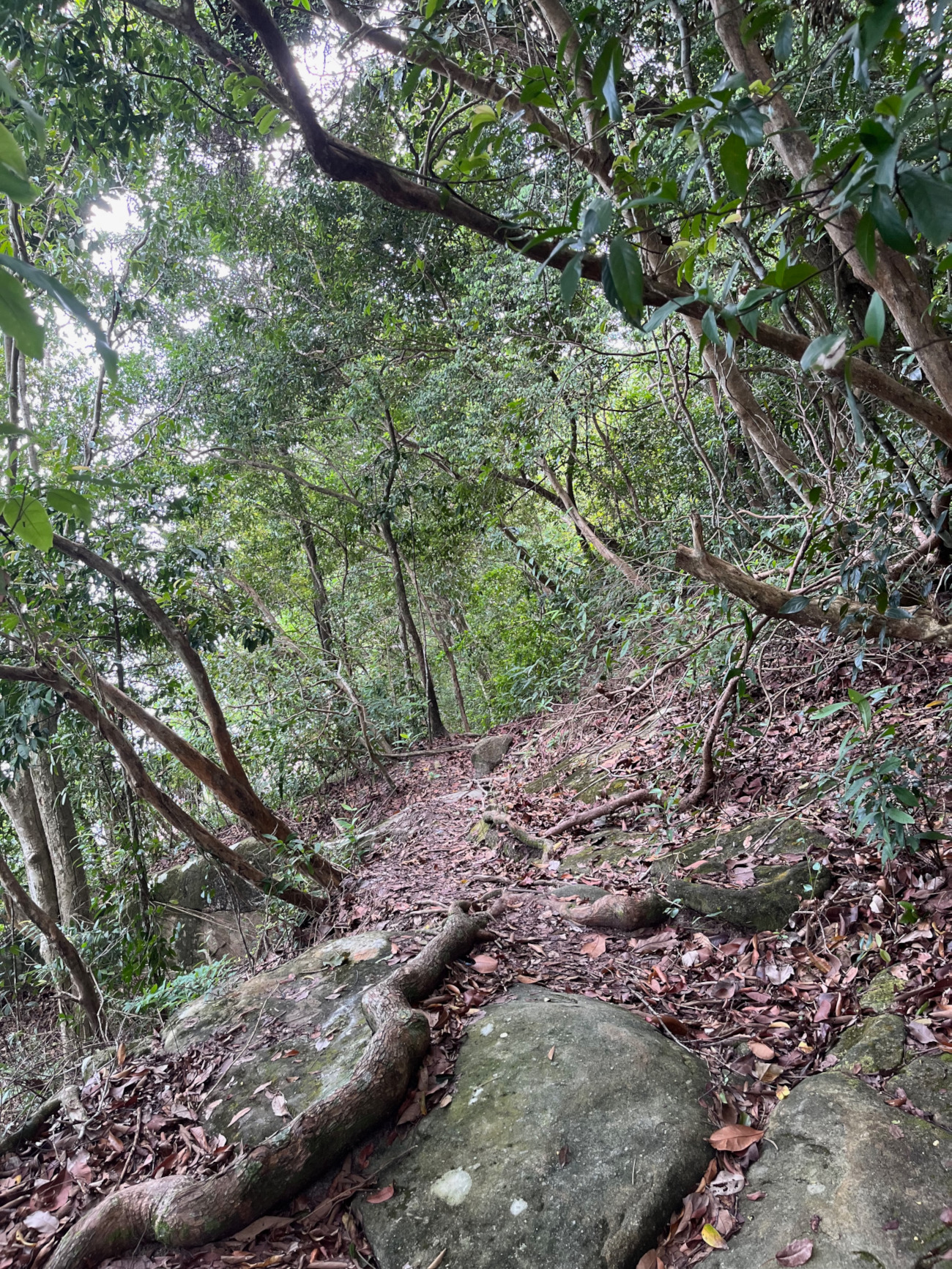
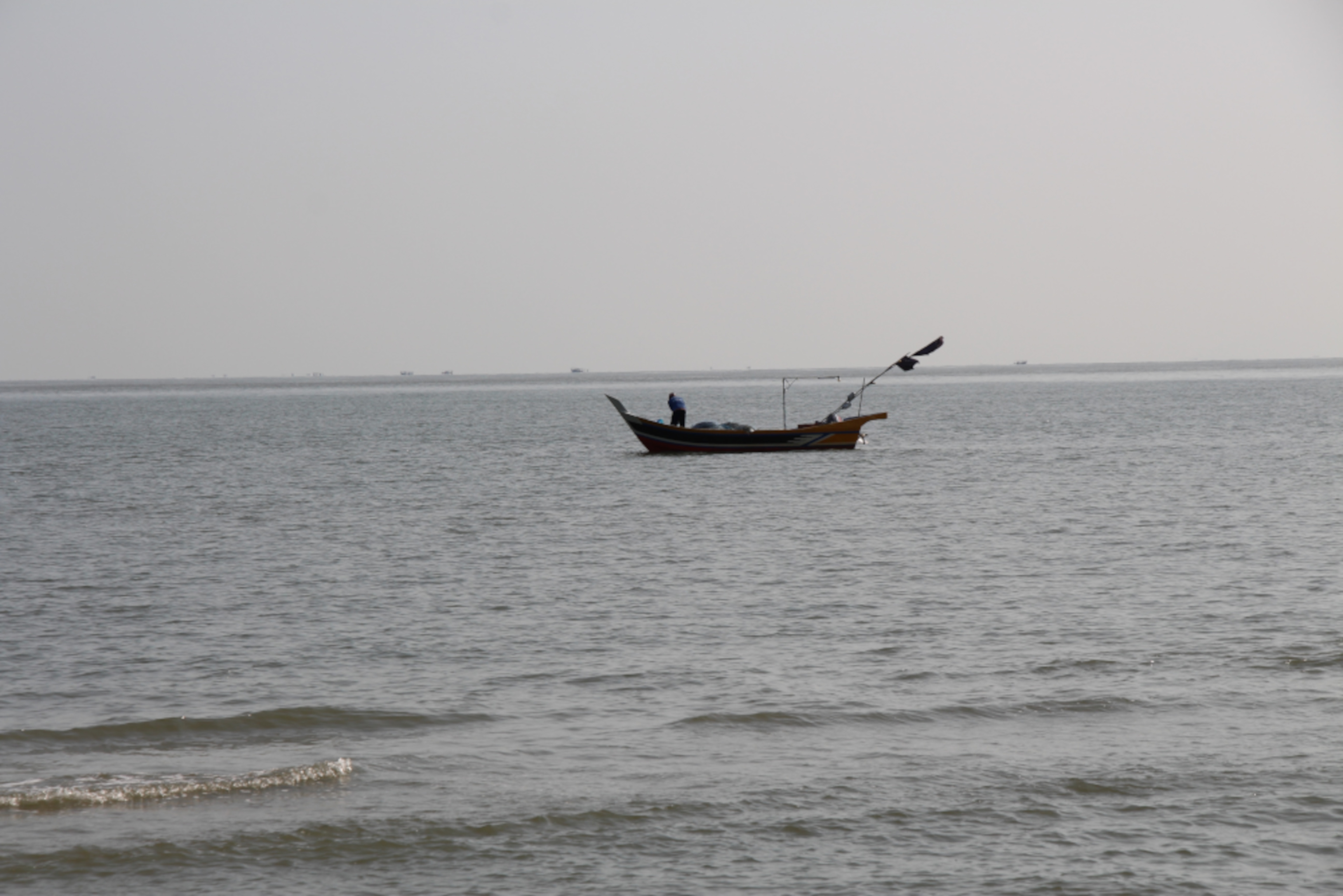
Believe it or not. Max is actually the first GAME student who managed to experiment in Malaysia for the entire time. Before that, there was the COVID-19 pandemic or problems with the visa, which prevented other GAME participants from coming to Malaysia. So, for the first time since 2020, we have a German-Malaysian tandem in CEMACS. Of the eight teams, we are the southernmost team with a latitude of 5°, which is the closest to the equator of all the teams.
And because of this proximity to the equator, we have a tropical climate with high humidity (which makes you sweat a lot) and very constant temperatures of around 30 degrees. Due to the daytime climate, we have a greater temperature difference between day and night than between the months. And this also influences the day and night rhythm, which is important for our experiments. The further north we go, the greater the difference in length between day and night. Here in Malaysia, we almost always have 12 hours of sun and 12 hours of night throughout the year. During the year, this only changes by 26 minutes.
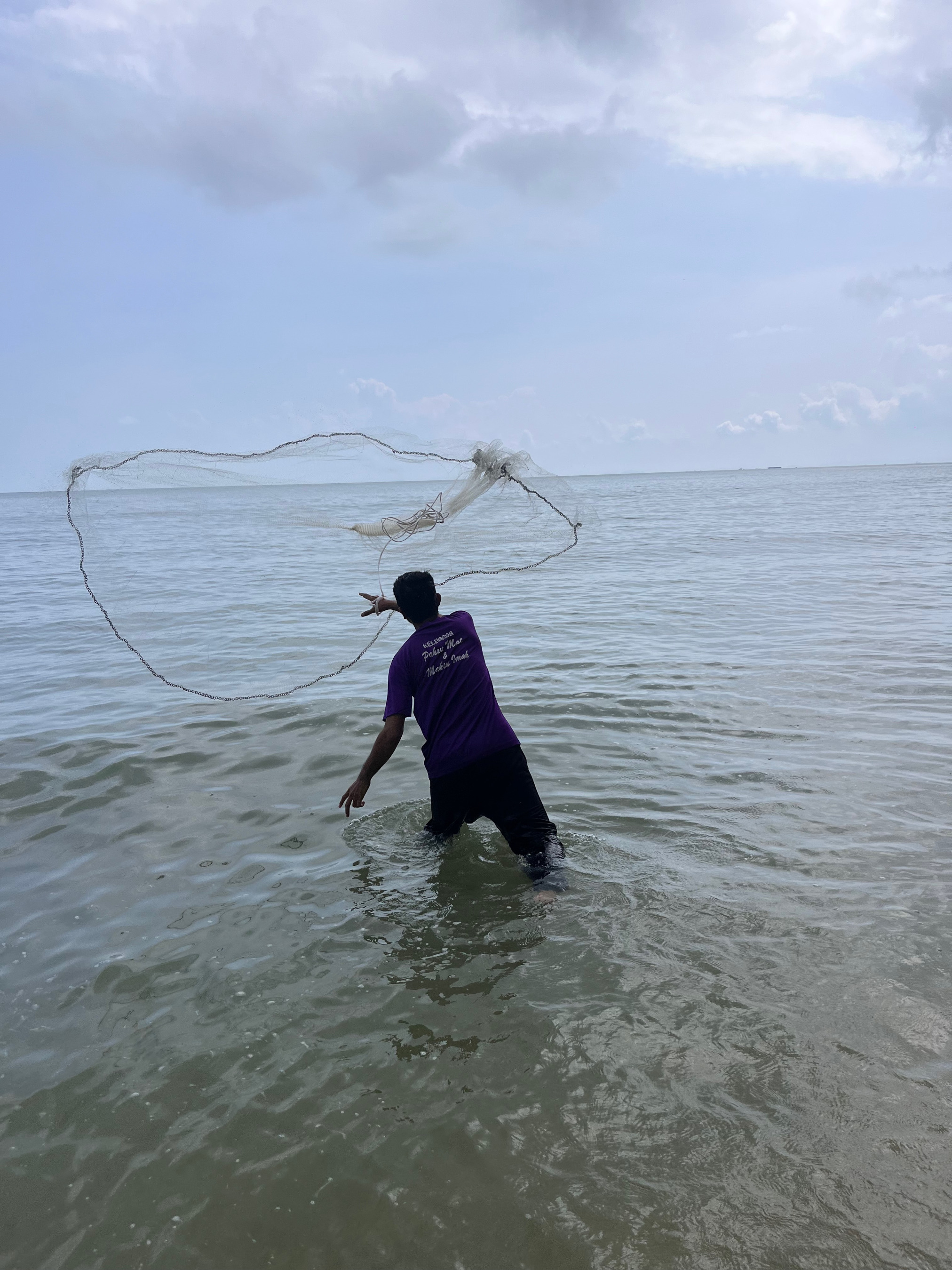
We are both very excited to see how this will affect our results and how they will compare to other teams in the end. We are now fully immersed in our experiment and are working here with the sea urchin species Temnopleurus toreumaticus (same species as used in GAME 2021) as a grey species to additionally stress our algae, Gracilaria sp. and Caulerpa lentillifera. However, our sea urchins do not grow on trees where we could simply pick them (they are marine creatures, after all). So we had to play fishers: Over several days, we tried our luck with a cast-net, but apart from 2-3 sea urchins, we only caught small fish or crabs. With the help of real fishermen, we were then able to get real sea urchins, which we could use for our pilot studies. One day in June, we were lucky and managed to find more sea urchins, which we are now using for our experiments.
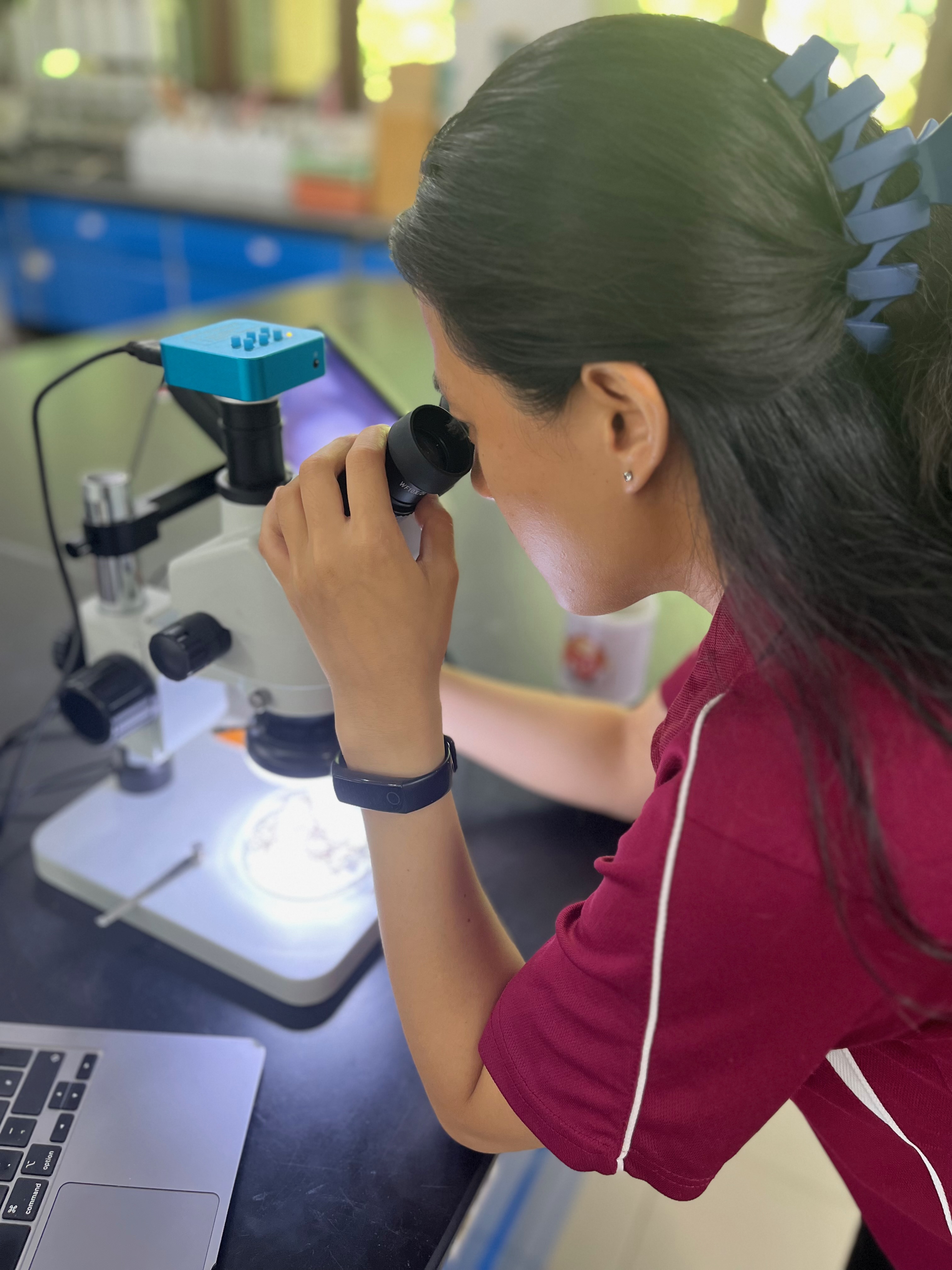
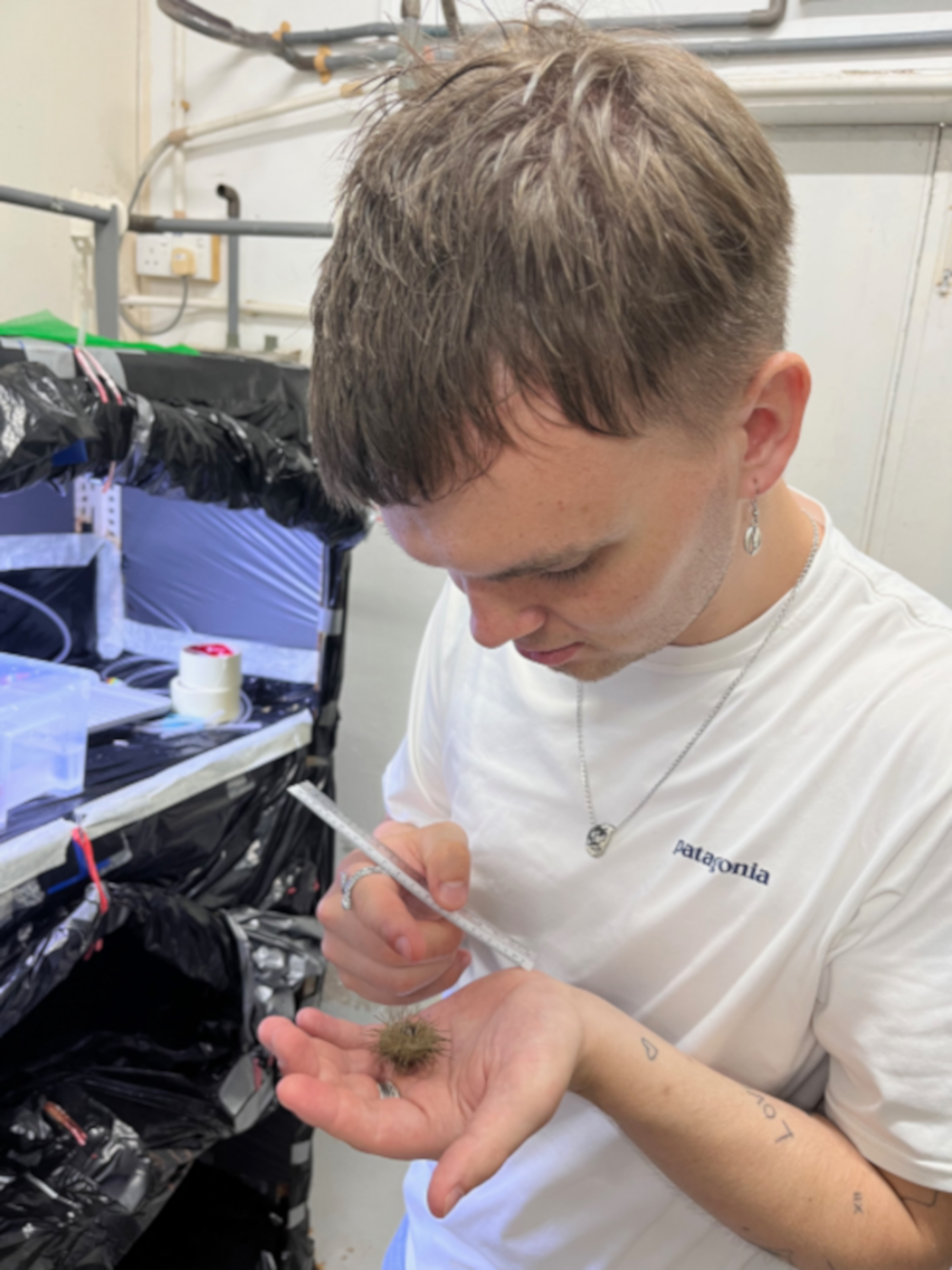
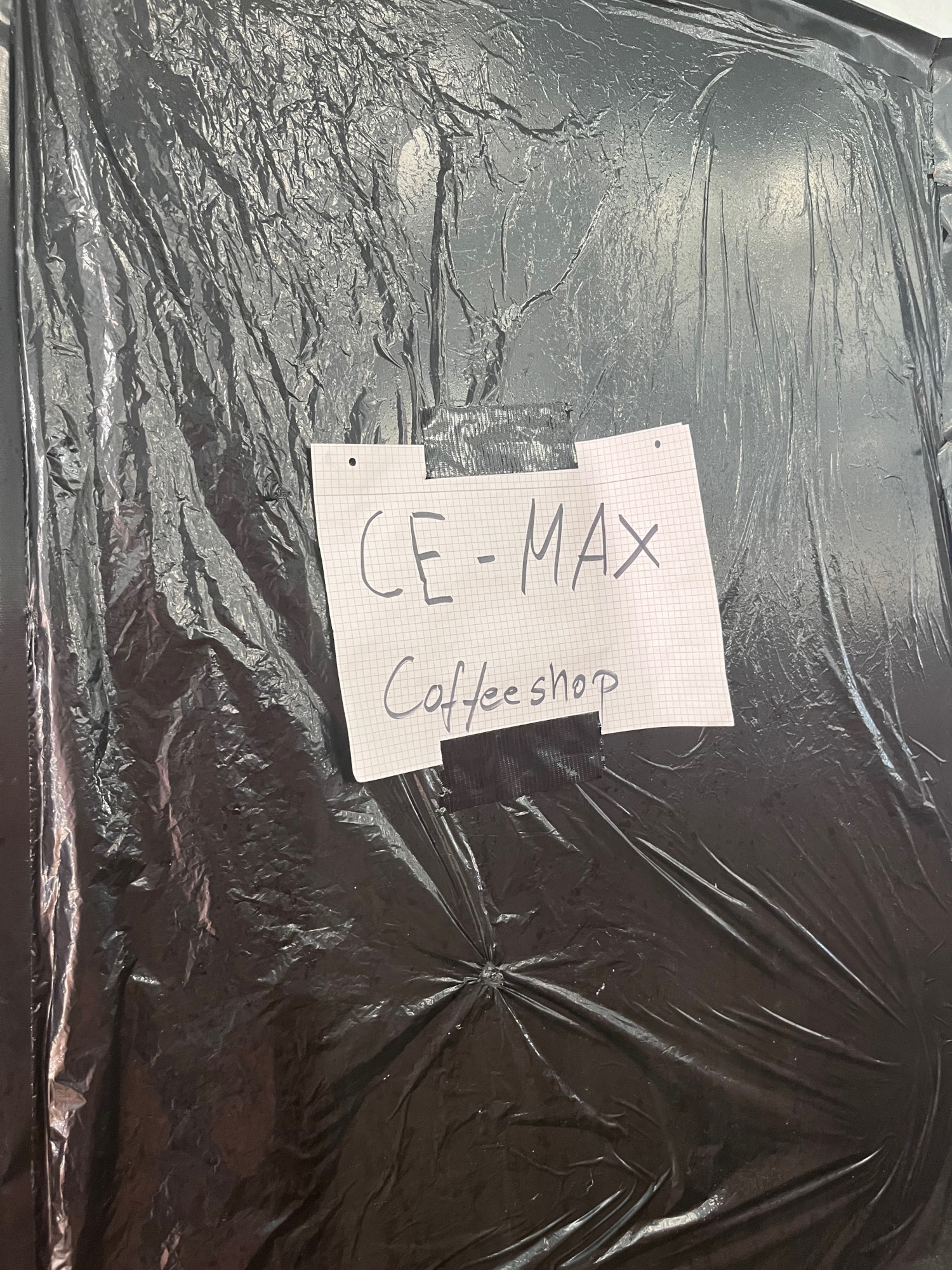
Opposites work well together, right? That’s exactly how it works for us. We started our experiments with a slight time delay so that we could help each other. But there is a huge contrast. Coffee. Max brings freshly brewed coffee to CEMACS every morning, whereas Cheow Mei runs mad with coffee. After lunch, they make another pot in the lab. Initially only for Max, then for another employee, but now half the CEMACS team is in the small GAME lab after lunch to drink coffee, and at least two full pots are made. Hence, the lab’s now unofficial name: Ce-Max Coffeeshop.
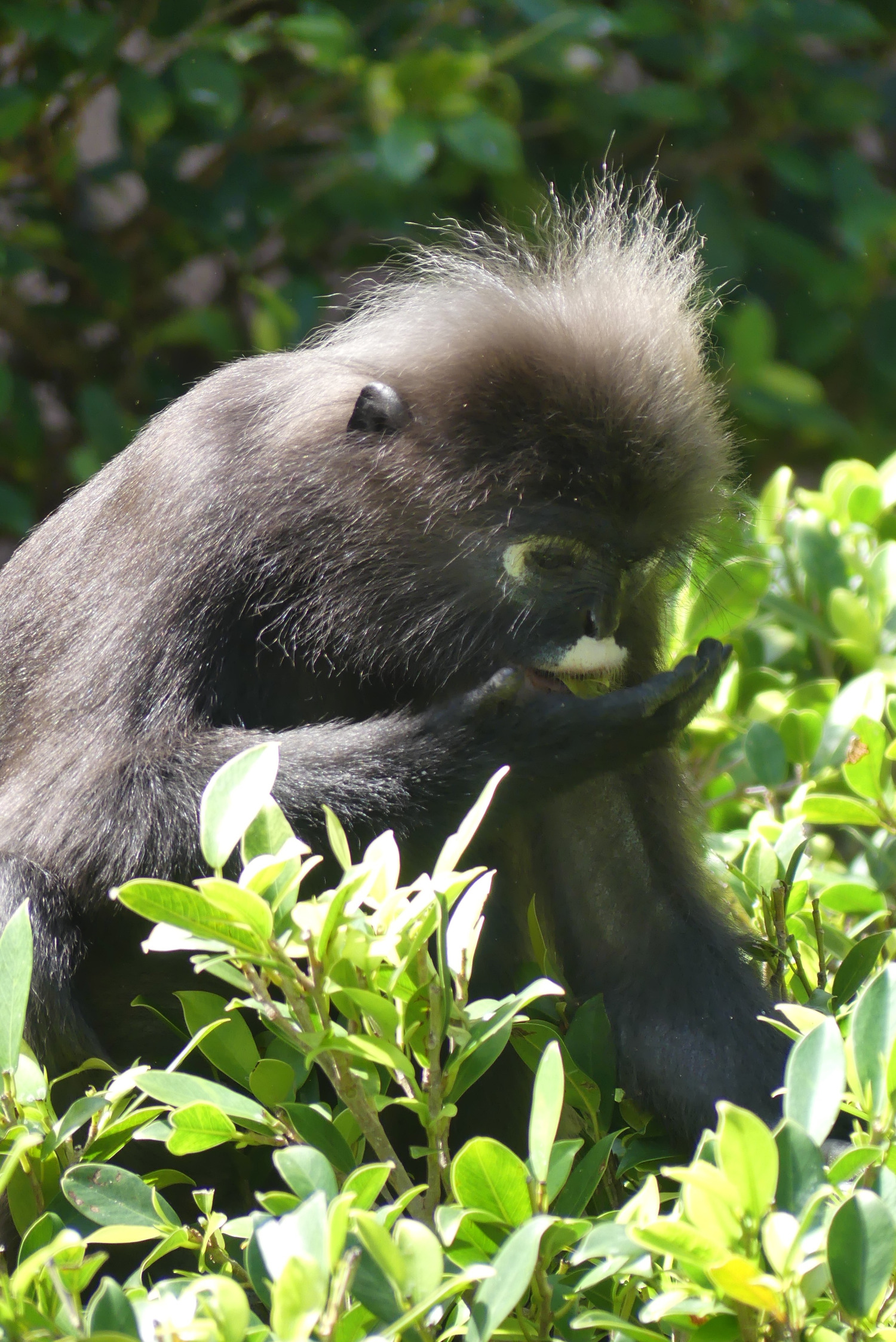
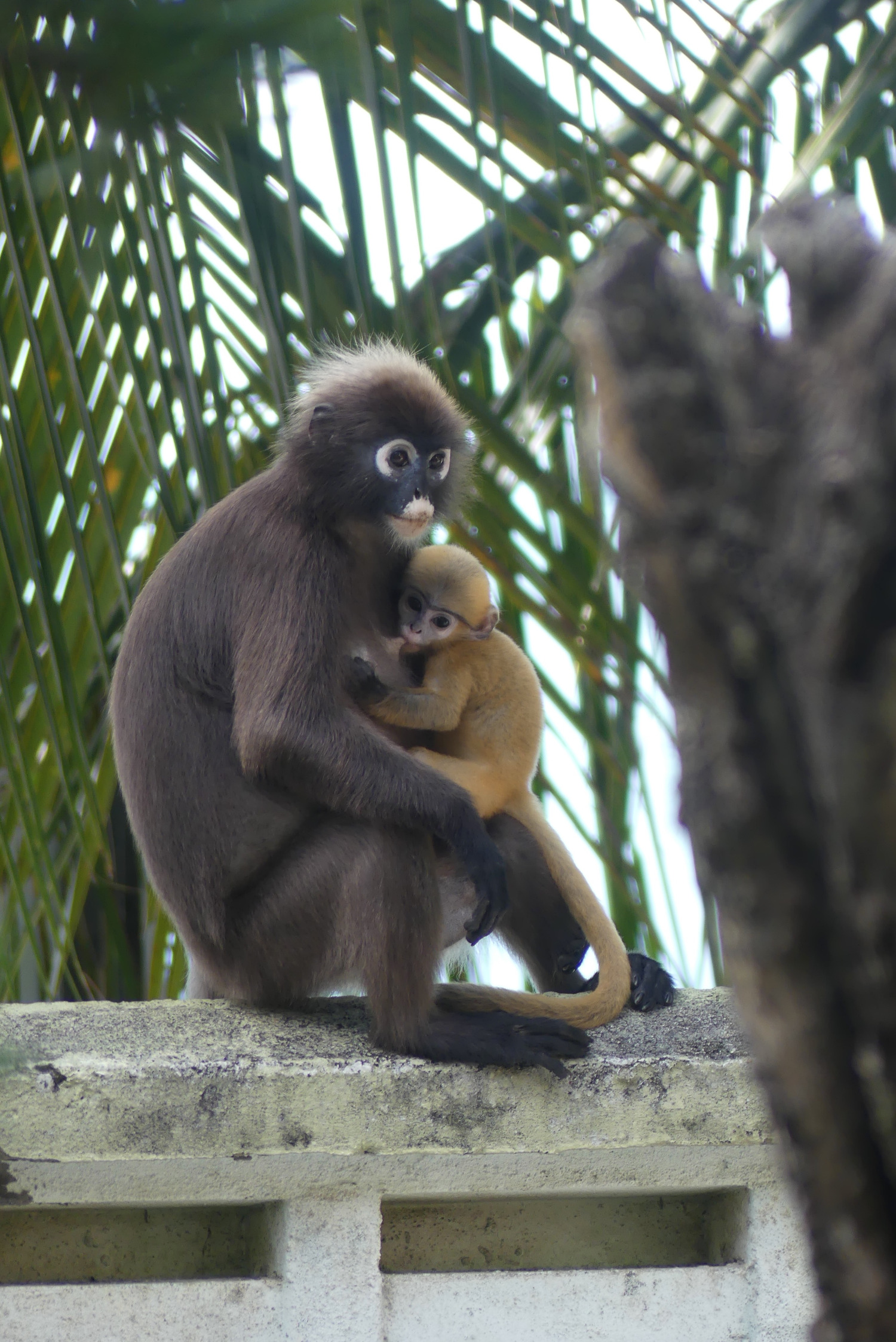
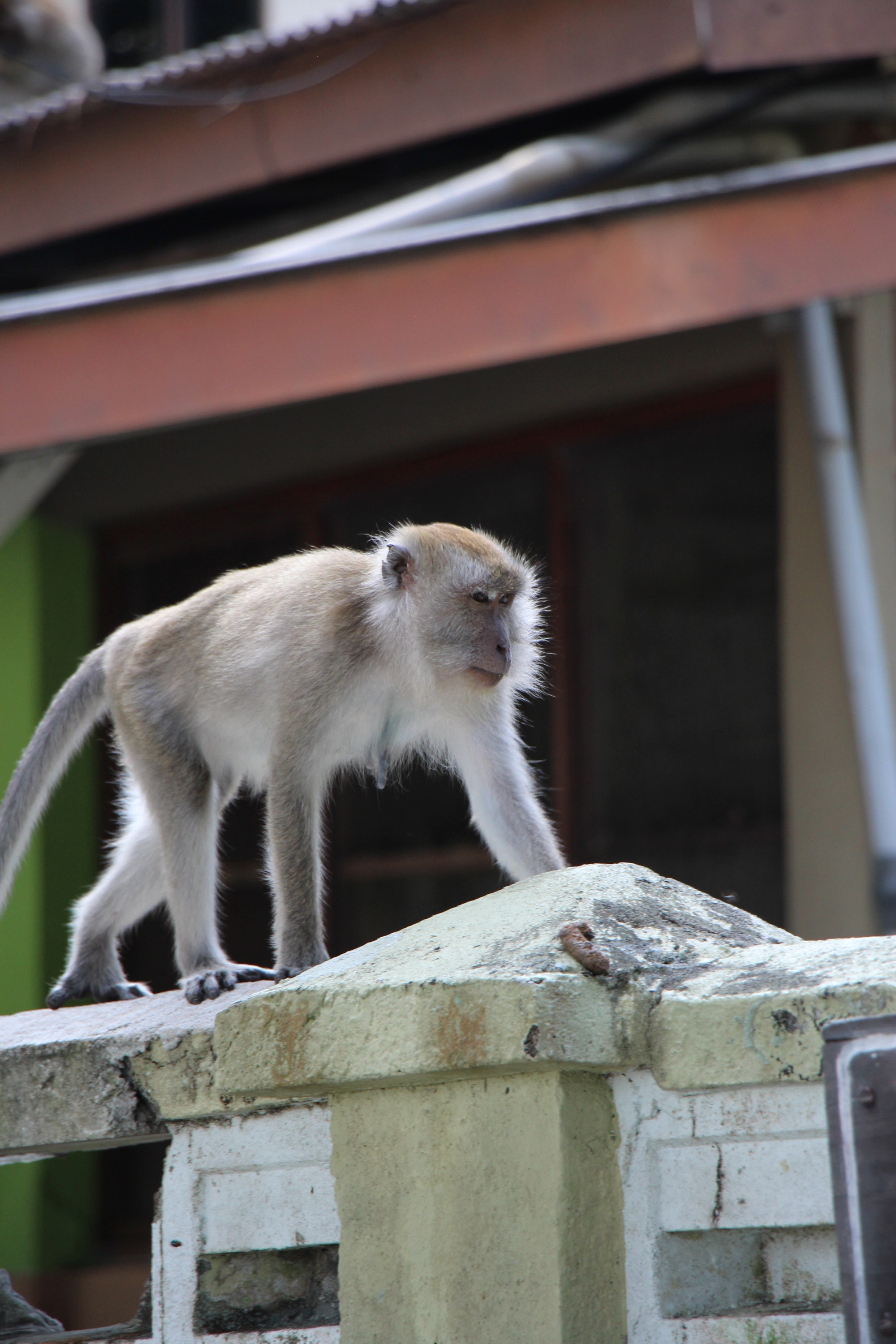
As the CEMACS is located directly in the national park, there are countless mosquitoes and 4-5 lab cats (there are now 2 babies there again) as well as some animals that are both exciting and not – monkeys. Cute at first glance, but when you’re on your way to the cafeteria with food in your hand, it’s a bit of a mad rush: “Get to the cafeteria quickly before a monkey steals your food!” We have also had lab visits from monkeys, which were not to the delight of all parties. We differentiate between two types of monkeys: the good monkeys, aka Dusky leaf monkey or aka langur (Trachypithecus obscurus) vs. the bad monkeys, aka Macaque. The good monkeys are the monkeys with black fur that get scared when they see you and would never get too close. The bad monkeys – well, they are the bad monkeys who steal your food, spy on you and clean out laboratories.
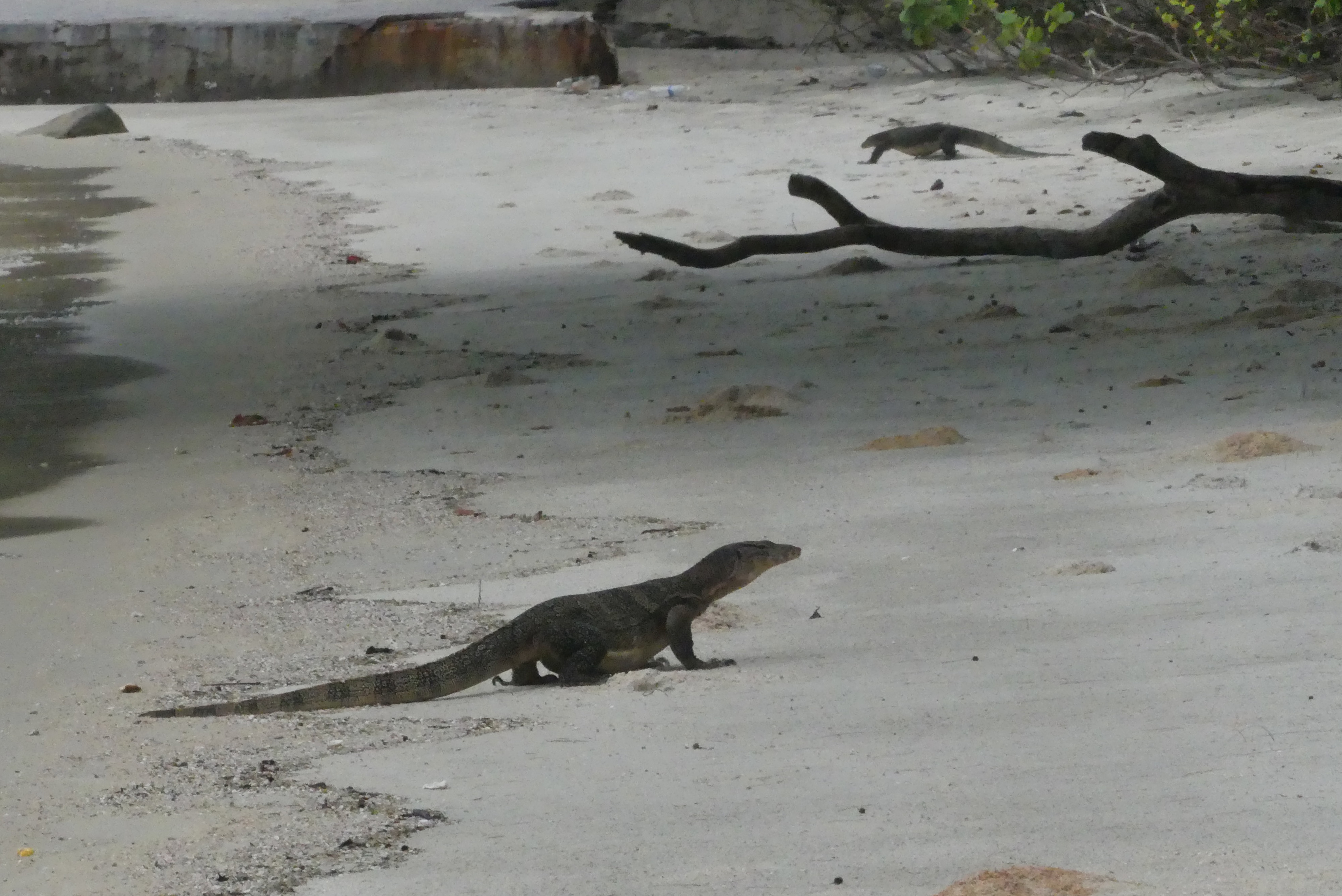
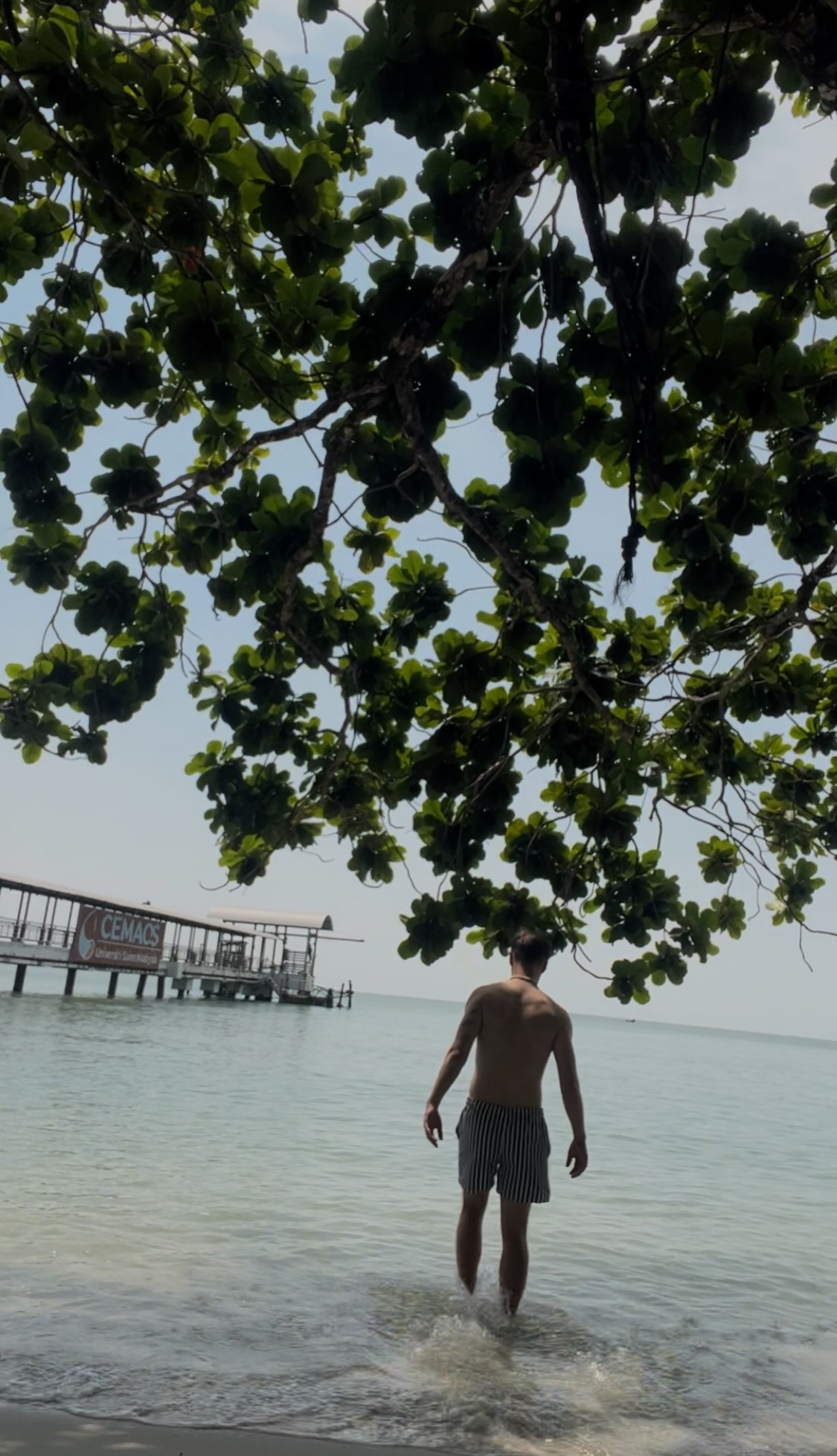
But it’s not just monkeys that are part of our daily work at CEMACS. We also have to deal with visits from 2-metre-long lizards who want to explore the area or say a quick hello. But the lizards are less of a problem than the evil monkeys. You can find a funny picture below: Swimming lizards. When we approach the lizards, they quickly waddle away. And, of course, we also have some jellyfish right in front of the CEMACS. Not a problem if you don’t go swimming. However, Max is always looking for a quick cool down after work – although it’s 30 degrees in the water. That’s why Max always takes a bottle of vinegar with him – not to drink, but as a precaution against possible contact with jellyfish – and yes, the monkeys inspect the bottle at least 3-4 times every time they visit the beach until they realise that vinegar is not so enjoyable.




For generations, stories of people being swallowed by enormous sea creatures have painted awe-inspiring tales of human survival and perseverance. From the biblical account of Jonah to the legendary battle of Hercules and Cetus to the timeless story of Pinocchio, these legendary tales have captivated people since time immemorial.
But all these stories raise the question: Could someone really be swallowed by a whale? With the premiere of the film Whalefall on October 16, 2026, you may find yourself in conversations about this very situation. Based on the bestselling 2023 thriller authored by Daniel Kraus, the film tells the story of a scuba diver who is accidentally gobbled up by a sperm whale while searching for the remains of his late father. With only an hour of oxygen left in his tank, the diver must fight to escape the whale’s gut before time runs out.
The answer to whether it’s anatomically possible for a whale to swallow a person is actually a bit more complicated than you might think.
Get Ocean Updates in Your Inbox
Sign up with your email and never miss an update.
What’s not possible
First, let’s start with what’s not possible. There are about 90 whale species known to science today, and they are split into two different groups: toothed whales, such as sperm whales, and baleen whales, such as humpback whales and blue whales. Instead of teeth, baleen whales have massive rows of specially designed bristles that act as filters. When feeding, these whales take big gulps of water, filtering through massive amounts of tiny krill and plankton. This is why baleen whales are known as filter feeders.
Because baleen whales eat such small organisms in large amounts, they don’t physically require much space to swallow their food. The opening in their throat that leads to their esophagus is shockingly small—it’s only about the size of a grapefruit! It’s probably obvious by now, but scientifically, it is entirely impossible for a baleen whale to swallow a person. While a few news stories have recounted oceangoers like kayakers accidentally ending up in or around the mouths of humpback whales, they’ve been spit out or released within seconds. If you were a whale, this would feel like trying to eat a handful of M&Ms and accidentally realizing an entire rotisserie chicken was in your mouth!
Toothed whale anatomy, however, is where this answer gets a bit more nuanced. Toothed cetaceans eat creatures like fish, sharks and squid. Because toothed whales need to chew their food, their digestive anatomy varies from that of their baleen counterparts, and they have notably larger gullets.
What is possible
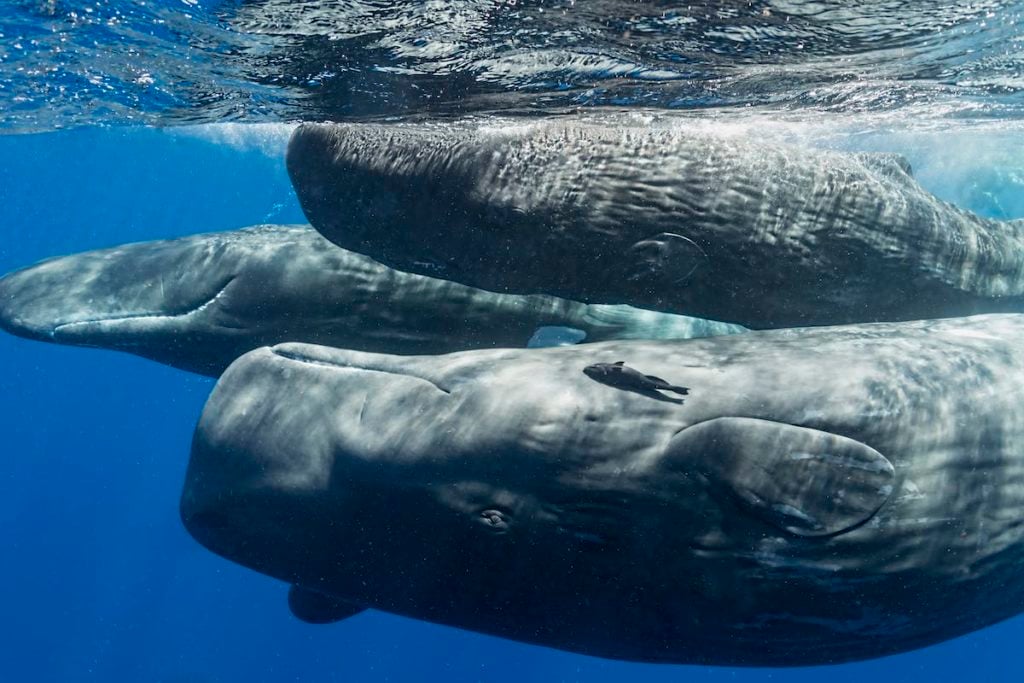
However, even amidst the more than 70 known species of toothed whales, only one species is anatomically capable of swallowing a person whole: the sperm whale.
Sperm whales are massive creatures and can grow to be up to 60 feet long. Because of their size, their prey tend to be on the larger side, too. A sperm whale’s esophagus isn’t particularly huge, but it has the elasticity to stretch to fit large prey such as giant squid, which can grow to be more than 20 feet long (not including their appendages). So, if a sperm whale can swallow a giant squid … could they potentially swallow a human?
Technically yes, but it’s so highly improbable that it’s nearly inconceivable. First, the likelihood that a human encounters a sperm whale is negligible on its own. Unlike whale species like humpbacks, sperm whales prefer to hang out in the deep water columns and underwater canyons of the open ocean, often diving down to close to 10,000 feet in search of food. So a person’s chances of seeing a sperm whale at any point in their life are very small.
Even if a sperm whale did somehow manage to swallow a person, the circumstances would likely not be what you’d expect. Project CETI whale biologist Shane Gero told Popular Science that it’s not necessarily impossible, but highly unlikely, and would have to involve the “biggest sperm whale ever” to be feasible. Even if it did happen, Gero noted that the initial rush of water or even the whale trying to “cough” to expel the person would likely be enough impact to kill a person before an actual digestive process could.
Has this ever happened?
To date, there is no documented case of a whale actually swallowing a person. The only animal on Earth known to have successfully swallowed a person whole is the longest snake species in the world: the reticulated python.
So, while the thriller Whalefall may be deeply unsettling to watch, you can rest easy knowing just how unlikely—if not impossible—this situation actually is. You need not be afraid of sperm whales … however, if you were a sperm whale, you might be afraid of humans!
These marine mammals are regularly threatened by dangers like vessel strikes, noise pollution and entanglement in lost or discarded fishing gear, otherwise known as “ghost gear”. They are a protected species under the Endangered Species Act, and we should see them not as a threat, but as a captivating species worth protecting. Help Ocean Conservancy protect animals like sperm whales today by taking action in support of the Endangered Species Act.
The post Could You Really Be Swallowed by a Whale? appeared first on Ocean Conservancy.
Ocean Acidification
Dr Heidarzadeh’s TV interview with SkyNews on the massive M7.7 Panama earthquake on 9 October 2026
Dr Heidarzadeh’s TV interview with SkyNews on the massive M7.7 Panama earthquake on 9 October 2026. Click here for the full story.
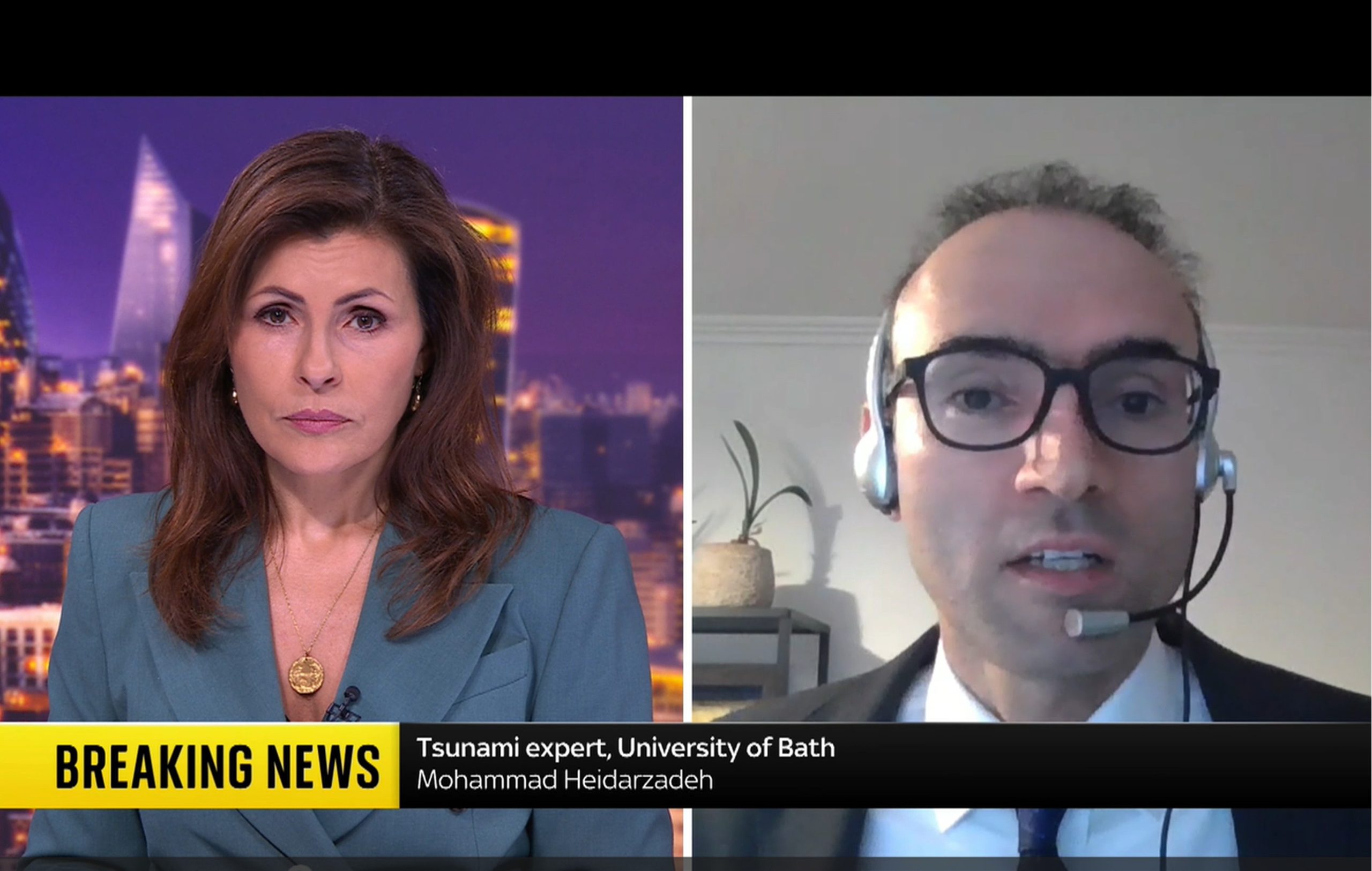
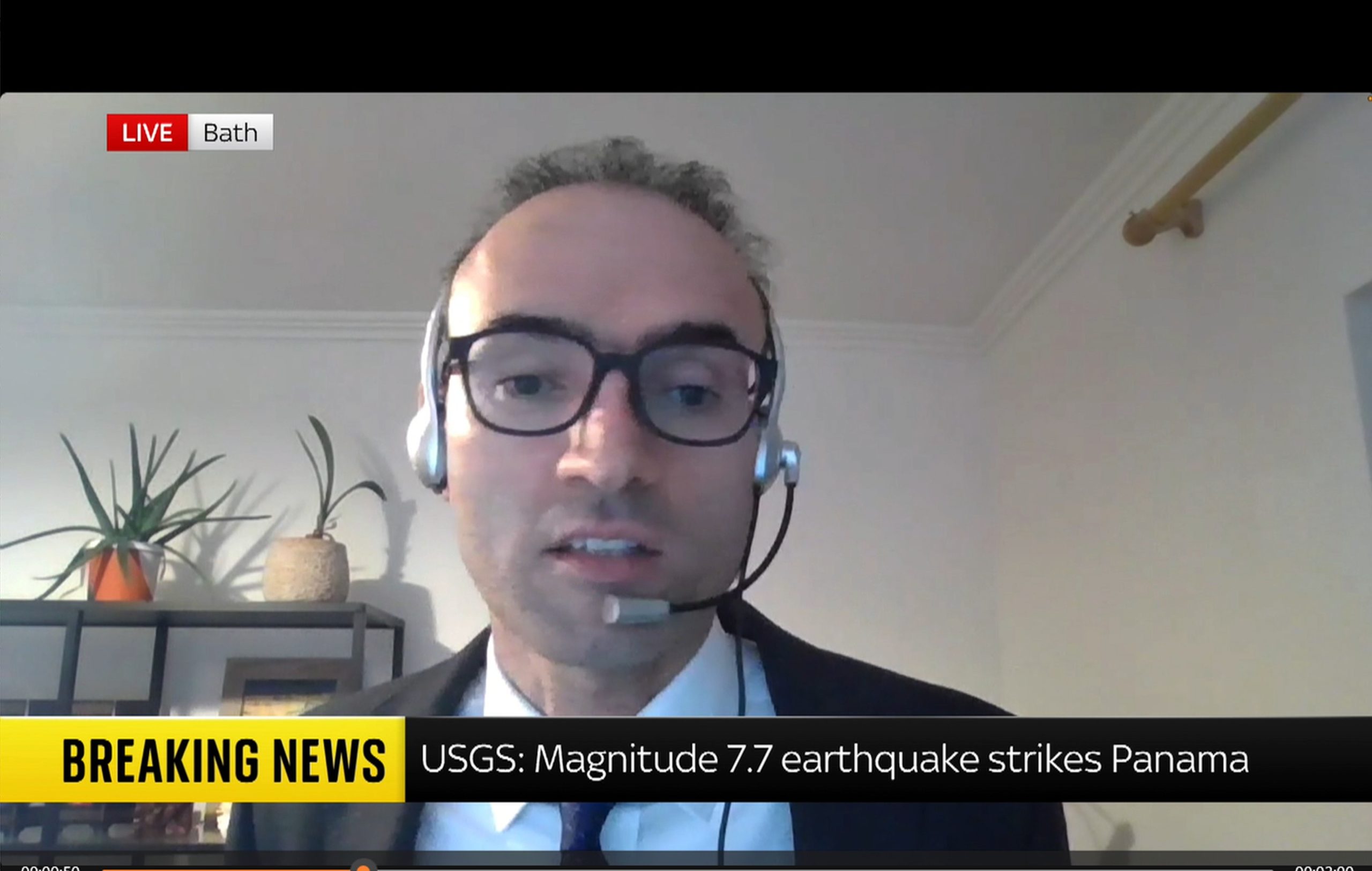
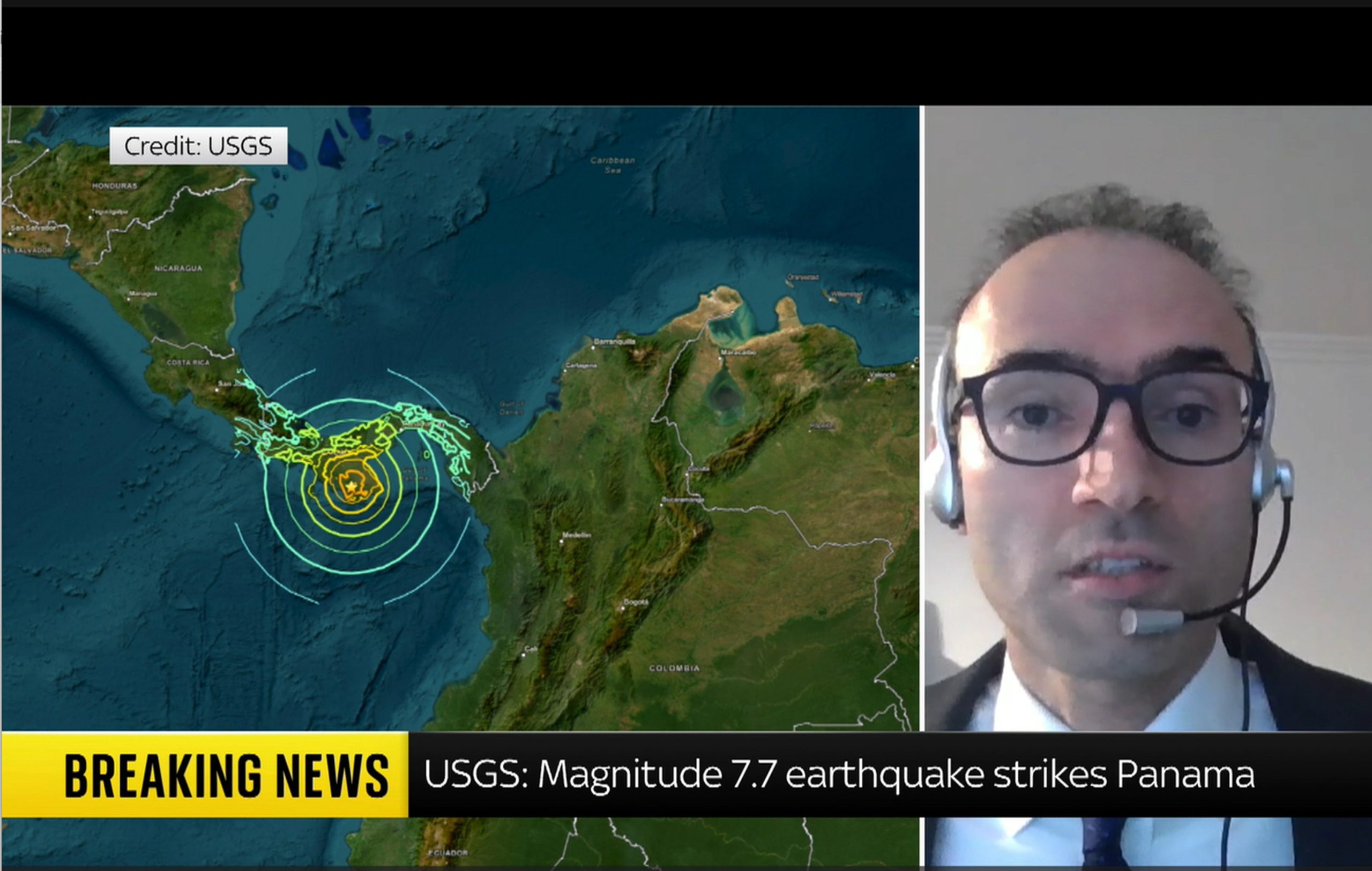
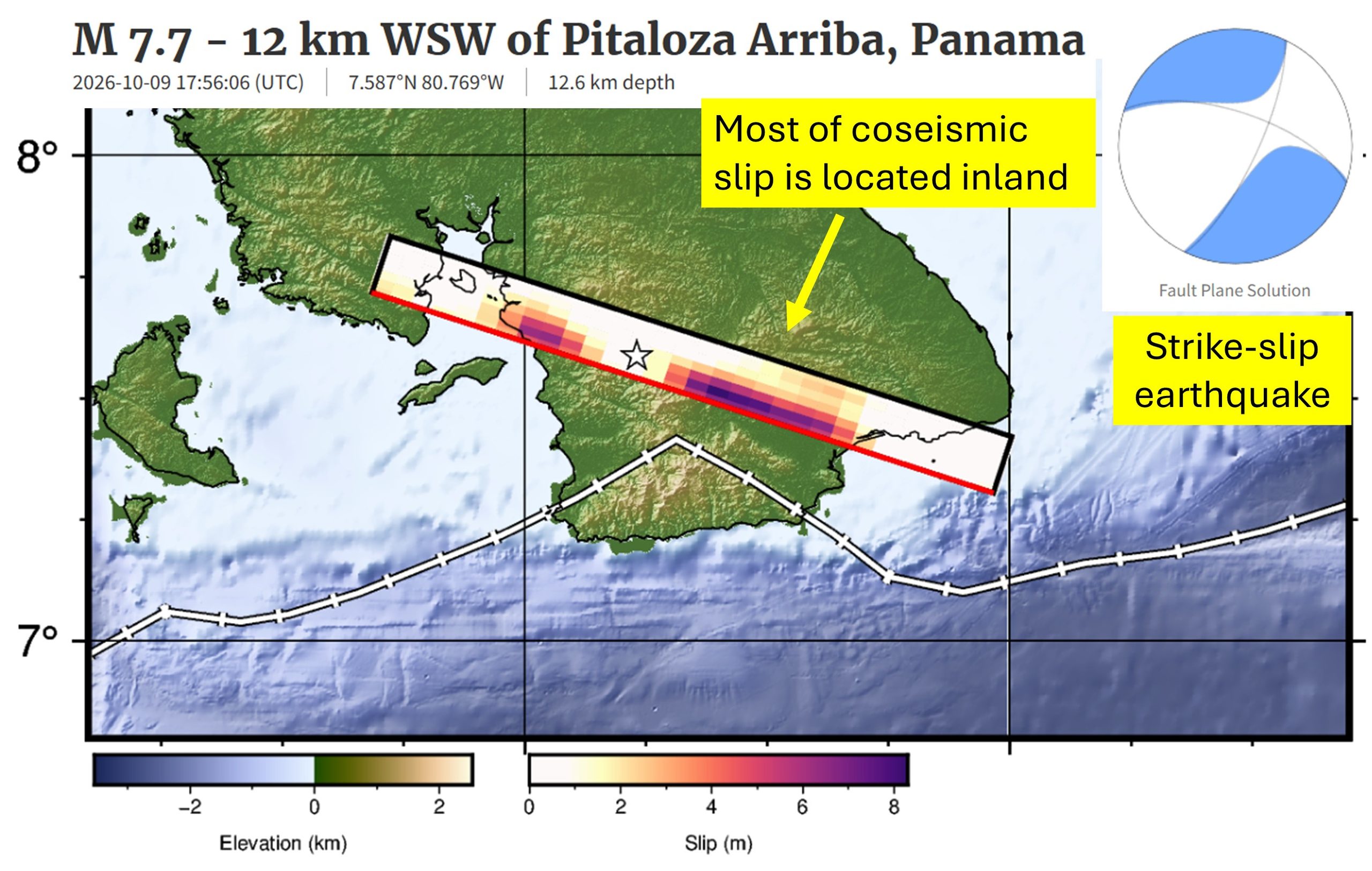
Dr Heidarzadeh’s TV interview with SkyNews on the massive M7.7 Panama earthquake on 9 October 2026
Our ocean is an incredibly vast and mysterious place. And there is no place where that is more evident than the deepest ocean area in the world: the legendary Mariana Trench. Located east of the Philippines, the Mariana Trench lies in the Mariana Archipelago in the western portion of the North Pacific. The greater area of the Mariana Trench Marine National Monument is made up of more than 95,000 square miles of ocean. Beneath these waters lie incredibly complex aggregations of submerged islands and volcanoes … and of course, an astoundingly massive trench.
Dive in with us to have your biggest questions answered about the famed Mariana Trench.
How deep is the Mariana Trench?
The deepest part of the Mariana Trench, known as Challenger Deep, is almost 36,000 feet below the ocean’s surface. For context, Mount Everest is about 29,000 feet above sea level, so the Mariana Trench is about 7,000 feet deeper than Mount Everest is tall. For one more comparison, the RMS Titanic lies at a depth of about 12,500 feet below sea level. The Challenger Deep is in waters nearly three times deeper than this ship’s final resting place.
Due to its enormous size, the Mariana Trench has at times been affectionately nicknamed the Grand Canyon of the ocean. This is certainly a picturesque image, but don’t let the mammoth size of this U.S. national terrestrial park fool you into thinking the Mariana Trench matches its size. The trench’s footprint is estimated to be 120 times larger than the Grand Canyon’s, and to reach the bottom of