

We will explore the process of burning fossil fuels and look at why they are burned and what sectors use the energy they supply. Then, we will cover what sort of products and greenhouse gases are released when fossil fuels are burned. Finally, we’ll view alternative energy solutions that are available for energy production.
Key takeaways
- Fossil fuels still supplied about 86% of global energy in 2025, only a slight decline from roughly 87% in 2024.
- Burning fossil fuels releases six main products: carbon dioxide, carbon monoxide, sulfur dioxide, nitrogen oxides, lead, and particulate matter.
- Carbon dioxide accounts for roughly 74% of global greenhouse gas emissions, and burning fossil fuels is the single largest source of it.
- Natural gas is the cleanest-burning fossil fuel, but it’s still primarily methane, a potent greenhouse gas.
- The three adverse effects of burning fossil fuels are air pollution, water pollution, and climate change.
- Renewable energy, nuclear power, and carbon offset programs are all viable ways to reduce reliance on fossil fuels today.
Fossil Fuels in 2026: The Latest Data
Despite years of clean energy investment, fossil fuels haven’t lost much ground yet, they’ve mostly just been joined by more of everything else. Here’s the latest picture, based on the Energy Institute’s 2026 Statistical Review of World Energy and the U.S. Energy Information Administration (EIA).
2026 fossil fuel data snapshot
- Global energy mix: Fossil fuels supplied about 86% of the world’s total energy in 2025, down only slightly from roughly 87% in 2024. Oil provided about a third of global supply, followed by coal and natural gas.
- Coal set a new record: Global coal use hit an all-time high in 2025, even as renewables grew faster in percentage terms, because total global energy demand kept rising alongside it.
- U.S. electricity: About 58% of U.S. utility-scale electricity generation came from fossil fuels in 2025 (down from roughly 60.6% in 2020), with natural gas alone supplying about 41%. Renewables reached nearly 26% of U.S. generation.
- Emissions: Global carbon dioxide emissions from energy rose 1.1% in 2025, with China accounting for roughly 31% of global emissions.
The takeaway: fossil fuel combustion is still growing in absolute terms even as its share of the energy mix inches down, which is why the effects and alternatives covered below remain just as relevant in 2026 as ever.
What Are Fossil Fuels?
Most of the fossil fuels we exploit today are the product of plants and animals that died 540 million to 65 million years ago and were buried in layers of sediment. Over time, the fossils were subjected to increased pressure and heat as the sedimentary rock layers of the earth’s crust continued to develop above them.
Eventually, these fossils turned into kerogen, also known as oil shale. After even more time, the oil shale was subjected to even greater temperatures and ultimately transformed into coal, oil, or natural gas. Fossil fuels consist of energy stores called hydrocarbons that form during exposure to immense heat and pressure.
What Is Fossil Fuel Combustion?
Fossil fuel combustion is the process of burning coal, oil, natural gases, or other fossil fuels to create energy. The use of fossil fuels creates around 80% of the world’s energy. While these fuels are an inexpensive way to produce power, they release large amounts of carbon dioxide and other greenhouse gases when combusted.
Creating electricity through burning fossil fuels utilizes a steam generator to create power. Fossil fuels are burned to heat water in boilers that make large amounts of steam. High pressure from the steam then rotates a turbine in a steam generator and creates power. This power is then transferred into the power supply.
Other forms of fossil fuel combustion come from the transportation sector. Burning fuel to power cars, trucks, and airplanes are all forms of fossil fuel combustion.

What Happens When You Burn Fossil Fuels?
Due to the presence of hydrocarbons, fossil fuels produce a substantial amount of energy per pound when combusted. Hydrocarbon-rich fossil fuels hold a large amount of energy potential that is released in the form of heat when combusted in the presence of oxygen.
However, these hydrocarbons also produce large amounts of carbon dioxide, which contributes to the greenhouse effect and in turn causes global warming. As the hydrocarbon compounds break down during combustion, the carbon dioxide is released alongside the heat energy.
Why Are Fossil Fuels Burned?
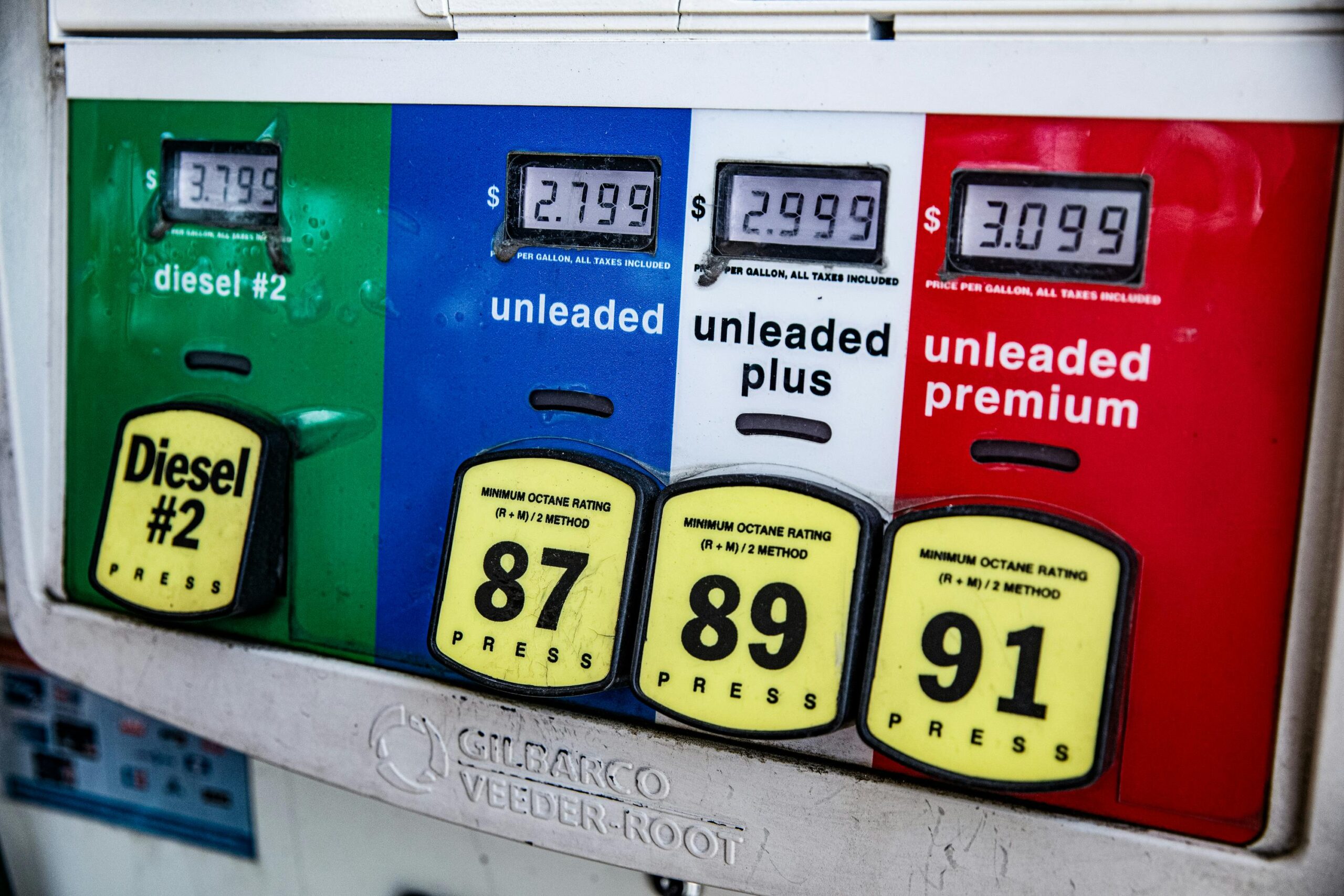
Burning fossil fuels creates energy in many different ways for people worldwide. Fossil fuels are responsible for powering the energy sector, transportation sector, and industrial sector.
In the energy sector, people rely on electricity generation for lighting, heating, and cooling in their homes and places of business. As of 2025, about 58% of U.S. utility-scale electricity generation still came from burning fossil fuels, according to the U.S. Energy Information Administration. Natural gas is also commonly used in homes and commercial buildings for heating, cooking, and other needs.
Fossil fuels are also used to power the transportation sector. In 2020, the U.S. transportation sector received 89% of its energy from petroleum fuel sources. People rely on personal vehicles, public transportation, and air travel to get where they need to be. Many of these modes of transportation rely on burning fossil fuels. Fossil fuels also power the transportation of goods around the world. Cargo ships, trucks, and airplanes are often powered with petroleum fuels.
Finally, the industrial sector relies on fossil fuels to create heat for their industrial practices and to create power to manufacture products. The industrial sector uses energy generated by burning fossil fuels to power electrical equipment like motors, lights, computers, and more. The manufacturing industry is responsible for using the most energy within the industrial sector.
What Do Fossil Fuels Release When Burned?
Six products are released due to the burning of fossil fuels. Each of these products affects the environment in different ways.
Carbon Dioxide
Of all the greenhouse gases, carbon dioxide is the most abundant when it comes to human-related emissions. Carbon dioxide is released in large quantities from burning coal, gas, and oil because these fuels are primarily composed of hydrocarbons released in the form of carbon dioxide once combusted. Coal burning is the primary source of carbon dioxide emissions, followed by burning oil, then natural gas.
Carbon Monoxide
Carbon monoxide is released when carbon-based fuel is not completely burned. The primary source of carbon monoxide emissions comes from road vehicles. Non-road vehicles, like boats or construction equipment, also contribute to carbon monoxide emissions.
Sulfur Dioxide
Sulfur dioxide is found in coal and oil. It can be emitted when these fossil fuels are burned and through the process of extracting gasoline from crude oil. When sulfur dioxide dissolves into water vapor and forms sulfuric acid, it interacts with other gases in the air, and sulfates are formed. This can lead to acid rain.

Nitrogen Oxides
Nitrogen oxides are released when fossil fuels are burned at high temperatures in motor vehicles or from other fuel-burning sources in industrial or home settings. Nitrogen dioxide, one common form of nitrogen oxide, creates smog over city centers.
Lead
Lead used to be a more common emission when leaded gasoline was used for vehicles. Today, most lead pollutants can be found in the air around factories that separate metal from ore.
Particulate Matter
Particulate matter is any solid particle or liquid droplet found in the air. Particulate matter is released when fossil fuels are burned and can be found in higher concentrations in regions that burn more fuels, like city centers or power facilities.
Why Is Burning Fossil Fuels a Problem?
The primary issue associated with burning fossil fuels is that the practice releases large quantities of greenhouse gases into the atmosphere. High concentrations of greenhouse gases in the atmosphere increase the global temperature and cause climate change.
Carbon dioxide is the most emitted greenhouse gas, accounting for roughly 74% of global greenhouse gas emissions, according to the Center for Climate and Energy Solutions’ analysis of European Commission emissions data. Burning fossil fuels is the activity responsible for emitting the most carbon dioxide around the world.
As the world continues to rely on fossil fuels for energy production and transportation, carbon emissions will continue to remain high. Global CO2 emissions from energy rose another 1.1% in 2025. If the globe does not mitigate the amounts of carbon dioxide released by burning fossil fuels, then we will continue to see increasing global temperatures and climate change.
What Are 3 Effects of Burning Fossil Fuels?
There are three adverse effects of burning fossil fuels: air pollution, water pollution, and climate change. These effects are caused by the products released when fossil fuels are burned.
Air Pollution
Air pollution occurs when products like sulfur dioxide, carbon monoxide, nitrogen oxides, and particulate matter are released from burning fossil fuels. Air pollution has been found to cause respiratory disease, cardiovascular disease, and cancer. Children, pregnant women, and elderly people are all at higher risk of the negative health effects caused by air pollution.
Water Pollution
Water pollution occurs when sulfur dioxide dissolves into water and creates sulfuric acid. This produces acid rain and can lead to the acidification of freshwater sources like lakes and streams. When these bodies of water become too acidic, life cannot survive in them. Acid rain can also affect local crops and soil acidity levels.
Climate Change
Climate change is a significant threat to ecosystems and human populations worldwide. Carbon dioxide emitted through burning fossil fuels plays a huge role in global warming. As more carbon dioxide is released into the atmosphere, more heat is trapped on earth through the greenhouse effect. Increasing global temperatures can lead to rising sea levels, deforestation, changing climates, and scarcity of food sources.
Which Fossil Fuel Is the Cleanest Burning?
Of the three primary fossil fuels, the cleanest burning fuel is natural gas. Using natural gas to generate energy emits less of all kinds of air pollutants and carbon dioxide than both oil and coal.
While natural gas is cleaner to burn for energy, it consists primarily of methane, a harmful greenhouse gas. Natural gas leaks are a leading cause of methane emissions each year in the United States. What is more, the process of locating natural gas wells and drilling for natural gas can have negative environmental impacts.

What Are Alternatives to Burning Fossil Fuels?
Alternatives to burning fossil fuels include renewable energy sources like hydroelectricity, wind power, and solar energy. Clean energy from nuclear power plants is another alternative to burning fossil fuels.
The benefit of transitioning to clean energy is a significant reduction in emissions. Nuclear energy and renewable energy sources have no emissions, which can slow the effect of climate change around the world.
A switch to entirely renewable energy systems would provide the best alternative to fossil fuels. Fossil fuels are non-renewable, meaning once the natural resource is diminished, we will not be able to continue using it. On the other hand, sustainable energy sources provide us with a supply we can never run out of, meaning increased energy security for future generations.
The Intergovernmental Panel on Climate Change emphasizes that these energy sources are essential for achieving long-term emissions reductions.
Burning Fossil Fuels? Only for the Time Being
Burning fossil fuels provides the majority of global energy. However, this natural resource is not sustainable and releases many harmful emissions when it is burned.
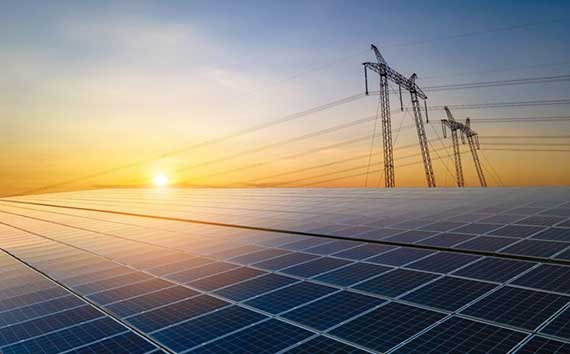
While fossil fuels are cheap and efficient, the globe should move forward to find better solutions on how to create energy. That way, we can avoid the negative effects that come along with burning fossil fuels while still providing the energy our planet relies on.
In the meantime, while the world energy system is still dependent on fossil fuels, you can make a difference by participating in carbon offsetting programs. These programs are designed to mitigate the carbon released from activities that burn fossil fuels.
For example, if you are taking a flight somewhere, you can purchase carbon offset credits that go toward projects that support reducing the amount of carbon in the atmosphere. Visit Terrapass today and view all of our carbon offset programs for individuals and businesses.
FAQ: Burning Fossil Fuels
What happens when you burn fossil fuels?
Burning fossil fuels releases the energy stored in their hydrocarbons as heat, along with six main byproducts: carbon dioxide, carbon monoxide, sulfur dioxide, nitrogen oxides, lead, and particulate matter.
Why are fossil fuels burned in the first place?
They’re burned because they’re an energy-dense, relatively inexpensive way to generate power for electricity, transportation, and industry. Fossil fuels still supplied about 86% of global energy in 2025.
What are the effects of burning fossil fuels?
The three main effects are air pollution, water pollution, and climate change, driven by the carbon dioxide, sulfur dioxide, and other byproducts released during combustion.
Which fossil fuel burns the cleanest?
Natural gas is the cleanest-burning of the three primary fossil fuels, emitting less air pollution and CO2 than coal or oil, though it’s still mostly methane, a potent greenhouse gas.
What are the alternatives to burning fossil fuels?
Renewable sources like solar, wind, and hydroelectric power, along with nuclear energy, are the main zero-emission alternatives. All are considered essential for long-term emissions reductions.
Is the world still relying on fossil fuels in 2026?
Yes. Fossil fuels supplied about 86% of global energy in 2025, and global coal use hit a new record even as renewables grew, because overall energy demand keeps rising.
Brought to you by terrapass.com
The post What Happens When You Burn Fossil Fuels? Effects & Alternatives appeared first on Terrapass.

The post Promoting Improved Cooking Practices in Nigeria appeared first on Terrapass.
For most companies, the largest figure in the carbon inventory is not the office, the vehicle fleet, or the electricity bill. It sits upstream, in the goods and materials a business buys to make and sell its products. These purchased inputs form the bulk of a company’s Scope 3 emissions, which routinely exceeds everything the business controls directly, and can add up to 90% of their global footprint.




-
Climate Change1 year ago
Guest post: Why China is still building new coal – and when it might stop
-

 Greenhouse Gases2 years ago
嘉宾来稿:满足中国增长的用电需求 光伏加储能“比新建煤电更实惠”
-
Greenhouse Gases1 year ago
Guest post: Why China is still building new coal – and when it might stop
-

 Climate Change2 years ago
嘉宾来稿:满足中国增长的用电需求 光伏加储能“比新建煤电更实惠”
-

 Renewable Energy12 months ago
Sending Progressive Philanthropist George Soros to Prison?
-
Climate Change2 years ago
Bill Discounting Climate Change in Florida’s Energy Policy Awaits DeSantis’ Approval
-
Greenhouse Gases1 year ago
嘉宾来稿:探究火山喷发如何影响气候预测
-

 Climate Change2 years ago
Analysis: China’s CO2 falls 1% in Q2 2024 in first quarterly drop since Covid-19