Connect with us

Published

on

If a business wants to make a positive impact on the world, addressing its environmental footprint operationally might not be enough. Even with the best intentions, running a business inevitably means consuming some resources that can’t simply be avoided.

For example, a coffee company might engage in regenerative farming to sequester more carbon than it emits and support healthy local ecosystems. But even with careful practices, it can’t avoid certain realities, like the shipping emissions from transporting beans to their customers.

Fortunately, there are several voluntary, market-based solutions that enable businesses to address residual environmental issues that can’t simply be cut. c

The most well-known mechanism is likely carbon credits. Also called carbon offsets, carbon credits direct financing toward environmental projects that avoid, reduce, or remove emissions, thereby helping a buyer balance its carbon footprint. And with high-quality credits, the funding typically supports projects that wouldn’t otherwise be possible without this extra revenue.

But carbon credits are just one of several types of environmental credits that direct financing toward projects that support the environment.

For one, carbon credits are often grouped under the umbrella term environmental attribute certificate (EAC), which includes other types of financing mechanisms, like energy-related certificates. By purchasing an EAC, the buyer generally gains the right to claim the environmental benefits associated with that certificate, like an emission reduction associated with funding renewable electricity.

Still, the same concept can apply to non-emissions areas. Buying plastic credits can fund the recovery or prevention of plastic waste, which a company might then claim helps balance the impact of the virgin plastic used in its products.

Depending on your operations and sustainability goals, different types of credits or certificates could be worth investing in.

Here, we’ll take a closer look at some of the most popular types of environmental credits.

Types of Environmental Credits

Renewable Energy Certificates (RECs) Environmental attributes of 1 MWh of renewable electricity Claim renewable electricity use and support clean energy generation
Water Restoration Certificates (WRCs) 1,000 gallons of freshwater restored or improved Address water footprint by contributing to water restoration
Plastic Credits ~1 metric ton of plastic collected or recycled (varies) Counter plastic pollution when elimination isn’t yet possible
Biodiversity Credits Conservation of ecosystems (units vary by issuer) Protect biodiversity/conserve natural ecosystems
Sustainable Aviation Fuel certificates (SAFc) Environmental attributes of 1 metric ton of sustainable aviation fuel Claim low-carbon fuel and support sustainable fuel production
Renewable Thermal Certificates (RTCs) Environmental attributes of 1 dekatherm of renewable thermal energy Reduce emissions from hard-to-electrify fuels, e.g., replacing fossil fuel natural gas with renewable natural gas

Carbon Credits

What they represent: One metric ton of carbon dioxide equivalent emissions avoided, reduced, or removed from the atmosphere.

Why they matter: Even when companies set ambitious emission reduction goals, they generally can’t cut to zero overnight. Carbon credits can help serve as a bridge to global net-zero, and they can continue to be used to offset residual emissions that are essentially impossible to avoid.

Carbon credits also tend to have a variety of co-benefits beyond emissions, like protecting valuable ecosystems or supporting health and economic opportunities in the local communities where these projects operate.

How they’re generated: Carbon credits can come from many different types of projects that have independent third-party verified emissions impact, such as reforestation, methane capture from landfills, and soil carbon sequestration, to name just a few.

Calculate your carbon footprint to get a better sense of the emissions you want to balance.

Renewable Energy Certificates (RECs)

What they represent: The environmental attributes associated with one megawatt-hour (MWh) of renewable electricity.

Why they matter: Buying a REC is essentially the same as buying renewable electricity. Power gets mixed from different sources within a grid, so it’s not always possible to know exactly who’s consuming what. But since that renewable electricity is definitively added into the mix, that means someone is now using renewable energy.

The REC simply gives you permission to claim that benefit for yourself, while generally avoiding the risk of double-counting. Meanwhile, by buying RECs, you’re supporting the financial viability of more clean energy projects.

How they’re generated: RECs can be generated when a renewable source of electricity gets verifiably added to a power grid. RECs can either be sold bundled or unbundled. With bundled RECs, the energy and environmental attributes are sold together, like if a solar farm directly sells its energy to a company and agrees not to sell the claim to those environmental attributes elsewhere. Unbundled RECs separate the environmental claims and the energy, making it possible to claim the use of renewable electricity while continuing to purchase from your local utility.

You can easily and affordably purchase Green-e certified RECs through Terrapass online.
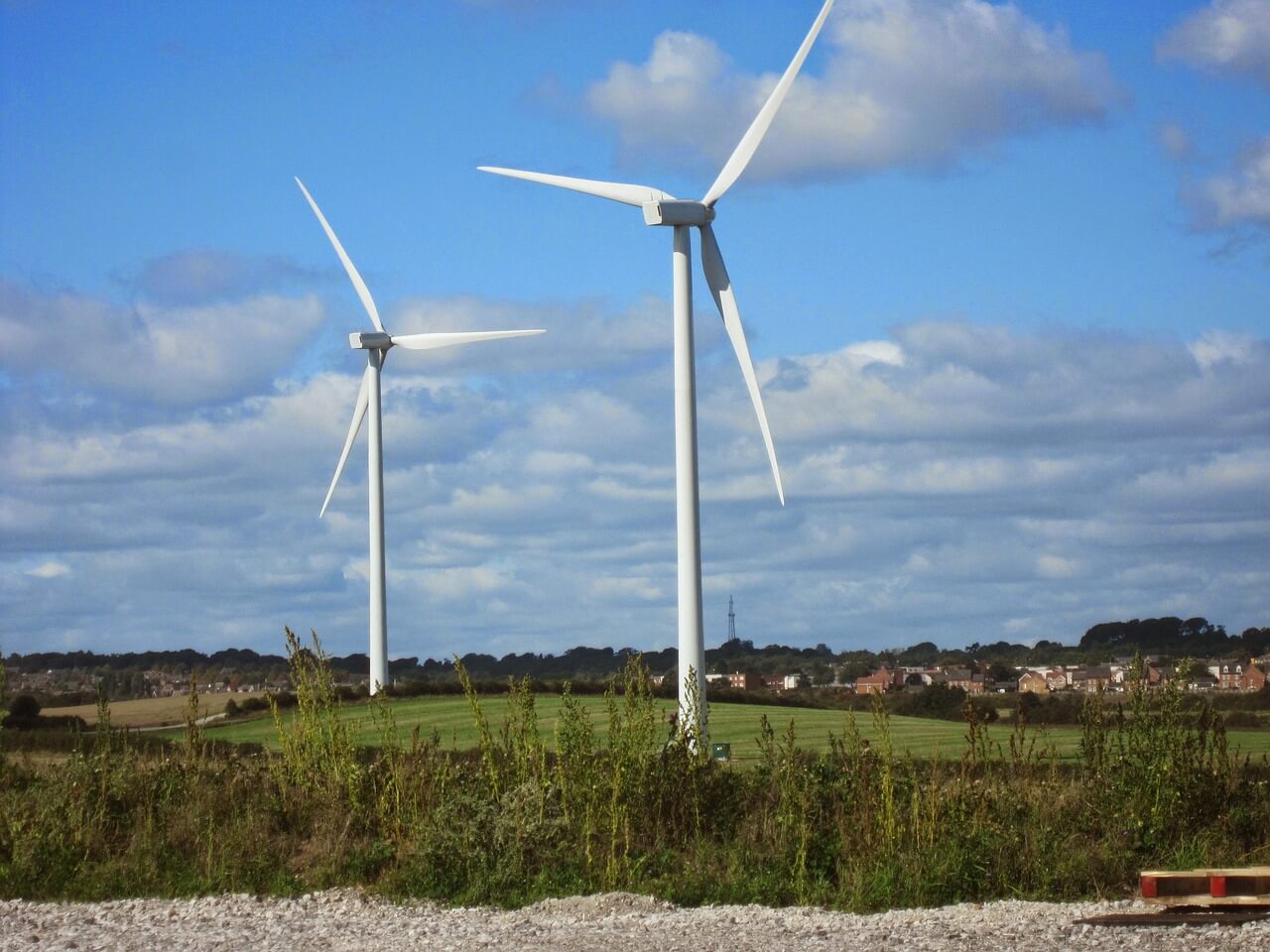
PrairieWinds ND1 (PWND1) Emissions Reduction Project

Water Restoration Certificates (WRCs)

What they represent: One WRC corresponds to 1,000 gallons of natural freshwater improved or restored.

Why they matter: Many parts of the world are under significant water stress, which often stems from issues like commercial overuse and climate change. Buying WRCs can help counter this trend by supporting the health and volume of freshwater systems.

A business operating in water-stressed regions in the Western U.S., for example, may need to inevitably use some freshwater to produce its products. In that case, it can ideally fund WRC projects in that same water resource region, like ones that secure water rights to keep more water within rivers, aquifers, etc.

How they’re generated: While similar water-related credits may exist elsewhere, BEF WRCs™ are specifically issued by the Bonneville Environmental Foundation (BEF). BEF WRC™ projects can involve restoring flows through securing legal rights, restoring natural systems through physical interventions like removing dams, or improving water use efficiency. All projects are third-party verified, typically by Watercourse Engineering or the National Fish and Wildlife Foundation, and all are tracked on S&P Global’s Markit registry.

Support freshwater systems and their associated recreational and ecological benefits by buying WRCs through Terrapass today.

Water Restoration Certificates (WRCs)

Plastic Credits

What they represent:  Plastic credits aren’t quite as formalized as some of these other market-based instruments, so the details can vary by credit issuer. But one example is Verra’s Plastic Waste Reduction Program, where one plastic credit represents one metric ton of plastic that’s been collected or recycled.

Why they matter: Each year, approximately 19-23 million tons of plastic leak from land-based sources into water systems, according to the UN Environment Programme. Plastic pollution then poses many threats, such as to the health of marine animals, as well as overall human health.

Businesses can buy plastic credits to help counter plastic pollution, especially because plastic has become so ubiquitous that it’s not always possible to immediately remove plastic from your packaging or other parts of your supply chain.

How they’re generated: Generating these credits depends on the issuer. Some businesses, particularly consumer-facing ones, work with third-party organizations to make plastic-neutral claims. For one, ice pop company GoodPop launched a limited edition flavor that’s certified plastic neutral by 4Ocean. For this certification, 4Ocean removes plastic from water systems and coastlines equivalent to each pound of plastic used to produce that product or for the brand as a whole.

For Verra’s plastic credits, projects must meet the specific guidelines of its Plastic Waste Reduction Standard and accounting methodologies that help ensure each credit represents one metric ton of plastic collected or recycled. These projects are also third-party audited, as well as tracked on the Verra Registry, similar to carbon credits.

Plastic Credits

Biodiversity Credits

What they represent: Biodiversity credits are one of the least developed types of environmental credits, so there’s not a general consensus on what they represent. Different credit issuers have different standards.

For example, one of the pioneers in this space, Savimbo, sells biodiversity credits that represent one month of conservation for one hectare in a biodiversity hotspot. In contrast, another leader in this space, Terrasos, sells biodiversity credits that represent 10 m² (0.001 hectares) of protected ecosystems for 30 years.

Why they matter: Climate change and related issues like land use change are causing significant biodiversity loss. From 1970 to 2020, wildlife populations fell by 73%, according to WWF.

At a simple level, interfering with natural cycles of plant and animal life leads to species loss, which then creates more risks for humans, like faster temperature rise due to the loss of natural carbon sinks. There’s also many nuanced arguments for supporting biodiversity, such as the economic and health value of stable plant and animal life.

How they’re generated: Because these are less established, there’s not a standard way to generate biodiversity credits. But in general, these work like carbon credits, in the sense that an issuer works with project developers to ensure a given area of land is conserved in a way that protects biodiversity.

One voluntary group, the Biodiversity Credit Alliance (BCA), backed by organizations such as the UN Development Programme, is working on developing a framework for biodiversity credits that could help this market more closely resemble the voluntary carbon credit market.

Biodiversity Credits

Sustainable Aviation Fuel Certificates (SAFc)

What they represent: The environmental attributes associated with one metric ton of unblended sustainable aviation fuel (SAF).

Why they matter: Flying is a carbon-intensive activity, yet these can be some of the hardest emissions to avoid. A growing business, for example, may be able to address its direct energy use, but total emissions could still rise if employees fly to meet with customers and suppliers. Finding efficiencies like batching travel into longer trips or using online meetings when possible can help, but the reality is that many still value flying.

So, sustainable aviation fuel certificates (SAFc) provide buyers with a way to claim the use of this low-carbon fuel, rather than accounting for the normal emissions associated with traditional jet fuel. If you’re flying on a commercial airline, you don’t have direct control over their fuel usage, but by buying SAFc, you’re supporting the transition to lower-emission fuel sources.

How they’re generated: Unlike traditional jet fuel made from petroleum, SAF comes from alternative feedstocks like used cooking oils or agricultural waste. SAF then gets blended with traditional jet fuel, with commercial planes currently able to accommodate about 10-50% of the total volume from SAF, though testing of higher limits is underway.

Because of this blending, you can’t exactly say that your flight from New York to LA runs on SAF while a flight from New York to San Francisco runs on traditional jet fuel. But like with RECs, SAF certificates give you the ability to claim the environmental attributes of SAF. If you purchase enough certificates that correspond with your flight’s fuel usage, you could claim your portion of the flight fully used SAF from an emissions accounting perspective.

Buyers often use the book-and-claim approach for SAF certificates and other low-carbon fuel purchases. That means instead of taking physical possession of this fuel, you’re buying the certificates that represent a certain amount, and you then claim the corresponding environmental attributes.

Renewable Thermal Certificates (RTCs)

What they represent: The environmental attributes of 1 dekatherm (Dth) of renewable thermal energy, such as renewable natural gas or green hydrogen.

Why they matter: Not everything can be electrified to then run on renewable electricity, at least in the short term. Businesses often still have large scope 1 footprints from burning natural gas or using similar fuel sources.

So, using renewable thermal certificates (RTCs) provides buyers with a way to claim the environmental benefits of renewable thermal energy, like using renewable natural gas (RNG) to generate heat from a furnace, or using green hydrogen to power an industrial boiler. Like with RECs, RTCs enable buyers to make these claims without having to always physically procure the renewable energy, especially in cases where renewable and non-renewable fuels get mixed.

How they’re generated: RTCs are generated from projects that produce renewable thermal energy, like municipal waste facilities that capture methane from landfills and convert it into RNG. This works essentially the same as it does with RECs, where the RTCs can be either bundled with the underlying energy or sold unbundled on a book-and-claim basis.

Finding the Right Environmental Credits

Environmental issues are often deeply interconnected. Rising greenhouse gas emissions, for example, can increase global temperatures, which then can increase droughts and trigger biodiversity loss. So, while carbon credits are generally the most established option, purchasing a broader mix of environmental credits can help organizations reach sustainability goals faster and drive more meaningful impact.

Still, not all environmental credits are created equally. Quality can vary significantly, so make sure you’re buying credits from a reputable source. Consider factors such as third-party verification, registry tracking to avoid double-counting, and additionality, where the money from purchasing credits supports environmental action that wouldn’t otherwise take place.

Environmental product providers like Terrapass make it easy for buyers to fund a mix of high-quality carbon credit projects, as well as other types of credits like RECs and WRCs.

Businesses can also build a custom portfolio of environmental credits through Terrapass to align with your environmental footprint and corporate sustainability goals. Reach out today to see how you can make a more positive impact by funding different environmental projects.

frameworks, and support transparent, defensible climate claims as part of a long-term sustainability strategy.

The post Beyond Carbon Credits: A Guide to the Expanding World of Environmental Credits appeared first on Terrapass.

Continue Reading

Carbon Footprint

DOE Launches $500M Funding Drive to Strengthen U.S. Battery Supply Chains and Critical Minerals Processing

Published

on

The U.S. Department of Energy (DOE) has announced a major funding initiative aimed at strengthening domestic battery supply chains and reducing reliance on foreign sources of critical minerals. The department introduced a Notice of Funding Opportunity (NOFO) worth up to $500 million to expand U.S. capabilities in mineral processing, battery materials manufacturing, and recycling.

Significantly, these investments target industries such as grid storage, transportation, manufacturing, and national defense. At the same time, the initiative reflects growing concerns about supply chain vulnerabilities for minerals that power modern energy technologies.

According to Chris Wright, the United States has relied for too long on foreign suppliers to provide and process key materials used in battery manufacturing. Strengthening domestic supply chains, he explained, will help the country meet rising energy demand while maintaining economic and technological leadership.

Strengthening the Domestic Battery Supply Chain

The DOE’s new funding program focuses on boosting the United States’ ability to process, recycle, and manufacture battery materials domestically. Currently, many minerals used in advanced batteries are mined globally but processed overseas before reaching U.S. manufacturers.

america critical mineral

This dependency creates supply risks and exposes the economy to geopolitical disruptions. As a result, the new funding program aims to build a more resilient supply chain across several stages of battery production. Explained in detail below:

Critical Mineral Processing

First, the program seeks to expand domestic processing of critical minerals. Many essential battery materials—including lithium, nickel, graphite, copper, and aluminum—require complex refining processes before they can be used in batteries. By investing in new processing facilities, the United States hopes to reduce reliance on foreign refining capacity and ensure a stable supply of materials for domestic industries.

Battery Recycling Technologies

Second, the initiative emphasizes recycling technologies. Recovering valuable metals from used batteries and manufacturing scrap can significantly reduce the need for new mining while improving supply security. Recycling also lowers environmental impacts by reducing waste and conserving natural resources.

global critical mineral processing

Battery Manufacturing Capacity

Finally, the program aims to expand manufacturing capacity for battery materials and components within the United States. Increasing domestic production of battery precursors, cathode materials, and other key components will help support the entire North American battery supply chain.

The funding is supported by the Infrastructure Investment and Jobs Act, which allocated billions of dollars to strengthen energy infrastructure and domestic manufacturing across the country.

Battery Storage Becomes a Major U.S. Energy Technology

The urgency behind these investments reflects the rapid growth of battery storage across the United States. In recent years, battery systems have emerged as a critical technology for managing modern power grids.

In fact, batteries became the largest form of energy storage in the country in 2024, surpassing traditional pumped hydro storage for the first time. This shift marks a significant milestone in the evolution of the U.S. electricity system.

At the same time, the number of battery projects expanded rapidly. Nearly 1,000 storage projects were either operating or under development across the country. Many of these projects are located in California and Texas, where large-scale renewable energy installations require flexible storage solutions to stabilize the electricity supply.

One notable example is the Moss Landing Energy Storage Facility, one of the largest battery installations in the United States. Located in California, the facility pairs a natural gas power plant with massive battery storage systems that can deliver electricity when demand peaks.

As renewable energy capacity continues to grow, battery storage will play an increasingly important role in maintaining grid reliability and balancing intermittent energy sources such as solar and wind.

EV Battery Manufacturing Market Continues to Grow

The electric vehicle industry is another major driver behind rising battery demand. As EV adoption accelerates globally, automakers and battery companies are investing heavily in new manufacturing facilities.

In the United States, the electric vehicle battery manufacturing market is projected to grow steadily over the coming years. Industry estimates suggest the market will reach approximately $17.94 billion in 2026, increasing from $16.36 billion in 2025.

Looking further ahead, the sector is expected to expand significantly. By 2031, the market could reach around $28.46 billion, reflecting a compound annual growth rate of nearly 9.7 percent.

battery storage US

Multiple factors fuel this growth. Federal incentives for clean energy technologies, rising consumer demand for electric vehicles, and large-scale investments in domestic manufacturing are all contributing to the expansion of the U.S. battery industry.

However, sustaining this growth will require reliable access to the minerals that power advanced batteries.

America’s Critical Mineral Supply Remains a Concern 

To address supply risks, the U.S. Geological Survey expanded its official list of critical minerals in 2025. The updated list now includes 60 minerals, up from 50 identified in 2022.

Several new minerals were added due to their growing importance for the economy and national security. These additions include boron, copper, lead, metallurgical coal, phosphate, potash, rhenium, silicon, silver, and uranium.

Despite these efforts, the United States remains heavily dependent on imports for many critical minerals. As of 2024, the country relied entirely on foreign suppliers for twelve critical minerals. Meanwhile, more than half of the domestic demand for twenty-nine minerals came from imports.

Rare earth elements represent one of the most significant vulnerabilities because global supply chains remain highly concentrated. China continues to dominate the production and processing of these materials, raising concerns about potential supply disruptions.

As a result, U.S. policymakers are increasingly focused on strengthening domestic mining, processing, and recycling capabilities.

Global Demand for Energy Minerals Is Rising Fast

The push to secure mineral supply chains also reflects rapidly growing global demand for energy materials. According to the IEA, demand for key minerals used in clean energy technologies is expected to increase dramatically in the coming decades.

Lithium demand, for example, could grow fivefold by 2040 under current policy scenarios. Copper will likely remain the largest mineral market by value, while other materials such as nickel, cobalt, graphite, and rare earth elements will also see strong growth.

iea global demand critical minerals

Overall, the combined market value for six key energy minerals—copper, lithium, nickel, cobalt, graphite, and rare earth elements—could reach approximately $500 billion by 2040. This surge reflects the rapid expansion of electric vehicles, renewable power systems, battery storage, and other clean energy technologies.

Consequently, governments around the world are competing to secure reliable access to these strategic resources.

Against this backdrop, the DOE’s $500 million funding initiative represents an important step toward strengthening America’s position in the global battery economy. By expanding domestic processing, recycling, and manufacturing capacity, the United States aims to reduce supply risks while supporting the technologies that will power the future energy system.

The post DOE Launches $500M Funding Drive to Strengthen U.S. Battery Supply Chains and Critical Minerals Processing appeared first on Carbon Credits.

Continue Reading

Carbon Footprint

Nickel Demand for EVs Could Flip the 2030 Market Balance

Published

on

Nickel demand and nickel prices on the rise

Disseminated on behalf of Alaska Energy Metals Corporation.

On the surface, the global nickel market looks comfortable. Supply appears ample. Prices remain under pressure. Inventories continue to climb. However, this apparent balance hides a deeper problem. The world’s nickel supply has become heavily concentrated in one country, creating long-term risks that today’s surplus does not fully reflect.

The S&P Global Nickel CBS January 2026 report makes this point clear. While Indonesia continues to push large volumes of nickel into the market, warning signs are emerging. Policy uncertainty, slowing demand, and swelling inventories now shape the near-term outlook. At the same time, today’s oversupply is quietly setting the stage for future instability.

The Nickel Market is in Surplus, But Not in Balance

At first glance, the nickel market seems well supplied. S&P Global projects a 156,000-tonne surplus in 2026, even after Indonesia announced sharp cuts to its nickel ore quotas. This surplus explains why prices struggle to move higher, despite occasional rallies.

However, the quota cuts have not reduced output as much as expected. Indonesian smelters continue to run at high utilization rates. They rely on existing ore stockpiles and imports from the Philippines to keep production steady. As a result, global supply still runs ahead of demand.

This imbalance shows up clearly in inventories. LME nickel stocks climbed to 275,634 tonnes in January 2026, marking the largest inflows since 2019. Rising inventories signal that excess nickel has nowhere to go. Even Class 1 nickel remains widely available, keeping prices capped.

Weak Nickel Demand Keeps the Surplus Alive

Strong supply alone does not explain the surplus. Weak demand plays an equally important role.

S&P Global further analysed that in late 2025, manufacturing activity slowed across key regions. U.S. and Eurozone PMIs fell into contraction, weighed down by trade tariffs introduced under President Trump. These tariffs raised costs and disrupted supply chains, hurting industrial activity. At the same time, consumer confidence weakened, reducing demand for stainless steel and other nickel-intensive products.

China offered some support, but not enough to change the overall picture. Its PMI showed mild expansion, backed by measures in the 2026–2030 Five-Year Plan aimed at stabilizing the property sector. Even so, stainless steel production remains oversupplied, and EV battery makers continue to adjust designs to use less nickel.

As a result, near-term nickel demand growth stays muted. Despite this, speculative investors remain optimistic. Net long positions have stayed elevated for seven months, reflecting bets that supply disruptions will eventually outweigh weak fundamentals.

Is Oversupply More Than a Price Problem?

Oversupply does more than suppress prices. It distorts market balance.

When supply consistently exceeds demand, prices lose their ability to send clear signals. Even meaningful policy actions, such as Indonesia’s quota cuts, fail to trigger lasting price increases. The market simply absorbs the news and moves on.

At the same time, oversupply discourages investment outside low-cost regions. Higher-cost producers struggle to survive. In Australia, several operations have already cut output due to poor margins. These curtailments reduce supply diversity without tightening the market.

As a result, the world becomes more dependent on Indonesian nickel. While this keeps prices low today, it increases vulnerability tomorrow.

Nickel supply nickel price
Data source: S&P Global

2030s Set to Flip the Nickel Market Balance

According to S&P Global, today’s surplus will not last forever.

The report projects that global nickel stocks will peak around 2028. After that, inventories begin to fall as demand improves and supply growth slows. By the early 2030s, the market balance flips.

By 2031, S&P Global expects the primary nickel balance to turn negative. EV battery demand accelerates as electrification expands. Stainless steel consumption recovers alongside global manufacturing. Meanwhile, Indonesian supply growth slows as easy expansions run out and regulatory risks increase.

Once inventories drop below comfortable weeks-of-consumption levels, prices respond quickly. S&P Global points to nickel prices rising toward $25,000 per tonne or higher, especially for Class 1 material.

Non-Indonesian Projects Hold the Key to Future Balance

As we understand now, oversupply is reshaping how the market thinks about security. During surplus periods, buyers focus on price. Origin matters less. Reliability takes a back seat. However, as balance tightens, priorities shift. A stable, politically secure supply becomes critical.

This is when non-Indonesian projects regain importance. Oversupply may delay their development, but it also ensures that fewer alternatives exist when demand rebounds. As a result, high-quality projects outside Indonesia gain strategic value.

Nickel demand supply
Source: IEA

nickel Price Analysis Today

Global nickel prices rose 0.88% to $17,429.65/Ton, with Chinese spot markets reaching ¥120,144/Ton. This upward movement is primarily driven by tightening structural supply, following Indonesia’s aggressive reduction of its nickel ore production quotas. Additionally, firm restocking demand from Chinese stainless steel mills and EV battery manufacturers provides strong fundamental support. While macroeconomic headwinds, including a surging US dollar and Middle Eastern geopolitical tensions, cap further upside, elevated raw material and freight costs firmly protect the downside.

AEMC’s Nikolai Project Stands Apart

This shifting market context brings Alaska Energy Metals Corp. (AEMC) into focus.

AEMC’s Eureka deposit, part of the Nikolai Nickel Project in Alaska, is now the largest known nickel resource in the United States. Importantly, the project is polymetallic. Alongside nickel, it hosts copper, cobalt, chromium, platinum, and palladium—materials critical to clean energy, infrastructure, and defense.

In March 2025, AEMC released an updated NI 43-101 compliant mineral resource estimate, prepared by Stantec Consulting Services. The update significantly expanded the project’s scale.

The estimate includes:

  • 1.19 billion tonnes of Indicated resources, up 46%
  • 2.09 billion tonnes of Inferred resources, up 133%
  • 61 billion pounds of contained nickel in the Indicated category
  • 9.38 billion pounds of nickel in the Inferred category

On a nickel-equivalent basis, the resource exceeds 29 billion pounds, placing it among the world’s largest undeveloped nickel assets.

Long-Life Supply with Strong Economics

Beyond size, the project’s quality strengthens its case.

The Eureka deposit features a low strip ratio of about 1.6:1, which supports lower operating costs. A higher-grade core sits near the surface, reducing early capital requirements. Mineralization remains consistent and continuous, extending in multiple directions with room for expansion.

Early metallurgical work suggests the ore should respond well to conventional processing, avoiding complex or risky technologies. Together, these factors support a long-life, stable supply source—something the U.S. currently lacks.

aemc nikolai nickel
Source: AEMC

Why AEMC Fits the U.S. Strategy

The United States faces a widening gap between critical mineral demand and domestic supply. Nickel ranks near the top of that list, driven by EVs, grid infrastructure, and defense needs.

AEMC aligns closely with this strategy. The company is advancing permitting under the FAST-41 framework, plans to deliver a Preliminary Economic Assessment in Q1 2026, and continues hydrometallurgical testing to support future U.S.-based refining.

In a market dominated by Indonesian supply, AEMC offers diversification, security, and scale.

Today’s nickel surplus keeps prices low and inventories high. However, it also hides growing structural risks.

As oversupply fades and demand accelerates, the market will need new, reliable sources of nickel. Projects like AEMC’s Nikolai are not competing with today’s surplus—they are preparing for tomorrow’s shortage.

And when balance finally tightens, supply security may matter just as much as price.


Live Nickel Spot Price

Unit: USD/Tonne

Loading Chart…

  • MUST READ: AEMC’s Nikolai: America’s Answer to Indonesia’s Nickel Crunch

    DISCLAIMER 

    New Era Publishing Inc. and/or CarbonCredits.com (“We” or “Us”) are not securities dealers or brokers, investment advisers, or financial advisers, and you should not rely on the information herein as investment advice. Alaska Energy Metals. (“Company”) made a one-time payment of $75,000 to provide marketing services for a term of three months. None of the owners, members, directors, or employees of New Era Publishing Inc. and/or CarbonCredits.com currently hold, or have any beneficial ownership in, any shares, stocks, or options of the companies mentioned.

    This article is informational only and is solely for use by prospective investors in determining whether to seek additional information. It does not constitute an offer to sell or a solicitation of an offer to buy any securities. Examples that we provide of share price increases pertaining to a particular issuer from one referenced date to another represent arbitrarily chosen time periods and are no indication whatsoever of future stock prices for that issuer and are of no predictive value.

    Our stock profiles are intended to highlight certain companies for your further investigation; they are not stock recommendations or an offer or sale of the referenced securities. The securities issued by the companies we profile should be considered high-risk; if you do invest despite these warnings, you may lose your entire investment. Please do your own research before investing, including reviewing the companies’ SEDAR+ and SEC filings, press releases, and risk disclosures.

    It is our policy that information contained in this profile was provided by the company, extracted from SEDAR+ and SEC filings, company websites, and other publicly available sources. We believe the sources and information are accurate and reliable but we cannot guarantee them.

    CAUTIONARY STATEMENT AND FORWARD-LOOKING INFORMATION

    Certain statements contained in this news release may constitute “forward-looking information” within the meaning of applicable securities laws. Forward-looking information generally can be identified by words such as “anticipate,” “expect,” “estimate,” “forecast,” “plan,” and similar expressions suggesting future outcomes or events. Forward-looking information is based on current expectations of management; however, it is subject to known and unknown risks, uncertainties, and other factors that may cause actual results to differ materially from those anticipated.

    These factors include, without limitation, statements relating to the Company’s exploration and development plans, the potential of its mineral projects, financing activities, regulatory approvals, market conditions, and future objectives. Forward-looking information involves numerous risks and uncertainties and actual results might differ materially from results suggested in any forward-looking information. These risks and uncertainties include, among other things, market volatility, the state of financial markets for the Company’s securities, fluctuations in commodity prices, operational challenges, and changes in business plans.

    Forward-looking information is based on several key expectations and assumptions, including, without limitation, that the Company will continue with its stated business objectives and will be able to raise additional capital as required. Although management of the Company has attempted to identify important factors that could cause actual results to differ materially, there may be other factors that cause results not to be as anticipated, estimated, or intended.

    There can be no assurance that such forward-looking information will prove to be accurate, as actual results and future events could differ materially. Accordingly, readers should not place undue reliance on forward-looking information. Additional information about risks and uncertainties is contained in the Company’s management’s discussion and analysis and annual information form for the year ended December 31, 2025, copies of which are available on SEDAR+ at www.sedarplus.ca.

    The forward-looking information contained herein is expressly qualified in its entirety by this cautionary statement. Forward-looking information reflects management’s current beliefs and is based on information currently available to the Company. The forward-looking information is made as of the date of this news release, and the Company assumes no obligation to update or revise such information to reflect new events or circumstances except as may be required by applicable law.

The post Nickel Demand for EVs Could Flip the 2030 Market Balance appeared first on Carbon Credits.

Continue Reading

Carbon Footprint

Lithium Prices Climb Again in 2026, Sending Stocks Skyward

Published

on

Lithium Prices Surge 2026

Disseminated on behalf of Surge Battery Metals Inc.

The lithium market is experiencing a major rebound due to rising demand and tightening supply. Battery-grade lithium carbonate spot prices have jumped to about $24,086 per metric ton, based on data from Shanghai Metals Market (SMM). This marks a sharp increase from earlier lows in 2025, after a period of oversupply had weighed on the market.

What Causes Lithium Prices to Rebound

lithium price

Several factors are behind the lithium price surge. First, the growth in stationary energy storage systems has been rapid. In 2025, demand for lithium in storage applications jumped about 71%, and analysts expect another 55% growth in 2026. As more utilities, data centers, and industrial players adopt battery storage, lithium demand continues to expand beyond just electric vehicles (EVs).

Second, China’s battery manufacturing sector is ramping up production to meet both domestic and global demand. Policy support for clean energy and EV adoption has helped absorb excess lithium that previously contributed to oversupply. 

Meanwhile, regions like Europe and North America are boosting support for EVs and energy storage. European demand for batteries could reach 1 terawatt-hour by 2030. At the same time, U.S. incentives from the Inflation Reduction Act have already led to hundreds of new battery projects. These programs are driving additional lithium demand, putting further pressure on an already tight supply.

Third, supply constraints are becoming a concern. Forecasts for 2026 suggest a shift from surplus to a potential supply deficit of 22,000 to 80,000 metric tons, depending on how quickly new projects come online. This deficit is boosting hope among producers and investors. Prices might stay high if demand keeps outstripping supply.

lithium supply deficit KR

Lithium’s Double Boost: AI + Data Center Batteries

Additional factors include rising interest in AI and data center batteries, which require large amounts of high-quality lithium. Emerging markets are generating new demand for battery-grade lithium. This adds to the existing need for electric vehicles. Coupled with a limited number of major lithium producers and delays in bringing new projects online, the market has become increasingly tight.

Other factors driving lithium prices up are the fast-growing need for batteries in AI data centers and energy storage systems. The global lithium-ion battery market for data centers was around $5.2 billion in 2024, per Prsedence Research. It is set to grow to nearly $17.7 billion by 2034, most of which will come from lithium batteries. 

lithium battery market data center forecast

Lithium battery shipments for data center energy storage might rise over 80% in the next five years. Operators are expanding systems to support AI workloads that need steady power and load balancing. This surge in demand from new markets adds to the traditional battery needs of electric vehicles.

In short, the surge in lithium prices reflects a perfect storm of strong demand, constrained supply, and supportive policies. Investors and companies are taking note, as this environment signals higher revenues for producers. It also creates more opportunities for juniors to develop high-grade resources.

Surge Battery Metals Step Into the Spotlight 

Surge Battery Metals (TSX-V: NILI | OTCQX: NILIF) is one such company advancing its position in the lithium supply chain. Surge focuses on the Nevada North Lithium Project (NNLP), which hosts the highest-grade lithium clay resource in the United States. It has a mineral resource estimate of 11.24 million tonnes of lithium carbonate equivalent (LCE) grading 3,010 ppm lithium at a 1,250 ppm cutoff.

The company has also seen strong investor interest in recent trading. In early 2026, its stock rose about 35%, and over the past month, it gained nearly 46%. This rally reflects the overall optimism in the lithium market. It also matches the strong gains of major producers like Albemarle. The increase shows growing confidence in NILI’s high-grade Nevada project and its potential role in meeting rising lithium demand.

Surge Battery Metals NILI stock price

In early January 2026, Surge announced a key executive hire to strengthen its commercial leadership. The company appointed Steffen Ball as Vice President of Commercial Development for Nevada North Lithium LLC, the joint venture between Surge and Evolution Mining. Mr. Ball brings senior experience from major automakers’ battery material sourcing teams, including roles at Nissan North America and Ford.

This appointment signals Surge’s focus on preparing the project for eventual production and strategic partnerships. It also shows the company’s plan to create a team with strong industry knowledge and connections in the lithium value chain.

Alongside personnel moves, Surge has attracted increased investment from institutional groups. The Quaternary Group, for example, increased its ownership in Surge by buying shares on the open market. Now, it holds about 7.8% of the company on an undiluted basis.

Nevada North: High-Grade, High Stakes

Surge Battery Metals stands out among junior lithium miners. Its main asset, the Nevada North Lithium Project, sits in a well-established U.S. mining region with strong infrastructure.

Early exploration shows lithium clay grades up to 7,630 ppm, with updated drill intercepts as high as 8,070 ppm, considered high for clay-based deposits. A Preliminary Economic Assessment (PEA) shows an after-tax NPV of US$9.2 billion. It also has an IRR of 22.8% when lithium carbonate equivalent (LCE) is priced at US$24,000 per tonne.

Surge lithium clay comparison

The project could produce an average of 86,300 tonnes of LCE annually, peaking at 109,100 tonnes in Year 6. Operating costs are estimated at US$5,243 per tonne of LCE, giving Surge a competitive edge.

The project is now progressing toward a Pre-Feasibility Study targeted for completion in late 2026, led by global engineering firm Fluor Corporation.

Surge is expanding its resource base through drilling across several kilometers of strike. The company recently reported additional strong drill results from Nevada North. It announced a 30.6-meter intercept grading 4,196 ppm lithium from surface in a 640-meter step-out hole to the southeast. 

In infill drilling, Surge also reported 116 meters averaging 3,752 ppm lithium, including 32.1 meters grading 4,521 ppm near surface, highlighting a strong high-grade core within the deposit. These results confirm that high-grade lithium extends beyond the current resource area. 

The wide step-out distance also shows strong potential for further expansion. Consistent high grades near the surface can support future resource growth and strengthen the project’s development outlook.

Moreover, Nevada’s mining-friendly environment, with access to roads, power, and skilled labor, reduces development risk. Strategic hires with experience in battery supply chains signal the company’s readiness to move toward production and partnerships.

High-grade resources, strong economics, and a strategic location put Surge in a great spot in the growing lithium market.

From Clay to Clean Energy

The recent rise in lithium prices shows how supply and demand dynamics are shifting. As energy storage and electric vehicles expand, major companies are boosting their market positions. Higher lithium prices support stronger revenue forecasts and have led analysts to raise price targets on key stocks.

At the same time, projects further upstream, including junior developers like Surge, are gaining strategic significance. Investments in early-stage lithium resources help diversify supply beyond dominant producers and geographies. Surge’s focus on commercial leadership and resource development reflects how smaller companies can play a role in meeting future demand.

If lithium prices keep rising and demand stays strong, both current producers and new developers could gain. For mining giants, this could mean the expansion of production capacity and stronger earnings. For Surge and similar companies, it could support project financing and advancement toward commercial output.

lithium Price Analysis Today

Global lithium prices declined 1.55% to $22.7/kg, with Chinese futures settling at ¥156,497/ton. This pressure is driven by underwhelming EV sales from major Chinese automakers, signaling a consumer demand pullback. Additionally, Middle East geopolitical tensions are raising energy costs, deterring battery makers from aggressive inventory restocking. However, supply constraints—including Zimbabwe’s lithium export ban and canceled mining permits in Jiangxi—provide a firm price floor, preventing steeper declines.

Live Nickel Spot Price

Unit: USD/kg

Loading Chart…

DISCLAIMER 


New Era Publishing Inc. and/or CarbonCredits.com (“We” or “Us”) are not securities dealers or brokers, investment advisers, or financial advisers, and you should not rely on the information herein as investment advice. Surge Battery Metals Inc. (“Company”) made a one-time payment of $75,000 to provide marketing services for a term of three months. None of the owners, members, directors, or employees of New Era Publishing Inc. and/or CarbonCredits.com currently hold, or have any beneficial ownership in, any shares, stocks, or options of the companies mentioned.

This article is informational only and is solely for use by prospective investors in determining whether to seek additional information. It does not constitute an offer to sell or a solicitation of an offer to buy any securities. Examples that we provide of share price increases pertaining to a particular issuer from one referenced date to another represent arbitrarily chosen time periods and are no indication whatsoever of future stock prices for that issuer and are of no predictive value.

Our stock profiles are intended to highlight certain companies for your further investigation; they are not stock recommendations or an offer or sale of the referenced securities. The securities issued by the companies we profile should be considered high-risk; if you do invest despite these warnings, you may lose your entire investment. Please do your own research before investing, including reviewing the companies’ SEDAR+ and SEC filings, press releases, and risk disclosures.

It is our policy that information contained in this profile was provided by the company, extracted from SEDAR+ and SEC filings, company websites, and other publicly available sources. We believe the sources and information are accurate and reliable but we cannot guarantee them.


CAUTIONARY STATEMENT AND FORWARD-LOOKING INFORMATION


Certain statements contained in this news release may constitute “forward-looking information” within the meaning of applicable securities laws. Forward-looking information generally can be identified by words such as “anticipate,” “expect,” “estimate,” “forecast,” “plan,” and similar expressions suggesting future outcomes or events. Forward-looking information is based on current expectations of management; however, it is subject to known and unknown risks, uncertainties, and other factors that may cause actual results to differ materially from those anticipated.

These factors include, without limitation, statements relating to the Company’s exploration and development plans, the potential of its mineral projects, financing activities, regulatory approvals, market conditions, and future objectives. Forward-looking information involves numerous risks and uncertainties and actual results might differ materially from results suggested in any forward-looking information. These risks and uncertainties include, among other things, market volatility, the state of financial markets for the Company’s securities, fluctuations in commodity prices, operational challenges, and changes in business plans.

Forward-looking information is based on several key expectations and assumptions, including, without limitation, that the Company will continue with its stated business objectives and will be able to raise additional capital as required. Although management of the Company has attempted to identify important factors that could cause actual results to differ materially, there may be other factors that cause results not to be as anticipated, estimated, or intended.

There can be no assurance that such forward-looking information will prove to be accurate, as actual results and future events could differ materially. Accordingly, readers should not place undue reliance on forward-looking information. Additional information about risks and uncertainties is contained in the Company’s management’s discussion and analysis and annual information form for the year ended December 31, 2025, copies of which are available on SEDAR+ at www.sedarplus.ca.

The forward-looking information contained herein is expressly qualified in its entirety by this cautionary statement. Forward-looking information reflects management’s current beliefs and is based on information currently available to the Company. The forward-looking information is made as of the date of this news release, and the Company assumes no obligation to update or revise such information to reflect new events or circumstances except as may be required by applicable law.

The post Lithium Prices Climb Again in 2026, Sending Stocks Skyward appeared first on Carbon Credits.

Continue Reading

Trending

Copyright © 2022 BreakingClimateChange.com

