

Welcome to Carbon Brief’s Cropped.
We handpick and explain the most important stories at the intersection of climate, land, food and nature over the past fortnight.
Key developments
G7 eyes food progress
ITALY MEETING: The Group of Seven (G7) nations met in Italy last week to discuss a range of issues spanning war and hunger to climate change and energy. The summit saw the seven major economies launch a new initiative for tackling hunger, Reuters reported. Known as the G7 Apulia Food Systems Initiative (AFSI) – named after the Southern Italian region where the summit took place – the proposal aims to “overcome structural barriers to food security and nutrition”, according to a declaration published after the event. According to the newswire, the initiative will focus on low-income countries and support projects in Africa, “one of the top priorities under Italy’s rotating G7 presidency this year”. It added that details of the scheme will be agreed by G7 development ministers in the coming months.
-
Sign up to Carbon Brief’s free “Cropped” email newsletter. A fortnightly digest of food, land and nature news and views. Sent to your inbox every other Wednesday.
AFRICA LEFT OUT: Despite having a focus on Africa, agricultural leaders from the continent told Reuters they were not consulted about the new scheme. Ibrahima Coulibaly, president of the West African Network of Peasants and Agricultural Producers, told the newswire: “It is missing family farmers organisations that have not been involved even though small-scale producers will be key to its success.” In African Arguments, Madagascar’s agricultural minister Suzelin Rakotoarisolo Ratohiarijaona was also critical of the lack of involvement of African smallholder farmers in the new scheme, saying: “It’s telling that the Apulia Initiative was developed without their input. If this doesn’t change, it can’t hope to understand or address the daily challenges they face.” He added that the scheme must channel new finance towards grassroots groups and “encourage a shift to more diverse and nature-friendly forms of agriculture”.
‘ZERO’ HARVESTS: The new initiative came as the chief officer of the World Food Programme told BBC News that parts of Africa, as well as the Middle East and Latin America, are now unable to sustain crops due to constant floods and droughts, leaving people completely reliant on humanitarian aid. WFP director Martin Frick told the broadcaster that some of the poorest regions had now reached a tipping point of having “zero” harvests left, as “extreme weather was pushing already degraded land beyond use”. In the east African nation of Burundi, months of heavy rain and flooding has left 10% of all farmland unusable, Frick told BBC News. In the Darfur region of Sudan, cereal crop yields are 78% below the average for the previous five-year average amid drought and civil war, he added.
Food price spikes continue
MULTIPLE CROPS AND CAUSES: Consumers have recently experienced sustained increases in the prices of a range of foods. These price spikes have been attributed to various factors, ranging from climate change and harmful agricultural practices to the international economy and geopolitical tensions. Carbon Brief has just published an article that gathers the views of experts in the agrifood sector on the major causes of this global problem that is already putting pressure on producers, intermediaries and consumers.
CLIMATE-RELATED IMPACTS: Extreme weather events and diseases are hampering harvests and driving up orange prices in Brazil and Florida, Axios reported. The outlet added that in Florida, citrus production has declined 3% on average annually since 2003 and that, according to the International Monetary Fund, the price of oranges globally rose from $2.76 in 2023 to $3.68 in April this year. Prof Andy Challinor, professor of climate impacts at the University of Leeds, told Carbon Brief that “climate change is beginning to outpace us because it is interacting with our complex interrelated economic and food systems”.
CONFLICT REPERCUSSIONS: Dr Rob Vos, director for markets, trade and institutions at the International Food Policy Research Institute, told Carbon Brief that the highest inflation rates have been seen in countries with food systems “disrupted by intensified conflict”, such as Ethiopia, Gaza, Haiti and Sudan. He added that countries with macroeconomic constraints and weak currencies, such as Argentina, Venezuela and Turkey, are also particularly hard-hit. Bloomberg reported that access to agricultural land and workforce reduction due to the war in Gaza has caused Israel’s 29 largest food companies to increase their prices by as much as 30% since January.
UNSUSTAINABLE FARMING: Levi Sucre, coordinator of the Mesoamerican Alliance of Peoples and Forests, told Carbon Brief that overexploitation of land and the use of agrochemicals have increased the demand for fertilisers and the costs of production. For instance, Dr Innocent Okuku, executive secretary of the West African Fertiliser Association, told the Nigerian newspaper Daily Trust that application of fertilisers by smallholder farmers “is getting lower because of the issues around availability and cost”. The most affected are “people with the least resources”, says Sucre. Amongst those “highly vulnerable to food insecurity” are small island developing states, given that less than 1% of their land is devoted to agriculture, 70% of them face the risk of water scarcity and all have lost almost 7% of their agricultural GDP to climate-related disasters, Forbes reported.
Spotlight
Progress on agrifood systems at Bonn
In this spotlight, Carbon Brief explores the progress made regarding agriculture and food security at the recent Bonn climate talks.
The UN Framework Convention on Climate Change (UNFCCC) formally addresses issues and works towards solutions in agriculture and food systems through the Sharm el-Sheikh joint work on implementation of climate action on agriculture and food security (SSJW).
When SSJW negotiations ended at COP28 in Dubai, several experts told Carbon Brief that those outcomes had been disastrous, with the only tangible result of the summit being an “informal note”, which “essentially means, ‘we talked, we’ll talk again’”, Teresa Anderson, global climate justice lead at ActionAid, told Carbon Brief at the time.
The major sticking points at COP28 were the subject matter of a series of workshops to be held under the SSJW umbrella and the creation of a “coordination group” to oversee the implementation of the recommendations from those workshops.
‘Surprisingly sensible’
In contrast to COP28, this round of negotiations at Bonn were “surprisingly sensible”, Anderson said. Marie Cosquer, an advocacy analyst at Action Against Hunger, told Carbon Brief that “the vibe was nothing like Dubai” and the “parties started to engage constructively from the beginning”.
To begin with, Cosquer said, a “non-paper” with proposals, circulated by the EU negotiators ahead of the negotiations, allowed parties to react and “slowly became a way forward for consensus”. In addition, the G77 plus China negotiating group – who had advocated strenuously for the coordination group in Dubai – took a less hardline stance on the creation of the group.
The negotiators ultimately agreed upon two workshop topics: one on “systemic and holistic approaches to implementation of climate action on agriculture, food systems and food security” and the other on “progress, challenges and opportunities related to identifying needs and accessing means of implementation for climate action in agriculture and food security”.
Roadmap
The draft conclusions from Bonn also provide a roadmap for the remainder of the SSJW’s mandate, which runs to COP31 in November 2026. It lays out that the online portal, where parties will be able to upload their submissions for each workshop, should be developed over the next five months and presented at COP29 in November.
Clement Metivier, acting head of international advocacy at WWF-UK, said the roadmap was an “important and positive breakthrough”. It represented a “prime opportunity for governments to prioritise systemic and holistic approaches to transforming our food systems and make them healthy, resilient and equitable”, he added:
“There is no time to waste.”
News and views
EU RESTORATION LAW: EU ministers have approved the bloc’s nature restoration law, “despite stiff opposition to the plans and threats by Austria that it would seek to annul the outcome of the vote”, the Financial Times reported. The FT said “last-minute changes of heart from Austria and Slovakia” allowed the law to pass. However, the vote from Austria came from climate minister Leonore Gewessler, a Green party politician, who did not obtain approval from her coalition government partner, the conservative Austrian People’s Party, the FT said. In a letter to Belgium, which is currently holding the EU presidency, Austria’s chancellor Karl Nehammer, from the People’s Party, said Austria’s vote was “unlawful” and that his party would seek criminal charges against Gewessler for “alleged abuse of power”, the FT added.
FLOODS AND FOOD: Flooding in southern Brazil that started last month has caused $2.2bn in damages, including $680m in agricultural losses, according to Brazil Reports. The outlet added that “agribusiness is by far the most affected economic sector”, citing a study that found that the floods could cut agricultural GDP by up to 3.5%. Meanwhile, extreme weather in China is “raising concerns about food security” there, CNN reported. High temperatures and severe drought are impacting the northern part of the country while “heavy rains inundate the south”, the outlet said. It noted that the spring and summer planting seasons have been disrupted in key rice- and wheat-producing regions.
COTTON CROPS: High temperatures are “threatening cotton production” in the world’s fifth-largest cotton producer, Pakistan, Bloomberg reported. Nearly 10% of the total crop in Sindh – “one of the country’s most fertile provinces” – has been damaged by heat already, the outlet added, and “the situation is poised to get worse”. According to the country’s meteorological department, the month of June will bring rapid-onset “flash” drought, which can result in water shortages, wildfire and crop failure. Bloomberg added: “Besides cotton, excessive heat is also affecting sugarcane, exportable fruits like mangoes, citrus, banana and seasonal vegetables like chillies, tomato, potato and some lentils.”
ALGERIA RIOTS: The Associated Press reported that “violent riots erupted in a drought-stricken Algerian desert city last weekend after months of water shortages left taps running dry and forced residents to queue to access water for their households”. In the central Algerian city of Tiaret, “protestors wearing balaclavas set tires aflame and set up make-shift barricades blocking roads to protest their water being rationed”, AP said. It continued: “The unrest followed demands from President Abdelmajid Tebboune to rectify the suffering. At a council of ministers meeting last week, he implored his cabinet to implement ‘emergency measures’ in Tiaret. Several government ministers were later sent to ‘ask for an apology from the population’ and to promise that access to drinking water would be restored.”
Watch, read, listen
MOSQUITOES TO THE RESCUE: NPR reported on how scientists are transporting hundreds of thousands of mosquitoes to Hawaii to try to save their native bird species.
DEEP DIVE: On Last Week Tonight, comedian John Oliver dived into the controversy surrounding deep-sea mining. (Note, unfortunately, this is not available to watch in the UK.)
ANCESTRAL FORESTS: Nautilus chronicled an expedition to Hoh Rainforest in Washington state, “one of the largest old-growth temperate rainforests in the world”.
AFFECTED FISHERMEN: A multimedia story by InfoNile explored the impacts of overexploitation and illegal taxes by militias on fish production in Africa’s Lake Edward.
New science
Communications Earth & Environment
The increasing number of days without sea ice in southern and western Hudson Bay, an inland marginal sea of the Arctic Ocean in Canada, could make the loss of polar bears from this region “inevitable”, even if efforts are pursued to limit future climate change, new research found. The study drew on the latest high-resolution climate models to project the length of the ice-free period in Hudson Bay. The authors said: “Limiting global warming to 2C above pre-industrial levels may prevent the ice-free period from exceeding 183 days…providing some optimism for adult polar bear survival. However, with longer ice-free periods already substantially impacting recruitment, extirpation for polar bears in this region may already be inevitable.”
Intensified future heat extremes linked with increasing ecosystem water limitation
Earth System Dynamics
According to a new study, increasing water stress in land ecosystems will likely amplify the effects of extreme heat on people and wildlife globally. The researchers explained that while heat extremes “are mostly introduced by atmospheric circulation patterns”, they can be mitigated by ecosystems, which can provide a natural cooling service through plant transpiration and soil evaporation when there are ample water supplies. However, when water supplies in ecosystems are limited, heat extremes can be amplified, the new research found. The authors said: “We identify hotspot regions in tropical South America and across Canada and northern Eurasia where relatively strong trends towards increased ecosystem water limitation jointly occur with amplifying heat extremes.”
Early-stage loss of ecological integrity drives the risk of zoonotic disease emergence
Journal of the Royal Society Interface
The emergence of new diseases from animals – known as “zoonotic diseases” – is “strongly linked” to human pressures on biodiversity, new research suggested. The study updated the most comprehensive zoonotic emerging infectious disease event database with the latest reported events to analyse the relationship between new outbreaks and human pressures on ecosystems. The authors said: “We found emerging infectious disease risk was strongly predicted by structural integrity metrics such as human footprint and ecoregion intactness, in addition to environmental variables such as tropical rainforest density and mammal species richness.” Emerging infectious disease events “were more likely to occur in areas with intermediate levels of compositional and structural integrity, underscoring the risk posed by human encroachment into pristine, undisturbed lands”, the authors added.
In the diary
- 17-20 June: 67th meeting of the Global Environment Fund (GEF) council | Washington DC
- 18-21 June: ICLEI (Local governments for sustainability) World Congress 2024 | São Paulo, Brazil
- 19-21 June: G20 third climate and environment sustainability working group meeting | Manaus, Brazil
- 24-26 June: Organisational meeting of the Preparatory Commission for the Entry Into Force of the BBNJ Agreement and the convening of the first meeting of the Conference of the Parties to the agreement | New York City
This is an online version of Carbon Brief’s fortnightly Cropped email newsletter. Subscribe for free here.
Cropped is researched and written by Dr Giuliana Viglione, Aruna Chandrasekhar, Daisy Dunne, Orla Dwyer and Yanine Quiroz. Please send tips and feedback to cropped@carbonbrief.org.

The post Cropped 19 June 2024: Why food prices are spiking; Bonn climate talks; Plunging polar bear populations appeared first on Carbon Brief.

Scientists have vowed to keep working on the next flagship set of reports for the Intergovernmental Panel on Climate Change (IPCC), after a political row over the timeline for their release saw its latest session suspended on Friday evening without agreement.
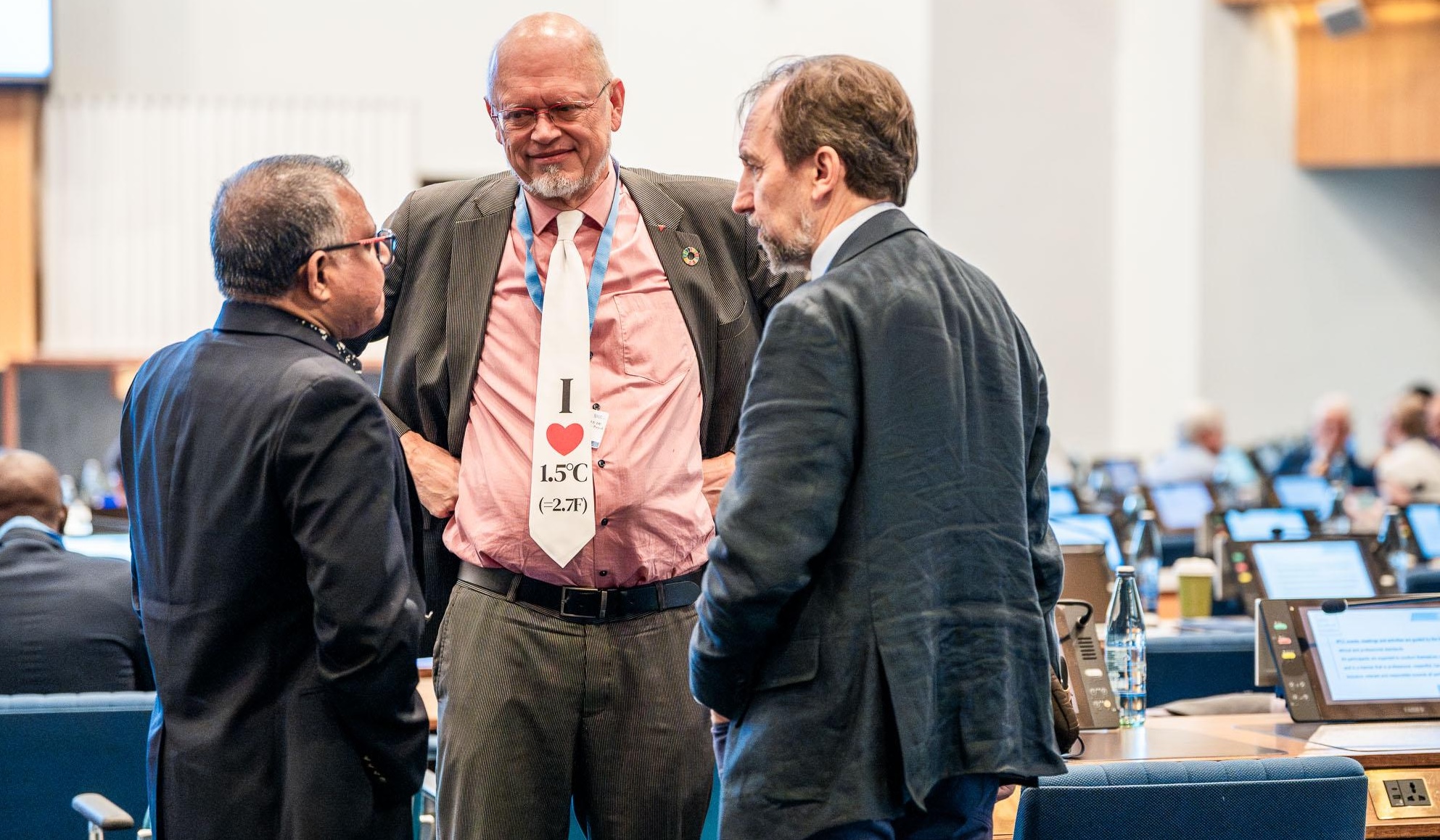
During the weekend, government officials and scientists alike expressed disappointment over the inability to reach a compromise before some delegates from developing countries and small island states had to leave the week-long meeting in Ethiopia to catch flights home.
The disagreement – which has persisted since early 2024 – turns on whether the three key parts of the AR7 assessment should all be published before the conclusion of the UN’s next Global Stocktake of global climate action, which is due to be completed in late 2028.
The IPCC issued a statement after the close of the session, saying that “key agenda items” – the timelines for the three AR7 reports, as well as the IPCC budget – remain open and under discussion. It said the IPCC’s plenary session and its deliberations on the pending agenda “will resume at the earliest opportunity”, giving no further details of when.
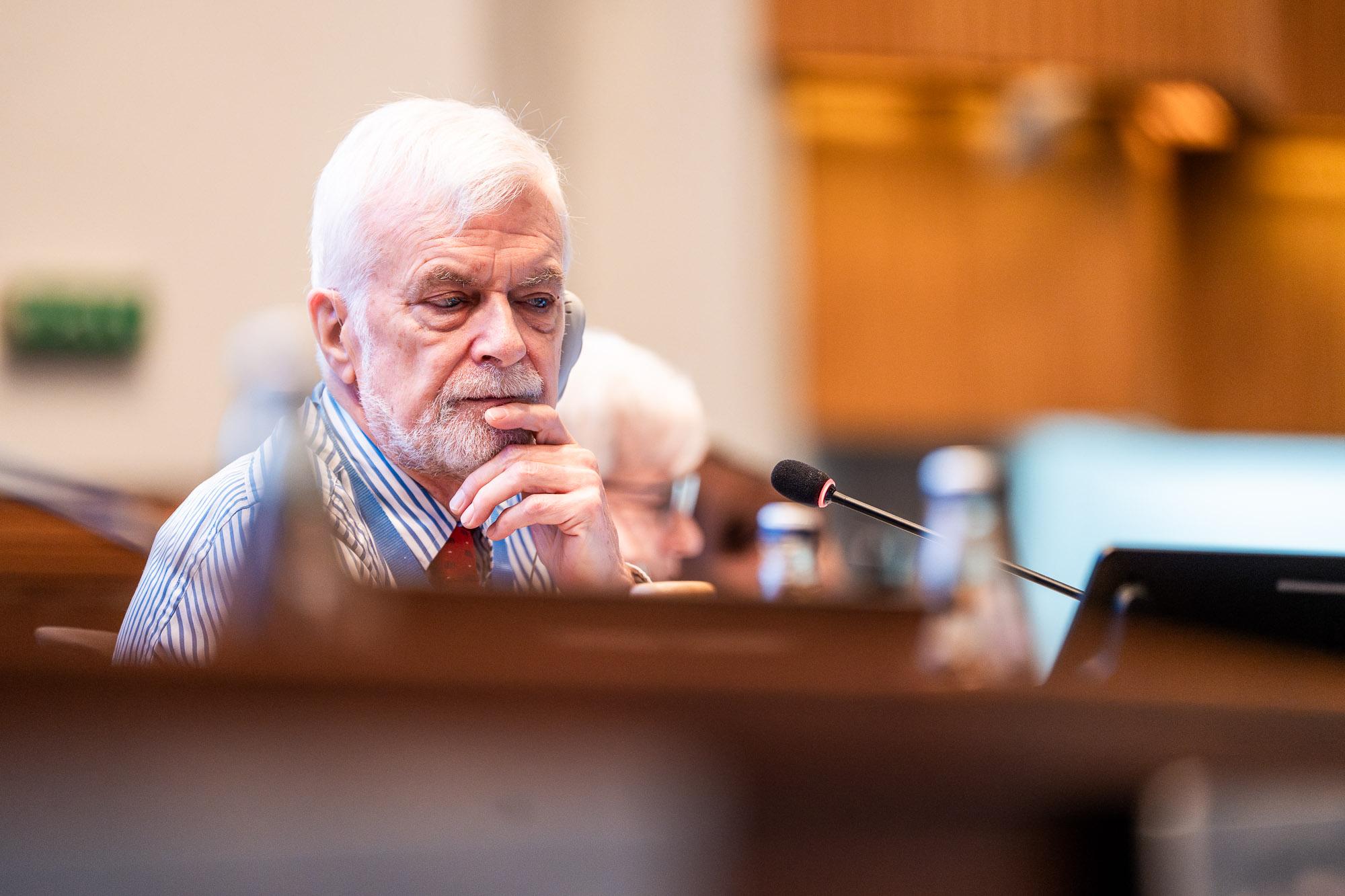
IPCC Chair Jim Skea told delegates in closing remarks that recent months had been some of the most turbulent for the climate science panel and that, if there were stronger words than “profound disappointment” he would use them, according to a summary published by the Earth Negotiators Bulletin (ENB). IPCC discussions happen behind closed doors.
IPCC scientists remained committed
In an open letter, issued on Monday, a group of nearly 120 scientists – from a total of 664 AR7 authors – said they “stand committed to continue working to deliver the AR7 reports in a manner that is rigorous, timely and inclusive, in line with our mandate to be policy-relevant”.
“An assessment that arrives after the decisions it is meant to inform cannot serve its purpose,” they emphasised. “The second Global Stocktake in 2028 is such a decision point, and the world should not have to face it without the IPCCʼs latest assessment.”
Europe, small islands and the least developed countries, plus many Latin American and developed nations, want the IPCC to meet this deadline, arguing that the findings from the UN climate science body are irreplaceable in the UN climate policy-making process.
However, around a dozen developing countries plus Russia have argued that the reports should come later in order to allow for greater research input from the Global South – something that, in their view, would make the findings fairer. They also claim that a shorter timeline would put excessive pressure on experts.
-
Who shapes climate science? The equity question facing the IPCC
Early completion of the next global climate science assessment reports risks excluding research from the Global South, which is key to ensuring the findings are fair -
Governments that support climate science must stand firm against naysayers
The IPCC is meeting to decide the timing of its next major report, as some countries try to delay it and weaken the case for faster emissions cuts


The most vocal of this group at last week’s meeting were India and Saudi Arabia, according to the ENB summary and a developed country diplomat. Critics see this push for a longer timeline as an excuse to deprive government decision-makers of the latest science and ease pressure on emerging economies to raise their ambition, particularly on cutting emissions.
Commenting on last week’s meeting, France’s ambassador for climate negotiations Benoît Faraco said a broad coalition of developed and developing countries from all five continents, “united in their support for science and the timeline proposed by scientists”, had withstood pressure “from a few countries” seeking to slow down the process of adopting the IPCC reports.
He added that France would not back down and would “continue to fight tirelessly for science, protect the integrity of information, and convince our partners that without the best available scientific data, we will be less effective in tackling climate change and protecting our populations”.
Inclusivity proposal stalled
In a bid to unlock a solution for the AR7 timeline, countries discussed ways to improve the inclusivity of the IPCC’s work. One option put on the table was for the IPCC to expand its funding for delegates from developing countries to attend some or all of its sessions from one to two participants, according to the ENB summary and a delegate speaking to Climate Home News.
That would increase the costs for the IPCC to complete AR7 by up to a quarter, according to an assessment shared by the secretariat. The panel’s budget is under severe strain and its officials have warned that, without additional voluntary contributions, it risks running out of money before it can deliver on this assessment cycle.
Climate Home News understands that some of the IPCC’s traditional donors – which mainly include European countries, Japan and Australia – indicated a willingness to support funding for an additional developing country participant. But without an agreement over the budget or the timeline for the reports, that option was ultimately not adopted.
‘Disappointed and worried’
The three reports are managed by working groups that collate and draw overall findings from the latest scientific studies and data on the physical effects of global warming around the world, how to adapt to it, and pathways for cutting planet-heating emissions in order to meet the temperature goals of the Paris Agreement.
Winston Chow, an urban climate professor at Singapore Management University who co-chairs Working Group II on adaptation, wrote in a LinkedIn post that he was “disappointed and worried” for the IPCC authors who have worked “extraordinarily hard” to assess the relevant climate science over the past two years.
He said he shared their concern that “the rigour, time and goodwill they’ve invested are now being put at risk by the Panel’s stalemate”.
As science comes under attack at UN talks, climate movement splits over how to respond
For Working Group II, a meeting for 250 experts writing that report is scheduled for January 2027, followed by the approval of a special report on cities and climate change in Singapore next March.
But because the IPCC’s budget has not been confirmed due to uncertainty about the AR7 schedule, travel support for those researchers is at risk, wrote Chow. “If they cannot participate, our assessments will lose vital expertise, perspectives and scientific breadth, and the collective effort of our authors will be undermined,” he warned.
Scientific work continues
Despite the political holdups, he – together with French climate scientist Robert Vautard, co-chair of Working Group 1 – agreed with IPCC head Skea who told the IPCC’s closing session on Friday: “The engine room of the IPCC is working, and it’s healthy.”
Vautard commented in a separate post on LinkedIn after it ended: “The boat is at full steam.” Working groups I and II are due to start revising the first drafts of their reports, while Working Group III on reducing emissions is finalising its first draft which will be out soon, he wrote.
“The most exciting two years of the cycle are ahead, for the authors. The momentum in the engine room is here and now. Trust the engine room!” he added.
The IPCC and some scientists report that progress has been made towards achieving an equitable balance of authors from the Global North and the Global South.
The group of researchers who signed the open letter on Monday noted that “inclusivity is at the heart of how we work”, with author teams bringing together experts from developed and developing countries with diverse backgrounds and at different stages of their careers.
Plea to overcome political differences
The signatories include several scientists from some of the countries opposed to the alignment of all IPCC reports with the Global Stocktake.
“We are committed to an assessment in which the knowledge, experience and priorities of every region are fully reflected, a commitment we share with the leadership of the IPCC.
Equity is built into how our assessment is being drafted,” they added.
They appealed to governments that make up the IPCC “to overcome their political differences and work together as we do as a global scientific community, so that we can deliver the IPCC reports the world needs to hear”.
In a statement published on Monday, IPCC chair Skea said reaching consensus on the schedule for the reports is “vital”. He added that the assessments provide authoritative scientific evidence to inform national climate policies, strengthen adaptation and resilience and support access to climate finance, as well as helping communicate the scale of the climate crisis and the urgency of efforts to tackle it.
The post IPCC scientists vow to press on with climate reports despite political deadlock appeared first on Climate Home News.
IPCC scientists vow to press on with climate reports despite political deadlock
An Lambrechts is a biodiversity politics expert at Greenpeace International with extensive experience in biodiversity-related multilateral negotiations. She is the head of the Greenpeace delegation at the Convention on Biological Diversity (CBD) COP17 happening in Yerevan, Armenia.
In 2022, COP15 delivered the landmark Kunming-Montreal Global Biodiversity Framework to halt and reverse biodiversity loss by 2030. With COP17 starting in Yerevan, we are now halfway to the deadline, and according to the firs