
Electric Black Futures is part of SACE’s Electrify the South program that leverages research, advocacy, and outreach to accelerate the equitable transition to electric transportation across the Southeast. Visit ElectrifytheSouth.org to learn more and connect with us.

In October 2023, the Southern Alliance for Clean Energy (SACE), along with our partners EVNoire and Clean Cities Georgia, was awarded a $1.4 million grant from the U.S. Department of Energy’s Vehicle Technologies Office Program Wide Funding Opportunity titled Advancing Equitable Access to EVs, Infrastructure, and Jobs in Underserved Communities in Georgia.

Electric Black Futures and Afrofuturism
We named this project Electric Black Futures (EBF), and are utilizing a very intentional and forward-thinking Afrofuturism frame to create a culturally relevant futurescoping methodology centered around the lived experiences of Black people in technological innovation. Our project aims to ensure that underserved Black communities within three Georgia cities – Albany, Atlanta, and Savannah – are actively engaged and empowered to create and deploy equitable, accessible electric mobility initiatives and gain access to the jobs that the transition to electric transportation is bringing to Georgia. Our goals over the next three years include:
- Leveraging community-based participatory research and engagement to co-create community-centered electric mobility plans that connect Black communities to federal funding and clean energy jobs and address the disproportionate environmental and transportation burdens that impact Black communities’ social and economic well-being
- Empowering future-building electric mobility coalitions in Black communities to envision and lead their electric mobility futures using Afrofuturism to center the lived experiences of Black people in technological innovation
- Addressing the workforce underrepresentation of Black workers and thinkers in the clean energy labor force and finding pathways for upward mobility and economic empowerment through green jobs and entrepreneurship
EBF will leverage community-based participatory research and authentic community engagement to identify and understand community needs and priorities, develop community-centered strategic plans, and empower community voices to ensure that electric mobility investments from federal programs such as the Bipartisan Infrastructure Law (BIL) and the Inflation Reduction Act (IRA) deliver what communities need and want.
Laying the Groundwork
Over the past six months, the project team has been meeting with stakeholders in Albany, Atlanta, and Savannah to enlist representative partners, including grassroots organizations such as SOWEGA Rising and Black Sustainability, Inc., anchor institutions like the United Way of Southwest Georgia, and communication partner Subsume Studios. Our team continues to meet with community-based organizations in Albany, Atlanta, and Savannah to enlist more partners and participants before launching the project’s formative research stage in June, which will include community surveys and focus groups. EBF will establish Community Advisory Boards of local partners to help lead engagement with the cities’ underserved Black communities. The qualitative and qualitative data gathered during this stage will, in turn, inform community engagement throughout the project.

Watch the Webinar: Building Our Equitable E-mobility Future
Last week, the project team and EBF partner Drawdown Georgia’s 2024 Climate Solutions Webinar Series hosted Building Our Equitable E-Mobility Future. The webinar included a panel discussion moderated by SACE’s Electric Transportation Director Stan Cross, with SACE’s Electric Transportation Equity Manager Madelyn Collins, EVNoire Co-Founder and Managing Partner Dr. Shelley Francis, and Clean Cities Georgia Program Manager Sumner Pomeroy. The panel discussion introduced the public to EBF’s approach and went deeper in discussing our goals.
Looking Toward the Next Steps
In addition to developing strategic plans and identifying pathways to electric mobility project funding, the project will also engage education partners, including the Technical Community College System of Georgia and local Historically Black Colleges and Universities, to identify job skill gaps and ensure communities have access to the job training needed to participate in the state’s booming electric transportation sector. EBF’s success will help inform and achieve the objectives of the Justice40 initiative, by which the Biden administration seeks to deliver 40% of the benefits from national clean energy and climate investments to underserved communities disproportionately affected by environmental and socioeconomic challenges.

A list of current project partners. This list is not final, as partnerships will continue to expand as the project work expands.
As we move forward, Electric Black Futures will be informed by our ongoing research and by what we hear from authentic community voices. Thus, we will constantly discover new community electric mobility needs and priorities. Learning in real-time is what makes this project so unique and exciting, and we are looking forward to seeing how EBF will unfold in Georgia over the next three years. Click on the webinar above to learn more.
To participate in and stay connected to EBF, visit ElectricBlackFutures.org.
The post SACE and Partners Announce Electric Black Futures appeared first on SACE | Southern Alliance for Clean Energy.

Continue Reading
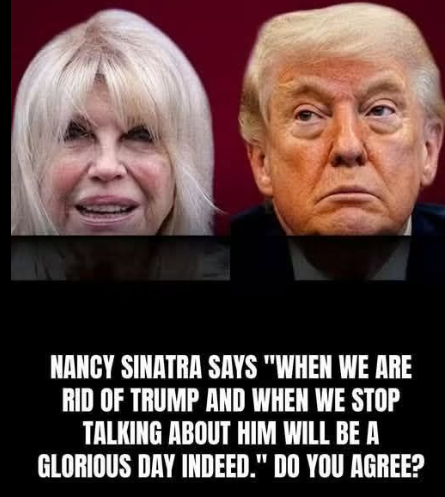 Keep in mind that “removing Trump from office” and “stop talking about Trump” are two different events.
It’s quite possible that a Democrat-controlled congress could remove him from power within the coming months. But think about the damage he’s done to our nation and the path to repair it. Think about the war, the trade deals, the economic policies, our relationships with our allies, the racism, our erstwhile position as leader in world democracy, and the degradation in public health, education, and environmental responsibility.
We’ll be talking about Trump as long as an organized human civilization is functioning on this planet.
To the a uthor of the meme here, I would suggest that hate and ignorance are far more aggressive forms of cancer.
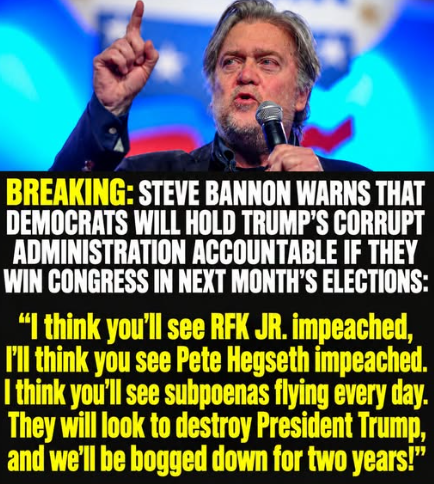 Yes, Hegseth and RFK, Jr. will be gone, but I think what’s going to happen first is the decapitation of the snake itself, i.e., the removal of Trump from the presidency.
Based on the news on social media, this could happen via the 25th Amendment, based on Trump’s mental deterioration. In my view, that’s a shame. If he’s not criminally prosecuted, this nation will be deprived of letting the American people and the rest of the world know that rule of law still matters in the United States.
Steve Bannon on the Consequences of a Blue Tsunami in November



-
Climate Change1 year ago
Guest post: Why China is still building new coal – and when it might stop
-

 Greenhouse Gases2 years ago
嘉宾来稿:满足中国增长的用电需求 光伏加储能“比新建煤电更实惠”
-
Greenhouse Gases1 year ago
Guest post: Why China is still building new coal – and when it might stop
-

 Climate Change2 years ago
嘉宾来稿:满足中国增长的用电需求 光伏加储能“比新建煤电更实惠”
-

 Renewable Energy12 months ago
Sending Progressive Philanthropist George Soros to Prison?
-
Climate Change2 years ago
Bill Discounting Climate Change in Florida’s Energy Policy Awaits DeSantis’ Approval
-
Greenhouse Gases1 year ago
嘉宾来稿:探究火山喷发如何影响气候预测
-

 Climate Change2 years ago
Analysis: China’s CO2 falls 1% in Q2 2024 in first quarterly drop since Covid-19