

Humanity is consuming natural resources faster than the planet can replenish them, and the gap is growing. The result is environmental degradation, economic risk, and a shrinking inheritance for future generations. With the global population still rising and consumption habits in wealthy nations showing little sign of slowing, addressing overconsumption has never been more urgent.
This guide explains what overconsumption of natural resources means, which resources are most at risk, how it harms the environment, and what individuals and industries can do about it.
Key Takeaways
- Earth Overshoot Day 2026 falls on July 30, the point at which humanity exhausts the planet’s entire annual ecological budget with five months still remaining in the year.
- Humanity is currently using nature 73% faster than Earth’s ecosystems can regenerate, the equivalent of consuming 1.73 planets simultaneously. This is the highest level of ecological overshoot ever recorded.
- The two most consumed natural resources on Earth are water and sand.
- North Americans consume an average of 90 kilograms of natural resources per person per day, nine times more than the average African.
- Transitioning to renewable energy, sustainable agriculture, and circular economy practices are the most effective paths forward.
What Is Overconsumption of Natural Resources?
Overconsumption occurs when humans extract or use natural resources faster than the planet can replenish them. When this happens, ecosystems cannot recover from excessive resource extraction, leading to biodiversity loss and long-term deterioration of the natural world. Once a resource is fully depleted from a region, it is often gone permanently.
The logging industry is a clear example. Timber is used for construction, paper manufacturing, and fuel. Billions of people depend on it for shelter, heat, and cooking. But overconsumption of timber leads to deforestation. Since 1990, the world has lost 420 million hectares of forest land, and between 2001 and 2025, total global tree cover loss reached 540 million hectares driven primarily by agricultural expansion, logging, and infrastructure development.
The stakes are not abstract. When essential resources like clean water, fertile land, and building materials disappear, the consequences fall hardest on the most vulnerable communities around the world.
How Does Overconsumption Affect Natural Resources?
Natural resources need time to replenish. Forests must regrow after logging. Fish populations must recover after commercial fishing. Aquifers refill slowly after extraction. When human demand exceeds these regeneration rates, the consequences compound over time.
A useful benchmark is Earth Overshoot Day, the calendar date each year when humanity’s demand for ecological resources exceeds what Earth can regenerate in that same year. In 1972, overshoot day fell on December 31, meaning humanity was living within the planet’s means. By 2026, it falls on July 30, the highest level of ecological overshoot in human history. From that point on, we operate on ecological credit for the rest of the year, drawing down natural capital in forests, fisheries, freshwater systems, and the atmosphere’s capacity to absorb CO₂.
Understanding this dynamic is central to understanding how climate change and resource depletion are connected and why action on both fronts is urgent.
What is an ecological footprint?
An ecological footprint measures the land and water area a human population requires to produce the resources it consumes and absorb the waste it generates. When a nation’s footprint exceeds its biocapacity, it runs an ecological deficit. More than 80% of the global population lives in countries currently running such a deficit.
What Natural Resources Are We Consuming?
Natural resources fall into two broad categories: non-renewable and renewable. Both are under pressure from overconsumption, though for different reasons.
Non-Renewable Resources
Non-renewable resources form over millions of years and cannot be meaningfully replenished on human timescales. They include fossil fuels like oil, coal, and natural gas, as well as mined materials such as metals, ores, diamonds, sand, and other raw materials.
Relying heavily on non-renewables carries serious economic risk. More than 80% of the world’s energy still comes from oil, coal, and natural gas. The consequences of burning fossil fuels extend well beyond supply risk. They include greenhouse gas emissions, air pollution, and accelerating climate change. If fossil fuels became too scarce or expensive to extract, the disruption to the global economy would be severe, with no ready substitute available at the same scale.
Demand for critical minerals like lithium, cobalt, and copper is also expected to surge dramatically in coming decades, driven by the transition to electric vehicles and renewable energy infrastructure. Even the green energy transition has its own resource demands to manage carefully.
Renewable Resources
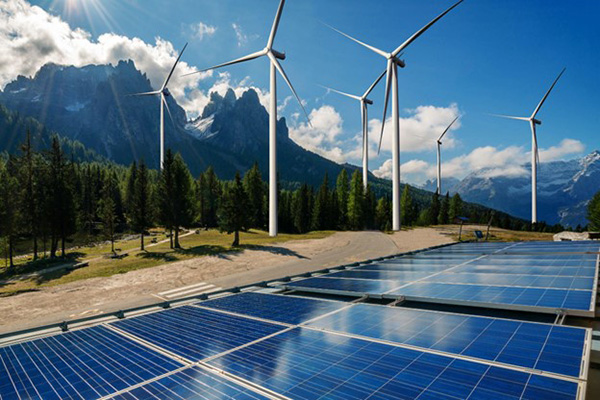
Renewable resources replenish naturally in a much shorter timeframe. They include solar and wind energy, food crops, fish, animals, and lumber.
Wind and sunlight are effectively limitless as energy sources. We can use them without depleting them, which is why transitioning to sustainable energy sources is such a critical lever for reducing overall resource pressure. Biological renewables like fish populations and forests, however, must be carefully managed to avoid overexploitation.
Fish stocks are a pressing concern. The FAO reported that 35.5% of global fish stocks were overfished in 2025, continuing an upward trend from previous years. Overfishing doesn’t just reduce the catch available today. It disrupts marine food webs, causes biodiversity loss, and threatens the livelihoods of coastal communities worldwide.
Overconsumption also degrades fertile agricultural land. As soil quality deteriorates and water becomes scarcer, the capacity to feed a growing global population comes under increasing strain.
How Does Consumption of Natural Resources Vary by Country?
Resource consumption is closely correlated with national wealth. Wealthier nations consume 10 times more natural resources than developing countries.
North America leads global per-capita consumption. The average North American uses 90 kilograms of resources per day, compared to 45 kilograms for the average European and just 10 kilograms for the average African resident. According to Scientific American, over a single lifetime, one American will consume 53 times as many goods and services as a person from China and as many natural resources as 35 residents of India.
This disparity matters because it shapes where solutions need to be concentrated. High-consumption nations bear disproportionate responsibility for driving global resource depletion and have the greatest capacity to change. Understanding your own carbon footprint is a meaningful first step toward making that change personal.
How Does Overconsumption of Natural Resources Affect the Environment?
The environmental impacts of resource-intensive industries are wide-ranging and interconnected. Some are direct. Deforestation removes habitat and releases stored carbon. Others work through a longer chain, as industries that harvest natural resources generate greenhouse gas emissions that accelerate climate change, which in turn threatens the very resource systems we depend on.
Consider the construction industry. It requires metals mined from the Earth, sand and lumber as building materials, and fossil fuels to power its machinery. Each of these inputs carries its own environmental cost including habitat disruption, water use, and carbon emissions, and they compound across the full supply chain.
Atmospheric greenhouse gas concentrations have risen from 367 parts per million CO₂ equivalent in 1972 to an estimated 547 parts per million in 2026, according to NOAA estimates. The accumulated ecological debt from overshoot since the early 1970s now equals approximately 20.6 years of the planet’s full biological productivity.
Protecting land and ocean ecosystems and transitioning to sustainable energy sources represents humanity’s best opportunity to reverse this trend. For businesses already thinking about their role in this, carbon offsets can support reforestation and emissions reduction projects that directly address the damage overconsumption has caused.
What Are the Most Consumed Natural Resources?
The two natural resources consumed in the greatest quantities globally are water and sand.
Sand
Sand is the world’s second most consumed natural resource, used primarily in concrete for construction. Global urbanization drives an enormous appetite for it, and humanity extracts approximately 50 billion tons of sand each year. The consequences include the deterioration of river systems and ocean habitats as sand is removed in vast quantities.
Water
Water is the most consumed natural resource on Earth. It is essential for drinking, agriculture, cooking, industrial processes, and electricity generation. Despite water covering 70% of the planet’s surface, 97.5% of that water is ocean water. Accessible freshwater is a genuinely finite resource.
The numbers reveal the scale of the problem. About 4 billion people, nearly two-thirds of the global population, experience severe water scarcity for at least one month each year. Agriculture accounts for roughly 70% of all global freshwater withdrawals. According to the BBC, 21 of Earth’s 35 major aquifers are already receding. Climate change is deepening the crisis by intensifying droughts and altering rainfall patterns precisely where demand is growing fastest.
The global carbon cycle is tightly linked to freshwater availability. Warming temperatures and disrupted precipitation patterns are a direct consequence of the same fossil fuel overconsumption that drives resource depletion more broadly.
How Can We Slow the Overconsumption of Natural Resources?
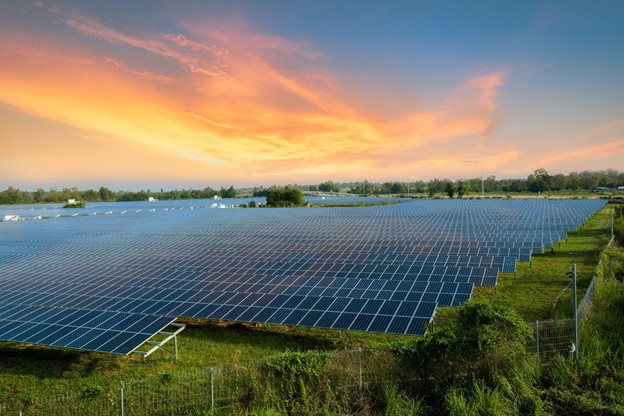
Slowing overconsumption requires action at multiple levels: policy, industry, and individual behavior. The most impactful changes involve moving away from non-renewable resources, improving efficiency across industries, and embracing the principles of a circular economy, in which materials are reused and regenerated rather than consumed and discarded.
Transition to renewable energy. New technologies continue to lower the cost and improve the efficiency of renewable energy sources like wind and solar. Accelerating this transition reduces fossil fuel burning and the extraction pressures that come with it. Renewable Energy Credits (RECs) are one accessible way for households and businesses to support clean power today.
Sustainable agriculture and fisheries management. More efficient food production, better fisheries regulation, and reduced food waste can protect natural lands and fish populations while feeding a growing global population. Reducing meat consumption is one of the highest-impact dietary changes an individual can make.
Water desalination and conservation. Desalination technology can convert ocean water into freshwater suitable for drinking and agriculture, reducing pressure on strained freshwater systems. Conservation measures in agriculture, which is by far the dominant user of freshwater, can make an outsized difference.
Circular economy practices. Designing products for longevity, repairability, and recyclability reduces the total volume of resources extracted and the waste generated. This model is gaining traction across manufacturing, construction, and packaging industries and is increasingly recognized as one of the most commercially viable paths to sustainability.
Carbon offsetting. For emissions and resource use that cannot yet be eliminated, verified carbon offsets fund projects that reduce deforestation, capture methane, and support renewable energy development. Terrapass carbon offset projects include reforestation, REDD+, landfill gas capture, and residential solar installation.
Individual action. Each person can meaningfully reduce their ecological footprint by being conscious of consumption habits. Buying less, choosing durable goods, reducing food waste, and reusing materials wherever possible all add up. Use the Terrapass carbon calculator to understand exactly where your personal footprint comes from and take targeted action.
Frequently Asked Questions
What are the main natural resources being overconsumed?
The most overconsumed resources include freshwater, sand, fossil fuels (oil, coal, and natural gas), timber from forests, and fish stocks. Fertile agricultural land and minerals like lithium and cobalt are also under increasing pressure.
Which country consumes the most natural resources per person?
North Americans, and Americans in particular, consume the most natural resources per capita. The average North American uses 90 kilograms of resources per day, compared to 45 kilograms in Europe and 10 kilograms in Africa.
What is Earth Overshoot Day and why does it matter?
Earth Overshoot Day marks the point in the calendar year when humanity has used up all the ecological resources the planet can regenerate that year. In 2026, it falls on July 30, the highest level of ecological overshoot ever recorded. Everything consumed after that date draws down ecological reserves, accelerating long-term depletion.
How does overconsumption drive climate change?
Overconsumption drives climate change primarily through the extraction and burning of fossil fuels, deforestation (which releases stored carbon), and industrial processes that generate greenhouse gas emissions. Understanding how the carbon cycle works helps explain why reducing consumption and offsetting emissions are two sides of the same solution.
How can individuals reduce their impact?
The most effective individual actions include reducing home energy use, minimizing food waste, consuming less meat, and buying durable goods over disposable ones. Calculating your carbon footprint is a good starting point, and offsetting unavoidable emissions through Terrapass helps fund real-world emissions reductions.
What is a circular economy?
A circular economy is an economic model designed to eliminate waste by keeping materials in use for as long as possible through reuse, repair, remanufacturing, and recycling. It contrasts with the dominant take-make-dispose model that drives overconsumption and is increasingly seen as one of the most practical large-scale responses to ecological overshoot.
Taking Action to Protect Natural Resources
Overconsumption is depleting the natural systems that all human life depends on. The data is stark. In 2026, humanity hit the highest level of ecological overshoot ever recorded, and the real human footprint is still growing.
The solutions exist. Renewable energy, sustainable resource management, and a shift toward circular economic models can collectively move us back toward a world that operates within planetary limits. Technology continues to improve our capacity to do more with less, from precision agriculture to advanced water treatment to verified carbon markets.
Systemic change is essential, but individual choices also matter. A world of responsibly consumed resources is a world of greater health, stability, and opportunity for everyone including future generations.
Learn how Terrapass can help you reduce your carbon footprint and offset your consumption.
Brought to you by terrapass.com
The post Overconsumption of Natural Resources: Causes, Effects & Solutions (2026) appeared first on Terrapass.

EU carbon credit claims changed on 27 September 2026, the day the Directive (EU) 2024/825 began to apply across the European Union. The change is narrow. It changes how a company can talk about the credits it buys. A product can no longer be called neutral on the strength of compensation alone; however, every specific, evidenced statement about what a company measured, reduced, and funded stays fully available.

The post Promoting Improved Cooking Practices in Nigeria appeared first on Terrapass.



-
Climate Change1 year ago
Guest post: Why China is still building new coal – and when it might stop
-

 Greenhouse Gases2 years ago
嘉宾来稿:满足中国增长的用电需求 光伏加储能“比新建煤电更实惠”
-
Greenhouse Gases1 year ago
Guest post: Why China is still building new coal – and when it might stop
-

 Climate Change2 years ago
嘉宾来稿:满足中国增长的用电需求 光伏加储能“比新建煤电更实惠”
-

 Renewable Energy1 year ago
Sending Progressive Philanthropist George Soros to Prison?
-
Climate Change2 years ago
Bill Discounting Climate Change in Florida’s Energy Policy Awaits DeSantis’ Approval
-
Greenhouse Gases1 year ago
嘉宾来稿:探究火山喷发如何影响气候预测
-

 Climate Change2 years ago
Analysis: China’s CO2 falls 1% in Q2 2024 in first quarterly drop since Covid-19