

Americans throw out 81.5 pounds of clothing a year; two-thirds of it ends up in landfills. That’s no accident—it’s a fast fashion design principle that many have embraced.
A December 2024 U.S. Government Accountability Office report found that textile waste grew by more than 50 percent from 2000 to 2018, while federal agencies still lack a coordinated strategy. As a result, consumers seeking sustainable options carry the burden of finding responsible brands.
Look good and reduce your footprint—you don’t have to choose. The brands below carry recognized certifications, use lower-impact materials, and often sell via Amazon. We’ve updated this list since 2021 to reflect brands still delivering and those raising the bar.
Throughout this list, you’ll see references to GOTS (Global Organic Textile Standard), Fair Trade Certified, and SA8000. GOTS covers the entire supply chain from farm to finished garment, requiring organic fibers and strict environmental and social standards. Fair Trade and SA8000 focus on worker wages, safety, and conditions. These aren’t marketing claims, they require third-party audits.
This article contains affiliate links. If you make a purchase through these links, we may receive a small commission at no additional cost to you. This supports our independent work but does not influence our recommendations or coverage.
1. Pact — GOTS-Certified Organic Cotton Basics and Dresses
Pact offers women a strong foundation for building a sustainable wardrobe. Each garment is crafted from GOTS-certified organic cotton in Fair Trade Certified factories, with certifications updated as recently as 2025. The brand partners with SimpliZero to measure and offset the carbon footprint of individual products, investing in reforestation and renewable energy.
Their organic cotton process uses 81% less water and 62% less energy than conventional cotton farming, a meaningful difference given that a single conventional cotton T-shirt typically requires around 2,700 liters of water to produce.

Standout Pact picks on Amazon:
- The Pact Organic Cotton Women’s Ruffled Maxi Dress is made from 100% organic cotton double gauze and is machine washable.
- Pact’s Organic Cotton Women’s Fit & Flare Halter Dress, which features 95% organic cotton and 5% elastane
- The Organic Cotton Women’s Lightweight Jacket, featuring 97% organic cotton, is a great layering piece.
- Check out Pact’s Organic Cotton Women’s Gauze Wide Leg Pantsmade from 100% organic cotton with a smocked elastic waistband
2. Girlfriend Collective — Recycled Activewear with Radical Transparency
Seattle-based Girlfriend Collective leads in sustainable activewear. Its fabrics are made from post-consumer plastic bottles, fishing nets, and fabric scraps. They are OEKO-TEX Standard 100 certified and BPA-free, making them safer if they end up in a landfill. The brand uses eco-friendly dyes and provides washing bags with each purchase to help reduce microfiber pollution.
On the labor side, Girlfriend Collective holds SA8000 certification, which independently verifies safe working conditions and fair wages. They also run ReGirlfriend, a take-back and recycling program that gives you store credit for returning worn-out pieces. That circular loop — buy, wear, return, recycle — is still rare in activewear.
The brand carries sizes XXS to 6XL and has an Amazon storefront with frequently updated inventory.

Standout picks:
- Girlfriend Collective High-Rise Skort is crafted from recycled polyester sourced from certified post-consumer plastic bottles and features useful hidden pockets.
- Browse Girlfriend Collective’s full Amazon store for leggings, sports bras, and shorts.
3. Eileen Fisher — Circular Fashion and B Corp Commitment
If any brand embodies “timeless,” it’s Eileen Fisher. Since 2013, the company has championed circularity through its Renew take-back program—one of the longest-running garment recycling efforts in American fashion. Send back your worn Eileen Fisher pieces, and they’re cleaned, repaired, and resold or upcycled into new textiles.
As of 2025, 75% of Eileen Fisher’s products use lower-emissions or certified materials, including organic linen, organic cotton, regenerative wool, TENCEL lyocell, and deadstock fabric. The brand holds certifications from GOTS, GRS (Global Recycled Standard), RWS (Responsible Wool Standard), Bluesign, and FSC. It’s also a certified B Corp with published emissions targets.
Eileen Fisher acknowledges it is not currently on track to hit its science-based emissions reduction targets. That’s a candid admission that distinguishes genuine transparency from greenwashing. Their organic linen and TENCEL pieces are particularly durable and environmentally benign: linen requires no irrigation in most growing conditions and generates roughly a quarter of the carbon emissions per pound of fiber as conventional cotton.
Eileen Fisher sells direct at eileenfisher.com with free shipping on U.S. orders.
4. Reformation — Carbon-Tracked Dresses and Recycled Cashmere
Los Angeles-based Reformation publishes quarterly sustainability reports that break down water, energy, and carbon footprint per product — a level of granularity that almost no other fashion brand offers. Their key fabrics include TENCEL™ Lyocell, produced in a closed-loop system that recycles 99% of its non-toxic solvent, low-irrigation linen, and Forest Stewardship Council-certified viscose.
In late 2024, Reformation launched its first 100% recycled cashmere sweater line — a blend of 95% recycled cashmere and 5% recycled wool. The brand reports these sweaters produce 96% less carbon and require 89% less water than conventional cashmere. That’s a significant claim, and the brand backs it with third-party verification.

Reformation also partners with ThredUp and Poshmark so you can resell verified purchases directly through those platforms. It also offers a take-back program for Ref sweaters, shoes, denim, and outerwear.
Reformation sells direct at thereformation.com.
5. Amour Vert — Made in California, Plant a Tree With Every Tee
Amour Vert (“green love” in French) produces 97% of its garments in California, collaborating with mills to create signature sustainable fabrics such as beechwood modal, GOTS-certified cotton, OEKO-TEX silk, TENCEL, and cupro from cotton waste. The brand recycles nearly all byproducts at its factories.
For every T-shirt purchased, Amour Vert plants a tree in North America through its partnership with American Forests, and has planted more than 220,000 trees to date. Products are made in small batches to limit overproduction, and the brand offers an upcycled clothing collection that transforms discarded materials into new pieces.

Key pieces for the Spring and Summer of 2026 include:
- Victoire Wide Leg Pants feature organic cotton and a TENCEL blend, a versatile year-round foundation for your look.
- The Verona Blazer is made from organic cotton and TENCEL to deliver an office-appropriate, seasonless look.
- The Sloan Skirt uses TENCEL from sustainably sourced wood pulp to provide moisture-wicking comfort.
6. Warp + Weft — Size-Inclusive Denim Under $100
A traditional pair of jeans takes roughly 1,500 gallons of water to produce. Warp + Weft, a family-owned brand, produces jeans using less than 10 gallons of water. By operating a vertically integrated denim mill, Warp + Weft controls every step: utilizing onsite solar panels, a heat recovery system, recycling and treating 98% of water used, and employing dry ozone technology instead of chemical bleaching.
The brand is fully size-inclusive (through 3X for women), and prices stay under $100. Their compliance with International Social and Environmental & Quality Standards is auditable, not self-reported. Warp + Weft has expanded from denim into matching sets, tops, and jackets, making it easier to build a full outfit around their sustainable denim base.
Shop at warpweftworld.com and Amazon.
7. Karen Kane — Ethical Production and TENCEL Chambray
Karen Kane stands out for its transparent, energy-efficient operations, including LA-based manufacturing, hangar reuse, and sustainable fabric initiatives. The Asymmetric Hem Wrap Top, a signature design, is crafted from 100% TENCEL soft chambray made with FSC-certified wood pulp. This closed-loop process recaptures and reuses solvents, greatly reducing chemical waste compared to traditional rayon methods.
Karen Kane offers a broader range of wardrobe essentials beyond the wrap top, and its women’s collection is available on itssite and select Amazon listings.
8. Mango — Organic Denim and a Declared Sustainability Road Map
Mango is a larger brand, which warrants more scrutiny, but it can also make a positive impact through its environmental commitments. The brand publicly committed to using 100% organic cotton and 50% recycled polyester by 2025, and 100% cellulose fibers with verified sustainable origins by 2030. Their organic cotton pieces, including several denim options, are genuinely certified organic, meaning no synthetic pesticides or fertilizers are used in cultivation.
Mango describes its sustainability journey as ongoing, and it is. Organic cotton still requires significant water input, and a large global retailer faces supply chain complexity that smaller brands avoid. Good On You rates the brand as making progress but “Not Good Enough.” That said, Mango’s organic denim line is worth considering for shoppers who want accessible price points alongside high-quality materials. Organic Mango pieces are available through mango.com.
What You Can Do To Lower Your Impact
Individual purchasing choices alone won’t fix a 17-million-ton textile waste problem. But they shape markets, and markets respond. Here’s how to shop with more impact:
- Look for GOTS, Fair Trade Certified, or B Corp status. These require third-party audits, not just brand claims.
- Prioritize longevity. A $90 Eileen Fisher linen shirt, worn 200 times, has a far lower footprint than a $20 fast-fashion top, worn 7.
- When you’re done with clothes, resell on ThredUP, Poshmark, or TheRealReal before donating. Secondhand marketplaces keep clothing in circulation longer.
- Use Earth911’s recycling search to find textile recycling options in your area. Only about 15% of U.S. textiles are currently recycled.
- Check takeback programs before you throw anything out. Eileen Fisher Renew, Girlfriend Collective’s ReGirlfriend, and Reformation’s takeback initiative all exist for exactly this reason.
The post 8 Sustainable Women’s Fashion Brands for Spring & Summer 2026 appeared first on Earth911.
https://earth911.com/living-well-being/5-sustainable-fashion-lines-for-women/

Just like fashion has been overrun by fast fashion, home goods and furniture have similarly seen a rapid decline in quality. Rugs are no exception.
And similar to fashion, these cheap goods come at a high cost — namely, to the planet and to people. In fact carpet and rug production is rampant with exploitation.
On the other hand, fair trade rugs present the best of what a rug can bring to your home: artistry, craftsmanship, and heritage.
The brands featured in this guide are partnering with (and fairly paying!) skilled artisans who are using generations-old — and sometimes even centuries-old — techniques. These artisans are sustaining long lines of crafts, preserving their cultural diversity, and celebrating the richness of their time-honored crafts.
There’s simply no replacement for a timeless, quality artisan-made rug — they’re like pieces of art you can lay out on your floor or hang on your walls.
So, enjoy browsing through this guide to sustainable rug brands listed out below and best of luck on your search for the right fair trade rug!
Where to Find Ethical and Fair Trade Rugs
Note that this guide includes affiliates and partners. As always, brands must meet high standards for ethics and sustainability to be featured and all opinions are my own.
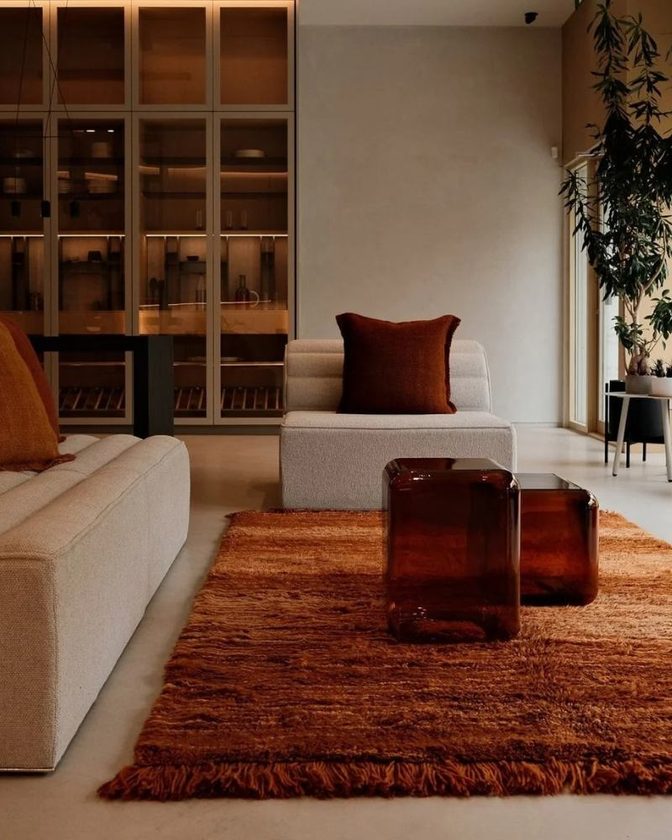
1. Obakki
Best for: warm-hued handwoven wool rugs
Categories: Area Rugs, Runners, Accent Rugs
Obakki partners with artisan weavers primarily in Oaxaca, Mexico — including individual makers like José — who hand-dyes and weaves rugs on a traditional pedal loom using locally sourced sheep’s wool and natural dyes derived from native plants. The brand also works with Rrres Design Studio, a Latin American studio dedicated to preserving traditional Oaxacan weaving techniques, and sources handwoven textiles from artisan communities beyond Mexico as well, including Morocco.
Each rug is made from 100% wool with no synthetic dyes or backing. Most pieces are made-to-order with a 4-8 week production window, shipped directly from the artisan partners.
Price Range: $460 – $4,159
Conscious Qualities: Natural Fibers, Natural Dyes, Craft Preservation
2. Kiliim
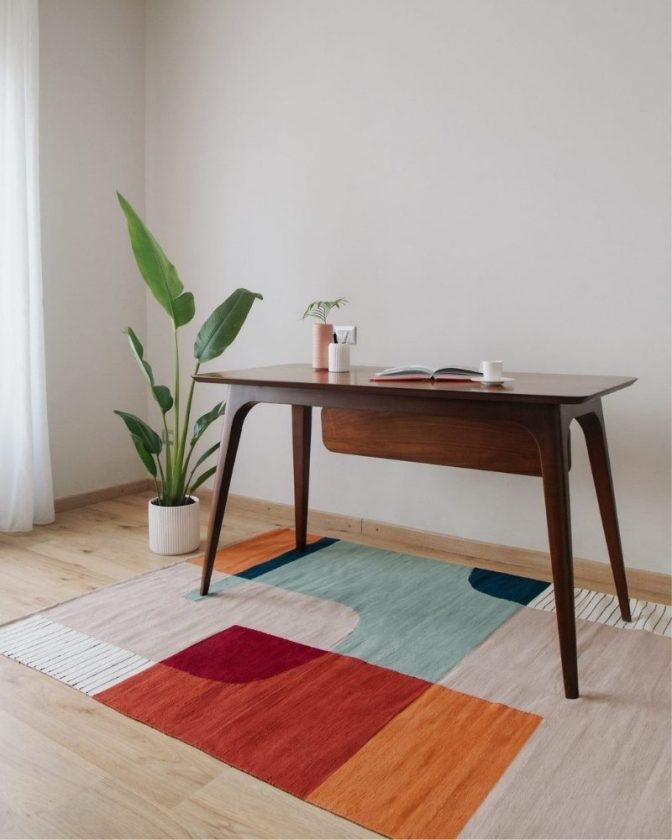
Best for: modern wool kilim rugs
Categories: Area Rugs, Accent Rugs
If you’re well-versed in rug terminology, you may recognize that this brand’s name looks similar to the word kilim.
Kiliim’s rug are made using authentic kilim rug craftsmanship by artisans in Egypt coming from generations of kilim artisans. To ensure ethical production and to support the preservation of this heritage craft, Kiliim pays living wages to all artisans.
Price Range: $95 – $4,812
Conscious Qualities: Ethical Production, Heritage Craft Preservation, Natural Fibers
3. Urban Natural
Best for: browsing fair trade rugs in lots of styles and sizes
Categories: Outdoor, Area Rugs, and Accent Rugs
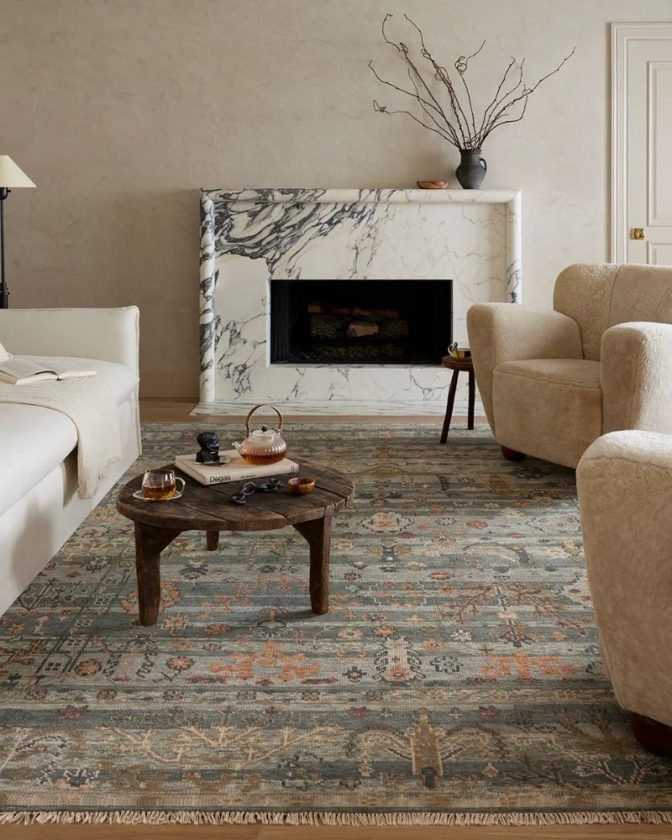
This natural home and lifestyle retailer has a beautifully curated selection of sustainably-made rugs crafted with materials like jute, sisal, wool, and cotton.
Several brands on Urban Natural are also ethically hand-loomed or hand-knotted, such as Loloi — a GoodWeave partner — and Jaipur Living — a brand that partners with thousands of local artisans to sustain heritage crafts.
Price Range: $259 – $9,755
Conscious Qualities: Eco-Conscious Materials
4. LOOMY
Best for: pet-friendly and performance rugs
Categories: Area Rugs, Accent Rugs, Runners, Outdoor Rugs
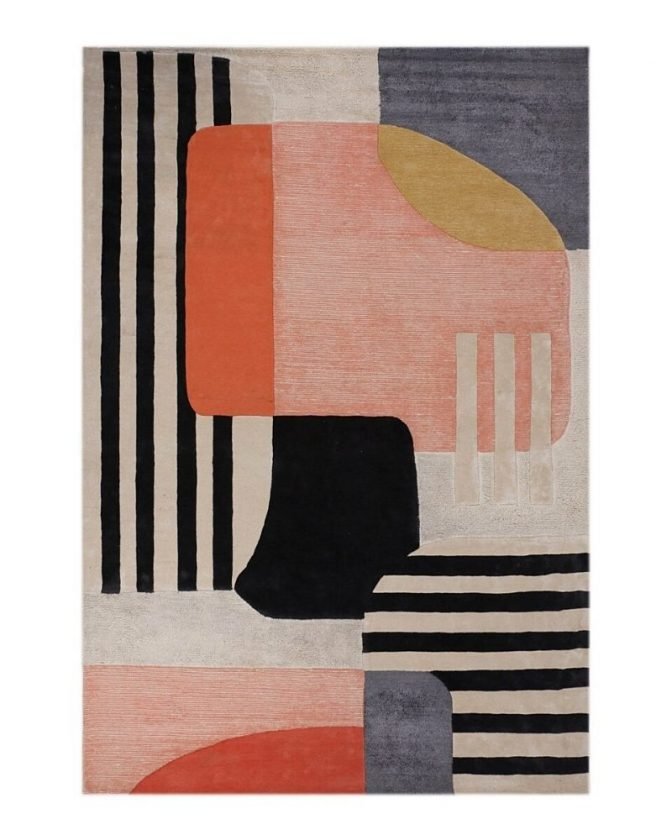
Founded by a weaver, LOOMY is dedicated to crafting beautiful artisan-made rugs that will last for decades to come.
LOOMY partners with highly-skilled artisan weavers who craft quality rugs made from eco-minded materials like banana silk, jute, and recycled cotton, plus performance options made from 100% recycled polyester built to withstand whatever life brings you.
Price Range: $298 – $8,298
Conscious Qualities: Natural Fibers, Craft Preservation, Vintage Options
5. West Elm
Best for: fair trade rugs in on-trend mainstream styles
Categories: Area Rugs, Accent Rugs
West Elm is bringing ethical rugs to a broader market with their collection of Fair Trade Certified wool and cotton rugs. While I recommend browsing the smaller shops listed above first, West Elm is supporting the movement to responsibly-made, fair trade rugs.
Price Range: $$$
Conscious Qualities: Fair Trade production, Majority Natural Materials
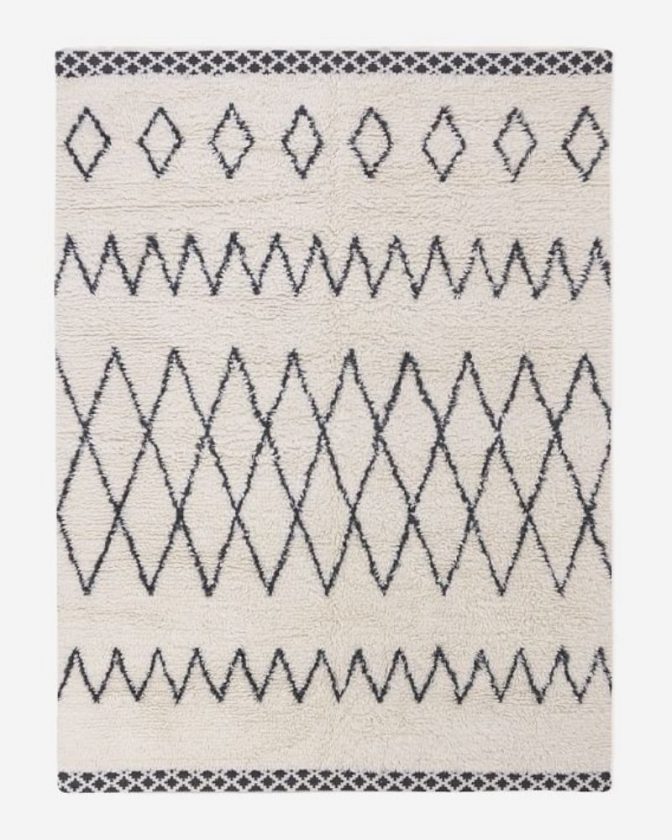
6. Jubi
Best for: Modern rugs in vibrant prints
Categories: Accent Rugs, Circle Rugs, Runners
Jubi is a Brooklyn studio founded by textile designer Cassie Dagostino. Every rug is handmade from New Zealand wool by fourth-generation weaving families in Bhadohi, India using traditional techniques. Each rug is made-to-order, meaning no excess stock. Since everything is made to order, expect between 3 and 7 weeks for your rug, depending on the technique used.
Conscious Qualities: Pays Above Market Rates, 100% Wool, Made-to-Order
Price Range: $228 – $668
Shipping: Free worldwide shipping
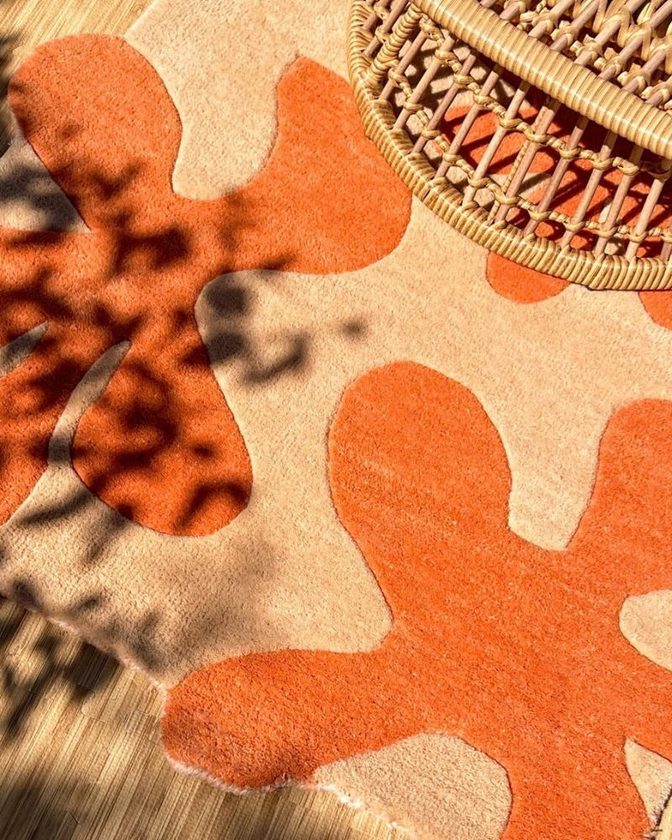
7. Rejuvenation
Best for: Classic rug styles made in Fair Trade factories
Categories: Accent Rugs, Runners, Area Rugs
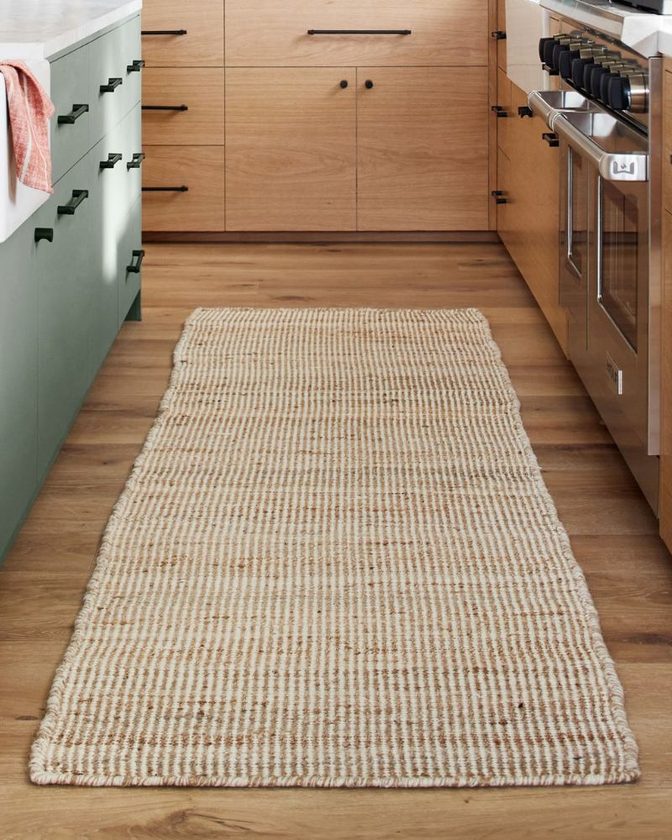
Home retailer Rejuvenation has a selection of rugs made in Fair Trade Certified factories. Their collection includes undyed hand-loomed rugs to geometric flatwoven wool rugs. And while I’d typically avoid synthetics, it tends to be unavoidable for outdoor rugs — so Rejuvenation’s Fair Trade 100% recycled poly rug is a good option.
Conscious Qualities: Fair Trade Certified, Mostly Natural Materials
Price Range: $79 – $1,649
Shipping: Contiguous U.S. shipping for 10% of product price (add $20 for HI, AK, and US. territorries)
Liked this guide to ethical rugs? You might also enjoy:
Ethical Home Decor Brands to Curate a Beautiful, Conscious Space
Eco-Friendly Furniture to Furnish Your Home Sustainably
Fair Trade and Eco-Friendly Blankets to Cozy Up With
The post 5 Best Ethical Fair Trade Rugs to Elevate Your Space appeared first on Conscious Life & Style.
As a longtime book lover, I may be biased, but I think a full bookshelf is one of the most beautiful additions to a space. There’s nothing better than seeing a showcase of your favorite reads alongside a TBR list.
A bookcase, though, can of course be used for all sorts of purposes from placing your favorite photos of family and friends to showcasing treasured vintage finds.
Whatever the case, this guide will help you find the right sustainable bookshelf for your living room, office, or wherever you like to cozy up with a good read!
So what make a bookcase more sustainable? What makes a bookshelf non-toxic?
First of all: sustainable and non-toxic are two overlapping — but distinct — criteria. And both of those terms can come with a lot of opinions and varying definitions.
When it comes to sustainable bookcases, I look for:
- Responsibly Sourced Materials: most bookshelves are made primarily with wood. While natural, unsustainable wood sourcing can be a cause of deforestation, so we want to see that the wood was from responsibly managed forests or made from reclaimed or repurposed wood. Some bookshelves may feature metal, in which case recycled materials here are important.
- High Quality Construction: sustainability includes longevity — how long will you be able to use that furniture piece before it goes to the landfill and gets replaced? Look for transparency around craftsmanship and woodworking processes. Another sign of quality is the length of warranty a company has for its products.
- Ethically Made: this one is straightforward in theory — were the people making it paid fairly and working in safe conditions? — but is unfortunately not always easy to find information. In this category, I look for transparency in practices, what relationship the brand has with the manufacturer (some produce in-house which is the best case scenario for transparency!), where it was made, and how well the makers were paid.
Ideally a sustainable bookshelf would also be non-toxic — as toxic chemical fumes aren’t exactly sustainable! But this isn’t always the case. For example, if a company prioritizes upcycled materials, they don’t necessarily have control over what inputs were part of the original materials. And sometimes a company focuses more on ethical artisan partnerships and sustainable wood sourcing, more than, say, using non-toxic finishes.
But when it comes to non-toxic bookshelves, this is what I look for. (Note that non-toxic doesn’t necessarily mean safe for all chemical sensitivities. Nor does it mean zero potentially irritating chemicals.)
- Solid Wood (where possible): MDF or pressed wood contains glue to stick the various wood pieces together, which can contain added formaldehyde. I prefer solid wood, or if it is engineered wood, I’d make sure the company is transparent around the type of glue used and/or they at least have a product certification like GREENGUARD. (More on that in a second.)
- Low or Zero VOC Finishes: most wood furniture is completed with some sort of finish to provide a protection against scratches or moisture. Many of these finishes are synthetic, and some can contain high levels of toxic chemicals. Look for a natural finish like linseed oil or beeswax or a low VOC synthetic finish.
Relevant Certifications
You’ll see a few certifications referenced throughout this guide. Here’s what each one covers:
- FSC Certified = the wood sourcing was responsibly managed; this is not a finish, foam, or textile guarantee.
- GREENGUARD / GREENGUARD Gold Certified = the finished product was tested for low chemical emissions, including VOCs, with Gold representing the stricter tier.
- Fair Trade Certified
 = verifies that a factory meets standards for fair wages, safe working conditions, and ethical labor practices.
 - Cradle to Cradle Certified (Gold) = evaluates a product or material across material health, circularity, clean air/climate, water/soil stewardship, and social fairness.
Where to Find Sustainable Bookcases and Shelving
I’m always a secondhand first proponent, and that goes for furniture, too. While your local thrift store might not have used bookshelves, check for dedicated furniture resale shops near you or estate sales. (I use EstateSales.net to find ones near me.) You can also find gently used pieces on online marketplaces like Facebook Marketplace, OfferUp or AptDeco.
If you can’t find something you love secondhand, and you don’t want to DIY your own bookshelf, then the next best choice is to shop from one of the sustainable furniture companies below. (If you’re simply looking for a bookstand, I’d suggest browsing Etsy for a collection of solid wood, bamboo, and reclaimed wood book stands and cookbook stands!)
Note that this guide includes affiliate links, which means we may earn a small commission if you purchase through these links which helps us continue to run this website and create resources like these. As always all brands meet strict sustainability criteria and are brands we love — and that we think you’ll love too!
1. Medley
Best for: low VOC wood bookcases
Medley’s bookshelves are elegant and elevated, perfect for a living room. Each piece is made with 100% solid FSC-certified hardwood for the tops and sides, though low-VOC CARB 2 compliant plywood is used for the shelves.
Every eco-friendly bookcase is handcrafted in the US (California or North Carolina) and completed with a low-VOC wood finish.
Price: $2,395 – $2,995
Materials: White Maple, American Walnut Wood
Conscious Qualities: Made-to-Order, US-Made, FSC-Certified Wood, Natural Finish
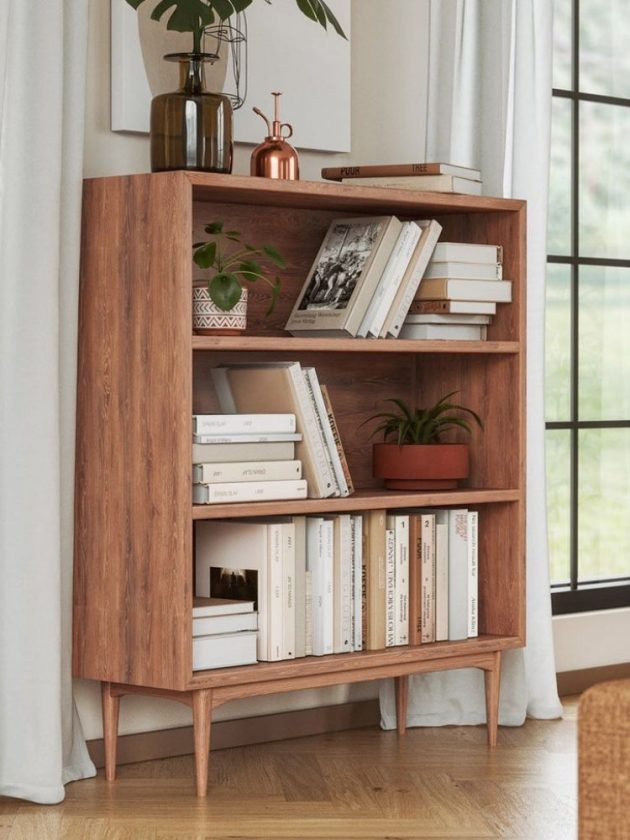
2. Thuma
Best for: non-toxic modular bookshelf
Thuma’s eco-friendly bookshelf is made from upcycled wood sourced from rubberwood trees no longer being used to source rubber. The brand’s bookshelf is also GREENGUARD Gold certified.
What makes Thuma’s bookshelf stand out to me, though, is its modularity — their Pillar Bookshelf can be set in 10 different configurations. And if you start with just a few shelves but later decide you want a larger bookshelf, you can simply buy an additional shelf or two to add on to it!