

Weather Guard Lightning Tech

Vestas’ Reality Check: Will States Heed “This is Not a Wind Farm”?
We discuss the new document from Vestas titled “This is Not a Wind Farm”, which criticizes the U.S. approach to offshore wind development and proposes solutions. Allen, Joel and Phil analyze Vestas’ suggestions and debate whether states will implement any of the proposed changes.
Sign up now for Uptime Tech News, our weekly email update on all things wind technology. This episode is sponsored by Weather Guard Lightning Tech. Learn more about Weather Guard’s StrikeTape Wind Turbine LPS retrofit. Follow the show on Facebook, YouTube, Twitter, Linkedin and visit Weather Guard on the web. And subscribe to Rosemary Barnes’ YouTube channel here. Have a question we can answer on the show? Email us!
Pardalote Consulting – https://www.pardaloteconsulting.com
Weather Guard Lightning Tech – www.weatherguardwind.com
Intelstor – https://www.intelstor.com
Allen Hall: Welcome to the special edition of the Uptime Wind Energy Podcast. I’m your host, Allen Hall. I’m here with Joel Saxum and Phil Totaro, and we are discussing the new document from Vestas called This is Not a Wind Farm. And if you’ve gone to Vestas website and looked at the U. S. offshore wind tab, you can find this document.
And you may want to follow along during this podcast because we want to dive into the details here. And remember that Vestas released this document during IPF. Basically the offshore wind energy symposium conference that happens in the United States this year down in New Orleans. And we felt like this document summarized some of the things that we have been feeling and seeing, but this is as proposed solutions.
Now we may not agree on all those proposed solutions as we’re going to discuss. But, at least they’re putting out, they’re putting their stake in the ground. They’re saying these are the things that need to be done to move the U. S. into offshore wind quickly. Let me give a little bit of background here, and I’ll list the items that Vestas has a problem with, or where the issues are.
The key problem areas are, and remember that there’s almost up to 50 gigawatts of offshore leases that are going to be proposed in the next couple of years. So in, from Vestas point of view, there’s a lot of real estate for, and for turbines to be put into the water. So this is the perfect time to get these US projects moving.
Now they list four to five. I broke them into five. Problem areas, and I want to go through the real quickly here. Number one, offshore bidders proposing projects are based on immature technology. So what Vestas is saying is that the turbines that are still on paper are being proposed for projects. Two there’s a lack of focus on the supply chain readiness to ensure the timely project delivery.
And generally what Vestas is talking about here is that if they choose a 20 megawatt turbine, all the supply chain has to be able to deliver a 20 megawatt turbine versus a 15 megawatt turbine in their case. State and local content mandates are leading to recent project cancellations along the East Coast.
Four, long lead times between offtake awards and project execution. Is leading to speculative bidding behavior, which increases cost uncertainty in the supply chain. And number five, as I’ve outlined it, there’s limited or no indexation adjustments within PPA. So once you lock in a PPA, you’re stuck with it forever, regardless of interest rates, so there’s no interest rate adjustment if interest rates goes up or down for that matter now.
All right, guys. So here we go. This is where I think it’s going to get a little contentious. There are four Vestas solutions here. Number one, prioritize the award of off take contracts to bidders that have selected turbine technology that is mature, tested, and commercially available to ensure on time project delivery and industry scalability.
Now, Phil, this is oriented towards turbines that do not have type certification yet. I assume we would have been talking about the GE 18 megawatt, which does not have type certification because they’re not going to build it. What are the turbines as Vestas implying shouldn’t be considered in these offshore contracts?
Philip Totaro: Turbines that already weren’t going to be considered, predominantly anything from China or whatever else, the Siemens, 14 platforms are all either already type certified or getting type certified, and so is the GE 15 and a half megawatt platform already or in process for type certification, so look at the end of the day what Vestas has put out is their little wishlist here of the way they want the world to work.
And it’s lovely and everything, but the reality is it’s a little bit self serving on their part. Some of the things that they’re suggesting would be helpful in general to the industry, but most of it’s just, Hey, if you did things our way, then we’d be winning a lot more business.
And. Sure. That’s true. Vestas. Thanks.
Joel Saxum: I think that the, when you talk about the, machines that aren’t ready of course it goes GE 18 megawatts. So now, if I think about that in my head, we’re looking forward 24, 28, I think the plan that the that Boehm put out at IPF is auctions all the way.
They planned out auctions all the way through 20, 28, 20, 2030, even. So we’re talking about for the next six years, right? Now the next six years, of course, there’s going to be someone at maybe even Vestas that goes, Hey, we’re going to make this, or, GE or whoever, we’re gonna make that, we’re gonna make this.
What they’re saying here in my thought process is, Let’s, those are no longer cool for bidding. Maybe there’s, you could put a change order in, if that, type of turbine is readily available, commercially available, mature at the time you build your wind farm, but you shouldn’t be able to bid on the idea that something else is going to be in place that works for it.
I agree with Vestas on this one.
Philip Totaro: Yes and no. See, here’s the thing, when they do one of these tenders in Europe, they bid an envelope. They say, we’re going to, we’re going to do something up to a 20 megawatt wind turbine. They don’t specify what the turbine is. I, and I, that’s why I don’t, Recall offhand, particularly in New York, if they were mandating a specific turbine be selected for the project permitting the OREC all the other submittals, I don’t know if they were mandating that a specific turbine model be specified as the preferred vendor, even if they didn’t have an agreement in place yet.
That’s one thing that potentially led to some of these consternations between NYSERDA as a procurement agent, on behalf of utilities and others and the developers and the rest of the supply chain. But again, look the market’s the market.
And the reality is a developer is going to submit a proposal with whatever They’re going to submit a proposal with for financial or other reasons that they have. And at the end of the day, it should be down to, if NYSERDA is the one issuing the OREC then it should be down to them to have sufficient technical expertise to be able to say, you know what, yeah, this is the best, tech, most technologically feasible, bid that, that we’ve received.
But that’s not even what’s happening. They’re getting bids from the projects that happen to be like the most mature in terms of shovel readiness in the, there’s not even enough projects that have been leased yet. You have a finite number of projects. You have a finite amount of offtake that you want to be able to procure.
Those are the, these are the projects. Like, why do we have to keep going back into this, all this rebidding and all this other malaise? When, okay, we know what the technology is today, or, a year and a half from now when they could, hope to be able to start, the offshore portion of the construction.
You want it, if you want to get projects done now, here’s what the state of technology is. Who’s serving as a technical advisor to NYSERDA? Nobody.
Joel Saxum: Yeah, that’s what I was going to hit on, Phil. I think you hit a big nail on the head there is, you’ve got all this, these things happen with Offshore Wind, NYSERDA, all these different agencies.
Who are their technical experts? Who are the people there that are reviewing the bids going, this is feasible for Offshore Wind or this isn’t? Because, And to my knowledge, I don’t know. I don’t want to point at that person on, maybe I’ll get some LinkedIn hate mail from someone at NYSERDA.
That’s me. You’re talking about, I don’t know. I don’t know who that person is, but as far as I know, do they have a team like an of Orsted type back office, people that know all kinds of things about offshore wind energy. I don’t think so because that doesn’t, that hasn’t existed in the United States.
So unless those people are Danish or British or Belgian
Philip Totaro: I’m sorry, Joel, that does exist in the United States. They just don’t use us. I’ve been doing offshore wind since frigging 2010, and I have not once been called by NYSERDA or any other state or local agency to provide expertise whatsoever.
Joel Saxum: So the resources are available and it’s not just me. There are others that have experience dating back to, decades and decades over in Europe, over in Asia. And we are not utilized. And that’s part of the other part of the problem is the people doing the procurement frankly don’t know what the hell they’re doing.
And I don’t care if I get hate mail I’m putting that out there. They just don’t know what they’re doing.
Allen Hall: Vesta said the same thing, Phil. Vesta said and solution number two is regularly evaluate supply chain infrastructure and interconnection readiness in state RFPs and prioritize the award of Octave contracts for projects that demonstrate maturity.
Okay, great. That sounds wonderful, but you were, who’s People or who are the people at the state level that have the skill sets to do that? So they can determine if the infrastructure is going to be there and interconnections are going to be there I don’t know how that works and I live in a state where this is happening right now I don’t get a great feeling like those people are World experts in this because you just don’t see them They’re hidden away somewhere And they don’t build confidence when you hear the governor or anybody of her staff talk about offshore wind It’s a very high level A lot of hand waving going on, which is what Vestas is complaining about right here.
Joel Saxum: Exactly this. You and I have met some people that are part of these organizations. And when you walk away from a handshake meeting with them, you go, this is the person doing this? You got to be kidding me.
Allen Hall: I always tell him to call Phil because Phil understands what this marketplace is and how to get these projects in the water and has other resources, which a state could use to speed up these projects.
But Vestas is calling out something we’ve talked about on the podcast a number of times. It’s going to be really hard for the U S to stand up an organization, particularly at a state level, to these, to do these hard work. Offshore projects because they don’t have the staff to do it know that they have a lot of people from Overseas that have done them in their staffs right now So it’s a lot of flying by the seat of their pants and vestas is calling them on it And this is probably the hardest thing for the state to swallow Because they’ve been trying to hide this in my opinion hide this that they are They don’t have the level of maturity in their staff to handle the climate projects as complicated as these are, and here we sit, right?
So Vestas is saying, everybody at the state, we need to get these supply chains figured out. You need to have a plan. And more than a plan you need to have a system in place, which I, Don’t think Vestas said specifically, they said a plan is not wind turbines in the water. You need a system and they haven’t set up the systems and they’ve had a couple years to do it, which is to Phil’s point.
They’ve had a couple years to get ready and now it feels like they’re being rushed because the systems are not in place to do these projects. Yeah, I think Vestas is right about that. All right. Number three, avoid awarding or heavily incentivizing bids with domestic manufacturing commitments in the state RFPs.
This is probably going to be the most contentious one that Vestas put forward because the New York and Massachusetts and the other states are heavily waiting, having local content, right? This is the GE factories that were supposed to happen and the tower factory that was supposed to happen in New York state that are not going to happen right now.
That’s a big problem for the states because they’ve sold the higher electricity rates essentially. Yeah. In terms of jobs, right? So yes, we may have slightly higher electricity rates, but we’re creating the energy ourselves and we’re employing your neighbors or maybe possibly you to get this work done.
So that’s an economic benefit to the state. It’s going to create thousands of jobs, bring in billions of investment. I guess in theory it could, but now Vestas is saying, forget it. It is a waste of time, and it is slowing down projects. Now Phil, you may have a little more insight into that. What specifically drove Vestas to come to this conclusion?
Philip Totaro: It’s, that’s a pretty easy answer because at the end of the day, there is no supply chain company in the world that likes local content regulations regardless of what they are, regardless of what country they’re in. They all want to have one factory producing all the components for, export to everywhere in the world.
And they don’t want to ever have to set up a factory in another country. It’s expensive, it’s time consuming, it’s this, it’s that. At the end of the day, Vestas cannot be relied upon for an objective view in regards to this particular point. Is local content good? It’s probably not quite as good as the politicians hope it is, but it’s probably not quite as horrible as supply chain companies make it out to be.
Let’s put it that way. At the end of the day, you the reason why politicians want and enact local content regulations is obviously they’re trying to do exactly what you just said, create jobs. And attract foreign direct investment to set up factories that employ those people, it provides them with tax revenue, and obviously the job creation is something that they can campaign on.
But at the end of the day. You, the, Vestas wouldn’t be complaining about this point if all the other points that are, we’re going to get to in this, the pace at which project development and approvals for projects occur, et cetera, et cetera, all these other things if that stuff was taken care of.
The factories would be getting built because there wouldn’t be this crazy uncertainty about whether or not the projects are going to happen. The, you can’t build a factory without a certain level of commitment in terms of order book. And this is what has led a lot of local content regulations around the world to fail, not just in wind energy, but you look at any industry where they’ve tried to do local content mandates.
This is what leads it to fail, is you mandate a local content regulation, but then you don’t guarantee an order book for the company that needs a, at least 150, units. Of wind turbines to be able to say, you know what, 400 units. If you can guarantee me that my company is going to be able to get that, then we’ll set up a, 250 million plus factory in, in New York or Massachusetts or wherever you want.
But you got to guarantee. That these guys are going to see a return. Otherwise you’re just asking them to plow hundreds of millions of dollars into factories, even billions of dollars into supply chain cultivation, because it’s not just one factory, it’s all the other ancillary supply chain companies that also have to, spool up or, shift over into offshore wind as a new market segment for them.
Nobody’s going to commit that kind of capital unless they know they’re going to get orders.
Joel Saxum: Yeah, so you’re making it more difficult for them to bring in, but telling them they have to do it, right? So you’re like, it’s chicken and egg, but someone’s a fox and the chickens, it’s, and it’s too wet for the chickens and they’re not ready.
And there’s, they’re on a boat sitting outside the harbor, outside the exclusive economic zone. There’s all these things going on, right? I don’t think I know what you’re talking about anymore, Joel, but keep going. But that’s the problem, Phil. Nobody does here. No, so the, a couple of things that are odd to me about this one is, or I’ll say from personal standpoint, I’ve been a part of projects.
I’ve worked on projects for a couple of years at different places in my career where you’ve had local content stipulations. And the supply chain or the work coming in is money guaranteed, right? It’s a big civil project, right? You’ve got fed money, state money, county money, whatever. So that’s there. So it’s going to happen.
But the people that were involved in the local content, the unions would get into it and the union guys tried to push people off. And then you had to hire so much and put so much money into the community and these kinds of things. And it didn’t, at the end of the day, it didn’t work out very well.
It was a lot of money spent on the one big project. There’s a lot of money spent in Chicago that. Was what was just wasted and it was just wasted to inefficiencies and it didn’t end up turning into anything at the end of the day when the job was over. Everybody just went back to their normal lives and didn’t do anything.
So those things don’t always work. The other thing I think is funny here is Vestas being a Danish company. Danish is a pseudo socialist state. I know that might raise some flags of people, but that’s what they are. And Vestas coming to America and saying, Hey, Stop with the pseudo socialism and be more capitalist is very interesting to me because it helps their bottom line because that’s what this is.
They’re saying like, hey, stop with the, guaranteeing people jobs and all these different things and just let’s go get it and let the market figure it out. That’s what they’re saying.
Allen Hall: Yeah. And what Vestas specifically said is if there’s a. Pipeline of projects eventually over time there’ll be local investment in the market will support new entries into that market.
The problem I have with this is that there’s, that’s just not going to happen unless you force the OEMs to do it because they’re just going to go to China or they’re going to go to Brazil or they’re going to go to India to source the parts. So if you’re talking about specific components that are going on to the wind turbine, rarely are they going to buy something that’s based in the States.
Maybe the tower, obviously because it has to be built somewhat nearby, maybe, but even now we’re bringing in towers from overseas, right? So if you cut them completely free of any U. S. product they will gladly go everywhere else in the world. It isn’t like they will slowly build up a U. S. infrastructure.
Look at onshore wind today. There’s not a huge in the United States. There’s not a huge onshore. Wind infrastructure being built here is being built in Mexico. It’s being built in Canada. It’s being built in China It’s being built in India.
Joel Saxum: So Let’s index it like you would a plan as the general mark or the as a capital market would accept it so let’s say today 30 percent must be or 20 percent must be local content right and 80 percent you can bring in just so we get some stuff moving and then Next year we go to 30 percent 40% by 2030, we’ve got to be at 80 percent or whatever that is but lay that out. So we don’t, so the time, because you’re, what you’re doing is yours.
We always talk about energy transition. I have this conversation with a lot of people and they say, electric vehicles, bad oil and gas. Good. We can’t just stop it today. No, it’s called a transition because that’s not how things are going to work. This is the same thing. You can’t expect a nascent market to immediately turn on overnight.
You have to let it be gradual. So why don’t we dictate some of this local content now and then gradually increase the local content in all of these contracts as we go forward.
Allen Hall: The IRS tax regulations were supposed to be helping this situation Phil?
Philip Totaro: And the thing is that these 45x manufacturing tax credits that were put in place for new component manufacturing to occur within the United States isn’t even apparently enough of an incentive.
Again, it goes back to order book. It’s the fact that you can get whatever 15, 20, 25, 30 percent almost tax credits on some of these things, it’s not even enough of an incentive to get, mostly European companies that are going to be the ones who come over here and establish factories for towers, foundations, transition pieces blades, nacelles.
Gearboxes, you name it. Because everything, in order to qualify for the 45X, it’s actually pretty stringent. You can’t just source stuff from India and assemble it here, or China, or wherever. You’ve actually got to build it here. So that’s gonna fundamentally change the way that a lot of companies operate, and it is gonna change the cost structure.
So the fact that they’re offering these tax incentives is good but that only allows companies to, to break even. Absent any more meaningful order book commitment beyond, three, four, five, six gigawatts, which is what they can commit to at this point. That’s what’s firm.
Joel Saxum: Yeah, especially when you’ve got to fill a factory, a brand new factory, with union workers that are making 15, 60 bucks an hour.
Allen Hall: Makes it hard. Okay, let’s get to number four. Solution number four. Because I think this is where everything revolves around itself. This is the chicken and the egg. Build indexation into PPAs or ORECs to enable benefit and cost sharing between awarded projects and rate payers and increase the resiliency of projects to withstand future uncertainties.
So this is Phil’s point. Unless there is an economic certainty to these projects, you’re going to Have a lot of projects that close shop up and have to restart over again, because they’re locking in the PPAs early, but we’re looking at a hot area environment, you’re not sure what’s going to happen 3, 4, 5 years down the line, it needs to be indexed.
And indexation would, as Phil has pointed out numerous times on the podcast, indexation would take time. The RICs down, not eliminate them, but at least reduce it so that you can plan out what the future may look like. And Phil, I want you to touch on this because Vestas is obviously pointing this out.
It seems so obvious, but none of the states have done it right now.
Philip Totaro: Yeah, so there’s a couple of things here. One, they’re right. None of the states have really taken that into consideration. They’re basically relying on the companies who are going to pull out and then re bid their projects to re bid at, an inflation adjusted OREC offer price, basically a PPA price that takes into account that adjustment for inflation.
And the problem is. I guess you could argue like the good news right now is that inflation is still somewhat high. There’s still some indications on GDP in the United States that, that seemed to point to, inflation being high and we’re just in this scenario where.
If you’re going to do a PPA right now, this is probably the best time to do it if you want a high PPA because it’s, you’re probably not going to be able to go much higher without the Fed having to do something about it. And the Fed’s kind of eyeballing stagflation at this point where, we basically stay at the price levels that we’re at and the inflation rates that we’re at, or sorry, the interest rates that we’re at right now.
For the foreseeable, because, that’s just how everything is playing out at the moment. So that’s one aspect of it. The other one is if you look outside renewable energy procurement, other fuel sources are, because they’re commoditized. Coal, natural gas, what have you, there’s an automatic inflation adjustment baked into those procurements because when you’re procuring something, power that’s being generated by coal or natural gas, if the cost of natural gas goes up, Which it does.
That’s, the utilities are having to price take whatever that is, and then sell it to you as a an eye is electricity consumers with, whatever margin they’re going to put on top of it. And so the more that increases, the. More frequently they have to necessarily raise rates and when the price of like coal or natural gas drops back down It’s just more margin for them that they don’t you know, it’s not like you ever get you know When’s the last time you had your electricity rates reduced?
It’s not impossible, but it’s extremely rare, isn’t it? So You know that’s really the scenario.
Joel Saxum: Phil, could you see a distant future and maybe a not so distant future, I don’t know, where we have a globally interconnected electricity grid, HVDC or something of the sort where electricity becomes commoditized to the point where it becomes unregulated and traded like natural gas and oil and gas.
Philip Totaro: Because nobody signs a PPA I’m just saying a price, how about a PPB, price per barrel, for the next 20 years that I’m going to get out of this well, that’s not a thing, because it’s, because you have to complete, you have to compete in the global marketplace, right?
Let, so let me answer your question though, no I don’t see a global, some countries already do have energy trading and market balancing between the two countries.
Or, obviously in, in a place like Europe, you could see that happening given the proximity and the fact that they’re already building or planning to build additional transmission capacity to be able to handle that sort of thing. I don’t ever see A distant future where there’s necessarily like a global electricity market like that, like you just described, but there, there is a shift towards wanting to, to push things in the direction of having more integrated.
There is a distant future, for instance, in the United States where I could see all the ISOs getting together and saying, we’ll allow energy trading between the ISOs. Which doesn’t happen today, of course, but I could see that happening at some point in the future. I could see, other countries like Japan where they have, their energy market split between kind of the north and the south, southern regions of that country.
I could see them figuring things out and normalizing everything at some point. Same goes for other countries, maybe Brazil too, where they have things separated state by state a little bit. Yeah, there’s there, there’s always ways to make things commercially better and more efficient.
I don’t think we’re quite there yet, but that is a scenario that could happen and facilitate a lot more of a fair market for everybody.
Joel Saxum: And that’s why I asked the question, right? Because at the end of the day, yes, we’re talking about if interest rates and financing and violent investment decision and technologies and all these different things.
But at the end of the day, all of these problems for offshore wind boil down to PPA price. And if we could find a way to agree on PPA prices that facilitate good news for developers and cool for the rate payers, which might not be the same then this, these problems start to eliminate themselves.
Allen Hall: So which states are going to make changes based upon this Vestas document?
Philip Totaro: Certainly not New York. Allen, let me read you a headline from a Danish newspaper. It’s it’s called Energy Watch. It says, Industry wishes have been accommodated in 40 billion euro tender conditions reveal. That’s in Denmark.
Do you ever in your friggin life think that the state of New York, New Jersey, Massachusetts, or anybody else is going to accommodate this? It’s it’s a wish list. This is a wish list from Vestas. However, what I will say is two things on this. Number one, yes, we can compliment Vestas for having the foresight to be able to put something like this together, put it out there, etc.
Fine. It is a wish list, and so the other comment is, it would have been better for them, especially having released it at this Oceanic Network event. Where is the engagement from ACP, the Oceanic Network, the other OEMs, to, you know what, let’s work together to put out a roadmap that everybody in the industry is behind, as opposed to just one company.
Let’s do something here. Because this one company putting out their wish list is never going to get anything done, engaging the industry trade associations and lobby groups that are supposed to be championing the industry. Maybe that’ll get something accomplished. I don’t know.
Usually doesn’t.
Allen Hall: But anyway, what technical knowledge is ACP? Bring to the table. What system knowledge is ACP bring to the table to help New York? None, right? They don’t have any, or at least I haven’t seen it, but it has to come from a committee. If it comes from a committee, you have the people on it, right?
Joel Saxum: If you’ve got a committee, that’s full of people from Orsted and Ekenor and Shell and whoever else is a developer. Then you can bring that committee forward.
Allen Hall: But you have to create the systems at the state level. You have to have people in seats knowing what their job is and an expectation of completing that task in a timely manner.
Joel Saxum: And you just don’t have that right now. What you have is a lot of, I wish, I want, it would be nice to have, written down on a piece of paper. Rather than action. Companies like Orsted have to take all the burden onto themselves and then eventually the OEM of the turbine have to take all this burden upon themselves.
And they’re saying, we’re not going to do it. If that has not become evident over the last six months, then the states are just not paying attention.
Philip Totaro: That, and this comes back to the inevitable disconnect that I have talked about on the show a couple of times where, okay, If the states don’t have the expertise, the industry, trade, and lobby groups don’t have the expertise Leverage the expertise.
That’s what I keep friggin saying. The expertise exists. Whether it’s my company, somebody else’s company that’s had experience in Europe, going back, more than a decade. Whether it’s, bring in the Europeans to advise. There are plenty of European based consultancies if that’s what it’s gonna take.
But at least utilize the friggin resources that we’ve got. And we can actually move things forward in a time efficient manner, because we’ll be able to tell you whether or not something passes the sniff test in about ten seconds.
Joel Saxum: Here’ll be a difference. Watch when offshore wind comes to the Gulf Coast.
It’ll be a completely different matter. It’s gonna get done like that, compared to what’s happening on the East Coast. Or even this one. If you want to get offshore wind done on the East Coast, Move it down to the Carolinas.
Allen Hall: You’re
Joel Saxum: better off.
Allen Hall: Yeah, you’re more likely to get them done sooner because there are systems in place to build things down there in Louisiana and Texas where there’s, hasn’t been in a long time in Massachusetts.
Joel Saxum: And the people, and the government agencies aren’t gonna, if you’re in the state of Texas and you wanted to connect some more energy resources, and somebody’s standing in your way, Greg Abbott will go to that person personally and tell them, Stop this. Let’s get this done. That’s how it works down here.
It’s the same thing in Louisiana. You want stuff done, you talk to the Louisiana, the parish mafia that you’re working out of and it’ll get done. But Vestas is seeing
Allen Hall: this, right? I think the key is, now, you shouldn’t see GE do this. Maybe GE is wondering how this is going to play out, and it seems Gamesis is so tied up in other problems that they’re going to, I’m sure, stay out of this one.
But do you feel like Vestas? Because they are now projecting themselves as the leader, we’ll get more bids that they will be involved in more projects because they are a systems company. They look at things quasi logically, that why wouldn’t you want to choose a Vestas over a Siemens?
Joel Saxum: I think there’s, I think if I’m an offshore wind developer right now, Vestas, to be honest with you, Vestas is the turbines I’m looking at, and here’s why.
Siemens has got its own problems right now. Whether it’s technical or financial or commercial, I don’t want to get into that mess. GE right now, just spinning off. They look to be on the rise, right? Everything looks to be, the GE thing has gone great, but I’m still looking at it going I might just for this first wind farm, I’m going to go with something that’s more.
That’s more safe. The safe one for me is Vestas right now.
Allen Hall: So Phil, what are our next steps here? What do you think happens next? Now that Vestas has made a little video, put this out on the street, what happens now? Do we see somebody act on it? Do you think ACP will act on it? Do you think Oceanic Network’s gonna act on it?
Or will it just wither away and be ignored? Because it’s
Philip Totaro: too logical. The latter, yes. Dore Doreen Harris, who’s the head of NYSERDA, is not gonna take any of this into consideration. She has, to her credit, at least, acknowledged that for Round 5, which they’ve just announced they’re gonna start the procurement there in New York, that she’s gonna be a little more flexible.
I don’t know what that means, but apparently we can expect them to be more flexible. There you go. That’s as much as we’re gonna get in the industry as far as what government’s willing to do to work together in a collaborative fashion with the people who are trying to bring billions, if not trillions of dollars in investment to their
Joel Saxum: state.
If you’re interested in furthering this conversation or any other conversation we have on the podcast, Booth 434 ACP Clean Power in Minneapolis. We will be there all next week. I think this is going to come out on Thursday and we’re all traveling over the weekend, right Allen? Yes. So if you’re interested in any of these topics, come and see us.
We’ll be on the show floor.
Allen Hall: Stay tuned to the Uptime Wind Energy Podcast because we’re going to bring you the latest Investus news, offshore news, OEM news, so you know what’s happening out there on these projects that need to be put into the water and do need to be completed in a timely manner.
What will we be following yet? So stay tuned!
https://weatherguardwind.com/vestas-states-this-is-not-a-wind-farm/

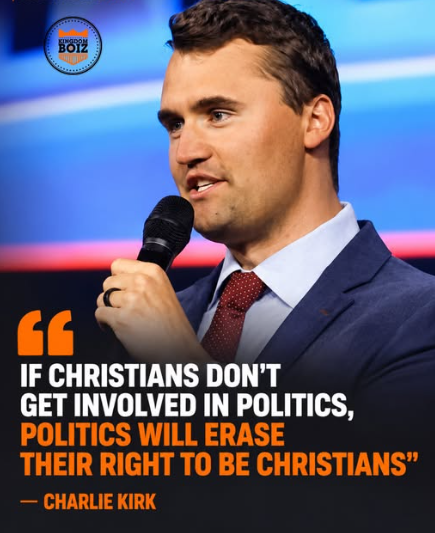 I suppose there are people who believe that the radical left is on a path to make Christianity illegal, and perhaps to install Islam as the official religion of the United States. This is remarkable for two reasons:
a) Every schoolchild in America learns about the First Amendment’s guarantee of freedom of religion at a very young age, and
b) This country made it successfully though 250 years with no one being ignorant enough to bring up this ridiculous concern.
One would hope that this figure of near 60% would indirectly translate into Trump’s ouster before he can take full control of the U.S. government.
We vote Trump’s stooges out of office in November and replace them people of honor. Trump is impeached, convicted and removed. From there, justice takes its course.
Nordex Q3 Orders Jump 30%, Vestas Bets on Australia
Nordex Q3 orders jump 30% and Vestas lands about a gigawatt in Australia. Plus why turbine factories skip Australia, high project costs, and whether batteries can replace coal.
The Uptime Wind Energy Podcast is brought to you by Weather Guard Lightning Tech, creators of the StrikeTape Ultra LPS retrofit. Subscribe to Uptime’s Substack newsletter. And check out Rosemary’s “Engineering with Rosie” Youtube channel. Have a question we can answer on the show? Email us!

