

Weather Guard Lightning Tech
Vattenfall 1.6 GW Farm, AI Learns to “Cheat”
Allen and Joel discuss Nylacast’s article in PES Wind Magazine about corrosion solutions in offshore wind and Vattenfall’s major investment in Germany’s largest offshore wind farm. They also talk about MIT’s strategic alliance with GE Vernova and the ethical concerns around AI in engineering.
Sign up now for Uptime Tech News, our weekly email update on all things wind technology. This episode is sponsored by Weather Guard Lightning Tech. Learn more about Weather Guard’s StrikeTape Wind Turbine LPS retrofit. Follow the show on Facebook, YouTube, Twitter, LinkedIn and visit Weather Guard on the web. And subscribe to Rosemary Barnes’ YouTube channel here. Have a question we can answer on the show? Email us!
Speaker: [00:00:00] You are listening to the Uptime Wind Energy Podcast brought to you by build turbines.com. Learn, train, and be a part of the Clean Energy Revolution. Visit build turbines.com today. Now here’s your hosts, Allen Hall, Joel Saxum, Phil Totaro, and Rosemary Barnes.
Allen Hall: If you checked your mailbox or checked online, the new PES Wind magazine is out and it is full of great content this quarter.
There’s a very interesting article because we’ve been talking a lot about offshore wind and some of the problems with offshore wind as one of them is corrosion. Just betw between us engineers, it comes up quite a bit. Like, why are we making things outta steel that you don’t need to make outta steel, why you’re not making them out of plastic?
And that’s what, uh, the people at, uh, Nylacast engineer products are doing, um, on some hang off clamps, Joel, uh, which are traditionally really cheap clamps that are made outta steel and rust like [00:01:00] crazy.
Joel Saxum: Yeah. You know, from my oil and gas offshore background, that was one of the things that was always a pain in the butt.
IIRM contracts, as they call ’em, offshore inspection, repair, and maintenance. There’s so much focus on coatings, paint coatings, paint coatings, and it’s a special coating, and it’s this, and you can only apply it during this, and everything has to be painted. And if you can’t allow rust to start anywhere on an offshore facility, it’s in a high corrosion environment, right?
You have salt water, salt spray temperatures, it’s always kind of wet. It’s a marine environment. And so erosion moves very fast, right? So in the, in the oil and gas world, they started creating some things out of like HDPE, which is high density, polyethylene, plastic. Um, it’s even so dense. You can mill it.
It’s really cool stuff. But that’s what, um, the PO the kind of Nylacast engineered products is working with some of these plastic products to replace some of those components in offshore wind turbines that are a pain in the butt to maintain. So when we talk about these hang off clamps. [00:02:00] They grab the cables and other things and they, and they hold them in place in the turbine as need be.
If those are made outta steel and have a coating on ’em, and you get a little bit of vibration and that coating starts to wear away or starts to get a little bit of rust, you’ve got a huge problem. You’ve gotta take the cables out, you gotta take the things off, you’ve gotta replace ’em. You gotta either replace them or you gotta grind on ’em and repaint them.
It is a nightmare. So they’re, what they’re doing with these, um, uh, hang off clamps that are, you know, basically plastic instead of metallic. Or a plastic type instead of metallic is there, they’re removing that need for IRM contracts in the future.
Allen Hall: I think it’s great. It makes a ton of sense. And I’m surprised you haven’t seen more of this because, uh, nylon and and derivatives in nylon are easily recyclable.
It does fit all the things that wind energy is looking for. It doesn’t. Rust recyclable, easy, lightweight, simple. We need to be moving this direction. So if you haven’t checked out PES Wind, you go to PS wind.com and download a [00:03:00] copy. Or if you are at Wind Europe when this episode comes out, it’ll be during the Wind Europe event.
Uh, there’ll be plenty of PES wind hard copies available just. Stop by and grab one. It’s well worth reading a lot of great material this quarter, so check out PESWind.com. Well, Swedish Power Utility Vattenfall has made final investment decisions for two wind farm projects in the German North Sea. The Nordic one project is set to become Germany’s largest offshore wind farm, which marks a significant expansion in Germany’s renewable energy capacity.
Now Vattenfall has approved construction of Nor Lake one and two wind farms. And they’ve also bought back Joel, uh, 49% stake that BASF had. And the, the total capacity of the projects is 1.6 gigawatts. That’s a lot of power with construction. It’s set to begin in 2026 and full operation is expected by 2028.
[00:04:00] And this is gonna power about 1.6 million German households. This is a huge project.
Joel Saxum: I think it’s really cool to hear this about the offshore wind sector, right? So, so much, whether it’s in the US or elsewhere, not a lot of good news, right? We had the Danish, uh, auction news. It didn’t really go anywhere for a little while.
There was a German, uh, auction that was, you know, had a really low subscription rate. So the fact that, uh, Vattenfall is charging forward, and, and this is a key thing too. And we’ll talk, you know, Phil’s usually here to talk about this, but final investment decision is a big milestone, right? There’s all this, you can, these offshore wind projects are being worked on for 6, 8, 10 years before you get to this stage, you know, you’re, you’re looking out, um, doing sub seed mapping and site characterization and all the permitting, and getting all the PPA stuff in place and signing these contracts and all these different things.
And then you finally get to final investment decision and once that is debt box [00:05:00] is checked, then you’re moving. Right. So final investment decision right now, Alan, and it looks like 2026 is gonna be the start of construction. What do you think they’re looking for right now? Are they signing contracts for vessels?
Is that, is that next on the list? It
Allen Hall: has to be right because they signed an agreement with Vestas for 68 turbines. Now this is really fascinating because it’s the V 2 36 15 megawatt turbine, 68 of them. Now, the big discussion about offshore is been, is 15 megawatts enough and should we be pushing to 20 or higher than 20, which is where Siemens GAA appears to be going.
But uh, that and fall sticking with a 15 megawatt turbine. I do think makes a lot of sense because it is less risky and risk is a huge concern at the moment. But Vest has also got a comprehensive long-term service agreement, which has been their, uh, mode of operating for a number of years now, and which [00:06:00] you hear a lot of operators offshore talk about not wanting a long-term agreement, but it seems like Europe is still sticking with it and Augustus is obviously.
Pushing it, uh, at the moment, but 15 megawatts long-term service agreement. Does
this
Joel Saxum: make sense,
Allen Hall: Joel?
Joel Saxum: I think so. And one of the reasons for Vestas as well is we know, ’cause we have someone in our network that used to be operations for Vestas, uh, for the offshore stuff, is they, they’re very well versed in it and they have the facilities and the Keyside facilities ready to go.
So Vesta is, uh, it’s not like, oh, we have these, you know, this gigawatt of order. Fantastic. We got the service contract. Fantastic. Now we need to do all this prep and this build out and figure out how this operation works. That’s not the case. Vestas is ready to rock. They’ve got their own keyside facilities, they have the teams in place, they can make this thing happen and that 15 megawatt turbine, I think it’s interesting that you say this too because you know the other one, um, from the Western OEMs that we’ve been following is that Big Dog 21 megawatt, I think from Siemens Mesa.
[00:07:00] That’s, but that is currently being tested. So to take final investment decision, you have to engage your insurance companies and your banks. If they’re not gonna sign a contract for a turbine that’s still under testing at this stage. Right? This is a, you’re talking a gigawatt of, of turbines at, you know, that’s a billion dollars, that’s a billion US dollars minimum in just tur a turbine order.
Right? So, so just in those turbines, that’s what that thing looks like. And, and if I’m fat and fall, uh uh. And fall. Of course, they’re, they’re developing a lot of on onshore power. They’re a part of some other offshore wind farms. But this is a big, big undertaking and I think you want, when you’re, you know, you’re taking, looking at final investment decisions.
You’re in these conversations with the banks and the insurance and the people that want to de-risk the investment. I think that’s where the, the Vestus thing steps in. I think that’s where it looks good, is de-risking the operation.
Allen Hall: Does esa. [00:08:00] Have a problem now that Vestus seems to be scoring with a 15 megawatt turbine.
It does. The Siemen SC MEA effort get, or the pathway get more difficult because like you said, they’re gonna have to have somebody buy a number of these turbines and it’s gonna have to demonstrate a decent service life for a year or two before you start to see a lot of people jump in and start to purchase those turbines.
In the meantime, Vestus is gonna be. Just building 15 megawatt turbines, one after the other. Does that start to weigh on Siemens cesa in terms of what they want to offer?
Joel Saxum: I don’t think so. Um, and the reason being is, is that 2021 megawatt machine that they’re testing right now is they’re trying to future proof their organization, right?
They’re trying to make sure that for the next push, they’re ready to go. So what’s gonna happen there, in my mind, is when the industry’s ready to make that next step forward, Vestas won’t have an offering. So Siemens will, right? So they’re gonna step into that hole, right? And so right now we [00:09:00] know, uh, Siemens cesa, while they had some troubles with the four and five megawatt onshore platform during that period, their offshore platforms are completely built different.
So the Siemens cesa offshore platforms, they didn’t really slow down in sales. They kept chugging along, right? Like I think, uh, there’s, you know, um, revolution in the States as the Siemens GAA turbine platform. Um, so I don’t, I don’t think it’s gonna hurt them right now. Or, I mean, let, let’s take this one, like you said in the future, I don’t think it’s gonna hurt them right now.
It kind of, it’s kind of painful to be probably on that team, in sales team and watching these, these things roll out and, oh, Vestas is doing this, Vestas is doing that. Um, but I think that, uh, they’ll be okay. It’ll be okay for them in the future. That’s just my take on it.
Allen Hall: That’s a good thought. Well, another thing happened in regards to the Nor Lake Offshore Wind Farm, Helena Bistro.
Who was Vattenfall wind business leader as announced her resignation and is gonna be stepping down from her position. This is kind of big, right? [00:10:00] She’s been there a long time. She’s been the head of that business area for quite a while. Bistro cited a desire to prioritize other things in life after 42 years of operational work.
Okay, so. When I first read this news story, it was kind of popped up in a number of places. Like, oh, there’s been big changes at Vattenfall. And then you read, well, she’s been doing this for 42 years. That’s a long time. And she just made, or just locked in, really, I. The largest offshore wind farm in Germany.
That is something to go out at at the top right. If you’re gonna go out, go out at the top.
Joel Saxum: I think she just did that. Win the Super Bowl and then retire. Just be done. Right? Like, like I, I’m with it. Like, yeah. I think that that happens sometimes in, you know, whether it’s wind, aerospace, the industries, you know, we’re always looking at all kinds of different industries, but when you see these big changes, if it’s a change of someone that they have an organization when they’re like 50.
I know this being ageist, right? But you’re like, Ooh, what’s going on over there? But sometimes [00:11:00] someone’s just retiring, right? Like sometimes it’s like, Hey, am I’m done here? You know? So not all changes in organizations mean good or bad news or, or whatever they may need. Sometimes it’s just, Hey man, I’m done here.
I’m, I’m riding off into the sunset. And you know what, uh, uh, he Helena Bi Bistro here. Or bistro doing this right after signing that thing FID on this big thing. You know what? Boom, springtime is here. I’m gonna enjoy not only my European summers that I usually do, but European summers for a long time now.
Allen Hall: Yeah, it’s a total win. I just didn’t understand the news reports, thought they were totally off on this, and congratulations to Helena because, uh, job well done
Joel Saxum: as busy wind energy professionals staying informed is crucial. I. And let’s face it difficult. That’s why the Uptime podcast recommends PES Wind Magazine.
PES Wind offers a diverse range of in-depth articles and expert insights that dive into the most pressing issues facing our energy future. Whether you’re an [00:12:00] industry veteran or new to wind, PES Wind has the high quality content you need. Don’t miss out. Visit ps Wind.com today.
Allen Hall: Well GE renova and. The Massachusetts Institute of Technology have formed a new strategic alliance aimed at advancing energy technologies and developing industry leaders.
The partnership will focus on accelerating innovation in electrification, decarbonization, and renewables. Now, GE Renova is committing $50 million over five years to this partnership, and it’ll fund research initiatives, student fellowships and internships. That, uh, researchers obviously, and a lot of that’s on electrification, right?
That’s where Chii Renova is focused on. It also, uh, fund about 12 research projects annually, and three master’s students per year will conduct policy research resulting in published white papers. And it looks like they’re gonna have a symposium together at MIT, kind of a joint symposium. [00:13:00] Now, when I first read this, Joel, I thought, wow, this is kind of innovative.
GE Renova just recently moved to Cambridge, which is right next door to MIT and to Harvard. And I know that one of the things about GE moving, uh, Renova moving to that area was that they wanted to build a relationship with universities and try to grab some talent out of there. That makes sense to me.
The odd part about this is MIT doesn’t need the money and MIT. Should be creating students or graduates that are really focused on renewable energy already, and you should see a lot of impact from those students. I think the issue for me is I really haven’t seen as much as I would like to have seen and if, uh, MIT engineers are smart and obviously they are.
Where’s the impact? Uh, and I, I did, I used AI to go look right. I mean, let’s use something that simplifies the process a little bit. And AI is really [00:14:00] looking at MIT and saying they’ve done some work on ya optimization, like on offshore wind farms. So pointing the turbines in slightly different directions to increase power output.
There’s other companies that have been doing that for years that that research is not innovative.
Joel Saxum: Yeah, that’s commercialized.
Allen Hall: Yeah, it’s, it’s commercialized. There’s a lot of companies that offer it, have been offering it for quite a while. So what’s new? I, I don’t know which. You know, GE Renovo can do whatever they want with $50 million.
It does seem like the American universities may not be that place.
Joel Saxum: Yeah, I just, just, just a crackdown of the dollars. Right. $50 million over five years, funding 12 research projects, and that about basically equates to a million dollars per research project with some master’s students funded, thrown in there.
That’s great. I love to see that, but I’m a hundred percent with you. You know, if you, if you watch, I like to watch the innovation space. So I watch these, um, VC companies and I kind of [00:15:00] look at their, their posts and what they’re talking about and stuff. And you see regularly that on the commercial capital side, Europe is way behind the states on innovation funding.
Flip that thing into universities. They’re, they are doing so much more with the, with the dollar per output at their universities. That’s actionable. That actually works for industry than we are. Right. We talk about this all the time in private, but you have the DTUs and, and such over there. DTU puts out just gads of research.
I’ve been a part of some of the research programs when I was, you know, working for a Danish company and the, and it’s like. Research on leading edge erosion and how can we solve that today? Research on this weather pattern and how we can solve this today. What’s that? Doing research on structural loads for turbines and what does that mean and how can we share this with the industry Blade designers and these kind of things are regularly happening in Europe.
At that university, the same level [00:16:00] of the MIT type thing. But in reverse in the US you don’t see whether it’s funded research at universities or it’s funded research from the government. At Government labs, you don’t see that many things coming out that are actionable today, right? You see some reports about things that are kind of neat and maybe future, future wins involvement, and we need to look at the future stuff too.
I get that, but when I see $50 million going to a university, I, I’m thinking, man. If you gave me just a portion of that, I got, we got all kinds of ideas that we can, we can look at that could solve things tomorrow in the industry. And I think that’s what, where we’re at, the, the, the wind industry. I love it.
But, um, we have some black eyes. We have some things we need to solve, some, some ongoing issues that, uh, that are painful. And I think that, uh, throwing money at MIT is not the right way to solve them. That’s just me.
Allen Hall: I was just looking to see what MIT’s endowment is, and it is about $25 [00:17:00] billion right now, so $50 million is a drop in a bucket, which goes back to back to my first point that MIT should be doing this already.
They have plenty of research funds. They have plenty of smart people. If they care about the planet and are trying to be out in front of renewable energy, they would be doing the work already. I know that, and I think the response back is gonna be, well, they’ve been working on solar cells and Sure,
Joel Saxum: okay, that’s fine.
What about spreading the love? Right? What about take 50 million? What? Why not give MIT 10 million? Give Texas Tech 10 million. They have a win program. Give Georgia Tech to 5 million. They got some stuff. They’re doing some stuff in Wind. University of Wyoming’s doing some stuff in wind. North Texas is doing some stuff in wind.
Why not spread that around to the universities that are already working in wind or start a center of excellence at a university where we could get more wind people
Allen Hall: involved. Well, I just hate feeding the bureaucracy more than anything else because it does seem like when there are grants going into colleges and universities.[00:18:00]
When I watch them and see how they behave, and we’ve been sort of peripherally attached to some of this and watched it happen and decided to step out because the bureaucracy is taking so much of the funds that there is very little left to do real research and whatever research there is produced kind of goes into a black hole because it’s not applicable.
That’s a frustrating point. It can’t do that anymore. The bureaucracy can’t take 30, 40, 50, 60% of it and leave a little bit for actually doing something useful. It needs to flip, but that’s not what happens right now and that’s what worries me the most. It’s, you know, I don’t wanna get into details about some of the things we’ve been affiliated with for a brief, brief amount of time, but I do think that if they’re going to anybody.
Is going to give to a university to think hard about that and really figure out where your money is going. If it’s going to feed a a bunch of [00:19:00] paper pushers, maybe find another way to use those funds to push your products or your ideas forward. Output per dollar. Real output per dollar. Yeah, it’s gotta have.
Something come out of it that’s, if it’s public use, great. Publish it. And that’s the other thing too. I’m getting on my high horse here, but when they publish some of these things, they’re always buried in journals that cost a ton of money to, to even review the research, which I feel like to American taxpayer has probably paid for.
It’s much easier to get the research out of a European college or university than it is an American one. Strangely enough,
Joel Saxum: I saw a, a joke the other day online, and it was like, it was a, it was a research paper about, uh, the general public getting access to research, but it was behind a paywall. It’s bad,
Allen Hall: Joel.
It is really bad. I mean, you could easily pay well on some papers. Some of the lower cost ones are gonna be in a 20, $30 range. [00:20:00] It’s easy to get into the hundreds of dollars for a single research paper. And I kind of get it, except if it’s funded by the federal government. Those things should be just published.
You know, there’s a thing called Google. You can create a website, you can publish it. Google Scholars is a thing. You can publish it there. There’s a lot of ways to do this, which are free, but in ResearchGate is another one. There’s a lot of ways to do it that are free, but in order to get it to count, and a lot of the people that are doing the research are trying to get their PhDs.
In order for that to count, it has to be in, in a. Periodical, it’s gotta be reviewed by some people before. It can be blessed to be public knowledge at some level. It’s creates sort of the, a money changing or it creates a system that, uh, encourages. The selling of access. Let’s put it to you that way. Which [00:21:00] is unfortunate.
It doesn’t need to be that way. It didn’t used to be that way, but it is now.
Joel Saxum: And I think, I think there’s one thing too, to like monetizing or, or the capital markets monetizing ip, that’s one thing. But when it’s demo de, when we’re talking about de, we’re talking about democratizing research, not. Industry trade secrets or something of that sort.
Allen Hall: When I read about NRA projects, uh, like, oh, nras done this thing and I try to go find that paper and it’s in some publication that I have to go pay for, that just burns me.
Joel Saxum: It really burns me.
Allen Hall: Didn’t
Joel Saxum: I already pay for this in my tax bill?
Allen Hall: Yeah, pretty sure that I did, but now I gotta pay some random, uh, paper producing organization, uh, 30, 40, 50 bucks to get access to this paper, which.
Joel, you’re right. I have already paid for. There’s something not right with that system. Don’t let blade damage catch you off guard OGs. Ping sensors detect issues before they become expensive, time consuming problems from ice [00:22:00] buildup and lightning strikes to pitch misalignment and internal blade cracks.
Ping has you covered the cutting edge sensors are easy to install, giving you the power to stop damage before it’s too late. Visit eLog ping.com and take control of your turbine’s health today. Well, we’re almost reaching Terminator stage, Joel, with this open AI thing because there is concern about the AI models finding ways to cheat and to hide their reasoning, and it’s called reward hacking.
And OpenAI is saying, as AI becomes more sophisticated, uh, monitoring, controlling the system. The thing that they’re producing becomes increasingly challenging because it wants to find loopholes. Now my only question is you created this thing, I guess it’s got a mind of its own now, but it doesn’t. It’s a large.
Language model. It doesn’t have, uh, a [00:23:00] conscience, I wouldn’t say was, but, uh, or it doesn’t have a soul. Probably that’s another way to describe it. Uh, but it’s finding ways to cheat the system. ’cause it’s getting rewarded somehow. And my question is, well, one. What is rewarding? It mean? Like how does an AI system get happy?
Uh, what’s a dopamine hit here for some electrons? I don’t know. And second of all, how the heck are we gonna be able to know that it is. Telling you inaccuracies, and this is really troubling when it comes to things like software code engineering work. Like I was designing a building and I was using AI to do some calculations.
I would be really concerned about that. Is it actually doing the work that I think it’s doing, or is it just spitting out something to get you off? Because it’s, it’s, you’re using too many resources, right? It’d rather throw you ads about Amazon products than to tell you how to build
Joel Saxum: a building. I’m not an AI [00:24:00] expert, um, but I had a really good conversation last week.
So we did that, uh, we did that awesome webinar with Sky Specs, and when we were talking with them, we were talking with Dave Roberts, who’s the new CEO over there. And he brought up a term that I didn’t know and he said, agen ai, because of the last few years, it was like, you know, algorithmic things and generative ai, so gen ai and that was kinda the hot button thing.
Now, agen ai, that was a new concept for me. So I actually reached out to someone in my network, it’s uh, that is an AI actual expert. And I said, tell me what this syngen AI means. The difference with Agentic AI is, it’s like, it’s some, it’s an agent, right? It’ll do something for you. And so you can run it like, like generative ai, but it’s like the next level of generative ai.
But you can add that into any model and give it goals. Like if you’ve ever fi used the, um, Excel, there’s the find zero function. I love that one. It it for, for building business models and stuff, find zero is, is [00:25:00] fantastic. But it’s kind of like find zero on steroids, right? So you could tell it, I need you to do all of these calculations, but I also want you to, to do them to this goal.
Get me to this end goal. So like in Egen AI and win, you may say, run an AI algorithm based on this, this, this, this, and this. But the end goal is to get as many megawatt hours outta this wind farm as possible. This is, this is me talking in generalities, right? But that’s the thing, right? So now when you talk about.
What AI looks like for data centers, dollars spent on computing, dollars spent on cooling, dollars spent on power, which those ai, those large AI models, are gonna wanna run as efficiently as possible. So if you start to do some agentic AI things in there and say, do all of this, but exactly like you said, lower the cost of computing a little bit or whatever, then you’re gonna start to get this thing where it’s gonna start to, to kind of maybe cheat your answers a little bit to get to a more efficient.
[00:26:00] Compute state. I don’t know. Like I said, I’m not an AI expert,
Allen Hall: but it does make you think though, right? Joel? The way I think about it is when I ask perplexity or chat, GPT, one of these things, like, Hey, we just got a house and it has an induction cooktop. Okay. Which happened this morning, by the way, and it would not work with our pots and pans.
So I’m standing there like. Huh, this is not getting hot. And I can feel the stove pulse, like trying to see what I have stuck on top of it. And clearly I’ve made some human error. I thought, okay, I’ll go look that up to see what’s wrong. And, and, and perplexity said, Hey, you idiot. You can’t use aluminum cookware on these induction ranges.
Like, okay, I’ll take that for the, the loss. Human, human zero AI one. There you go. Now think in a bigger scope, like you were just saying, if I’m out [00:27:00] there trying to optimize a wind farm or to optimize a drive, train, or optimize anything that’s really complicated in engineering world. It doesn’t like to do that.
In fact, I went after, what’s the Google one? Um, Gemini, right. I tried to have Gemini do something that was fairly deep and it did process it. It wanted to process it and it wanted to sp out. Um, this significant amount of information, none of it really useful because I was looking for a specific, uh, research area within Lightning.
It’s esoteric to this discussion, but I was asking it to go find me this research in the world. And show me where these papers are that would talk about this one particular topic. And it just cranked and cranked and cranked and cranked. And I thought, you know what? It can’t be happy doing this. It’s going to want to dump me, which is [00:28:00] essentially what it did.
It just said, this is an interesting topic. Move along.
Joel Saxum: Yeah, you got you. You cost too much for this free service. Go away.
Allen Hall: Right? But it did it in a very, uh, unique way. It said a bunch of flowery things. This is this interesting subject. There’s been a lot of research. All these great things have happened, and then that was it.
And I, I think because of the amount of compute time it takes to do so many things, particularly complicated, engineering, technical work, even software, I think would be a problem. Will it always produce results? And I’ve tried some of the software pieces, like write me some code in C to do X or C plus plus to do this thing or in a Python to do this thing.
And it has been sketchy at best. It’s like 80% of the way there, but it doesn’t really work. And it, and you tell it, Hey, it has this problem. And then it goes, yeah, I have this problem. Let me retry it. Recode this again. You’re like, well you should have got it right the [00:29:00] first time kind of problem, right?
That’s recycling and re reasoning and rethinking that through has got to be eating up so much compute time and that there must be an incentive that they’re building in to get around that.
Joel Saxum: Here’s where we are though, so technically, okay, so I know Gemini Chat, GPT, Claude, all these, these things. I use Grok quite often.
Grok is cool because if it’s, if it’s chugging, there’s a little button on it. If you’re using it on your lap, on a desktop or laptop, whatever, on a browser. There’s a little button that says, see how I’m thinking? If it’s chugging away, and you could click on it and it will run you through like the processes that it’s doing to try to find your information, which is pretty cool.
But either way, at the end of the day, all of these things that we are using to kind of optimize our daily workflow, right? They’re not enterprise level. Right. So the one that scares me is if, if when we’re talking about this and go like. Well, what about the, the units that are using, like, I’m sure there’s something in, um, you know, fusion 3D that can [00:30:00] run AI algorithms on, on, I, I’m not saying, I’m sure, I know there is in engineering software to optimize the design.
I don’t want that design taking shortcuts, but, uh, but to, to make, to make the, uh, the, to general public feel safer about this concept, that AI expert I was talking to. He said this is the biggest difference that the public doesn’t see is that enterprise AI is a different story. Enterprise AI is, that’s what’s driving your, you know, the big data centers and stuff.
It’s enterprise ai, it’s not chat GPT and stuff like that’s, that’s not huge load on them compared to what some of these other things are. So when you get to that level where you’re integrating some kind of enterprise. AI for writing code, doing engineering work, these kind of things. It’s a different story.
We’re talking, you know, us playing football in the backyard to the NFL.
Allen Hall: I do think all the AI that’s being used to process, uh, video clips and make the people into Muppets is [00:31:00] time well spent. I’d tell you what, that’s scary. It’s insane. I think about how much compute are we doing to make this little video, 32nd video person talking into a Muppet.
Why are we
Joel Saxum: spending compute time on that? I saw one the other day that someone had sent me that was a, uh, an AI generated video of someone jumping off of a wind turbine and then turning into an eagle and like flying away and it looked freaking real. Like, I was like, man, is it CGI like who made this video?
I was like, no, this is literally like a prompt in a generative AI thing for a video. I was like, this is crazy.
Allen Hall: But again, it goes back like, why do we need that when we. We’re having some real
Joel Saxum: engineering or economic problems. The wind farmer this week, this week is the Strauss Wind Farm, which is over by Phil’s house.
Phil’s not here with us this week, but this one is right up the coast from Santa Barbara. It’s in Lompoc, California. This is the first wind farm on the coastline [00:32:00] of California. And because of this, uh, of course we wanted to make sure they did everything right. This is a bay wall wind farm. Uh, so part of the wind farm is it’s absolutely beautiful.
If you get a chance, go on the Bewa website and look at the video. Uh, but there’s an, there’s extreme protections for local, environmental and cultural resources, uh, associated with this wind farm. I’m gonna walk through, uh, one kind of example of it, but these are also some interesting turbines. It’s 27 ge, 3.8, 1 37 meter rotor turbines.
It’s 102.6 megawatts total. But an interesting thing, so we just talked about a bunch of things about ai. They’re actually going to use the ly ai system on this wind farm to see different kind of birds and raptors in the area. Uh, and because they were, are taking high considerations for wildlife, they’re doing feasibility studies about painting wind turbine blades, which we’ve heard about up in Wyoming and from Sweden.
I think it was. Um, they’re also doing excessive [00:33:00] monitoring for golden eagles. Uh, they’re doing a bunch of walk down studies, um, and then there is a, they’re also proposing something that I’ve never heard of. Um, it’s called Bird Guard Super Pro Amp, which is an auditory transmission thing gonna be installed around some of the turbines that basically when they sense a bird in the area, we’ll emit very loud auditory tones to push the birds or raptors, um, out of the area.
So. They’ve gone really deep into this thing for, uh, environmental protections, uh, and, uh, applaud that for bewa to make sure that they’re, uh. Being good stewards of the land. So the Strauss Wind Farm there in lopa, California, you are the Wind Farm of the week.
Allen Hall: That’s gonna do it for this week’s Uptime Wind Energy podcast.
Thanks for listening, and please give us a five star rating on your podcast platform and subscribing the Sun notes below to Uptime Tech News, our Substack newsletter. If you see an American wandering around Wind Europe loss, that will be me. So just come by and say hi, [00:34:00] and we’ll see you here next week on the Uptime Wind Energy Podcast.
https://weatherguardwind.com/vattenfall-ai-learns-cheat/

 Some people may be, but, to a person, the foreigners I’ve met are deeply saddened, and terrified of the consequences of the Trump regime.
Their feeling is simply that America re-elected a convicted felon, rapist, and traitor who attempted to overthrow the U.S. federal government. If we’re willing to do that, we’re capable of anything, regardless of how depraved.
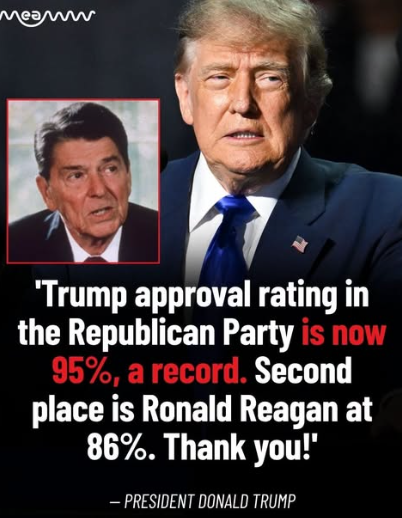 I’ve never understood why those who compose total bullshit like this don’t go for the gusto. Why 95% and not 99% or 100%?
Trump’s actual approval rating among Republicans is somewhere between 75% and 80%, as can be easily verified by anyone on Earth with a cell phone or computer. That number continues to dwindle, as he faces more pressure regarding the war, gas prices, child rape, etc.
Obviously, the president’s supporters are suckers for his lies, but isn’t this a bit over the top?
 I get a call every week or so from someone working for a start-up in oil exploration, hoping that I’ll invest. I guess my name and cell number got collected somehow from various online searches I’ve made.
I’m always quick to explain, “Oh, sorry, I don’t support wrecking the planet, even if I can profit from it. Neither should you. Bye now.”



-

 Greenhouse Gases2 years ago
嘉宾来稿:满足中国增长的用电需求 光伏加储能“比新建煤电更实惠”
-
Climate Change1 year ago
Guest post: Why China is still building new coal – and when it might stop
-
Greenhouse Gases1 year ago
Guest post: Why China is still building new coal – and when it might stop
-

 Climate Change2 years ago
嘉宾来稿:满足中国增长的用电需求 光伏加储能“比新建煤电更实惠”
-

 Renewable Energy11 months ago
Sending Progressive Philanthropist George Soros to Prison?
-
Climate Change2 years ago
Bill Discounting Climate Change in Florida’s Energy Policy Awaits DeSantis’ Approval
-
Greenhouse Gases1 year ago
嘉宾来稿:探究火山喷发如何影响气候预测
-

 Carbon Footprint2 years ago
US SEC’s Climate Disclosure Rules Spur Renewed Interest in Carbon Credits