

US Offshore Wind Offensive & Industry Impact
Allen and Joel discuss the aggressive actions by the Trump administration against offshore wind projects. They also consider the broader implications for the wind industry, exploring onshore impacts, geopolitical maneuvers, and strategies for companies to adapt and prepare for future challenges. Register for the next SkySpecs webinar!
Sign up now for Uptime Tech News, our weekly email update on all things wind technology. This episode is sponsored by Weather Guard Lightning Tech. Learn more about Weather Guard’s StrikeTape Wind Turbine LPS retrofit. Follow the show on Facebook, YouTube, Twitter, Linkedin and visit Weather Guard on the web. And subscribe to Rosemary Barnes’ YouTube channel here. Have a question we can answer on the show? Email us!
You are listening to the Uptime Wind Energy Podcast brought to you by build turbines.com. Learn, train, and be a part of the Clean Energy Revolution. Visit build turbines.com today. Now here’s your hosts, Allen Hall, Joel Saxum, Phil Totaro, and Rosemary Barnes.
Allen Hall: Welcome to the Uptime Wind Energy Podcast. I’m your host, Allen Hall, and I’m here with Joel Saxum, who’s up in Wisconsin.
Joel, you’ve had some really cold weather up there the last couple of days. It’s still September. Doesn’t really make sense, Alan. I dunno. It’s, it’s
Joel Saxum: September, well, beginning of September and this morning when I let the dog out at 5:20 AM whatever time she decided to wake me up, it was 36 degrees here.
That’s way too cold. Um, I knew, I, I, I went up here to escape a little bit of heat from in Texas, but I did not look to Frost advisories and like sweatshirts and vests and boots. Um, but that’s what’s happening. Yeah. Even, uh. Even a [00:01:00] few red leaves floating around on the lawn up here. So, uh, yeah, winter or fall is coming.
That means, you know what fall coming means is blade season for repairs in the northern hemispheres slowing down or shutting down shortly. So we’re gonna get to hear what happened. Maybe a postmortem, hopefully on the, the blade repair season in North America.
Allen Hall: Yeah, it’s been busy from what I could tell.
And plus there’s a lot of construction going on. New insights. There’s, uh, all kinds of turbines being planted right now. We’re gonna be working through the end of the year easily, if the weather will support it. Very active time at the moment. And speaking of active time, this is our second take of this podcast, uh, just because so much has happened since we recorded last evening.
Uh, Joel and I thought we ought to take another try or attempt at this. Try to give you the, the most updated information. Not to say it’s not gonna change over the next couple of hours after we finish this podcast, but, uh, the Trump administration [00:02:00] has launched its most aggressive attack on America’s offshore wind industry.
Uh, the federal government is now working to withdraw permits for New England Wind one and two off the coast of Massachusetts. These projects are valued at roughly $14.6 billion by Bloomberg, NEF, and we power more than 900,000 homes. Uh, but the, the issue really is why are they being shut down? Nobody really knows.
Uh, and there’s a lot of conjecture about it. And Joel, you and I were just talking before we recorded here. It may have something to do with Denmark.
Joel Saxum: Yeah, I think you wanna believe that. Smoother minds will prevail that, uh, logic and pragmatism is a part of government. But what it really seems is there’s, there’s favoritism and there’s egos and there’s feelings driving some of these, these decisions.
Right? Today we just heard or [00:03:00] just read that the, the Danish government is in California signing a policy agreement for collaboration with Gavin Newsom and the, the administration out there. We’ve, and, and this is like on, this is on top of, uh, Trump’s rhetoric around, or the Trump administration’s rhetoric around we would like Greenland.
And this day, Danish fight and all these different things happen in between the two organizations or the two countries there. So it’s just kind of like posturing and, and we’re back and forth and Sted is the big Danish company, right? So now Sted is feeling a little bit of. Pain from the Trump administration.
So the people who are close to Orid, IE, the Danish government come back and poke the bear on the side a little bit more. Um, so it just seems like there’s a lot of, a lot of egos and things going on, and, and that’s why it’s hard to make sense out of, right? So like, why is this happening? There’s no real reasons that we’re being told as the general public, right?
Like there’s this [00:04:00] veiled kind of, oh, there might be a national security thing here. Why we would cancel these projects. But at the end of the day, like this is kind, it’s unprecedented. I mean, there’s billions and billions of dollars sunk into these projects. And what’s the recourse, like if they get canceled?
That or Ted and or their partners are just. Out. Like, how can you cancel a project in an offshore, uh, capacity that’s 80% complete? Doesn’t make sense,
Allen Hall: right? So Revolution wind was shut down a, a week or two ago at this point, and uh, that happened immediately after Denmark, the prime Minister of Denmark and the delegation from Denmark met with Gavin Newsom, the governor of California, and then.
Boom. Revolution wind is shut down. And now New England Wind one and two, which is an avan grid project, are in the same boat. So basically, uh, it triggered a series of events, or at least it appears that way at the moment. It appears to have triggered a number of events. And this also includes, uh, [00:05:00] withdrawing about $679 million in federal funding from.
12 infrastructure projects that are supporting offshore wind development. The single largest loss is Humboldt Bay, offshore wind in Northern California. Again, another Gavin Newsom thing, which is gonna lose $427 million in federal support, and in Norfolk, Virginia, the Fairwinds landing facility. Uh, supporting Dominion’s Coastal Virginia Offshore Wind Project lost, uh, $39 million.
Uh, so now the administration has threatened or blocked about eight gigawatts of offshore wind capacity, which is a tremendous number of homes that we would’ve powered. This is starting to get to a little bit, uh. Unsettling. So the, the news out of the New York Times last night as we’re recording this, said I think six administration departments have been asked to go find ways [00:06:00] to threaten or stop offshore wind That’s been headed up by President Trump’s chief of staff.
So it’s all the way to the top, Joel. It just feels like this is personal for some reason, and I don’t know how it got to this level. But it is becoming a little more irrational, uh, than it was maybe even six weeks ago. And I know Phil was really upset about it six weeks ago. And I genuinely agree. Like some of the comments coming outta the administration are on.
I, I would, I would say they were bonkers, maybe is the right term, just being polite, but unfounded maybe is a really good term. Uh, and, and now it’s like really escalated.
Joel Saxum: I think that the general public, and so there’s a way, a couple ways to look at it. In my mind, I’m looking, is the hydrocarbon lobby this strong?
Right? I know they’re strong, right? I’m in X oil and gas guy. I lived in Houston, energy, capital world, all these things and was a part of that, [00:07:00] uh, infrastructure for a long time. So I know the things that they can get done if they want to get done. Are they strong enough to turn the tides of an entire, basically like.
Western Hemisphere’s energy production. ’cause that’s what it’s looking like, right? Like the changes that they’re so extreme here have waterfall and cascading effects to all of the other economies around us. You’re seeing investment possibly pouring into Canada offshore wind there. So that’s changing their economy.
Changing our economy. Um, you’ll, you’ll see these things that. They’re not just going to affect here in the us they’re that these moves will affect globally. And you’ve, you’ve seen it, um, being pushed over to like these trade groups, going to from the us, going to the uk, going to Europe, you know, stop building wind, stop building wind.
You need LNG. So you can hear this undertone of hydrocarbon industry, LNG, oil and gas drill, baby drill, getting pushed. Is that. Is that lobby so strong that they’ve changed this? I don’t know if that’s the case. I know that’s part of [00:08:00] it, but it does feel like it’s this ego thing, right? Because you have this engagement of every, every, like you said, all of these different departments within the federal government, they’re being told, do this, do this, do this.
And again, I I want to say this to the, the general public. If you don’t know these things, like, so transportation Secretary Sean Duffy, he’s the head of basically the federal DOT. The federal DOT is in charge of ports, so whenever you would go onto a port facility, you need what’s called a TWIC card transportation Worker identification card, and that’s a background check on you to make sure that you’re okay with the national interests to enter these facilities.
Those ports are exactly where we will be operating offshore wind out of. They’re the same places where we bring in goods and services from other countries and do trade deals and all these different things. It’s the working part of our um, economy. For the maritime side of it, right? So because the federal government has control of these, they can do what they want at these port facilities, regardless of [00:09:00] state wants.
So that’s where you see. You have already heard in the news President Trump and Gavin Newsom, man, not the best of friends, right? So it’s California and and federal thing not going so well. So what is, what, what does the administration do then? Direct the transportation secretary to go pull funding from the ports in California.
That will directly affect the local economies, the jobs that offshore wind build out and up. Some of these projects that are already ongoing, they’ve already done things like there’s already, there’s already shovels moving dirt on some of those sites. So. You see this power that they have and that, that they’re moving and grooving to, to be able to basically put a stranglehold on offshore wind in the United States.
It’s, it is I the term you used Alan Unnerving. I know a couple months ago when some of this stuff started to roll out, we were like, ah, nothing’s really gonna happen. You know, stay the course. Everything’s cool, but it’s starting to get. Some big time things happening, right? There’s gonna be some lawsuits flying around here.[00:10:00]
Allen Hall: Well, yeah. And today, lawsuits really started flying. We figured at some 0.1 of the developers was gonna file a lawsuit or the states were going to file a lawsuit. And all of the above has just happened. So Rhode Island in Connecticut, uh, and project. Developer Orid for and Sky borne renewables are going to challenge the Trump administration’s halt of the Revolution Wind Project.
Now there’s a lot going on behind the scenes, so you’re just hearing dribs and drabs at this point. But basically the, the lawsuit says there’s process violations. Now those sound arcane, like, oh, it’s a process violation. No big deal. Well, it is a big deal because there’s so much money behind it, and it affects so many, so many jobs.
There’s thousands of jobs, and in this particular case, uh, with Revolution Wind and with Empire Wind, the rationale for why they shut those projects off was not [00:11:00] defined. And, and. The press went to go find the exact reason, uh, that a Freedom of Information Act and got the document, but everything was redacted on the Empire Wind side, so they couldn’t even tell.
And my guess is that Orid is still waiting to hear the real issue. Like is there a, a, a legal issue that was a rationale for BOEM to shut off Revolution wind? And I think the answer is probably no. It’s more like it’s a national interest. Problem. We have defense problems with these wind turbines being in the water.
That is usually not enough to trigger a stoppage. So unless somebody pushes back, the Trump administration can continue to do this. I, my guess is that the, the States knowing that, and a lot of those people have worked in Washington, DC and they all have. Good attorneys, particularly up in the northeast’s.
A lot of attorneys in the Northeast are easily gonna [00:12:00] file, uh, some sort of lawsuit, getting the administration to stop. Now, Joel, I think the question is, what happens next? Will the administration stop and try to negotiate some deal, or will it just get more combative? We’re both, sorry. Just start throwing rocks at each other.
You’ve,
Joel Saxum: you’ve pinpointed the two things, right? And. One problem I see there is if a deal isn’t struck, this is Trump 1 0 1, the art of the deal, right? This is what he is been doing to other countries, you know, come in strong arm and then go, oh, you don’t like that. Uh, let’s negotiate something. Maybe we get something that we want.
You’re like, come in with a high price, even though you know you want this one and you can settle for that. That’s probably what’s going to happen. Now, if, and, and that’s in my opinion, right? But if that doesn’t, the trouble here is that we’re now tied up in a legal process. Legal processes can drag and drag and drag and drag forever, right?
So you drag this out long enough where the pain gets to be so heavy [00:13:00]that eventually people have to cut their losses and or, you know, eat, eat some of the costs here or something has to happen and in a negative way. The trouble with that is either, either of these outcomes, to be honest with you, what we have done is made investing in the United States risky.
By having a situation where you can’t, as an outside investor, you can’t count on things, right? It would just be like if you were, if you were gonna buy a new car and all of a sudden the, you’ve got, you were basically taking ownership of the car and then they changed the terms of the loan or told you you couldn’t drive it, you know, only but Tuesday nights or something of that sort like this, I, I don’t want that anymore.
You know, I’m not gonna invest in that. Um, so. There isn’t a really, I guess, in my opinion, what’s happening here. I’m hoping for the best. Right? But the what looks like the writing on the wall is like, it’s just not a good outcome. Um, for offshore wind in the United States,
Allen Hall: I think the, [00:14:00] the banter that’s going back and forth is the Keystone XL Pipeline was shut down and just outta the blue l and g porch roll shut down, like immediately, boom, there’s an order.
Everything stops. So now it’s retribution. It’s it’s payback time. We’re going to flex the other way and watch what we can do with our pen and our phone. Like, okay. Both sides need to stop this nonsense because 330 million Americans are caught in the middle and cutting electricity. Off in some sense. I mean, reducing the supply of electricity, which is what is about to happen, uh, is gonna be a huge problem.
And I, I don’t know if anybody is paying attention to the political ramifications to this every, not that I trust analysts, honestly, I do a lot of the homework myself, but analysts are predicting that electricity prices are going to bump up and not in small amounts. It’ll be very noticeable. It’s one thing about [00:15:00]Americans.
They know what the price of gas is, they know what the price of electricity is, uh, and they know the price of eggs and milking, right? Those are bread or the, or the key consumer items. If any of those start to fluctuate on any. Grand scale more than a couple percentage points, there’s hell to pay as a politician.
And I’m just curious as to what Congress is thinking right now. Like, how long is this gonna go on before there’s retribution, payback from my constituents? Do I lose my seat? Maybe they’re willing to do that, but I, it doesn’t seem like anybody’s, uh, upset about it, right. Yet.
Joel Saxum: You’ve already seen posturing on that exact topic, though you’ve already seen.
Ke senior level, uh, people in the administration say, oh, prices are gonna go up and we’re gonna get blamed for it even though it was the last administration’s fault. That makes no, that makes you see that. Like that’s what’s happening right now. But that doesn’t make sense. Because when you look at, it’s this, these are simple, [00:16:00] simple economics.
This is economics 1 0 1, supply and demand, right? You’re cutting. Supply and demand is increasing. We know this one to 3%. I think last year the number was 2.5%, which was like a, which is a record since. Decades. Right. And that’s only gonna get more and more extreme as we start to build, uh, more of these AI data centers things that we as the consumers of the electricity are also the consumers of the AI data centers we’re driving that demand ourselves.
So like basically with we’re standing and, and digging dirt and then throwing it on our own sheet. Is what’s happening. And there is a mechanism to lift us out of this more generation on the grid, and that’s being canceled at the same time that we’re also shutting down coal plants and stuff. So we’re, we’re, we’re trying to decarbonize, we’re making moves away from this, but there’s just this, this simple equations, this is not PhD level stuff.
I can [00:17:00] do this in a bar napkin for you. Like we’re not, we’re, we’re not in a good place as far as energy generation goes. Um, and. The demand is so high that I think when we were talking about Phil last, and I just completely agree with him, uh, you’re gonna start to see more behind the grid projects popping up because the people with the deep pockets need this generation, need power generation, and they’re not gonna be stopped by some organization that has, you know, FERC or a NERC or someone like that, that they have to answer to.
They want, if the business case makes sense to power these data centers. They’re gonna make power and they’re gonna make it happen. They’re just not gonna deal with the, the garbage going on. Politically. That’s, that’s my take. Now, you can’t do that in offshore wind, because that’s your federal government waters.
It’d be the same thing as if you were. Trying to do that on BLM, federal lands and the on onshore, you’re not gonna be able to do that, but if you can do it on private land, that’s gonna happen.
Allen Hall: Well, we come back from the break. I wanna talk about the onshore piece of this, because [00:18:00] I think the next phase of the Trump administration’s movements again to.
Against wind involve onshore. Are you worried about unexpected blade root failures and the high cost of repairs? Meet Eco Pitch by Onyx Insight. The standard in blade root monitoring. Onyx iss state-of-the-art sensor tracks blade root movement in real time, delivering continuous data to keep your wind farm running smoothly and efficiently.
With eco pitch, you can catch problems early, setting hundreds of. Thousands of dollars. Field tested on over 3000 blades. It’s proven reliability at your fingertips. Choose eco pitch for peace of mind. Contact Onyx Insight today to schedule your demo of Eco Pitch and experience the future of blade monitoring.
Joel, last night we were talking about the impacts of the Trump administration’s move against offshore wind, but it also seems like there’s been action [00:19:00]taking. Uh, for onshore wind, including proximity to railroads, proximity to infrastructure, the Eagles
Joel Saxum: Migratory Bird Act.
Allen Hall: Yeah, the Migratory Bird Act. And there’s others.
I mean, I, I’m sure the administration is scouring the rule books and law books looking for other things to poke at. One of the things that has been discussed, uh, at least in the press in several different areas, is permits. For private land where wind or solar will be installed, what permits does the Fed have to issue for those projects?
Joel Saxum: Well, it all depends on what the interconnect is, right? So if I wanna put a wind turbine on the top of my house, I have to abide by FAA rules, right? So that, that’d have to be under 500 feet, ’cause 500 feet’s the limit there. Um. May, depending on my jurisdiction, right? If there’s rules in place, which here, there isn’t, but of course, like [00:20:00] in Texas and Iowa and places, there is, uh, setbacks from property lines, right?
In Texas, they tried to just pass a law that was 3000 foot setbacks to to wind turbines from a property line, which essentially makes you have to have like 6,000. 50 foot wide and piece of property to put one turbine in the middle, uh, which is ridiculous to have a piece of property over a mile across, uh, that didn’t pass either way.
But there’s certain rules of those types. Now, if you want to be behind the grid, you don’t have to ab, you don’t have to abide by all of the NERC rulings, the FERC rulings, the, you know, whatever your operator is, the miso, the ercot, the pjm. You don’t have to abide by that stuff if you’re behind the grid.
You just have to abide by a much simpler set of rules. Um, however, as this starts to take place, I could see some lawsuits popping up in certain jurisdictions about that as well. Um, and it’s those, it’s those, those lawsuits that are [00:21:00] like, uh, they’re really kind of complicated. It’s the, your, your messing up the value of my property because I have to look at your turbine.
Then the counter suing party comes back and says, well, this is. Eminent domain because it’s good for public use for the data center that it’s powering and these kind of things. That becomes a long, drawn out legal battle. I think it’ll be
Allen Hall: many years. And if the Trump administration defers and all that and says, oh, we agree with the plaintiff in the case, sure.
Right. And which which can happen. Right. And this is what’s happening. An offshore wind at the minute that, uh, any legal case brought against offshore wind, uh, against the federal government that the Trump administration saying, we surrender. You’re right. Sure. We’ll pull the permits to satisfy this lawsuit.
Joel Saxum: The trouble here, like right from the wind industry, IE us, our constituents, our friends, our colleagues, everybody around us. Why, what’s happening here? What, you know, like the Empire Wind thing that got [00:22:00] pulled, got reinstated without changes,
Allen Hall: no changes to the outcome of that project. Right. And there’s no layout changes.
There’s no cabling changes. At least from what we have seen, we haven’t seen any changes at all. Yeah. So what’s the
Joel Saxum: deal? Right? Like what’s, it’s just like, again, it’s this, it’s a, it’s a negotiation tool. It’s something, there’s something going on there that just doesn’t. It doesn’t make sense.
Allen Hall: It doesn’t extrude maximum pain when you have jack up vessels and several hundred people out on the water.
That’s a time where it hurts the most when you’re almost done, not permitted in making power, but just before then is the time of most pain because all the money has been pouring out and now you’re just adding fuel to the fire. Every day the jack up vessel sits there.
Joel Saxum: Well, I think there is a, there’s a nationalist play here too, because we discussed this a couple years ago, even, I think it was when, um, uh, when the New York fight happened, and then again when the California or the West Coast auctions happened, none of the companies that [00:23:00] won those auctions were US based companies because US based companies don’t have experience in developing offshore wind.
So they. Had to be a minority partner or something of that sort. So I think that that could be a part of the play too. Like, okay, we, we, we alluded to this possibility of, you know, the administration pulling one over on Denmark because of Ted. Uh, but now the one company that has a, uh, that is, uh, US owned, which is Dominion Energy, that has coastal Virginia offshore wind.
They’re under a microscope now. Oh, I would say so. Yeah. I almost guarantee it. I would say in the next few weeks they’ll have something pop. Well, we’re gonna hear something pop up about that wind farm where they’re pulling a permit or reviewing something or whatever, but they’re gonna, cause the administration’s gonna cause pain to them as
Allen Hall: well.
So what are we doing on onshore, Joel, and what are the companies that are involved in onshore wind? Of which there’s 75 ish thousand turbines in the US at the moment [00:24:00] and a lot of wind farms being built. Honestly, there are big, huge EPCs that are putting turbines up right now that have hundreds of millions of dollars invested in cranes and people and infrastructure and tools and all that.
And then you get down to the, the small companies like Weather Guard, honestly, you know, we’re probably as small as you can get in wind, quite honestly. Uh, and then there’s, you know, there’s everybody in the middle. Uh. ISPs, there’s all the technology companies, there’s all the tax advisors, all of the multiple levels of people, engineering companies that are all involved in win from beginning to end.
What are they gonna be doing? What is the plan of attack there? How do you address this kind of threat to the industry?
Joel Saxum: If you follow what the analysts say again, if you trust the analyst companies, if you trust these consultants that are saying they’re, they’re looking in crystal balls and predicting the future.[00:25:00]
What you see is a massive, we’re talking wind now, not all renewables. You see a massive slowdown in greenfield development in 28. We know that there’s gonna be a, a push. It’s big time right now. We’ve been on sites in the last month, right? Um, that they, it’s blowing and going. We got cranes everywhere. We got people everywhere.
EPCs are scrambling to get stuff done. Um, so that the industry’s moving fast, moving forward in an efficient and safe manner to get as many of these projects built as they can before these, uh, you know. Cliffs show up in front of us. So, but we, either way, we have this window where the EPC contractors, the, these feed study engineering companies, the environmental review companies, all of the people that are associated with Greenfield are gonna be super, super, super busy.
My advice to them would be, parlay all the profit you make right now, all the margin you’re scraping right now into o and M services, because you just don’t know. You [00:26:00] can’t. See the future of what it’s gonna look like beyond 27 into 28, 29, 30, 31, 3, 2, I would expect, uh, in my heart of hearts that we’re back up and running and building greenfield development shortly after this administration.
However, I can’t, nobody can guarantee that. So I would par if I was involved in as an EPC, as a TFA type, small ISP, that does the technical field advising for construction. I would use all of the might you have right now and all of the cash reserves you’re building to open up another silo, revenue silo of your business to do operations and maintenance, uh, because that will continue, right?
We’ve got 75,000 in change turbines in the ground, um, and by the end of the next year and a half, two years, that number will probably be 76, 70 7,000, maybe 78 if we’re lucky. Um, so those services are still gonna be needed. [00:27:00] I think that in the next year, because leading up to that, you’re going to see some market consolidation.
I believe that we’ll start to see some more m and a activity in wind, um, pushing from the big guys down. You’re gonna see the larger groups that are multifaceted already or are looking to be more multifaceted, grabbing the specialists, smaller companies. Grabbing blade company with 30 techs, that kind of stuff, right?
Or those kind of things are gonna, they’re gonna be up for sale. We’re gonna see some of that happening for sure. Um, you, we’ve already seen some of the operators start to size down their development groups. Um, repowers being accomplished project on the project management side by people who aren’t necessarily CapEx, project management type people, because these companies don’t wanna bring those new resources on.
They’re just like, you know what? We’ve got some repowers to get done. Let’s just get it done with the staff we have. Or hire a consultant to come in and help us with this because we don’t want to build, we don’t wanna [00:28:00] bolster and build this division of repowering and construction if we don’t know what the future looks like.
Um. This is more I’m, you know, speaking onshore here, right? Offshore wise, some people will, unfortunately, some people are gonna lose their jobs. We’ve seen that happen already. We’ve seen some, some massive amounts of layoffs in the offshore world. So it’s not awesome. But there is gonna be some long-term projects and some long-term things that will stay in place and those people will stay around.
Um, but either way, I would say onshore wise. Offshore gear up, and this is a global thing for me, but gear up for o and m As the fleet grows, it’s still gonna be ma
Allen Hall: need to be maintained. It’s important words of wisdom there. I think everybody needs to be looking at their books at the minute, understanding how their business is operating.
Where they can get a little bit leaner over the next few months and keep your ear to the ground. Uh, don’t assume all this is gonna get [00:29:00] washed under the rug and it’s all gonna go away in a couple months. I don’t think that’s gonna happen. It’s gonna be at least another 18 months of fun times like we’ve just had of, with the last six months, uh, where who knows what’s gonna happen.
But you’re right, Joel, I think the opportunity in. Uh, sites that are not connected to the grid, that are, you know, powering AI data centers all over the place. I think you’re gonna see activity there. Solar, wind, batteries, all the above. That’s cheap, quick to install and does the job or, or what’s gonna happen.
And that may change your business, may change your outlook, but I, I think you need to be watching for that closely. And then, like Joel said, expanding your horizons. Figure out where there’s other opportunities. We did
Joel Saxum: have,
Allen Hall: uh,
Joel Saxum: how share this with our listeners. I had a, uh, a large operator reach out to me just this week and [00:30:00] say, Hey, I know at Uptime, you know, we’ve, we’ve talked with you guys before.
We know you have a large network of people and you know, some of the innovative solutions that are out there. Some of the new technologies, some of the new even software solutions. We are in the process of basically doing a deep dive into what is out there in the wind world, what can help us save some money off, make our operations more efficient, uh, guarantee or increase uptime, like all of these little things, right?
Like the products, like the strike tapes of the world or, um, you know, we’ve been doing these webinars as Sky Spec, some of the software solutions they have. Um, that can, you know, monitor things, keep things healthier, uh, optimize your o and m strategy. And this was a company that was like, we have an initiative as a group, as an engineering team.
We need to go out to the market, find all of these solutions so that we can make our operations look better. As we go, and I think that that’s just the first of those phone calls we’re gonna get. [00:31:00] I think that, uh, that’s gonna become quite the trend here in the next year.
Allen Hall: Yeah, we’re connected. And I think maybe you don’t think a podcast is really connected to the underbelly of an industry, but we know where the technology exists because we’ve talked to them.
They may not even been on the show. Uh, but we have talked to them. Usually it’s hard for a good technology company to miss the Uptime Wind Energy Podcast. And Joel, you’re right, it has happened a couple of times, but I think it’s gonna happen more often. And it’s a, we’ve been offering that honestly, if you need to know where the technology is or where others have taken advantage of a technology.
Call us. We’d be glad to share that information with you. Give us your problem statement. Yeah. We’re trying to promote the industry. This is the whole reason this podcast exists, is to get the industry to connect to itself. It’s a global industry. There’s a lot of cool things happening all over the world.
We’re trying to [00:32:00] highlight them and bring them out because they’re hard to find. Quite honestly, Joel, you and I talk about this all the time, some of the coolest technologies. Don’t have the best website. So they don’t, you can’t find them on LinkedIn and it’s hard to search for them, and they don’t really show up in chat, GPT.
But once you’re on the podcast, they’re searchable. And now you can take a deep look and go, oh, there’s a couple of companies doing what I was looking for, and let me call ’em and let me talk to the person I saw on the podcast. That’s the way it’s done. And so if you talk to operators that have used the podcast properly, that’s what they do.
They’re connecting up and getting those answers faster. And getting to the right people in those companies immediately instead of trying to connect, connect, connect, spend months at this or taking hours minutes to do it. It’s a smart move. You’ve got questions about
Joel Saxum: anything? Uh, Joel, do saxon@wglightning.com Always happy to respond or shoot me a message on LinkedIn.
Um, ’cause a, a quick connection to something may ease a lot of pain. Um, and like [00:33:00] Alan said, this is, this, this, this is. This is why we do the podcast. We are, we’re fans of wind energy. We wanted to succeed, uh, and we are, uh, collectively. At least in the US under fire right now. So whatever we can do to help each other out, um, we’re here for
Allen Hall: that.
Wraps another episode outta the Uptime Wind Energy podcast. Thanks for joining us as we explore the latest in wind energy technology and industry insights. If today’s discussion sparked any questions or ideas, we’d love to hear from you. Reach out to us on LinkedIn and don’t forget to subscribe so you never miss an episode.
And if you found value in today’s conversation, please. Leave us a review. It really helps other wind energy professionals discover the [00:34:00] show.
https://weatherguardwind.com/us-offshore-wind/

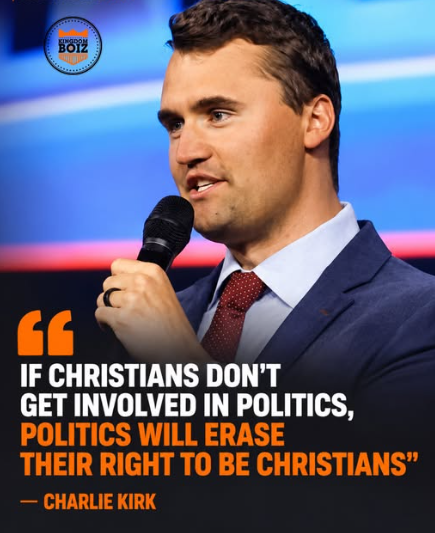 I suppose there are people who believe that the radical left is on a path to make Christianity illegal, and perhaps to install Islam as the official religion of the United States. This is remarkable for two reasons:
a) Every schoolchild in America learns about the First Amendment’s guarantee of freedom of religion at a very young age, and
b) This country made it successfully though 250 years with no one being ignorant enough to bring up this ridiculous concern.
One would hope that this figure of near 60% would indirectly translate into Trump’s ouster before he can take full control of the U.S. government.
We vote Trump’s stooges out of office in November and replace them people of honor. Trump is impeached, convicted and removed. From there, justice takes its course.
Nordex Q3 Orders Jump 30%, Vestas Bets on Australia
Nordex Q3 orders jump 30% and Vestas lands about a gigawatt in Australia. Plus why turbine factories skip Australia, high project costs, and whether batteries can replace coal.
The Uptime Wind Energy Podcast is brought to you by Weather Guard Lightning Tech, creators of the StrikeTape Ultra LPS retrofit. Subscribe to Uptime’s Substack newsletter. And check out Rosemary’s “Engineering with Rosie” Youtube channel. Have a question we can answer on the show? Email us!

