Southeastern utilities are now projecting some of the most aggressive growth rates tied to data centers. History suggests caution is warranted—especially when ratepayers bear the financial risk.
The AI revolution is undeniably reshaping our digital landscape, but a crucial question remains: how will we power it? In his thought-provoking new paper, “Artificial Intelligence Meets Natural Stupidity: Managing the Risks,” energy expert Amory Lovins presents a sobering analysis that challenges many of the prevailing narratives around AI and energy, with particular implications for the Southeastern United States.
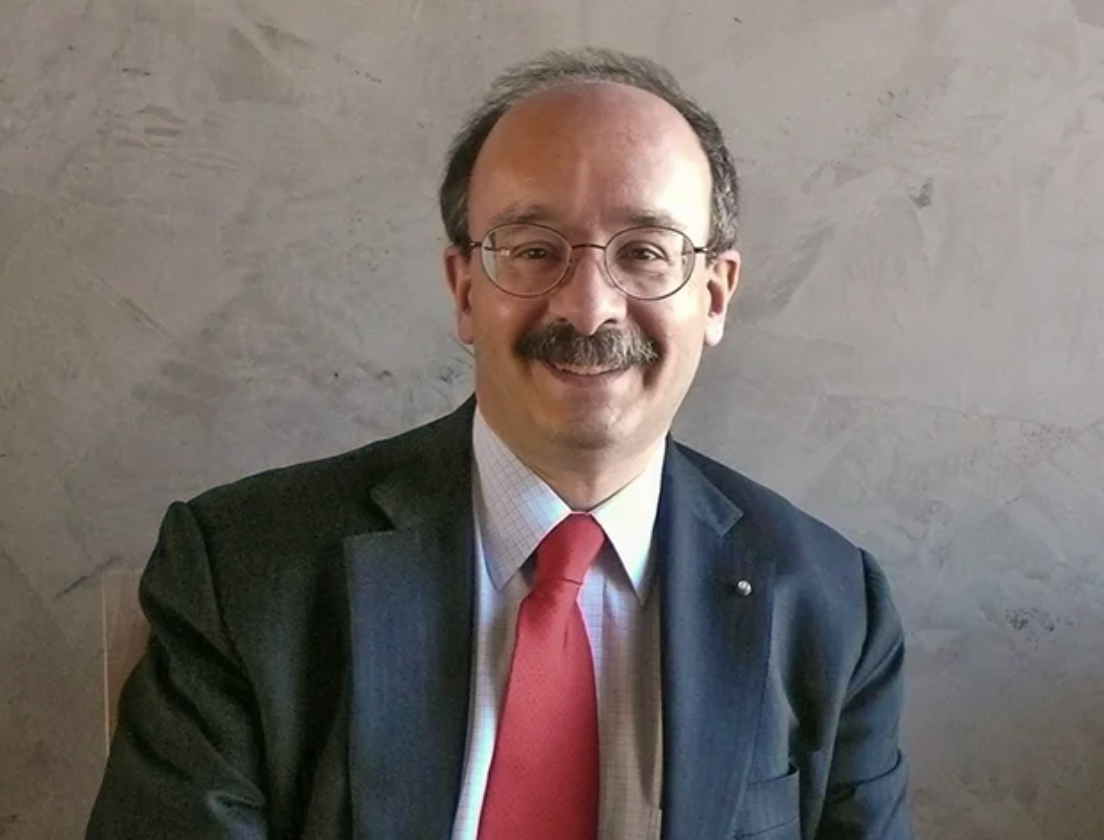
Amory Lovins
The AI-Driven Electricity Bubble Risk
Lovins identifies a potential trillion-dollar overbuild in AI infrastructure, driven by speculative investments and highly uncertain projections. Despite the hype, AI’s future electricity needs remain wildly unpredictable, influenced by:
- Rapidly evolving technology (efficiency quadruples roughly each year)
- Uncertain market adoption
- Volatile market conditions
- Limited trust in AI systems
This scenario bears a striking resemblance to the 1999 IT-driven electricity boom, when the coal industry claimed information technology would require half the nation’s electricity by 2020. That prediction proved spectacularly wrong, resulting in hundreds of unnecessary power plants that hurt investors.
The Reality Check: A Southeastern Focus
Before we commit to building massive new power infrastructure, consider these facts:
- Current Usage: Data centers currently use only about 4-5% of US electricity and 1.5% of global electricity
- AI Portion: Of that data center usage, only about a quarter powers AI
- 2023-2024 Trends: US grid electricity fell in 2023 and rose just 2% in 2024 (the fourth-fastest rate in the past decade)
- Data Centers’ Share: Data centers’ share of US electricity crept up from just 4.4% to 4.5%
Here in the Southeast, we’re seeing particularly aggressive growth projections. In Georgia, data centers are driving a remarkable 80% of Georgia Power’s projected power sales growth through 2028. This dramatic forecast has prompted concerns from five major tech companies who challenged these projections in 2024. Despite these concerns, Georgia has already approved approximately $3 billion in new fossil-fueled power plants to meet this speculative demand.
Lovins emphasizes that while electricity growth is real in a few hotspots (like Northern Virginia’s “Data Center Alley” and increasingly in parts of Georgia), this pattern has been widely misreported as a national trend. The Southeast is becoming a key battleground for these competing narratives about energy needs.

Who Bears the Risk? Southeastern Ratepayers in the Crosshairs
Perhaps the most concerning aspect of this AI power rush is who ultimately bears the financial risk when projections don’t materialize. Lovins’ paper highlights a critical issue that directly affects Southeastern utility customers: ratepayer risk.
When utilities build new power plants for data centers that either don’t materialize or fail to remain operational long-term, existing customers often get stuck with the bill. Three major US credit-rating agencies warned in 2024 that utilities face “substantial credit risk” from inaccurate load forecasts, noting there is “a considerable risk that residential [and other non-data-center] customers may end up paying disproportionately.”
This risk is particularly acute in the Southeast:
- Georgia: Ratepayers could be on the hook for $3 billion in new fossil-fueled power plants that may not be needed if AI growth projections prove exaggerated
- Virginia: An independent state study found household electric bills could rise $14-37/month by 2040 due to AI-related infrastructure, with a 15% rise (averaging $22/month) already proposed
- Regional Impact: Across the Southeast, data center developers often secure favorable rates through “economic development” discounts, with lost revenue made up by other customers
As Lovins points out, this risk transfer is particularly concerning given that tech firms seeking these rate benefits hardly need financial assistance: “The Magnificent Seven in March 2025 had nearly five times the market capitalization of America’s hundred biggest shareholder-owned utilities combined.”
A local parallel can be drawn to past energy infrastructure projects in our region that didn’t pan out as projected, leaving ratepayers bearing costs for generations.
The Renewable Solution in the Southeast
Contrary to the narrative that only traditional power sources can meet AI’s demands, Lovins presents compelling evidence that renewables—particularly solar power—are actually ideal for powering AI data centers:
- Speed: Solar uniquely matches AI’s rapid development pace
- Flexibility: Can be deployed almost anywhere
- Reliability: When properly implemented with storage, provides highly reliable power
- Cost-effectiveness: Offers competitive pricing without the long-term risks
This is particularly relevant for the Southeast, which has excellent solar resources. According to Lovins’ analysis, “solar power uniquely matches AI’s torrid pace; can go about anywhere; would need zero land-use to power the world; and is readily integrated with other resources to provide cost-effective, clean, firm, critical-uses supply.”
The potential for renewable solutions in our region is substantial. Lovins notes that “in 2023, 60 countries or territories were 50–100% powered by wind, sun, and water—12 of those 98.4–100%—while 11 US states produced 53.2–118% as much electricity from those sources as all the electricity they used.” While the Southeast has historically lagged in renewable adoption, the economic case is becoming increasingly compelling.
Major tech companies seem to recognize this reality, having already contracted for approximately 40 GW of renewable energy for their data centers. In the Southeast, we’re starting to see examples of the “Power Couple” approach Lovins advocates—placing new data centers with renewable energy sources at underused gas plants—which could provide a model for future development.
The practical evidence can’t be ignored: Lovins cites Australia’s largest electricity user, mining giant Rio Tinto, which “just chose 2.7 GW of wind and solar, backed by 0.6+ GW of batteries” as “the cheapest and most reliable solution” to power its aluminum-smelting complex. If renewables can reliably power aluminum smelting—one of the most electricity-intensive industrial processes—they can certainly handle data centers.
The Efficiency Factor
One frequently overlooked aspect is AI’s potential to improve energy efficiency elsewhere. If AI can enhance building energy management, industrial processes, and transportation systems, it could potentially save more energy than its data centers consume.
However, Lovins cautions that we must also consider AI’s potential to accelerate fossil fuel extraction through improved exploration and production methods—possibly negating any efficiency benefits.
A Sensible Path Forward for Southeastern Utilities and Regulators
To navigate these complex challenges, Lovins suggests several approaches that have particular relevance for the Southeast:
- Risk Management: Require data center developers to guarantee power payments with bonds or insurance, ensuring ratepayers don’t bear the risk of project failures. As Lovins argues, “a sensible but apparently overlooked protection for the other customers…would be to require all promised payments to the utility for the large load’s new power supply to be bonded or insured by a creditworthy counterparty.” This approach would be especially valuable in states like Georgia, where large infrastructure investments are already planned.
- Demand Flexibility: Implement “flexiwatt” strategies that shift computing loads to times when clean energy is abundant. Lovins cites a February 2025 assessment concluding that such flexible data-center operations “could probably make existing power plants and grids sufficient to run all US data centers proposed for this decade.” This could be particularly effective in the Southeast, where peak demand often coincides with summer cooling needs.
- Co-location: Place new data centers with renewable energy sources at underused gas plants (“Power Couples”). Lovins notes that this approach “can neatly and profitably satisfy all the conflicting goals” of data center power needs. The Southeast has numerous natural gas facilities that could be ideal candidates for this approach.
- Market-Based Solutions: Let markets accurately price and allocate risks to the appropriate beneficiaries. Lovins notes that “if the risk of project failure is as small as developers claim, bonding should be very cheap.”
- Ratepayer Protection: Implement stronger regulatory oversight similar to Oregon’s approach, which makes large-load developers share forecasting risks, or enforce binding take-or-pay contracts as seen in Indiana, Michigan, and Ohio. Lovins points out that “some states hold other customers harmless by simple regulatory policies like Kentucky’s 35-year practice of forbidding rate discounts below cost, or beyond five years, or unless the utility has surplus capacity.”
For Southeastern utility commissions, these strategies offer practical ways to fulfill their mandate to protect consumers while still enabling economic development.
Conclusion: Protecting Southeastern Ratepayers While Embracing Innovation
As we navigate the AI era, the stakes for energy policy are particularly high in the Southeast. Poor bets on electricity demand could waste billions in investments, lock in unnecessary fossil fuel infrastructure, and—crucially for our region—burden ratepayers with decades of unnecessary rate increases from stranded assets.
The Southeast has historically been cautious about renewable energy adoption compared to some other regions, but the economics and reliability of these resources have improved dramatically. As Lovins points out, when properly understood and implemented, renewable energy solutions can now “neatly and profitably satisfy all the conflicting goals” of powering data centers reliably, affordably, and cleanly.
For Southeastern utilities and regulators, the key takeaway is clear: rather than rushing into massive infrastructure investments based on speculative projections, a more measured approach that accurately prices risk and protects ratepayers will better serve our communities. As Lovins concludes, “If the risk of project failure is as small as developers claim, bonding should be very cheap. If it’s not so small, it’s more important to avoid.”
By ensuring that tech companies bear the financial risks of their own growth projections through bonds or insurance requirements, we can welcome AI innovation while safeguarding our region’s economic interests.
With disciplined foresight, accurate risk pricing, and market-led investment in proven solutions, we can support AI’s development while avoiding repeating costly historical mistakes. The key lies in ensuring that AI’s energy foundation is as intelligent as the technology it powers—and that our region’s ratepayers don’t foot the bill for speculative investments.
This post is based on Amory Lovins’ May 2025 paper “Artificial Intelligence Meets Natural Stupidity: Managing the Risks.” The full paper provides extensive data and detailed analysis on these critical issues.
Resources
xAI Brings the “Move Fast and Break Things” Mindset to Memphis – SACE
We Went to the Town Elon Musk Is Poisoning – More Perfect Union
The post Southeastern States Face Ratepayer Risks in AI-Driven Energy Boom appeared first on SACE | Southern Alliance for Clean Energy.
Southeastern States Face Ratepayer Risks in AI-Driven Energy Boom
Renewable Energy
Trump Campaigns for the Nobel Peace Prize
Here’s the latest on Trump’s efforts to be awarded the Nobel Peace Prize, while waging an aggressive war in Iran, executing people he suspects of carrying drug off the coast of Venezuela, pledging to take over Cuba, and annexing Greenland from a (former) ally.
Renewable Energy
Boycott Amazon
At left are a few good reasons not to shop from Amazon.
I use eBay, so as not to make this world an even worse place than it is now.
Renewable Energy
Vineyard Wind’s $69.50 PPA, Two Offshore Lease Exits
Weather Guard Lightning Tech
![]()
Vineyard Wind’s $69.50 PPA, Two Offshore Lease Exits
Rosemary reports back on her visit to multiple Chinese renewable energy companies, Vineyard Wind activates a $69.50/MWh PPA with Massachusetts utilities, and Bronze Age jewelry halts a German wind project.
Sign up now for Uptime Tech News, our weekly newsletter on all things wind technology. This episode is sponsored by Weather Guard Lightning Tech. Learn more about Weather Guard’s StrikeTape Wind Turbine LPS retrofit. Follow the show on YouTube, Linkedin and visit Weather Guard on the web. And subscribe to Rosemary’s “Engineering with Rosie” YouTube channel here. Have a question we can answer on the show? Email us!

[00:00:00] The Uptime Wind Energy Podcast brought to you by Strike Tape protecting thousands of wind turbines from lightning damage worldwide. Visit strike tape.com and now your hosts.
Allen Hall 2025: Welcome to the Uptime Wind Energy Podcast. I’m your host, Allen Hall. I’m here with Yolanda Padron in Austin, Texas, who is back from the massive wedding event. Everybody’s super happy about that, and Rosemary Barnes had her own adventures. She just got back from China and Rosemary. You visited a a lot of different places inside of China.
Saw some cool factories. What all happened?
Rosemary Barnes: Yeah, it was really cool. I went over for an influencer event. So if you are maybe, you know, in the middle of your career, not, not particularly attractive or anything you might have thought influencer was ruled out for you as a career. No one, no one needs engineering influencers in their [00:01:00] forties.
It’s incorrect. It turns out that’s, that’s where, that’s where I, I found myself. It was pretty cool. I, I did get the red carpet rolled out for me. Many gifts. I had to buy a second bag to bring home the gifts, and when I say I had to buy a second bag, I had to mention. Oh, I have so many gifts, I’m gonna need another bag.
And then there was a new bag presented to me about half an hour later. But, so yeah, what did I do? I got to, um, as I was over there for a Sun Grow event. Huge, huge event. They, um, it’s for, it’s for their staff a lot, but it’s also, they also bring over partners. They also bring over international experts to talk about topics that are relevant to them.
Yeah. They gave everybody factory tours in, um, yeah, in, in shifts. Um, I got to see a module assembly factory, so where they take cells, which are like, I don’t know, the size of a small cereal box, um, and assemble them into a whole module. Then the warehouse, warehouse was [00:02:00] gigantic. It, um, was, yeah, 1.8 gigawatt hours worth of cells that couldn’t hold in that one building.
They’re totally obsessed with fire safety there in everything related to batterie, like in the design of the product, but also in, in the warehouse. And they do, yeah, fire drills all the, all the time. Some of them quite big and impressive. Um, I saw inverter manufacturing facility that was really cool.
Heaps of robots. Sw incredibly fast. Saw a test facility.
Allen Hall 2025: So was most of the manufacturing, robotics, or humans?
Rosemary Barnes: Yeah. So at the factory it was like anything that needed to be done really fast or with really good quality was done by robots. So they had, um, you know, pick and place machines putting in. Um, you know, components in the circuit board, like just insane, insane rate.
I’m sure it’s quite, quite normal, but, um, just very fast. Everything lined up in a row. Most of their quality control is done by robots. Um, so it does well it’s done by ai, I should say. [00:03:00] Taking photos of, of things and then, um, AI’s interpreting that. Repairs, I think were done by humans. There were humans doing, um, like custom components as well.
Like not every product is exactly the same. So the custom stuff was done by humans.
Allen H: So that’s the Sun Grove facility, right? You, but you went to a couple of different places within China?
Rosemary Barnes: Yeah, I went to another, a factory, a solar panel, a factory, um, from Longie. That was really cool too. I got to see a bit more probably of the, um, interesting, interesting stuff there, like, uh, a bit more.
Um, yeah, I don’t, I dunno, processes that aren’t, aren’t so obvious. Not just assembly, but um, you know, like printing on, um, bus bars and, you know, all of the different connections and yeah, it was a bit, a bit more to it in what I saw. Um, so that was, but it, it’s the same, you know, as humans are only involved when it’s a little bit out of the.
Norm or, um, where they’re doing repairs, actual actually re [00:04:00]repairing. You know, the robots or the AI is identifying which components don’t meet the standard and then they’ll go somewhere where a human will come and, um, fix them.
Allen H: Being the engineer there. Did you notice where the robots are made? Was everything made in China that was inside the factory or were they bringing in outside?
Technology.
Rosemary Barnes: I didn’t think to look for that, but I would assume that it was Chinese made, also
Allen H: all built in country
Rosemary Barnes: 20 years ago that wouldn’t have been the case, but I think that China has had a long, a long time to, to learn that. Again, it’s not like, it’s not, it’s not rocket science. These are, these are pick and place machines, you know, like I remember working on a project very early in my career, so.
Literally 20 years ago, um, I was working with pick and place machines. It’s the same, it’s the same thing. Um, some of them are bigger ’cause they’re, you know, hauling whole, um, battery packs around. It’s just the, um, the way that it’s set up, but then also the scale that they can achieve. You just, you can’t make things that cheap if you don’t have the [00:05:00] scale to utilize everything.
A hundred percent. Like I said, wind turbine towers is a really good example. ’cause anyone, any steel fabricating
Allen H: shop
Rosemary Barnes: could make a wind turbine tower. Right? They, they could, they could do that. You know, the Chinese, um, wind turbine tower factories have the exact right machine. They don’t have a welder that they also use for welding bits of bridges or whatever.
Uh, they have the one that does the exact kind of world that they need, um, for the tower. They, you know, they do that precisely. Robotically, uh, exactly the same. And, you know, a, a tower section comes on, they weld it, it moves off to the next thing, and then a new one comes on. They’re not trying to move things around to then do another weld in the same machine.
You know, like they’re, um, but the exact right. Super expensive machine for the job costs a whole bunch to set up a factory. And then you need to be making multiple towers every single day out of that factory to be able to recoup on your cost. And so that is [00:06:00] the. The, um, bar that is just incredibly hard slash impossible for, um, other countries to clear.
Allen H: Can I ask you about that? Because I was watching a YouTube video about Tesla early on Tesla, where they wanted to bring in a lot of robotics to make vehicles and that they felt like that was the wrong thing to do. In fact, they, they, they kinda locked robots in and realized that this is not the right way to do it.
We need to change the whole process. It was a big deal to kind of pull those. Specialized piece of equipment, robots out and to put something else in its place in that they learned, you know, the first time, instead of deciding on a process, putting it in place and then trying to turn it on, see if it works, was to sort of gradually do it.
But don’t bolt anything down. Don’t lock it in place such that it doesn’t feel like it’s permanent. So you engineer can think about removing it if it’s not working. But it sounds like this is sort of the opposite approach of. A highly specialized [00:07:00] machine set in place permanently to produce. Infinite amounts of this particular product, does that then restrict future changes and what they can make or, I, I, how do they see that?
Did, did you talk about that? Because I think that’s one of an interesting approaches.
Rosemary Barnes: I didn’t actually get as much chances I would’ve liked to speak to engineers. Um, I was talking mostly to salespeople and installers. Um, so they know a lot, but I couldn’t, um, like in the factory tours, I was asking questions.
Um. That kind of question and, and they could answer all, all that. Um, but outside of that, and I couldn’t record in the factory obviously. Um, but I did, I did take notes, but what I would say is that they would have a separate facility where they would be working out the details of new products and new manufacturing processes and testing them out thoroughly before they went and, you know, um, installed everything correctly.
But what I do hear is that, you know, especially with solar power. Maybe to [00:08:00] batteries to a lesser extent. You, you know, you like, you have these kind of waves of technology. Um, so you know, like everyone’s making whatever certain type of solar cell and then five years later, um, there’s a new more efficient configuration and everybody’s making that.
And I know that there are a lot of factories that kind of get scrapped. Um, and the way that China’s set up their, like, you know, their economy around all this sort of thing is set up is that it’s not that, like every company doesn’t succeed. Right. They SGO was a big exception because they’ve been going since 1997, I think it was.
It was started by a professor quid his job and hired a room across the, across the road from his old university and, you know, built his first inverter and, um, you know, ’cause he, he could see that. Uh, the grid was gonna have to change to incorporate all of the solar power that was coming, which to be honest, in 1997, that was like pretty, pretty farsighted.
That was not obvious to me when I started working in solar in mid two thousands. And it was not obvious to me that this was a winner.
Allen H: Well, has sun grow evolved then quite a bit? ’cause if you’re [00:09:00] saying that they’ve minimized the cost to produce any of their products by the use of robotics, they have been through an evolutionary process.
You didn’t see any of the previous generations of. Factories. You, you were just seeing the most modern factory that that’s actually producing parts today. So is that a, is that a, is that just a cost mindset that’s going on in China? Like, we’re just gonna produce the lowest cost thing as fast as we can, or is it a market penetration approach?
What are, what were, were the engineers in management saying about that?
Rosemary Barnes: I think there’s a few different aspects to that, like within China. So Sun Grow is the big company with a long track record and they’re not making the cheapest product out of China. So I think that they are still trying to make the cheapest product, but they’re not thinking about it just in the purchase price.
Right. They’re thinking more in terms of the long, long term. You know, they’ve been around for 30 years and probably expect to be around for another 30 years. They don’t wanna be having [00:10:00] recalls of their products and you know, like having to, um. Installers in particular are probably working with them because they know that they won’t have to go back and do rework and the support is good and all that sort of thing.
So they’re spending so much money on testing and you know, just getting everything exactly right. But I don’t think that that’s the only way that China is doing it. There’s, you know, dozens, probably hundreds of companies. Um. Doing similar stuff between Yeah, like solar panels and associated stuff like inverters and, and batteries.
So many companies and all of them won’t succeed. You know, sun Girls Facility in, I was in her and it’s huge, you know, it’s like a, a medium sized country town. Just their, um, their campus there, they’re not, they’re not scrapping that and moving to a new site, you know, they’re gonna be. Rejiggering and I would expect that, you know, like everything’s set up exactly the way it needs to be, but it’s not like gigantic machines.[00:11:00]
It’s not like setting up a wind turbine blade factory where it’s hard if you designed it for 40 meter blades, you can’t suddenly start making 120 meter blades. Like it’s, they will be able to be sliding machines in and out as they need to. Um, so I, I, yeah, I guess that it’s some, some flexibility. But not at the cost of making the product correctly.
Allen H: Did you see wind turbines while you were in China?
Rosemary Barnes: I, the only winter I saw, I actually, I saw, because I caught the train from Shanghai, I actually caught the fast train from Shanghai to, which is about, it depends which one you get between like an hour 40 or three hours if it stops everywhere. Um, and I did see a couple of wind turbines on the way there, out the window, just randomly like a wind turbine in the middle of a, a town.
Um, so that was a bit, a bit interesting. But then in the plane, on the way back, the plane from Shanghai to Hong Kong, I, at the window I saw a cooling tower of some sort. So either like a, yeah, some kind of thermal [00:12:00] power plant. And then. Around all around, well, wind turbines, so onshore wind turbines. So I don’t know.
Um, yeah, I, I don’t know the story behind that, but it’s also not a particularly windy area, right? Like most of the wind in China is, um, to the west where, uh, I wasn’t
Allen H: as wind energy professionals, staying informed is crucial, and let’s face it. That’s why the Uptime podcast recommends PES Wind Magazine. PES Wind offers a diverse range of in-depth articles and expert insights that dive into the most pressing issues facing our energy future.
Whether you’re an industry veteran or new to wind, PES Wind has the high quality content you need. Don’t miss out. Visit PS win.com today. So there are two stories out of the US at the minute that really paint a picture of the industry. It was just being pulled in opposite directions. The Department of Interior announced agreements to terminate two more.
Offshore wind leases, uh, [00:13:00] Bluepoint wind and Golden State wind have agreed to walk away from their projects. Global Infrastructure Partners, which is part of BlackRock, will invest up to $765 million in a liquified natural gas facility instead of developing blue point wind. Ah. And Golden State Wind will recover approximately $120 million in lease fees after redirecting investment to oil and gas projects along the Gulf Coast, and both companies say they will not pursue further offshore wind development in the United States.
Well, we’ll see how that plays out. Right? Meanwhile. In Massachusetts Vineyard Wind, which has been fighting with GE Renova recently has activated its long awaited power purchase agreement with three utilities. The contract set a fixed electricity price of drum roll please. [00:14:00] $69 and 50 cents per megawatt hour for the first year and a two and a half percent annual increase.
Uh, state officials say the agreements will save rate payers $1.4 billion over 20 years. So $69 and 50 cents per megawatt hour is a really low PPA price for offshore wind. A lot of the New York projects that. Renegotiated we’re somewhere in the realm of 120 to $130 a megawatt hour, and there’s been a lot of discussion in Congress about the, the usefulness of offshore wind.
It’s intermittent blahdi, blahdi, blah. Uh, but the, the big driver is what costs too much. In fact, it doesn’t cost too much. And because it’s consistent, particularly in the wintertime, uh, electricity prices in Massachusetts in the surrounding area are really high. ’cause of the demand and ’cause how cold it is that this offshore wind project, vineyard wind would be a huge rate saving.
And [00:15:00] actually the math works out the math. Math everybody. Do you think this is, when we go back five years from now, look back at this. This vineyard wind project really makes sense for Massachusetts.
Yolanda Padron: I think it really makes sense for Massachusetts. I’m really interested to know what the asset managers are thinking on the vineyard wind side, um, and if they’re scared at all to take this on.
I mean, it’s great and I’m sure they can absolutely deliver. Like generation I don’t think should be an issue. Um. I just don’t know. It’s, it sounds like they’re leaving a lot of money on the table.
Allen H: I would say so, yeah. But remember, the vineyard win was one of the early, uh, agreements made when things were, this is pre Ukraine war, pre Iran conflict on a lot of other, a lot of other things.
It was pre, so I remember at the time when this was going on that. P. PA prices were higher than obviously a lot of other [00:16:00] things. Onshore solar, onshore wind, it would, offshore is always more expensive, but I don’t remember $69 popping up anywhere in any filing that I remember seeing. So even if they had said $69 five years ago, I think that would’ve still been like, wow, that’s pretty good for an offshore wind project.
And now it looks fantastic for the state of Massachusetts
Yolanda Padron: because I know that there’s sometimes, and we’ve talked about this in the past, right? There are sometimes projects where, you know, you think you, you’ve got a really good price and you’re really excited about it, and then it goes into operation and then like a couple years down the road, prices increase quite a bit and it’s not the worst thing in the world.
But you do just kind of think a little bit like, I wish I could. Renegotiate this or you know, just to get, to get our team a bit of a better deal or to get a bit more money in operations and everything.
Allen H: Does this play into Vineyard wind claiming $850 [00:17:00] million in dispute with GE Renova that at $69 PPA, there’s not a lot of profit at the end of this and need to get the money out of GE Renova right now, and maybe why GE Renova wants to get out of this because they realize.
The conflict that is coming that they need to separate the, the themselves from this project. It’s, it’s very, as an asset manager, Yoland, as you have done this in the past, would you be concerned about the viability of the project going forward, or is all the upfront costs. Pretty much done in that operationally year to year.
It’s, it’s not that big of a deal.
Yolanda Padron: As an asset manager taking this on, I’d probably have started preparation on this project a lot earlier than other of my projects like I do. I know that usually there’s, you know, we’ve talked about the different teams, right, throughout the stages of the project until it goes into operations, [00:18:00] but.
And usually you don’t have a lot of time to prepare to, to make sure all of your i’s are dotted and t’s are crossed, um, by the time you take the project and operations from a commercial standpoint. But this project, I think would absolutely, like you, you would need to make sure that a lot of the, of the things that you’re, that might be issues for some of your projects like aren’t issues for this project.
Just to make sure at least the first few years you can. You can avoid a lot of, a lot of turmoil that the pricing and the disputes and the technical issues are gonna cause you, because I feel like it’s just, there’s, there’s just so many things that just keep this side, just keeps on getting hit, you know?
Allen H: Well, I, I guess the question is from my side, Yolanda, is obviously inflation, when this project started was pretty consistent, like one point half, 2%. It was very flat for a long time. And interest rates, if you remember when this project started, were very, very low. Almost [00:19:00] nonexistent, some interest rates.
Now that’s hugely different. How does a contract get set up where a vineyard can’t raise prices? It would just seem to me like you would have to tie some of the price increase to whatever the inflation rate is for the country, maybe even locally, so that if there were a, a war in Ukraine or some conflict in the Middle East.
That you, you would at least be able to, to generate some revenue out of this project because at some point it becomes untenable, right? You just can’t afford to operate it anymore. And,
Yolanda Padron: and I think, um, I, I haven’t, I obviously haven’t read the, the contracts themselves, but I know that there’s sometimes there, it’s pretty common for a PPA to have some sort of step up year by year.
And it’s usually, it can be tied to, um, the CPI for. Like the, the change in CPI for the year to year. So you’re [00:20:00] absolutely like, right, like maybe, I mean, hopefully they’re, they’re not just tied to the fixed 69 bucks per megawatt hour. Um, but, but yeah, to, to your point like that, that price increase could, could really save them.
Now that we’re, we’re talking the, the increase in, in inflation right now and foreseeable future,
Allen H: if you think about what electricity rates are up in the northeast. I think I was paying 30 cents a kilowatt hour, which is 300. Does that sound right? $300 a megawatt hour. Delivered at the house, something like that.
Right? So
Yolanda Padron: prices in the northeast are crazy to me,
Allen H: right? They’re like double what they are in North Carolina. Yeah.
Delamination and bottom line failures and blades are difficult problems to detect early. These hidden issues can cost you millions in repairs and lost energy production. C-I-C-N-D-T are specialists to detect these critical flaws [00:21:00]before they become expensive burdens. Their non-destructive test technology penetrates deep dip blade materials to find voids and cracks.
Traditional inspections completely. Miss C-I-C-N-D-T Maps Every critical defect, delivers actionable reports and provides support to get your blades. Back in service, so visit cic ndt.com because catching blade problems early will save
Yolanda Padron: you millions.
Allen H: Well, sometimes building a wind farm turns out more than expected construction workers at a 19 turbine wind project in lower Saxony Germany under Earth. What experts call the largest Bronze age Amber Horde ever found? The region, the very first scoop of an excavator brought up bronze and amber artifacts that stopped construction and brought archeologists back to the site.
Uh, the hoard has been dated between [00:22:00] 1500 and 1300 DCE and is believed to have belonged to at least three. Status women possibly buried as a religious offering. Now as we push further and further across Germany with wind turbines and solar panels for, for that matter, uh, we’re coming across older sites, uh, older pieces of ground that haven’t been touched in a long time and we’re, we’re gonna find more and more, uh, historically significant things buried in the soil.
What is the obligation? Of the constructor of this project and maybe across Europe. I, I would assume in the United States too, if we came across something that old and America’s just not that old to, to have anything of, of that kind of, um, maybe value or historically significant. What is the process here?
Rosemary Barnes: I assume that they’ve gotta stop, stop work. Um, yeah, that’s my, my understanding and I don’t think, do you have [00:23:00] grand designs in America?
Allen H: I don’t know what that is. Yes.
Rosemary Barnes: So missing out by not having that chat. It’s a TV show about people who are building houses or doing, um, ambitious renovations, and it just, it follows, it follows them.
You can learn a lot about project management or. The consequences if you decide that you don’t need to, project management isn’t a thing that you need to do. Um, anyway. I’m sure that in some of those ones I’ve seen they have had work stop because in their excavation they found a, um, yeah, some, some kind of relic, um, from the, from the past.
So based on that very well-credentialed experience that I have, I can confidently say that they would be stopping stopping work on that site. I mean, it’s so bad, bad for the developer, I guess, but it’s cool, right? That they’re, you know, uncovering, uh, new archeology and we can learn more about, you know, people that lived thousands of years ago.
Allen H: It, it does seem [00:24:00] like, obviously. Do push into places where humans have lived for thousands of years. We’re going to stumble across these things. Does that mean from a project standpoint, there’s, there’s some sort of financial consequence, like does the lower Saxony government contribute to the wind turbine fund to to pay the workers for a while?
’cause it seems like if they’re gonna do an archeological dig. That that’s gonna take months at a minimum, may, maybe not, but it usually, having watched these things go on it, it’s. It’s long.
Rosemary Barnes: But wouldn’t that be something that you’d have insurance for?
Allen H: Oh, maybe that’s it.
Rosemary Barnes: You know, it seems to me like an insurable, an insurable thing, like not so hard to, it would’ve affected plenty of other, like any project that involves excavation in Europe would come with a risk of, um, finding Yeah.
An archeological find. And having work stopped, I would assume.
Allen H: Yolanda, how does that work in the United States do, is there some insurance policy towards finding [00:25:00] a. Ancient burial ground and what happens to your project?
Yolanda Padron: I don’t know. I, um, the most I’ve heard has been, it’s just talking to like the government and like the local government and making sure that you have all your permits in place and making sure, you know, you might need to, to have certain studies so you know, you might not have to get rid of the whole wind farm or remove the hole wind farm, but at least a section.
Of it has to be displaced from what you originally had thought. I don’t know. I know it happens a lot in Mexico where you get a lot of changes to construction plans because you find historical artifacts or obviously not everybody does this, but like. Tales of construction workers who will like, find, they’re so jaded from finding historical artifacts that they just kind of like take and then dump them to the next plot over to not deal with it right now.
Not that it’s anything ethical, uh, or done by everybody, [00:26:00] uh, but it’s, but, but it’s a common occurrence, a relatively common occurrence.
Allen H: You would think it where a lot of wind turbines are in the United States, which is mostly Texas and kind of that. Midwest, uh, wind corridor that they would’ve stumbled across something somewhere.
But I did just a quick search. I really hadn’t found anything that there wasn’t like a Native American burial ground or something of that sort, which they previously knew. For the most part. It’s, so, it’s rare that, that you find something significant besides, well, maybe used some woolly mammoths tusks or something of that sort.
Uh, in the Midwest, it’s, it’s, so, it’s an odd thing, but is there a. A finder’s fee? Like do does the wind company get to take some of the proceeds of, of this? Trove of jewelry.
Rosemary Barnes: I, I would be highly surprised.
Allen H: Well, how does that work then? Rosemary?
Rosemary Barnes: I’d be highly surprised if that’s the case in Europe. I bet it would happen like that in America.
Allen H: Sounds like pirate bounty in a sense.
Rosemary Barnes: In, in Australia it wouldn’t be like that because [00:27:00]you, when you own land, you don’t actually. You, you own the right to do things from surface level and above, basically. I don’t know how excavation works. So you don’t generally have a a right to anything you find like that?
I mean, you shouldn’t either. It’s not, it’s not yours. It’s a, it belongs to the, I don’t know, the people that, that were buried. When you then to the, the land, like, I guess. The government in some way. I mean, in Australia it’s, um, like we don’t have so many archeological fines that you would find from digging.
I mean, it’s not that there’s none, but there’s not so many like that. But it is pretty common that, you know, there are special trees, um, you know, some old trees that predate, uh, white people arriving in Australia. And, um, you know, that have been used for, you know, like it might have a, a shield that’s been, um.
Carved out of it. Or, uh, hunting. Hunting things, ceremonial things, baskets, canoes, canoe like things, stuff like that. They call ’em a scar [00:28:00] tree ’cause they would cut it out of a living, living tree. And you know, so when you see a tree with those scars and that’s got, um, cultural significance. There’s also, you know, just trees that were, um.
That that was significant for cultural reasons and so you wouldn’t be able to cut down those trees if you were building any, doing any kind of development in Australia and a wind farm would be no different. I know that they are, there are guidelines for, if you do come across any kind of thing like that or you find any anything of cultural significance, then you have to report it and hopefully you don’t just move it onto the neighboring property.
Allen H: I know one of the things about watching, um. Some crazy Canadian shows is that. Uh, you have to have a Treasure Hunter’s license in Canada. So if you’re involved in that process, like you can’t dig, you can’t shovel things, only certain people can shovel. ’cause if they were to find something of value, you.
You’ll get taxed on it. So there’s just a lot of rules [00:29:00] about it. Even in Canada,
Rosemary Barnes: if I was an indigenous Australian and you know, some Europe person of European descent came and found some artifacts, uh, aboriginal. Artifacts. I would be pissed if they just took it and sold it. Like that’s just clearly inappropriate right.
To, to do that. So you, I don’t think it should be a free for all. If you find artifacts of cultural significance and you just, it’s, you find its keepers that, that doesn’t sound right to me at all.
Allen H: Can we talk about King Charles II’s visit to the United States for a brief moment?
Uh, he is a really good ambassador, just like, uh, the queen was forever. He’s, he does take it very seriously and the way that he interacted with the US delegation was remarkable at times in, in terms of knowing how to deal with somebody that there’s a war going on right now. So there’s a lot [00:30:00] happening in the United States that, uh, not only could it be.
Uh, respecting both sides of the UK and the United States’ position in a, in a number of different areas, but at the same time being humorous, trying to build bridges. Uh, king Charles, uh, had the scotch whiskey tariffs removed just by negotiating with President Trump, and sometimes that’s what it takes.
It’s a little bit of, uh. Being a good ambassador.
Allen H: Yeah. The very polished you would expect that. Right? But this is the first visit of. The king to the United States, I believe. ’cause he, he’s been obviously as a prince many, many, many times to the United States. [00:31:00]But this time as, as a, the representative of the country, the former representative or head of the country, which was unique.
I think he did a really good job. And I wish he, they would’ve talked about offshore wind. Maybe he could’ve calmed down the administration on offshore wind.
Rosemary Barnes: I bet that’s one of the, the goals. I mean, that’s an industry that’s important to. So
Allen H: I wonder if that happened actually. ’cause that’s not gonna be reported in, in the news, but how the UK is going on its own way in terms of electrification and I guarantee offshore wind had to come up it.
Although I have been not seen any article about it, I, I find it hard to believe that King Charles being the environmentalist that he is, and a proponent of offshore wind for a long time. Didn’t bring it up and try to mend some fences.
Rosemary Barnes: Maybe he’s playing the long game though. I mean, Trump is pretty, he’s transactional, but he also, you know, he has people that he really likes and you know, will act in their interests.
So maybe it’s enough to just be [00:32:00] really liked by Trump, and then that’s the smartest way you can go about it.
Allen H: Did you see the gift that King Charles presented to, uh, the US this past week?
It was a be from, uh, world War II submarine, which was the British, I dunno what the British called their submarines, but it was, the name of it was Trump. So they had the bell from. The submarine when it had been commissioned and they, they gave that to the United States, or give to the president. It goes to the United States.
The president doesn’t get to keep those things, but it was such a smart, it’s a great president. It’s such a smart gift, and somebody had to think about it and the king had to deliver it in a way that got rid of all the noise between the United States and the uk. Brought it back to, Hey, we have a lot in common [00:33:00] here.
We shouldn’t be bickering as much as we are. And I thought that was a really smart, tactful, sensible way to try to men some fences. That was really good. That wraps up another episode of the Uptime Wind Energy Podcast. If today’s discussion sparked any questions or ideas, we’d love to hear from you. Reach out to us on LinkedIn.
Don’t forget to subscribe, so you never miss this episode. And if you found value in today’s conversation, please leave us a review. It really helps other wind energy professionals discover the show. For Rosie and Yolanda, I’m Allen Hall and we with. See you’re here next week on the Uptime Wind Energy Podcast.
-
Greenhouse Gases9 months ago
Guest post: Why China is still building new coal – and when it might stop
-
Climate Change9 months ago
Guest post: Why China is still building new coal – and when it might stop
-
Greenhouse Gases2 years ago嘉宾来稿:满足中国增长的用电需求 光伏加储能“比新建煤电更实惠”
-

Climate Change2 years ago
Bill Discounting Climate Change in Florida’s Energy Policy Awaits DeSantis’ Approval
-
Climate Change2 years ago嘉宾来稿:满足中国增长的用电需求 光伏加储能“比新建煤电更实惠”
-
Renewable Energy6 months agoSending Progressive Philanthropist George Soros to Prison?
-
Carbon Footprint2 years agoUS SEC’s Climate Disclosure Rules Spur Renewed Interest in Carbon Credits
-
Greenhouse Gases10 months ago
嘉宾来稿:探究火山喷发如何影响气候预测