

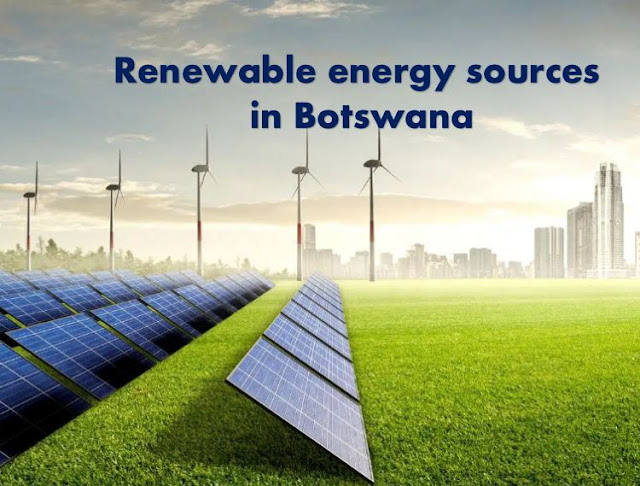
Renewable energy in Botswana
Botswana is a landlocked country located in Southern Africa that has recently shown an increasing interest in developing renewable energy sources.
The country has a population of over 2 million people, and its economy is heavily dependent on the mining industry, particularly diamonds. However, the government has recognized the need to diversify its energy mix and reduce its reliance on fossil fuels, which currently account for the majority of its energy consumption.
Botswana has significant renewable energy potential, particularly in solar and wind energy. The country receives abundant sunshine throughout the year, which makes it ideal for the development of solar power. Wind energy also has the potential to play a significant role in the country’s energy mix, particularly in areas with high wind speeds.
To date, Botswana has made significant strides in developing its renewable energy sector. The country has implemented a number of policies and programs aimed at promoting the use of renewable energy, including the development of a feed-in tariff system to encourage the adoption of solar power by households and businesses.
However, there are still significant challenges facing the development of renewable energy in Botswana, including limited access to financing, lack of technical expertise, and a weak regulatory framework. Nevertheless, the government remains committed to the development of renewable energy, and with the right policies and investments, there is significant potential for the country to become a leader in clean energy in the region.

Renewable energy sources in Botswana
Botswana has abundant renewable energy sources that have the potential to be harnessed for electricity generation.
These include solar, wind, biomass, and hydropower.
Solar energy is one of the most promising renewable energy sources in Botswana, given the country’s high solar irradiance levels. The country has several large-scale solar projects underway, including the 200 MW photovoltaic solar plant that is being developed in the Kgalagadi district.
Wind energy is also a viable option for power generation in Botswana. The country’s eastern region has good wind resources, and there are plans to develop wind farms in this area.
Biomass is another potential source of renewable energy in Botswana. The country has a large agricultural sector that produces significant amounts of waste biomass, such as crop residues and animal manure, which can be used to produce biogas and other forms of bioenergy.
Hydropower is another renewable energy option for Botswana, although the country has limited water resources. However, there are plans to develop small hydropower plants on some of the country’s rivers.
Botswana has the potential to become a leader in renewable energy in Africa, and the government has set ambitious targets for increasing the share of renewable energy in the country’s energy mix.
Botswana Nett Zero Carbon Target
Botswana has not yet set a net-zero carbon target, but the government has taken steps to reduce the country’s greenhouse gas emissions and promote sustainable development. In 2020, Botswana launched its National Climate Change Strategy and Action Plan, which outlines a roadmap for achieving the country’s climate goals.
The strategy includes a number of initiatives aimed at reducing Botswana’s greenhouse gas emissions, including:
Renewable energy development: Botswana is aiming to increase its renewable energy capacity to 15% of the country’s total energy mix by 2030. This includes the development of solar, wind, and hydropower projects.
Energy efficiency: Botswana is implementing energy efficiency measures to reduce energy consumption in buildings, transportation, and industry.
Sustainable land management: Botswana is promoting sustainable land management practices, including reforestation and sustainable agriculture, to reduce emissions from deforestation and land use change.
Waste management: Botswana is implementing waste management initiatives to reduce emissions from landfill sites and promote recycling and waste reduction.
Low-carbon transport: Botswana is promoting low-carbon transportation options, including electric vehicles and public transportation.
While Botswana has not yet set a net-zero carbon target, the National Climate Change Strategy and Action Plan represents a significant step towards reducing the country’s greenhouse gas emissions and promoting sustainable development. It is likely that Botswana will continue to take steps towards a low-carbon future, and may set a net-zero target in the future.

Botswana Sustainable Energy Program
The Botswana Sustainable Energy Program (BoSEP) is a government-led initiative aimed at promoting sustainable energy development in Botswana. The program was launched in 2016 and is being implemented by the Ministry of Mineral Resources, Green Technology, and Energy Security.
The objectives of the BoSEP are to:
Increase access to modern and sustainable energy services for households, businesses, and communities in Botswana.
Reduce Botswana’s reliance on fossil fuels and promote the development of renewable energy sources.
Improve energy efficiency in buildings, transportation, and industry to reduce energy consumption and greenhouse gas emissions.
Increase investment in the energy sector and promote private sector participation.
The BoSEP includes a number of initiatives and projects aimed at achieving these objectives, including:
Rural Electrification Program: The Rural Electrification Program aims to provide electricity to rural communities in Botswana that are currently without access to the grid. The program is focused on promoting the use of renewable energy sources, such as solar and wind power.
Energy Efficiency and Conservation Program: The Energy Efficiency and Conservation Program is aimed at promoting energy efficiency measures in buildings, transportation, and industry. The program includes initiatives such as energy audits, public awareness campaigns, and the development of energy efficiency standards and regulations.
Renewable Energy Development Program: The Renewable Energy Development Program is aimed at promoting the development of renewable energy sources in Botswana, such as solar, wind, and hydropower. The program includes initiatives such as the development of renewable energy policies and regulations, and the provision of financial incentives and support for renewable energy projects.
Private Sector Participation Program: The Private Sector Participation Program is aimed at increasing private sector investment in the energy sector in Botswana. The program includes initiatives such as the development of public-private partnerships, the provision of financial incentives and support for private sector investment, and the promotion of renewable energy investment opportunities.
The BoSEP represents a significant effort by the Botswana government to promote sustainable energy development and reduce the country’s reliance on fossil fuels. The program is still in its early stages, but has the potential to contribute significantly to Botswana’s economic development and environmental sustainability.
Government support for Renewable energy sources in Botswana
The Government of Botswana has recognized the importance of renewable energy sources in meeting the country’s energy needs and reducing dependence on fossil fuels. As such, the government has taken several steps to support the development and deployment of renewable energy sources in the country.
One of the key initiatives taken by the government is the formulation of the National Renewable Energy Policy (NREP) in 2015. The policy provides a framework for the promotion and development of renewable energy sources, including solar, wind, biomass, and hydropower, in Botswana.
The government has also established the Botswana Energy Regulatory Authority (BERA) to regulate the energy sector and ensure that renewable energy projects are given fair treatment in terms of licensing and tariffs.
In addition, the government has provided incentives to encourage the deployment of renewable energy sources, including tax exemptions and other financial incentives. For instance, the government has provided a 15% tax rebate for companies that invest in renewable energy projects.
The government has also established partnerships with international organizations, such as the United Nations Development Programme (UNDP), to support the development of renewable energy projects in the country.
The government’s support for renewable energy sources in Botswana has created a favorable environment for investment and deployment of renewable energy projects, which is expected to contribute significantly to the country’s energy security and sustainable development.

Botswana has several renewable energy development programs in place aimed at increasing the deployment of renewable energy sources in the country. Some of the notable programs include:
Botswana Renewable Energy Independent Power Producer Procuremen
t Program (REIPPPP)
This program aims to increase the contribution of renewable energy to Botswana’s electricity mix by procuring renewable energy from independent power producers. The program targets the development of up to 100 MW of solar power and 160 MW of wind power by 2025.
Scaling-up Renewable Energy Program (SREP)
This program is a partnership between the Government of Botswana, the World Bank, and other stakeholders. Its objective is to support the deployment of renewable energy in the country by providing technical assistance and financial support to renewable energy projects.
Rural Electrification Program
The government has initiated a rural electrification program aimed at providing access to electricity to rural communities in Botswana. The program involves the deployment of small-scale renewable energy systems such as solar home systems and mini-grids.
Botswana Power Corporation Renewable Energy Strategy
The Botswana Power Corporation has developed a renewable energy strategy aimed at increasing the deployment of renewable energy in the country. The strategy includes the development of large-scale solar and wind projects, as well as the integration of renewable energy into the existing electricity grid.
These programs and initiatives are expected to significantly increase the deployment of renewable energy sources in Botswana, contribute to energy security, and reduce the country’s greenhouse gas emissions.

Companies supporting the development of renewable energy in Botswana
Botswana has been working to develop its renewable energy sector to reduce its reliance on fossil fuels and promote sustainable development. While the country is still in the early stages of developing its renewable energy industry, there are several companies that are working to support this effort.
Here are a few examples:
Sun Exchange: Sun Exchange is a South African-based company that allows individuals and organizations to purchase solar panels and lease them to schools, hospitals, and other organizations in Botswana and other African countries. This provides these organizations with access to clean, affordable energy, while also providing investors with a return on their investment.
Ncondezi Energy: Ncondezi Energy is a UK-based company that is developing a 300 MW coal-fired power plant in Mozambique, with plans to export electricity to Botswana. While the project is not a renewable energy project, it is expected to reduce Botswana’s reliance on fossil fuels and provide the country with a more reliable source of electricity.
Engie: Engie is a French multinational company that provides a range of energy services, including renewable energy solutions. In Botswana, Engie has partnered with the Botswana Power Corporation to develop a 10 MW solar power plant in the town of Tobane.
Sunergy: Sunergy is a Botswana-based renewable energy company that provides solar water pumps and solar power solutions to rural communities. The company aims to help these communities access clean, affordable energy and reduce their reliance on fossil fuels.
Botswana Power Corporation: The Botswana Power Corporation is a state-owned utility company that provides electricity to the country. The corporation has been working to develop its renewable energy capacity, including through the development of a 100 MW solar power project in the town of Selebi Phikwe.
These companies are working to support Botswana’s transition to a more sustainable and renewable energy future. As the country continues to
Conclusion Renewable energy sources in Botswana
Botswana has abundant renewable energy resources, including solar, wind, biomass, and hydropower, which have the potential to meet the country’s energy needs sustainably.
The government of Botswana has recognized the importance of renewable energy and has put in place various initiatives and policies to support their deployment.
Through programs such as the Renewable Energy Independent Power Producer Procurement Program (REIPPPP), Scaling-up Renewable Energy Program (SREP), Rural Electrification Program, and Botswana Power Corporation Renewable Energy Strategy, the country is expected to significantly increase the deployment of renewable energy sources and contribute to energy security and sustainable development.
As the country continues to develop and implement its renewable energy policies, it has the potential to become a leader in renewable energy in Africa and achieve its goal of reducing dependence on fossil fuels, promoting energy security, and mitigating climate change.
https://www.exaputra.com/2023/03/renewable-energy-sources-in-botswana.html

Weather Guard Lightning Tech
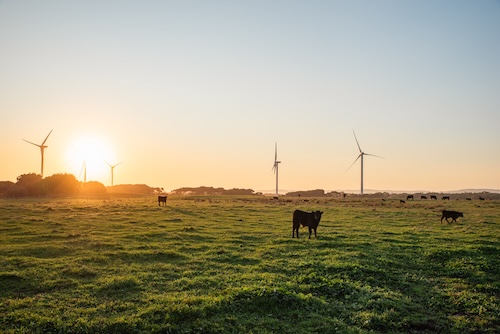
As Europe Shuns Chinese Turbines and Components, Who Will Fill the Gap?
While most of Europe has spent most of this year itemizing reasons it cannot, should not, and will not use Chinese wind turbines or components, accusations and arm-twisting tactics have garnered most of the attention.
But we invite you to consider a future – maybe just five, or ten years from now?- in which those same countries and companies are eagerly awaiting orders from wind turbine manufacturing facilities in… India.
What?!
You know that the country has a lot of installed wind.
You may think – and many in the industry would agree – that India’s blade manufacturers are a few revs behind blade-makers elsewhere in the world. But the country is newly committed to manufacturing and it’s busy installing more – provided that it’s made in India, with Indian technology, by Indian workers.
Of course, similar domestic-focused policy currents are running through European countries – where wind OEMs are almost inarguably a decade ahead of Indian manufacturers. But there’s an important reason why we say, “watch India” in wind turbine manufacturing.
It’s because you might learn something.
If you follow The Uptime Wind Energy Podcast, you probably heard this discussion a few weeks ago. It wasn’t the headline story – we try to highlight as many major news items and trends that we can, and follow up as credible information becomes available. India’s quiet moves to strengthen its own renewable energy industries didn’t grab the headlines. But it comprised a good bit of our panelists’ discussion.
With India’s expanding manufacturing capacity, and Suzlon’s strategic offerings for the European market (Blue Sky), there are reasons for European developers to take a closer look at Indian manufacturers.
If Europe continues to squelch deals with Chinese manufacturers due to data security issues, India is a relatively obvious candidate to fill the void, for several reasons:
- The country has depth and breadth in R&D: India (Suzlon, specifically) has a track record of involvement and relationships across the continent, as it operates research and development centers in Germany, the Netherlands, and Denmark.
- Indian service providers have reach: Inox and Adoni Wind operate multiple wind turbine manufacturing plants and wind farms throughout several Indian states, and Apraava Energy has been commissioning wind projects, working with multiple OEMs, for more than 16 years.
- The country’s energy sector has size: Tata Power is estimated to be worth about US$16 billion and employs 22,000 people.
And major manufacturers from other countries have had a strong presence in the country for years:
- GE Vernova has turbine blade and nacelle manufacturing operations and multiple tech/R&D centers in India;
- Vestas has a R&D technology center in Chennai; and
- China’s SANY Wind has had assembly facilities in India since 2017, and in 2024, it signed a licensing agreement with JSW allowing SANY to manufacture blades and generators for JSW – enabling JSW Neo Energy to produce wind turbine generators and major components in-country.
So while there is hard data suggesting that India is already a global hub for wind turbines, sometimes the real strength comes from soft skills. Like sharing information.
We’ve noticed that Indian manufactures aren’t stingy with information. They share what they learn in the field and on the shop floor, so that the whole industry can move faster to solve problems. That bodes well for the industry overall, and particularly well for companies who figure out how to solve problems that some manufacturers aren’t even ready to admit to having.
We’ll be watching India with a great deal of interest in the coming months. Subscribe to The Uptime Wind Energy Podcast and follow along with us.
We’re not financial analysts. We’re engineers who watch the wind industry very closely. This is what we’ve noticed, and we thought it was worth sharing.
Where do you think you’ll be looking for solutions, components, and service providers in the next few years or the next decade? Tell us what you think. We’d love to hear from you.
As Europe Shuns Chinese Turbines and Components, Who Will Fill the Gap?
 To the author of the meme here:
“Either” refers to two choices; “any” refers to three or more.
More importantly, it’s amazing how shamelessly the ultra-right wing exaggerates. The left side of the Democratic party would like to see the United States look like social democracies in places like Scandinavia. Having government programs that benefit the common person, e.g., Social Security, public schools, emergency relief, libraries, environmental responsibility, etc., does not equate to Stalinism.
 Some of my old prep school chums from the Class of 1973 convene via Zoom approximately every six weeks for a 90-minute discussion of current events, science, and anything else that sounds interesting.
Our professions range from medicine, law, finance, and business management. All from highly ranked colleges. Over 50% hold doctorate degrees.
Here’s something I find fascinating about the group: it includes one right-wing conservative. I don’t mean a Reaganite; I mean a Trump supporter. This guy is incapable of any thought that doesn’t come directly from Nexsmax.
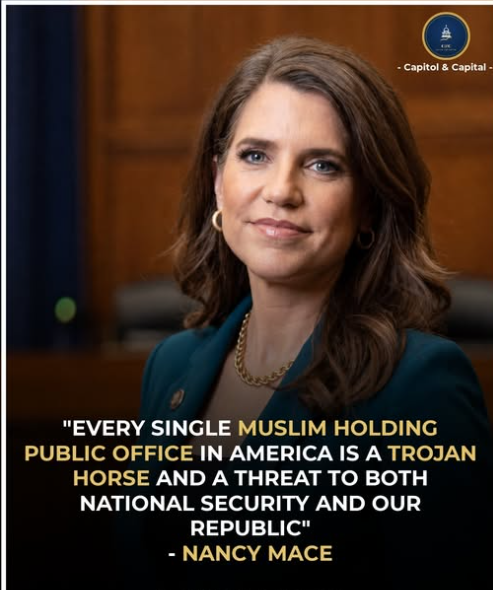
It’s almost eerie how closely he toes the line of the far-right. Yesterday he echoed the Newsmax talking point and told the group that all Muslims holding public office are “very dangerous” and should be removed.
Now, the rest of us are sitting there, dumbfounded at this idea, unwilling waste our breath on this racist and utterly preposterous concept.
All this raises the question: How are our political viewpoints formed? How much of this is genetics? Epigenetics? Early childhood experiences? How do take a boy from among the best environments and turn him into someone who struggles to understand the most basic principles on which our country was founded?
https://www.2greenenergy.com/2026/11/09/principles-country-was-founded/



-
Climate Change1 year ago
Guest post: Why China is still building new coal – and when it might stop
-
Greenhouse Gases1 year ago
Guest post: Why China is still building new coal – and when it might stop
-

 Greenhouse Gases2 years ago
嘉宾来稿:满足中国增长的用电需求 光伏加储能“比新建煤电更实惠”
-

 Climate Change2 years ago
嘉宾来稿:满足中国增长的用电需求 光伏加储能“比新建煤电更实惠”
-

 Renewable Energy1 year ago
Sending Progressive Philanthropist George Soros to Prison?
-
Greenhouse Gases1 year ago
嘉宾来稿:探究火山喷发如何影响气候预测
-