

It’s one of the best weeks of the year: Shark Week. As our finned friends get a lot of extra attention this week, I am reflecting on my love of sharks and the threats they’re facing. In fact, before I was an ocean plastics guy, I was a shark guy. And sadly, on a perfect sunny day in the tropics while searching for sharks, I also found plastics.
Two decades ago, I was researching these magnificent animals in the crystal-clear waters of the Turks and Caicos Islands (TCI) at the School for Field Studies. Each day, we’d take our research boats out in hopes of tagging juvenile lemon sharks to better understand their movements, site fidelity and nursing habitats in the shallow waters surrounding South Caicos. Every interaction with these animals was exhilarating, and quite often we’d get the bonus of spotting or tagging other species like bonnethead sharks, Caribbean reef sharks and even the awe-inspiring tiger shark—my personal favorite!
While out on shark patrol one Sunday afternoon along the eastern reef of South Caicos, I first encountered plastic pollution on a magnitude I had never previously seen. Due to the steep cliffs that backed the beach and the shallow reefs that protected it seaward, piles of plastics and debris that drifted over the reef and onto the sand remained stranded. And with little to no human access to these beaches in the early 2000s, the accumulations grew with each passing day.
Sharks are increasingly threatened by plastic pollution, primarily through entanglement and ingestion. At least 34 species have been reported entangled in plastic debris, although actual numbers are likely much higher due to underreporting. The most common item causing entanglement is abandoned, lost or discarded fishing gear (also known as “ghost gear”), though plastic strapping bands also pose a major risk. Looped plastics like strapping bands can constrict sharks, interfering with feeding and breathing.
Sharks are at risk from eating plastics, too. Plastic bags, plastic packets and even a boot have been found inside shark stomachs. And scientists believe microplastics may pose a particular risk to filter-feeding species like whale sharks, although hundreds to thousands of microplastics have been documented inside individual tiger and hammerhead sharks as well. There is still much more to learn and understand about the interactions and effects of plastics on sharks, but what is known raises concerns about the long-term impacts of plastic ingestion on shark health and ocean health more broadly.
Never Miss An Update
Sign up for Ocean Conservancy text messages today.
It was on that same reef in South Caicos in 2006, during a break from shark patrol and long before joining Ocean Conservancy where I first participated in the International Coastal Cleanup® (ICC). And like the millions of ICC volunteers around the world who participate each year, I too collected data on every item I picked up. And with each item, I was more and more curious, asking the questions: “Where did these plastics come from? “How the heck did they end up here?” and “This can’t be good for ocean animals, can it?”
I would later learn that the piles of debris that littered that stretch of coast came from all over the Caribbean. This was also my first glimpse of how the brands and languages on plastics provide valuable information to trace where trash comes from, an approach I still use to this day in fieldwork around the world. Further, it showcased the interconnectedness of the waters and people throughout the Caribbean Sea and North Atlantic Ocean.
These early, formative encounters with ocean plastics have stuck with me over the past 20 years, as have the sights of sharks effortlessly navigating their natural environments in those TCI waters. It is something that is forever lodged in my memory, something I never forget or tire of. Sharks have existed in our ocean for more than 400 million years, and over this time, they have perfected every aspect of their design. However, sharks were never meant to contend with the plastic pollution that now overwhelms every dimension of their marine environment.
Today, the most harrowing fact this Shark Week is that the plight of sharks has never been greater. And the scariest thing in the ocean isn’t a shark, it’s plastic pollution. Join Ocean Conservancy for Plastic Free July and beyond and call on your elected leaders to phase out wasteful, harmful single-use plastics.
The post How are Sharks Affected by Plastic Pollution? appeared first on Ocean Conservancy.

Ocean Acidification
Dr Heidarzadeh’s TV interview with SkyNews on the massive M7.7 Panama earthquake on 9 October 2026
Dr Heidarzadeh’s TV interview with SkyNews on the massive M7.7 Panama earthquake on 9 October 2026. Click here for the full story.

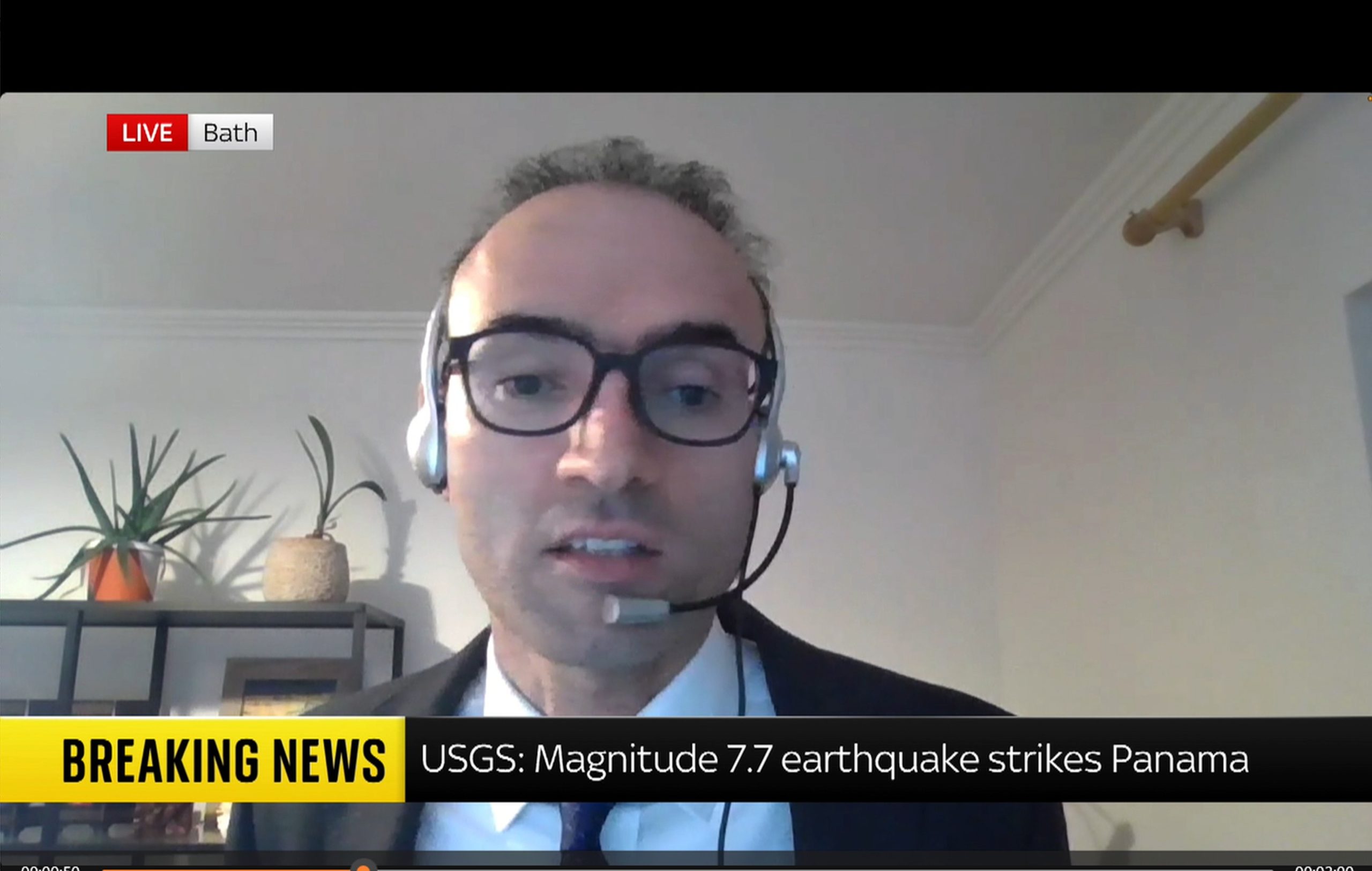
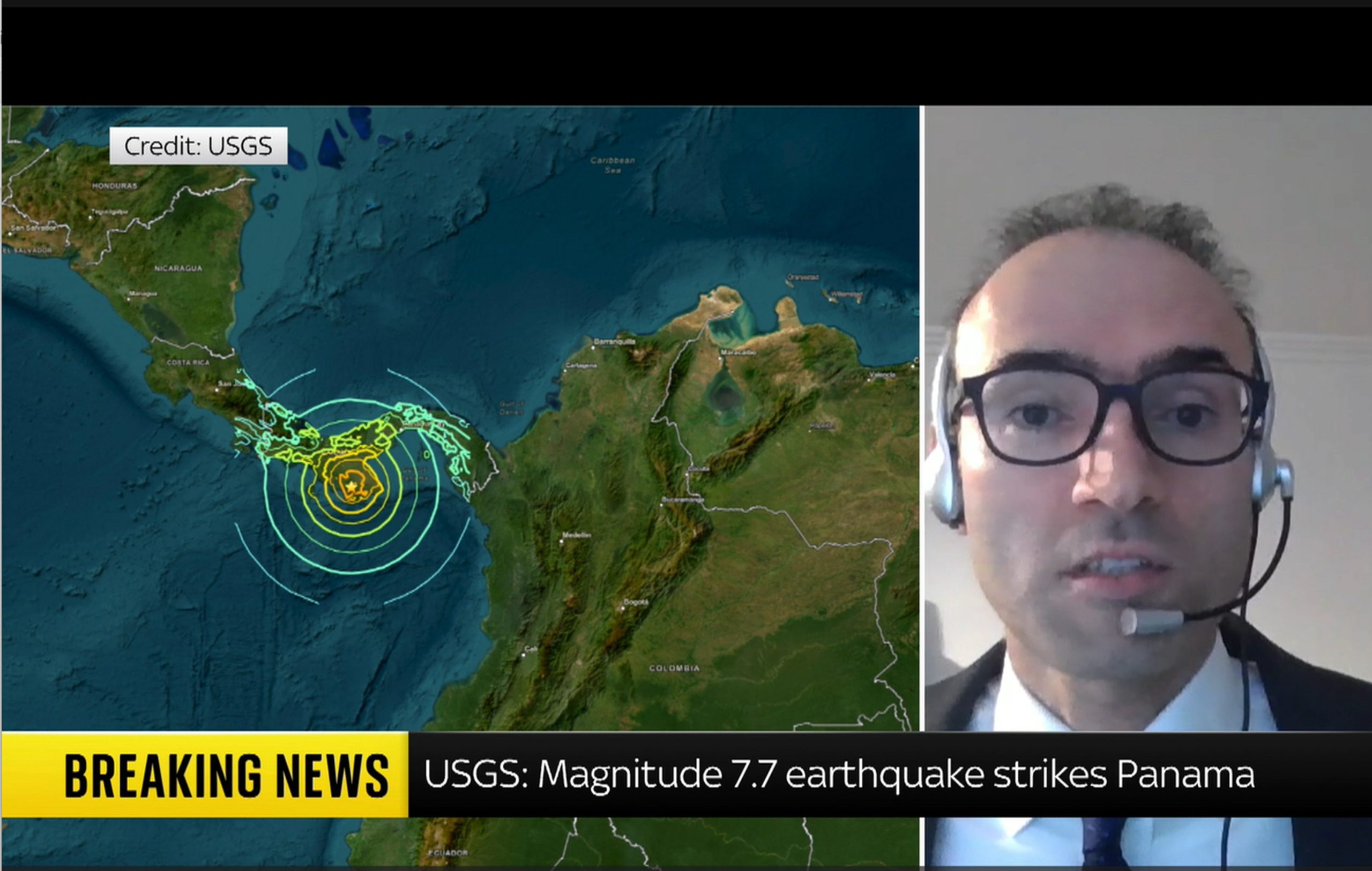
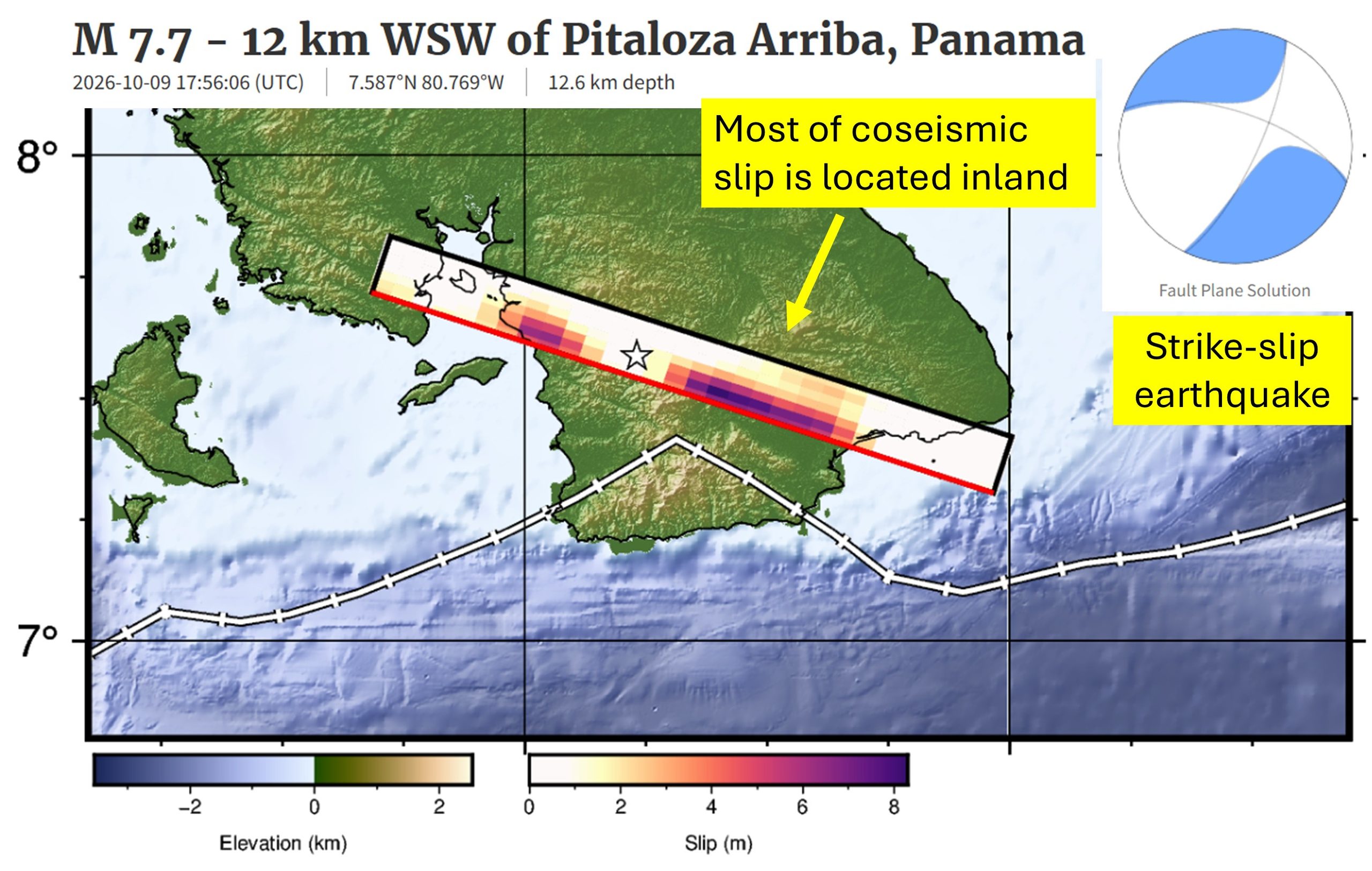
Dr Heidarzadeh’s TV interview with SkyNews on the massive M7.7 Panama earthquake on 9 October 2026
Our ocean is an incredibly vast and mysterious place. And there is no place where that is more evident than the deepest ocean area in the world: the legendary Mariana Trench. Located east of the Philippines, the Mariana Trench lies in the Mariana Archipelago in the western portion of the North Pacific. The greater area of the Mariana Trench Marine National Monument is made up of more than 95,000 square miles of ocean. Beneath these waters lie incredibly complex aggregations of submerged islands and volcanoes … and of course, an astoundingly massive trench.
Dive in with us to have your biggest questions answered about the famed Mariana Trench.
How deep is the Mariana Trench?
The deepest part of the Mariana Trench, known as Challenger Deep, is almost 36,000 feet below the ocean’s surface. For context, Mount Everest is about 29,000 feet above sea level, so the Mariana Trench is about 7,000 feet deeper than Mount Everest is tall. For one more comparison, the RMS Titanic lies at a depth of about 12,500 feet below sea level. The Challenger Deep is in waters nearly three times deeper than this ship’s final resting place.
Due to its enormous size, the Mariana Trench has at times been affectionately nicknamed the Grand Canyon of the ocean. This is certainly a picturesque image, but don’t let the mammoth size of this U.S. national terrestrial park fool you into thinking the Mariana Trench matches its size. The trench’s footprint is estimated to be 120 times larger than the Grand Canyon’s, and to reach the bottom of Challenger Deep, you’d need to descend through almost six Grand Canyons stacked on top of each other before you’d reach the seafloor.
Oh … and did we mention it’s five times wider than it is deep? It’s about 43 miles wide!
What is Challenger Deep, and how long would it take to reach it?
Challenger Deep is the deepest point of the Mariana Trench. Fewer than 30 people have ever journeyed to this area. The trek below the surface is long, dark and time-consuming, and it’s not an expedition considered lightly by scientists and explorers.
The first people to descend into the depths of this area in 1960 were oceanographers Jacques Piccard and Don Walsh, and it took them close to five hours to reach Challenger Deep. Since then, more advanced submersibles have been created, but it still takes two to four hours for modern vessels to reach such depths. For example, explorer and filmmaker James Cameron reached the seafloor in a little more than 2.5 hours in the first documented solo submarine dive to the area, and it took oceanographer Dr. Dawn Wright about four hours in 2022. It is crucial that these submersibles descend slowly and steadily beneath the surface, as the immense water pressure compounds with every mile a submersible descends. Speaking of pressure …
Get Ocean Updates in Your Inbox
Sign up with your email and never miss an update.
What is the water pressure at the bottom of the Mariana Trench?
If you thought the depth of the Mariana Trench was its only jaw-dropping feature, think again. Water pressure is one of the most important factors affecting deep-sea life. In the ocean, pressure increases by one atmosphere for every 33 feet (10 meters) of depth. One atmosphere (a unit of measurement for pressure equivalen