

The New York State Energy Research and Development Authority (NYSERDA) has made $5 million available for demonstration projects that co-locate solar siting and agricultural operations in New York State.
Through the Environmental Research Program, this funding is slated to support researchers, solar developers, farmers, non-profit organizations and local governments interested in agrivoltaics.
“The integration of agriculture operations and clean energy siting is important to understand the costs, benefits and market potential of locating two essential industries in the same space,” says Doreen M. Harris, NYSERDA president and CEO.
“We look forward to creating new public-private partnerships that can provide economic and agricultural data to demonstrate the feasibility of co-locating solar and farming to inform a future that meets both New York State’s clean energy and land use priorities.”
Through this competitive solicitation, the authority is accepting proposals to support individual projects integrating both new or retrofitted solar and farm operations such as those with cattle grazing, forage or specialty crop production, with up to $750,000 per project.
Researchers, solar developers, farmers, non-profit organizations and local governments are eligible to submit proposals that include a solar site design, marketable agricultural commodity, estimates of expected agricultural production and solar generation. Applications will be accepted through September 12.
Projects selected will also be required to share data on costs, benefits and lessons learned, in addition to hosting educational events open to the public to raise awareness of how to design and operate solar sites that integrate agricultural production.
Funding for this initiative is through the Regional Greenhouse Gas Initiative.
The post NYSERDA Allots $5M for Demo Projects Co-Locating Solar and Agriculture appeared first on Solar Industry.
NYSERDA Allots $5M for Demo Projects Co-Locating Solar and Agriculture

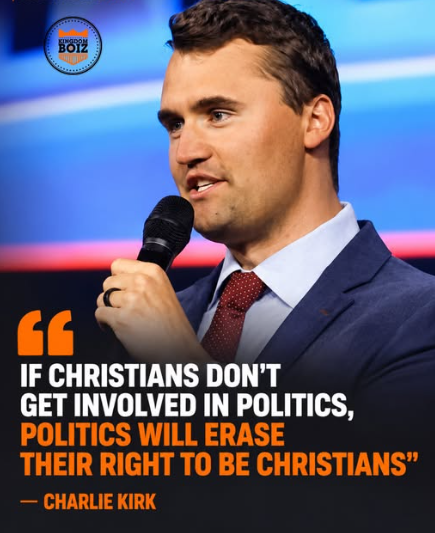 I suppose there are people who believe that the radical left is on a path to make Christianity illegal, and perhaps to install Islam as the official religion of the United States. This is remarkable for two reasons:
a) Every schoolchild in America learns about the First Amendment’s guarantee of freedom of religion at a very young age, and
b) This country made it successfully though 250 years with no one being ignorant enough to bring up this ridiculous concern.
One would hope that this figure of near 60% would indirectly translate into Trump’s ouster before he can take full control of the U.S. government.
We vote Trump’s stooges out of office in November and replace them people of honor. Trump is impeached, convicted and removed. From there, justice takes its course.
Nordex Q3 Orders Jump 30%, Vestas Bets on Australia
Nordex Q3 orders jump 30% and Vestas lands about a gigawatt in Australia. Plus why turbine factories skip Australia, high project costs, and whether batteries can replace coal.
The Uptime Wind Energy Podcast is brought to you by Weather Guard Lightning Tech, creators of the StrikeTape Ultra LPS retrofit. Subscribe to Uptime’s Substack newsletter. And check out Rosemary’s “Engineering with Rosie” Youtube channel. Have a question we can answer on the show? Email us!



-
Climate Change1 year ago
Guest post: Why China is still building new coal – and when it might stop
-

 Greenhouse Gases2 years ago
嘉宾来稿:满足中国增长的用电需求 光伏加储能“比新建煤电更实惠”
-
Greenhouse Gases1 year ago
Guest post: Why China is still building new coal – and when it might stop
-

 Climate Change2 years ago
嘉宾来稿:满足中国增长的用电需求 光伏加储能“比新建煤电更实惠”
-

 Renewable Energy12 months ago
Sending Progressive Philanthropist George Soros to Prison?
-
Climate Change2 years ago
Bill Discounting Climate Change in Florida’s Energy Policy Awaits DeSantis’ Approval
-
Greenhouse Gases1 year ago
嘉宾来稿:探究火山喷发如何影响气候预测
-

 Climate Change2 years ago
Analysis: China’s CO2 falls 1% in Q2 2024 in first quarterly drop since Covid-19