

Last Updated on September 10, 2025
You’ve probably seen TENCEL on clothing tags before. But what exactly does it mean? And is it good for the environment?
A majority of the clothing online and in malls are made using polyester, aka plastic. While I’m all for using recycled polyester in fabrics that call for it (like athleticwear), I also try to opt for natural fabrics whenever possible.

Some of the links in this post are affiliate links; for more information please see my disclosure policy.
That’s because to create virgin polyester, 70 million barrels of oil are used annually, and transforming this oil into polyester fabric releases numerous toxins into the environment.
Plus, polyester pieces shed microplastics into our waterways when washed. Approximately 500,000 polyester microfibers are released from a 6kg wash.
Lets not forget microfibers of plastic have been found in almost every part of the human body, including our feces, lungs, blood and even placentas. Reducing microplastic exposure can be as simple as utilizing natural fabrics in our clothes.
TENCEL is a brand of Lyocell and Modal fibers, both of which are quite similar, but slightly different. Here’s everything you need to know about TENCEL clothing and which sustainable brands are using it.
is tencel synthetic or natural?
TENCEL is a semi-synthetic fiber made from natural wood pulp (cellulose), transformed into fiber using chemical solvents. The chemical processing is what makes Tencel semi-synthetic.
There are two kinds of TENCEL: Lyocell and Modal which have slightly different processing procedures – but both are made from cellulose.
Here’s a glimpse at them:
TENCEL Lyocell
Made with an innovative closed-loop process that results in little waste (more than 99.8% of solvent is recovered!). Wood pulp is dissolved and the solution is pumped through spinnerets to form a filament that is cut into staple fibers which are washed, dried, opened and pressed into bales.
TENCEL Modal
Similar to viscose rayon, but with less waste. Made with resource-efficient technology with high recovery rates of chemicals. Cellulose in Modal processing needs to be chemically altered before it’s dissolved, filtered, spun and cut into staple fibers.
Both TENCEL lyocell and modal fibers are sourced from controlled or certified forests meeting FSC or PEFC standards.
is tencel a good fabric for clothing?
TENCEL is a good fabric for clothing in place of conventional cotton, silk, or virgin polyester due to its versatility.
TENCEL Lyocell is a great replacement for conventional cotton or silk because its soft to the touch. It’s also more resistant to piling than cotton.
TENCEL Modal is a great alternative to virgin polyester fabrics in activewear due to its breathable and absorbent nature.
Both TENCEL Lyocell and Modal are also a good fabric for the environment. As long as they’re not combined with synthetic fabrics (like polyester), they are certified biodegradable and compostable.
Just be mindful that modal and lyocell made outside of Lenzing AG may not be as eco-conscious, because they don’t have to meet rigorous standards. Modal or Lyocell without the TENCEL certification is likely made in factories not being transparent with their practices both socially and environmentally.
what are the disadvantages of tencel fabric?
There aren’t many disadvantages of TENCEL fabric, but there are a few that stand out. Here are some to consider:
- Compared to cotton, TENCEL can be expensive
- Unless certified from TENCEL, it’s impossible to know if the wood needed for lyocell or modal is sustainably harvested or crafted
- It is a chemical-heavy process, but if getting from a TENCEL certified brand, it has a significantly lower environmental impact than generic modal
does tencel shrink in the dryer?
Yes, TENCEL lyocell can shrink in the dryer but you can reduce this by simply caring for it properly. Modal is less likely to shrink, but to minimize the chance, wash both lyocell and modal in cold water on a gentle cycle and air dry whenever possible.
If you must tumble dry, do it on a low heat setting and remove the items while still slightly damp to avoid over-drying.
where can I buy tencel clothing?
There are several sustainable brands that sell TENCEL clothing. I’ve gone ahead and highlighted some of my favorite features of each brand, but it isn’t an exhaustive list. Be sure to check out their websites for more information.
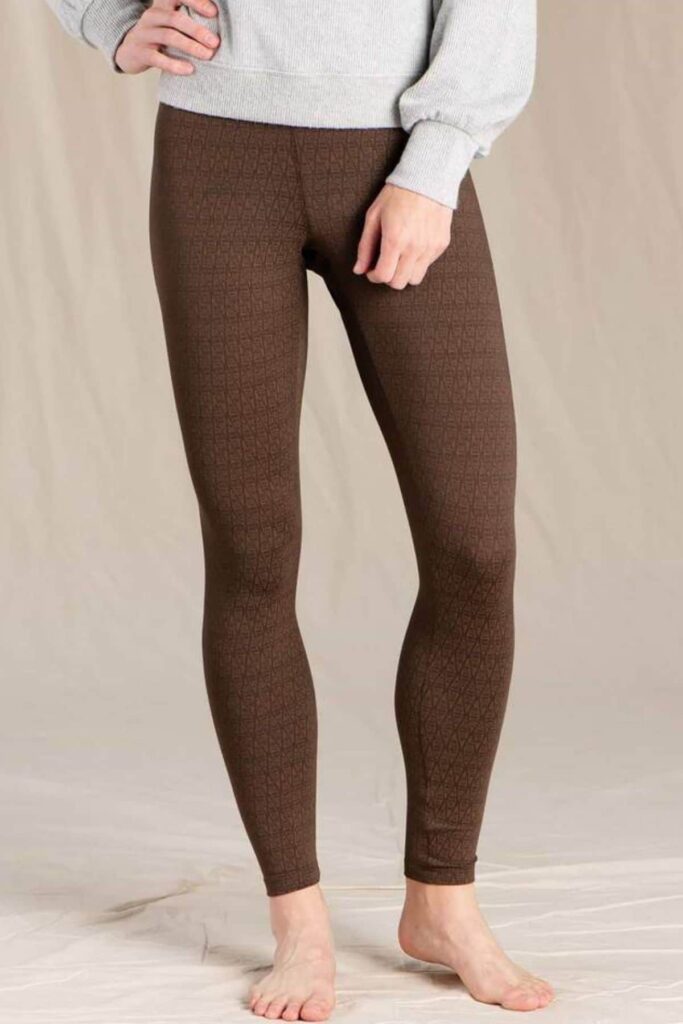
1. toad & co
- Men and women’s clothing for everyday and outdoor use
- Sustainable materials, including TENCEL Lyocell and Modal
- Takeback program for old clothes (from any brand)
- Member of The Renewal Workshop, repairs and resells old Toad clothes
- LimeLoop partner, reusable shipping—made from recycled billboards
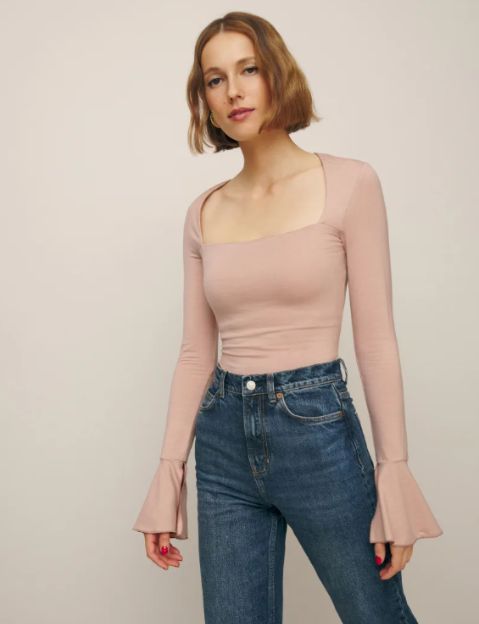
2. reformation
- Women’s clothing
- Sustainable materials, including TENCEL Lyocell
- Packaging is made from recycled or compostable materials
- RefRecycling take back program
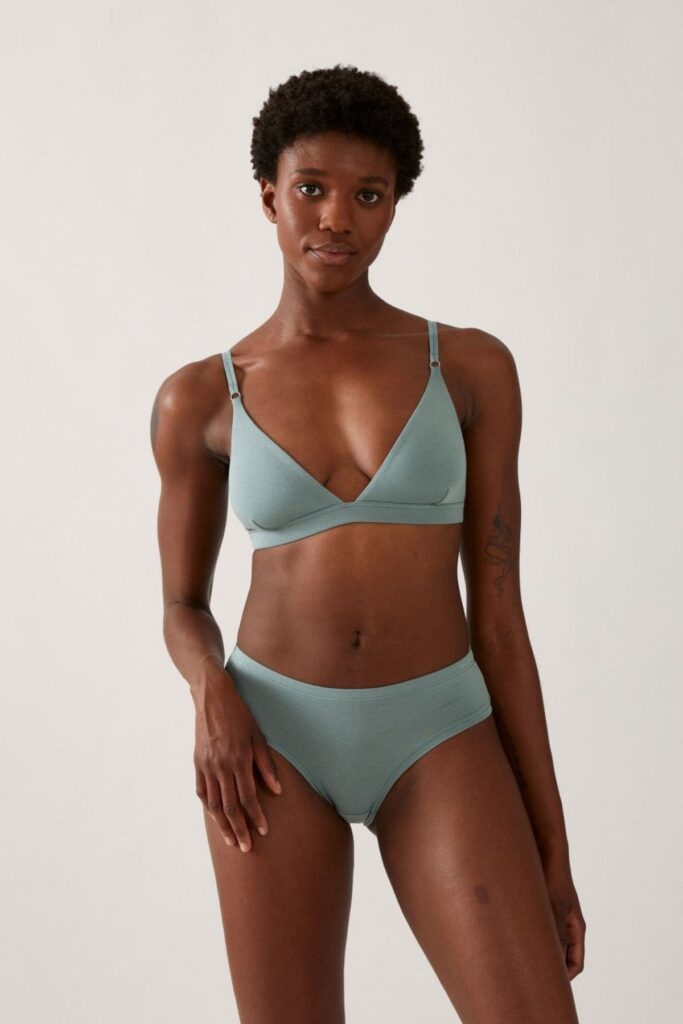
3. armed angels
- Women and men’s clothing
- Sustainable materials, including TENCEL Lyocell
- Carbon offsets
- Fair trade company
- Supports biomass projects in India to reduce emissions
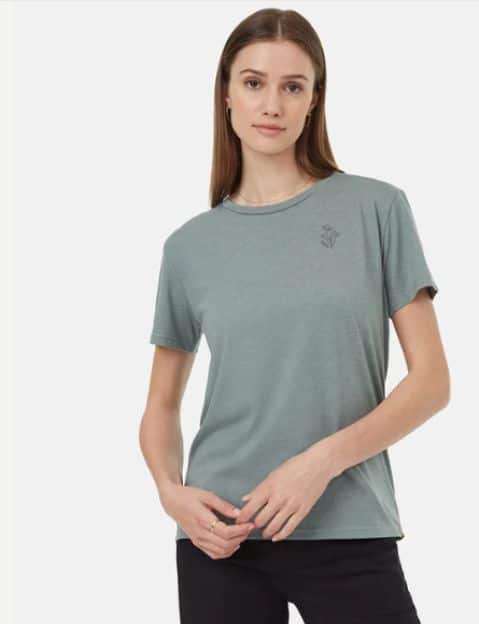
4. tentree
- Women and men’s clothing
- Sustainable materials, including TENCEL Lyocell
- 10 trees planted with every order
- Ethical manufacturing
- Responsible packaging
- B Corporation
- Carbon neutral certified

5. organic basics
- Women + men’s clothing
- Sustainable materials, including TENCEL Lyocell
- All workers treated with respect, earn living wages, + have a safe working environment
- 1% for the Planet member

6. whimsy and row
- Women’s clothing
- Sustainable materials, including TENCEL Lyocell and Modal
- Limited quantities, produced locally
- Recycle every scrap of material in their production process
- Carbon neutral
What are your favorite TENCEL clothing brands? List them in the comments below!
The post Is Tencel Clothing Sustainable? appeared first on Going Zero Waste.

There’s something undeniably special about wearing uniquely handcrafted, fair trade jewelry that you can know was made slowly and thoughtfully with care. Equally special is wearing an elevated set of jewelry crafted with recycled materials and sustainable processes.
Whether you’re looking for an investment piece or more affordable pieces, there are options for any budget on this list. The aesthetics of these fair trade and sustainable jewelry brands also vary, so you’ll also be able to discover an ethical brand that matches your unique style.
What is Fair Trade Jewelry?
Fair trade can both be a general term used to describe a brand’s sourcing practices — like direct relationships with artisan cooperatives, wages above local standard rates, and safe working conditions — or a third-party “Fair Trade” verification through an organization like Fair Trade Federation, Fair Trade USA, or World Fair Trade Organization. When a brand doesn’t have a certification, we verify a brand’s practices by their own published information.
In the cases where brands do go the extra mile and get a third-party verification for their fair trade practices, we’ve noted it directly in their entries.
Note that this guide includes affiliate links and partners. As always, we only feature brands that meet high standards for responsibility we love, and that we think you’ll love too!
2. Ana Luisa
Best for: affordable everyday jewelry
Conscious Qualities: Recycled Gold, Lab-Grown Diamonds, Small-Batch Production, Direct-to-Consumer
Ana Luisa creates stunning, elegant jewelry from responsibly-sourced materials including 100% recycled gold and lab-grown diamonds. The sustainable jewelry brand also produces in small batches to minimize waste.
By using a direct-to-consumer model, Ana Luisa is able to provide luxury, high-quality jewelry at accessible prices.

3. Monica Vinader
Best for: recycled demi-fine jewelry
Conscious Qualities: Woman-Founded, Recycled Silver & Gold Vermeil, Traceable Gemstones, Lab-Grown & Conflict-Free Diamonds, Supply Chain Transparency
Price Range: $85 (studs) – $2,495 (diamond ring)
British jewelry brand Monica Vinader was one of the first brands to meet the gap between fashion jewelry and fine jewelry with their “demi fine” jewelry. The women-founded brand has necklaces, earrings, bracelets, and rings crafted from 100% recycled sterling silver and gold vermeil, fully traceable gemstones, and lab-grown or conflict-free diamonds. Monica Vinader also launched Product Passports, taking an active effort towards full supply chain transparency.

4. WorldFinds
Best for: unique statement jewelry with a story
Conscious Qualities: Fair Trade Verified, Upcycled Materials, Artisan-Made
WorldFinds provides sustainable employment and just wages for hundreds of women artisans in India and Bali. These artisans handcraft both sleek metal fair trade jewelry and unique recycled Kantha pieces. WorldFinds is Verified by the Fair Trade Federation, which assesses members against fair trade principles including fair wages, safe conditions, and transparent supply chains.
Plus WorldFinds’ signature Kantha jewelry is made from upcycling materials: wood scraps from a furniture factory and locally sourced Kantha fabric remnants.

5. Astor + Orion
Best for: drop earrings and charm necklaces with symbolism
Conscious Qualities: Certified Ethical Factory, Recycled Materials, Designed for Recyclability, Repair Program
Ethical jewelry brand Astor + Orion sources their jewelry from a factory with multiple certifications ensuring worker safety, fair production practices, and responsible environmental management. Astor + Orion’s stunning jewelry is made from recycled materials and designed in a way to make it easily recyclable! Their pieces also come with a quality assurance — the brand will repair any piece within 6 months of purchase.

6. Laura Elizabeth
Best for: non-toxic jewelry in organic shapes
Conscious Qualities: Locally Sourced Recycled Metals, Woman-Owned, Fair Wages, Safe Working Conditions
Price Range: $45 – $330
Crafted from recycled metals sourced locally in LA, Laura Elizabeth creates stand-out sustainable jewelry. All of the brand’s jewelry is sourced ethically from a small, woman-owned studio in Los Angeles that ensures reasonable working hours (35 hr/week), fair wages, and safe working conditions (such as proper ventilation). Check out more on Laura Elizabeth in this post!
The jewelry is also non-toxic, free of cadmium or lead.

7. Ten Thousand Villages
Best for: giftable fair trade jewelry
Conscious Qualities: Fair Trade Production, Artisan-Made
Price Range: $6 – $175
Founded in 1946, Ten Thousand Villages is one of the fair trade pioneers and a founding member of the World Fair Trade Organization (WFTO), the global network that verifies fair trade practices across its member organizations.
They’ve developed relationships with artisans around the world, providing valuable economic opportunities for thousands of makers in 30 countries around the world. Their marketplace has handmade necklaces, earrings, bracelets, and rings, along with a variety of other fair trade goods.
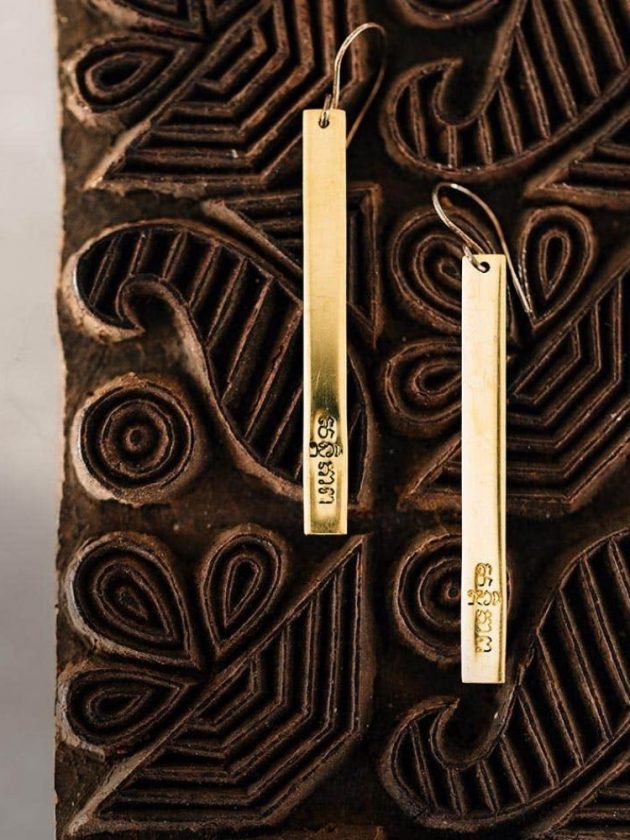
8. Edge of Ember
Best for: gemstone jewelry
Conscious Qualities: Recycled Gold & Silver, Artisan-Made, Ethical Production
Price Range: $49 (ear cuff) – $2,730 (diamond tennis bracelet)
Edge of Ember’s timeless jewelry is responsibly crafted by makers working in artisan groups and small-scale factories. Their delicate necklaces, bracelets, rings, and other pieces are crafted by skilled artisans in India, Hong Kong, Germany, and Thailand. The brand carries out independent social audits to ensure ethical working conditions and environmental responsibility.
Edge of Ember has a wide selection of recycled gold and silver rings, bracelets, and necklaces adorned with stunning gemstones, including many birthstone jewelry options perfect for gifting.
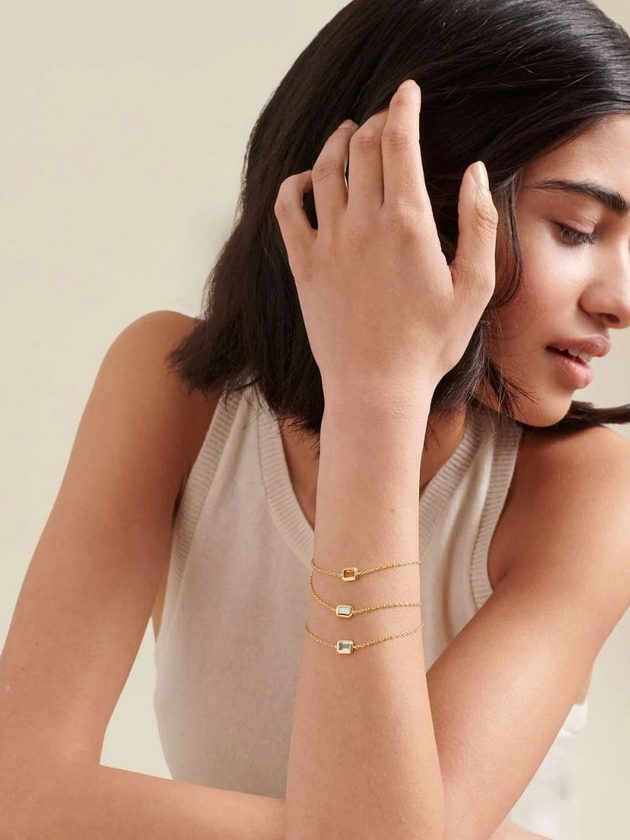
9. Aurate
Best for: ethical diamond fine jewelry
Conscious Qualities: 100% Recycled Gold, Lab-Grown & Conflict-Free Diamonds, Vintage Collection
Price Range: $18 (stainless steel chain) – $19,000 (diamond tennis necklace)
Responsibly-sourced quality jewelry — that’s Aurate’s promise. The jewelry brand’s sleek, timeless pieces are thoughtfully made by seventh-generation craftspeople using 100% recycled gold and lab-grown or conflict-free diamonds.
Aurate also has a curated collection of vintage fine jewelry from cocktail watches to signet rings up to 50% off.

10. SOKO
Best for: modern, minimalist artisan-made jewelry
Conscious Qualities: Above-Market Artisan Wages, Black-Owned
Price Range: $78 – $298
SOKO is an innovative Black-owned ethical jewelry brand using mobile tools to bridge the barriers for artisan entrepreneurs in Kenya. In partnership with SOKO, independent artisans can operate a “virtual factory”, earning 5x more than an average artisan workshop in their local areas.
The jewelry is made with 24K gold or silver-plated brass — an affordable metal that also happens to consist of 90% recycled content on average. Other materials include reclaimed horn and bone, locally-sourced teak wood offcuts, and ceramic beads made by a fair trade women’s collective in Kenya.