

You never really think too much about time unless you are late, planning an event, or even setting your alarm clock. It generally is understood that it exists and we, as a society, keep track of it through clocks, watches, conversations, and agendas.
When you get accepted to sail on the JOIDES Resolution, you understand that you are going to work 12 hours under the time zone the ship is chosen to follow. However, time starts to become more and more relative the longer you are on the ship.
The first moment where you notice that the way you interact with time is different to the way you interact with it on land is when the only greeting you hear is “Good morning!”. The ship operates 24/7, which means that there are 4 different shifts for the 118 crew members to work. Your morning can be midnight, 6pm, 6am, or midday, and thus anytime you see someone for the first time that day you greet them with good morning.

This is not initially detrimental to your concept of time, but compound it with the fact that your 12 hour shift isn’t wholly during daylight hours. While the midnight to midday or midday to midnight both are split almost in half by daytime and night time, the 6pm to 6am does not experience that. The 6pm to 6am shift wakes up to night as their morning, and works through their shift as it spans across two calendar days. Their today is tomorrow as well, and they go to bed after sunrise making their tomorrow start tonight. The most similar to land time is the 6am to 6pm shift, but very rarely do more than 4 people get to work that shift, but even then time is still a little wonky since you still interact with onshore colleagues that are not in the same timezone as you.

Timezones become a regular part of how you think because you have onshore family, friends, and work colleagues that are in a different time zone from you. Plus, shipboard computers are always at UTC but shipboard clocks and watches are on the current timezone we are sailing in. For instance, we are sailing in the Italian time zone, UTC + 1. Add in the fact that as the outreach officer I have to schedule ship to shore broadcasts for a global audience, I have to discern what time zone the 3pm that someone wants to book an appointment is in compared to mine. The mental gymnastics become especially interesting when the time zone differences leads to it being my tomorrow but their evening. For instance, 7 pm EST for someone in New York, USA on March 22 is the ship’s 12am March 23.

As our shifts extend into different days, being able to talk about what day it is becomes even harder. A lot of times we just say “two days from now” or “ when you wake up next” instead of identifying the actual day as Monday or Friday. This very likely is heightened by the fact that a lot of our day is monotonous, once described as ground hog day. Wake up – eat – work- eat- work – eat- social time- sleep- REPEAT. Give or take the sunset or sunrise.

I am not the only one that experiences time as a weird social construct when on the ship, it is a shared by my crew members.
Brandon, one of the physical properties specialists on board, mentioned that the only way he knows it was the weekend was due to the fact that he gets less emails than usual. Tori, one of the Paleomagnetists on board, pointed out that the language we use to identify meal time is even lost. When trying to invite someone to take a break for lunch, it could be your first meal but their second meal and the kitchen’s third meal cooked that day, and thus you are left to say “Meal time?”. Don’t forget that the only crew members that get breakfast food like eggs or oatmeal for their first meal is the 6am to 6pm shift, which is not ideal for Brandon who really enjoys some bacon in the morning. So you can’t really use the kind of food you have to develop an understanding of time passing.
As much as time, when on the ship, is endless or a black hole or far from reality, it is cherished by the crew members. We create unique bonds of friendship, and find ways to provide variability as the days drone on. During expedition 402 we had a hot wing competition, wellness wednesday movie night, a talent show, and more. We make do with time on the ship, even if we are confused about what day or time it is.




For generations, stories of people being swallowed by enormous sea creatures have painted awe-inspiring tales of human survival and perseverance. From the biblical account of Jonah to the legendary battle of Hercules and Cetus to the timeless story of Pinocchio, these legendary tales have captivated people since time immemorial.
But all these stories raise the question: Could someone really be swallowed by a whale? With the premiere of the film Whalefall on October 16, 2026, you may find yourself in conversations about this very situation. Based on the bestselling 2023 thriller authored by Daniel Kraus, the film tells the story of a scuba diver who is accidentally gobbled up by a sperm whale while searching for the remains of his late father. With only an hour of oxygen left in his tank, the diver must fight to escape the whale’s gut before time runs out.
The answer to whether it’s anatomically possible for a whale to swallow a person is actually a bit more complicated than you might think.
Get Ocean Updates in Your Inbox
Sign up with your email and never miss an update.
What’s not possible
First, let’s start with what’s not possible. There are about 90 whale species known to science today, and they are split into two different groups: toothed whales, such as sperm whales, and baleen whales, such as humpback whales and blue whales. Instead of teeth, baleen whales have massive rows of specially designed bristles that act as filters. When feeding, these whales take big gulps of water, filtering through massive amounts of tiny krill and plankton. This is why baleen whales are known as filter feeders.
Because baleen whales eat such small organisms in large amounts, they don’t physically require much space to swallow their food. The opening in their throat that leads to their esophagus is shockingly small—it’s only about the size of a grapefruit! It’s probably obvious by now, but scientifically, it is entirely impossible for a baleen whale to swallow a person. While a few news stories have recounted oceangoers like kayakers accidentally ending up in or around the mouths of humpback whales, they’ve been spit out or released within seconds. If you were a whale, this would feel like trying to eat a handful of M&Ms and accidentally realizing an entire rotisserie chicken was in your mouth!
Toothed whale anatomy, however, is where this answer gets a bit more nuanced. Toothed cetaceans eat creatures like fish, sharks and squid. Because toothed whales need to chew their food, their digestive anatomy varies from that of their baleen counterparts, and they have notably larger gullets.
What is possible
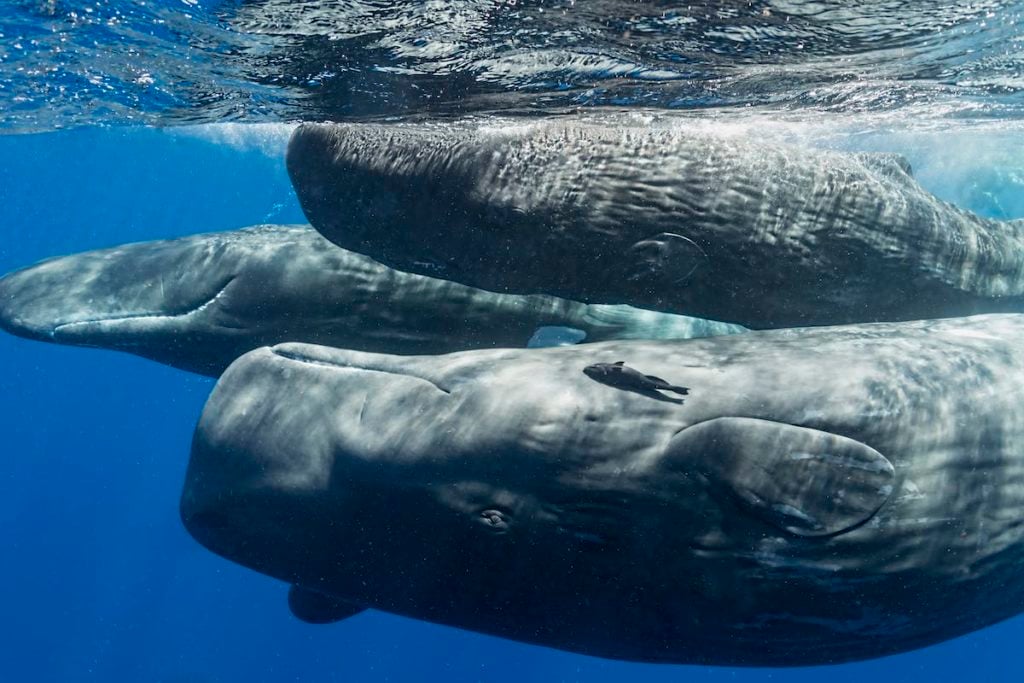
However, even amidst the more than 70 known species of toothed whales, only one species is anatomically capable of swallowing a person whole: the sperm whale.
Sperm whales are massive creatures and can grow to be up to 60 feet long. Because of their size, their prey tend to be on the larger side, too. A sperm whale’s esophagus isn’t particularly huge, but it has the elasticity to stretch to fit large prey such as giant squid, which can grow to be more than 20 feet long (not including their appendages). So, if a sperm whale can swallow a giant squid … could they potentially swallow a human?
Technically yes, but it’s so highly improbable that it’s nearly inconceivable. First, the likelihood that a human encounters a sperm whale is negligible on its own. Unlike whale species like humpbacks, sperm whales prefer to hang out in the deep water columns and underwater canyons of the open ocean, often diving down to close to 10,000 feet in search of food. So a person’s chances of seeing a sperm whale at any point in their life are very small.
Even if a sperm whale did somehow manage to swallow a person, the circumstances would likely not be what you’d expect. Project CETI whale biologist Shane Gero told Popular Science that it’s not necessarily impossible, but highly unlikely, and would have to involve the “biggest sperm whale ever” to be feasible. Even if it did happen, Gero noted that the initial rush of water or even the whale trying to “cough” to expel the person would likely be enough impact to kill a person before an actual digestive process could.
Has this ever happened?
To date, there is no documented case of a whale actually swallowing a person. The only animal on Earth known to have successfully swallowed a person whole is the longest snake species in the world: the reticulated python.
So, while the thriller Whalefall may be deeply unsettling to watch, you can rest easy knowing just how unlikely—if not impossible—this situation actually is. You need not be afraid of sperm whales … however, if you were a sperm whale, you might be afraid of humans!
These marine mammals are regularly threatened by dangers like vessel strikes, noise pollution and entanglement in lost or discarded fishing gear, otherwise known as “ghost gear”. They are a protected species under the Endangered Species Act, and we should see them not as a threat, but as a captivating species worth protecting. Help Ocean Conservancy protect animals like sperm whales today by taking action in support of the Endangered Species Act.
The post Could You Really Be Swallowed by a Whale? appeared first on Ocean Conservancy.
Ocean Acidification
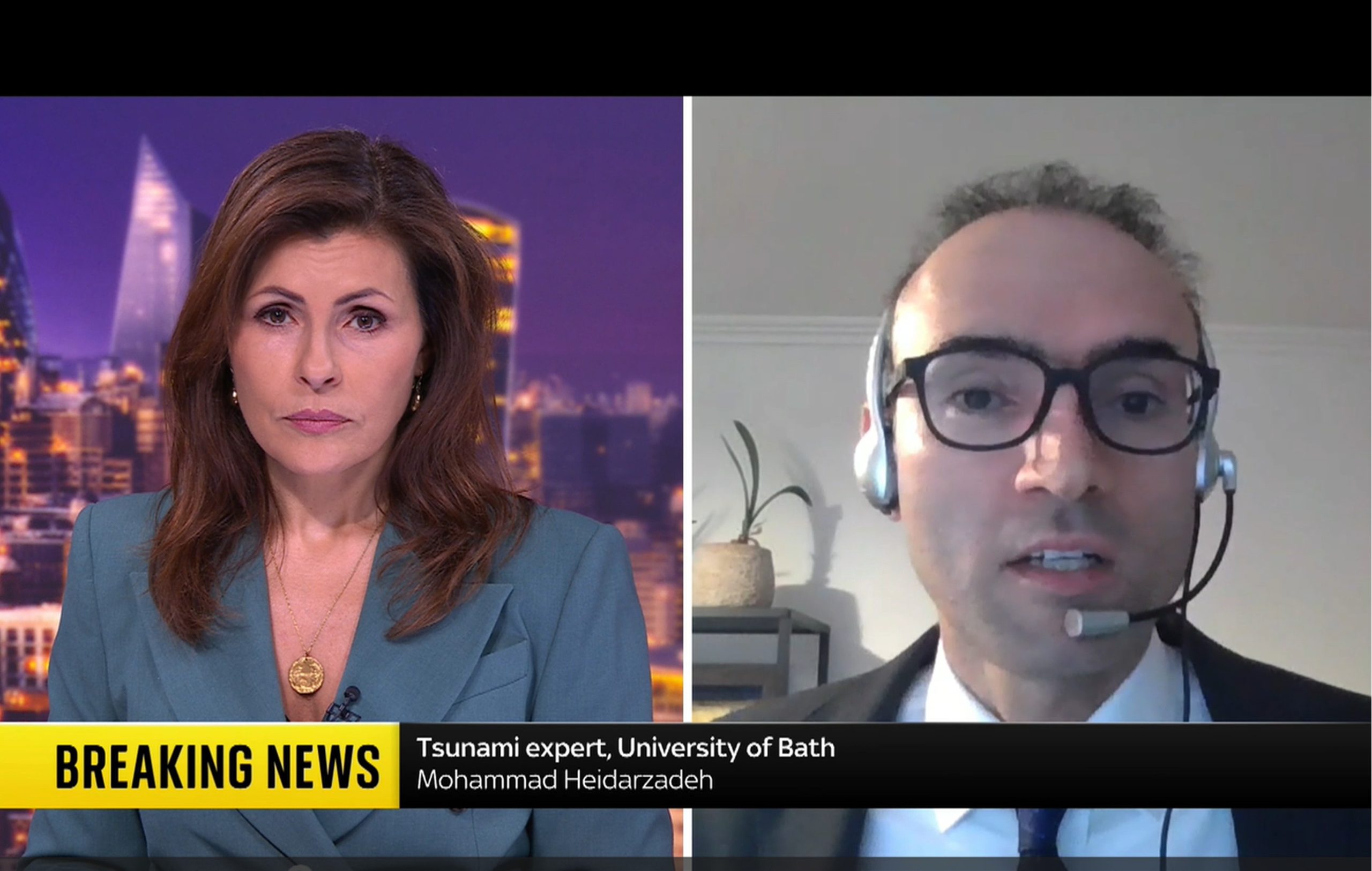
Dr Heidarzadeh’s TV interview with SkyNews on the massive M7.7 Panama earthquake on 9 October 2026
Dr Heidarzadeh’s TV interview with SkyNews on the massive M7.7 Panama earthquake on 9 October 2026. Click here for the full story.
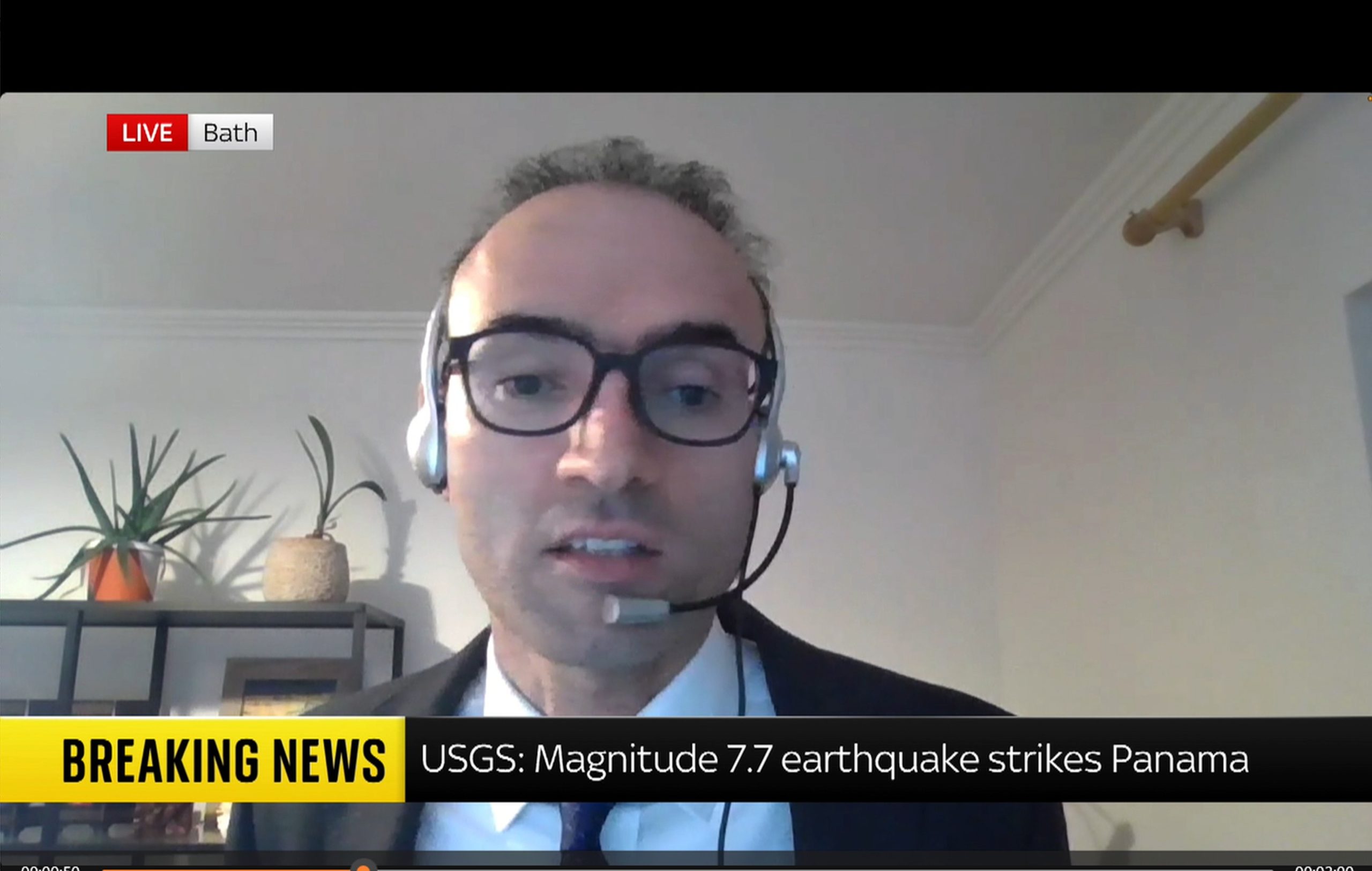
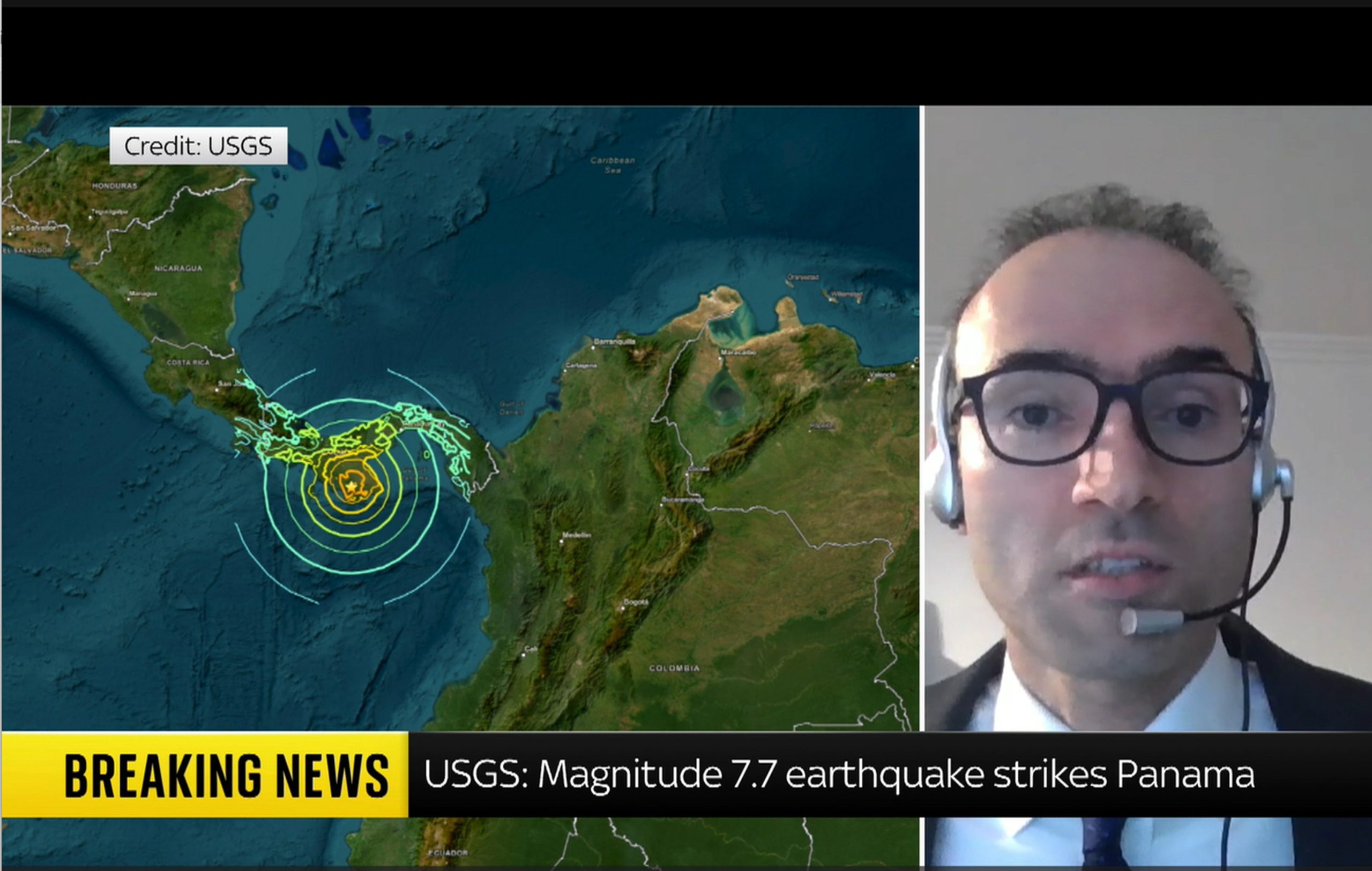
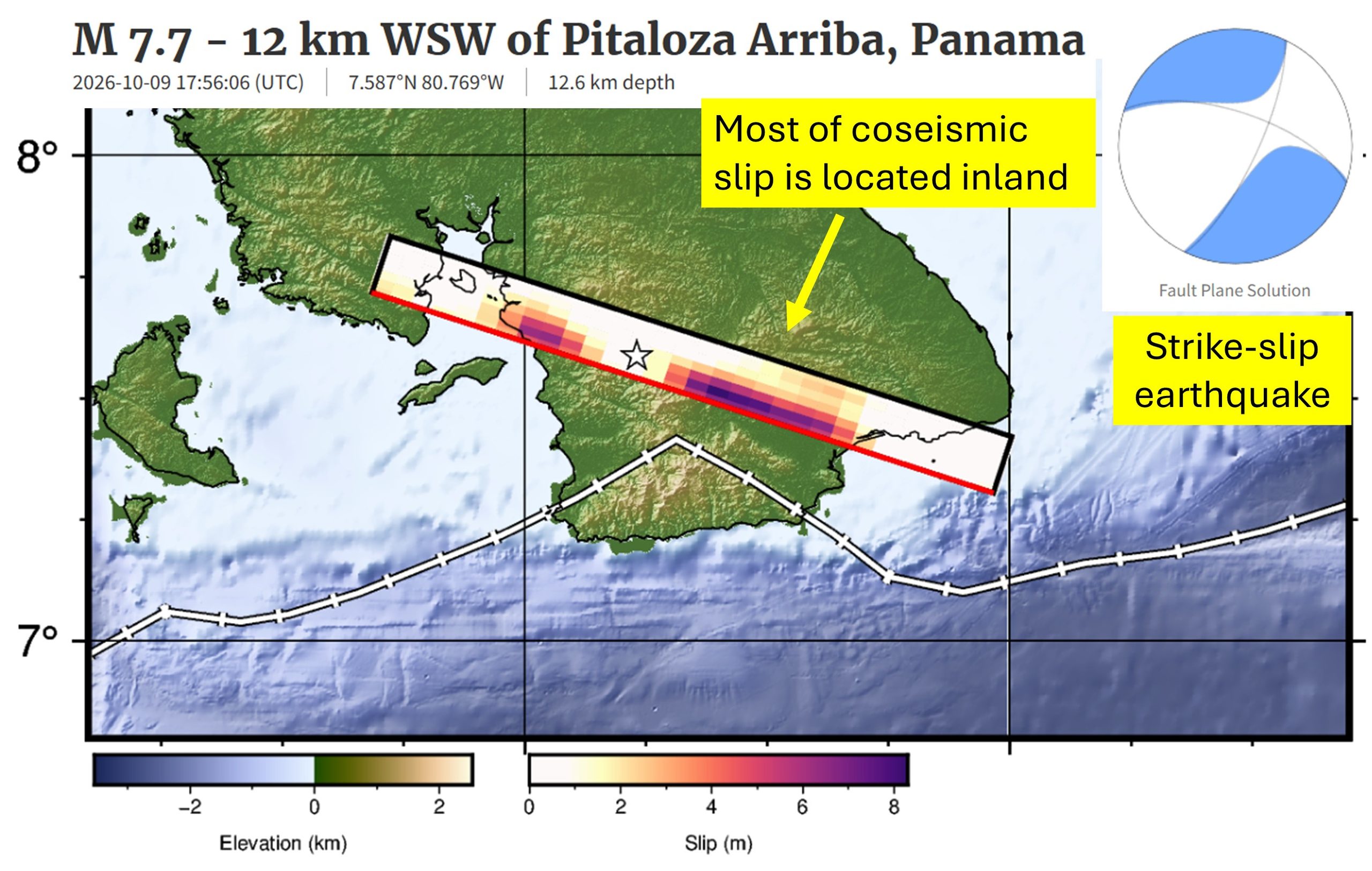
Dr Heidarzadeh’s TV interview with SkyNews on the massive M7.7 Panama earthquake on 9 October 2026
Our ocean is an incredibly vast and mysterious place. And there is no place where that is more evident than the deepest ocean area in the world: the legendary Mariana Trench. Located east of the Philippines, the Mariana Trench lies in the Mariana Archipelago in the western portion of the North Pacific. The greater area of the Mariana Trench Marine National Monument is made up of more than 95,000 square miles of ocean. Beneath these waters lie incredibly complex aggregations of submerged islands and volcanoes … and of course, an astoundingly massive trench.
Dive in with us to have your biggest questions answered about the famed Mariana Trench.