

Welcome to Carbon Brief’s DeBriefed.
An essential guide to the week’s key developments relating to climate change.
This week
Trump ‘SOS’
‘CHAOS’ GRIPS: More than 1,900 scientists from US national academies of sciences, engineering and medicine wrote an “SOS letter” warning of the risks to science imposed by the current administration’s grant cuts and mass layoffs, reported the Guardian. The Guardian also said a “sense of chaos has gripped” the National Oceanic and Atmospheric Administration, after Trump-sanctioned layoffs have affected 20% of staff.
WEAKER STANDARDS: Trump is weighing returning to weaker car emissions standards from 2020, saying pollution limits introduced by Joe Biden are “too onerous” for motor companies, Bloomberg reported. The US transportation sector is the country’s leading source of greenhouse gas emissions.
TARIFFS TURMOIL: The New York Times said that the renewable energy industry in the US is “bracing for particularly large effects” from Trump’s ongoing tariffs war with the rest of the world. It noted that the turmoil is “expected to drive up the costs of nearly every component of clean-energy production in the US, from the steel in wind turbines to the batteries in electric vehicles”.
Around the world
- SOFTENING GOALS: EU Climate Commissioner Wopke Hoekstra is considering softening the bloc’s 2040 climate goal amid a “backlash” from some quarters, Politico said. A second Politico story reported that the release of the goal will be delayed while Hoekstra “struggles” to rally support.
- COAL STICKS: The world’s total coal-fired power “inched up” by 18.8 gigawatts in 2024, the lowest rise in two decades, with new additions in China and India continuing to offset closures elsewhere, according to Reuters coverage of a new Global Energy Monitor report.
- ASIA HEAT: Large swathes of India will experience intense heatwaves this summer with above normal temperatures expected across much of the country, the nation’s meteorological office has warned, according to BBC News.
- RENEWABLE AFRICA: Africa increased its renewable energy capacity by 6.7% last year, equivalent to 4.2GW, according to an International Renewable Energy Agency report covered by Energy Capital and Power. Egypt, Ethiopia and South Africa were among countries to build the most clean power.
40%
The percentage by which the “average person would become poorer” if the world warmed by 4C, according to an Environmental Research Letters study covered by the Guardian.
Latest climate research
- An “extraordinary” heatwave in Central Asia in March was made up to 10C hotter by human-caused climate change, a new World Weather Attribution analysis found.
- A Proceedings of the National Academy of Science study found that the limits of human heat tolerance are lower than previous estimates.
- Climate change has played a dominant role in destabilising communities of plankton, microorganisms that form the basis of the food web for marine wildlife, a new study in Communications Earth and Environment found.
(For more, see Carbon Brief’s in-depth daily summaries of the top climate news stories on Monday, Tuesday, Wednesday, Thursday and Friday.)
Captured

China’s exports of solar panels to the global south have doubled in the past two years, overtaking global-north sales for the first time since 2018, according to data from the thinktank Ember explained in a new Carbon Brief guest post. Saudi Arabia and Pakistan were among the top importers of Chinese solar panels in 2024.
Spotlight
Deep-sea mining talks
Carbon Brief explains the outcomes of the latest deep-sea mining talks held last week in Jamaica.
The deep sea has emerged as a new mining frontier in the global race towards energy security, with countries vying to explore and exploit its reserves of metals, such as nickel, copper, cobalt and manganese.
These minerals – critical to the energy transition – are held in the deep ocean’s nodules, hydrothermal vents and crusts, but the impacts of mining these deposits are still far from being fully understood.
In 2021, the Pacific island state of Nauru triggered a legal process for countries to agree rules around mining the seabed, or – in their absence – allow commercial mining of the deep sea to begin by 2025.
The UN Convention on the Law of the Sea (UNCLOS) is an international treaty that provides a framework to regulate the use of the world’s seas and oceans.
Among other bodies and orders, UNCLOS established the International Seabed Authority (ISA), which is based in Kingston, Jamaica, and oversees all resource extraction in the deep sea.
From 17-28 March this year, the ISA held the first part of its 30th annual session, with the aim of making progress on draft rules to govern commercial deep-sea mining.
Jamaica talks
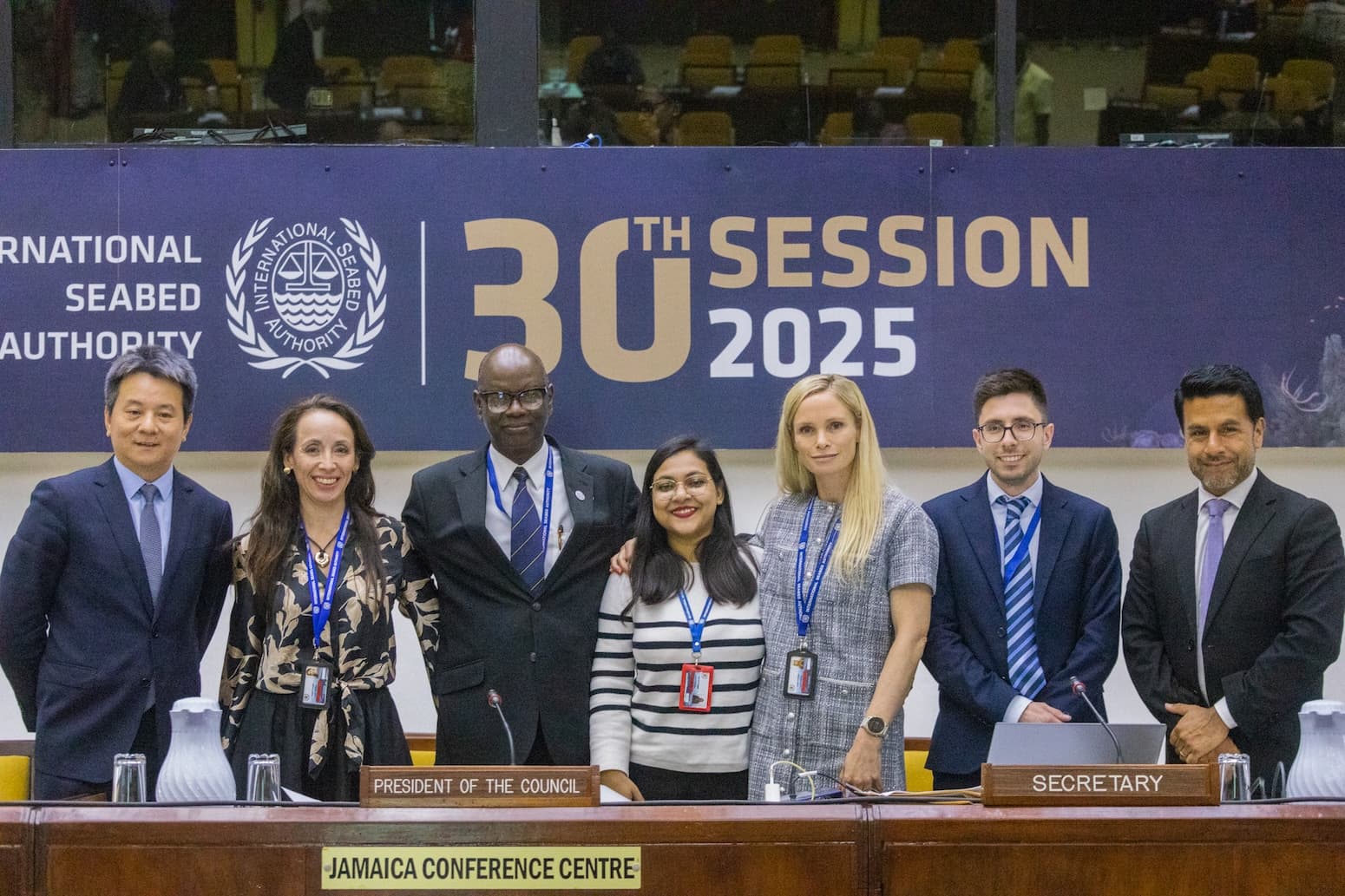
The ISA said that there was “significant progress” on various aspects at the meeting and other areas that “require further deliberation”.
Some of this progress is the agreement to use the term “harmful effects” rather than “serious harm” to the marine environment, which aligns with the UN Convention on the Law of the Sea (UNCLOS), the Earth Negotiations Bulletin noted.
However, it added that there were “major issues unresolved”, related to “regulations” crucial for the protection of the marine environment, such as environmental impact assessments and the rights and interests of coastal states.
Duncan Currie, the international legal advisor to the Deep-Sea Conservation Coalition, said parties did not agree on any of the 55 reviewed regulations, but rather just discussed their positions on those regulations.
He also pointed out the lack of discussion over financial matters, liability, the royalties that are paid and the benefit sharing from deep-sea mining, telling Carbon Brief:
“There are 80 standards and guidelines that can’t be developed until [countries] have developed the regulations. I think most people think that they’re quite a long way away from being adopted.”
Current and future outlook
So far, 32 ISA member states are in favour of a moratorium on deep-sea mining, while other countries are seeking to exploit minerals in the seafloor “as soon as possible”.
Among those promoting the deep-sea mining industry are India, China and Norway, while countries such as Palau, Fiji and Samoa are promoting a “pause on deep-sea mining until its ecological impacts are better understood”, Carbon Brief previously reported.
In a surprise move that sent “alarm bells ringing” in the ISA and beyond, the US subsidiary of the Metals Company announced on 27 March that it is moving ahead with applying for deep-sea exploration permits under existing US legislation in the second quarter of 2025.
The announcement came on the last day of the ISA talks, where it dominated discussions at the end of the meeting.
On 31 March, Reuters reported that the Trump administration is “weighing an executive order” that could let miners bypass the ISA, its safeguards and “fast-track” permits. The US is not a party to UNCLOS.
Both developments signal that the ISA is “at a crossroads”, according to the Earth News Bulletin, and its next session in July will be closely watched for how the body responds to a potential unilateral action to allow deep sea-mining.
Watch, read, listen
NOT WITH SPORTS: A Discovery+ documentary explored how extreme weather is already affecting sport events.
STRENGTHENING MENTAL HEALTH: A psychologist writing in the Revelator offered strategies to reduce the effects of climate change on mental health.
FOSSIL LOBBY: Former UN climate chief Christiana Figueres and political strategist Tom Rivett-Carnac addressed the fossil fuel lobby within COPs on their Outrage and Optimism podcast.
Coming up
- 2-5 April: Global Youth Climate Summit, Belo Horizonte, Brazil
- 7 April: International Mother Earth Day
- 7-11 April: International Maritime Organization Marine Environment Protection Committee meeting (MEPC 83), London
Pick of the jobs
- Sky News, senior news editor – science, climate and technology | Salary: Unknown. Location: London
- Australian National University, postdoctoral research fellow in climate systems | Salary: AU$85,010-$131,227. Location: Canberra, Australia
- Dialogue Earth, social media officer | Salary: £36,035 per annum. Location: London
- Grantham Research Institute on Climate Change and the Environment, policy officer (adaptation policy and governance) | Salary: from £42,679-£54,730. Location: London
DeBriefed is edited by Daisy Dunne. Please send any tips or feedback to debriefed@carbonbrief.org.
This is an online version of Carbon Brief’s weekly DeBriefed email newsletter. Subscribe for free here.

The post DeBriefed 4 April 2025: Scientists issue Trump ‘SOS’; EU climate goal in jeopardy; Deep-sea mining talks appeared first on Carbon Brief.

Next week, diplomats from around the world will descend on Yerevan, Armenia, to negotiate a series of decisions under the UN Convention on Biological Diversity (CBD).
Between 19 and 30 October, 196 parties will gather to hammer out the precise wording of the dozens of legal texts that make up the decisions under the Conference of the Parties (COP) to the CBD.
This year’s summit is particularly significant, as it marks the halfway point between the agreement of the Kunming-Montreal Global Biodiversity Framework and the deadline for achieving its targets.
The CBD has found that countries are currently not on track to meet 22 out of the framework’s 23 targets.
During the fortnight, delegates will also be negotiating decisions relating to the two supplemental protocols to the CBD: the Cartagena Protocol, which covers biosafety; and the Nagoya Protocol, which covers access and benefit-sharing for the use of genetic resources.
(The Cartagena and Nagoya Protocols, which are each governed by a “meeting of the parties”, or “MOP”, have fewer parties than the CBD as a whole, with 173 and 141, respectively.)
Carbon Brief is tracking the progress of countries towards consensus on dozens of negotiating texts using the interactive table below.
The tracker includes texts from the COP, as well as the MOPs for the Cartagena and Nagoya protocols. It also includes draft decisions from the most recent subsidiary body meetings, as these form the starting point for the negotiations in Yerevan.
The CBD has three subsidiary bodies: the subsidiary body on scientific, technical and technological advice (SBSTTA), the subsidiary body on implementation (SBI) and the subsidiary body on article 8(j) and other provisions (SB8J).
SB8J focuses on issues related to the Indigenous peoples and local communities. It was established at COP16 in Cali, Colombia, in 2024.
The first two columns of the interactive tracker list the topic of each agenda item and the relevant body, with subsequent columns including dates, page counts and links to the original documents.
The table is searchable and can be sorted using the arrows in the header.
Areas of disagreement in UN draft texts are denoted by square brackets. Counting the brackets in a particular iteration of a text therefore gives a sense of how far parties are from reaching consensus.
The bracket column is colour-coded, with dark green indicating a low number of brackets and red indicating a high number of brackets remaining.
Texts can also present parties with choices using “options” or alternatives (“alt”), which are counted together in the sixth column of the table.
The key discussions in Yerevan will centre around two agenda items in particular. The first is the global review, which will assess progress towards the GBF and make recommendations for accelerating action.
The second is finance, which can be separated into two parts: resource mobilisation and the financial mechanism. On resource mobilisation, biodiverse global south countries are likely to push for an increased amount of international finance for conservation.
Disagreement over the creation of the financial mechanism led to the suspension of COP16 in Cali in October 2024, as parties failed to find agreement on the mobilisation of finance before the end of the summit.
Global south countries want the establishment of a separate financial mechanism under the control of the CBD; global north countries largely prefer to maintain the existing mechanism, which sits under the Global Environment Facility.
At the resumed session of COP16 in Rome in early 2025, countries agreed on a roadmap that would lead to the establishment of a permanent mechanism.
related
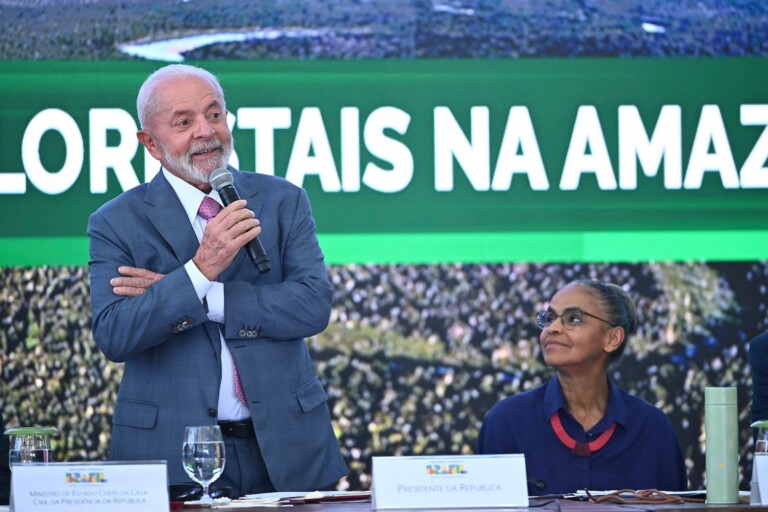
Analysis: Lula presidency saved at least 20,000km2 of Brazilian Amazon since 2022
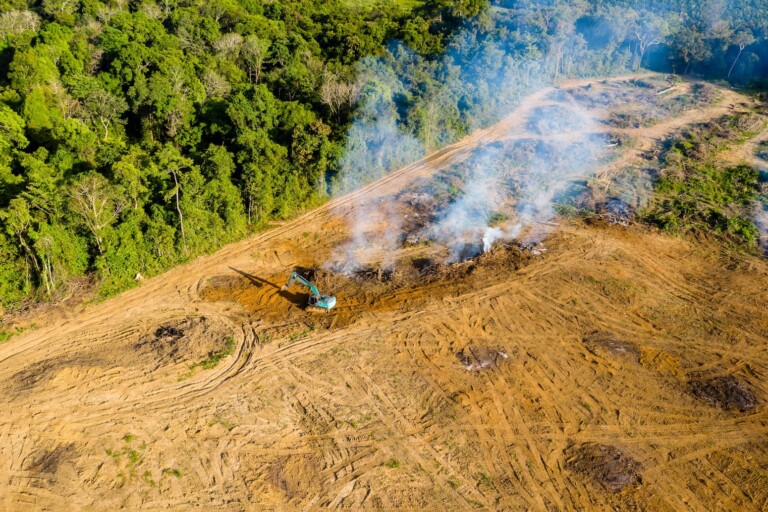
Why land-use emissions have fallen by a third this century – in six charts

Analysis: 84% of nations miss deadline to identify ‘nature-harming’ subsidies by 2025
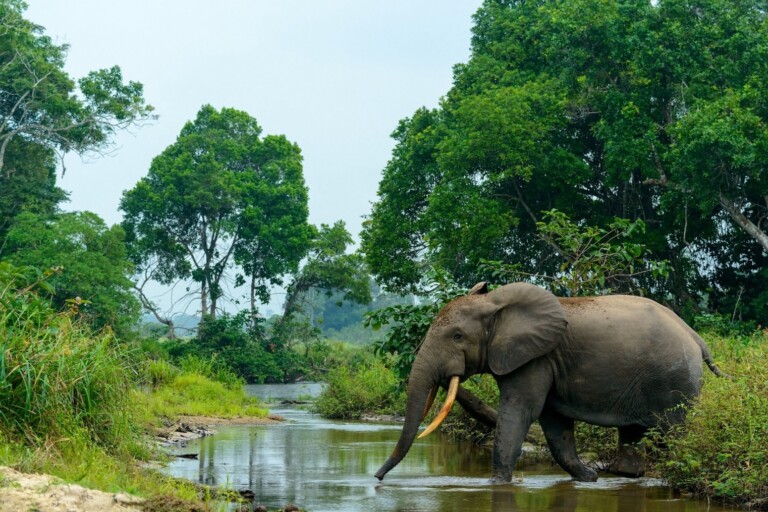
UK withdraws millions in funding from world’s second-largest rainforest in Congo
The post Interactive: Tracking negotiating texts at the COP17 biodiversity summit appeared first on Carbon Brief.
Interactive: Tracking negotiating texts at the COP17 biodiversity summit
A beacon of love
On an outer island of Fiji, two thousand nautical miles from Sydney, is a shining light of hope and resilience for our troubled world.
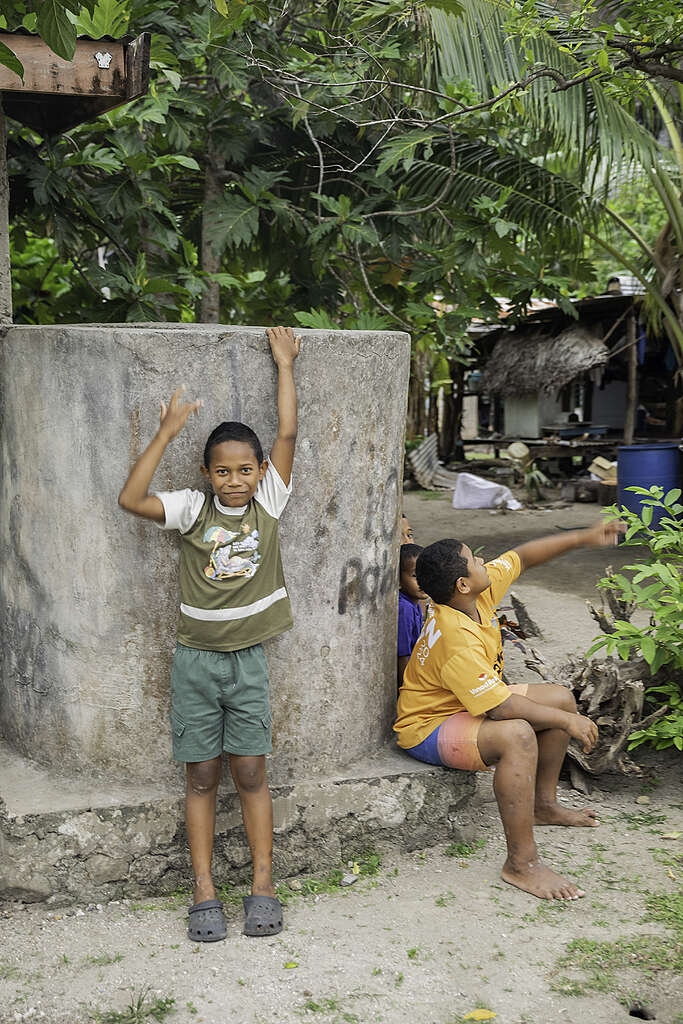
The island of Kioa is home to a Tuvaluan community who migrated from their atoll of Vaitupu in the late 1940s. It is a land of warm hearts, big smiles, and deep cultural roots; a place where the sound of a conch still summons the island together, where islanders paddle out to fish in carved outrigger canoes, and healthy happy children walk barefoot to school.
Here, culture is life. Kioans live sustainably through their traditional knowledge and practices. The island is alive with song, dance and the rhythms of a life tied to the tides, the winds, and the seasons.
Facing the future
Greenpeace has been lucky to have a relationship with Kioa for a number of years now, and we are continually learning from this remarkable community.
Last week, as part of our Voyaging Oceania project, we returned to the island. Our purpose was twofold —- to carry messages from the island to leaders gathering in Nadi this week for the Pacific Pre-COP, and to support the Kioa community in their efforts to improve water security for the island.
Unlike Tuvalu itself, with its eight atolls, Kioa is a mountainous, forested and richly fertile island. It will remain habitable far into the future. Kioans did not initially migrate from Vaitupu due to climate change, but the move was prophetic. They now have a lifeboat.
However, even Kioa faces challenges on our rapidly warming planet, in particular when it comes to water. Climate change is shifting once reliable rainfall patterns. On top of this, the island is already feeling the effect of this year’s intensifying El Niño event, which for Fiji means reduced rainfall and prolonged dry spells.
Right now, fresh water has to be carefully rationed, and is only available for a few hours a day. During last week’s visit aboard our campaigning ship Oceania, Greenpeace was privileged to work with the Kioa community on a new solar-powered water distribution project for the island.
Designed and led by the island, the project involves using a solar pump to move water from a reliable source to a storage tank and then using gravity to distribute the water around the village.
It was a lesson in how local knowledge and ingenuity can be the backbone of today’s climate solutions. To build a dam around the source, the local community knew the exact spot where they could gather gravel at low tide to mix with the cement. They took only what was needed, knowing that all resources must be carefully conserved. Kioa has no roads and no machinery, and it was an all-of-island effort to carry the materials up to the project site, including many heavy bags of sand and rock.
Such projects truly bring to life the vision of a resilient, locally-led, fossil fuel free Pacific.