

Bio Fuel
Biofuel Innovation
Biofuel innovation is crucial for the future of renewable energy. Researchers are constantly exploring new feedstocks and production methods to improve the efficiency and sustainability of biofuel production.
Here are some areas of biofuel innovation that could shape the future of renewable energy:
Algae-Based Biofuels: Algae is a promising source of biofuels as it can be grown in non-arable land and does not require fresh water. Scientists are working to optimize the production of algae-based biofuels to make it a viable alternative to traditional fossil fuels.
Waste-to-Energy: Scientists are exploring ways to convert waste materials such as municipal solid waste and agricultural waste into biofuels. This not only reduces the amount of waste going to landfills but also creates a valuable energy source.
Synthetic Biology: Synthetic biology involves designing and engineering new biological systems for specific purposes, such as creating biofuels. This approach allows researchers to create biofuels that are more efficient and sustainable than those produced using traditional methods.
Genetic Modification: Scientists are using genetic modification to create crops that are more efficient at producing biofuels. For example, researchers have modified switchgrass to produce more biomass and to be more resistant to drought.
Carbon Capture and Utilization: Some biofuel production methods involve capturing carbon dioxide from the atmosphere and using it as a feedstock for biofuels. This not only reduces greenhouse gas emissions but also creates a valuable energy source.
These innovations and advancements in biofuel production could play a significant role in the transition to a low-carbon economy and the future of renewable energy.
Biofuel innovation
Biofuel innovation refers to the development and implementation of new technologies and processes for producing renewable fuels from biological sources such as plants, algae, and waste materials.
The goal of biofuel innovation is to create fuels that are sustainable, cost-effective, and have lower carbon emissions than traditional fossil fuels.
There are several types of biofuels that are currently being researched and developed, including:
Ethanol: Ethanol is a type of biofuel made from sugar or starch crops such as corn or sugarcane. It is commonly used as a fuel additive to gasoline and can also be used as a standalone fuel for vehicles.
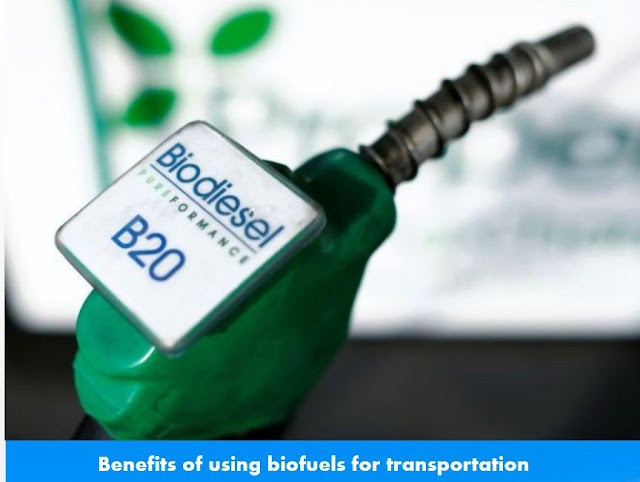
Biodiesel: Biodiesel is made from vegetable oils or animal fats and is used as a fuel for diesel engines. It is often blended with traditional diesel fuel to reduce emissions.
Biogas: Biogas is a renewable energy source produced from organic waste materials such as agricultural waste, food waste, and sewage. It can be used to generate electricity or as a fuel for vehicles.
Algal biofuels: Algal biofuels are made from algae and have the potential to be a highly efficient and sustainable source of renewable energy. Researchers are working on developing cost-effective ways to produce and harvest algae for biofuel production.
Innovation in biofuels is essential to reducing our dependence on fossil fuels and mitigating the impacts of climate change. Ongoing research and development in this field will continue to drive advancements in the production and use of biofuels, ultimately leading to a more sustainable and cleaner energy future.
Biofuel innovation – Etrhanol
Ethanol is a biofuel made from plant materials such as corn, sugarcane, and other crops that contain high amounts of sugar or starch.
Ethanol is commonly used as a fuel additive to gasoline to increase octane levels and reduce harmful emissions. However, recent advancements in ethanol production have led to the development of new processes that make ethanol production more efficient and cost-effective.
One example of an innovative ethanol production process is cellulosic ethanol. Cellulosic ethanol is made from non-food sources such as corn stover, switchgrass, and other agricultural waste materials.
These materials are broken down into sugars, which are then fermented to produce ethanol. This process has the potential to significantly increase the amount of ethanol produced while reducing the use of food crops for fuel production.
Another innovative ethanol production process is the use of genetically modified organisms (GMOs) to improve the efficiency of ethanol production. Scientists have developed GMOs that can produce higher yields of ethanol from plant materials, reducing the amount of land and resources needed for ethanol production.
Additionally, research is being conducted to develop new feedstocks for ethanol production, such as algae and other microorganisms. These feedstocks have the potential to be more sustainable and cost-effective than traditional plant-based feedstocks.
Innovation in ethanol production is crucial for the development of a more sustainable and renewable energy future.
Continued advancements in ethanol production processes and feedstocks will help to reduce our dependence on fossil fuels and mitigate the impacts of climate change.
Biofuel innovation – Biodiesel
Biodiesel is a renewable fuel made from vegetable oils, animal fats, and other sources of biomass. It is commonly used as a blend with traditional diesel fuel to reduce greenhouse gas emissions and dependence on fossil fuels. Advances in biodiesel production are focused on improving the efficiency and cost-effectiveness of the process while also ensuring sustainability.
One innovative biodiesel production process is the use of waste cooking oil as a feedstock. Waste cooking oil is a readily available, low-cost source of oil that can be used to produce biodiesel. This reduces waste and creates a valuable fuel product.
Another area of innovation in biodiesel production is the use of algae as a feedstock. Algae can produce high amounts of oil per unit of land and can be grown in a variety of locations, including arid environments where traditional crops cannot grow. Research is ongoing to develop cost-effective methods for growing and harvesting algae and converting it into biodiesel.
Additionally, researchers are exploring the use of enzymes and other biocatalysts to improve the efficiency of the biodiesel production process. These biocatalysts can help break down the feedstock into its component parts, reducing the amount of energy required to produce biodiesel.
Innovation in biodiesel production is essential for developing a more sustainable and renewable energy future. Advances in feedstocks, production processes, and efficiency will help to reduce greenhouse gas emissions and dependence on fossil fuels.
Biofuel innovation – Biogas
Biogas is a renewable energy source produced from the decomposition of organic waste materials such as agricultural waste, food waste, and sewage. Biogas is primarily composed of methane and carbon dioxide, and can be used to generate electricity or as a fuel for vehicles. Innovations in biogas production are focused on improving the efficiency and cost-effectiveness of the process, as well as increasing the variety of feedstocks that can be used.
One area of innovation in biogas production is the use of advanced anaerobic digestion systems. These systems use specialized bacteria to break down organic waste materials into biogas more efficiently and quickly than traditional methods. This results in higher yields of biogas and a shorter processing time.
Another area of innovation in biogas production is the use of high-solid anaerobic digestion systems. These systems can process waste materials with a higher percentage of solids, such as food waste and agricultural waste, without the need for additional water. This reduces the energy required to process the waste and produces a higher quality biogas.
Researchers are also exploring new feedstocks for biogas production, such as algae and other microorganisms. These feedstocks have the potential to be more sustainable and cost-effective than traditional sources of organic waste.
In addition, innovations in biogas upgrading technologies are focused on improving the quality of biogas to make it suitable for use as a transportation fuel or for injection into natural gas pipelines. These technologies can remove impurities such as carbon dioxide and hydrogen sulfide, increasing the energy density of the biogas and making it a more valuable fuel.
Innovation in biogas production is crucial for developing a more sustainable and renewable energy future. Continued advancements in feedstocks, processing technologies, and biogas upgrading will help to reduce greenhouse gas emissions and dependence on fossil fuels.
Biofuel innovation – Algal biofuels
Algal biofuels are a type of renewable fuel made from the oils produced by microalgae. Algae can produce high amounts of oil per unit of land, and can be grown in a variety of environments, including freshwater, seawater, and wastewater. Innovations in algal biofuel production are focused on improving the efficiency and cost-effectiveness of the process, as well as increasing the scalability of production.
One area of innovation in algal biofuel production is the use of genetically modified algae to increase oil yields. Researchers have developed algae strains that produce higher amounts of oil than traditional strains, increasing the efficiency of the production process.
Another area of innovation in algal biofuel production is the use of photobioreactors. These systems use artificial lighting to grow algae in a controlled environment, increasing the yield of oil per unit of land and reducing the risk of contamination.
Researchers are also exploring the use of wastewater as a nutrient source for algae growth. This would reduce the need for expensive nutrient inputs and provide a solution for wastewater treatment.
In addition, innovations in algae harvesting and oil extraction technologies are focused on reducing the cost and energy requirements of these processes. These technologies include flocculation, centrifugation, and solvent extraction, among others.
Innovation in algal biofuel production is critical for developing a more sustainable and renewable energy future. Advances in algae strains, production systems, and oil extraction technologies will help to increase the efficiency and scalability of algal biofuel production, reducing greenhouse gas emissions and dependence on fossil fuels.
The future of renewable energy
The future of renewable energy is promising, as it is becoming increasingly important to address climate change and reduce our dependence on finite fossil fuel resources. Here are some trends and advancements that are shaping the future of renewable energy:
Solar power is becoming more affordable and widespread. The cost of solar panels has decreased significantly in recent years, making solar power more accessible to homeowners and businesses. Solar installations are also becoming more efficient and effective, with new technologies like thin-film solar cells and building-integrated photovoltaics.
Wind power is rapidly growing, with offshore wind farms becoming more common. Advances in turbine technology are making wind power more efficient, and the development of floating wind turbines is expanding the potential for offshore wind energy.
Energy storage technology is advancing, enabling the integration of renewable energy into the grid. Batteries and other forms of energy storage can help to address the intermittency of renewable energy sources like solar and wind power.
Innovations in bioenergy are creating new opportunities for renewable energy production. Biogas and biofuels made from agricultural and organic waste materials can provide a sustainable source of energy.
Hydrogen is emerging as a potential renewable energy source for transportation and power generation. The development of hydrogen fuel cells and the production of green hydrogen using renewable energy sources could revolutionize the way we power vehicles and homes.
Artificial intelligence and machine learning are being used to optimize renewable energy production and consumption. Smart grids and advanced analytics can help to match energy supply with demand and maximize the use of renewable energy sources.
The future of renewable energy is bright, with technological advancements and innovation driving progress towards a more sustainable and low-carbon energy system.
Conclusion for Biofuel innovation and the future of renewable energy
Innovation in biofuels is advancing rapidly, with developments in ethanol, biodiesel, biogas, and algal biofuels.
These renewable fuels offer a promising alternative to traditional fossil fuels, reducing greenhouse gas emissions and dependence on finite resources. Advances in feedstocks, processing technologies, and biogas upgrading are improving the efficiency and cost-effectiveness of biofuel production.
Looking to the future, renewable energy is set to play a major role in our energy system, with solar, wind, and energy storage technologies becoming increasingly affordable and widespread. Innovations in bioenergy, hydrogen, and artificial intelligence are also creating new opportunities for renewable energy production and consumption.
As we continue to invest in renewable energy and prioritize sustainability, we can create a cleaner, healthier, and more resilient future for generations to come.
https://www.exaputra.com/2023/04/biofuel-innovation-and-future-of.html




 Have you ever wondered why every dictator in human history follows the exact same playbook? Check this out
Plato nailed this 2400 years ago, and it’s been on “rinse/repeat” ever since.
 On average, I meet perhaps 50 K-12 teachers each year, and I often ask them: What is the biggest challenge you face that impacts your ability to connect with and educate your students?
Here’s a rough tabulation:
Screen time, how it robs kids of their ability to pay attention, impedes social interaction, and makes parenting more difficult: 80%
Everything else combined: 20%
Maybe this is a cynical viewpoint, but it seems like that world of today revolves around the mega-corporations profiting by punishing their customers.
In this case, we have the tech giants ruining the lives of our children. Elsewhere, we have healthcare industry driving people into bankruptcy, Big Oil ruining our planet, the gun lobby murdering our kids, and, of course, an ultra-corrupt government looting our treasury to pay off billionaire donors.
Note that this wasn’t the case when we boomers were growing up 60 years ago. This is a distinctive shift from the 1960s when corporate America was focused on things like color TVs and the Ford Mustang.
Renewable Energy
Is a Team of Is a Bunch of MAGA Thugs Beating the Snot Out of a Woman a New Low, or Is it What We Now Need to Expect?
 Just when we think there is a bottom, the United States sinks just a bit lower. It’s our brand nowadays.
That’s quite a left cross this thug delivered to this helpless female protestor.
It wasn’t too long ago that beating up women was taboo in America. My 11-year-old, sixth-grade son saw a male classmate of his badly bruise a girl by pushing her hard down to the ground–and proceeded to punch him in the mouth. A fellow father witnessed the scene and told me, “Your son’s fist was in that kid’s teeth within a fraction of a second.”
I had brought him up to avoid violence and achieve peaceful resolutions to conflicts, but I couldn’t fault him here.
What a disgusting bunch of turds we’ve become.

Greenpeace delivers 47 metre-long petition with half a million signatures to Woodside HQ following major gas protest

Dictators
Greenpeace Australia Pacific activists in police custody after two-day protest against Woodside’s Browse gas project at Scott Reef
-
Climate Change1 year ago
Guest post: Why China is still building new coal – and when it might stop
-

 Greenhouse Gases2 years ago
嘉宾来稿:满足中国增长的用电需求 光伏加储能“比新建煤电更实惠”
-
Greenhouse Gases1 year ago
Guest post: Why China is still building new coal – and when it might stop
-

 Climate Change2 years ago
嘉宾来稿:满足中国增长的用电需求 光伏加储能“比新建煤电更实惠”
-

 Renewable Energy12 months ago
Sending Progressive Philanthropist George Soros to Prison?
-
Climate Change2 years ago
Bill Discounting Climate Change in Florida’s Energy Policy Awaits DeSantis’ Approval
-
Greenhouse Gases1 year ago
嘉宾来稿:探究火山喷发如何影响气候预测
-

 Climate Change2 years ago
Analysis: China’s CO2 falls 1% in Q2 2024 in first quarterly drop since Covid-19