

Last Updated on October 23, 2023
Americans spend over 400 hours in the kitchen each year. I probably spend more time than that in my kitchen because I’m frequently experimenting with recipes and filming for my scraptastic recipe series.
The problem is many of the kitchen products, utensils and containers we use daily are made from plastic.

Only 5-6% of plastic gets recycled, while the rest ends up in landfills or the environment.
To make plastic, crude oil must be extracted unsustainably from the earth where it goes to a fossil fuel powered factory that transforms it into a useable material, aka plastic. Then, more emissions are produced to transport it around the world.
Plastic has a high carbon footprint, but it also has potentially adverse health effects. Plastic can leach harmful chemicals into your food, especially if you’re heating it up in the microwave.
Heat helps to break the chemical bonds in plastic, so it’s possible that exposure to high temperatures (like when we put plastic in microwaves) increases the rate of chemical migration from the container into the food. Scientists have documented higher rates of chemical migration even in water bottles left in the sun.
The best bet is to avoid over-utilizing plastic in our kitchens (especially single-use). But beyond reducing plastic, there are many ways we can create a healthier kitchen environment. Here’s how to create a non-toxic kitchen that’s also low waste.
what is the least toxic cookware?
The least toxic cookware for your health is non-Teflon coated options. Materials like cast iron, stainless steel, or ceramic are the best options because they can withstand high temperatures and don’t leach toxins into your food.
Teflon coating contains PFAS chemicals (aka Per- and polyfluoroalkyl substances) which are linked with negative health concerns, including infertility and cancer.
PFAS have been nicknamed “forever chemicals” because they don’t break down in the environment, or in our bodies. Instead, they build up year after year.
For my favorite Teflon-free brands, be sure to check out these non-toxic cookware and bakeware options.
are bamboo cooking utensils non-toxic?
Yes, bamboo cooking utensils are non-toxic, if the bamboo is grown from a trusted source. Bamboo is a natural and renewable material: It grows very fast in comparison to trees.
However, sometimes manufacturers of bamboo can process it with harmful chemicals or solvents. You’ll want to look for brands that use 100% bamboo and don’t use any glues or lacquers.
The European Commission recently published an article about the false claims of food materials and products labeled eco-friendly that use potentially harmful additives. Many brands will mix “bamboo powder” into plastic.
Bambu is a good brand to look into, as they openly state they use no glues or lacquers and their products are made from 100% bamboo, making them completely compostable.

how do I make my kitchen non toxic?
Having a non-toxic kitchen basically means making more informed decisions that promote a healthy lifestyle. This also trickles into a sustainable lifestyle, because usually wellness of self = wellness of planet.
RELATED: 10 Wellness Habits For Living Healthy
What’s good for you tends to also be good for the earth, and vice versa.
For example, eating fresh whole foods from small local farmers promotes a healthy diet, and doesn’t contribute to monocultures. Monoculture is the practice of growing one crop species in a field at a time, which depletes the soil of vital nutrients and decreases biodiversity.
In contrast, polyculture, which small farmers are more likely to embrace, attempts to mimic the diversity of natural ecosystems by planting multiple crops that give back to the soil.
This is just one example of ways creating a non-toxic kitchen is good for you and the planet. Here are 10 other ways you can have a non-toxic kitchen.
1. swap out your teflon-coated cookware
As mentioned earlier, non-stick cookware and bakeware is also often coated in Teflon.
Teflon is made with a specific kind of Perfluorocarbon (PFC) that makes the surface of cookware resistant to sticking.
The problem with this is when Teflon coated pans get overheated (above 500 degrees F), the Teflon coatings on nonstick cookware start to break down, releasing toxic chemicals into the air.
It only takes 2.5 minutes for a traditional non-stick pan on high heat to exceed 500 degrees F and begin releasing forever chemicals. And FYI, the chemicals in Teflon can easily kill pet birds when cookware overheats.
Here are some non-toxic cookware and bakeware options you can replace them with.

2. choose better food storage
There’s a lack of transparency about the chemical make-up of plastic food containers. Plastic is not a completely stable material, and due to this, it does not mix well with heat.
When exposed to heat in the dishwasher or microwave, polyethylene and polypropylene (both used to make food storage containers) can break down, leaching unknown chemicals into food and drink. Oily foods are also thought to attract some plastic chemicals.
With this in mind, switching to glass snapware, glass jars and silicone bags is the safer option.
You can store and freeze food without plastic: Just make sure if you’re using a mason jar to leave some room at the top before freezing liquids (at least an inch). This will reduce the chance of the mason jar cracking in the freezer.
RELATED: Food Safe Storage Containers and More: 8 Ways to Store Food Without Plastic
3. avoid plastic film wrap
Plastic film wrap cannot be recycled with curbside recycling. To recycle it you need to have access to a specific take-back program, like one of Terracycle’s zero waste boxes. Otherwise, it’s destined for landfill.
Opt for Beeswrap instead. Beeswrap is made from cloth and beeswax, so it’s fully compostable at the end of its life. Or, place leftovers in a bowl and cover it with a plate.
4. filter your water
PFAS were recently found in tap water. Plus, other hazards like lead, heavy metals, chlorine and even herbicides can be detected in some tap water.
This doesn’t mean you should drink from bottled water: The plastic bottles are single-use plastic and can leach chemicals into the water. Instead, investing in a good water filtration system is important.
I recommend activated charcoal filters. Activated charcoal naturally bonds with toxins. The sticks remove mercury, chlorine, copper, and even lead.
You can also invest in a Berkey or a Soma, which are sustainable water filters I’ve tried myself.
The Berkey water filter is made from stainless steel and sits on your countertop. You use it kind of similar to a water dispenser.
The Soma can be bought as a pitcher, or a carafe. The pitcher is designed using BPA-free plastic and an eco-friendly bamboo handle. The carafe is made from shatter-resistant, borosilicate glass and holds 6-cups (48 oz.) of filtered water.

5. choose organic, locally grown, plastic-free produce
When possible, hit up your local farmers market: It’s easier to shop there plastic-free, plus you get to see what’s in season.
You can ask the farmers directly about their farming practices. They’ll likely avoid using pesticides and herbicides, but you can double check with them, which you can’t easily do at a grocery store.
You may even have a local farm you can visit near you. Take a trip to see their practices in person and learn more about where your food comes from.
These are my favorite market essentials: Be sure to take several reusable produce bags and tote bags with you!
6. grow your own herbs
Most herbs sold in stores come in little tiny plastic containers. Skip the packaging and grow your own.
Herbs are easy to grow on kitchen windowsills. It’s also a great way to know exactly where your food is coming from, and make sure it’s grown organically.
You can just snip off however much you need for each recipe and watch the herb continue to grow. Basil, rosemary, thyme, mint and chives all grow especially well on a windowsill.

7. clean using eco-friendly products
Most of the conventional cleaning products sold in stores contain questionable ingredients and single-use packaging. In the US, cleaning companies aren’t legally required to disclose the ingredients in their products.
This is a big issue, considering conventional cleaning products can emit volatile organic compounds (vocs the building blocks of smog) which can trigger asthma and allergy symptoms.
Instead, choose all-natural cleaning DIYs, or trusted eco-friendly cleaning products sold on the market. Here are my favorite sustainable cleaning products that actually get the job done without harsh chemicals.
Prefer DIY solutions? Baking soda is a simple, but abrasive ingredient that can be used to clean the sink and oven. You can also use it to get tough stuck-on stains off pots and pans.
For a non-toxic kitchen cleaner that can be used on any surface, try making my all-purpose cleaner.
8. avoid plastic cutting boards
According to a recent study, chopping produce on a plastic cutting board leads to substantial microplastics in human food. It’s estimated to have an annual exposure of 7.4-50.7 grams of microplastics from a polyethylene chopping board and 49.5 grams of microplastics from a polypropylene chopping board.
While the effects of ingesting microplastics on human health are unknown, it cannot be good. Microplastics have been found in our blood, feces, lungs, and even our placentas.
Opting for a wooden cutting board is a better option. Ones made from solid wood with no glues and resins are best. Maple, walnut, cherry, beech, or teak wood are good options.

9. swap out plastic sponges
Kitchen sponges harbor more bacteria than kitchen brushes, which may be a more hygienic way to clean your dishes, according to a new study published online in the Journal of Applied Microbiology.
Plastic sponges also need to be replaced often, and they are not recyclable. An estimated 400 million plastic sponges are discarded annually in the United States alone.
Try a wooden dish brush instead to create a more low waste, non-toxic kitchen. The head can be removed and replaced as needed, plus it’s compostable so there’s no waste.
10. consider getting an induction stove
Gas stoves can cause indoor nitrogen dioxide levels to spike quickly, reaching hazardous levels in the amount of time it takes to bake a cake.
This is especially harmful to children who live in a home with a gas stove, as the increased risk of developing asthma is on par with living in a home with a smoker.
Cooking with gas has also been shown to be harmful to the environment, emitting greenhouse gases into the atmosphere. A recent study found that 75 percent of oven emissions occur when the stove is off. In other words, gas stoves old and new are constantly emitting methane.
Induction cooktops instead use electromagnets to efficiently heat cookware without the pollution or toxic fumes. Here’s more information on why I ditched gas and got an induction cooktop instead (and why you should too).
What are your tips for creating a more non-toxic kitchen? Let me know in the comments below.
The post 10 Ways to Create a Non-Toxic Kitchen appeared first on Going Zero Waste.

Just like fashion has been overrun by fast fashion, home goods and furniture have similarly seen a rapid decline in quality. Rugs are no exception.
And similar to fashion, these cheap goods come at a high cost — namely, to the planet and to people. In fact carpet and rug production is rampant with exploitation.
On the other hand, fair trade rugs present the best of what a rug can bring to your home: artistry, craftsmanship, and heritage.
The brands featured in this guide are partnering with (and fairly paying!) skilled artisans who are using generations-old — and sometimes even centuries-old — techniques. These artisans are sustaining long lines of crafts, preserving their cultural diversity, and celebrating the richness of their time-honored crafts.
There’s simply no replacement for a timeless, quality artisan-made rug — they’re like pieces of art you can lay out on your floor or hang on your walls.
So, enjoy browsing through this guide to sustainable rug brands listed out below and best of luck on your search for the right fair trade rug!
Where to Find Ethical and Fair Trade Rugs
Note that this guide includes affiliates and partners. As always, brands must meet high standards for ethics and sustainability to be featured and all opinions are my own.
1. Obakki
Best for: warm-hued handwoven wool rugs
Categories: Area Rugs, Runners, Accent Rugs
Obakki partners with artisan weavers primarily in Oaxaca, Mexico — including individual makers like José — who hand-dyes and weaves rugs on a traditional pedal loom using locally sourced sheep’s wool and natural dyes derived from native plants. The brand also works with Rrres Design Studio, a Latin American studio dedicated to preserving traditional Oaxacan weaving techniques, and sources handwoven textiles from artisan communities beyond Mexico as well, including Morocco.
Each rug is made from 100% wool with no synthetic dyes or backing. Most pieces are made-to-order with a 4-8 week production window, shipped directly from the artisan partners.
Price Range: $460 – $4,159
Conscious Qualities: Natural Fibers, Natural Dyes, Craft Preservation

2. Kiliim
Best for: modern wool kilim rugs
Categories: Area Rugs, Accent Rugs
If you’re well-versed in rug terminology, you may recognize that this brand’s name looks similar to the word kilim.
Kiliim’s rug are made using authentic kilim rug craftsmanship by artisans in Egypt coming from generations of kilim artisans. To ensure ethical production and to support the preservation of this heritage craft, Kiliim pays living wages to all artisans.
Price Range: $95 – $4,812
Conscious Qualities: Ethical Production, Heritage Craft Preservation, Natural Fibers
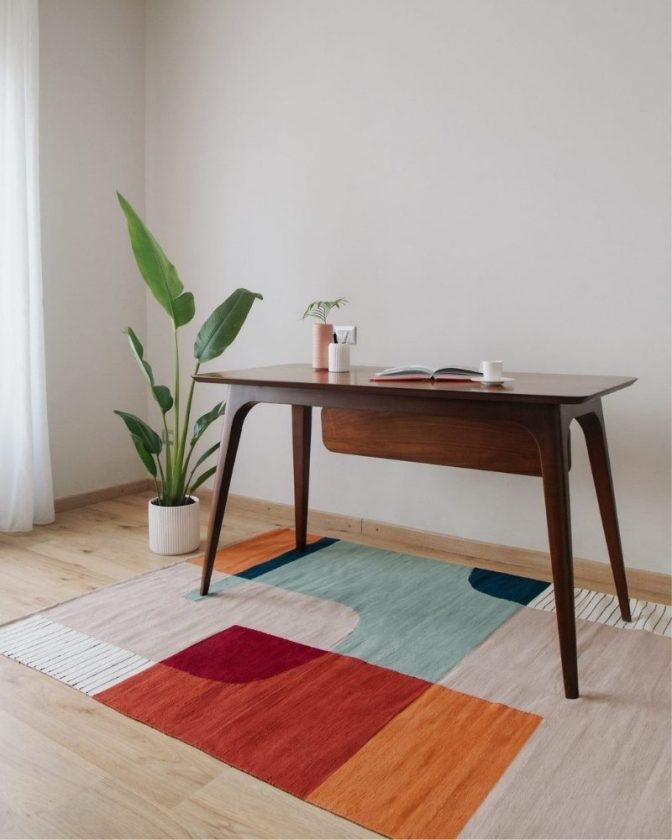
3. Urban Natural
Best for: browsing fair trade rugs in lots of styles and sizes
Categories: Outdoor, Area Rugs, and Accent Rugs
This natural home and lifestyle retailer has a beautifully curated selection of sustainably-made rugs crafted with materials like jute, sisal, wool, and cotton.
Several brands on Urban Natural are also ethically hand-loomed or hand-knotted, such as Loloi — a GoodWeave partner — and Jaipur Living — a brand that partners with thousands of local artisans to sustain heritage crafts.
Price Range: $259 – $9,755
Conscious Qualities: Eco-Conscious Materials
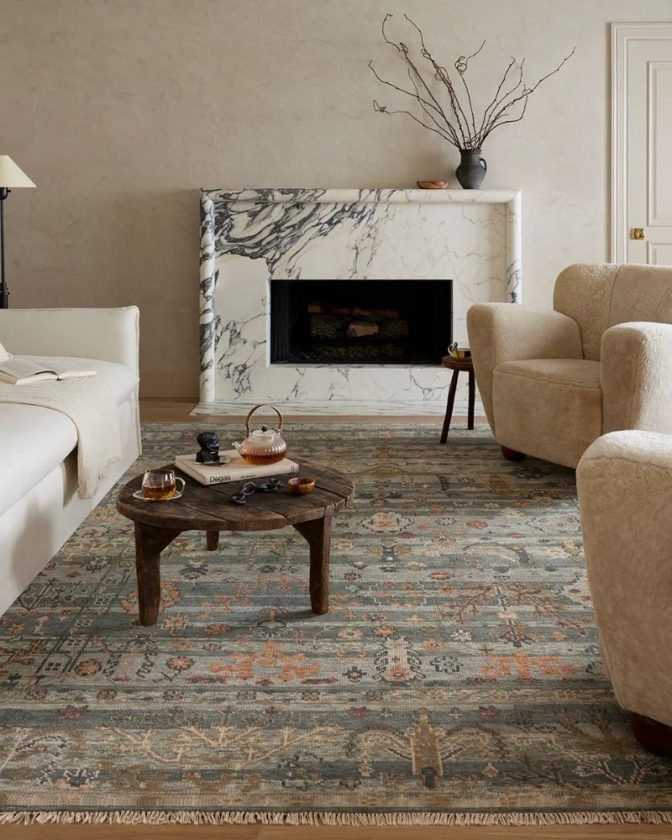
4. LOOMY
Best for: pet-friendly and performance rugs
Categories: Area Rugs, Accent Rugs, Runners, Outdoor Rugs
Founded by a weaver, LOOMY is dedicated to crafting beautiful artisan-made rugs that will last for decades to come.
LOOMY partners with highly-skilled artisan weavers who craft quality rugs made from eco-minded materials like banana silk, jute, and recycled cotton, plus performance options made from 100% recycled polyester built to withstand whatever life brings you.
Price Range: $298 – $8,298
Conscious Qualities: Natural Fibers, Craft Preservation, Vintage Options

5. West Elm
Best for: fair trade rugs in on-trend mainstream styles
Categories: Area Rugs, Accent Rugs
West Elm is bringing ethical rugs to a broader market with their collection of Fair Trade Certified wool and cotton rugs. While I recommend browsing the smaller shops listed above first, West Elm is supporting the movement to responsibly-made, fair trade rugs.
Price Range: $$$
Conscious Qualities: Fair Trade production, Majority Natural Materials
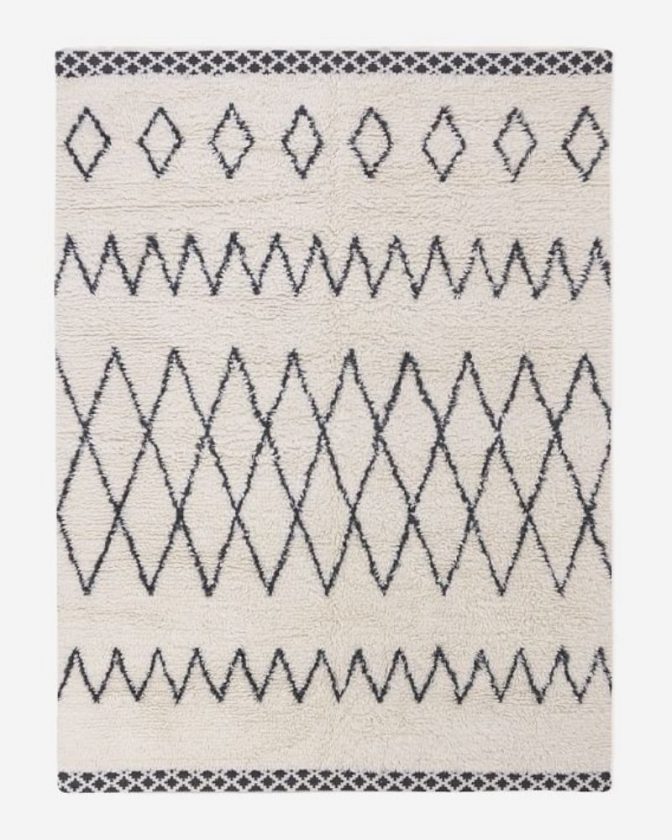
6. Jubi
Best for: Modern rugs in vibrant prints
Categories: Accent Rugs, Circle Rugs, Runners
Jubi is a Brooklyn studio founded by textile designer Cassie Dagostino. Every rug is handmade from New Zealand wool by fourth-generation weaving families in Bhadohi, India using traditional techniques. Each rug is made-to-order, meaning no excess stock. Since everything is made to order, expect between 3 and 7 weeks for your rug, depending on the technique used.
Conscious Qualities: Pays Above Market Rates, 100% Wool, Made-to-Order
Price Range: $228 – $668
Shipping: Free worldwide shipping

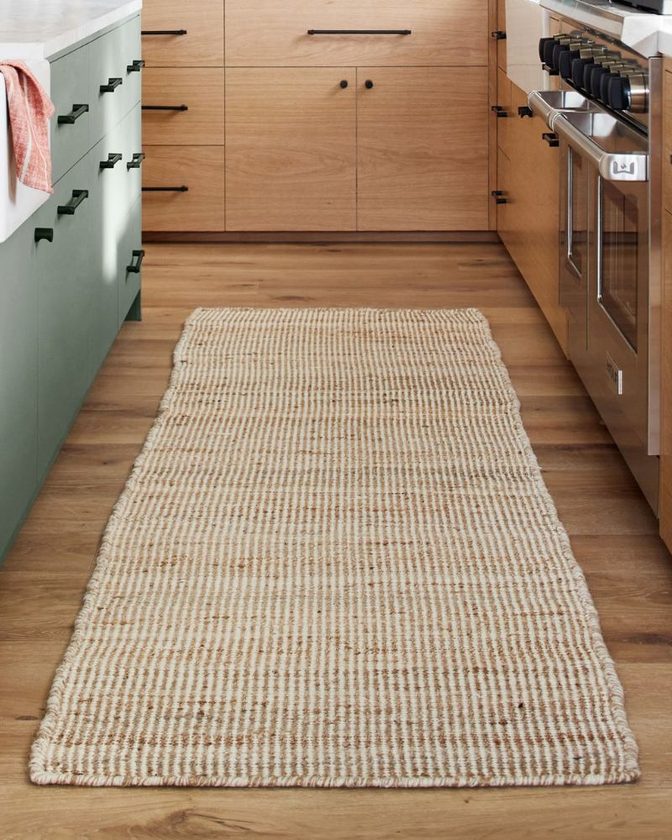
7. Rejuvenation
Best for: Classic rug styles made in Fair Trade factories
Categories: Accent Rugs, Runners, Area Rugs
Home retailer Rejuvenation has a selection of rugs made in Fair Trade Certified factories. Their collection includes undyed hand-loomed rugs to geometric flatwoven wool rugs. And while I’d typically avoid synthetics, it tends to be unavoidable for outdoor rugs — so Rejuvenation’s Fair Trade 100% recycled poly rug is a good option.
Conscious Qualities: Fair Trade Certified, Mostly Natural Materials
Price Range: $79 – $1,649
Shipping: Contiguous U.S. shipping for 10% of product price (add $20 for HI, AK, and US. territorries)
Liked this guide to ethical rugs? You might also enjoy:
Ethical Home Decor Brands to Curate a Beautiful, Conscious Space
Eco-Friendly Furniture to Furnish Your Home Sustainably
Fair Trade and Eco-Friendly Blankets to Cozy Up With
The post 5 Best Ethical Fair Trade Rugs to Elevate Your Space appeared first on Conscious Life & Style.
As a longtime book lover, I may be biased, but I think a full bookshelf is one of the most beautiful additions to a space. There’s nothing better than seeing a showcase of your favorite reads alongside a TBR list.
A bookcase, though, can of course be used for all sorts of purposes from placing your favorite photos of family and friends to showcasing treasured vintage finds.
Whatever the case, this guide will help you find the right sustainable bookshelf for your living room, office, or wherever you like to cozy up with a good read!
So what make a bookcase more sustainable? What makes a bookshelf non-toxic?
First of all: sustainable and non-toxic are two overlapping — but distinct — criteria. And both of those terms can come with a lot of opinions and varying definitions.
When it comes to sustainable bookcases, I look for:
- Responsibly Sourced Materials: most bookshelves are made primarily with wood. While natural, unsustainable wood sourcing can be a cause of deforestation, so we want to see that the wood was from responsibly managed forests or made from reclaimed or repurposed wood. Some bookshelves may feature metal, in which case recycled materials here are important.
- High Quality Construction: sustainability includes longevity — how long will you be able to use that furniture piece before it goes to the landfill and gets replaced? Look for transparency around craftsmanship and woodworking processes. Another sign of quality is the length of warranty a company has for its products.
- Ethically Made: this one is straightforward in theory — were the people making it paid fairly and working in safe conditions? — but is unfortunately not always easy to find information. In this category, I look for transparency in practices, what relationship the brand has with the manufacturer (some produce in-house which is the best case scenario for transparency!), where it was made, and how well the makers were paid.
Ideally a sustainable bookshelf would also be non-toxic — as toxic chemical fumes aren’t exactly sustainable! But this isn’t always the case. For example, if a company prioritizes upcycled materials, they don’t necessarily have control over what inputs were part of the original materials. And sometimes a company focuses more on ethical artisan partnerships and sustainable wood sourcing, more than, say, using non-toxic finishes.
But when it comes to non-toxic bookshelves, this is what I look for. (Note that non-toxic doesn’t necessarily mean safe for all chemical sensitivities. Nor does it mean zero potentially irritating chemicals.)
- Solid Wood (where possible): MDF or pressed wood contains glue to stick the various wood pieces together, which can contain added formaldehyde. I prefer solid wood, or if it is engineered wood, I’d make sure the company is transparent around the type of glue used and/or they at least have a product certification like GREENGUARD. (More on that in a second.)
- Low or Zero VOC Finishes: most wood furniture is completed with some sort of finish to provide a protection against scratches or moisture. Many of these finishes are synthetic, and some can contain high levels of toxic chemicals. Look for a natural finish like linseed oil or beeswax or a low VOC synthetic finish.
Relevant Certifications
You’ll see a few certifications referenced throughout this guide. Here’s what each one covers:
- FSC Certified = the wood sourcing was responsibly managed; this is not a finish, foam, or textile guarantee.
- GREENGUARD / GREENGUARD Gold Certified = the finished product was tested for low chemical emissions, including VOCs, with Gold representing the stricter tier.
- Fair Trade Certified
 = verifies that a factory meets standards for fair wages, safe working conditions, and ethical labor practices.
 - Cradle to Cradle Certified (Gold) = evaluates a product or mater