


Introduction Sustainable Energy for Sustainable Agriculture
As the global population continues to grow, ensuring sustainable agriculture and food production is paramount. At the heart of this endeavor lies the integration of sustainable energy solutions.
Sustainable energy, derived from renewable sources and coupled with energy-efficient practices, can revolutionize the agricultural sector by reducing carbon emissions, enhancing productivity, and fostering food security.
This article explores the vital role of sustainable energy in promoting sustainable agriculture and food production.
Outlook Sustainable Energy for Sustainable Agriculture
1. Renewable Energy in Agricultural Operations
The adoption of renewable energy sources in agricultural operations offers multiple benefits. Solar energy, for example, can power irrigation systems, reducing the reliance on fossil fuel-driven pumps and minimizing water waste. Wind energy can be harnessed to generate electricity for on-farm operations, such as powering machinery and processing facilities. By incorporating renewable energy technologies, farmers can significantly reduce greenhouse gas emissions, decrease reliance on non-renewable resources, and contribute to climate change mitigation.
2. Off-Grid Renewable Energy Solutions
In many rural and remote areas, traditional agriculture faces challenges due to the lack of access to reliable electricity. Off-grid renewable energy solutions, such as solar-powered microgrids, offer a game-changing opportunity. These decentralized systems provide clean energy for irrigation, livestock management, and food processing, empowering farmers in underserved regions. Off-grid solutions contribute to increased agricultural productivity, improved livelihoods, and enhanced food security, while also mitigating the environmental impact associated with conventional energy sources.
3. Energy-Efficient Farming Practices
Energy efficiency is a critical component of sustainable agriculture. Implementing energy-efficient practices in farming operations can reduce energy consumption, lower costs, and minimize environmental impacts. Precision agriculture techniques, which involve using sensors and automation to optimize resource use, help farmers make informed decisions about irrigation, fertilizer application, and pest management. This not only increases productivity but also saves energy and water resources. Additionally, the adoption of energy-efficient equipment and technologies, such as energy-efficient lighting and machinery, further reduces energy consumption on farms.
4. Bioenergy and Waste-to-Energy Solutions
Bioenergy and waste-to-energy solutions offer unique opportunities for sustainable agriculture and food production. Agricultural waste, such as crop residues, animal manure, and food processing by-products, can be converted into biogas through anaerobic digestion. This biogas can then be used for heating, cooking, and electricity generation on farms. Similarly, the production of biofuels from agricultural feedstocks provides a renewable energy source for transportation and machinery. By utilizing these bioenergy solutions, farmers can reduce waste, lower emissions, and foster circularity in the agricultural value chain.
5. Integrated Food-Energy Systems
Integrated food-energy systems promote synergies between food production and renewable energy generation. Agrovoltaics, for example, involves the combination of solar photovoltaic arrays with agricultural activities, allowing dual land use and optimizing resource utilization. Solar panels are mounted above crops, providing shade and reducing water requirements, while simultaneously generating clean electricity. Such integrated systems maximize land productivity, promote sustainable resource use, and create new income streams for farmers.
Conclusion Sustainable Energy for Sustainable Agriculture
Sustainable energy is a catalyst for transforming agriculture and food production towards sustainability.
Through the integration of renewable energy sources, energy-efficient practices, and innovative solutions, farmers can enhance productivity, reduce environmental impact, and contribute to food security. Embracing off-grid renewable energy, adopting energy-efficient farming practices, exploring bioenergy options, and implementing integrated food-energy systems are key strategies for a sustainable future.
By promoting the synergy between sustainable energy and agriculture, we can create a resilient and environmentally conscious food system that meets the needs of a growing global population while preserving our planet’s resources for future generations.
https://www.exaputra.com/2023/07/sustainable-energy-for-sustainable_5.html

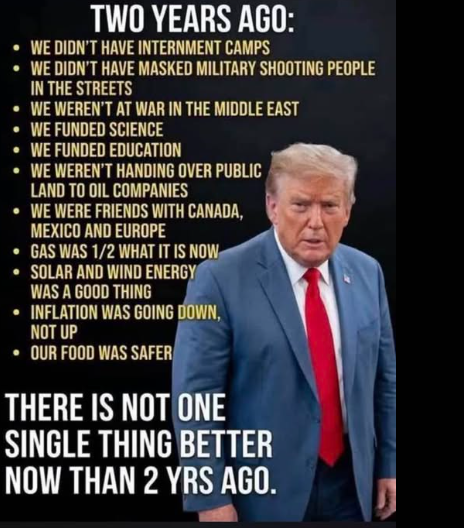 It depends on what you believe.
Fox News will tell you that our southern border is no longer being overrun, that we’ve discovered that vaccinations are unsafe, that we’re standing up against Sharia Law, we’re preventing Iran from building a nuclear weapon, prices are coming down (or soon will be), Trump is an honest and effective servant of the American people and that the U.S. is once again respected on the world stage.
We live in a country where tens of millions of idiots believe every word of this.
Weather Guard Lightning Tech

Uptime’s Takeaways from Hamburg 2026
The crew discusses Hamburg takeaways, including the industry mood, bigger blade risks, and OEM announcements.
The Uptime Wind Energy Podcast is brought to you by Weather Guard Lightning Tech, creators of the StrikeTape Ultra LPS retrofit. Subscribe to Uptime’s Substack newsletter. And check out Rosemary’s “Engineering with Rosie” Youtube channel. Have a question we can answer on the show? Email us!
 I met a guy today from a rural part of Central England–“nothing but farms and pubs,” as he put it. His father was an epidemiologist working for the United Nations, and so, as a boy, he lived all over the world and grew up largely in developing countries that suffered from horrific diseases.
He and his wife had the conversation one would expect from such people:
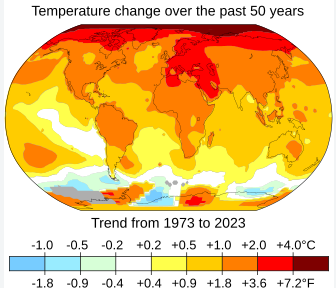
- Why are we so content to ignore climate change that is ruining our planet?
- Why are people so indifferent to the suffering of others?
- How is it possible that billionaires expect to live well here on Earth while 99.9% of us suffering with wildfires, devastating storms, blistering heat, losses of landmasses, and desertification?
- At the end of the day, is money really that precious?
Obviously, not everyone thinks this way, but to be in something of a “lovefest” for just a few minutes was a great relief.
relief.



-
Climate Change1 year ago
Guest post: Why China is still building new coal – and when it might stop
-

 Greenhouse Gases2 years ago
嘉宾来稿:满足中国增长的用电需求 光伏加储能“比新建煤电更实惠”
-
Greenhouse Gases1 year ago
Guest post: Why China is still building new coal – and when it might stop
-

 Climate Change2 years ago
嘉宾来稿:满足中国增长的用电需求 光伏加储能“比新建煤电更实惠”
-

 Renewable Energy11 months ago
Sending Progressive Philanthropist George Soros to Prison?
-
Climate Change2 years ago
Bill Discounting Climate Change in Florida’s Energy Policy Awaits DeSantis’ Approval
-
Greenhouse Gases1 year ago
嘉宾来稿:探究火山喷发如何影响气候预测
-

 Climate Change2 years ago
Analysis: China’s CO2 falls 1% in Q2 2024 in first quarterly drop since Covid-19