


Introduction Sustainable Energy Education and Awareness
In the face of pressing environmental challenges and the need to transition to sustainable energy systems, education and awareness play a critical role in empowering individuals and communities to make informed decisions.
Sustainable energy education and awareness campaigns serve as powerful tools to promote understanding, raise awareness, and drive behavioral change towards sustainable energy adoption.
This article highlights the importance of sustainable energy education and awareness campaigns in fostering informed decision-making and driving the transition to a cleaner and more sustainable energy future.
Outlook Sustainable Energy Education and Awareness
1. Building Knowledge and Understanding:
Sustainable energy education aims to equip individuals with the knowledge and understanding of various sustainable energy technologies, their benefits, and their implications for the environment and society. It encompasses formal education in schools, colleges, and universities, as well as informal educational initiatives targeted at the general public. By providing accurate and accessible information, education fosters a deeper understanding of sustainable energy concepts, enabling individuals to make informed decisions and engage in meaningful discussions about energy-related issues.
2. Promoting Environmental Awareness:
Awareness campaigns play a crucial role in raising public consciousness about the environmental impacts of traditional energy sources and the benefits of sustainable alternatives. These campaigns can highlight the connection between energy consumption and climate change, air pollution, and ecosystem degradation. By communicating the urgency and significance of transitioning to sustainable energy, awareness campaigns inspire individuals to take action and support the shift towards cleaner and renewable energy sources.
3. Empowering Consumer Choices:
Education and awareness campaigns empower consumers to make sustainable energy choices in their daily lives. By providing information about energy-efficient practices, energy conservation, and renewable energy options, individuals can make conscious decisions that reduce their environmental footprint. Understanding concepts such as energy labeling, green certifications, and eco-friendly products enables consumers to select sustainable energy solutions, appliances, and transportation options that align with their values.
4. Targeting Different Stakeholders:
Sustainable energy education and awareness campaigns should address various stakeholders, including policymakers, businesses, and communities. Policymakers need to be informed about the benefits of sustainable energy policies and regulations to drive change at the systemic level. Businesses can benefit from educational initiatives that showcase the economic advantages of sustainable energy adoption, such as cost savings, job creation, and improved corporate reputation. Local communities can be engaged through grassroots campaigns that emphasize the co-benefits of sustainable energy, such as improved air quality, energy independence, and community resilience.
5. Collaboration and Partnerships:
Effective sustainable energy education and awareness campaigns require collaboration between multiple stakeholders. Governments, educational institutions, non-profit organizations, and industry players should work together to develop comprehensive educational materials, workshops, training programs, and public events. Collaborative partnerships can leverage expertise, resources, and networks to maximize the reach and impact of educational initiatives, ensuring a broad and inclusive approach to sustainable energy education.
6. Lifelong Learning and Continuous Engagement:
Sustainable energy education should be a lifelong learning process that adapts to evolving technologies and knowledge. Continuous engagement through workshops, webinars, community events, and online platforms can keep individuals informed about the latest advancements in sustainable energy and foster a culture of learning and innovation. Encouraging participation in energy-related initiatives and providing opportunities for hands-on experiences, such as renewable energy installations or energy audits, can further enhance engagement and knowledge retention.
Sustainable energy education and awareness campaigns
Sustainable energy education and awareness campaigns are vital for promoting informed decision-making and driving the transition to sustainable energy systems.
By building knowledge, raising environmental awareness, empowering consumer choices, and engaging different stakeholders, these initiatives enable individuals and communities to contribute to a cleaner, more sustainable energy future. Governments, educational institutions, businesses, and civil society organizations must collaborate to develop and implement effective educational programs and campaigns that empower individuals with the information and skills needed to make sustainable energy choices. Through widespread education and awareness, we can create a more inclusive and environmentally conscious society that embraces sustainable energy practices.
Key Strategy
To ensure the effectiveness of sustainable energy education and awareness campaigns, several key strategies should be considered:
1. Tailoring Information: Recognize that different audiences have varying levels of knowledge and interests. Develop educational materials and campaigns that are tailored to specific target groups, considering their needs, language, cultural backgrounds, and existing knowledge. This customization enhances engagement and facilitates better understanding of sustainable energy concepts.
2. Multi-Channel Approach: Utilize various communication channels to reach a wider audience. Combine traditional methods such as workshops, seminars, and printed materials with digital platforms, social media, websites, and mobile applications. Embrace multimedia tools like videos, infographics, and interactive content to make information more accessible, engaging, and shareable.
3. Collaborative Networks: Foster partnerships among educational institutions, NGOs, community organizations, and industry stakeholders to amplify the impact of sustainable energy education and awareness campaigns. Collaborative networks can leverage their expertise, resources, and networks to reach diverse audiences and develop comprehensive educational programs.
4. Experiential Learning: Encourage hands-on experiences and real-life applications of sustainable energy concepts. Offer opportunities for field visits to renewable energy installations, energy-efficient buildings, or community projects. Engage students, professionals, and community members in practical activities such as energy audits, energy conservation initiatives, and renewable energy demonstrations. These experiences deepen understanding and encourage active participation.
5. Long-Term Engagement: Sustainable energy education should not be limited to a one-time event or campaign. Instead, aim for long-term engagement and continuous learning. Develop follow-up programs, refresher courses, and mentorship opportunities to sustain interest and foster a sense of ongoing commitment to sustainable energy practices. Encourage individuals to become advocates and ambassadors for sustainable energy within their communities.
6. Monitoring and Evaluation: Regularly assess the impact and effectiveness of sustainable energy education and awareness campaigns. Use feedback surveys, interviews, and data analysis to measure changes in knowledge, attitudes, and behaviors. This feedback helps fine-tune educational strategies, identify gaps, and improve future initiatives.
Conclusion Sustainable Energy Education and Awareness
By prioritizing sustainable energy education and awareness campaigns, societies can equip individuals with the knowledge, skills, and motivation to embrace sustainable energy practices.
Informed decision-making at individual, community, and institutional levels can drive the adoption of renewable energy, energy efficiency measures, and sustainable lifestyles.
Ultimately, a well-informed and engaged society will contribute to the achievement of global sustainable development goals, including climate action, clean energy access, and environmental conservation.
https://www.exaputra.com/2023/07/sustainable-energy-education-and.html







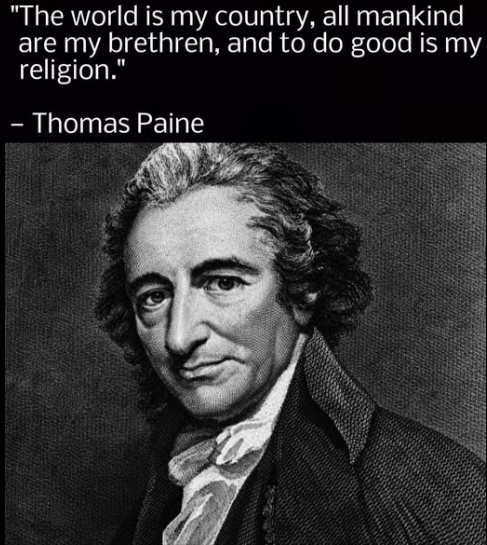 Sure, there have been many other people who have lived according to the beliefs expressed here by philosopher and American revolutionary Thomas Paine, but their numbers don’t begin to compare with those who think of themselves as patriots of the country of their birth and adherents to the religion they were assigned by their parents.
What a terrible shame. It’s easy to imagine a world of peace and harmony, but it sure seems an incredible challenge to get there. This is especially true today, on a planet that is increasingly led by fascist dictators, and a population where ignorance, nationalism, and hate is heating up by the day.
Weather Guard Lightning Tech
China Barred Vestas Software, Ørsted Buys Chinese Monopiles
Vestas CEO Henrik Andersen says China barred Vestas from monitoring its own turbines. Plus Ørsted takes heat for Chinese monopiles, India’s blade design gap, and tents that beat weather delays.
The Uptime Wind Energy Podcast is brought to you by Weather Guard Lightning Tech, creators of the StrikeTape Ultra LPS retrofit. Subscribe to Uptime’s Substack newsletter. And check out Rosemary’s “Engineering with Rosie” Youtube channel. Have a question we can answer on the show? Email us!
 Virtually all top-ranking retired military brass view Trump as shown at left. On top of that, Hegseth has publicly fired all current generals and admirals who are not loyal to Trump, as the entire world watched the purge.
Doesn’t this affect the way the psychopath’s command of our nation is ultimately determined?



-
Climate Change1 year ago
Guest post: Why China is still building new coal – and when it might stop
-

 Greenhouse Gases2 years ago
嘉宾来稿:满足中国增长的用电需求 光伏加储能“比新建煤电更实惠”
-
Greenhouse Gases1 year ago
Guest post: Why China is still building new coal – and when it might stop
-

 Climate Change2 years ago
嘉宾来稿:满足中国增长的用电需求 光伏加储能“比新建煤电更实惠”
-

 Renewable Energy12 months ago
Sending Progressive Philanthropist George Soros to Prison?
-
Climate Change2 years ago
Bill Discounting Climate Change in Florida’s Energy Policy Awaits DeSantis’ Approval
-
Greenhouse Gases1 year ago
嘉宾来稿:探究火山喷发如何影响气候预测
-

 Climate Change2 years ago
Analysis: China’s CO2 falls 1% in Q2 2024 in first quarterly drop since Covid-19