

Thoughtfully selecting furniture that’s both safe for us and the planet — like non-toxic sofas — is a key component of a journey towards a holistically healthy home.
But the fact is that there is a lot to look for when it comes to the hunt for a non-toxic and/or eco-friendly sofa.
Here are a few of the things to watch out for when looking for a sustainable sofa.
What Makes a Sustainable and Non-Toxic Sofa?
Unsurprisingly, the same toxic chemicals that are unhealthy for us are just as terrible for the environment. After all we are part of — and interconnected with — the rest of the planet and natural world. Here’s what to look out for when shopping for a non-toxic sofa or sustainable couch:
Non-toxic sofas will be free of flame retardant treatments.
Flame retardants can be found in many household building materials and items, including couches. These toxic chemicals — once required by law — were and continue to be used to treat polyurethane foam in sofas and other furniture, though now many companies are shifting away from using flame retardants. Toxic-Free Future has more information on toxic flame retardants.
Sustainable sofas will be made with responsibly-sourced and safely treated wood.
While wood is technically renewable material, it’s important to ensure that the wood was harvested from responsibly-managed forests and is not contributing to deforestation. While not perfect, the Forest Stewardship Council (FSC) certification is the most widely recognized certification for sustainable forestry management.
What about plywood? Pressed wood, like plywood, is typically made with formaldehyde, a chemical that has been linked to cancer risk in studies and listed as a known or probable carcinogen by multiple health groups.
Solid wood furniture is not always financially accessible, though (or realistic if you’re on the move often) so look for formaldehyde-free plywoods if you have to go that route.
Finally, look for low- or zero-VOC (VOC stands for volatile organic compounds) finishes on the wood.
Eco-friendly coaches have upholstery made with organic, recycled, and natural fabrics.
Many sofas are made with harsh chemical-laden fabrics such as chrome-tanned leather and polyester. Even “natural” cotton is not necessarily toxic-free, as cotton is one of the most pesticide-ridden crops grown today.
Look for linen, organic cotton, or hemp fabric where possible. Bonus points if a fabric has the GOTS (Global Organic Textile Standard) certification! If you want a leather couch, look for vegetable-tanned leather, as the chrome (short for chromium) tanning process uses extremely toxic chemicals.
These fabrics are not widely available for sofas though, so you might also consider sofas made with recycled synthetic materials. Not ideal, but we can only purchase from what is available and what is within our budget and do the best we can.
Non-toxic coaches will be made with natural and/or non-toxic foam.
Most foams are petroleum-based (polyfoam). Look for natural fillers such as organic cotton, responsibly-sourced wool, and GOLS-certified organic latex where possible. If not feasible, look for the CertiPUR-US® seal which ensures the foam is free of a host of toxic chemicals like formaldehyde, toxic flame retardants, heavy metals, among many others.
What About Secondhand Sofas?
Investing in sustainably-made furniture can be quite expensive, but shopping used is a great way to find eco-friendly sofas and other furnishings for far less.
While many of the sofas on the secondhand market probably won’t be made with non-toxic materials, since the most off-gassing happens when furniture is new, your exposure to VOCs will be less than it would have been if you bought that same piece of furniture new.
What are some places to find sustainable sofas secondhand?
Checking out your local furniture resale shops, consignment stores, and any nearby Estate Sales is a great place to start. Prefer shopping online? Check out Facebook Marketplace, Craigslist or OfferUp for local pick-up options.
And if you’re in the US you’ve likely seen people leave their unwanted furniture out on their curb. Picking up this furniture is called “stooping” and yup, it’s totally free. Of course you’ll want to do a thorough inspection of the sofa and you may have to be prepared to do some reupholstering since you never know exactly why someone left the sofa out and the condition might be less than desirable. But it’s free! So you may be willing to invest in some repair costs.
For more curated secondhand and vintage sofa options, check out:
Eco-Friendly and Non-Toxic Sofa Brands
If you’re in the market to purchase a new eco-friendly sofa, check out these non toxic sofa companies! Each brand uses a different set of materials and has slightly different standards, priorities, and values. This guide is a starting point, but do your own research to find which brand would be best for you.
This article features affiliates and partners. As always, we only feature brands that meet high standards for sustainability that we love — and that we think you’ll love too!
Best Eco-Friendly Sofa: Savvy Rest
Savvy Rest’s sustainable organic sofa is made with some of the best materials available for non-toxic couches. The brand uses Cradle-to-Cradle certified Natural Talalay latex foam and GOTS-certified organic hemp or organic cotton upholstery. Their sustainable couch is also made with organic wool batting, jute webbing, natural coir, and zero-VOC finishes.
Price Range: $3,799 – $4,099
Use code CONSCIOUSSTYLE20 for 20% off!
Shipping: Free White Glove delivery in continental U.S. Contact for quotes outside 48 contiguous states.

Best Luxury: Maiden Home
Maiden Home is a woman-founded brand crafting all of their furniture made-to-order in North Carolina to minimize waste and maximize quality.
They source their solid hardwood responsibly in line with the standards of the Sustainable Forestry Initiative, their cushion cores (which are certified by CertiPUR-US®) are made from renewable soy-based foam, and the springs are made from recycled steel.
All of Maiden Home’s furniture is free of flame retardants, formaldehyde, or other harmful chemicals. And the brand uses water-based, low-VOC glues and stains whenever possible.
Price Range: $2,025 – $3,850
Ordering & Shipping: Made-to-order; Complimentary shipping and white glove delivery within 48 contiguous US states + some locations in Canada.

Best Affordable: Sabai
Beyond using sustainable and non-toxic materials like FSC-certified wood, CertiPUR-US® certified foam, and recycled fiber filling, this B-Corp certified furniture brand has programs to extend the life of their eco-friendly couches.
The first is their Repair Don’t Replace program where they sell various parts you can switch out and their Revive Program where you can send back your Sabai pieces in exchange for a percentage of the resale price when the piece is sold.
Price Range: $1,095 – $1,395
Shipping: Ships within the U.S.; shipping is carbon offset and packaging is 100% recycled.

Best Classic Styles: Medley
Free of harmful chemicals like fire retardants, and formaldehyde, Medley makes non-toxic sofas you can kick back in with peace of mind.
What materials does Medley use? For their non-toxic sofa cushions, you can choose from either CertiPUR-US® certified foam or organic natural latex. Their upholstery options are made up of Oeko-Tex certified fabrics and they use FSC-certified wood. Medley also uses water-based, VOC-free glue. This sustainable sofa brand has truly covered every detail.
Price Range: $1,545 – $3,105
Shipping: Ships out of the U.S. Contact Medley for a quote for shipping to other countries.

Best for Futons: Natural Home
Natural Home by Futon Shop has an impressive set of organic sofas non-toxic sectionals made from natural safe materials with the option to upgrade to organic materials like GOLS-certified organic latex and GOTS-certified organic wool.
Their sustainable couches and non-toxic sofa beds, all made in San Francisco, have frames made from responsibly-sourced kiln-dried wood and are available in fabrics like hemp and organic cotton.
Price Range: $1,500 – $5,395
Shipping: Ships within the continental U.S.

Best for Sectionals: Burrow
Burrow’s modular eco-friendly sofas are designed to be assembled and reconfigured with ease — meaning their pieces can stay with you for a lifetime, even through moves and family additions.
And their thoughtful design goes beyond convenience, Burrow’s comfy couches are made with CertiPUR-US® certified cushions and sustainably-sourced wood.
Price Range: $795 – $3,995
Shipping: Free shipping; ships within the continental U.S.

Best for Reassembly: Floyd
Floyd prides themselves on their minimally-designed furniture being as easy as possible to disassemble and reassemble to ensure your furniture lasts, even if you’re moving homes often.
Making use of fast fashion’s overflowing waste, Floyd partnered with Recover to launch a sofa made with upcycled textiles from the fashion industry.
Floyd also has a resale and refurbishment program, as part of the company’s waste and carbon emissions reduction goals.
Price Range: $2075+ for sofa | $2060+ for sectional
Shipping: Ships within contiguous U.S.; shipping fees vary

Best for Linen Sofas: Lee Industries
Green lifestyle retailer VivaTerra is a mecca for all things sustainable home — including eco-friendly sofas and sectionals sourced from manufacturer LEE Industries. As a founding Gold member of the Sustainable Furnishings Council, LEE meets high standards for health and the environment. Their non-toxic sofas are all made in the U.S. from many mindful materials including linen, soy-based fillings, and recycled polyester.
Price Range: $4,295 – $6,895
Shipping: Ships within the U.S.

Luxury Organic Sofas: EcoBalanza
Dedicated to creating “the ultimate organic sofa”, EcoBalanza really has considered every single component. The Seattle-based boutique uses FSC-certified hardwood, GOLS-certified organic latex, certified non-toxic fabrics, natural kapuk fiber cushions, and organic cotton or responsibly-sourced wool batting. Read more about the materials they use for their non-toxic sofas here.
Price Range: $3,000 – $4,300; Couture Collection starts at $6,800
Ordering & Shipping: Couches are made-to-order. Learn more here.

Luxury Non-Toxic Sofas: PURE Upholstery
Made using non-toxic organic and natural ingredients, PURE Upholstery’s sustainable couches are free from toxic materials and ingredients, like chemical flame retardants.
The eco-friendly couches are made with certified organic or non-toxic natural fabrics, GOLS-Certified Organic Latex, FSC-certified solid wood, recycled steel springs, certified organic wool, and a natural wood finish. (More on their materials here!)
Price Range: $1,675 – $5,595
Shipping: Ships within the U.S.; more details + lead time here

For Sustainable Outdoor Sofas: Loll Designs
If you’re looking for an outdoor sustainable sofa, then Loll Designs is the brand to know.
Loll’s furniture is made in Duluth, Minnesota using recycled HDPE (which stands for high-density polyethylene), mostly from recycled milk jugs, as well as USA-made aluminum inserts. The cushions are made using Sunbrella acrylic (which is virgin plastic) though you could instead opt for their cushion-free sofa.
Outdoor sofas are going to be the toughest to find natural or non-toxic (unless you want to go cushion-free). But durability is a key feature to keep in mind.
Price Range: $1,395 – $2,995
Shipping: Ships to U.S. and internationally through their shipping partner Stackry

You May Also Want to Check Out:
Ethical Home Decor Brands to Curate a Beautiful, Conscious Space
Furnish Your Home Sustainably with these Eco Furniture Brands
The Most Gorgeous Fair Trade Artisanal Rugs
The post 11 Best Sustainable + Non-Toxic Sofas for Restful Relaxation (2024) appeared first on Conscious Life & Style.
11 Best Sustainable + Non-Toxic Sofas for Restful Relaxation (2024)

Last winter, we kept our house at 60 degrees and our electric bill was STILL $280. I’ve been interested in solar for a long time, but on the long list of house projects (especially when you’re restoring a 200 year old house on the historic registry) some are more pressing than others.
But with a few of those major projects wrapping up, and a daunting bill before me, I figured now was the time for a quick google search on solar panels, and let me tell you….. It can be very overwhelming.
Figuring out the rules (cough, cough, historic society), incentives or rebates if applicable, how much it would cost, how much we could save, etc. felt a little like a part-time job. But, one website made it really easy to compare things, and I am happy to be partnering with Aurora Solar to share that site with you.
Because I think you should be able to easily run the numbers on your house without a lot of hassle!
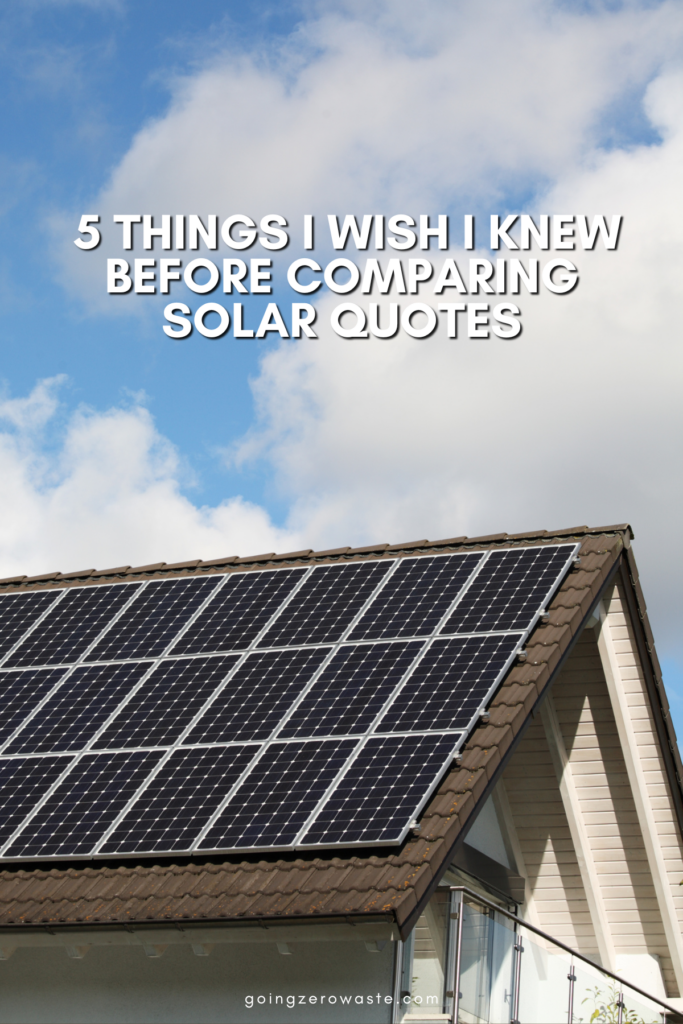
This post is sponsored by Aurora Solar, but all thoughts and opinions are my own.
If you’ve ever gotten a solar quote, there’s a good chance that Aurora Solar was involved. Aurora was founded in 2013 after its co-founders spent seven months trying to design a solar energy system using a patchwork of different tools.
Afterall, designing a solar system shouldn’t be harder than actually installing one. So they built software specifically for solar professionals. Today, more than 7,000 solar organizations use Aurora, and more than 20 million solar projects have been designed using the platform. They are also the largest solar software provider in the world. Their software is used by roughly 80% of the top 75 residential solar companies in the U.S.
All of this tech has been primarily used by professional installers to map your roof and then create a proposal, but now Aurora is offering this tech to us to help compare quotes.
So instead of having to call a bunch of different installers, I could use the Aurora Solar Marketplace to understand my solar potential, compare estimates, understand my possible savings, look into battery storage and other home electrification incentives, and map out different financing options.
1. know how much electricity the system will actually produce
Before you even get into the price, make sure you understand what you’re actually being quoted.
Two solar systems can have very different prices because they may not be the same size or produce the same amount of electricity. A cheaper system might simply have fewer panels and offset less of your electric bill.
With Aurora, you can compare solar estimates and see the system size, energy production, and how much electricity the system should offset.
You can also upload your utility bill to get a solar estimate based more closely on your actual energy usage, to make the quote accurate for you instead of a ‘generic household’.
2. understand the solar payback period
Aurora calculates things like payback period and lifetime savings, which makes it much easier to understand the long-term finances.
The solar payback period is basically how long it takes for your estimated savings to make up for what you spent on the system, and this is the number that surprised me most!
One estimate had a payback period of around 7 years, and another was closer to 11 years! Over 25 years, two of the estimates I looked at had almost a $13,000 difference in projected savings.
Of course, these are still projections as electricity rates can change (HELLO 2026) but when you’re trying to compare two options for the same house, knowing that one is projected to pay for itself four years sooner is pretty useful information.
3. look beyond the monthly payment
Depending on the installer, you may be looking at a cash purchase, solar loan, lease, or power purchase agreement.
But thankfully with Aurora you can compare the different financing options side-by-side which makes it a lot easier to see the trade-offs. One option may have a lower upfront cost, another may have a lower monthly payment, and another may give you better long-term savings.
4. find out which solar incentives actually apply to you
The minute you start Googling solar, you can find federal incentives, state incentives, utility programs, rebates, net metering, and a whole bunch of information that may or may not even apply to where you live.
And some of the articles ranking at the top of Google are several years old! (RIP to the federal incentives canceled at the end of 2025.) But, Aurora can account for solar incentives when calculating the cost and savings of a system, including state, local, and utility-specific programs.
I would still double check any incentive or tax benefit you’re planning to use before signing a contract, especially because programs and eligibility can change, but having all the relevant information in the same place makes the research process much less overwhelming.
5. research the installer, equipment, and warranties
Aurora lets you compare solar installers based on things like reviews, reputation, pricing, and financing options, which I think is just as important as the actual quote.
I’d also look closely at what equipment is included. What panels are they using? What kind of inverter? How long are the equipment warranties? Is there also a workmanship warranty from the installer? Who handles repairs if something goes wrong five or ten years from now?
And, I know I’ve said it a million times, but it’s nice to see it side-by-side without having to fill out a bunch of forms and be hounded on the phone just to get an idea of what solar may look like.
The post How to Compare Solar Quotes: What to Look For Before You Choose appeared first on Going Zero Waste.
How to Compare Solar Quotes: What to Look For Before You Choose
Green Living
Sustainability In Your Ear: XPRIZE’s David Babson on Why Climate Grand Challenges Need Buyers, Too