


Zefiro Methane has announced the completion of its first-ever sale of carbon offsets. This is a major milestone in its mission to reduce methane emissions from abandoned oil and gas wells.
The offsets came from the American Carbon Registry’s (ACR) orphan well method. This is the first time such credits have entered the carbon market.
A project in Custer County, Oklahoma, generated the credits when Zefiro successfully sealed a deep abandoned gas well. The remediation took out almost 5,000 feet of casing. It also cut down CO₂ equivalent emissions by 92,956 metric tonnes.
This first batch of ACR-issued carbon credits is sold to Mercuria Energy America. It is the U.S. arm of a major global energy and commodities company.
Methane is a powerful greenhouse gas, trapping heat up to 80 times more effectively than carbon dioxide over a 20-year period. Addressing leaks from orphan wells is one of the fastest ways to cut harmful emissions.
This first sale confirms Zefiro’s ability to turn environmental challenges into tradable climate assets. It also highlights the growing importance of high-quality carbon credits in meeting global emissions reduction goals.
Zefiro’s Chief Executive Officer, Catherine Flax, remarked:
“The successful issuance and delivery of Zefiro’s very first carbon credits is a landmark development not just for us as a company, but also for the voluntary carbon markets as a category in which new standards are being set. With this Methodology that allows carbon offsets to be generated directly from the remediation of orphaned oil/gas wells, there is now a clear and straightforward blueprint in which the voluntary carbon markets can be leveraged as a funding source for leaking wells to be plugged without needing to rely on taxpayer resources…”
The Scale of the Orphan Well Problem
The U.S. is home to an estimated 4 million abandoned or orphaned oil and gas wells, spread across at least 26 states. Many of these wells continue to leak methane into the atmosphere, posing both environmental and health risks. Methane contributes not only to climate change but also to poor air quality that can affect local communities.
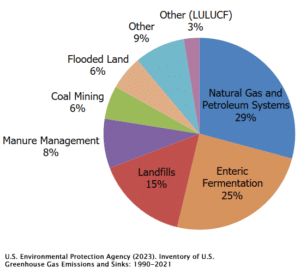
Plugging and sealing wells is expensive and technically complex. Some wells are over a hundred years old. Often, there are missing ownership records. This means no company is legally responsible for cleanup.
The challenge is huge. Thus, the U.S. federal government set aside $4.7 billion through the Bipartisan Infrastructure Law. This money will help states tackle orphan wells. Even so, private sector involvement is needed to scale solutions.
This is where Zefiro Methane comes in. The company creates carbon offset credits from verified well closures. This helps provide extra funding to address the issue. Companies and institutions can now invest in projects that reduce their emissions while also benefiting the community.
Transitioning from the scale of the problem to how Zefiro builds trust, the next section explains the company’s focus on credibility in the carbon markets.
Building Trust and Credibility in Carbon Markets
A key part of Zefiro’s progress has been establishing credibility with recognized registries and independent auditors. In April 2024, Zefiro registered its first project. This was with the American Carbon Registry, a respected carbon offset standard with a long history. This ensured its credits met rigorous criteria for transparency, permanence, and environmental integrity.
The company has also partnered with TÜV SÜD, an international certification body, to provide validation and verification of its projects. This third-party oversight ensures that the credits represent real and measurable emissions reductions.
This credibility matters. In voluntary carbon markets, not all credits are created equal. Buyers increasingly demand proof that projects are scientifically sound and environmentally effective.
With credibility established, Zefiro has begun to scale its operations, moving from single projects to broader national initiatives.
Scaling Up Methane Solutions
Zefiro has grown rapidly in recent years to support its methane reduction efforts. The company acquired Plants & Goodwin, a well-plugging expert from Pennsylvania. This adds decades of experience and boosts its technical skills.
The company also became a publicly traded company on the Cboe Canada exchange, giving it greater visibility and access to capital.
Beyond remediation, Zefiro has entered the methane monitoring market. In 2025, it got its first contract from the EPA’s Methane Emissions Reduction Program. This program is backed by funding from the Inflation Reduction Act. This expansion allows Zefiro not only to plug wells but also to track and verify emissions reductions in real time.
Together, these moves show Zefiro’s ambition to become a leader in the methane abatement space. The sale of offsets marks the shift from early-stage development to active participation in both remediation and carbon markets.
To understand why these actions matter, it is important to look at the role of methane abatement in the fight against climate change.
Why Cutting Methane Packs a Punch
Methane plays an outsized role in global warming. Here’s why:
-
Methane contributes about 30% of today’s global warming, according to the Intergovernmental Panel on Climate Change (IPCC).
-
It has a much shorter lifespan than CO₂ in the atmosphere—around 12 years—but its heat-trapping power is far stronger.
-
Cutting methane emissions can deliver fast climate benefits compared to CO₂ reductions.
-
The International Energy Agency (IEA) estimates that reducing methane from fossil fuel operations could prevent up to 0.1°C of warming by mid-century. These reductions are considered among the lowest-cost and most effective strategies to slow climate change.
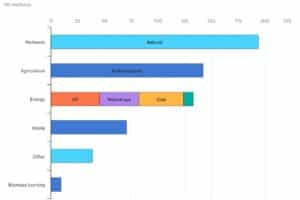
Zefiro’s work directly targets this opportunity. The company seals wells that would leak methane for years. This helps reduce emissions in a clear and effective way.
The added benefit of generating carbon credits creates financial incentives for investors and buyers to support these projects. As methane abatement gains momentum, carbon offset market trends show why Zefiro Methane’s timing is significant.
Carbon Credit Market Momentum: The New Frontier
Methane abatement offsets are appealing. They tackle a strong greenhouse gas and provide clear benefits. These include land restoration and better public health.
Analysts project that the global carbon market could reach $100 billion by 2030, with methane-related credits playing a growing role. In 2024, over 4 million tons of methane credits were retired, as shown below.
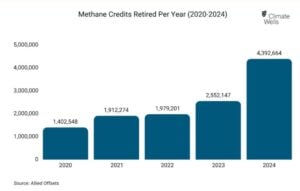
For Zefiro, this trend offers a clear growth pathway. The company positions itself as a trusted supplier of verified methane offsets. This helps meet voluntary demand from businesses and prepares for future compliance needs as governments tighten climate rules.
The Global Methane Initiative (GMI) estimates that methane emissions caused by humans will grow by 2030. With the strong demand ahead, the implications of Zefiro’s first sale go beyond one project.
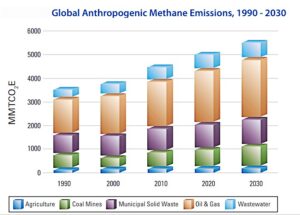
What This Means for Climate and Markets
Zefiro’s first-ever carbon offset sale is more than a corporate milestone—it signals a new chapter for carbon markets. It shows that orphan well remediation can become a real business. It can be funded by both public money and private capital that wants to make a climate impact.
For communities, these projects reduce methane leaks, improve local air quality, and eliminate safety risks from abandoned wells. For carbon markets, they introduce a new category of offsets backed by rigorous standards and verification. And for investors, they offer an emerging opportunity in the fast-growing carbon economy.
As climate policies advance and the need for credible carbon removals grows, Zefiro’s early success positions it as a key player. The challenge now is scaling from one project in Oklahoma to addressing millions of orphan wells across the U.S.
The post Zefiro Methane’s First Carbon Offset Sale: Turning Orphan Wells Into Climate Assets appeared first on Carbon Credits.

EU carbon credit claims changed on 27 September 2026, the day the Directive (EU) 2024/825 began to apply across the European Union. The change is narrow. It changes how a company can talk about the credits it buys. A product can no longer be called neutral on the strength of compensation alone; however, every specific, evidenced statement about what a company measured, reduced, and funded stays fully available.

The post Promoting Improved Cooking Practices in Nigeria appeared first on Terrapass.


-
Climate Change1 year ago
Guest post: Why China is still building new coal – and when it might stop
-

 Greenhouse Gases2 years ago
嘉宾来稿:满足中国增长的用电需求 光伏加储能“比新建煤电更实惠”
-
Greenhouse Gases1 year ago
Guest post: Why China is still building new coal – and when it might stop
-

 Climate Change2 years ago
嘉宾来稿:满足中国增长的用电需求 光伏加储能“比新建煤电更实惠”
-

 Renewable Energy12 months ago
Sending Progressive Philanthropist George Soros to Prison?
-
Climate Change2 years ago
Bill Discounting Climate Change in Florida’s Energy Policy Awaits DeSantis’ Approval
-
Greenhouse Gases1 year ago
嘉宾来稿:探究火山喷发如何影响气候预测
-

 Climate Change2 years ago
Analysis: China’s CO2 falls 1% in Q2 2024 in first quarterly drop since Covid-19