

Quick Key Facts
- Wetlands exist on every continent except Antarctica.
- Wetlands are home to hydrophytes, literally water plants.
- Freshwater marshes are the most common and widespread wetlands in North America.
- The Sundarbans in India and Bangladesh is a saltwater swamp that boasts the world’s biggest uninterrupted mangrove forest at 140,000 hectares.
- Wetlands provide habitat or breeding grounds for 40% of all plant and animal species.
- Peatlands cover only around 3% of the Earth’s surface but store around 30% of its soil carbon.
- According to one estimate, wetlands are disappearing at three times the rate of forests and are considered the world’s most imperiled ecosystem.
- Nearly half of the tidal wetlands along the U.S. coast are vulnerable to sea-level rise by 2100.
- In Sackett v. EPA, the U.S. Supreme Court ruled that a wetland only had federal protection if its surface waters touched the waters of a navigable body of water.
- In the Lower 48 U.S. states, 75% of remaining wetlands are on private land.
What Are ‘Wetlands’?
A wetland is exactly what it sounds like: ground that is covered by or saturated with water for all or part of the year. The water that makes a wetland can come from a variety of different sources, including ocean tides; freshwater sources like lakes, rivers, or ponds; underground aquifers, or rain.

Wetlands are found on every continent except Antarctica. Some famous examples are the Everglades in Florida, the Pantanal in Brazil and Monadh Mor in Scotland. There is an amazing diversity of wetlands based on how frequently their soils are saturated, the surrounding climate and the source of the water, among other factors. All wetlands have moistened soils that are described as hydric, and these soils nurture water-loving plants, called hydrophytes. Hydrophyte literally comes from the Greek words for “water” and “plant.” These plants can either spend their lives under the water, floating on top of it or submerged in moist soils and range from mangrove trees to duckweed, but they are all adapted to a watery, low-oxygen environment.

In the past, wetlands were often dismissed as waste areas or sources of mosquitoes and disease. Because of this, human societies have often not treated them with the respect they deserve, either filling them in to build cities, draining them for farmland or using them as garbage dumps. However, wetlands are actually vitally important ecosystems that perform essential functions, from purifying water to storing carbon. As human activities like the burning of fossil fuels push the climate toward a tipping point, wetlands are more important than ever.
What Are the Main Types of Wetlands?
There are many different types of wetlands and means of classifying them. Broadly, wetlands can be divided into coastal or tidal wetlands and inland or non-tidal wetlands. In the U.S., different agencies have different systems for classifying wetlands based on factors like geography, vegetation, water source and how the water flows through the landscape. However, according to National Geographic, there are three basic types of wetlands recognized by scientists: marshes, swamps and bogs. The U.S. Environmental Protection Agency also includes a fourth type: the fen. Other names for wetlands you may be familiar with include mires, muskegs, sloughs, playa lakes, vernal pools, wet meadows, pocosins, lagoons and deltas.
Marshes

A marsh is a wetland that is frequently or always flooded and where long-stem plants grow in water-saturated soils. They are most common in mid latitudes, and they are divided into tidal or saltwater marshes and non-tidal or freshwater marshes. Tidal or saltwater marshes are often found near estuaries — a biodiverse habitat where a river opens out into the ocean. Typical plants in saltwater marshes include smooth cordgrass close to the tide and short smooth cordgrass, spike grass and saltmeadow rush farther from the shore. Examples are the saltwater marshes of northern Australia — home to the saltwater crocodile — and the salt marshes surrounding Maryland’s Chesapeake Bay.

The Transquaking River feeds into the Fishing Bay salt marsh near Blackwater National Wildlife Refuge in Dorchester County, Maryland, on June 5, 2018. Will Parson / Chesapeake Bay Program
Freshwater or non-tidal marshes are typically found by rivers, streams or lakes, or in depressions where water can gather. Typical vegetation includes bulrushes, reeds, lilly pads and cattails. Freshwater marshes are the most common and widespread types of wetlands in North America. Examples include much of the Everglades and prairie potholes — depressions left in the ground by melting chunks of glacier that created wetlands as they melted. These are important resting stops for migratory birds.
Swamps
A swamp is a wetland characterized by woody plants. Swamps can be divided into either freshwater and saltwater swamps or forested swamps and shrub swamps. All swamps are home to water-tolerant trees or shrubs, but the species depend on the climate and location. There are many freshwater swamps in the tropics, where it is hot and humid all year, but there are swamps as far north as the boreal forests of Russia, Alaska and Canada. Freshwater swamp plants can range from red maples in the northeastern U.S. to cypress in the U.S. south. Swampy shrubs include willows, button bush and smooth alder. One famous example of a freshwater swamp is the Louisiana bayou.

Saltwater swamps are mostly found in the tropics along coastal sand flats or mudflats.The water in saltwater swamps is brackish, meaning it is a mix of salt and freshwater. The trees that typically live in saltwater swamps are called mangroves, which have tall roots that hold their short trunks above water level. Mangroves both attract soil, keep it in place and help create it when they decay. They also provide habitat for marine animals and birds. One example of a saltwater swamp is the Sundarbans in India and Bangladesh, which boasts the world’s biggest uninterrupted mangrove forest at 140,000 hectares. The swamp is home to 260 bird species, the estuarine crocodile, the Indian python and the Bengal tiger.

Bogs
A bog is a type of wetland that is formed when sphagnum moss and other plants accumulate, either trapping the water from a pre-existing lake or pond or collecting and trapping rain water. Most of the current water in a bog comes from rainwater, not groundwater or another source. Because of the water source and the presence of mosses, bog soil and water is acidic and has less nutrients. This means that bogs are not as fertile and only nurture certain types of plants that therefore only attract certain animals. Carnivorous plants like pitcher plants and sundew are some of the unique plants that favor bogs, while cranberries and blueberries are some of the few crops that can be grown in them. One large animal that does spend time in bogs is the moose, who feeds on aquatic plants. Examples of bogs include the cranberry bogs of Massachusetts and the Great Kemeri Bog in Latvia’s Kemeri National Park.

Over time, the plant matter that builds up at the bottom of a bog turns to peat. That means a bog is a type of peatland, or an area where there are 20 to 40 centimeters of peat in the top 80 centimeters of soil. Between 50 and 70% of all wetlands are peatlands. Peat is a fuel in its own right, and can turn into coal with more time and pressure. In addition, bogs are very good at preserving things because of their lack of oxygen and the presence of natural tannins, which are used in preserving leather. Several “bog bodies” — human corpses with hair and clothing — have been found in bogs dating from thousands of years ago, mostly in northern Europe. The most well-preserved “bog body” is Tollund Man, who was found in Denmark’s Bjældskovdal bog in 1950 but lived around 280 B.C.E. He was found wearing a sheepskin hat, an ox-skin belt and skin covering all but his arms and hands.
Fens
Fens are similar to bogs in that they are wetlands that create peat over time. They are also more common in the Northern Hemisphere. However, they are distinct in that they do not rely on rain or snow for their nutrients, instead accessing them via water flowing downhill or through groundwater below. Because of this, they have a broader diversity of plants and animals, including rushes, wildflowers, sedges and grasses.

What Are the Benefits of Wetlands?
Wetlands only cover 6% of the Earth’s land area, but they are vitally important for plant and animal life, nutrient and water cycles and human well-being.
Providing Habitat

Wetlands are very important for biodiversity. About 40% of the Earth’s plants and animals either live or breed in wetlands. In fact, wetlands are on par with coral reefs and tropical rainforests for being some of the world’s most productive ecosystems. This is because they are “biological supermarkets.” Plant matter decays in the water to become detritus, which provides food for insects, small fish and shellfish that then attract larger fish, birds, reptiles, amphibians and mammals. Wetlands play an important role in the life cycles of several species, including salmon, trout, oysters and blue crabs. Some species live only in wetlands, including more than one-third of those on the U.S. endangered and threatened species list. Many birds rely on wetlands for at least part of the year. They are important pit stops for migrating birds, and some migratory species would go extinct without certain wetlands.
Improving Water Quality

Wetlands act as a natural water filtration system, keeping larger bodies of water like rivers and oceans clean. When water enters a wetland, its pace is slowed by the many plants, allowing any sediments within it to become suspended in the wetlands. These sediments, which are often attached to toxic chemicals or nutrient pollution like excess nitrogen or phosphorus from agriculture or wastewater, are then absorbed by plants or settle at the bottom of the wetland. Natural processes can absorb excess nutrients into the wetlands’ nutrient cycle or turn toxic chemicals into less toxic forms. If water passes through a wetland, up to 90% of the sediment within it may be trapped by the wetland, allowing the water to run clear.
Managing Water Flow

Wetlands can also help prevent or reduce the impact of flooding by absorbing excess water and then letting it enter the surrounding landscape or groundwater at a slower pace. Indeed, one acre of wetland can store up to 1.5 million gallons of excess water. The vegetation in wetlands can slow flood waters as well. While this water storage reduces the severity of floods, it also delays the beginning of droughts during drier periods. On the coasts, wetlands can help protect inland areas from storm surges by absorbing both water and wave energy. Mangroves, for example, can act as a natural storm break. Along the U.S. Atlantic and Gulf coasts, where hurricanes are a yearly hazard, wetlands prevent almost $700,000 in storm damage per square mile each year on average.
Sequestering Carbon

Another thing that scientists are learning about wetlands in the context of the climate crisis is that they are natural sinks for carbon dioxide, drawing down around 8.1 million tons of carbon dioxide from the air annually. “All ecosystems store carbon, but wetlands store a lot more than all the rest,” said Michigan Tech School of Forest Resources and Environmental Science professor Rod Chimner. Coastal wetlands may sequester carbon as much as 55 times faster than tropical rainforests. Peatlands are also important carbon sinks — while they only take up around 3% of the Earth’s land area, they store around 30% of its soil carbon.
Supporting Local Economies

Because they are such productive ecosystems, wetlands can also provide many economic benefits to humans if managed sustainably. In fact, more than one billion people derive their livelihoods from wetlands. For example, many fisheries depend on wetlands to keep their population numbers high, including more than half of the U.S. commercial seafood harvest. Several crops are cultivated in wetlands, such as cranberries, blueberries and wild rice. In addition, wetlands provide opportunities for ecotourism through kayaking, birdwatching and other water-based activities.
Cultural Benefits
While some human societies have dismissed or disparaged wetlands, others have developed close cultural ties with them. The Cajun culture in Louisiana, for example, is intimately tied to life on the bayou. Wetlands have inspired cultural traditions and mythology from all over the world, from crane festivals in Japan to the legend of the kelpie, the Celtic water horse that is sometimes drawn with a mane of bulrushes. Many Indigenous peoples around the world have developed their cultures based on wetlands, and these ecosystems remain important for their spirituality and livelihoods.

What Are the Main Threats Facing Wetlands?
Despite their irreplaceable value, wetlands have historically been undervalued by settler or industrial societies, to devastating consequences. In the U.S., more than half of all of the wetlands in the lower 48 states were drained between the 1600s and today. Globally, the Ramsan Convention on Wetlands calculated that 35% of all wetlands have been lost since 1970, and that they are now disappearing at three times the rate of forests, making them the world’s most imperiled type of ecosystem. A 2023 study published in Nature put the extent of global loss at a lower but still significant 21% between 1700 and 2020, with the U.S. taking the lead for greatest wetland loss of any country. While the rate of wetland loss has declined in the U.S. since the 1970s, it still loses around 60,000 acres a year.

Agriculture
Land-use change is the greatest threat to wetlands both historically and currently, with conversion of wild lands to agricultural lands being the leading cause of wetland loss. Agriculture has degraded more than half of the Wetlands of International Importance. In some cases, wetlands will be drained to be converted to cropland. This can be counterproductive, as wetlands can actually support agriculture if left alone by providing soil nutrients, water for grazing animals and drought prevention, among other benefits. However, livestock grazing can harm wetlands when not properly managed, as the animals may devour plants that help prevent erosion of streambanks and sedimentation of the water.

Development
Wetlands have also been drained and filled to be turned into human developments. Major cities including London, Venice, New Orleans and New York were all built on wetlands. In the U.S., pressure from development is overtaking agriculture as the leading cause of wetland loss. Converting wetlands into urban areas can worsen flooding because the water-absorbing vegetation is replaced with impervious materials like concrete.

Dams
The damming of rivers for agriculture or energy can harm wetlands by diverting water away from them. By altering the flow of rivers, these dams can reduce seasonal flooding, causing certain wetlands to shrink and harming the species that depend on them for habitat. One example is the Colorado River Delta, which was once the largest wetland in North America but dwindled over the 20th century as almost 90% of the Colorado River was diverted for households, farms and energy in the U.S. before even reaching Mexico. While the delta has largely dried up, there are now efforts in place to restore it.

Pollution
While wetlands are adept at filtering pollutants, sometimes the amount of contaminants that human activities dump into the environment can become too much for them. In addition, as wetlands disappear, this puts more pressure on the remaining wetlands to filter more toxins. Major pollutants that harm wetlands include sediment, fertilizer, human and animal waste, pesticides and heavy metals. These pollutants can then harm the plants and animals in the wetlands. For example, fertilizer pollution can encourage too many plants to grow, which then deprive the remaining wetland plants and animals of oxygen as they die and decay. The rise in plastic pollution is also impacting wetlands, killing birds and turtles. Another recent study found that tire particles are harming organisms in estuaries.

Climate Crisis
The climate crisis threatens coastal wetlands through sea-level rise and coastal erosion, while it exposes others to drought and desertification. For example, 43 to 48% of the tidal wetlands along the U.S. coast are vulnerable to sea-level rise by 2100. Globally, 20 to 90% of coastal wetlands may be swallowed by higher ocean levels. Wetlands in the Arctic and in mountain ecosystems are also especially at risk from climate change as rapid ice melt alters these environments.

What Is Sackett v. EPA and How Does It Impact Wetlands?
One recent impediment to the protection of wetlands in the U.S. is the Supreme Court decision Sackett v. EPA. This decision, ruled in 2023, involved what counts as part of the “waters of the United States” that the federal government is authorized to protect under the Clean Water Act of 1972. For most of the act’s history, waters of the United States, or WOTUS, have been interpreted to mean any body of water in a given watershed. In Sackett v. EPA, however, the court ruled that only navigable waters, streams leading directly to navigable waters or wetlands directly connected via surface water to navigable waters merit federal protections. This puts many wetlands that may be connected to a larger river via groundwater, vegetation or downhill flow at risk from development.
How Can We Protect Wetlands?
Despite the many threats to wetlands, there is growing awareness of their ecological importance as well as a growing movement to both save existing wetlands and restore degraded ones.
Preservation
There are many ways to preserve wetlands on the global, national, local and individual level. The Convention on Wetlands is an international treaty aimed at the conservation and “wise use” of wetlands. It was adopted in Ramsar, Iran, in 1971, and today nearly 90% of UN member states are “contracting parties.” The internationally recognized goal of protecting 30% of lands and waters by 2030 can also be an opportunity to protect wetland ecosystems. One recent example is the protection in 2022 of Argentina’s Mitre Peninsula, which included one of South America’s largest peatlands.
In the Lower 48 U.S, nearly 75% of wetlands are on private land, so it is vital that people with wetlands on their property act as stewards. Individuals who care about wetlands can lobby for national, state, or local laws that protect wetlands; volunteer or donate money to organizations that preserve wetlands; oppose developments that would harm or fill wetlands; and reduce the runoff of pollution into wetlands by installing rain barrels and permeable surfaces in their yards and avoiding pesticides and nutrient-rich fertilizers.

USDA’s Natural Resources Conservation Service, in partnership with the Oregon Department of Fish and Wildlife, worked with private landowners on the habitat for the Oregon chub on a Wetlands Reserve Program site known as the Dunn Pond. The program allows landowners to voluntarily restore and protect wetlands. NRCS Oregon / Flickr
Restoration
It is also possible to restore wetlands that have been damaged or degraded. This can happen through both re-establishing the wetland environment and rehabilitating the function of the ecosystem. In the U.S., wetland restoration is sometimes required by law to offset the permitted destruction of or damage to a wetland for a particular project.
There are many examples of wetland restoration projects. One example is the concept of “sponge cities” in China. Urban planners are replacing concrete flood walls or river banks with plants and parks to help prevent floods and restore urban wetlands. Another example is the effort to bring water flow back to the Colorado River Delta. A 2018 study of these efforts found that restored areas attracted 74% more birds and 20% more bird species than areas that were not.

Takeaway

Wetlands are unique and valuable ecosystems that provide tremendous benefits for both non-human and human life — if humans can learn to appreciate them. In the past few centuries of industrial development, human societies have often worked against wetlands, seeing them as obstacles to growing food or building settlements. This attitude has harmed both wetlands and humans, leading, for example, to dwindling fisheries and cities that flood more regularly and intensely.
But if human societies can learn to once again work with wetlands, these amazing marshes, swamps, bogs and fens can help to protect against storms, reduce flooding, restore biodiversity, fight the climate crisis and make the world a little more extraordinary.

The post Wetlands 101: Everything You Need to Know appeared first on EcoWatch.
https://www.ecowatch.com/wetlands-facts-ecowatch.html

Americans throw out 81.5 pounds of clothing a year; two-thirds of it ends up in landfills. That’s no accident—it’s a fast fashion design principle that many have embraced.
A December 2024 U.S. Government Accountability Office report found that textile waste grew by more than 50 percent from 2000 to 2018, while federal agencies still lack a coordinated strategy. As a result, consumers seeking sustainable options carry the burden of finding responsible brands.
Look good and reduce your footprint—you don’t have to choose. The brands below carry recognized certifications, use lower-impact materials, and often sell via Amazon. We’ve updated this list since 2021 to reflect brands still delivering and those raising the bar.
Throughout this list, you’ll see references to GOTS (Global Organic Textile Standard), Fair Trade Certified, and SA8000. GOTS covers the entire supply chain from farm to finished garment, requiring organic fibers and strict environmental and social standards. Fair Trade and SA8000 focus on worker wages, safety, and conditions. These aren’t marketing claims, they require third-party audits.
This article contains affiliate links. If you make a purchase through these links, we may receive a small commission at no additional cost to you. This supports our independent work but does not influence our recommendations or coverage.
1. Pact — GOTS-Certified Organic Cotton Basics and Dresses
Pact offers women a strong foundation for building a sustainable wardrobe. Each garment is crafted from GOTS-certified organic cotton in Fair Trade Certified factories, with certifications updated as recently as 2025. The brand partners with SimpliZero to measure and offset the carbon footprint of individual products, investing in reforestation and renewable energy.
Their organic cotton process uses 81% less water and 62% less energy than conventional cotton farming, a meaningful difference given that a single conventional cotton T-shirt typically requires around 2,700 liters of water to produce.

Standout Pact picks on Amazon:
- The Pact Organic Cotton Women’s Ruffled Maxi Dress is made from 100% organic cotton double gauze and is machine washable.
- Pact’s Organic Cotton Women’s Fit & Flare Halter Dress, which features 95% organic cotton and 5% elastane
- The Organic Cotton Women’s Lightweight Jacket, featuring 97% organic cotton, is a great layering piece.
- Check out Pact’s Organic Cotton Women’s Gauze Wide Leg Pantsmade from 100% organic cotton with a smocked elastic waistband
2. Girlfriend Collective — Recycled Activewear with Radical Transparency
Seattle-based Girlfriend Collective leads in sustainable activewear. Its fabrics are made from post-consumer plastic bottles, fishing nets, and fabric scraps. They are OEKO-TEX Standard 100 certified and BPA-free, making them safer if they end up in a landfill. The brand uses eco-friendly dyes and provides washing bags with each purchase to help reduce microfiber pollution.
On the labor side, Girlfriend Collective holds SA8000 certification, which independently verifies safe working conditions and fair wages. They also run ReGirlfriend, a take-back and recycling program that gives you store credit for returning worn-out pieces. That circular loop — buy, wear, return, recycle — is still rare in activewear.
The brand carries sizes XXS to 6XL and has an Amazon storefront with frequently updated inventory.

Standout picks:
- Girlfriend Collective High-Rise Skort is crafted from recycled polyester sourced from certified post-consumer plastic bottles and features useful hidden pockets.
- Browse Girlfriend Collective’s full Amazon store for leggings, sports bras, and shorts.
3. Eileen Fisher — Circular Fashion and B Corp Commitment
If any brand embodies “timeless,” it’s Eileen Fisher. Since 2013, the company has championed circularity through its Renew take-back program—one of the longest-running garment recycling efforts in American fashion. Send back your worn Eileen Fisher pieces, and they’re cleaned, repaired, and resold or upcycled into new textiles.
As of 2025, 75% of Eileen Fisher’s products use lower-emissions or certified materials, including organic linen, organic cotton, regenerative wool, TENCEL lyocell, and deadstock fabric. The brand holds certifications from GOTS, GRS (Global Recycled Standard), RWS (Responsible Wool Standard), Bluesign, and FSC. It’s also a certified B Corp with published emissions targets.
Eileen Fisher acknowledges it is not currently on track to hit its science-based emissions reduction targets. That’s a candid admission that distinguishes genuine transparency from greenwashing. Their organic linen and TENCEL pieces are particularly durable and environmentally benign: linen requires no irrigation in most growing conditions and generates roughly a quarter of the carbon emissions per pound of fiber as conventional cotton.
Eileen Fisher sells direct at eileenfisher.com with free shipping on U.S. orders.
4. Reformation — Carbon-Tracked Dresses and Recycled Cashmere
Los Angeles-based Reformation publishes quarterly sustainability reports that break down water, energy, and carbon footprint per product — a level of granularity that almost no other fashion brand offers. Their key fabrics include TENCEL™ Lyocell, produced in a closed-loop system that recycles 99% of its non-toxic solvent, low-irrigation linen, and Forest Stewardship Council-certified viscose.
In late 2024, Reformation launched its first 100% recycled cashmere sweater line — a blend of 95% recycled cashmere and 5% recycled wool. The brand reports these sweaters produce 96% less carbon and require 89% less water than conventional cashmere. That’s a significant claim, and the brand backs it with third-party verification.

Reformation also partners with ThredUp and Poshmark so you can resell verified purchases directly through those platforms. It also offers a take-back program for Ref sweaters, shoes, denim, and outerwear.
Reformation sells direct at thereformation.com.
5. Amour Vert — Made in California, Plant a Tree With Every Tee
Amour Vert (“green love” in French) produces 97% of its garments in California, collaborating with mills to create signature sustainable fabrics such as beechwood modal, GOTS-certified cotton, OEKO-TEX silk, TENCEL, and cupro from cotton waste. The brand recycles nearly all byproducts at its factories.
For every T-shirt purchased, Amour Vert plants a tree in North America through its partnership with American Forests, and has planted more than 220,000 trees to date. Products are made in small batches to limit overproduction, and the brand offers an upcycled clothing collection that transforms discarded materials into new pieces.

Key pieces for the Spring and Summer of 2026 include:
- Victoire Wide Leg Pants feature organic cotton and a TENCEL blend, a versatile year-round foundation for your look.
- The Verona Blazer is made from organic cotton and TENCEL to deliver an office-appropriate, seasonless look.
- The Sloan Skirt uses TENCEL from sustainably sourced wood pulp to provide moisture-wicking comfort.
6. Warp + Weft — Size-Inclusive Denim Under $100
A traditional pair of jeans takes roughly 1,500 gallons of water to produce. Warp + Weft, a family-owned brand, produces jeans using less than 10 gallons of water. By operating a vertically integrated denim mill, Warp + Weft controls every step: utilizing onsite solar panels, a heat recovery system, recycling and treating 98% of water used, and employing dry ozone technology instead of chemical bleaching.
The brand is fully size-inclusive (through 3X for women), and prices stay under $100. Their compliance with International Social and Environmental & Quality Standards is auditable, not self-reported. Warp + Weft has expanded from denim into matching sets, tops, and jackets, making it easier to build a full outfit around their sustainable denim base.
Shop at warpweftworld.com and Amazon.
7. Karen Kane — Ethical Production and TENCEL Chambray
Karen Kane stands out for its transparent, energy-efficient operations, including LA-based manufacturing, hangar reuse, and sustainable fabric initiatives. The Asymmetric Hem Wrap Top, a signature design, is crafted from 100% TENCEL soft chambray made with FSC-certified wood pulp. This closed-loop process recaptures and reuses solvents, greatly reducing chemical waste compared to traditional rayon methods.
Karen Kane offers a broader range of wardrobe essentials beyond the wrap top, and its women’s collection is available on itssite and select Amazon listings.
8. Mango — Organic Denim and a Declared Sustainability Road Map
Mango is a larger brand, which warrants more scrutiny, but it can also make a positive impact through its environmental commitments. The brand publicly committed to using 100% organic cotton and 50% recycled polyester by 2025, and 100% cellulose fibers with verified sustainable origins by 2030. Their organic cotton pieces, including several denim options, are genuinely certified organic, meaning no synthetic pesticides or fertilizers are used in cultivation.
Mango describes its sustainability journey as ongoing, and it is. Organic cotton still requires significant water input, and a large global retailer faces supply chain complexity that smaller brands avoid. Good On You rates the brand as making progress but “Not Good Enough.” That said, Mango’s organic denim line is worth considering for shoppers who want accessible price points alongside high-quality materials. Organic Mango pieces are available through mango.com.
What You Can Do To Lower Your Impact
Individual purchasing choices alone won’t fix a 17-million-ton textile waste problem. But they shape markets, and markets respond. Here’s how to shop with more impact:
- Look for GOTS, Fair Trade Certified, or B Corp status. These require third-party audits, not just brand claims.
- Prioritize longevity. A $90 Eileen Fisher linen shirt, worn 200 times, has a far lower footprint than a $20 fast-fashion top, worn 7.
- When you’re done with clothes, resell on ThredUP, Poshmark, or TheRealReal before donating. Secondhand marketplaces keep clothing in circulation longer.
- Use Earth911’s recycling search to find textile recycling options in your area. Only about 15% of U.S. textiles are currently recycled.
- Check takeback programs before you throw anything out. Eileen Fisher Renew, Girlfriend Collective’s ReGirlfriend, and Reformation’s takeback initiative all exist for exactly this reason.
The post 8 Sustainable Women’s Fashion Brands for Spring & Summer 2026 appeared first on Earth911.
https://earth911.com/living-well-being/5-sustainable-fashion-lines-for-women/
Green Living
Classic Sustainability In Your Ear: Ecosia.org’s Christian Kroll on Planting Trees With Every Web Search
How do you reduce your digital life’s environmental impact? Making changes to reduce your environmental impact around the house is straightforward — you can eat less meat, reduce your purchases of single-use plastic or turn down the thermostat by a few degrees to make a difference. But when you go online, there aren’t many obvious choices to cut your impact. Enter Ecosia.org, which has planted more than 143 million trees to offset the environmental impact of web searches. Ecosia remains a stalwart of ecologically responsible tech four years after this interview.

Christian started Ecosia in 2009 after seeing the devastating impact of deforestation first-hand while traveling after graduating from college. The company was also the first B Corporation in Germany. While the search engine does produce CO2, the trees planted offset more emissions than ecosia.org creates — they estimate that the trees planted result in a net reduction of CO2 of 2.2 lbs. per search. To put that in context, Ecosia estimates that if it had the same volume of searches as Google, it could plant enough trees to remove 15% of humanity’s CO2 emissions each year. You can search, plant trees, and learn more at ecosia.org.
- Subscribe to Sustainability in Your Ear on iTunes and Apple Podcasts.
- Follow Sustainability in Your Ear on Spreaker, iHeartRadio, or YouTube
Editor’s Note: This episode originally aired on February 16. 2022.
The post Classic Sustainability In Your Ear: Ecosia.org’s Christian Kroll on Planting Trees With Every Web Search appeared first on Earth911.
https://earth911.com/podcast/earth911-podcast-ecosia-orgs-christian-kroll-on-planting-trees-with-every-web-search/
As the spring flowers start to appear and the days get longer, the urge to dig in the dirt returns. But you don’t have to wait for warmer weather to get growing. Starting plants from seed extends your relationship with the garden, gives you more control over seed sourcing, and saves real money compared to buying nursery starts, sometimes as much as 90% per plant.
Seed starting is also a lower-waste choice. You don’t need plastic nursery pots or peat-heavy commercial growing media, and get the option to select organic or open-pollinated varieties that big-box stores rarely carry. Here’s how to do it right.
This article includes affiliate links. If you buy something through these links, we earn a small commission that helps support our work.
Choose Seeds Worth Growing
Not all seeds are created equal, or equally easy. For beginners, stick to varieties with reliable indoor germination rates. Good bets include basil, broccoli, cabbage, cauliflower, chives, lettuce, melon, onion, pepper, and tomatoes.
For direct sowing outdoors, which lets you skip the indoor start entirely, beans, beets, carrots, corn, peas, spinach, squash, and zucchini all transplant poorly and are better started where they’ll grow.
When selecting seeds, consider choosing open-pollinated or heirloom varieties — they let you save seeds at season’s end and replant the following year, compounding your savings over time. Rebel Gardens’ certified organic 13-variety heirloom pack (seeds grown and packed in the USA in 100% recycled packets) is a solid starting point, as is Purely Organic’s USDA-certified vegetable starter kit. For herbs, Sweet Yards’ organic herb seed pack covers the kitchen essentials — basil, cilantro, dill, parsley, thyme, and more.
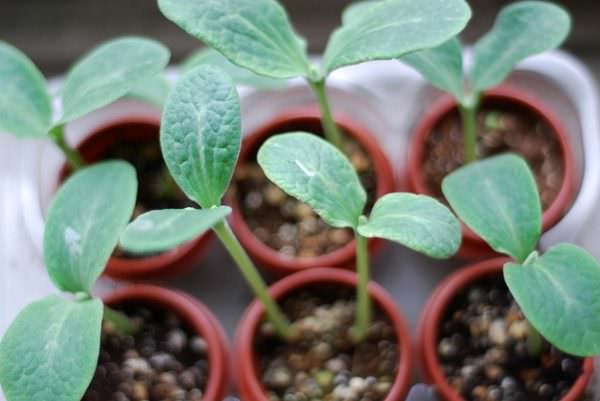
Reuse Containers or Go Soil Blocking
The sustainability case for seed starting is strongest when you skip buying new plastic plug trays. Save nursery flats from prior seasons or raid the recycling bin for 2- to 3-inch containers such as single-serve yogurt, applesauce, or pudding cups. Wash thoroughly and punch drainage holes in the bottom.
A more advanced option is soil blocking. A soil blocker tool compresses growing medium into self-contained cubes that need no container at all. Roots hit air at the block’s edge and stop growing (a phenomenon called air pruning), which produces a denser, healthier root mass.
Ladbrooke’s 20-block Mini 4 Blocker is the most widely used model for home gardeners.
Get Your Growing Medium Right
Don’t use garden soil or standard potting mix for seed starts; both are too dense and can introduce pathogens. You need a dedicated starter mix: light, sterile, and fine-textured enough to let tiny roots push through.
A premixed option, Old Potters’ Professional Germination Mix, offers a pH-adjusted medium made from peat moss, perlite, and vermiculite that eliminates the guesswork of blending your own starter soil. Or mix your own by combining equal parts perlite, vermiculite, and peat moss, then add 1/4 teaspoon of lime per gallon to neutralize the peat’s acidity.
Peat moss extraction raises sustainability concerns. It’s a slow-renewing carbon store. Coco coir, made from coconut processing byproduct, is a renewable alternative with similar moisture-retention properties. Plantonix’s coco coir + perlite + vermiculite bundle is worth considering if you want to skip peat entirely.
Heat Is the Underrated Variable
Most vegetable seeds germinate best between 65–85°F, and soil temperature matters more than air temperature. A spot near a heat vent can work, but that can be inconsistent. A seedling heat mat is the most reliable solution because it warms the root zone 10–20°F above ambient air temperature, which can cut germination time.
The VIVOSUN Seedling Heat Mat is a top-rated, UL-certified 10″×20.75″ mat that fits standard nursery flats and allows you to control the temperature. For an all-in-one solution, SOLIGT’s 60-cell seed starter kit with grow light and heat mat bundles tray, dome, light, and mat in a single purchase.
Before germination, seeds need consistent moisture, not light. Cover your flat with plastic wrap, a humidity dome, or a pane of glass to hold humidity while seeds sprout. Once you see green, remove the cover immediately: trapped humidity post-germination promotes damping-off, a fungal disease that collapses seedlings at the soil line.
Water Smart, Not Hard
Overwatering kills more seedlings than drought does. The goal is consistent moisture, which will make the soil feel like a well-wrung sponge, not a puddle. A fine-mist spray bottle is better than pouring water from above, which can displace seeds and compact the growing medium.
A quality garden mist sprayer runs under $25 and pays for itself immediately.
Grow Lights: Non-Negotiable Unless You Have a South-Facing Window
Seedlings need 12–16 hours of light per day. A sunny south-facing window might deliver 6–8 hours on a clear day. The gap produces leggy, weak starts that struggle when transplanted. Grow lights eliminate the variable entirely.
Position the bulb 2–4 inches above seedlings and use an outlet timer to automate the schedule. Full-spectrum LEDs are the current standard, as they run cooler and more efficiently than fluorescents. GROWFRIEND’s 40-cell all-in-one kit includes dual LED grow lights, a heat mat, humidity dome, and a soil moisture meter in one package.
Label Everything Because You Will Forget
This sounds obvious until you’re staring at 60 identical seedlings in March. Label every cell or flat immediately after sowing, noting the variety and the date. Reusable plant markers and a waterproof pen cost almost nothing and save considerable grief later.
Waterproof garden plant markers with permanent pen included are available in packs of 100+ for a few dollars.
Feed Lightly, Starting at Week 3
Commercial seed-starting mix contains little to no fertilizer by design, as high fertility can burn delicate seedlings. But after the first true leaves appear, plants need a nutritional boost. Start with a diluted liquid fertilizer (half the label-recommended strength) and apply weekly.
Fish emulsion and kelp-based fertilizers are popular organic choices that provide a balanced nutrient profile without the risk of chemical burn from synthetic fertilizers.
Thin Ruthlessly
Sowing two or three seeds per cell is standard practice. It hedges against low germination rates. But once sprouts emerge, you need to thin to one per cell. The instinct is to leave multiples “in case.” Resist it. Crowded seedlings compete for light, water, and nutrients, and the result is weaker plants across the board.
Thin by snipping extras at soil level with small scissors rather than pulling, which can disturb roots of the seedling you’re keeping.
Pot Up Before Roots Get Crowded
Seed-starting mix has almost no nutrients. Once seedlings develop their first true leaves, which are the second set, after the initial seed leaves, they need more root space and fertility. Move them into 3- to 4-inch pots filled with a nutrient-rich potting mix.
This “potting up” step is often skipped, and seedlings suffer for it, becoming stunted, yellowed, slow to establish when finally transplanted. Pot up early rather than late.
Harden Off: Skipping This Step Is Costly
Indoor seedlings are soft. They haven’t experienced wind, direct UV, or temperature swings. Transplanting directly from a grow light to full outdoor sun causes transplant shock that can set plants back weeks or can kill them outright.
Harden off over 7–10 days: start with 2–3 hours in filtered shade on a mild day, gradually increasing sun and wind exposure. Growveg’s hardening-off guide has a clear day-by-day schedule.
Timing: Use a Planting Calendar, Not Gut Feel
The single most common beginner mistake is planting too early. Tomatoes and peppers in the ground before nights are consistently above 50°F will sulk rather than grow. Frost-tender crops started too early indoors get root-bound before it’s safe to plant them out.
The Old Farmer’s Almanac planting calendar calculates seed-starting dates based on your last frost date. Input your zip code and it generates a personalized schedule. Check the forecast in the 48 hours before any outdoor transplanting.
What You Can Do
- Start with easy wins: basil, broccoli, lettuce, and tomatoes have high germination rates and forgive beginner mistakes.
- Choose open-pollinated seeds: you can save and replant them each year, building independence from annual seed purchases.
- Skip peat when possible: coco coir-based growing media performs similarly and avoids harvesting slow-renewing peat bogs.
- Reuse containers: clean nursery flats or single-serve food containers reduce plastic demand before a single seed goes in.
- Use a heat mat and grow light: these two tools account for the majority of seed-starting failures when absent.
- Harden off every seedling: skipping this step costs plants; the process takes 10 days and pays off every time.
- Time your starts correctly: use a frost-date-based planting calendar, not the date on the seed packet, which isn’t calibrated to your region.
Related Reading on Earth911:
Editor’s Note: This article was originally published April 30, 2015, by Sarah Lozanova, and most recently updated in March 2026.
The post Seed, Sprout, Spectacular: Tips for Starting Your Garden From Scratch appeared first on Earth911.
https://earth911.com/home-garden/seed-sprout-spectacular-tips-for-starting-your-garden-from-scratch/



-
Greenhouse Gases8 months ago
Guest post: Why China is still building new coal – and when it might stop
-
Climate Change8 months ago
Guest post: Why China is still building new coal – and when it might stop
-

 Greenhouse Gases2 years ago
嘉宾来稿:满足中国增长的用电需求 光伏加储能“比新建煤电更实惠”
-
Climate Change2 years ago
Bill Discounting Climate Change in Florida’s Energy Policy Awaits DeSantis’ Approval
-

 Climate Change2 years ago
嘉宾来稿:满足中国增长的用电需求 光伏加储能“比新建煤电更实惠”
-
Climate Change Videos2 years ago
The toxic gas flares fuelling Nigeria’s climate change – BBC News
-

 Carbon Footprint2 years ago
US SEC’s Climate Disclosure Rules Spur Renewed Interest in Carbon Credits
-

 Renewable Energy5 months ago
Sending Progressive Philanthropist George Soros to Prison?