

The head of the United Nations, António Guterres, has for the first time called on governments to ban fossil fuel companies from advertising, as many have already done with the tobacco industry.
In a speech to mark World Environment Day at the American Museum of Natural History in Washington DC, he said that “many in the fossil fuel industry have shamelessly greenwashed, even as they have sought to delay climate action – with lobbying, legal threats and massive ad campaigns”.
“I urge every country to ban advertising from fossil fuel companies,” he said on Wednesday, adding that many governments already ban or restrict tobacco advertising – and that “some are now doing the same with fossil fuels”.
In 2022, France banned adverts for some fossil fuel products, and similar laws are being discussed in Canada and Ireland. The Dutch city of Amsterdam has banned fossil fuel adverts and the Scottish capital Edinburgh is set to do the same.
Guterres described the fossil fuel industry as “the Godfathers of climate chaos”, raking in record profits and feasting off trillions in taxpayer-funded subsidies. Meanwhile the oil and gas industry last year invested “a measly 2.5 percent” of its total capital spending on clean energy, he added.
“Mad Men fuelling madness”
The UN Secretary-General said fossil fuel companies “have been aided and abetted by advertising and [public relations] companies, Mad Men – remember the TV series – fuelling the madness”.
He called on them to “stop acting as enablers to planetary destruction” by refusing new fossil fuel clients and setting out plans to drop existing ones.
According to sector campaign group Clean Creatives, nearly 300 advertising and PR agencies held contracts with fossil fuel firms between 2022 and 2023.
Subsidiaries of the British company WPP had the highest number of fossil fuel contracts – 55 – despite having a pledge to reach net zero by 2030. Their clients include oil and gas giants Saudi Aramco, Equinor and BP.
On the other hand, more than 1,100 organisations in advertising and publicity have pledged to cut ties with fossil fuel companies and decline any contracts with them in future.

Clean Creatives executive director Duncan Meisel said Guterres’ speech was “a turning point in the advertising and PR industry’s relationship with climate change and fossil fuels”.
“There is no longer any cover for agencies to say that they are doing the right thing when working with polluters,” he said, “Everyone knows this is wrong, and everyone needs to act.”
Don’t take ads
Guterres also said that news media and technology companies should stop taking fossil fuel advertising.
Internal documents from fossil fuel firms like BP have shown that they consider placing sponsored content in the news media as a deliberate and effective strategy for influencing both public opinion and energy policy.
Research by investigative website DeSmog and Drilled showed that in-house advertising teams at international media outlets like Reuters, Bloomberg, The Financial Times and The New York Times facilitated this strategy, by promoting fossil fuel companies’ messaging through sponsored content like podcasts, newsletters and videos.
In April, The Financial Times and Reuters pulled content sponsored by Saudi Aramco that showcased the state-run oil company’s preference for technologies like hydrogen and carbon capture and storage.
DC political journalism is drowning in oil.@PunchbowlNews presented by @Chevron @axios Generate sponsored by @Chevron@politico Power Switch presented by @bp_America pic.twitter.com/9XfD3ifO7y
— Brad Johnson SUBSCRIBE TO HILLHEAT.NEWS (@climatebrad) November 13, 2023
As well as sponsoring content, fossil fuel companies take out regular adverts in mainstream and specialist media. For example, Chevron sponsors Politico’s energy podcast.
Meta, the company that owns Facebook and Instagram, received around $4 million from fossil fuel firms in return for running adverts spreading false claims over the COP27 climate summit in Egypt, according to research from Climate Action Against Disinformation.
Hottest May ever
Guterres’ speech was scheduled to coincide with World Environment Day on June 5 – also the day, he pointed out, that May 2024 was confirmed as the hottest May in recorded history
“This marks twelve straight months of the hottest months ever,” the UN chief said. “For the past year, every turn of the calendar has turned up the heat. Our planet is trying to tell us something. But we don’t seem to be listening.”
On the same day, the World Meteorological Organization (WMO) said there is an 80% chance that one of the next five years will be 1.5C hotter than pre-industrial times. In 2015, that chance was estimated at close to zero.
In the Paris Agreement adopted that year, all governments agreed to strive to limit global temperature increase to 1.5C “recognising that this would significantly reduce the risks and impacts of climate change”.
Mexico elects a climate scientist as president – but will politics temper her green ambition?
“WMO is sounding the alarm that we will be exceeding the 1.5C level on a temporary basis with increasing frequency,” WMO Deputy Secretary-General Ko Barrett said in a statement on Wednesday.
“However, it is important to stress that temporary breaches do not mean that the 1.5C goal is permanently lost because this refers to long-term warming over decades,” she added.
The WMO also said there is a close to 50% likelihood that the global temperature averaged over the five years from 2024-2028 will exceed 1.5C above the pre-industrial era.
The UN decided to combine its scientific and advocacy powers on World Environment Day in a bid to push climate change back up the global political agenda, which has been dominated by conflicts and major elections this year.
The aim is to increase pressure on the richest nations ahead of the G7 summit this month – and on all governments tasked with preparing new climate action plans – to urgently step up their efforts to cut emissions.
“The battle for 1.5 degrees will be won or lost in the 2020s – under the watch of leaders today”, said Guterres.
(Reporting by Joe Lo and Daisy Clague; editing by Megan Rowling)
The post UN chief calls on governments to ban fossil fuel ads appeared first on Climate Home News.

Climate Change
After a week of plenty of activity and drama for Greenpeace at sea, I felt like writing to you on a much quieter theme…
Do you have a favourite book, poem or story about the ocean?
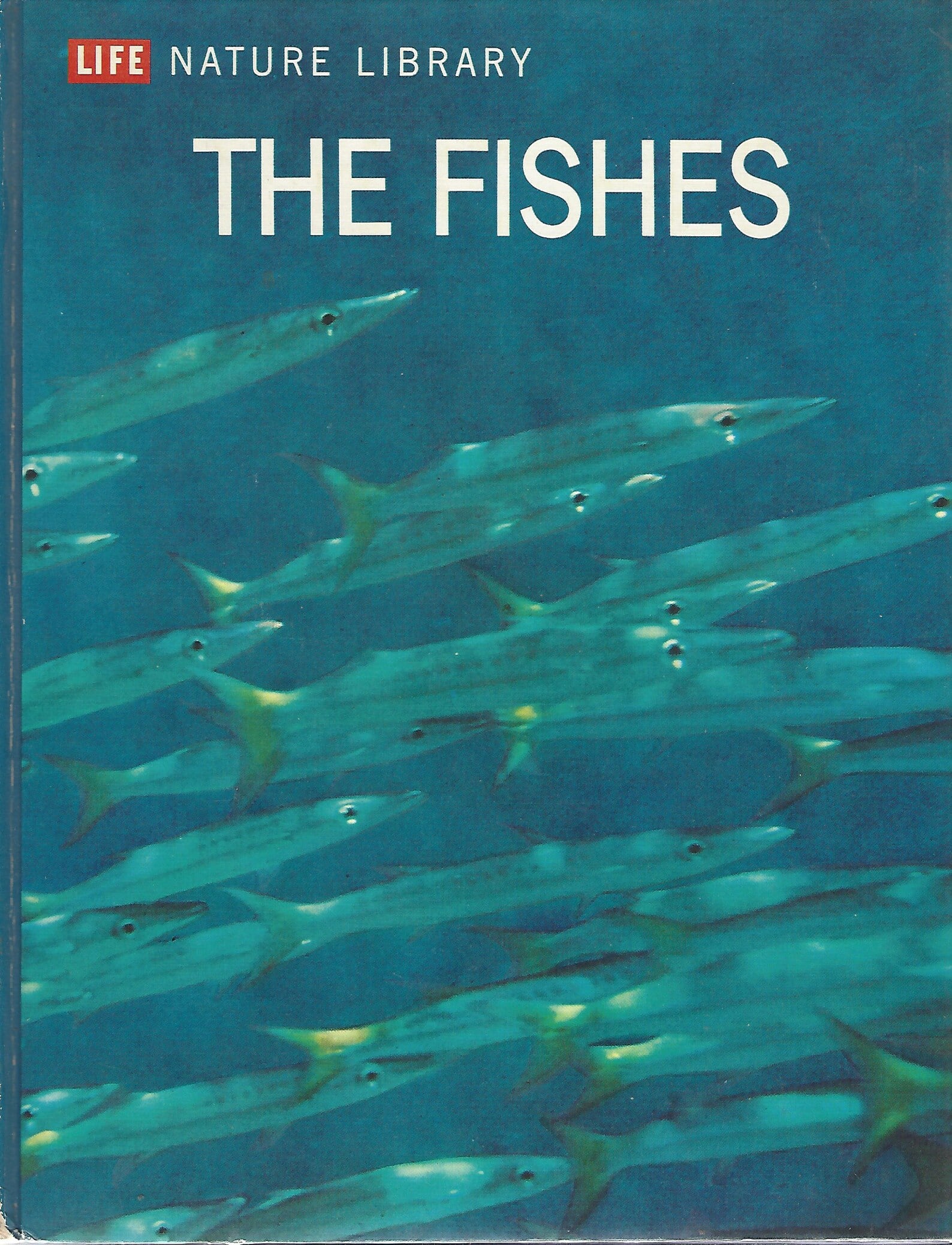
When I was very small, it was the TimeLife book of The Fishes, by F. D. Ommanney, which I remember endlessly poring over, my child’s mind gripped, in total fascination. The cover illustration showed a shoal of barracuda, mid-water and heading upwards, lit up as an iridescent blue by a column of sunlight. Oddly, it is only the cover and the illustrations of the deep sea creatures which I now remember—but I loved that book, as the weakened spine, blunted pages and dog-eared corners attested.
The Fishes has been on my mind recently, because I’ve been working with some dear friends on our own illustrated oceans book, to be published by Upswell Publishing. The book is called Scott Reef: Like Nowhere Else on Earth, and I want to share with you a bit of the story behind its creation.
Scott Reef is absolutely magnificent: Australia’s largest freestanding oceanic reef, brimming with life, including rare and threatened species such as a genetically distinct population of green sea turtles, pygmy blue whales and the wonderfully elegant dusky sea snake. But Scott Reef isn’t near our capital cities; it is way off the north-west coast of WA. And it is threatened with devastation by Woodside, which wants to drill up to 57 toxic wells at the Reef for its vast, dirty Browse gas project.
One of the main challenges in the fight to save Scott Reef from being turned into an industrialised gas zone by Woodside is bringing this incredible location to life for people who haven’t actually experienced it first hand. Because despite its ecological significance and dazzling beauty, ‘Scott Reef’ is also—at least not yet—exactly a household name.
To help get over this barrier, Greenpeace has enabled a number of photographers to travel to Scott Reef by boat (including the Rainbow Warrior) to document its astonishing diversity of colour and life. We then brought these images together in a remarkable photobook, produced by our talented in-house team, which we’ve been putting into the hands of as many leaders as possible—including the MPs whose decisions can determine the Reef’s future.
Back in June this year, I was sharing a copy of our in-house book at a business gathering in Perth when someone pulled me aside. Had we thought about publishing the book commercially? Apart from anything else, he wanted to buy a copy himself! He had a point. We were proud of what we’d created, but a commercially published version could reach a much wider audience and have even greater campaign impact. I immediately turned to my dear friend, Terri-ann White, who runs Upswell Publishing in WA, for advice.
Terri-ann has a huge heart and terrific vision. So many wonderful things in WA owe their existence to her doings, and, true to form, she was immediately encouraging and enthusiastic. “But,” she said, “it would add a whole new dimension if we had some words to accompany the incredible pictures.”
Fair enough, I thought. I could ask a few authors.
“And when would you like it published?” she asked.
“Ideally November,” I answered sheepishly.
Now, in publishing terms, nobody goes from idea to finished work, beautifully produced by a commercial publisher, in just four months. It. Just. Doesn’t. Happen. A book of this scale would ordinarily take nine months, I was told. But Terri-ann was undeterred. “If you can get a rapid turnaround on the writing, I will give it a shot.”
Over the following few days, I sent out 24 emails to prospective writers. To my joy and surprise 23 of them responded almost immediately with an enthusiastic yes!
Terri-ann was somewhat alarmed and perplexed when I told her the good news… we’d discussed a few authors, not more than twenty! “Impossible,” she texted. “Editing is important and you are talking about thousands of words!” But I also know Terri-ann. She does the impossible. And so, here we are… Terri-ann is going to hit that improbable deadline. Scott Reef: Like Nowhere Else on Earth will be on shelves in November.
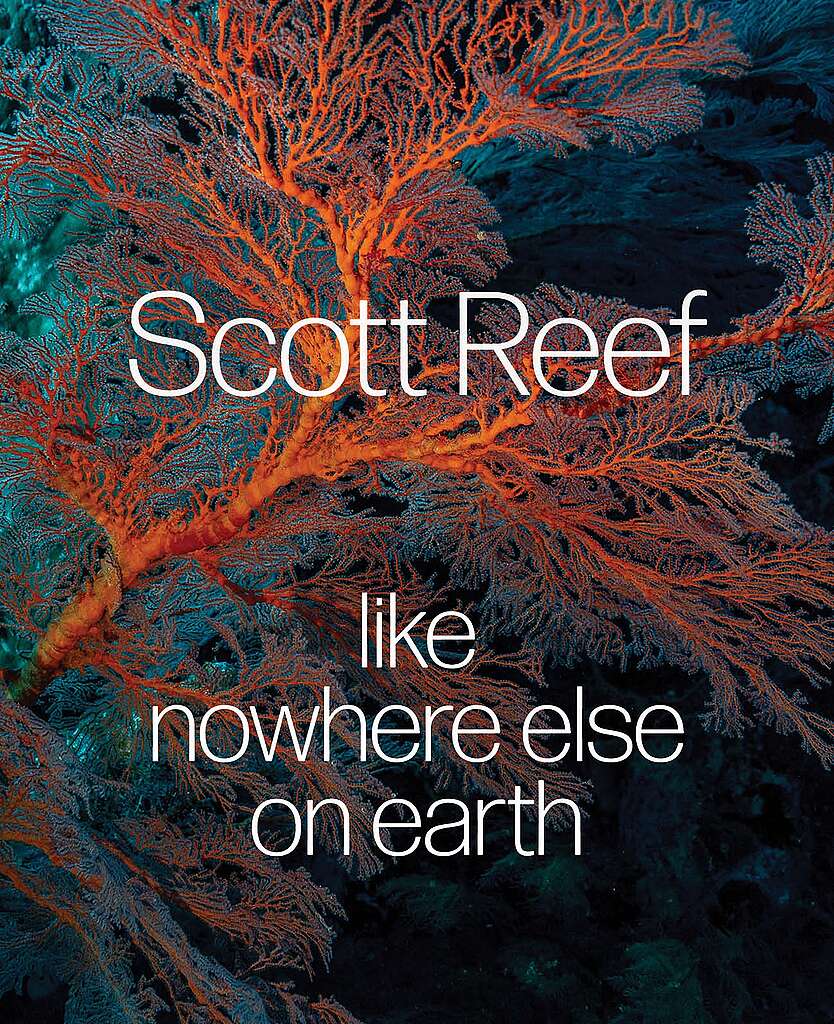
The contributors are a wonderfully diverse bunch, united by their enthusiasm for Scott Reef — and their extraordinary speed!
It’s a brilliant mix. The book brings together national icons like Peter Garrett, Tim Winton, Mick Dodson, Janet Holmes à Court and Fiona Stanley; the intellectual heft of professors Frank Bongiorno, Jessica Meeuwig, Rick Steiner and Samantha Hepburn; the poetic vision of Prema Arasu, Berndt Sellheim and Saadiah Freeman; the field expertise and passionate first hand witnessing of Imogen Zethoven, Tooni Mahto, Ben Fitzpatrick, Geoff Bice, Olaf Meynecke, Paul Gamblin, Sarah Gittoes and Hayley Baillie; and the determination of emerging activist voices Jackson Reid and Emma Sangalli.
Their elegant words wrap themselves around the sheer wonder of the underwater world, brought to life by the work of the photographers — of whom one, Wendy Mitchell, has also contributed a wonderful essay.
Terri-ann showed me the full physical proofs this week and they are breathtaking. This book contains some of my absolute favourite images of wildlife beneath the waves -– and believe me, after almost 20 years at Greenpeace, I’ve been privileged enough to see some remarkable shots! The essays bring a whole new depth and richness to the story of Scott Reef.
If I am being honest, and maybe a bit sentimental, I hope that a four or five-year-old child somewhere in Australia will spend part of their summer holidays turning the pages of this book, wide-eyed with curiosity and awe at the beauty and strangeness of the creatures that call our oceans home.
Our shared commitment is to make sure that, as those children grow up, the wonders of Scott Reef will exist not just in the pages of the book, but out there in the wild waters off north-western Australia—alive, thriving, and every bit as extraordinary as they are today; a living wonder beneath the waves.
Pre-orders of Scott Reef: Like Nowhere Else on Earth are available here.


Q & A
Sometimes you get asked a question so often that you decide to produce a report to answer it!
We know there is strong public opposition to voter opposition to gas drilling at Scott Reef and fracking in the Kimberley in Western Australia. But I am frequently asked whether, even if people don’t want it, more gas drilling is a necessary evil to sustain WA’s prosperity?
The short answer is an unequivocal ‘No’. The longer answer is our new report, From Gas to Green: Building Western Australia’s Future State, which makes the comprehensive case that Asia’s gas market is declining — while WA has an enormous untapped opportunity to become a global leader in green industries and exports, helping drive the region’s shift away from fossil fuels. The faster that WA embarks on a decisive shift away from gas—and that includes no fracking in the Kimberley, or drilling at Scott Reef — so much the better for the state’s people, ecology and economy.
For the first time, new-energy vehicles (NEVs) made up 67% of new car sales in China in September, according to the latest data from the China Passenger Car Association (CPCA).
The figures show that NEVs, which include battery electric cars and plug-in hybrids, captured a record share of sales, even though fewer were sold than last year.
This is because sales of combustion-engine cars are falling steeply, a trend that the CPCA has attributed to rising petrol prices following the start of the Hormuz crisis.
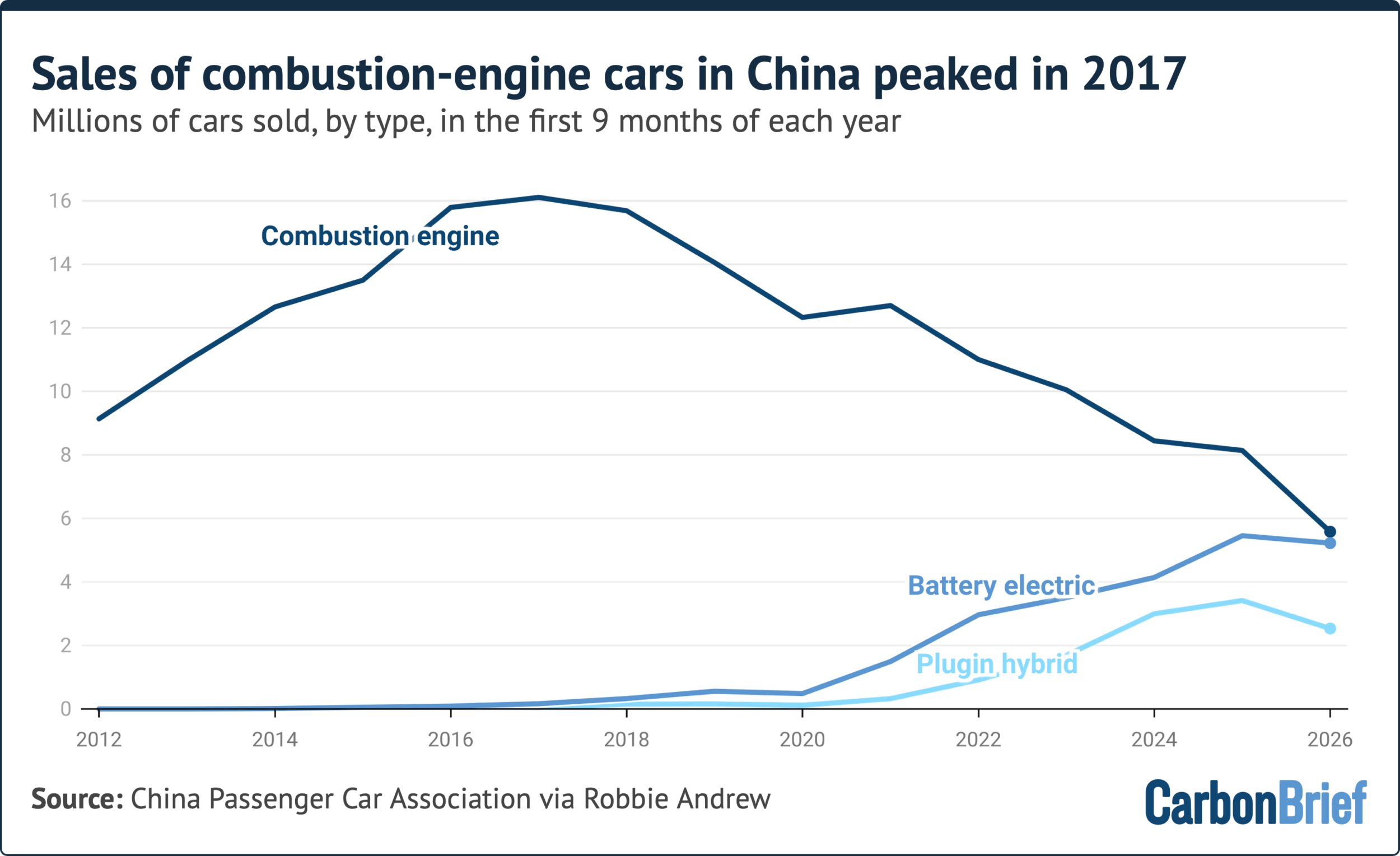
Indeed, sales of fuel-only cars were down 31% year-on-year in the first nine months of 2026, with plug-in hybrid sales down 26% – whereas battery EV sales were only down 4%.
One analyst tells Carbon Brief that China’s rapidly growing EV fleet has offset demand for 143m barrels of oil since the start of the Hormuz crisis.
Another says that the crisis is “reinforcing China’s electrification of road transport”.
Meanwhile, amid slowing domestic sales, Chinese carmakers’ exports of NEVs more than doubled [in 2026 to date / in September] from a year earlier.
NEV record
A record two out of every three cars sold in September in China were NEVs, according to CPCA data, as shown in the figure below.
(NEVs predominantly include battery electric vehicles – BEVs – and plug-in hybrids – PHEVs. BEVs only run on electricity, whereas PHEVs also have a combustion engine.)
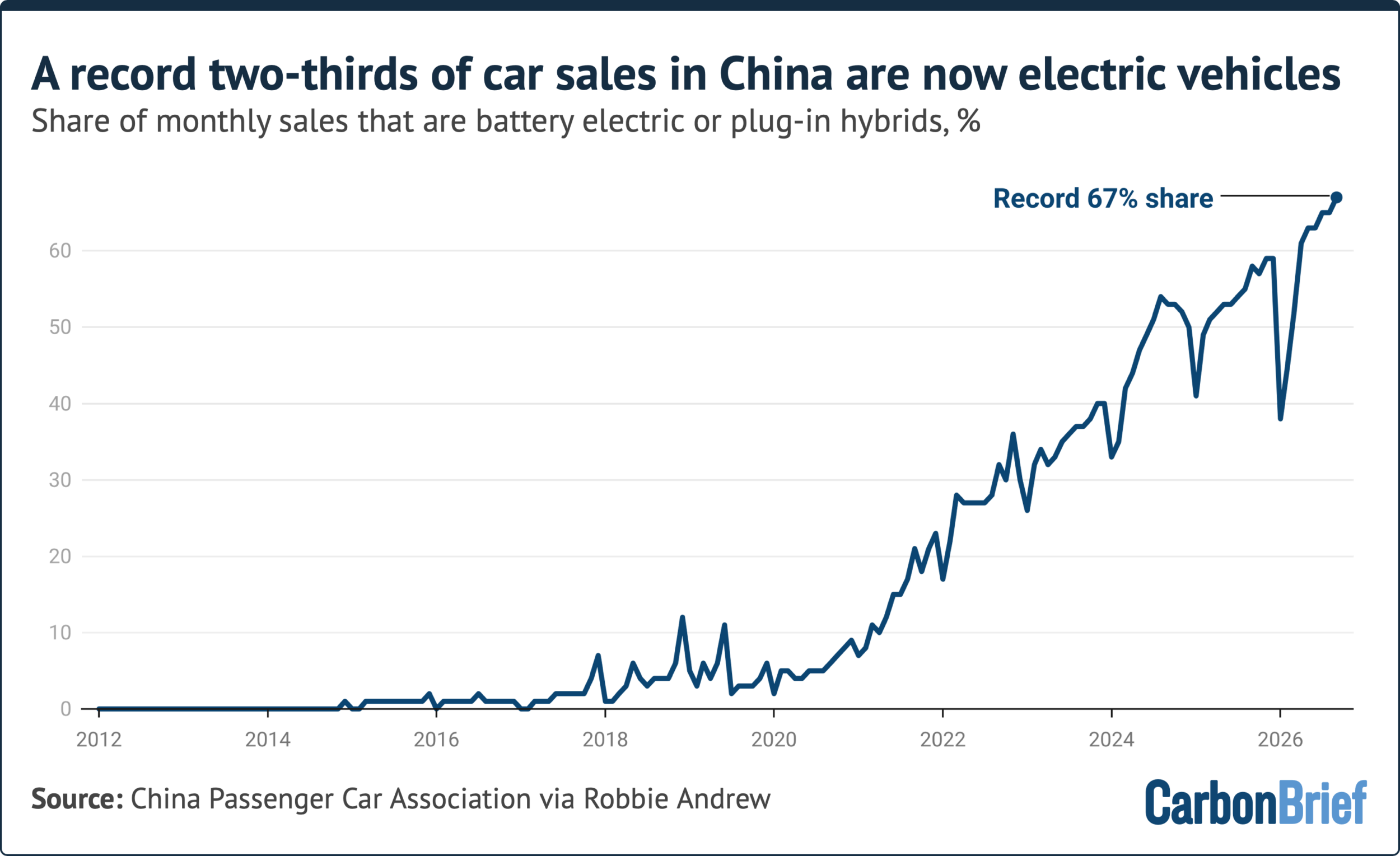
This marks a rapid rise for NEVs from just 6% of new car sales in 2020 up to 58% in 2026 to date – and a record 67% in the month of September.
This year, NEVs’ share of sales has also bounced back from a low of 39% in January, after the full purchase tax exemption that had been in place for more than a decade came to an end in December 2025.
The gain in NEV share in 2026 has come amid a slowdown across the wider domestic passenger-car market, which has hit sales of combustion-engine vehicles particularly hard.
This September, passenger-car retail sales across all categories declined, with overall sales volumes falling 28% year-on-year.
The contraction was led by combustion-engine vehicles, which saw sales fall 43% year-on-year in September and 31% in 2026 to date.
However, sales of PHEVs also fell by 36% year-on-year in September and by 26% in 2026 to date. By comparison, BEVs performed better, although sales still declined 8.5% from a year earlier in September and 4% in 2026 to date.
As a result, NEV sales overall fell by 17% in September and 13% in 2026 to date.
While the market changes in 2026 to date were particularly dramatic, they reflect a broad continuation of trends seen over the past decade.
Indeed, sales of combustion-engine cars in China peaked in 2017 and they have been declining ever since, shown in the figure below.
Impact of Hormuz
Part of the reason for the advance of NEVs in 2026, said Chinese technology news outlet OFweek, was petrol cars “giving up market share” as they were outperformed by electric alternatives.
Cui Dongshu, secretary-general of the CPCA, cited higher petrol prices as an explanation for September’s weak combustion-car sales, in comments to financial news outlet National Business Daily.
Imports of oil into China in January-September have fallen 15% compared to 2025, equivalent to 470m barrels, as ongoing conflict tightened supply and drove up prices.
China’s passenger-car NEV fleet has displaced 143m barrels of oil so far during the strait of Hormuz crisis, Euan Graham, senior energy analyst at thinktank Ember, tells Carbon Brief.
EVs “accounted for 12% of the decrease in China’s oil use post-Hormuz”, according to an estimate provided to thinktank the Brookings Institute by an unnamed analyst.