


Artificial intelligence (AI) is on the cusp of transforming our world.
From healthcare and finance to transportation and entertainment, its potential to solve complex problems and improve lives is undeniable. But this immense power comes with a responsibility, one we must navigate with careful consideration – the ethical AI conundrum.
The root of this conundrum lies in the very nature of AI. These algorithms learn from data, which, unfortunately, can reflect and amplify our societal biases. Imagine an AI-powered hiring tool trained on biased data sets; it could perpetuate discrimination, unfairly disadvantaging certain groups. This is just one example of the ethical minefield we face with AI.
Here are some key areas where the ethical AI conundrum unfolds:
1. Bias and fairness: How do we ensure AI systems are unbiased and free from discrimination based on race, gender, or other factors? This requires careful data selection, algorithm design, and human oversight to prevent AI from perpetuating existing inequalities.
2. Transparency and accountability: AI algorithms can be complex and opaque, making it challenging to understand how they reach decisions. This lack of transparency raises concerns about accountability and trust. Who is responsible when an AI system makes a mistake? How can we ensure its decisions are explainable and justifiable?
3. Privacy and security: AI systems rely on vast amounts of personal data to function. Protecting this data from misuse and ensuring user privacy is crucial. We need robust data security measures and clear regulations to govern how AI collects, stores, and uses personal information.
4. Job displacement and the future of work: As AI automates tasks currently performed by humans, concerns arise about job displacement and the future of work. How can we prepare our workforce for the changing landscape and ensure AI creates more jobs than it eliminates?
5. The human-AI relationship: As AI becomes more sophisticated, questions about our relationship with these intelligent machines emerge. How do we maintain human control over AI and prevent it from becoming autonomous and potentially harmful? Can we establish ethical guidelines for human-AI interaction?
Navigating the ethical AI conundrum requires a multi-pronged approach. We need:
- Strong ethical frameworks: Developing robust ethical guidelines and principles for AI development and deployment is crucial. These should prioritize fairness, transparency, accountability, and human well-being.
- Collaboration and dialogue: Open and transparent conversations between governments, researchers, technologists, and the public are essential to identifying and addressing ethical issues.
- Investment in education and awareness: Educating the public about AI technology and its potential impact is crucial for building trust and ensuring responsible development.
The ethical AI conundrum is not insurmountable. By approaching it with foresight, responsibility, and a commitment to human values, we can unlock the vast potential of AI while mitigating its risks and ensuring it serves as a force for good in our world.
This is not just a technical challenge; it’s a human one. We must come together, build trust, and ensure AI becomes a tool for progress, not a Pandora’s box of unintended consequences. Let’s embrace the challenge of the ethical AI conundrum and write a future where humans and machines collaborate for a better tomorrow.
https://www.exaputra.com/2023/12/the-ethical-ai-conundrum-balancing.html

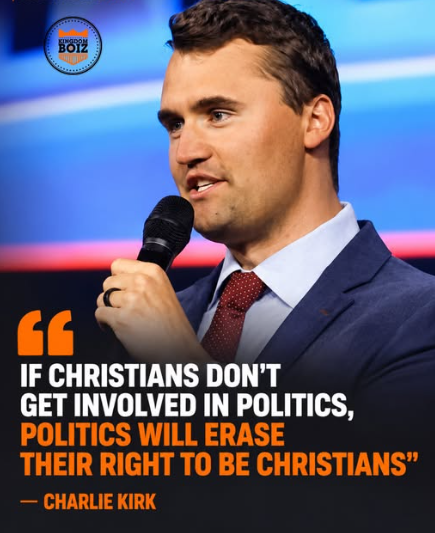 I suppose there are people who believe that the radical left is on a path to make Christianity illegal, and perhaps to install Islam as the official religion of the United States. This is remarkable for two reasons:
a) Every schoolchild in America learns about the First Amendment’s guarantee of freedom of religion at a very young age, and
b) This country made it successfully though 250 years with no one being ignorant enough to bring up this ridiculous concern.
One would hope that this figure of near 60% would indirectly translate into Trump’s ouster before he can take full control of the U.S. government.
We vote Trump’s stooges out of office in November and replace them people of honor. Trump is impeached, convicted and removed. From there, justice takes its course.
Nordex Q3 Orders Jump 30%, Vestas Bets on Australia
Nordex Q3 orders jump 30% and Vestas lands about a gigawatt in Australia. Plus why turbine factories skip Australia, high project costs, and whether batteries can replace coal.
The Uptime Wind Energy Podcast is brought to you by Weather Guard Lightning Tech, creators of the StrikeTape Ultra LPS retrofit. Subscribe to Uptime’s Substack newsletter. And check out Rosemary’s “Engineering with Rosie” Youtube channel. Have a question we can answer on the show? Email us!

