

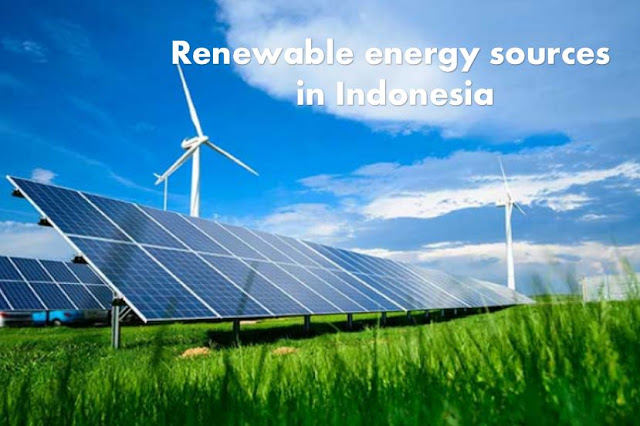
Renewable energy in Indonesia
Indonesia is a country located in Southeast Asia with a population of over 270 million people. The country is endowed with abundant renewable energy sources, including geothermal, solar, wind, hydro, and biomass, making it well-positioned to transition towards renewable energy.
The government of Indonesia has set ambitious targets to increase the share of renewable energy in its energy mix, aiming to reach 23% by 2025 and 31% by 2050. These targets are in line with the country’s commitment to reduce greenhouse gas emissions by 29% by 2030.
The development of renewable energy in Indonesia has been driven by several factors, including the country’s growing energy demand, rising concerns about energy security, and the need to mitigate climate change. In recent years, Indonesia has witnessed a significant increase in the deployment of renewable energy sources, with several projects being implemented in various parts of the country. For example, Indonesia’s geothermal capacity has increased from 1,189 MW in 2015 to 2,130 MW in 2021, making it the world’s second-largest geothermal power producer after the United States.
The Indonesian government has put in place several initiatives to promote the development of renewable energy sources. One of the key policies is the National Energy Policy, which provides a framework for the development of renewable energy in the country. The policy sets out targets for renewable energy development, energy conservation, and energy efficiency, and identifies the strategies and actions needed to achieve these targets.
Another key initiative is the establishment of feed-in-tariffs (FITs) and other financial incentives to encourage investment in renewable energy projects. The FITs provide a guaranteed price for renewable energy generated and ensure a return on investment for renewable energy developers. The government has also provided tax incentives and other financial support to renewable energy projects, such as the Green Investment Scheme, which provides funding for renewable energy projects in Indonesia.
Government support for Renewable energy sources in Indonesia
The Indonesian government has been supportive of the development and deployment of renewable energy sources in the country. The government has implemented several initiatives and policies to promote the use of renewable energy sources, including:
National Energy Policy
The Indonesian government has established a National Energy Policy that provides a framework for the development of renewable energy sources in the country. The policy sets targets for renewable energy development and outlines strategies and actions to achieve these targets.
Feed-in Tariffs (FITs)
The Indonesian government has implemented FITs to provide incentives for renewable energy projects. The FITs provide a guaranteed price for renewable energy generated and ensure a return on investment for renewable energy developers.
Tax incentives: The government has also provided tax incentives to renewable energy projects, such as exemptions from import duties and value-added taxes on renewable energy equipment and materials.
Green Investment Scheme
The Indonesian government has established the Green Investment Scheme to provide funding for renewable energy projects in the country. The scheme provides low-interest loans and grants to renewable energy projects.
Scaling-up Renewable Energy Program (SREP)
The government of Indonesia has launched the SREP program, which is supported by the World Bank. The program aims to increase the deployment of renewable energy sources in the country and provides financing for renewable energy projects.
Rural Electrification Program
The government has implemented a Rural Electrification Program to provide access to electricity in rural areas of the country. The program includes the deployment of off-grid renewable energy systems such as solar home systems and mini-grids.
The Indonesian government’s support for renewable energy sources has been crucial in promoting the development and deployment of renewable energy sources in the country. With the government’s continued support and the country’s abundant renewable energy resources, Indonesia has the potential to become a leader in renewable energy in the Southeast Asian region.
Renewable energy sources development program in Indonesia
Indonesia has implemented several renewable energy sources development programs to increase the share of renewable energy in its energy mix. The country has set a target to generate 23% of its electricity from renewable energy sources by 2025.
Some of the significant renewable energy sources development programs in Indonesia include:
Solar Energy Program:
Indonesia has abundant solar potential, particularly in its eastern regions. The government of Indonesia has implemented a Solar Energy Program that aims to increase the deployment of solar energy systems, including large-scale solar power plants and rooftop solar panels. The program includes the installation of solar panels on public buildings and the deployment of solar-powered streetlights.
Wind Energy Program
Indonesia has moderate wind potential, particularly in its coastal regions. The government of Indonesia has launched a Wind Energy Program that aims to increase the deployment of wind turbines. The program includes the installation of wind turbines on the islands of Sumatra, Sulawesi, and Bali.
Geothermal Energy Program
Indonesia has significant geothermal potential, and the country is currently the world’s largest producer of geothermal energy. The government of Indonesia has implemented a Geothermal Energy Program that aims to increase the deployment of geothermal power plants. The program includes the exploration and development of geothermal sites across the country.
Hydro Energy Program
Indonesia has vast hydro potential, particularly in its eastern regions. The government of Indonesia has launched a Hydro Energy Program that aims to increase the deployment of small hydropower plants. The program includes the installation of small hydropower plants in rural areas to provide electricity to off-grid communities.
Bioenergy Program
Indonesia has a significant amount of agricultural waste, and the government of Indonesia has implemented a Bioenergy Program that aims to convert agricultural waste into bioenergy for electricity generation. The program includes the installation of biogas plants in rural areas to provide electricity to off-grid communities.
Indonesia’s renewable energy sources development programs have the potential to significantly increase the share of renewable energy in the country’s energy mix. With the government’s continued support and the implementation of these programs, Indonesia can reduce its reliance on fossil fuels, increase energy security, and contribute to global efforts to mitigate climate change.
Conclusion Renewable energy sources in Indonesia
Indonesia has significant potential for the development and deployment of renewable energy sources, including solar, wind, geothermal, hydro, and bioenergy.
The country has implemented several renewable energy sources development programs, with the goal of increasing the share of renewable energy in its energy mix and reducing its reliance on fossil fuels.
The government of Indonesia has set an ambitious target to generate 23% of its electricity from renewable energy sources by 2025. The government has been supportive of renewable energy sources development, providing financial incentives and policy frameworks to encourage investment in renewable energy projects. The country’s efforts have led to an increase in renewable energy capacity in recent years, with a significant expansion of solar and wind energy systems.
Furthermore, Indonesia’s renewable energy sources development programs are crucial steps towards achieving a sustainable future. They will reduce greenhouse gas emissions, improve energy security, and create new job opportunities. The continued implementation of these programs and policies will be instrumental in increasing the share of renewable energy in Indonesia’s energy mix, reducing greenhouse gas emissions, and contributing to global efforts to combat climate change.
Indonesia has shown significant progress in the development and deployment of renewable energy sources, but there is still much work to be done to achieve its renewable energy targets. The government’s continued commitment to renewable energy sources development and supportive policies will be essential to accelerate the transition to a cleaner, more sustainable energy future.
https://www.exaputra.com/2023/03/renewable-energy-sources-in-indonesia.html


 I would say that the meme here is “semi-true.”
It’s certainly true that he/she will be repairing broken relationships with our historical allies, but I don’t think that will be too terribly difficult. The rest of the world will be popping champagne corks the second Trump’s gone.
 The simple answer to the question here is that we’ve become a nation many of whose people think, “I got mine. Go die.”
Now, how did this happen? That’s more complicated, but I suggest that, as I’ve believed since I was in my teens, we’re living through the endgame of free market capitalism.
The rich have gotten richer and have taken an ownership position in our lawmaking processes, so as to take them from millionaires to billionaires. At the same time, the rest of the U.S citizenry has become so poorly educated and desperate that they’ll believe that the people who harvest our fruits and vegetables are stealing our jobs and driving up the cost of housing.
Just a generation ago, Americans were proud that their country led the world in promoting democracy and moral fortitude. Now, we stand for racial hate, greed, cruelty, and war criminality.
 Trump is elated that Republicans swept the Arizona Republican primaries.
That’s the level of intelligence we’re dealing with.



-
Greenhouse Gases12 months ago
Guest post: Why China is still building new coal – and when it might stop
-
Climate Change12 months ago
Guest post: Why China is still building new coal – and when it might stop
-

 Greenhouse Gases2 years ago
嘉宾来稿:满足中国增长的用电需求 光伏加储能“比新建煤电更实惠”
-

 Climate Change2 years ago
嘉宾来稿:满足中国增长的用电需求 光伏加储能“比新建煤电更实惠”
-
Climate Change2 years ago
Bill Discounting Climate Change in Florida’s Energy Policy Awaits DeSantis’ Approval
-

 Renewable Energy9 months ago
Sending Progressive Philanthropist George Soros to Prison?
-

 Carbon Footprint2 years ago
US SEC’s Climate Disclosure Rules Spur Renewed Interest in Carbon Credits
-
Greenhouse Gases1 year ago
嘉宾来稿:探究火山喷发如何影响气候预测