

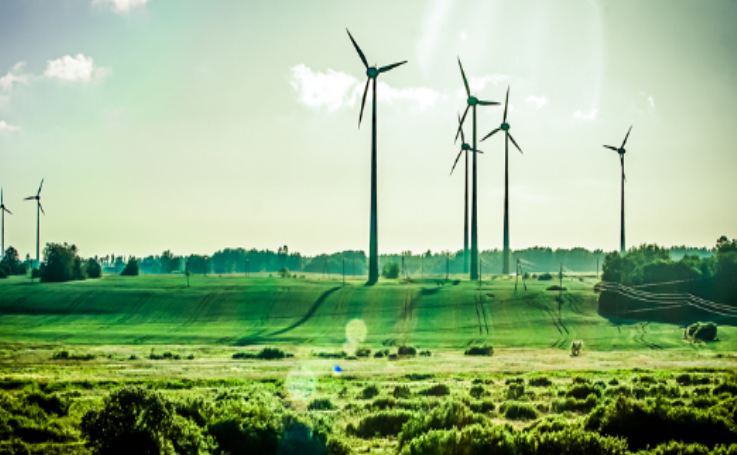
Introduction Latest Technology in Renewable Energy
Wind energy is a promising source of renewable energy that has gained significant momentum in recent years. It is a clean and sustainable source of energy that can be used to generate electricity without producing harmful emissions.
Wind turbines are the primary technology used to harness the power of wind energy. They have undergone significant advancements in technology and design, resulting in increased efficiency and output. In this article, we will explore the latest technology in wind energy and its potential to revolutionize the energy industry.
Wind Turbine Technology
Wind turbines are the backbone of wind energy production. They have undergone significant technological advancements, resulting in increased efficiency and performance. Modern wind turbines are larger, taller, and more efficient than their predecessors.
They can generate more electricity at a lower cost and can be installed in a wider range of locations, including offshore. In addition, advanced control systems and sensors can monitor wind speed and direction, adjusting the turbine’s orientation to optimize energy output.
Vertical Axis Wind Turbines
Vertical axis wind turbines (VAWTs) are a newer technology in wind energy. Unlike traditional horizontal axis wind turbines, VAWTs have a vertical rotor shaft and blades that rotate around it. This design has several advantages, including the ability to operate in turbulent wind conditions, less noise pollution, and greater visual appeal. Recent advancements in VAWT technology have resulted in increased efficiency and output, making them a viable alternative to traditional wind turbines.
Wind Energy Storage
One of the biggest challenges of wind energy is its intermittent nature. The wind is not always blowing, which means wind turbines do not always generate electricity. However, recent advancements in energy storage technology have made it possible to store excess wind energy for later use. Batteries, flywheels, and other storage technologies can be used to store wind energy, ensuring a steady and reliable supply of electricity.
Bladeless Wind Turbines
Bladeless wind turbines are a revolutionary technology that eliminates the need for traditional rotor blades. Instead, they use the wind’s vibration to generate electricity. This design has several advantages, including lower maintenance costs, reduced noise pollution, and increased safety. While bladeless wind turbines are still in the early stages of development, they have the potential to revolutionize the wind energy industry.
Offshore Wind Energy
Offshore wind energy has tremendous potential due to the availability of consistent, strong winds. Recent advancements in technology have made it possible to construct wind turbines in deeper waters, further offshore. Offshore wind farms can generate a significant amount of electricity and have the added benefit of being located away from populated areas, reducing noise pollution and visual impact.
Small-Scale Wind Energy
Small-scale wind energy systems are becoming increasingly popular for residential and commercial use. They can be installed on rooftops or in other small spaces, providing a clean and renewable source of electricity. Recent advancements in small-scale wind energy technology have resulted in increased efficiency and affordability, making them a viable option for those looking to reduce their reliance on traditional energy sources.
Wind Energy Forecasting
Wind energy forecasting is an essential tool for wind farm operators. It allows them to predict wind speed and direction, ensuring turbines are oriented to optimize energy output. Recent advancements in wind energy forecasting technology have resulted in increased accuracy and reliability, reducing the risk of downtime and lost revenue.
Hybrid Wind Energy Systems
Hybrid wind energy systems combine wind energy with other renewable energy sources, such as solar or geothermal. These systems can provide a steady and reliable source of electricity, even when the wind is not blowing. Recent advancements in hybrid wind energy technology have resulted in increased efficiency and output, making them a viable option for those looking to reduce their reliance on traditional energy sources.
Key Innovation
Wind energy technology has undergone significant advancements in recent years, resulting in greater efficiency, lower costs, and increased use. One of the most notable advancements in wind energy technology is the development of larger and more powerful turbines.
Today’s wind turbines are taller and have longer blades, allowing them to capture more energy from the wind. This means that fewer turbines are needed to produce the same amount of electricity, reducing the overall cost of wind energy.
Another key innovation in wind energy technology is the use of advanced materials in turbine design. Modern turbines use lighter and stronger materials such as carbon fiber and advanced composites, enabling them to withstand harsh weather conditions while operating more efficiently. This has also resulted in improved durability, reducing maintenance costs and downtime.
In addition to larger turbines and advanced materials, there have been significant improvements in wind turbine control systems. Modern turbines use advanced software to control blade pitch and rotor speed, optimizing energy capture while reducing wear and tear on the turbine. This technology also enables turbines to operate more effectively in varying wind conditions, further increasing their efficiency.
These advancements in wind energy technology have made wind energy a more viable and cost-effective source of renewable energy. With continued innovation and investment, wind energy has the potential to play an even larger role in meeting our energy needs while reducing our dependence on fossil fuels.
https://www.exaputra.com/2023/05/latest-technology-in-renewable-energy_84.html



 I suppose there are people who believe that the radical left is on a path to make Christianity illegal, and perhaps to install Islam as the official religion of the United States. This is remarkable for two reasons:
a) Every schoolchild in America learns about the First Amendment’s guarantee of freedom of religion at a very young age, and
b) This country made it successfully though 250 years with no one being ignorant enough to bring up this ridiculous concern.
One would hope that this figure of near 60% would indirectly translate into Trump’s ouster before he can take full control of the U.S. government.
We vote Trump’s stooges out of office in November and replace them people of honor. Trump is impeached, convicted and removed. From there, justice takes its course.
Nordex Q3 Orders Jump 30%, Vestas Bets on Australia
Nordex Q3 orders jump 30% and Vestas lands about a gigawatt in Australia. Plus why turbine factories skip Australia, high project costs, and whether batteries can replace coal.
The Uptime Wind Energy Podcast is brought to you by Weather Guard Lightning Tech, creators of the StrikeTape Ultra LPS retrofit. Subscribe to Uptime’s Substack newsletter. And check out Rosemary’s “Engineering with Rosie” Youtube channel. Have a question we can answer on the show? Email us!



-
Climate Change1 year ago
Guest post: Why China is still building new coal – and when it might stop
-

 Greenhouse Gases2 years ago
嘉宾来稿:满足中国增长的用电需求 光伏加储能“比新建煤电更实惠”
-
Greenhouse Gases1 year ago
Guest post: Why China is still building new coal – and when it might stop
-

 Climate Change2 years ago
嘉宾来稿:满足中国增长的用电需求 光伏加储能“比新建煤电更实惠”
-

 Renewable Energy12 months ago
Sending Progressive Philanthropist George Soros to Prison?
-
Climate Change2 years ago
Bill Discounting Climate Change in Florida’s Energy Policy Awaits DeSantis’ Approval
-
Greenhouse Gases1 year ago
嘉宾来稿:探究火山喷发如何影响气候预测
-

 Climate Change2 years ago
Analysis: China’s CO2 falls 1% in Q2 2024 in first quarterly drop since Covid-19