In parts of coastal North Carolina and Texas, homeowners who were paying one rate for property insurance in 2019 are now paying double, and that’s after adjusting for inflation.
A February 2026 report from the U.S. Government Accountability Office, the most thorough federal analysis of homeowners insurance markets in years, confirms what many Americans in hurricane, wildfire, and tornado-prone areas already know: the cost and availability of home insurance now depends on climate risk. Nationally, premiums only slightly outpaced inflation from 2019 to 2024. But in high-risk areas, homeowners are seeing price jumps that are changing where people can afford to live, own property, and even stay insured.
The National Average Hides the Real Story
At first glance, the national data seems manageable. The GAO found that the average U.S. homeowners’ insurance premium, adjusted for inflation, rose only 3 percent between 2019 and 2024, going from $2,743 to $2,829 in 2024 dollars. The South reported higher premiums than other regions, but the national average stayed mostly steady.
But when you look at the data by ZIP Code, the story changes. In the same period, many coastal areas in North Carolina and Texas saw premium increases of more than 50 percent after adjusting for inflation. Some places in Palm Beach County, South Florida, also had big jumps. At least 10 ZIP Codes in North Carolina, Texas, Utah, Florida, and California saw increases over 25 percent above inflation in just the last five years.
Wind Costs Far More Than Wildfire — For Now
The GAO used statistical modeling to show how disaster risks raise premiums, and the results are clear. Homes in areas with severe or extreme wind risk pay about 58 percent more, or $1,294 extra per year, compared to similar homes with only major wind risk. Moving from major to severe wildfire risk adds about 8 percent, or $181 per year, to premiums.
This difference shows how much damage wind events like hurricanes can cause. According to GAO data, ZIP Codes with severe or extreme wind or wildfire risk saw premiums rise 6 to 10 percent each year since 2021. In comparison, areas with major risk saw increases of only 1 to 4 percent per year. Over six years, an 8 percent annual increase adds up to a total increase of 59 percent.

State-level disaster costs also play a role. The GAO found that when a state’s average disaster-related costs rose from $25 billion to $35 billion between 2018 and 2023, premiums went up by about 8 percent, or $170 more per year. This happens because insurers update their loss estimates after big disasters. One insurer told the GAO it raised its wildfire risk assumptions for California after the major fire seasons in 2017 and 2018, even before the devastating 2025 Los Angeles wildfires.
Affordability Is Worst Where Income Is Already Stretched
Premium burden, which is the cost of insurance compared to median household income, highlights how climate change is hitting low-income communities hardest. In 2023, Florida, Louisiana, and Oklahoma had the highest premiums relative to income, just as they did in 2019. According to the GAO, states where premiums take up more than 10.6 percent of median income are considered to have a “very high” burden. Florida falls into this category.
The people paying the most for insurance are often those who have the fewest options to move or insure themselves. High insurance costs in risky areas often go hand in hand with lower incomes, older homes, and less access to federal help. Researchers call this a climate-driven affordability crisis.
When Private Insurance Disappears
Rising premiums are just one issue. In some high-risk areas, private insurers are not only raising prices but also leaving the market. The GAO tracked the market share of state FAIR plans and beach plans, which are the “insurers of last resort” for homes that can’t get regular insurance, from 2019 to 2023. Nationally, their combined market share almost doubled, going from about 1.4 percent to 2.5 percent of homes.
California’s numbers tell the story. The state’s FAIR Plan, which covers wildfire risk, grew from about 200,000 residential policies in 2020 to around 450,000 by 2024. About 78 percent of this growth happened in ZIP Codes with major or severe wildfire risk. After the January 2025 Los Angeles fires, enrollment jumped another 43 percent between September 2024 and December 2025, according to Insurance Journal. Even low-risk urban properties are ending up on the FAIR plan as insurers withdraw from whole regions.
Florida and Louisiana have the highest FAIR plan market share among states with these programs. North Carolina’s beach plan, which covers coastal areas, leads all beach plans by market share. All three states face high Atlantic hurricane risk.

Regulation Is Part of the Problem Too
Insurance policies are regulated by each state, and the GAO found that how long it takes to approve premium increases affects policy availability. States where regulators take longer to approve these requests often have more homeowners who can’t get private insurance. The GAO found that every extra 60 days in approval time was linked to about a 0.5 percentage point increase in the state’s FAIR plan market share.
Colorado’s median approval time from 2020 to 2024 was 331 days, the longest in the country. California’s was 305 days. When insurers can’t adjust rates quickly enough to reflect actual risk, some of them exit the market rather than underwrite policies at a loss. This is the dynamic that partly drove the California insurance exodus before the state’s Sustainable Insurance Strategy reforms announced in 2023, which allowed catastrophe modeling and reinsurance costs to be factored into rate-setting, practices already standard in most other states.
Insurers Are Losing Money — Just Not How You Think
Insurers lost money on homeowners insurance underwriting in 22 out of 30 years from 1995 to 2024, with an average annual loss of 4.2 percent. The worst years matched up with major disasters like Hurricanes Fran (1996), Sandy (2012), Harvey, Irma, Maria (2017), and the Maui wildfires (2023).
However, insurers offset underwriting losses with investment income, so the situation isn’t as bad as it seems—they are still highly profitable. In 2024, homeowners insurance had a $1.8 billion underwriting loss, but $8.8 billion in investment income turned it into a $6.9 billion profit overall. The industry is still profitable, even as rates rise and coverage becomes harder to obtain. Insurers say risk-based pricing is needed for long-term stability, but critics believe profitable insurers could do more to keep coverage available in high-risk areas.
Allianz SE board member Günther Thallinger told Capital&Main.com that climate change is a “systemic risk that threatens the very foundation of the financial sector,” and added that “a house that cannot be insured cannot be mortgaged.” The insurance crisis is a credit crisis in slow motion.
What States and the Federal Government Can Do
The GAO asked state regulators, insurance industry groups, and consumer advocates about eight possible federal policy options. Most agreed that the best approach is to focus on mitigation programs that help homeowners make their properties more disaster-resistant.
The GAO recommends Alabama’s Strengthen Alabama Homes program as a model. Since 2011, it has given grants to about 10,000 homeowners to upgrade their roofs to FORTIFIED standards, and another 45,000 have upgraded without grants. Alabama requires insurers to give premium discounts for FORTIFIED homes, making the upgrades a good investment. A 2025 study found that FORTIFIED roofs had fewer and less severe losses after Hurricane Sally, even with higher wind speeds. The National Institute of Building Sciences found benefit-cost ratios from 1.5 to 28, depending on wind speed.
As of now, at least 18 states have introduced bills in 2026 to reform insurance programs and include mitigation measures. These efforts build on a 2025 Colorado law (HB25-1182) that requires insurers to be open about their risk models and to discount premiums for homeowners who take mitigation steps.
The GAO listed eight federal policy options that Congress could consider, and your opinion matters. These options include tax deductions or credits for mitigation upgrades and insurance premiums, federal funding for infrastructure, a federal reinsurance program, community-based disaster insurance, and changes to how insurers’ reserves are taxed.
You can contact your U.S. senators and representative to share your views on where federal money should go. Mitigation incentives have wide support and are the most practical short-term step. Direct federal insurance programs are more debated, but if you think the private market has failed in your area, make that clear. The House Financial Services Committee and Senate Banking Committee are the main places for these discussions. You can find your members at congress.gov.
What You Can Do Now
- Check your disaster risk. First Street Technology’s Risk Factor tool gives property-level wildfire, flood, and wind risk scores. This is the same data source the GAO used.
- Look into the FORTIFIED standards. The Insurance Institute for Business & Home Safety (IBHS) certifies FORTIFIED construction for roofs, homes, and commercial buildings. Some states offer grants or require insurers to give discounts for certified homes.
- Learn about your state’s FAIR plan. If you can’t find private coverage, your state might have a FAIR plan or beach plan as a last resort. These plans usually offer less coverage and cost more than private insurance, but they provide insurance when no other options exist.
- Review your current insurance coverage. Many homeowners don’t realize they are underinsured. Check your dwelling coverage limit and compare it to current replacement costs, which have gone up a lot since 2020 due to construction inflation.
- Get involved with your state legislature. Insurance reform is happening in many states right now. Colorado, Washington, Oregon, and Hawaii are working on bills that link insurance to mitigation in 2026. You can find your state insurance commissioner at naic.org.
- Support federal funding for mitigation. FEMA runs several pre-disaster mitigation grant programs. Community investments in things like firebreaks, levees, and better building codes help lower the basic risk that affects everyone’s insurance premiums.
The post How Climate Disasters Are Breaking the Homeowners Insurance Market appeared first on Earth911.
https://earth911.com/home-garden/how-climate-disasters-are-breaking-the-homeowners-insurance-market/


When it comes to establishing a “natural” skincare routine there are a few relatively simple swaps you can make: shampoo, skincare, deodorant, makeup and makeup remover — but, there’s one category that most people tend to struggle with and that’s non-toxic and eco-friendly perfume.
In this post, Madeleine of The Wise Consumer dives into what fragrance really is, if we should avoid all perfumed products, and how one goes about selecting an eco-conscious and natural perfume!
What is Fragrance Anyway?
For years I avoided any kind of perfume, eau de toilet, or spray — not because I didn’t love these kinds of products but because I was intentionally trying to avoid anything fragranced. And perfume is, in a word, just that — fragrance.
But what is “fragrance” actually?
As you’re most likely aware, fragrance is used to make things smell better, to mask unwanted odors, or to give something a more pleasant smell. According to the International Fragrance Association (IFRA), “fragrance is a chemical mixture that has a smell or odor…The mixtures that make a fragrance may include natural aromatic raw materials, obtained from plants using distillation, expression, and extraction, or synthetic materials.”
And, fragrance is everywhere!
It’s in our shampoo, our deodorant, candles, cleaning products, laundry detergents, and even in certain menstrual hygiene products. Sometimes, even “unscented” products can contain fragrance. As the FDA explains, this is because the manufacturer may add just enough fragrance to mask the unpleasant smell of other ingredients, without giving the product a noticeable scent. Like, I said, it’s everywhere.
As a whole, the concept of fragrance isn’t bad. In fact, could you imagine how dull life would be without scents? I am the first to admit that I love soaking in a warm eucalyptus or lavender-scented bubble bath. But, as a conscious consumer, I also like to know what ingredients are in my lavender-scented bubble bath, or any cosmetic product I use for that matter.
Unfortunately, when it comes to fragranced products it’s not always clear what chemical mixtures and ingredients go into making these scented products, even “naturally” fragranced products don’t always disclose their ingredients.
Why is the Ingredient “Fragrance” So Opaque?
Generally speaking, any cosmetic product sold to a consumer must display a list of ingredients. But according to the FDA, “under U.S. regulations, fragrance and flavor ingredients can be listed simply as “Fragrance” or “Flavor.”
This is because “fragrance and flavor formulas are complex mixtures of many different natural and synthetic chemical ingredients, and they are the kinds of cosmetic components that are most likely to be ‘trade secrets’”.
In a way, this makes sense. If a company spends hours of research, time, and money formulating the perfect fragrance for their product, they’re not going to want to disclose the list of ingredients that went into making that product.
But, this can be especially problematic for people with skin sensitivities and/or allergies.
If you’re allergic to a certain ingredient being used in the fragranced product but that ingredient isn’t disclosed, then it’s going to be much harder to know which products to avoid.
In these cases, the FDA recommends that you choose products that are fragrance-free, and check the ingredient list carefully.
Easier said than done seeing that, as I mentioned above, even unscented products can contain small amounts of fragrance to mask unpleasant odors!
As Made Safe shares, “without information about what ingredients actually make up a fragrance, it is difficult to understand the true extent to which our health is compromised by fragrance ingredients.”
This can get even more challenging if you’re extremely sensitive to certain fragranced products and their scents. Products such as laundry detergents, shampoos, cleaners, and body splashes make me nauseated and give me headaches. As it turns out I am not alone.
A 2016 study found that approximately 35% of the population studied reported health problems — such as migraine headaches and respiratory difficulties — when exposed to fragranced products.
According to their research, “fragranced consumer products, such as cleaning supplies, air fresheners, and personal care products, are a primary source of indoor air pollutants and personal exposure….even those called green and organic emitted hazardous air pollutants.”
Not to mention that over the years certain fragranced products have been found to contain ingredients such as phthalates, synthetic musks, formaldehyde, and allergens, just to name a few, that have been shown to have negative health impacts, especially on pregnant women.
Are “Natural” Fragrance and Essential Oils Non-Toxic?
Even “natural” extracts, such as essential oils, can trigger allergic reactions and skin sensitivities. In fact, according to the Environmental Working Group, certain essential oils, such as several citrus oil extracts or rose flower oil, which the European Commission has categorized as established allergens, “may trigger an allergic reaction after a few contacts or can cause someone to develop an allergy over a longer period of time”, EWG reports.
Additionally, a 2018 study found that essential oils, similar to certain synthetic fragrances, have also been found to emit numerous volatile organic compounds (VOCs).
According to the report, “some of these VOCs are considered as potentially hazardous under federal regulations. However, essential oils are exempt from disclosure of their ingredients on their label. Thus, the public may lack information on emissions and potential hazards from essential oils.”
What I’ve learned over the course of my research is that sometimes a synthetic ingredient may actually contain fewer allergens than a “natural” ingredient. As discussed in a previous post about non-toxic skincare, the word natural doesn’t always mean better.
And, when it comes to fragrance, the Breast Cancer Prevention Partners shares, “It is important that companies look for safer alternatives where available and report all ingredients in their fragrances, both natural and synthetic, so that consumers are able to avoid potential allergic reactions and other health consequences.” We can all agree on that!
The good news is today more perfume brands are creating products that are not only free of potentially harmful ingredients but that are also eco-friendly, ethically manufactured, and, best of all, provide complete ingredient transparency so consumers can know what they’re buying!
How to Choose a Non-Toxic and Eco-Friendly Perfume
Check the brand’s website for a list of ingredients. What ingredients are being used? Are the ingredients safe? Are they phthalate-free?
If you have any concerns or doubts about a specific ingredient you can always get more information on the EWG Skin Deep Database.
If the brand doesn’t list the ingredients on their website, feel free to contact them directly and ask them to share their list of ingredients with you. If they don’t, it may be time to find an alternative brand.
Ideally, an eco-friendly perfume brand will not only be transparent about its ingredients as well as conform to IFRA guidelines but will also focus on low or zero waste packaging and ethical manufacturing.
To help save you time on your hunt for a sustainably-made non-toxic perfume, check out the brands below!
Editor’s note: this guide includes affiliate links, which means we may earn a small commission if you choose to make a purchase through these particular links. As always, all product and brand selections meet rigorous standards for sustainability and are brands we genuinely love — and that we think you’ll love too!
The Best Eco-Friendly Perfume Brands
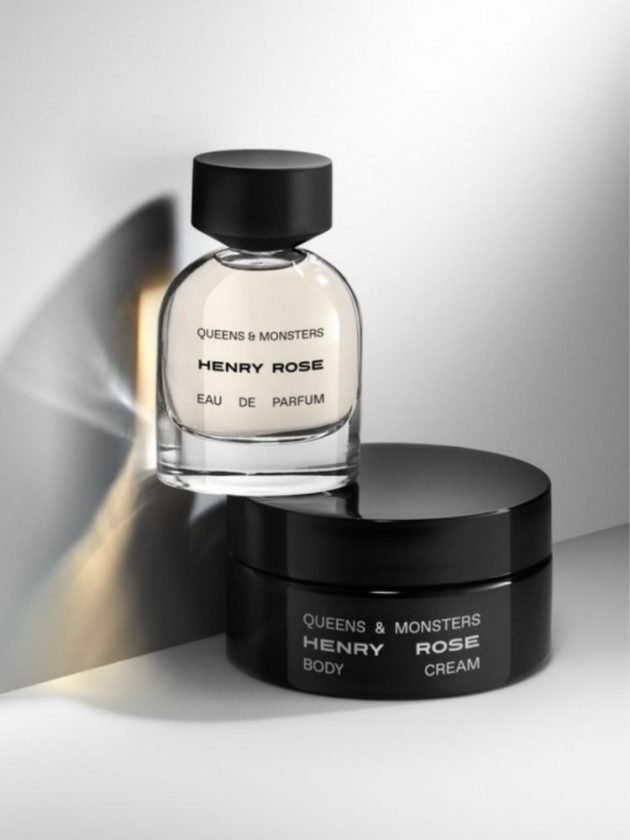
1. Henry Rose
This sustainable perfume brand provides an array of fragrances that are EWG and Cradle to Cradle Certified. Henry Rose perfumes are made of a combination of both safe synthetics and natural ingredients and are free of harmful ingredients such as phthalates, formaldehyde, and styrene. This nearly zero waste perfume brand also uses 90% recycled and 100% recyclable packaging.
Conscious Qualities: 100% Ingredient Transparency, EWG-Verified, Cradle to Cradle Certified (Gold), Eco Packaging, Gives Back
Scent types: Clean, Smooth, Spicy, Earthy
Price: $$
2. PHLUR
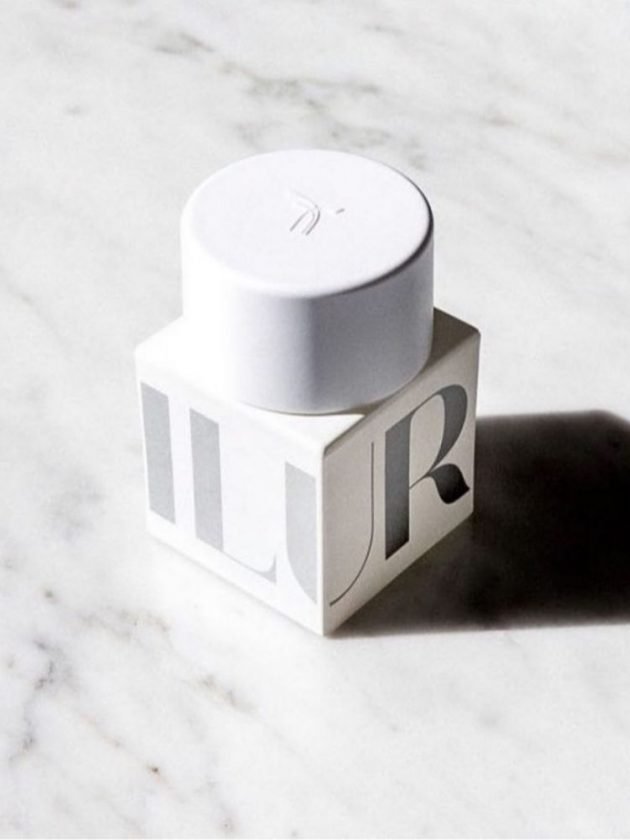
This certified B-Corp and eco-friendly perfume brand crafts their fragrances using only clean and safe ingredients. In fact, they vow to never use materials listed on the International Union for the Conservation of Nature’s Red List of threatened plants so as to ensure that their ingredients are always responsibly sourced. PHLUR is fully transparent about the ingredients used within their fragrances, both botanical and synthetics.
Conscious Qualities: 100% Ingredient Transparency, Gives Back, Recycled Packaging, Made Safe Supporter
Scent Types: Floral, Crisp and Fresh, Spicy
Price: $$
Check it Out: PHLUR | Credo Beauty | Sephora
3. One Seed
One seed makes honest natural and eco-friendly perfume from plants and tells you exactly what’s in it. Fully transparent about their ingredients, One Seed, uses no synthetic ingredients and is packaged in recyclable and reusable materials. In addition to working closely with their suppliers to ensure all their ingredients and materials are sustainably sourced. One Seed also offers customized fragrance blends of their sustainable perfume!
Conscious Qualities: 100% Ingredient Transparency, Only Natural Ingredients (80% Organic), Eco Packaging, Gives Back
Scent Type: Woodsy, Floral, Fresh, Warm
Price: $$
Check it Out: One Seed | Nourished Life

4. Leland Francis
Reviewed by CL&S Editor Elizabeth Joy
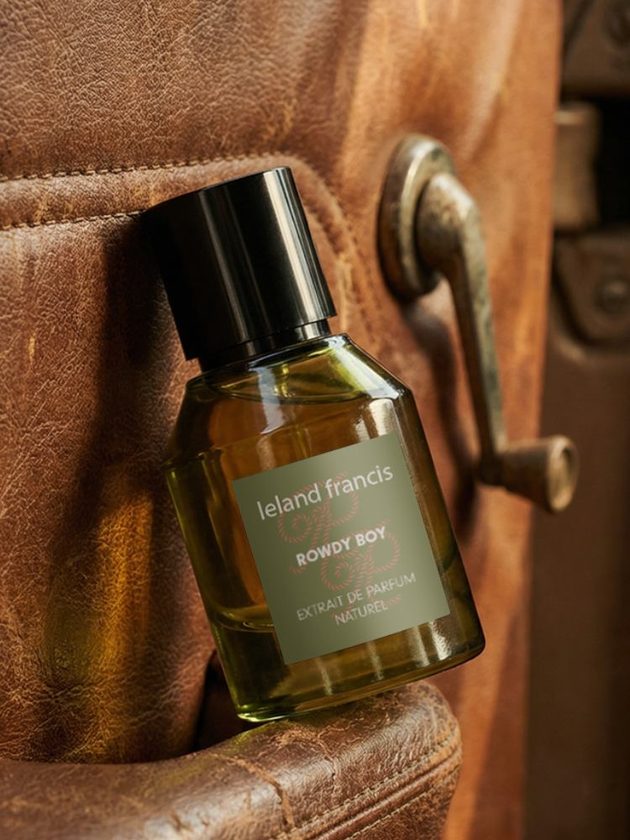
Crafted in small batches in Los Angeles with full ingredient transparency, Leland Francis fragrances are made entirely with plant-derived ingredients. Any sprays are blended with organic sugarcane alcohol.
When I read the scent profile of their fragrance, Rowdy Boy — made in collaboration with a queer-owned farm in Oklahoma City — of bergamot, clary sage, sandal wood, and vetiver, I was in. Their fragrances are unisex, but this one is an extrait de parfum which is more intense, so it was a better fit for my husband. We both love the scent!
Conscious Qualities: Cruelty-Free, Ingredient Transparency, 100% Naturally Derived Scent
Scent Type: Woody & Warm, Earthy, Herbal
Price: $$
5. Abbott
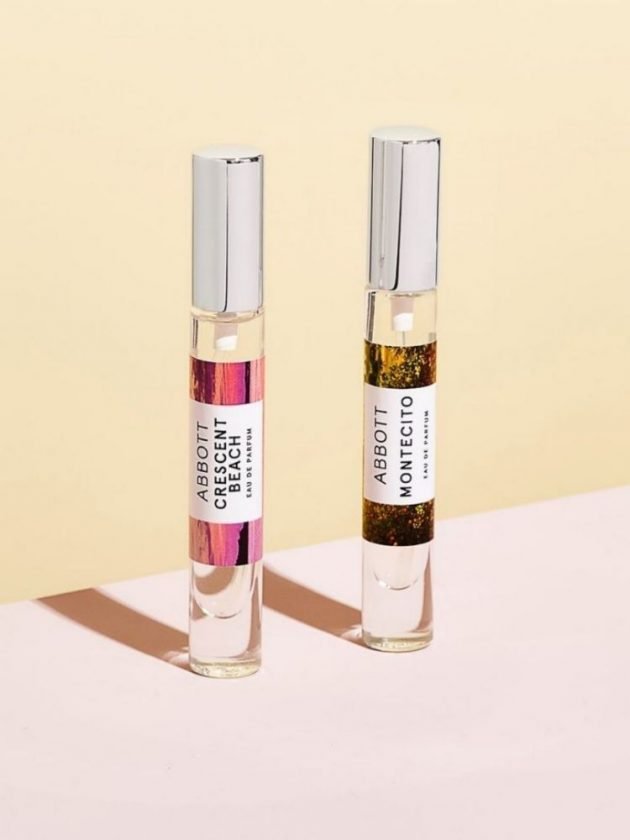
Abbott’s eco-friendly perfume is made using the cleanest conscious ingredients. These unisex fragrances are free of parabens, phthalates, sulfates, and other questionable ingredients. Carefully crafted using a mixture of natural and synthetic ingredients, Abbott discloses a full list of their ingredients on their website. Plus, their ingredients are sustainably sourced and they work closely with their suppliers to produce eco-minded packaging.
Conscious Qualities: 100% Ingredient Transparency, Vegan & Cruelty-free, Sustainably-Sourced Ingredients, Recyclable Packaging, Gives Back
Scent Type: Cool and Crisp (with a hint of spice), Fresh, Citrus, Floral
Price: $$
Check it Out: Abbott | Credo Beauty
6. The 7 Virtues
This fragrance brand is more than a fragrance, “it’s a movement to use business for peace. 7V (The 7 Virtues), founded by Barb Stegemann, a former journalist who never set out to make perfume, is a fair-trade, ethically sourced, and eco-friendly perfume brand on a mission to provide alternatives for farmers in nations rebuilding after war and strife around the world. Ingredients are ethically sourced from countries such as Afghanistan, Haiti, Rwanda, and Iran. In addition, 7V uses only clean and natural ingredients and is transparent about ingredients used in each fragrance.
Conscious Qualities: Fair Trade and Organic ingredients, Ingredient Transparency, Supports Farmers, Cruelty-Free & Vegan
Scent Types: Warm, Spicy, Floral, Woodsy
Price: $$

7. DedCool
This LA sustainable perfume brand, founded by Carina Chaz, provides a variety of gender-neutral fragrances that are composed, crafted, filled, and packaged in reusable and recyclable glass bottles. Made in small batches, Ded Cool uses only safe synthetics and essential oils in their formulas and is free of carcinogens, harmful stabilizers and preservatives, and water, which many brands use to dilute their formulas.
Conscious Qualities: 100% Ingredient Transparency, Low Waste Packaging, Unisex Scents
Scent types: Citrus, Fresh, Light, Fruity
Price: $$

8. By Rosie Jane
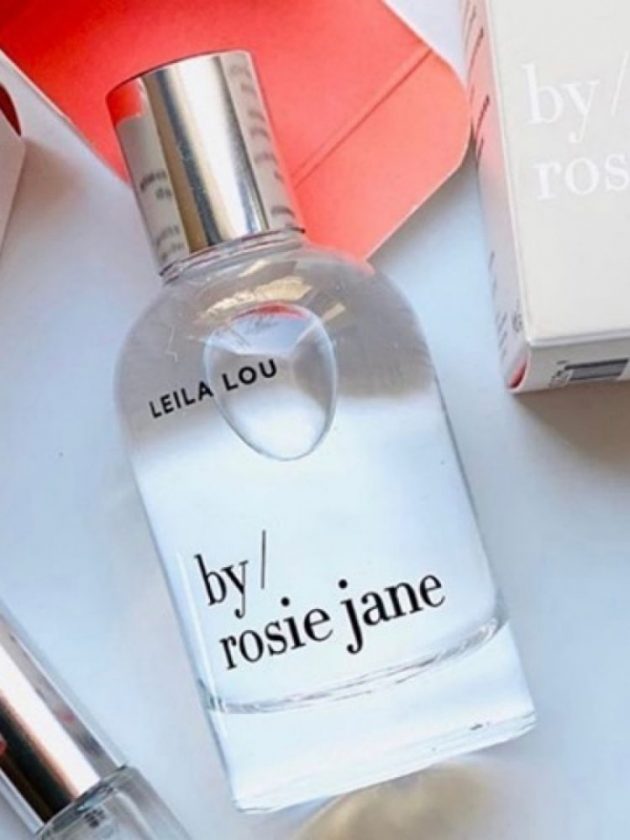
Handmade in Los Angeles, California by/Rosie Jane products are mixed and formulated using sustainably sourced safe synthetic and botanical ingredients. Free of endocrine-disrupting ingredients, by/Rosie Jane provides complete ingredient transparency and uses certified organic ingredients whenever possible. The sustainable perfume also comes in recyclable packaging made using wind power, vegetable-based inks, and responsibly-sourced paper.
Conscious Qualities: 100% Ingredient Transparency, Eco Packaging, Responsibly-Sourced Ingredients
Scent Types: Musky, Fresh, Floral, Vanilla
Price: $-$$
Check it Out: by/Rosie Jane | Credo Beauty | Sephora
9 Cultus Artem
Handcrafted in small batches in the US, Cultus Artem’s eco-friendly perfume can be summed up in one word, elegant. These gender-neutral fragrances — which are free of BHA, BHT, color additives, ethanolamines (ETA, DEA, and TEA), formaldehyde, parabens, phthalates, and other questionable chemicals — undergo rigorous quality control and analysis. Cultus Artem values slow beauty and strives to reduce waste every step of the way, including in their packaging.
Conscious Qualities: Safe and Natural Ingredients, 100% Ingredient Transparency
Scent Types: Woodsy, Musky, Floral, Citrusy, Warm & Earthy
Price: $$$-$$$$