

This blog was written by Hannah De Frond. Hannah works with Ocean Conservancy and the University of Toronto Trash Team to manage the International Trash Trap Network (ITTN), a global network of local groups using trash traps to increase cleanup efforts, engage communities and inform upstream solutions.
The use of single-use plastics has grown significantly over the last few decades. Many of the plastics thrown away daily—such as plastic packaging, takeout cups, container lids, plastic bottles and grocery bags—are used just once before they are discarded.
Never miss an update
Enter your email and never miss an update
Incredibly, 80% of global marine litter items are made of plastics, primarily food and beverage items such as plastic bottles, bottle caps and lids. These items are also among the top 10 items most commonly collected by Ocean Conservancy’s International Coastal Cleanup® (ICC) volunteers around the world. So, what is it about plastic bottles, caps and lids that makes them so likely to enter the environment, and what can we do to prevent them from polluting our ocean?
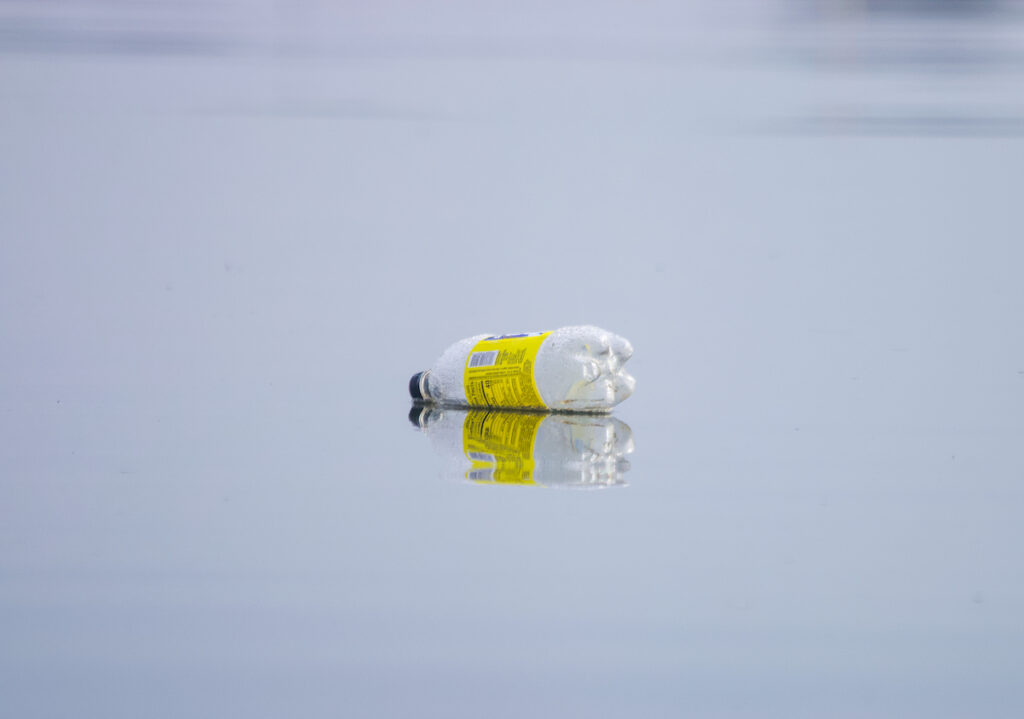
Plastic bottles
Plastic bottles are the third most common type of plastic pollution collected throughout the nearly 40-year history of the ICC. From 1986-2023, ICC volunteers removed a staggering 24.3 million plastic bottles from coastlines around the world.
Ocean Conservancy estimates that 127 billion plastic bottles are used in the United States each year; due to their widespread use, they have become a major contributor to environmental pollution. Whole plastic bottles have even been found in the stomachs of an albatross and a sperm whale! As with all plastics, in the environment plastic bottles break up into microplastics that pose a threat to wildlife and potentially to human health as well. Most plastic bottles are made of a type of plastic called polyethylene terephthalate (PET). Though this material on its own is widely recyclable, many PET bottle designs use colored plastics and labels that can prevent them from being sorted or recycled correctly.
How can we tackle plastic bottle pollution?
Refillable beverage containers help reduce our reliance on single-use plastic bottles when we use them to transport tap water, fountain sodas, teas or other beverages. This alleviates the need for single-use beverage bottles each time a refillable container is used and eliminates the possibility that the plastic bottle might go to landfill or be leaked into the environment as pollution.
Policies such as extended producer responsibility (making producers responsible for the waste generated by the use of their plastic products) and deposit-return systems (also known as “bottle bills”) can encourage the redesign and reuse of plastic bottles, while holding the producers of plastic bottles accountable to help pay for the full lifecycle of their materials.
Plastic bottle caps
Along with plastic bottles come plastic bottle caps. When bottle caps are thrown into recycling bins separately from bottles, they are too small to be properly sorted at recycling facilities and instead often end up getting sent to landfill. Bottle caps that end up in the environment can have a considerable impact on marine life. Ocean Conservancy has identified plastic bottle caps as one of the top five deadliest forms of marine pollutionto large species such as seabirds, sea turtles and marine mammals, largely due to the harms of ingesting them. Plastic bottle caps can also generate microplastics when they degrade in the environment, but also from the twisting action used to remove a cap from its plastic ring. When bottles are repeatedly opened and closed from drinking, it potentially increases human exposure to microplastics.
How can we tackle plastic bottle cap pollution?
As with plastic bottles, switching to reusable and refillable beverage containers will reduce the amount of plastic bottle caps that are used and ultimately thrown away. When single-use plastic bottles and caps are used, to ensure that both the plastic bottles and caps get recycled the caps must be screwed back on before they are disposed of for recycling. Policy measures can encourage this behaviour: For example, in Europe it is now legally required for all caps on plastic bottles to be attached or tethered to the bottles. Drinking from bottles with the caps still attached has required some getting used to for consumers, but this subtle change is significantly improving bottle cap recyclability.
Plastic lids
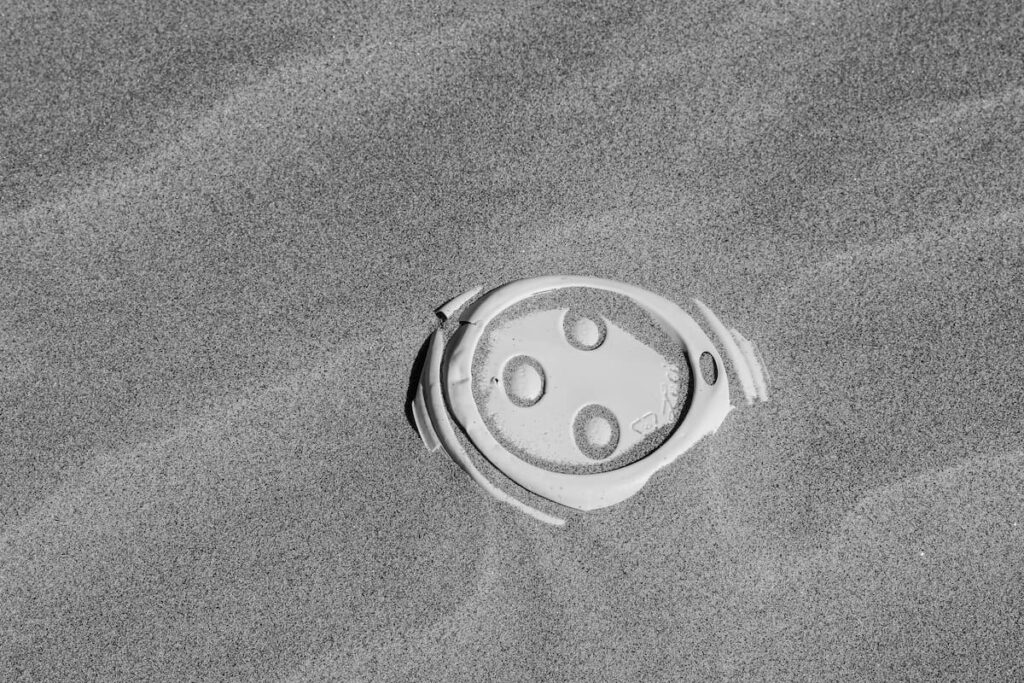
Plastic lids like the ones that come with a cup of coffee, on a fountain beverage or on top of a yogurt container are some of the most commonly found single-use plastic items found on global beaches and waterways. Because of their size, plastic lids are too small or narrow for recycling sorting machines to manage. This means that instead, plastic lids often end up in landfills or burned in incinerators. In fact, plastic lids are the ninth most common type of plastic pollution collected in the history of Ocean Conservancy’s ICC. From 1986-2023, ICC volunteers have encountered and cleaned up more than 7.3 million plastic lids around the world. The United States alone uses more than 60 billion single-use plastic lids each year. That is enough for every adult in the United States to have a beverage with a plastic lid every day for eight straight months each year.
How can we tackle plastic lid pollution?
As with plastic bottles, the need for many plastic lids can be eliminated through investments in reuse or encouraging behavior changes to skip the lid or dispose of them properly. The most effective solution for lids is to transition to reusable cups and lids. Replacing one disposable coffee cup and lid every day for a year with a reusable mug would result in about 15 pounds of plastic waste prevented per person. Just imagine: If 100 million people did this—just under half of all adults in the United States—it would result in roughly 1.5 billion pounds of plastic debris prevented each year.
To reduce the impacts of plastic bottles, bottle caps, lids and other single-use plastics on our ocean we need to handle them better on land. We need to reduce the sheer volume of plastics produced and used, while holding plastic producers responsible for the harmful waste they have generated and continue to pump into the environment. Taking individual action and supporting local and national policies for the reduction, reuse, recycling and redesign of single-use plastic food and beverage items can help to keep our ocean plastic free.
To learn more about the most common types of plastic pollution entering our ocean and what you can do to help, check out our reports on charting a course to plastic-free beaches.
The post Plastic Bottles & Lids Among Top 10 Most Commonly Found Items at Cleanups appeared first on Ocean Conservancy.
Plastic Bottles & Lids Among Top 10 Most Commonly Found Items at Cleanups

This fall, Ocean Conservancy is celebrating its 41st annual International Coastal Cleanup® (ICC), once again bringing together volunteers to protect the beaches and waterways we all love. Ocean Conservancy recently hosted flagship events in Long Beach and Washington, D.C. that celebrated this global movement close to home.
Over the past four decades, nearly 20 million volunteers have rolled up their sleeves to remove more than 405 million pounds of trash from beaches and waterways around the world. And their impact extends far beyond what they collect. ICC volunteers have documented nearly 440 million individual items, creating the world’s largest marine debris database and providing invaluable information that helps Ocean Conservancy and others better understand—and tackle—ocean plastic pollution.
This year’s celebration continued that incredible legacy. At Alamitos Beach in Southern California, more than 150 volunteers gathered on September 19 and removed 1,109 pounds of trash, alongside members of Team USA Artistic Swimming and Olympic and Paralympic athletes. In Washington, D.C., 439 volunteers gathered on September 26 to remove 2,182 pounds of trash from Anacostia Park along the Anacostia River.


“I am so grateful to all of the volunteers who came out today for our ocean—and every volunteer who has made the last 41 years of impact possible,” said Ocean Conservancy’s Senior Director of Conservation Cleanups, Allison Schutes. “Every piece of plastic collected helps protect marine animals and habitats and contributes to research and advocacy.”
And the impact doesn’t stop when the cleanup ends. During International Coastal Cleanup events, volunteers do more than remove trash: They document what they find, helping build a clearer picture of the plastic pollution threatening our waterways and wildlife. Through the Clean Swell® app or paper data sheets, ICC volunteers contribute to Ocean Conservancy’s online, open-access database, the world’s largest repository of marine debris data. These records help scientists, conservation groups and governments understand pollution trends and identify solutions.
That data can also drive meaningful policy change. ICC data were recently used in a peer-reviewed study showing that plastic bag bans lead to reduced plastic bag pollution. The data have also helped advance policies ranging from California’s SB 54 to Florida’s balloon release ban and the federal Farewell to Foam Act. From a neighborhood cleanup to statewide action, every piece of documented trash helps build the evidence needed to tackle plastic pollution at its source.
Get Ocean Updates in Your Inbox
Sign up with your email and never miss an update.
Want to get involved?
Whether you join a local cleanup, record the trash you find using the Clean Swell app, or take action to reduce plastic pollution, you can be part of this incredible collective effort to protect our ocean. Here are a few ways to make an impact:
- Find a cleanup near you.
- Download our Clean Swell app to easily record the trash you collect.
- Take action to reduce plastic pollution.
- Explore our Wildlife Impact Calculator to estimate the potential benefits of your cleanup for marine wildlife.
- Donate today to Ocean Conservancy to help us fight plastic pollution for years to come!
The post Celebrating 41 Years of the International Coastal Cleanup® appeared first on Ocean Conservancy.
For generations, stories of people being swallowed by enormous sea creatures have painted awe-inspiring tales of human survival and perseverance. From the biblical account of Jonah to the legendary battle of Hercules and Cetus to the timeless story of Pinocchio, these legendary tales have captivated people since time immemorial.
But all these stories raise the question: Could someone really be swallow