


Nickel is a key metal used in many industries. It’s found in stainless steel, electric vehicle (EV) batteries, and other high-tech uses. The nickel market has been volatile lately. This is due to global economic concerns and changes in supply. This article explores recent trends, factors affecting prices, and the future of nickel.
Nickel Market Swings: Why Prices are Fluctuating
Nickel prices have been highly volatile in early 2025. Worries about a U.S. recession, shaped by Trump’s economic policies, have hurt investor confidence. Nickel started the year at around $17,000 per metric ton but dropped below $16,000 in March, according to S&P Global Commodity Insights data. This decline was driven by weaker industrial demand and fears of slower economic growth.

China, the world’s largest consumer of nickel, has also shown mixed demand signals. Demand for EV batteries is high, but slower infrastructure growth has held back nickel use.
Will EV Push Prices Up or Keep Them Low?
The electric vehicle industry is a major driver of nickel demand. Nickel plays a key role in lithium-ion batteries. It’s vital in high-performance types like nickel-cobalt-manganese (NCM) and nickel-cobalt-aluminum (NCA) batteries.
Despite short-term price fluctuations, the long-term outlook for nickel in EVs remains strong. Many automakers are ramping up EV production, increasing the need for battery-grade nickel.
According to industry estimates, global nickel demand from EV batteries is set to grow by 15-20% annually through 2030.
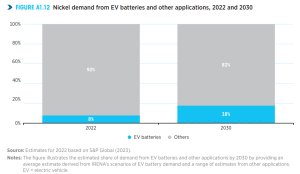
To secure nickel supplies, major automakers like Tesla and Volkswagen have signed long-term agreements with mining companies. This trend is expected to continue as companies try to avoid future supply shortages.
Meanwhile, Indonesia, the top nickel producer in the world, keeps boosting its output. This move adds more pressure on global prices.
How The World’s Top Nickel Producer is Reshaping Supply
The global nickel supply has risen due to increased output from Indonesia and the Philippines. Indonesia has become a dominant player in the nickel market, contributing nearly 50% of the world’s nickel supply. In 2024, the country produced over 1.6 million metric tons, and further growth is expected in 2025. However, this increase in supply has led to concerns about market oversupply, pushing prices down.
The Philippines, another major producer, is also expanding its mining activities. New mining projects are expected to boost production in 2025. However, environmental concerns and government regulations could slow this growth.

In contrast, Russian nickel production faces challenges due to ongoing Western sanctions. This has caused supply issues and shifted trade routes. Now, more Russian nickel goes to China instead of Western markets.
Challenges in Nickel Supply Chains
Although nickel production is increasing, supply chain issues remain. Many nickel mines are located in regions with environmental and social risks. Mining operations in Indonesia and the Philippines have raised concerns over deforestation, water pollution, and labor rights.
Another challenge is the processing of nickel. Most nickel mined in Indonesia is converted into nickel pig iron (NPI) or ferronickel, which is not suitable for EV batteries. Refining nickel for battery use costs more and slows supply growth.
China is investing a lot in nickel processing plants in Indonesia. This effort aims to tackle the problem. Several high-pressure acid leach (HPAL) projects are underway to produce battery-grade nickel. However, these projects face high costs and technical challenges.
Geopolitics and Trade Wars
Government policies play a significant role in shaping the nickel market. In Indonesia, the government has maintained its ban on nickel ore exports to encourage domestic refining. This policy has helped Indonesia dominate the global nickel supply chain but has also led to trade tensions with other countries.
In the United States, efforts to secure critical minerals have intensified. The Biden administration supported domestic mining and refining. But Trump’s policies might change that focus.
Recently, President Trump used emergency powers to ramp up the production of critical minerals, including nickel. Tariffs and trade restrictions on Chinese nickel imports could also impact market dynamics.
Meanwhile, the European Union aims to cut reliance on Chinese nickel. They are building stronger ties with alternative suppliers, such as Canada and Australia. These shifts in trade policies could reshape the global nickel supply chain in the coming years.
Nickel Price Forecasts and Future Outlook
The future of nickel prices depends on several factors:
- Economic Conditions: If the U.S. enters a recession, industrial demand for nickel could weaken, keeping prices low.
- EV Demand: Strong EV growth could drive up nickel demand, supporting higher prices.
- Supply Growth: Indonesia’s increasing production could put downward pressure on prices.
- Geopolitical Risks. Sanctions on Russia and trade restrictions on China could affect supply chains and pricing.
Most analysts predict nickel prices will stay between $15,000 and $18,000 per metric ton in 2025. S&P Global forecasts the LME 3M nickel price to average $16,026/t in 2025. But unexpected events, like supply disruptions or new government policies, can lead to sudden price changes.
Overall, the nickel market is undergoing significant changes. Increased production, shifting trade policies, and growing EV demand are shaping its future. While short-term price volatility remains, the long-term outlook for nickel is positive due to its crucial role in clean energy and advanced technologies.
The post Nickel’s Wild Ride: What’s Driving Prices and Future Demand? appeared first on Carbon Credits.

EU carbon credit claims changed on 27 September 2026, the day the Directive (EU) 2024/825 began to apply across the European Union. The change is narrow. It changes how a company can talk about the credits it buys. A product can no longer be called neutral on the strength of compensation alone; however, every specific, evidenced statement about what a company measured, reduced, and funded stays fully available.

The post Promoting Improved Cooking Practices in Nigeria appeared first on Terrapass.



-
Climate Change1 year ago
Guest post: Why China is still building new coal – and when it might stop
-

 Greenhouse Gases2 years ago
嘉宾来稿:满足中国增长的用电需求 光伏加储能“比新建煤电更实惠”
-
Greenhouse Gases1 year ago
Guest post: Why China is still building new coal – and when it might stop
-

 Climate Change2 years ago
嘉宾来稿:满足中国增长的用电需求 光伏加储能“比新建煤电更实惠”
-

 Renewable Energy12 months ago
Sending Progressive Philanthropist George Soros to Prison?
-
Climate Change2 years ago
Bill Discounting Climate Change in Florida’s Energy Policy Awaits DeSantis’ Approval
-
Greenhouse Gases1 year ago
嘉宾来稿:探究火山喷发如何影响气候预测
-

 Climate Change2 years ago
Analysis: China’s CO2 falls 1% in Q2 2024 in first quarterly drop since Covid-19