

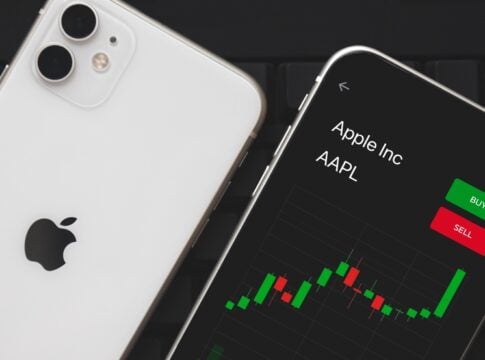
Apple Inc. (NASDAQ: AAPL) is a key player in the fight against climate change. The tech giant runs one of the largest carbon reduction programs worldwide. And over 320 suppliers have committed to using 100% clean energy by 2030. This makes Apple an appealing investment for those who care about the environment and want solid returns.
Apple’s Strong Financial Performance Supports Green Goals
Apple’s strong finances enable meaningful change. The company achieved record revenue of $124.3 billion in early 2025, a 4% increase from the year before. In the next quarter, Apple earned $95.4 billion, with an 8% rise in earnings per share. Services revenue also hit $26.6 billion, a significant milestone.
This success is crucial for investors focused on carbon reduction. Apple can invest billions in sustainability while providing good returns. Its stock price of about $201 reflects its solid position in technology and environmental leadership.
Record Carbon Reduction Progress
Apple has made significant strides in corporate sustainability. The company has cut global greenhouse gas emissions by over 60% since 2015. This was achieved without relying on carbon offsets; Apple reduced real emissions directly.
In 2024, Apple avoided 41 million metric tons of greenhouse gas emissions. This is like taking 9 million cars off the road for a year. The company aims for a 75% reduction in emissions compared to 2015 levels.
During this period, Apple’s revenue grew by 64%, while it cut emissions by 55%. This shows companies can profit while protecting the planet.
Supply Chain Change at Huge Scale
Apple’s Supplier Clean Energy Program is the largest corporate effort for supply chain carbon reduction. More than 320 manufacturing partners have committed to using 100% renewable energy by 2030. These suppliers make up 95% of Apple’s manufacturing spending.
The impact is significant. Suppliers generated 17.8 gigawatts of renewable electricity, avoiding 21.8 million metric tons of greenhouse gas emissions in 2024.
Manufacturing emissions account for about 55% of Apple’s total carbon footprint. The company nearly halved product manufacturing emissions, dropping from 16.1 million tons in 2020 to 8.2 million tons in 2024.
Apple’s progress toward carbon neutrality: Goal Carbon Neutral by 2030. Timeline: 2015, 2019, and 2024


First Carbon Neutral Consumer Electronics
Apple produced the world’s first carbon-neutral consumer electronics. The Apple Watch lineup and Mac mini achieved this through emissions reductions of over 75%. Remaining emissions were balanced by high-quality carbon credits from nature projects.
The carbon-neutral Apple Watch reduced emissions from 36.7 kg to 8.1 kg of CO2 per device, a 78% cut. The Mac mini is now Apple’s first carbon-neutral Mac computer.
These carbon-neutral products have key features:
-
Over 30% recycled content by weight
-
100% recycled aluminum in cases
-
Manufacturing with 100% renewable electricity
Recycled Materials Drive Sustainability
Apple has made progress in using recycled materials. In 2024, 24% of product materials came from recycled or renewable sources. The company now uses 99% recycled rare earth elements in magnets and 99% recycled cobalt in batteries.
Many products feature 100% recycled aluminum cases, reducing emissions from mining new materials. In 2023, 71% of aluminum and 56% of cobalt in Apple products came from recycled sources.
Apple’s recycling innovations include the Daisy robot, which disassembles used devices to recover rare materials. The company has also removed leather from all product lines.

Carbon Market Investment Opportunities
For investors focused on carbon markets and ESG criteria, Apple offers many value opportunities. Its leadership in supply chain carbon reduction positions it well as carbon accounting becomes more detailed.
Apple invests in high-quality, nature-based carbon credits instead of cheap offsets. It spends up to $400 million through its Restore Fund programs, aiming for 1 million metric tons of carbon dioxide removal each year.
Its influence in the supply chain creates chances for broader industry change. For example, the renewable energy requirements have spurred clean energy development in key manufacturing regions, especially in China, where nearly 70 suppliers are now committed to 100% renewable electricity.
Strategic Advantages Through Environmental Leadership
Apple’s environmental leadership provides many competitive advantages. Its detailed carbon accounting prepares it well for global carbon pricing. Early use of renewable energy and efficient manufacturing gives it cost benefits as energy prices change.
Furthermore, supply chain carbon reduction efforts also build strong relationships with manufacturing partners and drive innovation in clean technologies. The company’s environmental standards have boosted clean energy deployment in manufacturing areas.
Investment Considerations and Risks
Considering Apple’s sustainability progress, investors should consider several factors. The company trades at a premium price with a P/E ratio of around 28, which may lead to volatility risks. However, Apple’s environmental leadership sets it apart.
Apple still faces challenges in managing supply chain emissions, which make up 98% of its total carbon footprint. The company has made progress with manufacturing partners, but achieving full supply chain carbon reduction by 2030 will require ongoing effort.
The stock has seen volatility in 2025, declining about 19% year-to-date. This may present opportunities for long-term investors focused on Apple’s sustainability leadership and financial strength.
Future Outlook and Growth Potential
Looking to 2030, Apple’s sustainability commitments may create many value opportunities. Its goal is to power customer device usage with 100% clean electricity, which addresses 24% of its carbon footprint.
Additionally, the company plans to use only recycled and renewable materials in its products by 2030. This goal will drive innovation, create competitive advantages, and reduce risks from commodity price swings.
The regulatory environment increasingly favors companies with strong environmental programs. Apple’s established reporting and emission reductions give it advantages in this evolving landscape.

Is Apple (AAPL Stock) For Carbon-Conscious Investors?
From the above analysis, we can see that Apple Stock (AAPL) is a solid choice for carbon-conscious investors. We have already seen that the company has cut emissions by 60% since 2015, and over 320 suppliers have pledged to use renewable energy. This highlights Apple’s commitment to climate action.
Its carbon-neutral products set new standards in consumer electronics, marking profitable ways to achieve net-zero emissions. All these achievements and advantages provide long-term value for investors.
As global carbon markets expand and ESG investing increases, Apple shines in environmental leadership. Its solid financial resources and focus on transparency make it a top pick for portfolios aimed at climate solutions and sustainable tech.
The post Is Apple Stock a Green Investment? Net-Zero Goals and Sustainable Supply Chain appeared first on Carbon Credits.

EU carbon credit claims changed on 27 September 2026, the day the Directive (EU) 2024/825 began to apply across the European Union. The change is narrow. It changes how a company can talk about the credits it buys. A product can no longer be called neutral on the strength of compensation alone; however, every specific, evidenced statement about what a company measured, reduced, and funded stays fully available.

The post Promoting Improved Cooking Practices in Nigeria appeared first on Terrapass.



-
Climate Change1 year ago
Guest post: Why China is still building new coal – and when it might stop
-

 Greenhouse Gases2 years ago
嘉宾来稿:满足中国增长的用电需求 光伏加储能“比新建煤电更实惠”
-
Greenhouse Gases1 year ago
Guest post: Why China is still building new coal – and when it might stop
-

 Climate Change2 years ago
嘉宾来稿:满足中国增长的用电需求 光伏加储能“比新建煤电更实惠”
-

 Renewable Energy12 months ago
Sending Progressive Philanthropist George Soros to Prison?
-
Climate Change2 years ago
Bill Discounting Climate Change in Florida’s Energy Policy Awaits DeSantis’ Approval
-
Greenhouse Gases1 year ago
嘉宾来稿:探究火山喷发如何影响气候预测
-

 Climate Change2 years ago
Analysis: China’s CO2 falls 1% in Q2 2024 in first quarterly drop since Covid-19