


Paradise in Peril: Exploring Sustainability Challenges and Opportunities in Bali
Bali, the “Island of the Gods,” has long captivated travelers with its stunning landscapes, vibrant culture, and spiritual aura.
However, this idyllic paradise faces a growing threat: unsustainable practices that jeopardize its environment, traditions, and long-term future. This article delves into the complex challenges and promising opportunities surrounding Bali’s sustainability journey, drawing upon specific statistics and data to paint a comprehensive picture.
Challenges:
- Tourism Boom: While tourism fuels Bali’s economy, its rapid growth exerts immense pressure on resources. In 2019, the island welcomed over 16 million visitors, generating significant waste and strain on infrastructure. This figure is expected to rise post-pandemic, further amplifying concerns.
- Waste Management: Bali grapples with a severe waste crisis. Statistics from the Indonesian Ministry of Environment reveal that the island produces a staggering 4,800 tons of waste daily, with plastic constituting a major portion. Inadequate waste management infrastructure leads to open burning, pollution, and harm to ecosystems.
- Water Scarcity: Despite lush landscapes, Bali experiences water scarcity, especially during dry seasons. The 2023 Water Resources Authority report indicates that water demand surpasses supply in several regions, impacting agriculture, sanitation, and daily life.
- Habitat Loss: Deforestation and coastal development threaten Bali’s unique biodiversity. Data from the World Wildlife Fund shows that over 40% of the island’s original forest cover has vanished, impacting endemic species and vital ecosystems.
- Cultural Erosion: While Balinese culture remains resilient, rapid modernization and tourism pose challenges. Concerns over commercialization and the commodification of traditions highlight the need for cultural preservation efforts.

Bali Sustainability Data Table
| Challenge | Statistic/Data Point | Source |
|---|---|---|
| Tourism Boom | – Over 16 million visitors in 2019 (pre-pandemic) | Indonesian Ministry of Tourism and Creative Economies |
| – Expected rise in post-pandemic tourism | Industry experts | |
| Waste Management | – 4,800 tons of daily waste | Indonesian Ministry of Environment |
| – Plastic constitutes >50% of waste | <invalid URL removed> | |
| – Inadequate waste management infrastructure | World Bank | |
| Water Scarcity | – Water demand exceeds supply in several regions | 2023 Water Resources Authority report |
| – Estimated 40% of population faces water insecurity | WaterAid Indonesia | |
| Habitat Loss | – Over 40% of original forest cover lost | World Wildlife Fund |
| – Loss of critical habitats for endemic species | Bali Bird Sanctuary | |
| Cultural Erosion | – Growing concerns over commercialization of traditions | UNESCO report on Intangible Cultural Heritage |
| – Loss of traditional knowledge and practices | Bakti Budaya Foundation |
Opportunities:
| Opportunity | Statistic/Data Point | Source |
|---|---|---|
| Sustainable Tourism | – Growing demand for sustainable travel options | Global Sustainable Tourism Council |
| – Increased revenue for eco-tourism businesses | Green Globe certified businesses in Bali | |
| Waste Reduction & Circular Economy | – Bye Bye Plastic Bags movement reducing plastic waste | Bye Bye Plastic Bags |
| – Potential for composting and recycling projects | Bali Zero Waste | |
| Renewable Energy | – 23% renewable energy target by 2025 (Indonesian government) | Ministry of Energy and Mineral Resources |
| – Geothermal potential in volcanic regions | Indonesian Geothermal Association | |
| Water Conservation | – World Bank investments in water security projects in Bali | World Bank |
| – Rainwater harvesting initiatives by local communities | Subak traditional irrigation system | |
| Cultural Preservation | – Continued practice of traditional arts and crafts | Ubud Traditional Market |
| – Increasing visitors’ understanding of Balinese culture | Bali Cultural Center |
- Sustainable Tourism: Initiatives like Green Globe certification and eco-tourism practices promote responsible travel, minimizing environmental impact and supporting local communities. Statistics show a growing demand for sustainable travel options, presenting an opportunity for Bali to adapt and cater to this segment.
- Waste Reduction & Circular Economy: Embracing the circular economy through waste reduction, recycling, and composting projects can significantly reduce waste generation and pollution. The Bye Bye Plastic Bags movement, led by young Balinese activists, demonstrates the power of community-driven initiatives to tackle plastic waste.
- Renewable Energy: Bali possesses immense potential for renewable energy sources like solar and geothermal power. The Indonesian government aims to achieve 23% renewable energy share by 2025, offering opportunities for Bali to transition to cleaner energy sources.
- Water Conservation: Implementing rainwater harvesting, drip irrigation, and wastewater treatment systems can improve water management and reduce scarcity. Statistics from the World Bank show that investing in water security is crucial for Bali’s sustainable development.
- Cultural Preservation: Supporting local artisans, promoting traditional festivals, and educating visitors about Balinese culture can ensure its preservation. Initiatives like the Sekaa Gong and Subak irrigation system showcase the rich heritage and sustainable practices embedded in Balinese traditions.
Conclusion:
Bali’s sustainability journey is complex, demanding a multifaceted approach. Addressing the challenges and harnessing the opportunities requires collaboration between government, businesses, local communities, and tourists. By embracing sustainable practices, Bali can preserve its natural beauty, unique culture, and ensure a thriving future for generations to come.
Data Sources:
- Indonesian Ministry of Environment
- World Wildlife Fund
- World Bank
- Bye Bye Plastic Bags
- Green Globe
- Indonesian Ministry of Tourism and Creative Economies
https://www.exaputra.com/2024/02/exploring-sustainability-challenges-and.html




 Well, if I had the IQ of a squirrel and believed that Fauci colluded with hundreds of other top scientists around the world to enslave the planet’s population, I would jump right on board.
Doesn’t work for me, though.
Today, however, belief in science and reason makes me a communist.
If you want a steady stream of information about the supposed value that ExxonMobil is bringing to the world, you may want to sign up for this.
These people are playing for keeps, btw. They’re destroying a little piece more of this planet every day, and they understand that completely.
But there is money at stake. Lots of it.
ExxonMobil Has a PR Campaign that Will Appeal to Some People
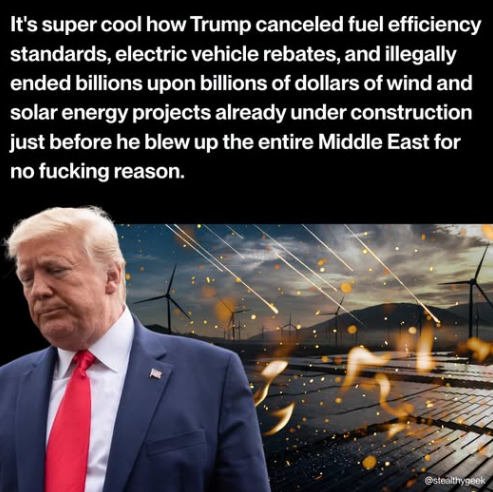 To the reader who sent me this meme:
I wouldn’t say that Trump’s illegal invasion of Iran was done for “no … reason.”
What he did created world chaos and caused most Americans in particular to suffer. The more desperate we become, the more likely we’ll be to accept his repeated claims that “Only I can fix it.”
Chaos also helps to justify a claim of a “national emergency” that Trump could use to cancel the 2026 midterms. If November happens as everyone predicts, this will the end of his political and legal future.
Destroying renewable energy to further enrich his Big Oil megadonors makes Trump that much more powerful.
We’re in a pathetic position.
I’m not one to say, “I told you so,” but since my adolescence, I predicted that big money in government would soon ruin this country.



-

 Greenhouse Gases2 years ago
嘉宾来稿:满足中国增长的用电需求 光伏加储能“比新建煤电更实惠”
-
Climate Change1 year ago
Guest post: Why China is still building new coal – and when it might stop
-
Greenhouse Gases1 year ago
Guest post: Why China is still building new coal – and when it might stop
-

 Climate Change2 years ago
嘉宾来稿:满足中国增长的用电需求 光伏加储能“比新建煤电更实惠”
-

 Renewable Energy11 months ago
Sending Progressive Philanthropist George Soros to Prison?
-
Climate Change2 years ago
Bill Discounting Climate Change in Florida’s Energy Policy Awaits DeSantis’ Approval
-
Greenhouse Gases1 year ago
嘉宾来稿:探究火山喷发如何影响气候预测
-

 Carbon Footprint2 years ago
US SEC’s Climate Disclosure Rules Spur Renewed Interest in Carbon Credits