Connect with us

Published

on

In today’s world, the adverse effects of climate change are visible. Businesses worldwide are realising the importance of sustainable practices that are good for the environment.  

Sustainable transportation is essential for most industries. It is vital to help with environmental responsibility. As a result, business solutions with sustainable transportation are becoming more common.

But What is Sustainable Transportation?

The term green transport or sustainable transport refers to any eco-friendly way of travelling using electric vehicles, public transportation, biking, walking, and using biofuels made from renewable sources. 

Research shows that using green transport can help cut down on harmful emissions, air pollution, noise, traffic jams, and fuel expenses. It can also make people healthier and happier and promote fairness in society. 

Green transport is seen as crucial for reaching global goals to tackle climate change since the transportation sector currently contributes to 20-30 per cent of the world’s carbon emissions. 

Australia faces several challenges and opportunities when it comes to switching to green transport, given its vast size, spread-out population, heavy reliance on cars and trucks, and limited use of public transport and walking or biking. 

However, Australia also has plenty of renewable energy sources. Solid research and innovation abilities and a growing awareness among the public can promote it more.  

People involved in this issue are watching closely to see how trends and efforts will shape the future of green transport not only in Australia but in other places, too.

Different Types of Sustainable Transportation

charging stations

There might be discussions in Australia about stopping the sale of cars that run on regular engines. For example, in 2022, the government of the Australian Capital Territory declared they want to stop selling vehicles with regular engines by 2035, following what the European Union plans to do. 

We have yet to determine if other parts of Australia will follow what the ACT is doing. However, for people who want to drive environmentally friendly cars, there are more options available now. 

Hybrid cars have been around in Australia for over 20 years. These cars use both petrol and electricity. It has been popular because they rely on electricity and petrol.  

Therefore, you don’t have to worry as much about running out of power. They also produce fewer emissions than regular petrol or diesel cars. 

Plug-in hybrid electric cars are a kind of hybrid car that you can plug in to recharge the battery. This is different from regular hybrids, where the battery charges up when you brake. There are now over 20 models of plug-in hybrid cars available in Australia. 

Electric cars run entirely on electricity, and they will become more popular than hybrid, petrol, or diesel cars in the future.  

You can charge them at home or charging stations, and these charging stations are becoming more common at places like gas stations, parking lots, and on the street. 

Small electric cars can also help with making transportation more sustainable and reducing air pollution. However, they’re not suitable for long trips, and they’re less safe than regular cars. 

For public transportation, buses and trains can switch to hybrid or electric options, which are better for the environment. Electric trains are better for long trips, and electric trams can be used for transportation within cities. 

There are also more trucks available now that produce fewer emissions. Some companies, like DAF and Tesla, make fully electric trucks, while others, like Scania and Volvo, make hybrid trucks. 

Besides hybrids and electric vehicles, some cars run on different fuels that are cleaner than petrol or diesel. There are fuel cell cars that use hydrogen to make electricity, and the only thing they produce is water vapour.  

Natural gas is cleaner than petrol or diesel, so cars that run on compressed natural gas are another option. Flexible fuel cars can use either petrol or ethanol, which is a renewable fuel made from plants.

Sustainable Energy Sources, Batteries, and Efficiency

sustainable transport

A big worry about electric cars is whether they’re perfect for the environment if they get their electricity from coal, oil, or gas power plants instead of renewable sources. This is something essential to think about when making decisions about energy. 

According to predictions from the Australian Electricity Market Operator, renewable energy should make up 83 per cent of the energy we use by 2030. But we still have a lot of work to do to reach that goal.  

Right now, Clean Energy Council data shows that in 2022, about 35.9% of our electricity came from renewables. That’s more than double what it was in 2017 when it was only 16.9%. 

Making batteries can cause problems, too. We have to get materials like cobalt and lithium, and sometimes, that involves a lot of transportation and might need to be better for the environment and the people working in the mines.  

But Australia also produces cobalt and lithium, so if we make batteries here, it could be better for the environment and help our economy. 

As more electric cars get on the roads, we’ll need more places to charge them. However, in Australia, people are starting to buy electric vehicles.  

In 2022, only about 33,416 new electric cars were sold, according to the Federal Chamber of Automotive Industries.  

There are about 3,700 places to charge electric cars across 2,100 locations in Australia, according to a report from the Electric Vehicle Council in October 2022. 

Cars that run on hydrogen or compressed natural gas aren’t well-liked anymore. However, vehicles that can use different fuels have more options for where to get fuel.  

However, some people worry that using crops like corn or other plants for fuel might mean there’s less food for people to eat.  

So, we need to think about better ways to make fuel from plants without hurting our ability to grow food. Using leftovers from forests and farms, waste from homes and businesses, and growing plants just for fuel could help fix these problems.

The Future of Sustainable Transportation

Innovations and solutions for sustainable transportation are already ongoing. They’ll shape how we travel in the future.  

As electric vehicles (EVs) get better and there are more places to charge them, more people are expected to start driving them. Public transport companies and taxi services are also beginning to use vehicles that don’t produce emissions. 

Other popular trends in eco-friendly transportation include shared ways of getting around, like sharing cars or bikes. These services can help reduce the number of vehicles on the road and can be cheaper for people who don’t need a car every day. 

Encouraging people to switch from regular cars to electric ones, improving public transport, and making it easier to walk or bike are all becoming more important in different countries.  

These changes are prevalent and easier to do in cities. In Australia’s remote areas, better public transport, electric buses that can go longer distances, and more places to charge EVs will help make long trips more eco-friendly.

Australian Business’s Role in A Sustainable Transportation Future

electric cars

Future transportation technology can make a big difference in how people live and work. Australia could have a future where transportation is good for the environment and helps everyone, but it requires a clear plan and some significant changes from how things are now. 

Things like self-driving cars, electric cars, and shared transportation can help cut down on pollution, traffic, and accidents and make it easier for everyone to get around. 

But if we don’t plan carefully, these new technologies could make existing problems worse. If everyone starts using their self-driving cars, there could be even more cars on the road, which would cancel out the benefits. On the other hand, if we have services where people share cars, there could be fewer cars overall, which would help with traffic. 

Businesses should think about how they can use these new transportation ideas in their work, like changing how they run their fleets or how they move things around.  

It also says that businesses and the government should work together to make sure transportation is good for the environment and helps everyone.

Renewable Energy Adoption in Transportation

Renewable energy is vital for making supply chains better for the environment. Renewable energy helps companies use more sustainable practices in their transportation.  

It helps to monitor how energy is being used and how much carbon is being produced in real time. This allows companies to see where they can start using cleaner energy, like setting up charging stations for electric vehicles that get their power from solar panels or wind turbines. 

Contact Cyanergy for any commercial solar needs. Get a free solar quote right now! 

Your Solution Is Just a Click Away

The post Business Solutions With Sustainable Transportation In Australia appeared first on Cyanergy.

Business Solutions With Sustainable Transportation In Australia

Continue Reading

Renewable Energy

Trump Must Go, but it Needs to Be for the Right Reason

Published

on

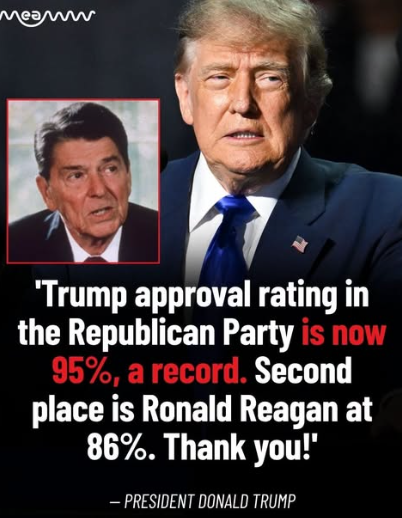
The vast majority of Americans want Donald Trump removed from office but I would guess that most of us don’t really care how, or by what means, this happens.

When I see photos like the one at left here, however, I become concerned that it will be his dementia that takes him out, and that bothers me.

This country is in the process of falling apart because of one thing: its president is a criminal.  Until and unless that becomes clear to all Americans–and to everyone on this planet–the United States will remain under a black cloud of a trampled democracy.

Trump Must Go, but it Needs to Be for the Right Reason

Continue Reading

Renewable Energy

No One Has a Crystal Ball

Published

on

There is much speculation floating around as to what lies ahead for the United States after Trump leaves office, through whatever means.

In particular, our traditional trading partners, e.g. Canada are hard at work replacing us, given that our leader is a criminal sociopath.

But what if the next U.S. president is a sane human being?  Will they remain gone, or will they come back?  At what rate?

No one knows, but most of us figure that the sooner we remove Trump, the sooner normalcy returns.

No One Has a Crystal Ball

Continue Reading

Renewable Energy

WindEurope Demands Action, Siemens Gamesa Closes In on Break-Even

Published

on

Weather Guard Lightning Tech

WindEurope Demands Action, Siemens Gamesa Closes In on Break-Even

Allen covers WindEurope Madrid, the ten-point Call to Action, Vestas CEO Andersen’s mission impossible warning, Siemens Gamesa’s narrowing losses, and CNC Onsite’s deals in Asia.

Sign up now for Uptime Tech News, our weekly newsletter on all things wind technology. This episode is sponsored by Weather Guard Lightning Tech. Learn more about Weather Guard’s StrikeTape Wind Turbine LPS retrofit. Follow the show on YouTubeLinkedin and visit Weather Guard on the web. And subscribe to Rosemary’s “Engineering with Rosie” YouTube channel here. Have a question we can answer on the show? Email us!

Good Monday, everyone.

This past week… some big things happened in Madrid.

Fifteen thousand wind energy people from every corner of the world walked into the same room.

They came to talk. They came to listen. They came to ask for help.

And they came to warn.

The WindEurope Annual Event opened on Tuesday, the twenty-first of April, with six hundred twenty exhibitors and four hundred speakers across three days.

Spain’s Prime Minister Pedro Sanchez gave the opening address.

Fourteen national ministers stood on the stages, alongside European Commission Executive Vice President Teresa Ribera and European Commissioner for Energy Dan Jorgensen.

And the message coming out of Madrid… was a single piece of paper.

They called it the Madrid Call to Action.

Ten points. Ten things European governments need to do… right now.

Fast-track permitting, and treat wind as overriding public interest. Award at least eighty percent of wind auction bids… no more artificial scarcity. Repower aging wind farms and triple their output with fewer turbines. Multiply EU grid funding by five. Zero VAT on heat pumps and electric vehicles. And permanently cut taxes on electricity… because homegrown power should be the cheapest power.

The framing was simple.

From crisis… to confidence… in a decade.

But while the speeches were polite… the panels were not.

On Thursday afternoon, Vestas chief executive Henrik Andersen took the microphone, and he did not mince words.

Andersen called it mission impossible.

He told politicians to stop submitting wish lists for new auctions. He pointed at Denmark’s recent failed offshore auction… an auction that no developer would even bid on. And he pointed at countries trying to build a three-dimensional CSRD into the next tender.

Then he delivered the line that quieted the room.

If we don’t get this under control… we’ll be sitting here in five years… begging to keep the lights on.

Now… while the warnings were echoing through Madrid… something quieter was happening on a balance sheet in Munich.

Siemens Energy released preliminary second-quarter results on Wednesday, and then raised their full-year outlook.

Group orders for the quarter came in at seventeen point seven billion euros… up almost thirty percent year on year.

Net income for the full year is now expected to be around four billion euros, with Grid Technologies orders alone up forty-one percent.

And the wind unit… Siemens Gamesa… their losses narrowed to forty-four million euros.

A year ago, that number was two hundred forty-nine million.

Still in the red. Still operating at a margin of negative one point seven percent. But the trend is clear.

The Spanish wind unit is closing in on break-even.

After years of crisis… after billions of euros in impairments… Siemens Gamesa is healing.

Now back to Madrid.

Because last Thursday, WindEurope published a different kind of paper.

Not about money. Not about megawatts. About sabotage.

Across Europe’s seas, energy infrastructure has become a target. Cables, substations, offshore platforms… spread across thousands of square kilometers of open ocean… difficult to protect.

WindEurope Chief Executive Tinne Van Der Straeten said it plainly.

The physical security of Europe’s wind turbines must be treated as an integral part of energy security… not as an afterthought.

The policy paper calls for civilian protection, not military. Risk-based and proportionate, with clear cost allocation between government and industry.

Wind farms now generate twenty percent of Europe’s electricity, and the North Sea countries have pledged three hundred gigawatts of offshore wind by twenty fifty.

That is a lot of critical infrastructure… sitting in the open ocean.

But here is where Madrid got uncomfortable.

Vestas’ senior vice president stood on a panel Wednesday afternoon and offered a reality check.

The EU has set a goal of twenty-two gigawatts of new wind installation every year through twenty thirty.

What is the reality?

The EU installed fifteen gigawatts in twenty twenty-five. Sixteen the year before.

There is a gap… between political will, goals, and promises… and the reality we see in the market.

The Madrid Call to Action wants to close that gap.

The paper exists. The politicians have been told. Now… we wait.

And while the speeches were happening in Madrid… a small Danish company was quietly opening doors in Asia.

CNC Onsite… a wind sector subsupplier… signed two deals this month.

One with Dutch firm WE4CE for Thai customer Cewa Plus, a deal that opens twelve Asian countries.

The technology? A specialized machine that drills out the steel bushings holding a wind turbine blade to the hub, so they can be replaced without scrapping the blade.

Repair on site. Save the blade. Extend its life.

The second deal… a CNC milling machine sold into Japan for offshore monopile and foundation work.

CEO Soren Kellenberger says the combined opportunity could deliver up to fifty million Danish kroner in revenue… roughly six point seven million euros.

Not big numbers. Not yet.

But while everyone in Madrid was talking about politicians… CNC Onsite was signing contracts in Bangkok and Tokyo.

The number of wind turbines reaching the age where their blades need replacing… Kellenberger calls it… huge.

So let us step back.

In Madrid, fifteen thousand people gathered. A ten-point plan was published. A CEO warned of mission impossible. A trade association said the offshore turbines need physical protection from sabotage.

In Munich, a balance sheet showed the wind business is healing… slowly, quietly, quarter by quarter.

And in Bangkok, a Danish technician was teaching a Thai partner how to drill out a steel bushing.

Six stories. One week.

The wind industry showed up… asked for what it needed… and put the numbers on the table.

The financial proof is starting to come. The political follow-through… we wait.

And that is the state of the wind industry for the 27th of April… 2026.

Join us for the Uptime Wind Energy Podcast tomorrow.

WindEurope Demands Action, Siemens Gamesa Closes In on Break-Even

Continue Reading

Trending

Copyright © 2022 BreakingClimateChange.com