

Weather Guard Lightning Tech

Cold Weather Safety Tips for Wind Turbine Technicians
Raise your hand if cold weather and frigid temperatures are your favorite working conditions.
Alex Fournier, Field Operations Manager with Borealis (now FabricAir), sat down with us recently to share his experience as a wind turbine tech and many practical safety tips about working in arctic-like temperatures. Whether you like it or not, if you work in freezing and below-freezing temperatures, this is an important article!
The winds blow all year, and in fact, in many parts of the world, winter is the best time to capture wind energy. To keep the wind turbines working, maintenance technicians also have to keep working – regardless of the temperatures.
How can mere mortals manage in super-cold temperatures, in remote locations, with shortened daylight hours? They have to be as prepared as possible to work as fast as possible (freezing fingers not withstanding), and also manage to keep their focus.
“Your body will become exhausted because it’s trying to warm up itself,” Fournier said. “And also it can affect you mentally, because while you’re doing the work, you just want to be done because you’re cold, so that can be an effect of working in cold weather – that it will also affect your job performance.”
How Wind Turbine Techs Can Stay Warm Working in Cold Weather: Clothing
The right clothing is key. Heated clothing can be a tremendous asset. Fournier mentions heated winter coveralls from Milwaukee Tool, among other manufactures. (The tool maker’s batteries that run their drills also heat their clothing. Smart design!)
When considering the ‘what to wear’ question, dressing in layers and wicking fabrics will help you avoid perspiring. Carefully planning on what to wear is an important aspect of safety.
“You don’t want to sweat while you climb, because then you’re screwed,” Fournier explained.
Having pieces that can easily be removed, tucked away to move with you to the next location, and then put back on when you’re in cold conditions is key.
Wearing the right boots is critical in any weather, but if you’re new to maintaining wind turbines in a cold environment, you might not realize that steel toe boots can be dangerous in freezing temperatures.
Are steel toe boots really a danger in cold weather? If you’re new to working in the cold, or new to the wind industry in general, check out the Blades Forum discussion from 2009.
Also of critical importance: you need a hat. Fournier specifically recommends a Toque, but you can also wear a beanie or knitted ski cap. Just stay warm!!
What’s a toque? We’ll let the Canadians explain:
Thousands Vote on Correct Spelling of Canadian Hat: Tuque, Touque, or Toque?
Cold Weather: Wind Chill Affects People, But Not Things
If you’re an experienced cold-weather wind turbine technician, you already know that wind child affects YOU but not your tools and the equipment you’re working on. But when the actual, ambient temperatures are low, plenty of materials will snap.
Like zip ties.
Cold Temperatures Do Affect Wind Turbine Equipment and Safety Gear
When it’s -30 degrees Fahrenheit, you’ll need wire ties to keep things in place. Extra batteries for everything also belong on the critical equipment list – especially for lights and communications equipment.
Staying warm is just the – ahem – tip of the iceberg. (We had to say it.) Staying hydrated and fueled up is just as important when you’re working on wind turbines in the worst of winter conditions. Fournier shared some very practical suggestions for heating up sandwiches (no kidding!) and other important advice – like having the right safety procedures in place to mitigate the risks of ice falls and other potential hazards in the 2024 interview here.
Listen now!
This is just one of the many interviews you’ll find on the Uptime Wind Energy Podcast, the most-listened-to podcast in the wind industry.
Resources
Why Wind Techs Should Avoid Steel Toe Boots in Cold Weather
Thermal insulation in boots and how cold boots can harm feet and trigger complications with diabetes and other health conditions
https://blog.v12footwear.com/what-to-look-for-in-safety-boots-to-avoid-cold-feet
Blades Forum discussion on steel toe boots
https://www.bladeforums.com/threads/steel-toe-boots-and-the-winter-freeze.678741/
Heated Clothing for Wind Turbine Technicians
Milwaukee Tool heated work gear
https://www.milwaukeetool.com/Products/Work-Gear/Heated-Gear
Volt heat heated clothing

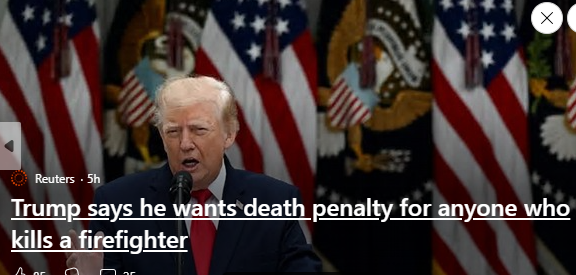 Most Americans see our nation falling apart. Massive corruption, asinine economic policies, silly, illegal wars, horrific financial conditions for the common citizen, and a criminally insane president.
Now, should those who kill firefighters (is this a thing?) receive a life prison sentence or the death penalty? Now that’s something worth taking about.
As the Country Descends into the Abyss, Trump Offers Pabulum to Hateful Morons
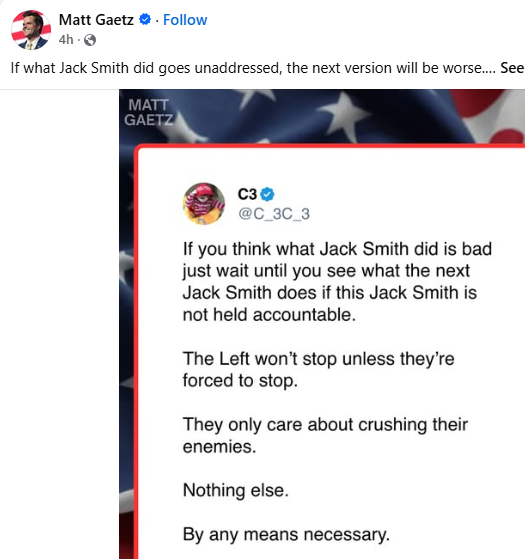 If I were sex criminal Matt Gaetz, this is exactly what I’d be flooding out on social media. But will it work?
What do clear-thinking Americans find more likely? a) Jack Smith hates Republicans and America too, or b) Jack Smith has spent his entire adult life honestly prosecuting the most high-level criminals domestically and abroad?
Weather Guard Lightning Tech

How CICNDT Qualifies Inspectors for Complex Blade Scans
Jeremy Heinks, founder and CEO of CICNDT, joins to discuss the inspector shortage, Level III oversight, blade samples, drone thermal limits, and IEC updates.
The Uptime Wind Energy Podcast is brought to you by Weather Guard Lightning Tech, creators of the StrikeTape Ultra LPS retrofit. Subscribe to Uptime’s Substack newsletter. And check out Rosemary’s “Engineering with Rosie” Youtube channel. Have a question we can answer on the show? Email us!



-
Climate Change1 year ago
Guest post: Why China is still building new coal – and when it might stop
-

 Greenhouse Gases2 years ago
嘉宾来稿:满足中国增长的用电需求 光伏加储能“比新建煤电更实惠”
-
Greenhouse Gases1 year ago
Guest post: Why China is still building new coal – and when it might stop
-

 Climate Change2 years ago
嘉宾来稿:满足中国增长的用电需求 光伏加储能“比新建煤电更实惠”
-

 Renewable Energy12 months ago
Sending Progressive Philanthropist George Soros to Prison?
-
Climate Change2 years ago
Bill Discounting Climate Change in Florida’s Energy Policy Awaits DeSantis’ Approval
-
Greenhouse Gases1 year ago
嘉宾来稿:探究火山喷发如何影响气候预测
-

 Climate Change2 years ago
Analysis: China’s CO2 falls 1% in Q2 2024 in first quarterly drop since Covid-19