

Weather Guard Lightning Tech
Overcoming Drone Threats, UK Crown Estate Offshore
This episode covers the UK’s Crown Estate’s offshore wind investments, drone threats to wind turbines, and Nordex’s 40th anniversary. It also highlights TotalEnergies winning a German offshore wind auction and Pemamek’s advanced welding capabilities.
Sign up now for Uptime Tech News, our weekly email update on all things wind technology. This episode is sponsored by Weather Guard Lightning Tech. Learn more about Weather Guard’s StrikeTape Wind Turbine LPS retrofit. Follow the show on Facebook, YouTube, Twitter, Linkedin and visit Weather Guard on the web. And subscribe to Rosemary Barnes’ YouTube channel here. Have a question we can answer on the show? Email us!
You are listening to the Uptime Wind Energy Podcast brought to you by build turbines.com. Learn, train, and be a part of the Clean Energy Revolution. Visit build turbines.com today. Now, here’s your hosts. Allen Hall, Joel Saxum, Phil Totaro, and Rosemary Barnes.
Allen Hall: Well, we’re back with another edition of the Uptime Wind Energy podcast.
I got Rosemary Barnes in Australia, Phil Totaro in Warm and sunny California, and Joel Saxon in practically hell in temperature in Austin, Texas. I was just down in Dallas, Texas a day ago, and man, is that hot. There’s just like a, a certain kind of heat, you know, you need to get indoors pretty quick. Texas heat is really bad right now.
Joel Saxum: You know, one thing I didn’t know about this area out here west of Austin, like in the Hill country, it’s actually really windy out here. Like there’s a steady wind all the time that, and you don’t hit [00:01:00] wind farms for another like three hours when you had West, like the first ones. But it’s like, I lived in Houston and Texas and it was pretty dormant most of the time, but it, there’s constant wind here as the temperatures change throughout the day.
All the time explains all the wind turbines.
Rosemary Barnes: Yeah, you sound like me when I moved to Denmark and I’m like, why do I have to live in this windy place?
Allen Hall: So we have a birthday to celebrate and no, it’s not Rosie’s birthday. It’s Nord Deck’s birthday and it’s celebrating their 40th anniversary and they’ve been around since 1985.
And some facts about Nordex that they published really interesting. They have developed 46 different onshore turbine types. Across the two companies, which was Nordex, SE, and Acciona. And That’s amazing. So in 40 years, did those two companies now merge together A couple of years ago? Uh, is they have 46 different onshore term designs from 250 kilowatts up to seven megawatt machines.
Now Rosemary, I think this kind of high, [00:02:00] and congratulations to Nordex by the way. That’s quite an achievement. It does highlight the rate of pace. For wind turbines from the mid eighties up till now. One new turbine a year is a lot.
Rosemary Barnes: Yeah. And it’s not the hugest company, right. It’s not like they’ve got a hundred thousand employees developing those, uh, that one new turbine every year.
So, yeah. Um. Nobody’s been sitting around on their hands at that company.
Joel Saxum: They made it past the, is it, isn’t it the rule of thumb, Alan? We talk about businesses like in the states, like if you make it past five years, you’re, you’re good
Allen Hall: al almost right? So most companies fail within the first year to three years.
It’s, it’s hard to make it to three, then five, then 10. If you can make it across 10, you have something worthwhile. It’s gonna stick around for a little bit. And, and Nordics has.
Rosemary Barnes: What’s weather guard at?
Allen Hall: Uh, we’re at. Almost 2020.
Rosemary Barnes: Whew. An institution.
Allen Hall: An institution. Yeah. We need to beat an institution at this point.
And over in the uk, uh, the [00:03:00] UK’s Crown Estate. Now this is an important story everyone. The UK’s Crown Estate is making major investment commitments, uh, to offshore wind with a 400 million pound. Funding Boost. And that’s due to new legislation allowing, uh, the crown of state to borrow from the Treasury for the first time.
And so now the crown of State, which has its own money, used to be spending its own money on some of these projects. And of course there’s some money coming into the crown of state for the plots of ocean where they’re developing offshore winds. So there’s money coming in, money coming out, uh, but. This is a big driver, right?
If the crowd of state can help fund some of these, uh, what they’re talking about funding is some of the ports and infrastructure and making sure that the country is ready to develop, uh, offshore wind even faster than they are right now. Uh, it because they’re really headed towards 20 to 30 additional gigawatts of offshore wind by 2030, right?
So their thinking was they could power, what, 28 [00:04:00] million roughly UK homes. That is a enormous effort that in the United States you hear discussions about sovereign wealth funds and, uh, we mostly, and I were talking before the podcast, the United States doesn’t have a sovereign, doesn’t have wealth and surely doesn’t have any funding to do that.
But it, it is a unique perspective that the crown of state can. Do this kind of effort and the impact it will have on the future of the uk.
Rosemary Barnes: Why don’t you have one? You’ve got lots of natural resources. That’s usually how these sovereign wealth funds get stacked. Like Norway’s is famous, even Australia’s got a, a small one.
Not as big as it should be considering, um, how many resources we’ve got. Um, yeah, no. You know, the oil producing countries across the Middle East have them. Uh, yeah. The US is a net exporter of. Of, um, energy resources. So what are you doing with the royalties from that or, or [00:05:00] whatever.
Joel Saxum: We spend all of our other money too quickly, so we don’t even get, we burn through it too fast.
Rosemary Barnes: Do you even get, um, royalties from that? ’cause isn’t it in the case, like, you know, based on my research I’ve done from watching say like Beverly Hillbillies, that’s, you know, I understand the issue pretty, pretty deeply and on a, a serious, um, serious level, but. If you discover oil on your land, you own that oil, right?
It’s not that like in Australia, if you were to discover oil on your land that you like, you, if you own land, you own from the surface up kind of. Um, whereas in. The, uh, yeah. And yeah, Australia owns everything, everything below it, so it wouldn’t, you’d never be, you’d never get the, the Beverly Hill Billies couldn’t have been set in Australia because they wouldn’t have gotten that rich.
Joel Saxum: So the, the diff the diff like difference in the states is we, we treat mineral rights, which as we call ’em, as fee simple property. So you can, you can sell, like if I own this piece of land I sit on, I can sell the land, but I can also retain [00:06:00] the mineral rights as my property. Now the diff the difference is, is like, so in Canada the crown owns the, the subsurface.
So you would go through them to do things. But in the states, the only caveat to that is if it is actual federal land. So if it’s bureau of land management owned land, or federally owned land and you’re drilling on it, or you somehow got permission to drill on it then or stuff out off the continental shelf, like off offshore, right?
Then the government will get a percentage of it. But that stuff, I don’t know where it goes, to be honest. It might go in the general fund, but there’s a couple of, like the state of Alaska has its own sovereign fund. They have a thing called the permanent fund, and all of the oil and gas that gets done, work gets gun in Alaska.
It gets put into that permanent fund. And if you’re a resident, then every tax season, the residents, depending on how that fund is doing, get a draw. And sometimes that draw is like. Man, it can be two to $6,000 a person.
Rosemary Barnes: Your life’s probably pretty, pretty [00:07:00] tough up there. They can probably use the help with their energy bills and stuff.
Transport
Allen Hall: the latest numbers I’ve heard about the federal property or what, what the valuation of all this land is and what could be mined and drilled out of it is a hundred to $200 trillion. Does everybody hear similar numbers to that? It’s a lot of money. That’s, that’s, that’s a lot of money. So when the national debt comes up, you hear this discussion of, well, the US could sell a hundred trillion dollars worth of mineral rights and Sure.
Possibly, but it, it is, uh, a different proposition that if the US is gonna remain competitive with the world, things like what the UK are doing, gonna pull a lot of investment over there and. The UK is only second to China right now on offshore wind. That is remarkable.
Rosemary Barnes: Well, they were first until recently, right?
It was China. China caught, caught up to them, not the other way around.
Joel Saxum: And, and these investments like the crown investment here, that’s not going like [00:08:00] into a wind farm that’s going into supply chain build out, correct.
Allen Hall: Right. It’s going to do the infrastructure.
Joel Saxum: Yeah. Is it grants or is it like a loan program or do we know that, or is it just kinda like, Hey, we have this fund available?
Phil Totaro: Well, so just, just to also clarify how the Crown Estate works, basically, they, they normally get money from, um, you know, they, as you said, they own, you know, seabed and, and certain rights in, throughout the uk. But what happens is the money that anybody gets, anybody pays for the leasing of that goes into a trust effectively.
The Crown estate and the government together kind of coadminister this trust. And then the crown estate, um, which is basically, you know, the royal family gets paid out of that trust fund on an annual basis. They get, they get a stipend. So basically what they’re doing is, this is a small tweak. So that they can take loans against that money that’s being held in the trust.
[00:09:00] So it’s not, you know, the fact that they’re able to spend it is important, but they’re not really doing anything particularly revolutionary finance wise. Um, now as, as we just clarified too, they’re only really spending this on. Um, investments in the infrastructure. For instance, port infrastructure. They may provide, um, money in the form of grants for smaller businesses to, to build up certain supply chain capabilities or, um, I’ve also heard that, um, they want to institute more training programs for, you know, apprenticeships and things like that for, uh, folks that wanna do construction or service and repair jobs.
Um, so. You know, there’s gonna be money made available as part of this investment fund. Um, and I guess they’ll decide how it gets dolled out
Allen Hall: as wind energy professionals staying informed is crucial, and let’s face it difficult. That’s why the Uptime podcast recommends PES Wind Magazine. [00:10:00] PES Wind offers a diverse range of in-depth articles and expert insights that dive into the most pressing issues facing our energy future.
Whether you’re an industry veteran or new to wind, PES Wind has the high quality content you need. Don’t miss out. Visit PS wind.com today. Well, you need to download the latest version of PES Wins. You can do it@pswin.com. Great articles. Uh, the front cover has hella service on it. We were with Hella service not long ago, uh, checking out their capabilities.
But the article I wanna highlight this week is from Pem Me and we met with Pem, me at Wind Europe in Copenhagen a couple of weeks ago now. Rosie was there too, and they are a finished manufacturing automation company. They do a lot of the mono pals and they’re helping. Automate X XL mono pile manufacturing.
And Joel, when I was there, uh, the EC people were showing me some of the welds that they do, and it’s an automated welding process, [00:11:00] but they’re welding really thick steel steel thicknesses up to in America terms, seven inches thick. That is a complicated weld to do, and I think it could only be done with the robots.
Uh. But they’re having a lot of success. Emec is having a lot of success because they have all the technology and it’s a family owned company. This is what they do. They do automation, they make life easier, and they lower the cost of wind turbines in particularly towers because they can do these really complicated tasks.
Repeat.
Joel Saxum: I think that’s the the key here as industrial automation moves forward, anything in heavy industry is automation. Automation, automation. We talk about automation in the wind industry with. You know, maintenance being done possibly by robots and these kind of things. You’ve seen it in the auto industry.
These large industries churning things out. It needs to happen and the one of the reasons being is, is if you’re doing really complicated stuff like welding, something that thick [00:12:00] or welding anything in over and over and over again. Welding, good welding technicians are hard to find. I will raise my hand and say like, I, I use a grinder more than the welder when I’m welding.
So, so that, that’s a pretty, that’s pretty commonplace, right? So to find, and so if we want to be able to scale anything for offshore, uh, infrastructure with large, large components, or onshore for that matter, in wind automation has to be part of the solution as we move forward. And these guys are making it happen.
Allen Hall: Yeah. It, it is a area where Piac is driving the industry. The way I look at it, they’re doing things at such a high level and an advanced level that other companies would be following their lead, and I think PME is having a lot of success selling machines and automation because everybody’s trying to lower the cost of their products and they’re trying to simplify the headcount and the talent stack.
You have to have, like Joel mentioned, finding welders they can weld seven, seven inch thick steel is [00:13:00] extremely difficult. This is the way we move forward. So the, the guess the question in my mind, Joel, is how big can they go? At what point can you not weld steel anymore? If we’re at seven inches? Good Lord, we’re talking about some really big monopiles.
Joel Saxum: At the end of the day, the you’re, you’re not really limited when you go to depth of weld as long as you’re continuing to cham for it correctly, just like repairing composites, right? Um, but. How big do we need to go? Seven inch thick weld. I mean, that’s gonna carry basically anything, you know?
Allen Hall: Yeah. Well they’re, they’re making what, 15 meter diameter tower sections of which it, they can’t get steel big enough when they roll it, which Pemex involved with also.
So you can’t roll a ring, you have to weld the sections together, and then you roll the assembly together. It is a lot more complicated and when we watch offshore wind projects go up and think, oh, it’s just another piece of steel that’s going in the water. No, it’s actually a ton of [00:14:00] technology and a lot of engineering time that went into making that part.
Joel Saxum: Well, as long as they’re done well, then these offshore wind farms can hold up to these random ships bumping into ’em offshore. So kudos to Pema Mac for helping us out there.
Allen Hall: If you haven’t downloaded the latest edition of PES Wind, go to PS wind.com and do it today. I didn’t talk about this, uh, news story back when it happened, which is several months ago now.
But I wanted to bring it up because, uh. I had a LinkedIn discussion with Derek Rutherford about drone sightings, like unauthorized drones being around offshore wind turbines. Now, my first thought when it came up was, well, it’s just some kids screwing around, but honestly, it probably isn’t, and. I went back and looked at some more recent articles of what countries are doing in regards to the drone threat, and the Germans are really on top of it.
In fact, uh, German authorities required offshore wind farms along the northern coast of Germany to install [00:15:00] radar facilities as the as escalation of some of the conflicts near them ramped up and that. Put a thought in my head like, oh wow. All right, so the Germans are out putting radar systems on to see what’s flying around.
That makes sense to me. I don’t think that has been instituted in other countries, but it would seem like the right thing to do. Because the second part was there was articles about suspicious drones near Germany in places that they should not be like a near critical infrastructure, a defunct nuclear power plant, some chemical facilities and LNG facilities.
And the problem is that some of these drones now can move so fast, it’s hard to even track them. And most of the time your standard like aircraft radar systems won’t see them. Because they can make them so compact. That creates quite a threat. If we have all seen on YouTube and on television that the [00:16:00]drone threat is real and the number of drones that are being produced today are exponentially higher than two years ago, which goes to the question of, do we us Europe, all around the world start putting much more technologies on these wind turbines to protect them from.
Outside threats,
Joel Saxum: like some of that technology exists today, right? To basically take drones outta the air and usually it is like, ’cause they have ’em when, like when part 1 0 7 became a thing in the states, which is basically was followed on by the CAA authorities and the EU and other things, there was rules that got, or things that got put in place during that time where like to keep drones, consumer drones out of airports to keep consumer drones away from.
Um, stadiums Right? During, during sports matches, right? Where people were. Yeah. And then there was, there’s also things for like, um, [00:17:00] tfr, so temporary flight restrictions where you can’t fly them in certain areas, but there’s technology there, like around the outside of airports now, like major, like class A airport airspace.
They have basically jamming technology where when a, when a drone crosses a threshold, like you lose the ability to control it and they come down. Like that’s, that’s there, that exists. So, and, and it, and it’s in smaller packages too, and it’s getting more and more commonplace. There was talk at one point in time of almost all consumer drones having to have the equivalent of, in the states at least, of like an A DSB transceiver, which is the same thing as an air, any aircraft that, that fly in FAA airspace.
Um, but like you said, right now, it’s so like you can go, I can go, I can go down to. Walmart and I can buy for like 60 bucks a drone that I can fly a kilometer from, from me. And it’s like, uh, it’s consumer grade. It’s easy to use and you could put a camera on it or whatever. But I think that that, I mean, the risk is of [00:18:00] course, critical infrastructure in, in my opinion, we should be looking at this as more of a critical infrastructure risk I think that the Germans are
Allen Hall: doing is right.
I guess the question of when, how much and how far do you go? Onshore turbines, would that be included in the risk assessment? Uh, I know there’s a lot of discussion in the United States about using drones with Chinese components in them and, and where that data goes. A lot of the inspection companies are trying to navigate those discussions right now.
’cause I think you’re gonna see a prohibition on drones with Chinese technology if it hasn’t happened already. I think a lot of the operators are requiring it in the United States. I assume that’s gonna happen elsewhere in the world, that they’re gonna be very specific about what kind of drone you can use to image a wind turbine.
But then on the protection side. Are we gonna ramp it up? Is it gonna be sort of an industry standard at a point, kind of like an IEC standard for a lot of things? Do wind turbines [00:19:00] have some features to detect for drones?
Joel Saxum: I think you have to eventually because they, like I said, they become energy infrastructure and it’s critical infrastructure and because of their dispersed nature, like if someone starts buzzing around a thermal generation plant with a drone, there’s gonna be a problem.
Someone’s gonna say something like, that person’s gonna be found. Like they’re gonna, there’s gonna be an issue. And at the end of the day, a wind farm is the same thing. It’s just dispersed. So like you could cause harm to it.
Allen Hall: This led me to the connection of, I saw Alina Hel Stern talking about being down in France and working on a.
A protection system for bats and birds that identified bats and birds and then would slow the wind turbines down where those, uh, creatures are flying. Rosie, is this a thing now where all the, the, the wildlife, uh, identification systems that have been placed on turbines and a lot of them I think are in [00:20:00]Australia.
Are those gonna be now sort of mandatory, not necessarily for birds or bats, but for other flying things, manmade things that are getting near turbines?
Rosemary Barnes: Uh, I’m sure that you could use the technology for that. Um, I think it would be pretty easy. And if you’ve got a system in place that’s monitoring birds, then I bet that it’s not, it’s just a couple of extra lines of code probably to, um, add in the drone detection feature.
I’m not sure that it’s such a, a huge thing to, to worry about. I mean, like you said, the assets really disperse. There are people around, uh, you know, looking at the turbines monitoring, I don’t think it would actually take that long for a human to see a drone in the area. And I also think that the consequence is a little bit lower.
It’s not like a, you know, a coal power plant or, um, something like, or a gas, gas power plant where you could just, you know, with one targeted hit, take out. A gigawatt of power. You know, with wind it would be, you know, turbine by turbine, taking [00:21:00] out a few, few megawatts at a time, and it wouldn’t take long before, before that got noticed, you know, it wouldn’t be more than two turbines.
Um, there’s, there’s humans on these sites most of the time. I think it would get noticed. Um, yeah, I’m not sure that it’s a bigger risk for a wind farm than for. Another, another kind of asset and probably a lower risk actually, because it’s so dispersed. So, and like I said, even just a human looking out with their eyeballs, um, wouldn’t be such a bad way to, uh, you know, quickly get a handle on it.
Allen Hall: And Joel, the underwater threat seems real offshore to me. That seems like the most likely threat. Uh, if you watch and roll and some of the. Defense companies that are really into drone technology, they are increasingly developing underwater technologies to monitor activity under the water, but also to do some offensive application work.
Joel Saxum: Yeah. And, and that stuff is, the oil and gas industry is driven most of that. [00:22:00] Um, but there’s, yeah, I mean, there’s takes cellular robotics up out of burn. Um, in British Columbia, they have a drone, a sub sea drone. Right. That can go 4,500 kilometers from, from where you put it in. So like you can goro there that that thing is designed to do like round trip trips underneath the ice pack, monitor for submarines, go dormant and come back.
Like they can deliver munitions or anything anywhere in the world they want to anymore with these unmanned subsea vessels. So there is also a lot of co companies out there. It’s like. Sonardyne and such that are, that have really, really advanced acoustic sensors for subsea. And I think that you’re gonna probably start to see more of those deployed, uh, as well.
Especially after we had some of those pipeline issues and things over, um, in Northern Europe that, uh, that, that sensor technology to know what’s happening around your wind farm subsea. ’cause that’s a little bit more difficult than just having someone look or having ai, you know, vision cameras and stuff.
Um. [00:23:00] That those technologies are available, and I wouldn’t be surprised if they aren’t already deployed. I just, I don’t have any knowledge of it. Right.
Allen Hall: But Joel, you’re a contact to the underwater world,
Joel Saxum: someone from the underwater world. Call me about wind farms. I’d love to talk to you about how much of these things are deployed out there.
Allen Hall: Don’t let blade damage catch you off guard the OGs. Ping sensors detect issues before they become expensive, time consuming problems. From ice buildup and lightning strikes to pitch misalignment in internal blade cracks. OGs Ping has you covered The cutting edge sensors are easy to install, giving you the power to stop damage before it’s too late.
Visit og ping.com and take control of your turbine’s health today. Yeah, up in Germany, French energy giant total energies has secured the latest German offshore wind auction for the what they’re calling the N 9.4. I know you all have that marked on your maps. 9.4 up in the North Sea, which is capable of hosting about one gigawatts of wind capacity, which [00:24:00] huge wind farm and, uh, total energies through its subsidiary.
Offshore wind won, won the competitive bidding process with a final price of 180 million euros for the 141 square kilometer site. Now, the first thing that. I noticed about this auction was someone was actually paying money. They were not receiving subsidies. They were actually paying cold, hard cash to get into this plot of ocean.
When you looked at this specifically, total has a number of plots off the north coast of Germany. This plot, this 9.4, is next to some other plots. They already are working in 9.1 and 9.2, so it just kind of connects ’em all together. But. There is complaints in Europe about this auction that there were, I think there were a total of two, uh, bidders at the end who were willing to pay money for these plots.
Total tell energies being the winner [00:25:00] they want to have from all the news articles. And what I can understand, ’cause it’s, this is not the American way of thinking about running things, uh, is that they want to have more companies bid for these plots. Have different energy companies involved. Total has gotta be the largest provider there.
And they’re a French based company in German waters. I may not, maybe that’s what the issue is. It’s a a country pride thing. Uh, but I’m not sure they, how they’re gonna change this auction process where they’re gonna get more bidders unless they just say straight out, we’re gonna provide a subsidy. And that brings in.
A flood of more German or Northern Europe based
Phil Totaro: companies. Is, is that where this is headed? Potentially. But the, the funny thing about it is, in the United States, we’ve leased, I believe, 18 different areas for offshore wind. And companies have collectively paid the government, uh, more than a billion dollars to, for the privilege of [00:26:00]being able to develop projects.
So, you know, the, the Europeans are just not used to these, you know, what they call, you know, negative bids or zero bids. Yeah. Um, but there. You know, they’re, they’re so, they’re not used to that style of, of auction process, but they’re, they’re also, you know, I mean, if they want other companies to, to participate, then tell ’em to get their damn wallet out and, and spend the money so that they can have the lease rights.
’cause there’s only a finite amount of space. So, you know, I, I don’t blame total for diving in and. Spending their money on developing a, a lease area that is going to net them, you know, hundreds of millions of euros in, in profit by the time the project is done. Um, what’s everyone else waiting for? That’s a great question.
Allen Hall: One of the issues about this [00:27:00] auction was the requirement for over planting. And it’s a new term to me over planting. I understand what it means. I’m from Nebraska, we. Plant a lot of corn there. Over planting means you kind of creep in the Rose A. Little bit and you over plant, but over planting wind turbines is another level where they’re putting like 10 to 20% more wind turbines on that plot so that this one gigawatt capacity roughly is maintained all the time, even if there’s lower winds or, uh, my thought is that they start planting other wind farms around it and there’s just more turbulence and yeah, there’s losses involved, so they’re gonna be able to.
Capture the wind no matter what. So it’s gonna be more like a, uh, consistent provider of energy on high wind days and on low wind days. Rosie, I haven’t seen this a lot. Is this something that’s relatively new or has this been done in the past?
Rosemary Barnes: Yeah, I actually haven’t heard of it either. And I mean, obviously you’re gonna end up, um, with more expensive wind energy from doing that, right?
[00:28:00] Because usually a developer just wants to put in. The number of turbines that will give them the best return on however much money it costs. So if you force them to throw out their own optimization, economic optimization and add in a few extra turbines, then you’re necessarily going to end up with some suboptimal amount in terms of the energy produced.
I think it’s fine if you say, yeah, you can put in this huge wind farm, but if we’re gonna rely on it, we need to be able to rely on it and you know, require that. That they, um, you know, take that into account in some way, um, and allow them to choose. That seems to me like the smarter way to do it. The whole point of a large distributed electricity grid is that you get a, you get reliability very cost effectively because you have uncorrelated, uh, uh, uh, resources.
Um, and so, you know, like if you have. Extra wind turbines on your plant, or if you put a battery on that location still doesn’t stop. If a transmission line goes down and that that whole thing can’t connect to the [00:29:00] grid, you still, you, you know, you, you’re not removing the biggest risk of all that. The whole thing is just down.
So to me it sounds like, um, yeah, like an expensive way to not quite achieve what you’re trying to, I think it’s always better to have a look at the problem as a whole. Then allow people to propose solutions to the problem rather than tell them the solution and um, have them figure out the problem that you know, you’re actually trying to get at.
Joel Saxum: That’s the same, like that exact concept that you’re saying there, Rosie is the, what they just tried to pass in the Texas legislature this year for the Ercot market. What’s basically like if you’re gonna build something, you bet you have to also build backup for when it goes offline and it. It didn’t pass,
Rosemary Barnes: didn’t you, um, testify or present evidence at that?
Joel Saxum: I was against a different one. There was a different one I was against, and it was a more of a, a sighting one
Rosemary Barnes: just full of good proposals in Texas this year.
Joel Saxum: Everybody’s trying to dive into that, uh, the idea that they know what they’re talking about. But, uh, yeah, there’s not a whole lot of knowledge down there in Austin [00:30:00] when we’re talking about co-locating certain assets.
Now, I think from a economic standpoint, depending on, of course, what grid you’re in and how it operates, mostly unregulated assets. Co-located wind and batteries is a good thing. That is a good investment to me. Co-located solar batteries, good investment to me. Have we ever heard of any offshore wind farms?
’cause co. ’cause battery temperature is not that big of a problem for battery. Like to the point where you need to cool them, like you don’t like there is, there is companies that make subsea like not utility scale batteries, but subsea large battery packs. ’cause they use ’em in oil and gas. I’ve seen them.
So that does happen offshore where you can sink a battery pack and you can use resident ROVs and power off it and all kinds of stuff. But we don’t, nobody’s doing that with offshore wind yet. Or is there any spot? I think there’s one spot in the UK where they have a battery. It’s at a landing. Phil
Phil Totaro: Docker Bank.
Joel Saxum: Docker. Okay. So Docker Bank has that big utility [00:31:00]scale battery, like right on shore. So battery. So they’re kind of cook. Technically co-located, right?
Rosemary Barnes: They’re co-locating so that they can get better capacity factors out of stuff like the, you know, the transmission, um, that they, that they have to build. And, um, also, you know, to do a, just a bit of the regular, um, energy arbitrage where if you, you know, they, um, like a dog, dogger bank is generating electricity at the same time as all the rest of the, um, offshore wind in that area.
So, um, you know, if they can charge a battery instead of selling it at a cheap electricity price, then that can work out for them. Um, yeah. So in a lot of cases it can work to co-locate, um, and you can yeah, get more out of, you know, um, yeah, even probably stuff like inverters and transformers and all that stuff that is really expensive and has to be there all the time.
You can use it more if you’ve got a battery.
Allen Hall: So tower energies, look at this extra turbine requirement as a way to make extra revenue, because the easy thing to do is if you don’t need. If all the turbines running in theory to [00:32:00] provide power, then why wouldn’t you have short-term battery storage? Why wouldn’t you create that power and hold it for when it’s really needed and the prices go higher?
It just seems obvious that they’re creating a situation here where total is gonna be using this extra energy and arbitrage it immediately. It’s the right move. It’s a smart financial move. I think it, it’s ’cause you’re forced to do it. Why not make some money off of it?
Phil Totaro: Yeah, they already have, uh, a power sales, you know, an energy arbitrage group, um, through total anyway for, for all the other power generation, you know, forms that they have.
So, absolutely. They’re, they’re gonna, they, they are probably, it’s funny because they’re probably the only company that given that requirement for this N 9.4 site or lease area that, you know. It was [00:33:00] either gonna be RW or total. Those are probably gonna be the only two companies that would, would’ve been capable of doing this because they have that.
Um, uh, you know, uh, energy, commodities trading capability. But going back to the original premise, which is the Germans are trying to get more people involved. I mean, uh, at the end of the day, yeah, you’ll get more people involved if you provide a subsidy, but if you’re gonna do that, then, then do it. Commit to it.
I mean, at the end of the day, everybody complains about like, oh, the Chinese are are subsidizing this or subsidizing that. Well, yeah, they’ve made a choice that that’s how they’re gonna help their companies get a foot play, get a foothold in, in global markets. And at the end of the day, you may not like that.
The fact that they’re doing that, you may think it’s, it’s anti-competitive or this, whatever you wanna label it, but their government has made it a point to support their companies in that way. You wanna get out there. And, and compete with the Chinese in a global market, then [00:34:00] you gotta be prepared to go to the same level that, that they’re willing to go to.
Don’t half it.
Joel Saxum: Alright. The wind farm of the week. This week we’re going up to Indiana. So it’s a complex and I know if you talk to any kind of traveling wind turbine technicians, a lot of ’em have been to this complex ’cause it’s a big one. Uh, it is the Meadow Lake Wind Farms in Indiana. So it’s across a bunch of counties.
White County, Jasper County, Benton County, Indiana. It’s a little over 800 megawatts in capacity between the whole, the whole group, uh, powers about 250,000 homes. So in that group, four over 410 turbines, uh, it’s all visible along Interstate 65. Uh, so you’re in America’s heartland and boom, over 400 turbines there.
And the interesting thing is because it is so big and it is so many projects. You have, uh, a mix of turbine models, which you don’t see on all wind farms. You have vestas turbines, you have Siemens GAA turbines, anywhere from 1.5 megawatts to [00:35:00] 2.5 megawatts for any of the different models depending on when they were installed.
Um, so like many of the other wind farms that we do for wind farm in the week, we always like to highlight the economic impact. So. Meadow Lakes generating a significant local benefits, of course, about $20 million in economic activity locally. Like I said, those traveling wind techs and all the other people that work on these wind farms, uh, spend a lot of money locally.
Um, this wind farm is owned by EDPR, the, the bulk of it. Um, so EDPR is supporting local schools and infrastructure with tax contributions. It’s an estimated about $30 million in, uh, property taxes paid over the project’s life. Uh, so not only are they doing, uh, goodwill and other thing with educational programs about renewable energy in the area, but they’re paying cold, hard cash, uh, to those counties as well.
Um, so the wind farm of the week this week is the Meadow Lake Wind Farm in Indiana.
Allen Hall: That is this week’s Uptime Wind Energy podcast. Thanks for joining us this week, and as always, uh, stay [00:36:00] tuned. There’s a lot more wind energy news coming your way. Uh, and also remember on June 25th, which is a Wednesday at 11:00 AM Eastern, we’ll be holding our next.
Skys specs webinar in conjunction with PES Wind Magazine. And this webinar is going to be on when to do drone inspections and what particular tools you want to use when you’re doing inspections. Uh, there’s a lot of technology coming on the market, and Skys specs is leading that way, but you need to be identifying which tools for which problems and particularly.
At what time, so sign up for that. The check out the show notes below for the registration link. We will see you are here next week on the Uptime Wind Energy [00:37:00] Podcast.
https://weatherguardwind.com/overcoming-drone-threats-uk-crown-estate-offshore/

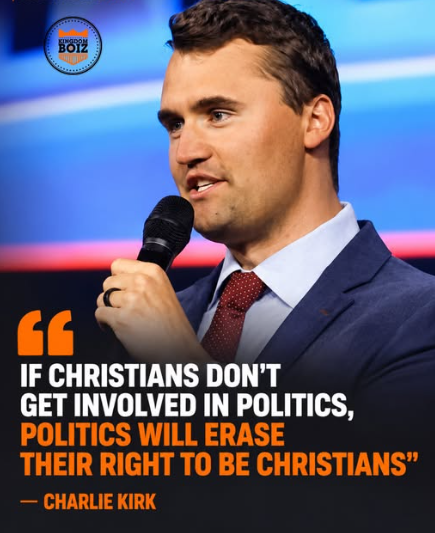 I suppose there are people who believe that the radical left is on a path to make Christianity illegal, and perhaps to install Islam as the official religion of the United States. This is remarkable for two reasons:
a) Every schoolchild in America learns about the First Amendment’s guarantee of freedom of religion at a very young age, and
b) This country made it successfully though 250 years with no one being ignorant enough to bring up this ridiculous concern.
One would hope that this figure of near 60% would indirectly translate into Trump’s ouster before he can take full control of the U.S. government.
We vote Trump’s stooges out of office in November and replace them people of honor. Trump is impeached, convicted and removed. From there, justice takes its course.
Nordex Q3 Orders Jump 30%, Vestas Bets on Australia
Nordex Q3 orders jump 30% and Vestas lands about a gigawatt in Australia. Plus why turbine factories skip Australia, high project costs, and whether batteries can replace coal.
The Uptime Wind Energy Podcast is brought to y