

Florida’s Miccosukee Tribe is seeking to purchase important Tribal lands to create a corridor for wildlife conservation as part of a partnership agreement with the Florida Wildlife Corridor Foundation.
The corridor will connect 18 million acres of contiguous privately owned and state wilderness that are the habitat of endangered species like Florida panthers and Key deer, reported The Guardian.
“The Miccosukee Tribe of Indians of Florida have stewarded the lands and waters of Florida since time immemorial. The entirety of this land, and her flora and fauna, have been shaped by successive generations of our people. Our collective Indigenous Knowledge offers a unique perspective informed by this deep and historic relationship to the lands and waters of the National Wildlife Refuge System that lie within our traditional lands,” said Talbert Cypress, chair of the Miccosukee Tribe, in a press release from the United States Fish and Wildlife Service (FWS).
During the Seminole Wars two centuries ago, Tribal members sought to protect the Everglades and avoid banishment by government forces to Indian territories in what is now Oklahoma.
In January, the Miccosukee Tribe entered into an agreement with FWS for co-stewardship of national wildlife refuges in South Florida. The agreement means Miccosukee citizens can once again hunt, fish, gather culturally significant and medicinal plants and conduct ceremonies in the refuges adjacent to traditional Miccosukee lands and within the Greater Everglades.
In the wake of the Trump administration’s slashing of federal funds for conservation projects, the Miccosukee Tribe has stepped in to fulfill what it feels is a “moral obligation” to protect their sacred lands and the plants and animals found there.

“We have a constitutional duty to conserve our traditional homelands, the lands and waters which protected and fed our tribe since time immemorial,” Cypress said, as The Guardian reported. “[But] we’ve seen some sort of hesitancy a lot of times to commit to projects because of the erratic nature of how the government is deciding to spend their money or allocate money.”
The agreement was announced during a corridor stakeholders’ summit last week in Orlando. It came as a Native American Fish and Wildlife Society (NAFWS) study found that 60 percent of Tribes recognized by the federal government have lost over $56 million in federal funding since President Donald Trump took office for his second term.
Though Tribes have their own independent governments, the U.S. has legal trust responsibilities to protect rights set out in Tribal treaties regarding lands, assets and resources, a press release from The Wildlife Society (TWS) said.
“These services are part of what we receive in lieu of all of the years of what we gave up — our land, our resources and sometimes, unfortunately, our culture and language,” said Executive Director of NWFWS Julie Thorstenson in the TWS press release. “These are not things that are, in our mind, something that is really negotiable.”

A Florida panther in a tree in Naples, Collier County. Tim Donovan / Florida Fish and Wildlife
As government funding has disappeared and federal land stewardship agreements face an uncertain future due to the Trump administration’s attacks on the National Park Service, Cypress said Tribal leaders had reassessed their work with other partners.
“For good reason, my predecessors had more of a standoffish approach. They went through a lot of the areas where they did deal with conservation groups, federal agencies, state agencies, pretty much not including them in conversations, or going back on their word. They just had a very different approach to this sort of thing,” Cyprus explained, as reported by The Guardian. “My administration has taken more of a collaborative approach. We’re engaging with different organizations not just to build relationships, but fix relationships that may have gone sour in the past, or were just non-existent.”
Lawmakers established the Florida Wildlife Corridor in 2021 and have preserved approximately 10 million acres thus far, with an additional eight million considered “opportunity areas” that need protection. Environmental groups have warned that there is still the potential for large areas to be lost to development.
The Florida legislature has been considering corridor funding cuts to balance state spending, and has encouraged commercial partnerships and investment.
The Tribe has already established a direct or collaborative stewardship with nearly three million acres in Biscayne and Everglades National Parks, as well as Loxahatchee National Wildlife Refuge. Cypress said the Tribe was working on identifying and prioritizing lands inside the corridor that had historical significance.
“Financially, the tribe will invest some money, but we’ll also be instrumental in finding investors, partners interested in the same thing, which is to conserve as much of our natural habitat as possible while making room for growth and development,” Cypress said. “We’ve shown we can do it in a sustainable way, and our voice can help in shaping the future of Florida as far as development goes because once a lot of the land gets developed we’re not going to get it back. We need to do it in a way where we benefit not just ourselves in the present, but for generations in the future as well.”
The post As Trump Cuts Conservation Funds, Florida’s Miccosukee Tribe Will Purchase Land for Wildlife Corridor appeared first on EcoWatch.
https://www.ecowatch.com/florida-tribe-land-purchase-wildlife-corridor.html

Cozy sweaters are the cornerstone of any cool-weather wardrobe. So make it a conscious choice with our curation of sustainable sweaters.
Most of the conventionally available sweaters are made from cheap acrylic fibers that are often itchy, don’t keep you warm, and are yes: plastic. Since sweaters are often the kinds of investments you can wear season after season — often decades! — with the proper care, these are the pieces worth getting right.
With this in mind, we’ve rounded up some fashion-forward options of sweaters made from natural fibers and recycled fibers ranging from turtlenecks and crewnecks to cardigans and sweater vests, so you can find the right pieces for your cool weather wardrobe.
Note that the guide contains affiliate links. As always, we only feature brands that meet strict criteria for sustainability we love, that we think you’ll love too!
Why Choose Natural Fiber Sweaters?
Put simply, acrylic, polyester, and other synthetic knits are made from fossil fuels — and these kinds of fabrics are one of the leading causes of rising carbon emissions in this industry. Plus every time you wash a synthetic sweater, they shed microplastics into our waterways.
Natural fibers also tend to be more breathable and better at regulating temperature, so you’re less likely to shiver the second you step outside the door. (If you’ve worn an acrylic sweater, and then a wool one: you know exactly what I mean.) That said, “natural fibers” doesn’t automatically mean perfectly sustainable. How the fiber is farmed, processed, and dyed matters as much as what it’s made from. That’s why I’ve also included the relevant certifications, additional process information, or sustainability criteria for each brand below, so you know exactly what you’re getting.
Certifications Cheat-Sheet
Since natural fiber sweaters made from wool, cashmere, or cotton are only part of the sustainability picture, here’s how to make sure those fibers are responsibly sourced too.
GOTS (Global Organic Textile Standard) certifies that a textile contains a minimum percentage of certified organic fiber and meets environmental and social criteria through processing. It’s the standard for verifying a fabric is genuinely “organic,” not just marketed that way.
Regenerative Organic Certified (ROC) goes beyond standard organic certification by also requiring regenerative farming practices (soil health, biodiversity), high standards for animal welfare, and fair labor practices for farmers and workers. It’s currently one of the most rigorous certifications available, layering environmental, animal welfare, and social criteria into a single standard. But honestly right now it’s pretty rare to see this from a fashion brand! Only a few sweater brands have this.
B Corp certifies the company as a whole against social and environmental performance standards (labor, governance, environmental impact) — a business-level cert, not a product-level one, so it doesn’t speak to any single garment’s materials.
Fair Trade Certified
verifies that the specific factory/facility producing the item meets standards for labor conditions, wages, and worker safety, and that a Community Development Premium is paid to workers. It’s a labor and production-facility certification, not a materials one.
Where To Find Eco-Friendly Sweaters Made with Natural Fibers
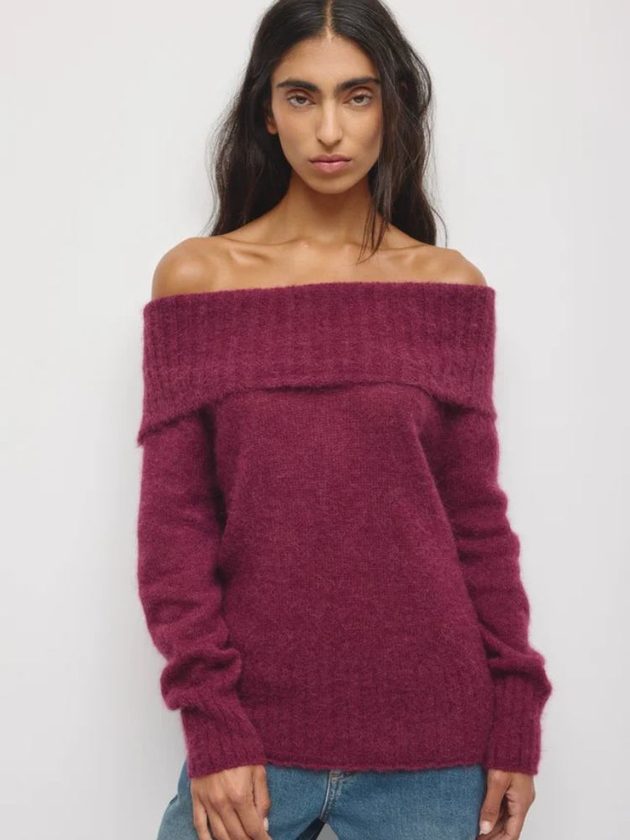
1. Kotn
Best for: timeless sweaters with thoughtful details and polished silhouettes
Kotn has seriously stepped up its style game this season. They’ve always been on my list for sustainable basics (I have a turtleneck and sweatshirt from the brand that are great quality) but their recent sweaters and cardigans are elevated without losing their timeless, relaxed core aesthetic.
And with garments made of 100% direct trade cotton and 100% merino wool or alpaca in colors like Cardamom, Tawny Port, and Chocolate Plum, you don’t need to sacrifice color to shop your values. Note that some pieces include recycled nylon in a blend, so if you’re looking for fully natural fiber sweaters, those might not be for you.
Conscious Qualities: Ethically Made, Natural Fibers (Egyptian cotton, alpaca, merino wool), B-Corp Certified
Size Range: XS–XL
Price Range: $88 – $228
2. Outerknown
Best for: organic cotton sweaters for outdoor living
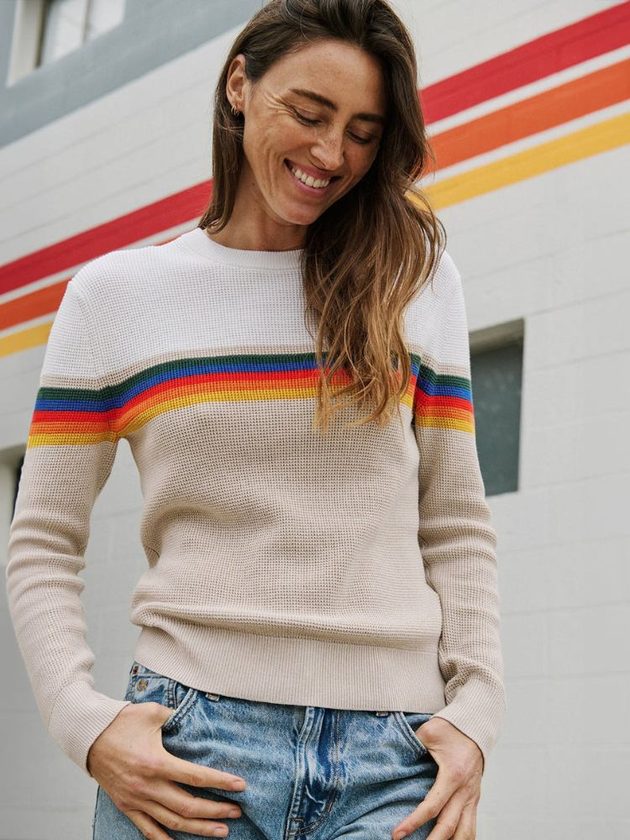
A brand built for coastal living, Outerknown’s minimalist sweaters in classic colors are perfect for throwing over, no matter the adventure. And if simple isn’t your style, their Nostalgic Sweater incorporating the ’70s rainbow is a fun retro piece.
Outerknown’s sweaters are made from natural fibers, like 100% organic cotton, 100% responsibly-sourced wool, or organic cotton/recycled cashmere blend. And the brand is equally committed to fair compensation with a compliance program accredited by Fair Labor Association and improving their purchasing practices.
Conscious Qualities: Lower Impact Materials, Ethically Made, Supply Chain Transparency, Resale Program
Size Range: XS–XXL
Price Range: $118 – $258
3. Toad & Co
Best for: bold-pattern sweaters with a give-back mission
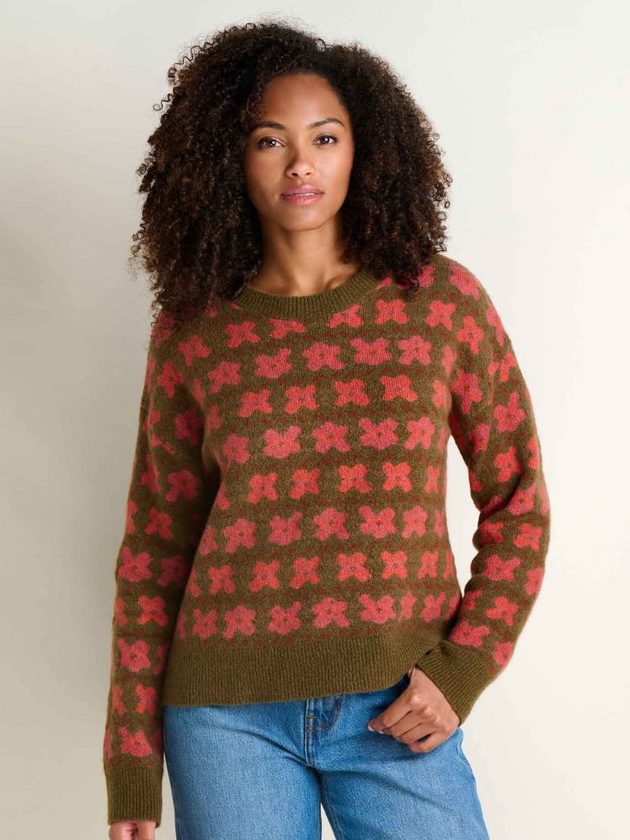
If your style leans a bit bolder or on the quirky side, the printed sweaters at Toad & Co might be right up your alley. Toad & Co’s sweaters feature everything from feminine florals to classic stripes — with some ’90’s inspired prints thrown in for good measure — in the classic sweater styles you’d expect: cardigan, crew sweaters, v-necks, sweater dresses, and sweater vests.
The brand uses materials like organic cotton, recycled cotton, RWS-certified merino wool. Note that some sweaters do contain a percentage of recycled synthetics mixed in.
Since the brand was founded in 1996, Toad & Co has partnered with a facility that employs and trains individuals with developmental disabilities, while facilitating outdoor adventures for them.
Conscious Qualities: Natural & Recycled Materials, Responsible Production Practices
Size Range: XS–XL
Price Range: $112-$240
4. Christy Dawn
Best for: luxurious organic cotton and alpaca knits
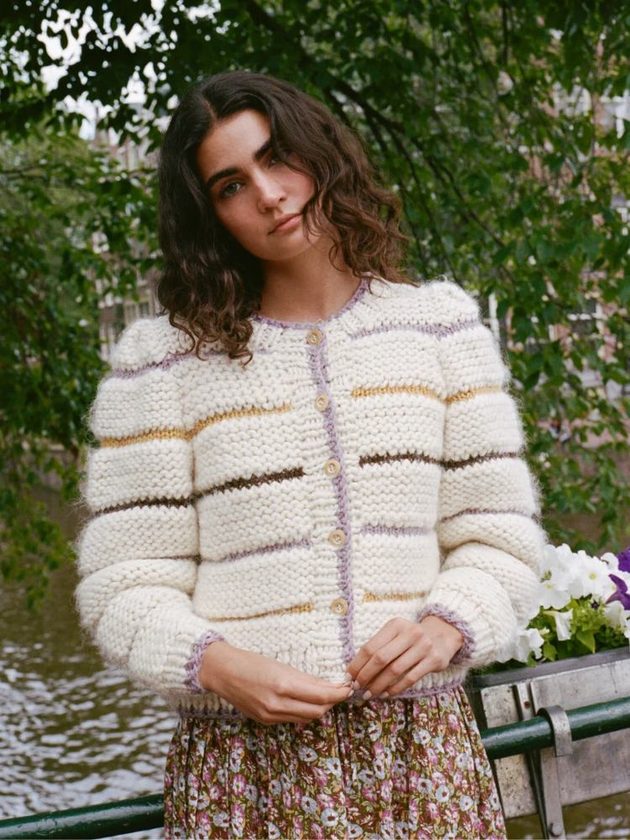
The coziest of natural fiber sweaters, Christy Dawn’s vintage-inspired organic cotton cardigans, oversized wool knits, and après-ski inspired pullovers will transport you to a countryside cottage.
The brand’s winter knits are made from alpaca wool sourced from the Peruvian highlands, organic cotton, and pima cotton and the yarns are colored with organic dyes. Each sweater is ethically hand-knit by makers earning living wages in Peru.
Conscious Qualities: 100% Natural Fibers, Non-Toxic Dyes, Ethically Made, Resale Program
Size Range: XS–XXL
Price Range: $138 – $478
5. Cottonique
Best for: comfy sweaters safe for those with skin sensitivities
Made from 100% GOTS-certified organic cotton in the brand’s own B-Corp and GOTS-certified factory, Cottonique’s organic sweaters are free from synthetic knit fibers, latex, synthetic dyes, bleach or other harsh chemical finishes. Even the label is 100% cotton and the cuffs are elastic free, to ensure comfort even for those with severe skin sensitivities.
I tried their close neck knitted sweatshirt in Natural and it was super comfortable, even when worn alone without a layer underneath. While limited in colors, I like that the brand doesn’t use synthetic dyes, and I found the natural cotton to be a beautifully warm soft cream color.
Conscious Qualities: B-Corp & GOTS-Certified Factory, 100% Organic Cotton
Size Range: S-XL
Price Range: $45 – $55

6. The RealReal
Best for: preloved designer sweaters
When it comes to finding quality secondhand pieces, The RealReal has been my personal go-to for years. Sort by anything from color and style to price and condition — and, of course, designer to find the perfect addition to your fall wardrobe.
Find everything from a classic Ralph Lauren crew neck to an eccentric, artful sweater from Marni, or just about anything in between, on The RealReal’s authenticated curation. Pro Tip: while you can’t filter by fiber on TRR, you can search terms like “100% cashmere sweaters” to help surface natural sweaters.
Conscious Qualities: Secondhand, Natural Sweater Options
Size Range: XXS–4XL
Price Range: $8 – $10,000+ (the range of secondhand!)
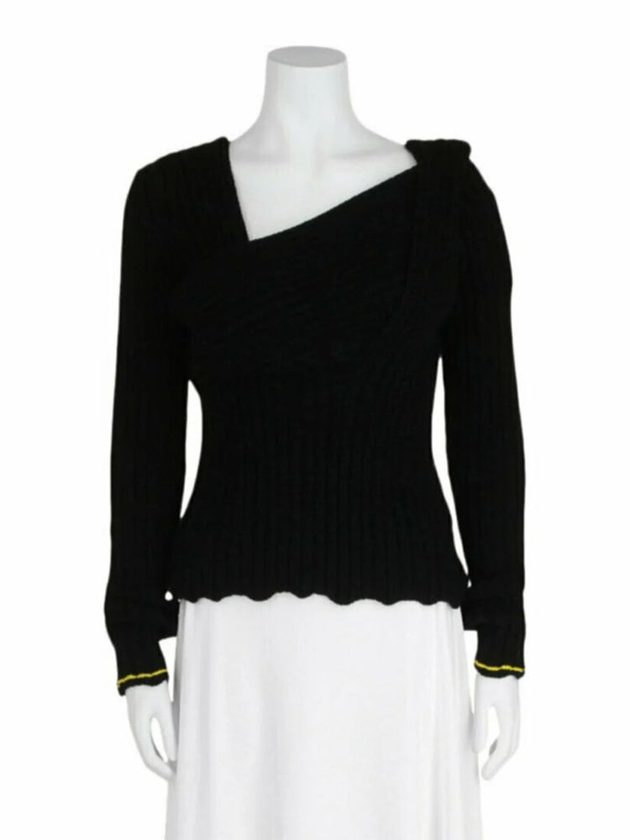
7. tentree
Best for: versatile everyday knitwear
For classic sweaters — think turtlenecks, chunky cardigans, cable knit crew pullovers — tentree is a sure bet. Ideal for everyday wear, from lounging at home to going out for Sunday brunch, tentree’s sweaters are as versatile as they are cozy.
The brand’s sweaters are made from preferred materials like RWS-certified wool and organic cotton. Most pieces are primarily natural fibers blended with a percentage of recycled polyester, though there are a couple of 100% natural fiber pieces.
Conscious Qualities: Lower Impact Materials, Plants Trees
Size Range: XS–XL
Price Range: $88 – $148
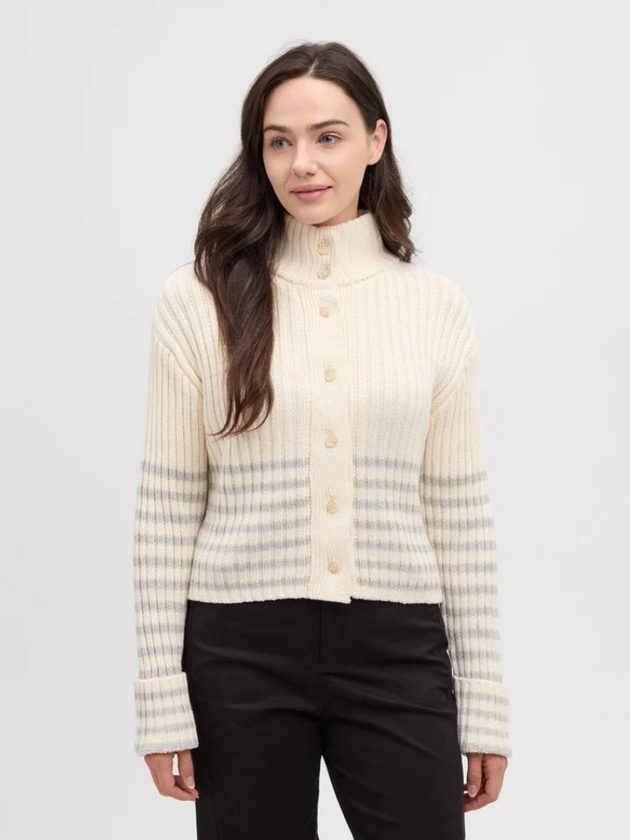
8. Patagonia
Best for: cozy recycled wool sweaters for the cabin
Imagine the sweater you’d thrown on to cozy up by the fireplace staying in a cabin surrounded by woodland. That is exactly what you’ll find in Patagonia’s sweater collection — from a Fisherman Cableknit made from recycled wool to a 100% Regenerative Organic Certified® cardigan with a “sweatshirt experience”. Several of the sweaters are also made in Fair Trade Certified factories.
Note that a few of the sweaters are blended with recycled nylon, while others are 100% natural fibers.
Conscious Qualities: Recycled Materials, Fair Trade Certified Factories, Secondhand & Repair Programs
Size Range: XXS–XXL
Price Range: $125 – $209
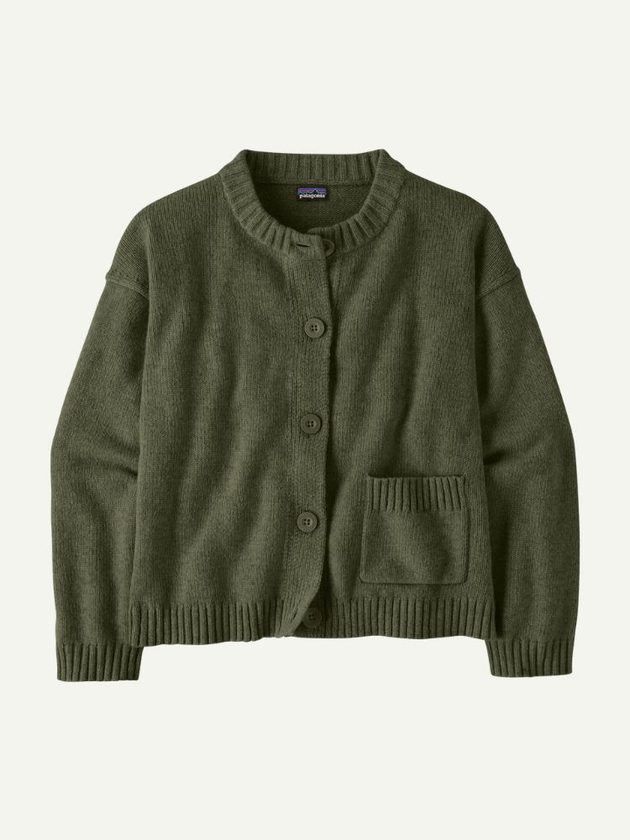
9. EILEEN FISHER
Best for: classic luxe sweaters in generous fits
Eileen Fisher is a contemporary brand with a commitment to sustainability from fiber to end-of-life. Most of the designer’s sustainable sweaters are crafted exclusively from natural fibers like Peruvian organic cotton, Italian cashmere/silk blends, and recycled cashmere — and many are made in Fair Trade Certified factories. (There are only a few pieces blended with recycled synthetics.)
And the brand has one of the longest standing resale programs in the industry, called RENEW, and a program to reuse unwearable or damaged textiles into wall art.
Conscious Qualities: Organic & Regenerative Fibers, 100% Natural Fiber Options, Fair Trade Certified Factories, Circular Fashion Practices
Size Range: XXS–3XL
Price Range: $268 – $548

10. Bare Knitwear
Best for: elegant natural alpaca sweaters
Minimalist yet sumptuous, Bare Knitwear’s Andes baby alpaca (certified by the Responsible Alpaca Standard) and Peruvian Pima cotton sweaters are ethically made in Lima, Peru. The natural sweaters are either left undyed or colored with OEKO-TEX Standard 100-certified dyes.
With understated styles and an exceptional attention to quality throughout the handmade process, Bare Knitwear’s sweaters are designed to last for many years to come.
Conscious Qualities: Slow Crafted, Ethically Made, Natural Fibers
Size Range: XS–L
Price Range: $200 – $556
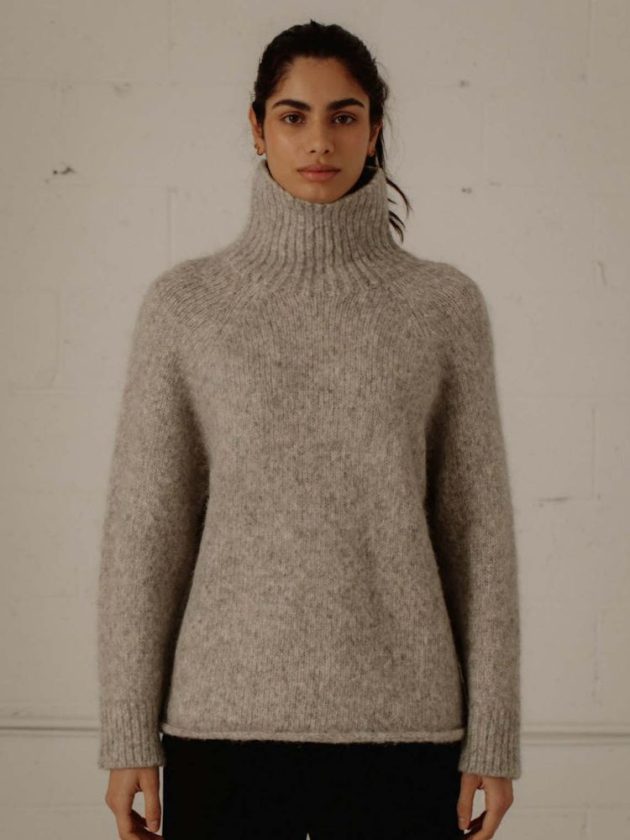
11. Reformation
Best for: recycled cashmere sweaters in trendy styles
Using materials like traceable regenerative merino wool, recycled cashmere, and organically grown cotton, Reformation uses the crème de la crème of sustainable sweater materials.
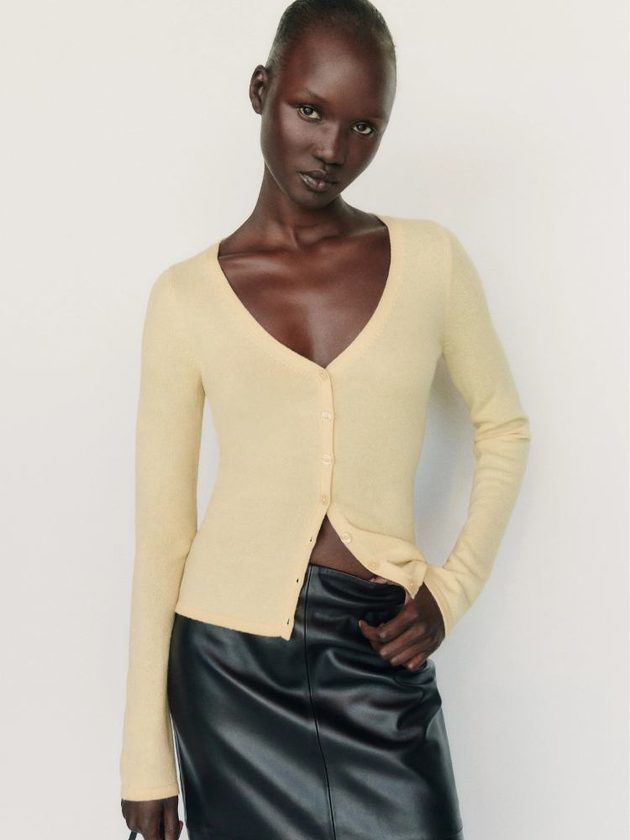
But if you know Ref, you know that environmental consciousness doesn’t equal boring or crunchy. Their cropped crew sweaters, sheer cardigans, boyfriend sweaters, and cashmere turtlenecks are designed to turn heads. The brand does lean on the trendier side and releases new styles frequently, so they’re not a “slow fashion” brand per se, but I’ve added them to this list because their one of the most responsible mid-size to larger brands in the industry.
Conscious Qualities: Sustainable Materials, Supply Chain Transparency, Circular Practices
Size Range: XS–XL
Price: $98 – $398
 For More Slow Fashion Content:
More Cool-Weather Guides Like This:
Responsibly-Made Coats to Keep You Toasty
Sustainable Slippers to Get Cozy In
Bundle Up With These Cozy Conscious Winter Accessories
The post The Coziest Sustainable Sweaters Made with Natural Fibers appeared first on Conscious Life & Style.
Whether you’re planning to be a guest at a wedding, or attend a prom, gala, or any other special occasion, these ethical and sustainable formal dresses will be just the fit.
A lot of formalwear is made from irresponsibly sourced silk or polyester and is worn just once. It’s time to turn that around!
This guide will share sustainable formal dress options that have frocks you can rock to weddings, dances, galas, concerts, or any other event you have coming up.
How to Find Sustainable Formal Dresses
The most sustainable garment is the one already in your closet!
Do you have a special occasion dress or piece of formalwear that could fit the bill? While wearing an outfit only once to an event has unfortunately become the norm with social media, we can help counteract the culture by normalizing outfit repeating to special occasions again!
Another sustainable option is to make the most of what already exists by borrowing from a friend or family member or swapping with someone you know has a formal dress. This is something my friends and I did for high school dances like homecoming and prom. A friend’s Junior Prom dress became my Senior Prom dress the next year!
If there’s no one with your style and size, you can also expand your search of formalwear by browsing online resale platforms. Vestiaire Collective has a fabulous selection of dresses from designer brands for great prices, as does The RealReal. I’ve used The RealReal site to purchase dresses for weddings and other occasions.
If you just need a special occasion dress for one event, consider rental sites like Rent the Runway that offer affordable ways to get formalwear for a limited time.
If none of these options are available to you or you really feel ready to invest in an extra-special garment that you can wear for years to come, keep scrolling for our list of brands with sustainable and ethical formal dresses.
Brands With Sustainable Formalwear & Special Occasion Dresses
These brands have party-perfect minis, chic cocktail dresses, elegant evening gowns, and even pieces that would make for fabulous sustainable prom dresses!
Note that this guide contains partners and affiliate links. As always, all brands meet rigorous standards for sustainability and are brands we truly love — and that we think you’ll love too!
(You might also want to check out this guide for sustainable wedding dresses or this guide for more causal eco-friendly dresses.)
1. Christy Dawn
Christy Dawn’s dresses are vintage-inspired but totally timeless. Their feminine frocks can be worn as house dresses or semi-formal wear to weddings, bridal showers, baptisms, or other not-quite black-tie occasions. Their dresses are either made from reclaimed fabrics ethically in Los Angeles or from regenerative organic cotton that is sourced in partnership with a small collective in India.
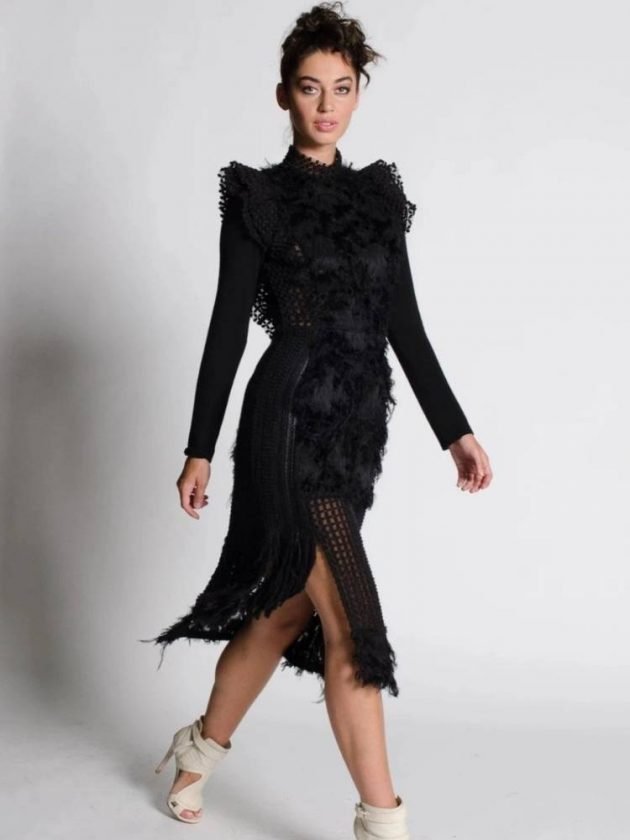
You’ll also find sustainable special occasion dresses from Christy Dawn made with regenerative silk, like the dress pictured here!
Conscious Qualities: Reclaimed or Regenerative Fabrics, Ethical Production
Size Range: XS-3XL (extended sizing collection)
Price Range: $$$
2. Reformation
Reformation is a leader on sustainability among larger fashion brands, between their climate positive roadmap and better material sourcing (including recycled cotton, TENCEL Lyocell, and regenerative fabrics) to their supply chain transparency, limited production model, and circularity practices.
And the brand is making it easy to shop for sustainable special occasion dresses with their selection features like “Going Out Dresses” and “Wedding Guest Dresses”.
Conscious Qualities: Lower Impact Materials, Responsible Production Practices, Decarbonization Initiatives
Size Range: 0 – 12
Price Range: $$ – $$$
3. Bastet Noir
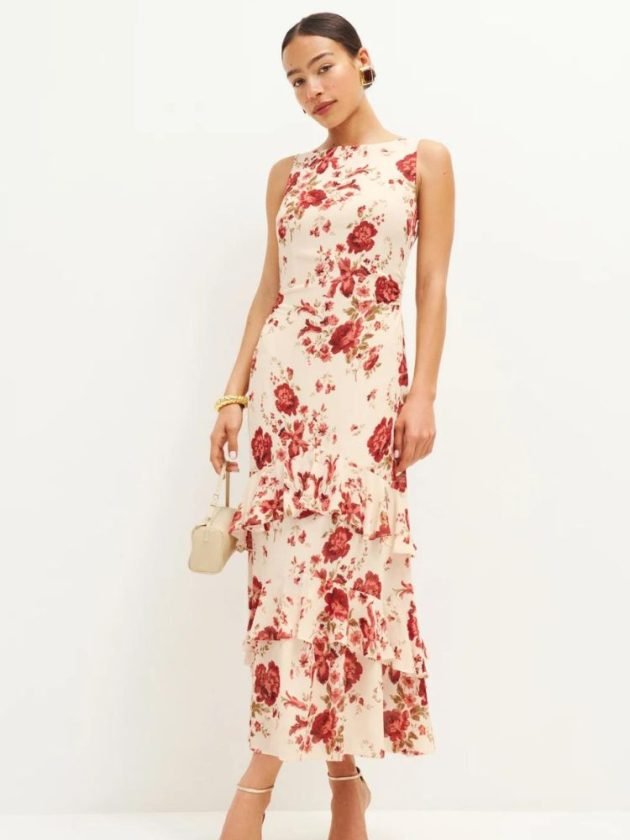
Making each piece to order using upcycled materials, Bastet Noir is a zero-waste fashion label. The brand’s sustainable formal dresses and other elegant apparel — including silk jumpsuits — are made by women in North Macedonia. 100% of Bastet Noir’s profits are reinvested into the women’s businesses and their children’s education.
Conscious Qualities: Repurposed Materials, Made-to-Order, Gives Back
Size Range: 4-10 + custom sizes
Price Range: $

4. AMUR
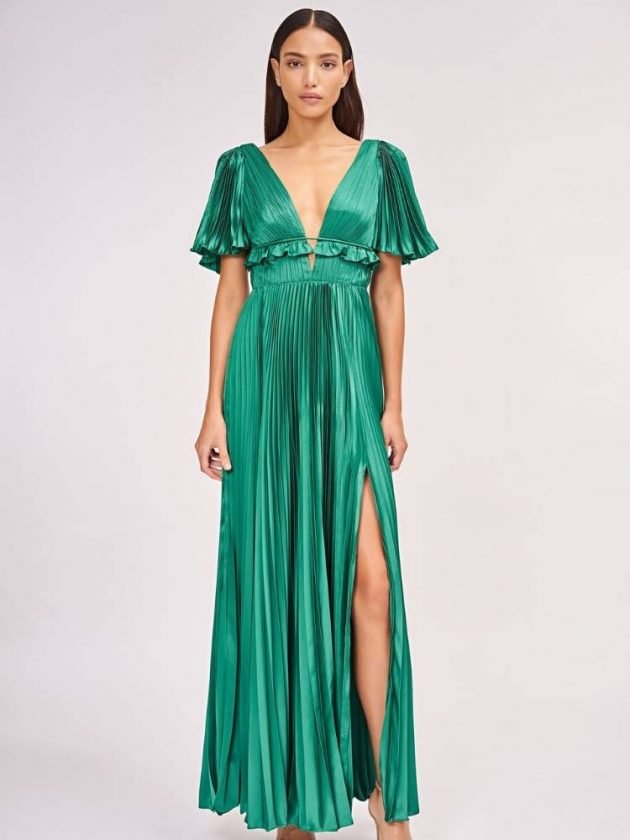
Standing for A Mindful Use of Resources, AMUR uses earth-minded fabrics including hemp, linen, cupro (a silky fiber made from cotton linter, a byproduct of cotton production), modal, and recycled polyester. AMUR has some seriously stunning gowns that would make for great sustainable prom dresses or black tie-dress code outfits. AMUR could use more information on their labor standards and production practices though.
Conscious Qualities: Earth-Minded Fabrics
Size Range: XXS-XL
Price Range: $$$$
5. BAACAL
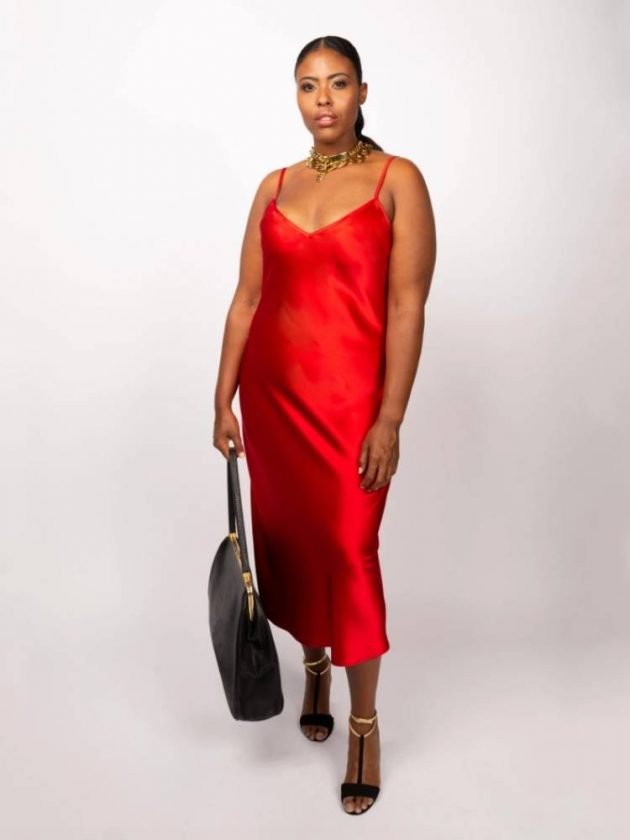
Frustrated that brands often stop their size range at 12 despite the average American woman wearing size 16, BAACAL creates conscious clothing for the “true majority”: women who wear sizes 10-22. The plus-size sustainable fashion brand uses upcycled, vintage, and other existing materials for their collections.
Conscious Qualities: Upcycled Fabrics, Small-Batch Collections, Size-Inclusive
Size Range: 10-22 (unique sizing system of 1-4)
Price Range: $$$
6. Lahive
Bold and unique, Lahive’s stand-out dresses and other ethical formal wear will make a statement at cocktail hour or a night out downtown. The LA-based brand produces their luxe, textural pieces in small batches using upcycled materials in a factory run by solar power.
Conscious Qualities: Upcycled Fabrics, Renewable Energy, Local Production
Size Range: XS-XL
Price Range: $$$
You May Also Want to Check Out:
Eco-Friendly, Ethical, and Vegan Bags
Brands with Elegant Ethically-Made Flats
Sustainable Wedding Dresses for Your Special Day
The post The Best Sustainable Formal Dresses for Special Occasions appeared first on Conscious Life & Style.
https://www.consciouslifeandstyle.com/eco-chic-evening-dresses/?utm_source=rss&utm_medium=rss&utm_campaign=eco-chic-evening-dresses
As you’re planning out a nursery for your newborn or baby on the way, you might be thinking about how you can ensure cleaner indoor air in the room your baby will be spending a whole lot of time in. This guide will help you with one part of that plan: non-toxic dressers, many of which can be easily used as changing tables as well.
What is a Non-Toxic Dresser?
There is a lot to consider in non-toxic furniture, but for the sake of this guide, we’ll focus on only the elements relevant to wood furniture since most dressers are primarily constructed with wood.
You might be thinking: why would I need a wood product to be non-toxic? Isn’t wood a natural material?
This is true, but similar to how natural fabrics like cotton can still be dyed with toxic dyes and treated with chemicals like PFAS (forever chemicals), natural furniture materials can also be stained and finished with harmful substances. Plus, composite wood products are certainly not the same as their solid wood counterparts, which we’ll get into in a moment.
By the way, below I will refer to “VOCs”, which if you haven’t heard this term before, it stands for volatile organic compounds. You can read more about VOCs and the associated health risks from the EPA.
Non-Toxic/Low-Tox Wood
Composite wood, like MDF, is often glued together with glues that can contain high levels of formaldehyde. (Not exactly the kind of toxic, carcinogenic VOC you want your little ones exposed to.)
Given this, I typically recommend looking for solid wood furniture. That said most dressers (even if their constructed with majority solid wood) will often have drawers made of composite wood or use composite wood for other parts of the dresser that aren’t as visible. With that in mind, I would recommend a dresser made with at least partial solid wood and certified non-toxic composite wood elsewhere. When this isn’t possible, look for a certification like GREENGUARD Gold. More on that below.
*Important to note: living trees actually produce formaldehyde, so there are still trace amounts of naturally occurring formaldehyde in even solid wood. But as this study from NC State University explains, most of the emissions of formaldehyde from wood are “produced during hot-pressing of composite panels”, not from the wood itself. In other words: man-made composite wood like plywood, MDF, particle board, and veneers is the much larger concern compared with solid wood.
As with everything in sustainability: there are trade-offs. First off all: the more solid wood that’s used, the more expensive (and heavy!) that dresser is likely to be. And sometimes it could even be cost prohibitive. Additionally, composite wood can sometimes be a more sustainable choice — since it doesn’t waste wood offcuts, but may sacrifice on chemical safety standards.
That’s why I like to provide you with options so you can make the decision that works best for you and your family.
Zero or Low VOC Finishes
Most wood furniture isn’t left raw, but is finished with a wax, oil, lacquer, varnish or other type of finish. Some of these finishes can contain high levels of VOCs.
Look for brands that use low-VOC or zero-VOC finishes. Some brands will even use natural finishes like linseed oil or beeswax.
GREENGUARD Gold Certified
This is the most common non-toxic furniture certification. While this certification does not ensure zero emissions, the GREENGUARD Certification program by UL is a third-party verification that tests for over 10,000 chemical emissions and VOCs to verify low chemical emissions.
Even if a company reports that they use zero-VOC or low-VOC finishes, a GREENGUARD Gold certification is still a smart extra level of protection to look for, since many VOCs can be difficult to measure.
Where to Find Non-Toxic Dressers for A Nursery
Now that we have a foundation for what we are qualifying as a “non-toxic dresser”, let’s dive into our recommendations for where to find these dressers.
Note that some of the following links include affiliate links, which means we may earn a small commission at no additional cost to you if you choose to purchase through these links. This reader support helps us continue to create more resources for low-tox and sustainable living.
1. Green Cradle
Best for: solid wood dressers and chests
Conscious Qualities: Made in US, Solid Wood, Zero VOC Finish
Price Range: $2,199 – $4,099
Shipping: Ships to continental US; contact for AK, HI, and Canada delivery
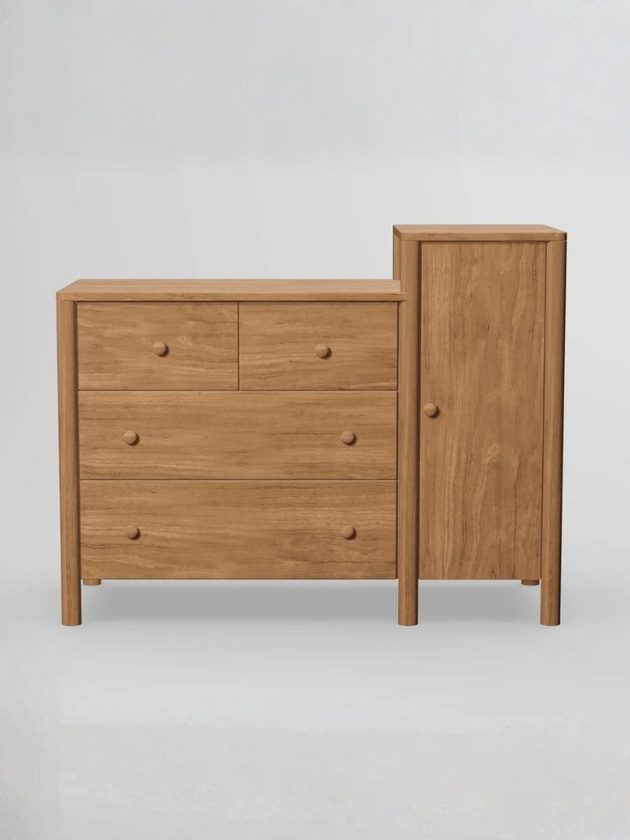
If you want top of the line quality without compromise, Green Cradle’s solid wood dressers — made from locally sourced wood and finished with natural linseed oil — would be my pick. You can also add on organic cotton changing pads.
Green Cradle has traditional dressers as well as the sweetest chest + drawer combos with hanging space perfectly sized for your little one. That said, Green Cradle is also the most premium priced option on this list.
2. Oeuf
Best for: European-crafted design with smart nursery features
Conscious Qualities: Made in Europe, Non-Toxic Water-Based Finishes, FSC-Certified Facility
Price Range: $1,245 – $1,695
Shipping: US-wide delivery via Urban Natural
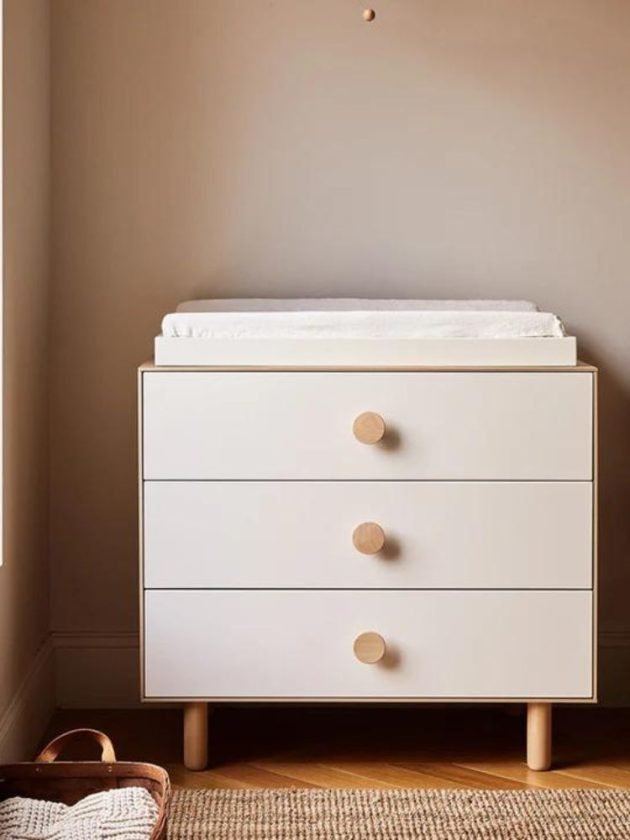
This family-run eco-friendly children’s furniture company prioritizes intelligent design (like baby changing trays that fit Oeuf’s dressers), quality craftsmanship, and sustainability. The brand’s furniture is made in a Forest Stewardship Council-certified facility in Latvia. However, Oeuf does use baltic birch plywood and “eco-MDF” — so the pieces are not solid wood like Green Cradle.
3. Babyletto
Best for: an affordable non-toxic dresser
Conscious Qualities: GREENGUARD Gold Certified Products, Exceeds Anti-Tip Furniture Standards, Sustainably-Sourced Wood
Price Range: $349 – $899
Shipping: Free Delivery in Contiguous US (shipping charges elsewhere priced in cart)
Babyletto offers a more affordable non-toxic dresser options for nurseries. And I think some of the cutest designs! Plus, many of the dressers either include a removable changing tray or are compatible with the brand’s changing trays. That said, as is to be expected with a lower price point, you’ll see more engineered wood — in Babyletto’s case, that’s the drawer fronts and frame. Some reviewers have expressed complaints on the quality, though most products have an above 4.5/5 star-rating.
4. West Elm (GREENGUARD Gold Certified Collection)
Best for: on-trend nursery design with GREENGUARD Gold options
Conscious Qualities: GREENGUARD Gold Certified Options, FSC Certified Wood Options, Some Products Made in Fair Trade Certified Factories
Price Range: $499 – $1,949
Shipping: Contiguous 48 U.S. States only for large furniture items
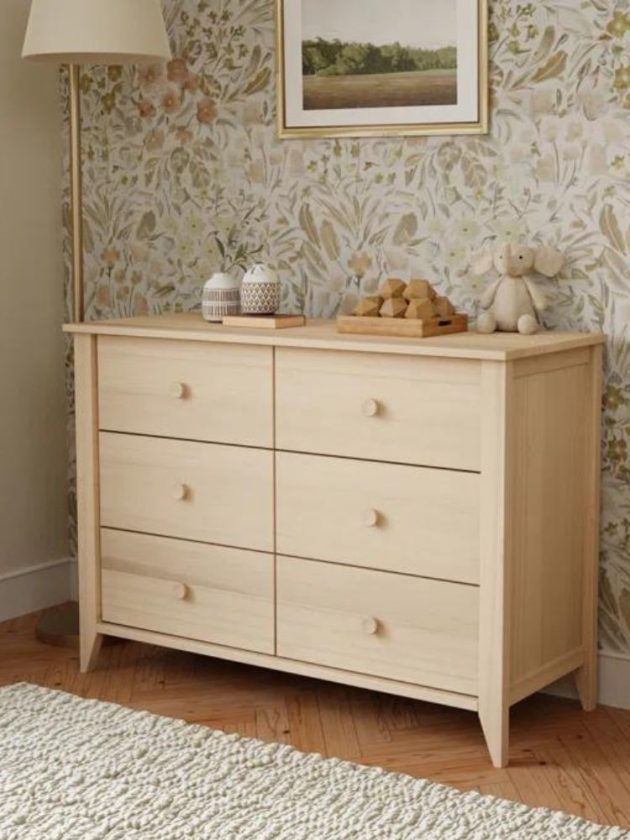
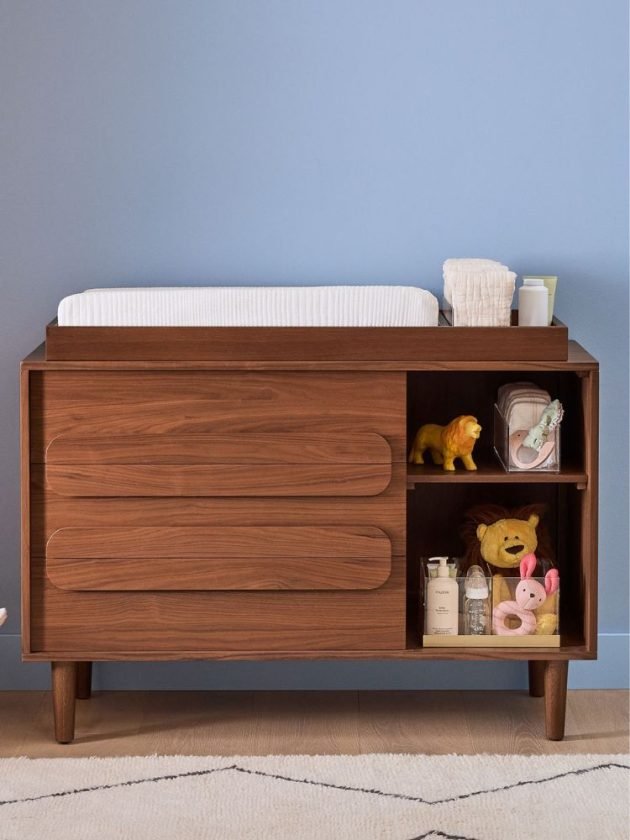
Add a touch of West Elm’s signature design sensibility to your little one’s nursery with the retailer’s selection of GREENGUARD Gold Certified dressers and changing tables. The brand has adorable painted playful dressers for nurseries, but I also appreciate that they have mid-century modern and glam modernist nursery dressers that can easily stay in use as your little one grows up.
5. Thuma
Best for: a modular dresser that grows with your family
Conscious Qualities: GREENGUARD Gold Certified Product, Upcycled Solid Wood, Tool-Free Assembly, Highly Rated
Price Range: $1,165 – $3,495
Shipping: U.S. and Canada
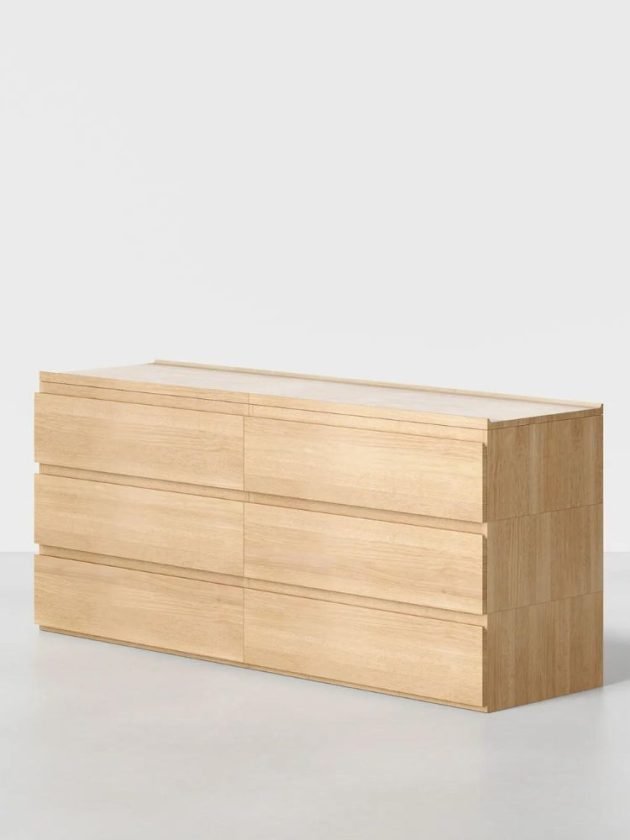
With nearly 600 reviews ranking this dresser an average of 4.7/5 stars, Thuma is clearly doing something right with their signature non-toxic dresser. While this dresser isn’t specifically marketed for a nursery, the modular approach makes it easy to start small and configure additional drawers as your baby or family grows later on. Meaning this dresser could last you a lifetime, which I consider a key part of sustainability too. There is also the option to add anti-tipping hardware for safety.
6. Pottery Barn Kids (GREENGUARD Gold Certified Options)
Best for: combined changing tables and dressers
Conscious Qualities: GREENGUARD Gold Certified Options, Some Products Made in Fair Trade Certified Factories
Price Range: $499 – $1,899
Shipping: Contiguous 48 U.S. States only for large furniture items
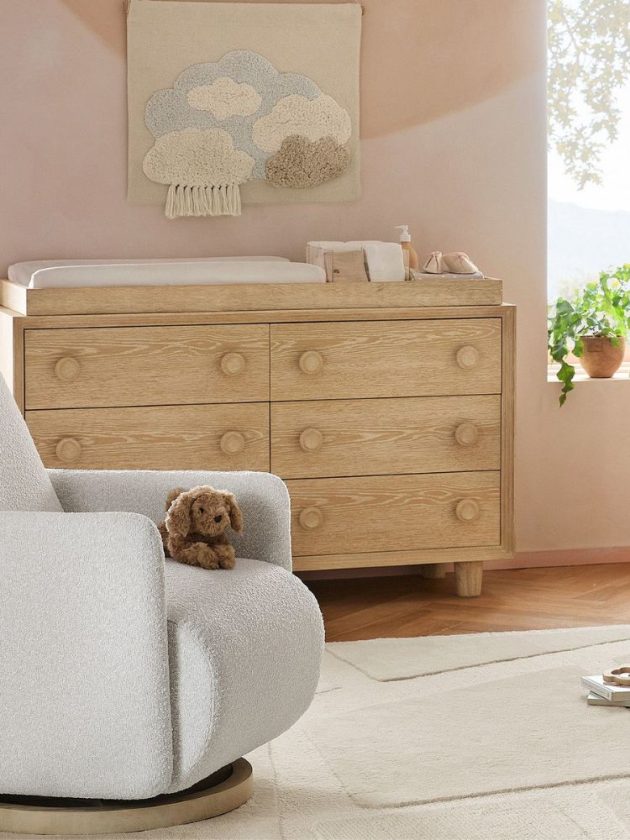
Pottery Barn — West Elm’s more rustic sister brand — also has a number of options for non-toxic changing tables and nursery dressers. The retailer’s dressers are made with a mix of solid wood and engineered wood, but they do have many GREENGUARD Gold certified dressers. I’d just look at each individual product description to confirm whenever purchasing from a larger retailer with a wide selection.
Questions about Non-Toxic Dressers
Can a wood dresser be “organic”?
Typically we wouldn’t use that term. “Organic” is usually a description of a process or certification for grown fibers like cotton on a changing pad cover, not for wood. If you do see “organic dresser” used to describe the wood itself, treat it as a loose figure of speech rather than a real certification. What you might look for instead on a wood piece is the FSC certification (responsible sourcing) and GREENGUARD Gold (low chemical emissions) or zero VOC finishes.
That said, if the dresser doubles as a changing table, you can check whether the changing pad cover is certified organic cotton. That’s where organic would be a real vetted claim.
Does non-toxic mean solid wood?
Not necessarily. Non-toxic is generally a claim referring to low chemical emissions. A dresser can be made from pressed wood, and still emit low chemical emissions and be called “non-toxic”. So if solid wood is important to you, look for that specifically (for example from Green Cradle listed above), not only “non-toxic.”
What is the safest dresser for a nursery?
There are a lot of variables in a dresser selection, from budget and location to personal priorities and aesthetics. But when it comes to chemical safety, I would personally look for solid wood with a zero VOC natural finish as my top choice. That said, those options are going to be the heaviest and often the most expensive. So if that doesn’t work for your situation, I would look for GREENGUARD Gold certified dressers, ideally with solid wood frames, even if the drawers are composite wood. This certification doesn’t ensure zero emissions, but it does test for low emissions.
More Non-Toxic Furniture Guides:
15 Best Non-Toxic Furniture Brands for a Healthier Home
9 Non-Toxic Bedroom Furniture Companies for a Safer Sleep
7 Best Places for Non-Toxic Nightstands
The post 6 Best Non-Toxic and Safe Dressers and Changing Tables for Nurseries (2026) appeared first on Conscious Life & Style.
6 Best Non-Toxic and Safe Dressers and Changing Tables for Nurseries (2026)



-
Climate Change1 year ago
Guest post: Why China is still building new coal – and when it might stop
-

 Greenhouse Gases2 years ago
嘉宾来稿:满足中国增长的用电需求 光伏加储能“比新建煤电更实惠”
-
Greenhouse Gases1 year ago
Guest post: Why China is still building new coal – and when it might stop
-

 Climate Change2 years ago
嘉宾来稿:满足中国增长的用电需求 光伏加储能“比新建煤电更实惠”
-

 Renewable Energy11 months ago
Sending Progressive Philanthropist George Soros to Prison?
-
Climate Change2 years ago
Bill Discounting Climate Change in Florida’s Energy Policy Awaits DeSantis’ Approval
-
Greenhouse Gases1 year ago
嘉宾来稿:探究火山喷发如何影响气候预测
-

 Carbon Footprint2 years ago
US SEC’s Climate Disclosure Rules Spur Renewed Interest in Carbon Credits