

When I’m out in the ocean, I’m obsessed by everything I see. I’m the woman in the boat who’s got her fish guide out to look up the names of any unknown fish while throwing out fun facts about the creatures I’ve already identified. Yet so much ocean life is so small, I might miss them entirely. I’m talking about plankton—the tiny plants and animals that make up 90% of the mass of all marine life in the ocean and play an extremely important role in the health of our planet.
Love ocean content?
Enter your email and never miss an update
Plankton are the start of the ocean’s food chain. Phytoplankton (a.k.a. plant-type plankton) turn sunlight into energy via photosynthesis and are eaten by zooplankton (a.k.a. animal-type plankton), small fish and invertebrates. Zooplankton, in turn, become food for larger species like fish, whales or crustaceans. Phytoplankton also pump out oxygen and sequester carbon. Five hundred million years ago, a bloom of plankton created the breathable oxygen-rich atmosphere humans depend on today.
Despite being so crucial to life on this planet, plankton are best defined by their go-with-the-flow nature. An organism is considered plankton if it can’t swim or move against the forces of the ocean like currents and tides. That’s why the name comes from a Greek word meaning “drifter.” A vast diversity of life falls under the heading of plankton from krill to single-celled algae to the offspring of crabs to jellyfish. Each plankter (that’s actually the word for individual plankton) is unique, and today I’m going to introduce you to a couple of the wandering creatures.
Dinoflagellates
Dinoflagellates are among the most common type of plankton with more than 1,500 species living in our ocean. They are single-celled phytoplankton with flagella, thread like appendages that allow these microscopic organisms to move. These tiny organisms can be responsible for wonder and destruction in the ocean. If you’ve ever swum in a bioluminescent bay, the light you see is caused by dinoflagellates. The light may help distract or startle would-be predators. In addition, some species have symbiotic relationships, helping corals, jellyfish and other animals thrive.
On the flip side, dinoflagellates are largely responsible for deadly red tides. The term “red tide” comes from the pigment found in these tiny creatures and the color of the water when these blooms happen. When dinoflagellates grow uncontrollably, they can produce toxins and reduce the oxygen in the water leading to die-offs in the ocean. Red tides can cause health hazards for people on land and lead to the deaths of manatees, fish and other creatures in the ocean.
Baby Sea Creatures

My favorite activity growing up was tide pooling, but I never really thought about how many of the creatures I encountered ended up there in the first place. That’s because the offspring star fish, sea urchins, sea anemones, barnacles, crabs, even octopuses start their lives as plankton that look almost nothing like the creatures they will one day become. If you want to play the wildest game of “Where are they now?” try to match ocean creatures with their baby forms in this quiz from The American Museum of Natural History.
Siphonophores

There are about 175 different species of siphonophores, the most famous being the Portuguese Man-O’-War. Another notable siphonophore is the Apolemia, which may be the longest creature on Earth at 150 feet long. That’s about the length of 1.5 blue whales! Proof that not all plankton are the tiny creatures we commonly think of them to be.
While they may appear to be a single organism, they are actually a colony of individuals called zooids. Each zooid has a unique function in the colony. For instance, there are zooids that are responsible for swimming and moving around, while others specialize in digestion and providing food for the whole colony. There are even battle zooids that are always on the ready to inject toxins into prey.
Comb Jellies

When you think of plankton, you often think of tiny animals, not beautiful otherworldly creatures like comb jellies. They are mesmerizing to watch because they produce a dazzling array of colors. This effect is caused by their cilia, which are like little hairs and are what give the comb jellies their name. These combs diffract light, breaking it up like a rain droplet or prism, to create rainbows.
Despite the similar name, comb jellies are not types of jellyfish. In fact, they could be descended from the Earth’s oldest animals. Recent research suggests that they could be the closest relatives of the first group to split off from our common ancestor around 500 million years ago. Comb jellies are pretty simple creatures without intestines, lungs or stomachs but they do have a nervous system that has puzzled scientists. Comb jellies have a nerve net that doesn’t have the usual synapses that humans and most other animals need for their neurons to communicate. Comb jellies could hold the answers to so many questions we have about how life evolved on Earth.
Diatoms

Diatoms are single-celled algae and among the largest groups of life on Earth. You can find diatoms anywhere it’s wet: freshwater, the ocean, even in moist soil. There are more than 100,000 species of diatoms and counting, as scientists find new types every year. What each diatom has in common is a cell wall made of silica, the same component we use to make glass, meaning they literally live in glass houses. Silica is also the main component of opals, and diatoms share some of that beauty, earning the name “jewels of the sea.” Diatoms are not only beautiful but are also powerful. They produce a significant amount of the air we breathe and are critical to marine ecosystems all over the world.
Some of the most amazing creatures on Earth are the ones we can’t easily see on the surface. Plankton play a critical role in sustaining life on this planet. Climate change is causing disruptions that we can see like intensifying storms, but it is also causing issues that we can’t see. That’s why it is so important that we all do what we can now to reduce polluting carbon emissions that are changing the ocean’s temperature, chemistry and function. Ocean Conservancy views climate change as the greatest challenge facing our planet today and is committed to finding ocean-based solutions to address it. Join us in taking action to combat climate change now.
The post Five Types of Plankton appeared first on Ocean Conservancy.

Ocean Acidification
Barnacles, buoys and boat engines: researching the effects of underwater sound in Malaysia
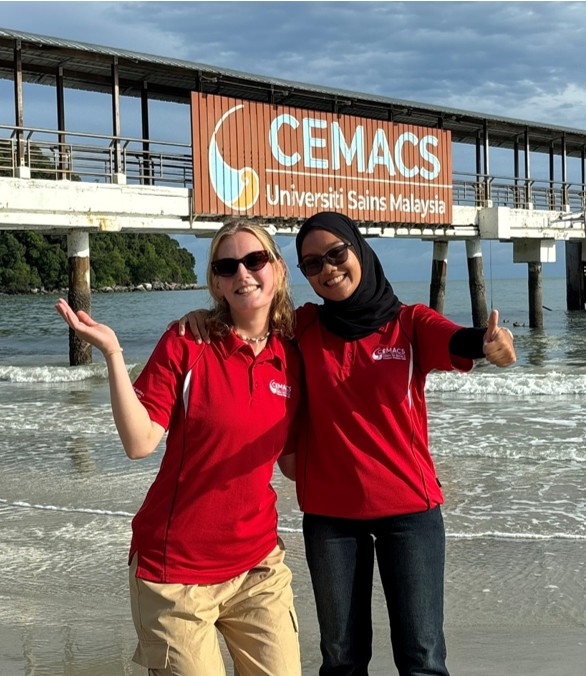
Selamat Datang and welcome to the hot and sweaty country of Malaysia! Ever since we, Leonie and Najwa, have arrived in Penang, the northwestern island of Malaysia, in April this year, it has been a constant 30 degrees with an average humidity of 70%. However, it feels both hotter and more humid than that. Unfortunately, the weather will not change much during our stay as Malaysia lies very close to the equator (at latitude 5°N). Thus, it has no seasons, but a nearly constant temperature and day/night rhythm of 12 hours.
Beginning to adapt
The sun is just peaking above the sea when I (Leonie) have to leave my house. The bus leaves (more or less) always at the perfect time to watch the sun slowly rise over the ocean. I use the 30 min bus ride, which costs me about 2 Ringitt (or ~20 cent), to wake up and prepare for the day ahead at the Centre for Marine and Coastal Studies (CEMACS). During the bus ride beaches, restaurants, cafés and small towns pass by in the window. Especially, one secluded beach and its beach house, which is for sale, make the bus ride go by fast – thanks to daydreaming about living there. When I arrives at 8 am at the entrance to the National park, in which the institute is located, Najwa is already waiting for me. She only needs a 5 minute car ride to get there from home, since she found an apartment close by. Now we just have to wait for the boat to take us to the institute within the national park. Technically, a 40 min hike through the park would also do the trick, but both of us are not ready for such a sporty activity at 8 in the morning and a daily boat ride is so much more fun anyways.
CEMACS lies in the heart of the Taman Negara Pulau Pinang, the national park of the island of Penang in northwestern Malaysia. Because of that, it’s quite a way to the big city of Georgetown and thus sources of noise, disturbances and pollution are far away. This is especially important for this year’s GAME project as we aim to find out whether underwater soundscapes influence the formation of hard-bottom communities.
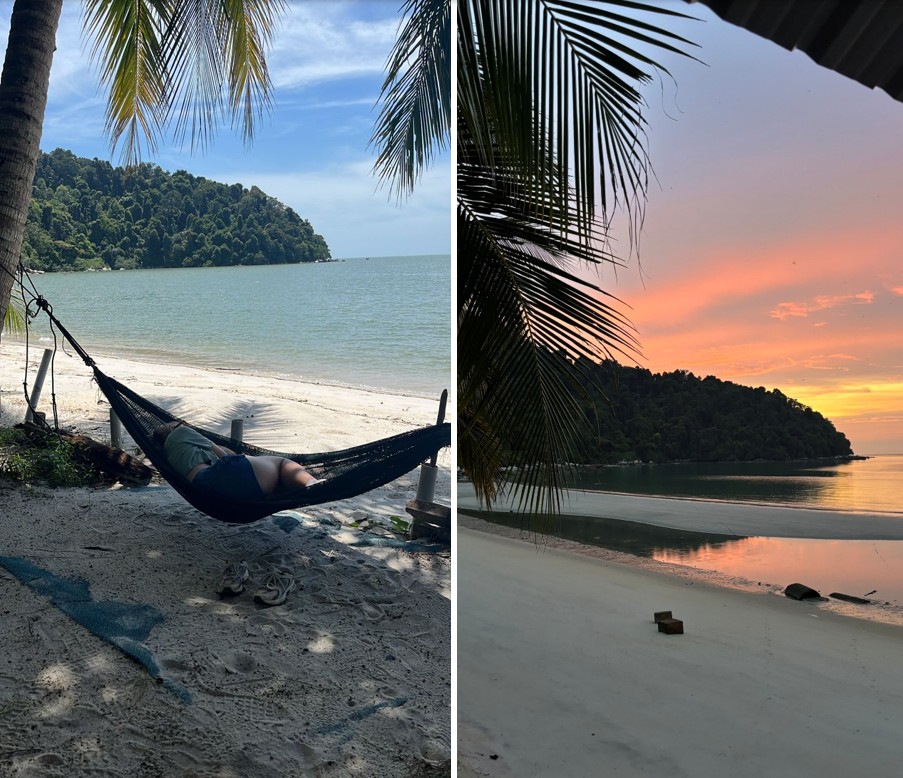
The sunset by the institute (right, © Leonie).
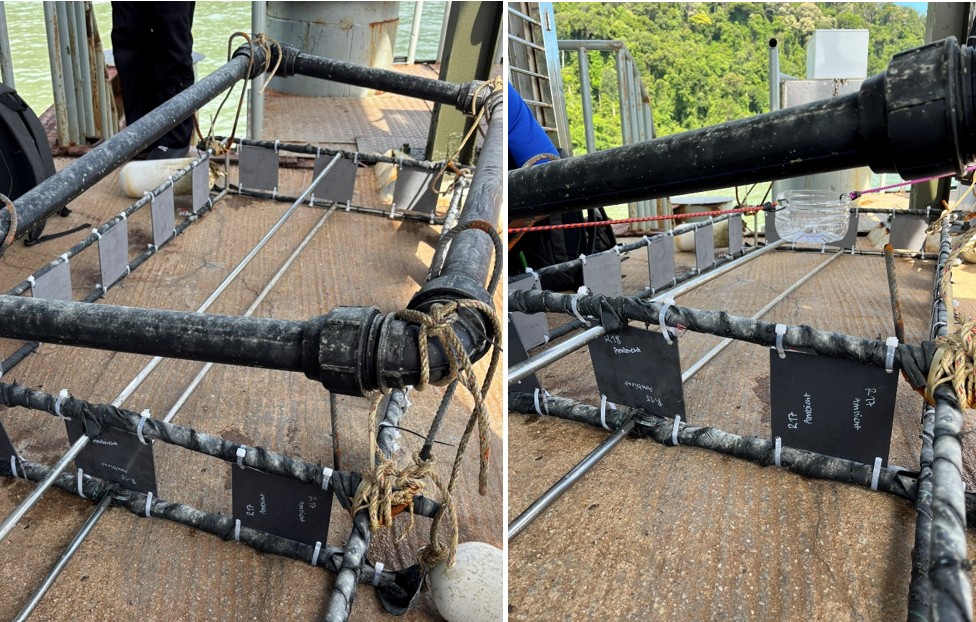
We are trying to find answers to this question in the warm and salty ocean right in front of the gates of CEMACS. For that we deploy large metal frames that carry settlement panels into the sea. Two of those frames will additionally be equipped with an underwater speaker with which we can playback – in principle – any kind of sound we like (trust me, it was tested and it was a good day). To distinguish between the experiments that the two of us will conduct, we will use different soundscapes. One will focus on anthropogenic noise, i.e. the sound that is emitted by either a fishing or a container vessel. The noise will be played back at random times during the day, but will accumulate to a total of 30 minutes every hour. The other team member will focus on a natural soundscape that will be recorded at a healthy underwater location close by. The settlement panels will be retrieved regularly in order to find out how and if the playbacks are affecting the composition of the establishing hard-bottom communities.
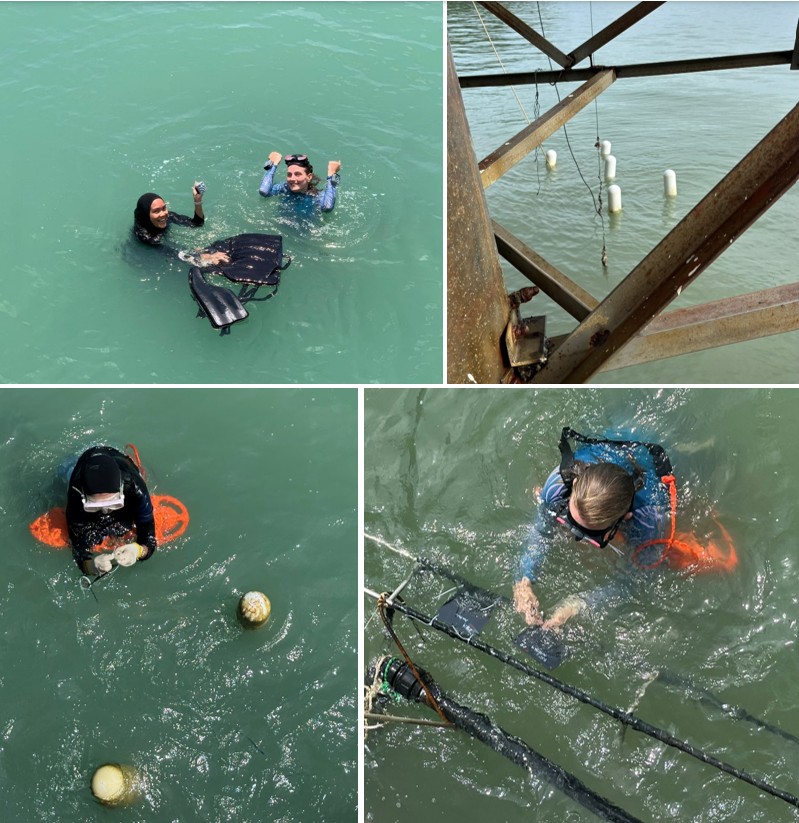
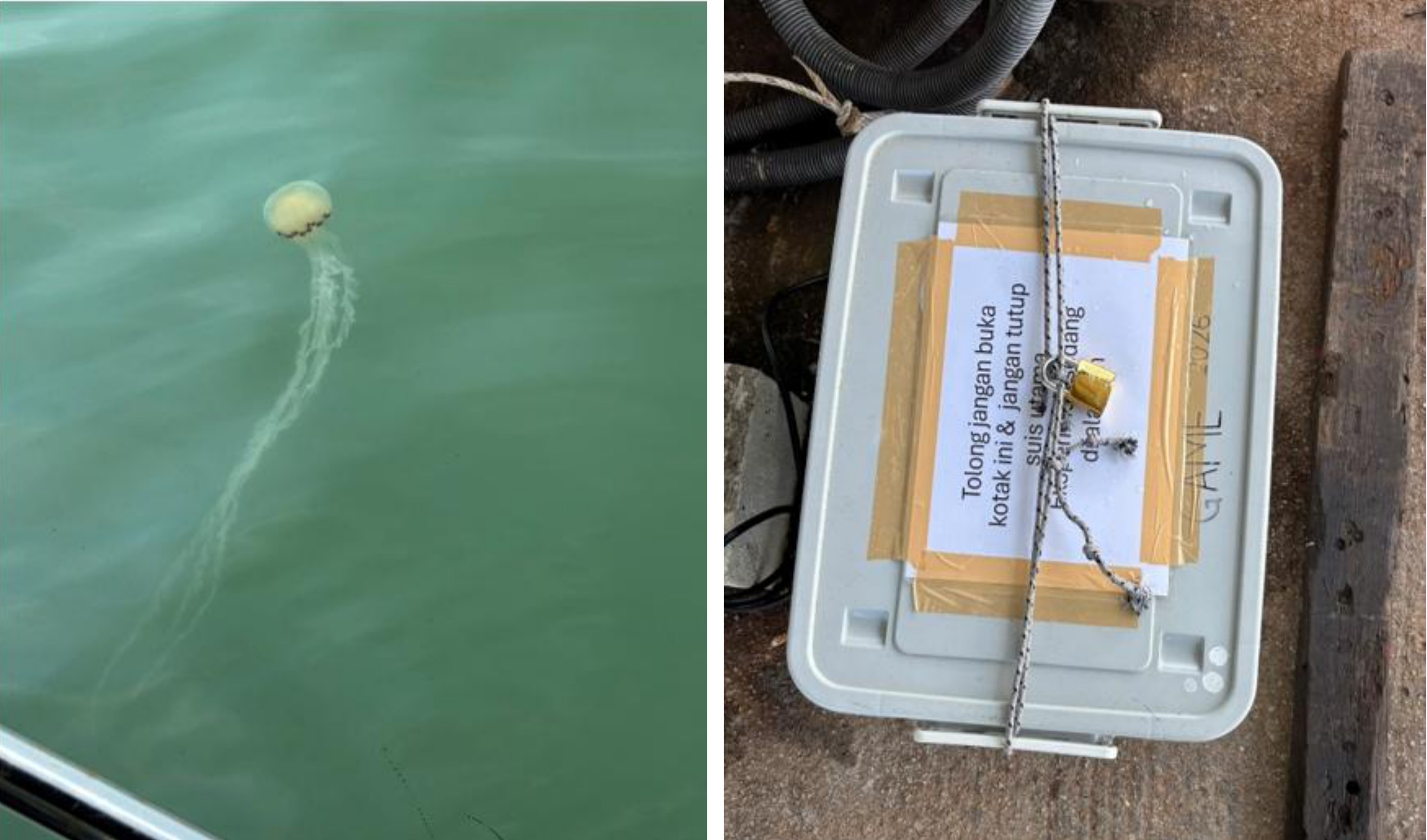
Sounds easy enough, yea? Technically it is, but the nature can be treacherous around here. Jellyfish, like the Ribbon Jellyfish (Chrysaora chinensis), are daily visitors and as pretty as they are, as much does it hurt to get stung by them. After some painful incidents, we now wear full body coverage whenever we are in the water to minimize the skin contact. One person, who stands on land, is always watching the water surface to give a warning in case one of us comes too close to one of the jellies. It’s important to always have someone watching, since we don’t see a lot when we are in the water ourselves. The visibility can be so poor that you cannot even see your hand in front of you. Which is why we struggle to detect the up to 50 cm long tentacles that can sting us. The jellies drift with the currents and like to hang around the jetty, where our frames are deployed.
But even on the land, it’s not entirely safe. Since CEMACS is in the middle of the national park, it is not uncommon to see animals around the institute. The cats and even the lizards are rather cute to look at but the monkeys and the mosquitos? A nightmare! Before the morning boat even leaves at 08:10 both of us already have 5 mosquito bites, a constant buzzing in the ear and are always itchy. Want to have your lunch by the water on the beach? Think twice because monkeys can and will steal your food. Even the laboratory is not safe and has to be locked up monkey-proof.
When we are not blasting ABBA or LinkinPark while setting-up our experiment or trying not to get stung by jellyfish during maintenance work in the water, we can actually enjoy Georgetown. The city is about 1 hour by bus from our living quarters and offers the exact opposite of CEMACS. It is loud, full, bright and brimming with life (humans, not animals). Due to its rich mix of Malay, Chinese, Indian and indigenous cultures clashing together, you can find every kind of food downtown. From delicious savoury food over sticky fruits and drinks to sweet desserts. You can find these tasty items all over the island often in hawker stalls or cute restaurants. Of course, you can also go shopping wonderfully (much to the dismay of Leonie and her limited baggage weight for the flight back home) or just walk around the town and get swept up by the street murals, salty breeze and picturesque buildings.

Do we have to restart?
The deployment of our frames went smoothly, attaching and retrieving the HydroMoths (i.e. hydrophones) went smoothly, and the preparation for the sampling week went smoothly. Probably, everything went a bit too smooth in hindsight, because when the sampling week arrived, nothing went smoothly.
We seemingly lost our entire control frame (i.e. frame without sound playbacks).
During our daily boat ride towards CEMACS we have normally perfect view to see the white buoys of our control frame floating in the distance. Except on that Tuesday. The weather was a bit rough over the weekend and it was still windy and wavy, so we tried to argue that the glare of the sun plus the waves are messing with our eyesight. Surely, we would see it once we get out there to take off and analyse our panels. But when our boat reached the exact coordinates, at which we deployed the frame, there was nothing. No buoy. No rope. No frame. No hint whatsoever. Immediately, we got into the water and were searching the area with the help of two colleagues. But still, we found nothing. The visibility was not in our favour and Najwa got stung by a jelly, what didn’t make the situation better.
After we had to realize that the possibilities were high that our frame got either stolen by someone or it got washed away during the storms, we accepted defeat. Over the next couple of days, we were analysing the panels from the frame with sound playback (aka speaker frame) and discussed options with our supervisors. Upon agreement we started one more search and rescue mission. This time we were dragging an anchor across the seabed for quite some time. Clammy hands, shallow breath and elevated heartbeat. Everyone on the boat was on edge after 30 min of searching. Our colleague held up his hand. The boat stopped. He got something. To everybody’s surprise he pulled up our control frame!! It was completely covered with barnacles, so that the frames and panels were barely distinguishable but we got it back. It obviously became to heavy for the buouys that we attached to it and sank to the seafloor. Immediately, we got to work: Pulling the frame onto the boat, cutting off each panel to inspect it in the lab and cleaning the frame (which was equally stinky, disgusting and difficult).
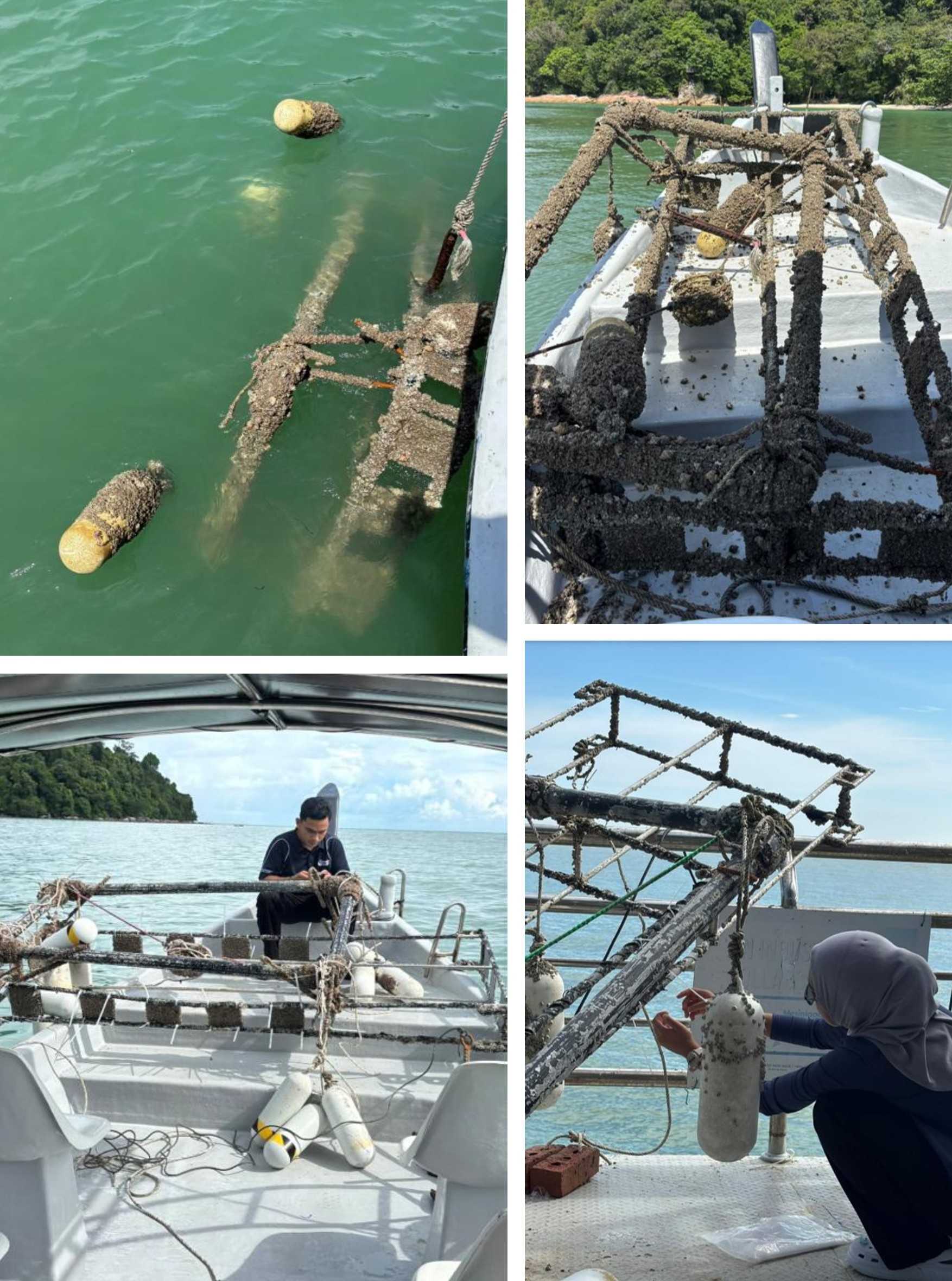
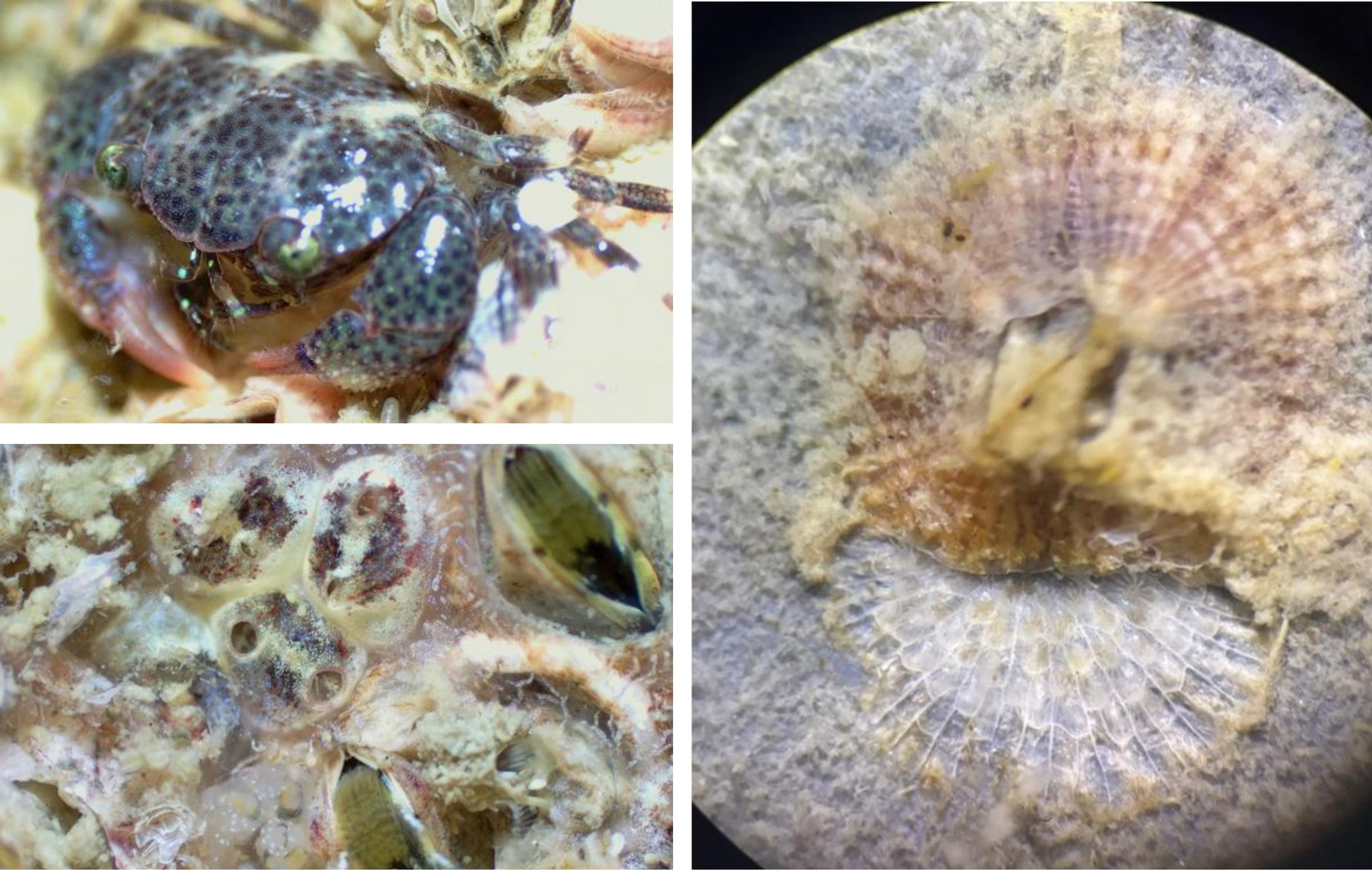
Now the hard work began: analysing the panels. We first weighed and photographed them to estimate the biomass and the degree of coverage on them. Then each and every panel needed to be inspected through a stereomicroscope to identify as many organisms as possible. Most of the panels were covered with barnacles, to be precise it was Amphibalanus amphritite. But apart from that we also found some worms that built themselves tubes on our panels (probably individuals from the family Sepulidae and Spionidae) and were thus sessile too, some bryozoans, colourful tunicates and a lot of small shrimps, crabs and flatworms that were roaming around. Just within four weeks, the sad-looking grey PVC panels have become a location for the smaller animals of the ocean to settle and start their lives.
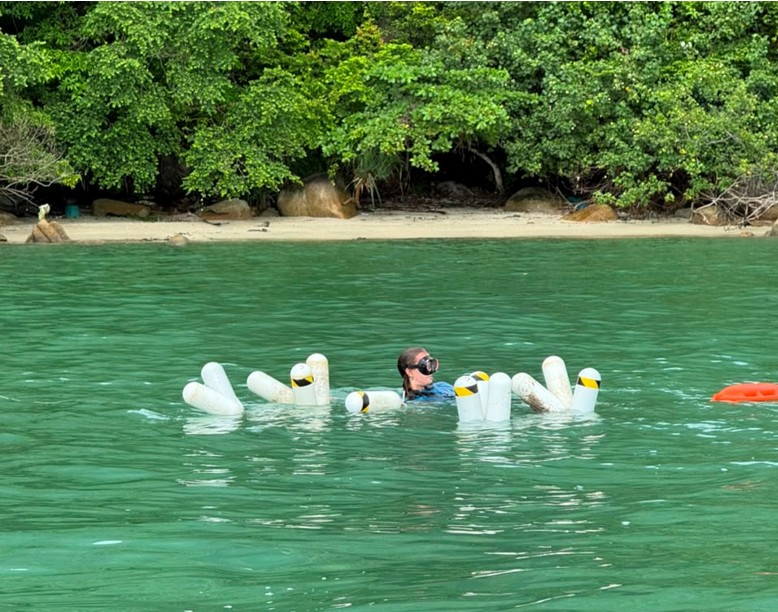
Before we deployed the frame again, we attached a total of 13 buoys and have now a little buoy party in the water which never fails to make us giggle. They are supposed to prevent the frame from sinking again.
The natural soundscape dilemma
Now that Leonies experiment is running (more or less smoothly) it is time to concentrate on the preparation for Najwas experiment which will focus on the natural soundscape.
At first, CEMACS and Penang seemed like the perfect place to begin collecting natural soundscape recordings. We believed it would provide a healthy, natural, and undisturbed underwater acoustic environment. However, despite being located in the national park with little human activity per se, Penang is one of Malaysia’s busiest coastal regions. The constant movement of ferries, fishing boats, tourist vessels, and commercial shipping creates a persistent layer of anthropogenic noise beneath the water. Instead of capturing the quiet rhythms of marine life, many of the recordings that we made were dominated by human activity. It became clear that Penang was not the ideal location for getting an undisturbed soundscape on tape. But where can we find that?
The search led us to Langkawi, an archipelago of 99 islands located just 100 km north of Penang near the border with Thailand. Renowned for its clear waters, rich marine biodiversity, and relatively low levels of coastal development in certain areas, Langkawi offered a far more promising environment for natural underwater acoustic recordings.
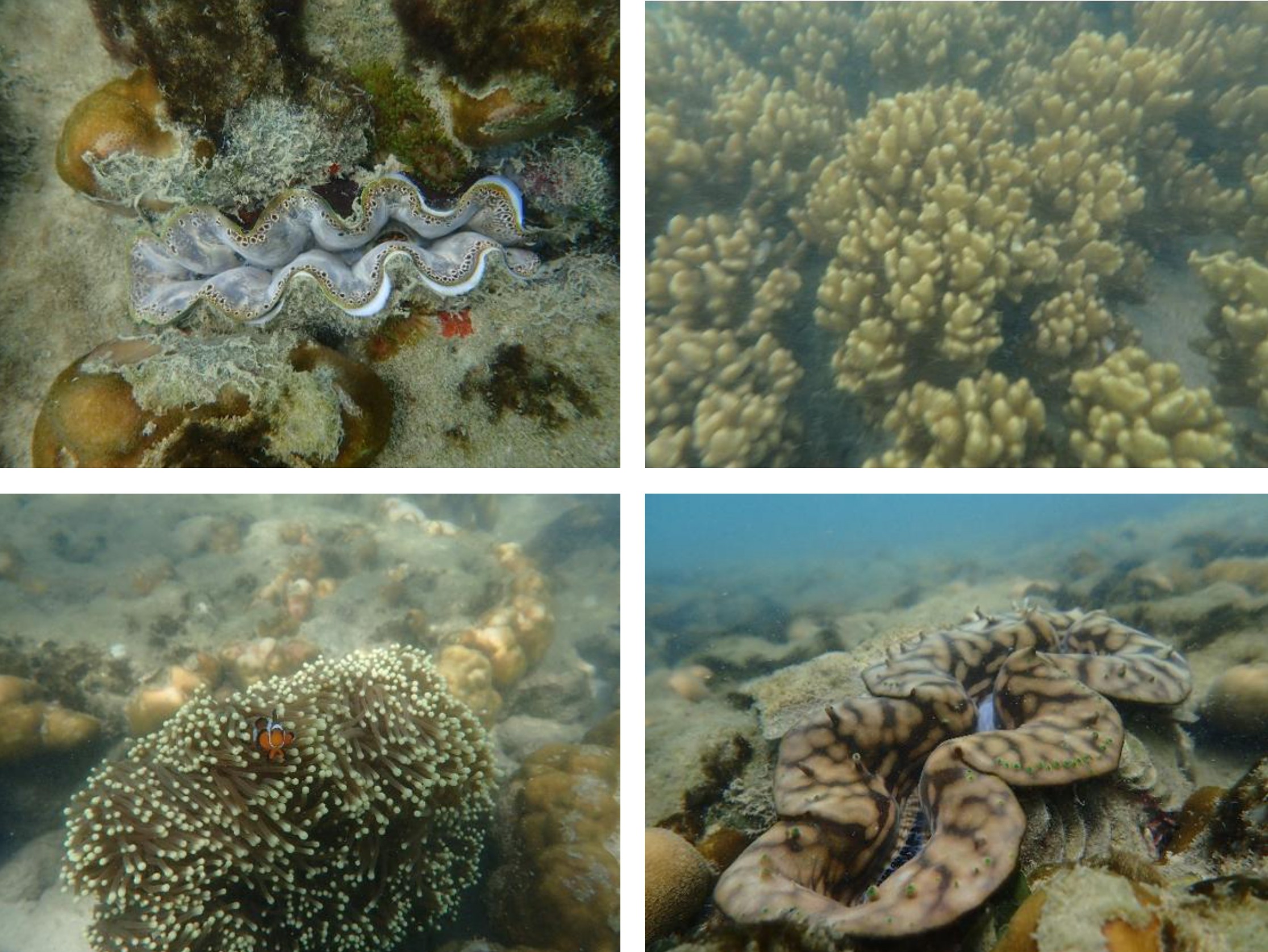
Within Langkawi, our attention turned to Pulau Anak Datai, a small island situated off the northwestern coast of the main Langkawi Island. It’s surrounded by coral reefs, rocky shorelines, and lush tropical rainforest. Compared to many of the more popular tourist destinations in Langkawi, Pulau Anak Datai experiences considerably less boat traffic, allowing its underwater environment to retain a more natural acoustic character. These conditions make it an ideal site for our needs.
With the study site finally selected, the next challenge was deploying the HydroMoths.
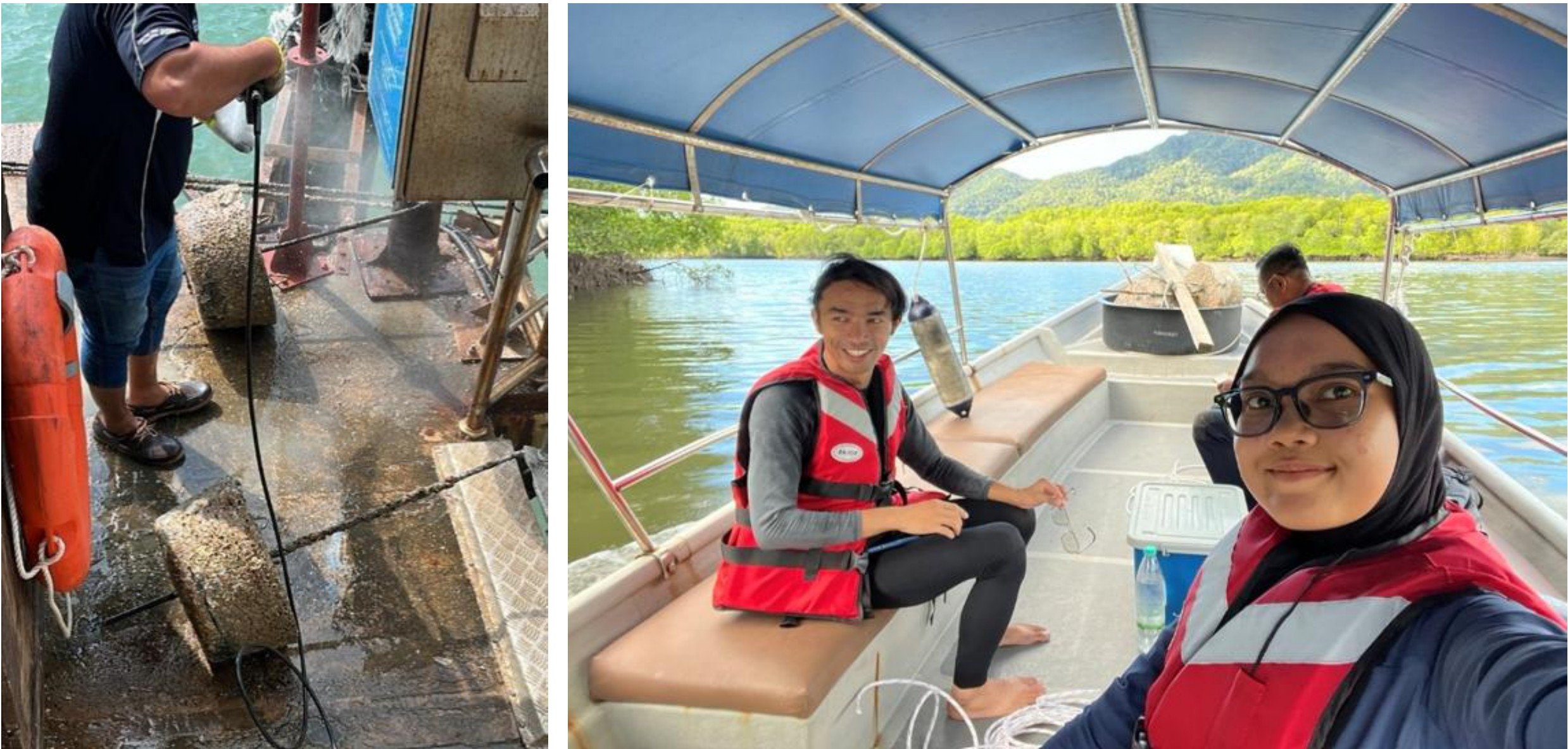
The recordings were scheduled over five consecutive days, with two HydroMoths deployed simultaneously to maximize the number of sites we could survey. To secure the HydroMoths underwater, we brought along two concrete blocks fitted with metal poles from CEMACS. These were previously used by another GAME team, and at the time, they seemed like the perfect solution. The concrete blocks were heavy, stable, and, most importantly, gave us peace of mind. We were worried about the HydroMoths moving with waves and currents, creating unwanted handling noise in the recordings. We were also concerned about the possibility of losing the devices whether due to storms, strong currents, or even someone discovering and taking them. But due to the seabed at Pulau Anak Datai being covered in rocks, corals and just life, it was difficult to position the blocks securely. The handling became a struggle, above and underwater.
No, we needed to adapt. Field work has a funny way of destroying the illusion of a thought through plan and pointing out every little flaw. We thought the original plan was fool proof. Turns out, it was not.
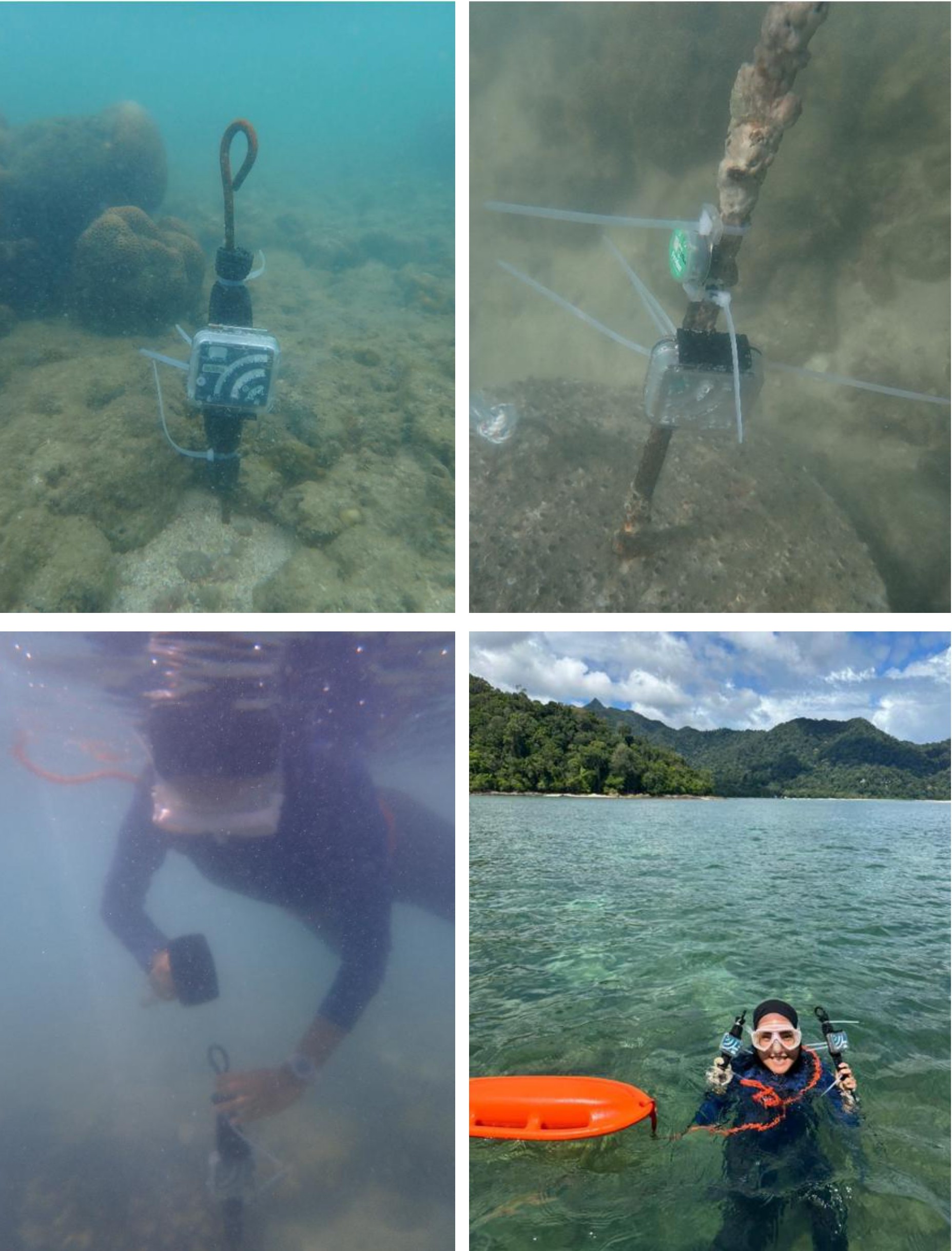
After surveying the area more closely and brainstorming some ideas, we purchased ~100 cm long metal poles, which we would simply hammer down into the ground between the corals. We then could attach the HydroMoths onto them. Fool proof, for real.
The new setup was lighter, easier to transport, quicker to deploy, and required only a fraction of the energy needed for the concrete blocks. What initially felt like a major setback showed us that flexibility and adaptability are the most important qualities during field work. And keeping a cool head, which can be the most difficult part.
Najwa is now owner of hours on end of the natural underwater soundscape in Langkawi. In order to actually use it as a playback, though, she has to listen, filter, crop and edit the recordings.
Every obstacle from searching for a truly natural soundscape to redesigning our deployment method became a lesson that no classroom could have taught. In the midst of our experiment, we are still learning to adapt, be patient with ourselves and stay curious about the processes and solutions that fieldwork demand. The ocean rarely follows our plans, but perhaps that is exactly what makes studying it so rewarding. Jumpa lagi! (See y’all!)
Barnacles, buoys and boat engines: researching the effects of underwater sound in Malaysia
When moon jellyfish gather in large numbers, the bloom is impossible to ignore. Hundreds or thousands of medusae can suddenly fill a bay or fjord. Because this swimming stage is so visible, it is often the focus of monitoring and research. But the familiar jellyfish is only one chapter in a much more complex life cycle. Before entering the open water, moon jellyfish can spend years as tiny polyps attached to rocks, algae or other hard surfaces on the seafloor. These polyps reproduce asexually and release young jellyfish when conditions are suitable. Our new study in Trondheimsfjorden, Norway, shows why this hidden stage deserves much more attention. The central finding is that the stage that moves the least may be the stage that gives a jellyfish population its greatest stability.
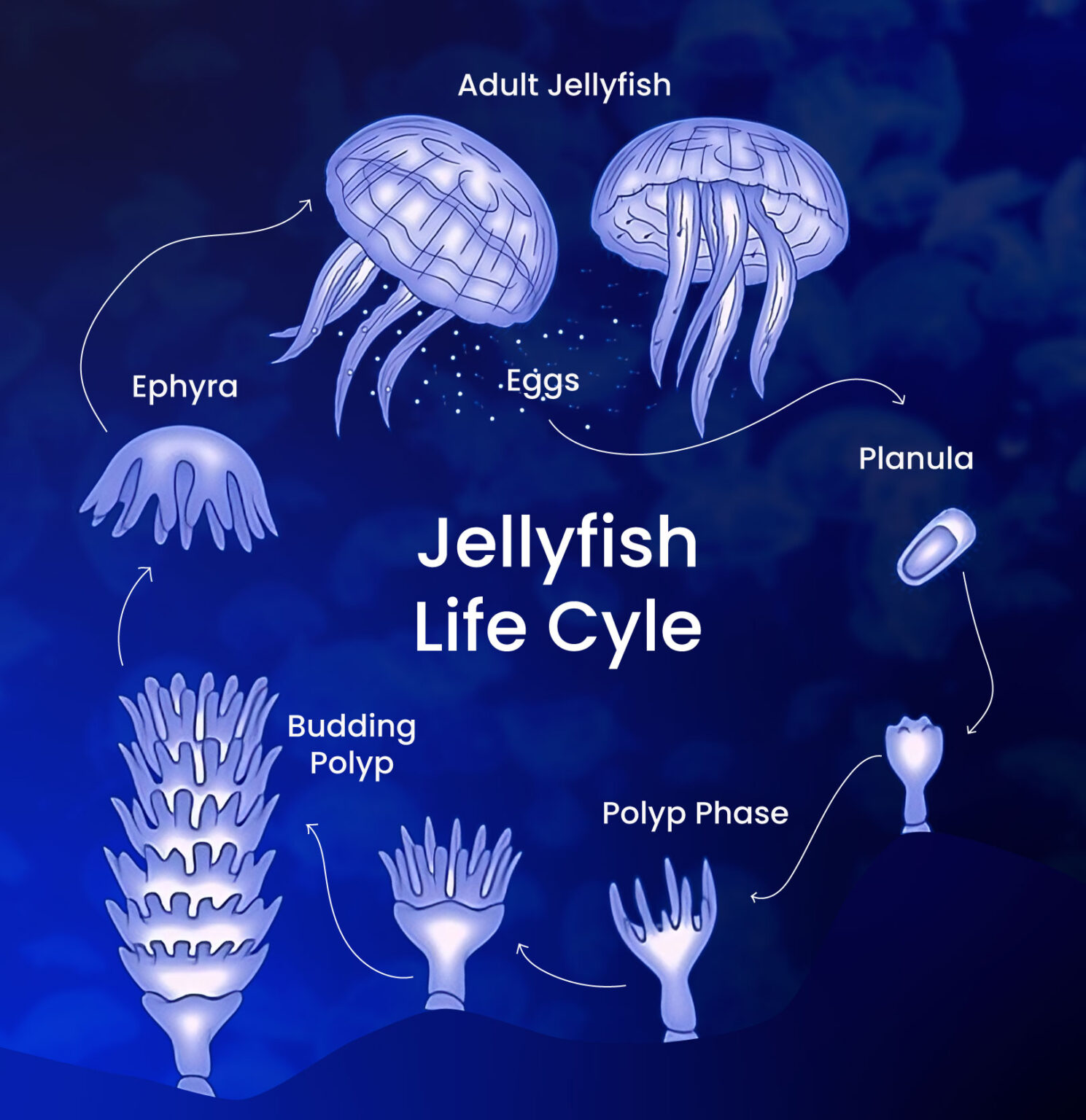
Image courtesy: https://sciencedigest.org/facts-about-jellyfish/
One animal two worlds
Moon jellyfish (Aurelia aurita) alternate between two contrasting habitats. Polyps remain attached to the seabed and can persist locally for years. Medusae live in the water column for a much shorter time and can be transported by currents across the fjord.
This creates an ecological puzzle. If medusae can travel widely, should populations throughout a fjord become genetically well mixed? Or can local structure survive because the stationary polyp stage retains diversity in particular places? Our new study in Trondheimsfjorden, Norway, shows that these hidden polyps may be crucial for maintaining genetic diversity. We combined field observations, genetic analyses of 572 samples and a model of movement through fjord currents. We found 70 genetic variants—and a striking difference between life stages.Polyps consistently held high genetic diversity. Medusae varied much more between places and years and were sometimes dominated by only a few variants. The polyps therefore appear to act like a biological seed bank: many possibilities remain stored out of sight, while each year’s conditions determine which ones emerge.
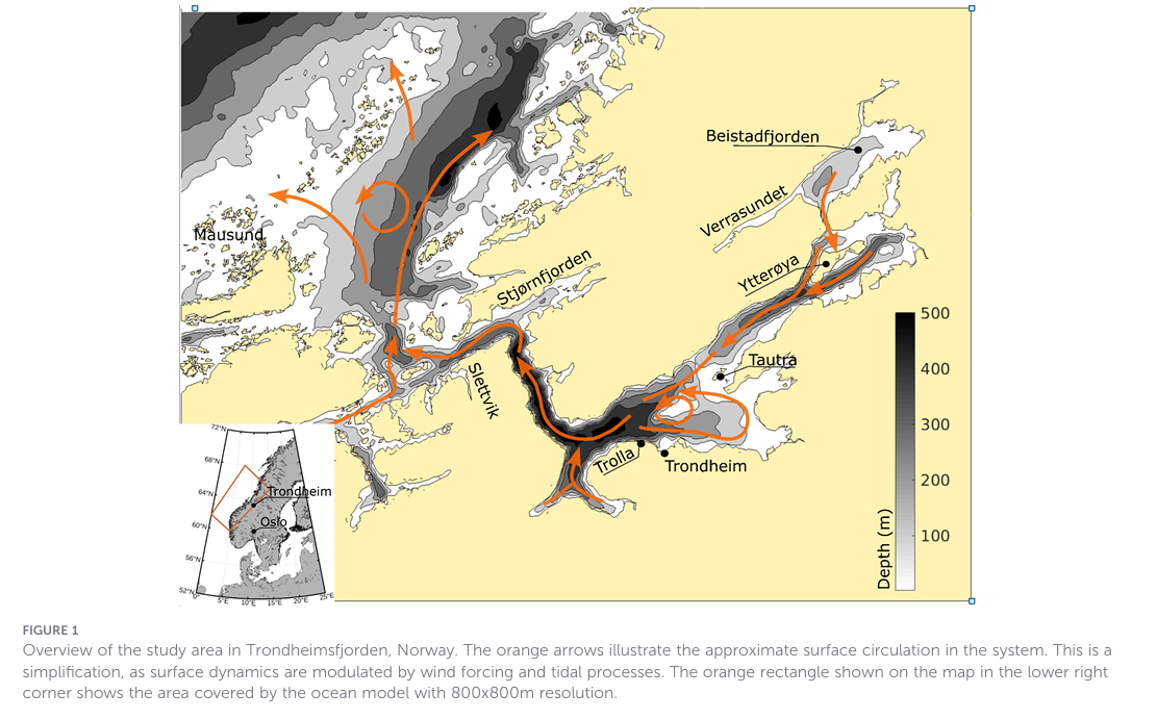
Currents alone could not explain the genetic patterns: the model predicted more mixing than was observed among medusae. Transport is therefore only part of the story. Local retention, temperature, food, survival and reproductive timing can filter which variants reach the visible stage.
This matters because jellyfish blooms affect food webs, fisheries, tourism and coastal infrastructure. Better forecasts will require more than counting medusae or following currents. We must also monitor polyp habitats and understand what controls transitions between life stages.
The wider lesson is simple: to understand the connectivity and resilience of marine organisms, we cannot study only the most visible, or most mobile part of their lives.
Paper: Majaneva, S., Ellingsen, I., Javidpour, J. and Aberle, N. (2026). Benthic life stages retain fjord-scale population structure despite pelagic dispersal. Frontiers in Marine Science, 13:1895768. https://doi.org/10.3389/fmars.2026.1895768
What do you think about when you hear the words “microplastic pollution?” Your mind may immediately go to imagery of colorful fragmented plastics broken off from bottles, buckets and other items we use in our everyday lives. Or, perhaps, you imagine a pile of microplastic fibers—the tiny, squiggly, spaghetti-shaped plastics that shed from our synthetic clothing. You may be surprised to hear there is another major source of microplastic pollution that’s hiding in plain sight, quite literally under our feet, that might change how you think about microplastics: tire particles.
We all know tires wear down over time—that’s why we have to replace them on our cars roughly every 60,000 miles or so. Every time a vehicle accelerates, brakes or simply drives down the road, the friction between its tires and the pavement creates tiny fragments of rubber, known as tire wear particles.
Driving a car or even riding in a bus is a bit like dragging an eraser across the planet, except the crumbs are microplastics. Toxic microplastics.
Tires are made from a complex mix of natural and synthetic rubber along with a range of additives, fillers and chemical compounds—some of which, like the preservative 6PPD, have been shown to be highly toxic to coho salmon when they break down into derivative product 6PPD-Q in the environment—even in tiny concentrations.
Some studies have shown that a single vehicle’s tires can emit more than two trillion particles per mile driven—and that the average person generates nearly two pounds of tire particles per year! Once these particles are shed from tires, they don’t just disappear. Some are small and light enough to become airborne, drifting away from roadways as dust. Others settle on road surfaces, where they accumulate until the next heavy rain washes them into storm drains and from there, into streams, rivers and eventually the ocean.
That’s why tire wear particles are now considered one of the top sources of microplastics to the environment. In fact, until recent developments in analytical methods, scientists weren’t reliably able to detect tire wear particles in microplastic counts—thus, these pesky microplastics may have been evading our detection for years.
Why green infrastructure may be one of our best near-term solutions
Unlike some sources of plastic pollution, we can’t simply stop driving overnight. Reformulating tire rubber to be less toxic or shed less material, while promising, will take time to develop, test and scale across the global vehicle fleet. So, what can we do about tire wear particle pollution right now?
This is where green infrastructure comes in. Green infrastructure refers to engineered natural systems (things like bioswales, rain gardens, roadside buffers and permeable pavement) that are designed to slow down, filter and treat stormwater before it reaches rivers, lakes and coastlines. Instead of routing runoff directly into storm drains and out to sea, green infrastructure gives contaminated water a chance to percolate through soil, plants and other natural filtration media, which helps trap microplastics, including tire wear particles, preventing them moving further downstream.
Early research on green infrastructure has been promising, showing that these systems are quite effective at capturing microplastics and other contaminants carried in road runoff. But there’s a critical piece we still don’t fully understand: What would it take to scale up green infrastructure across an entire city, and how much of a dent would that actually make in long-term tire wear particle pollution?
Our research on green infrastructure capture of tire wear particles
Funded by the Tire Industry Project, our plastics science and policy teams at Ocean Conservancy have partnered with the University of Toronto on a new study evaluating the costs and benefits of scaling up green infrastructure at the city level specifically to capture tire wear particles.
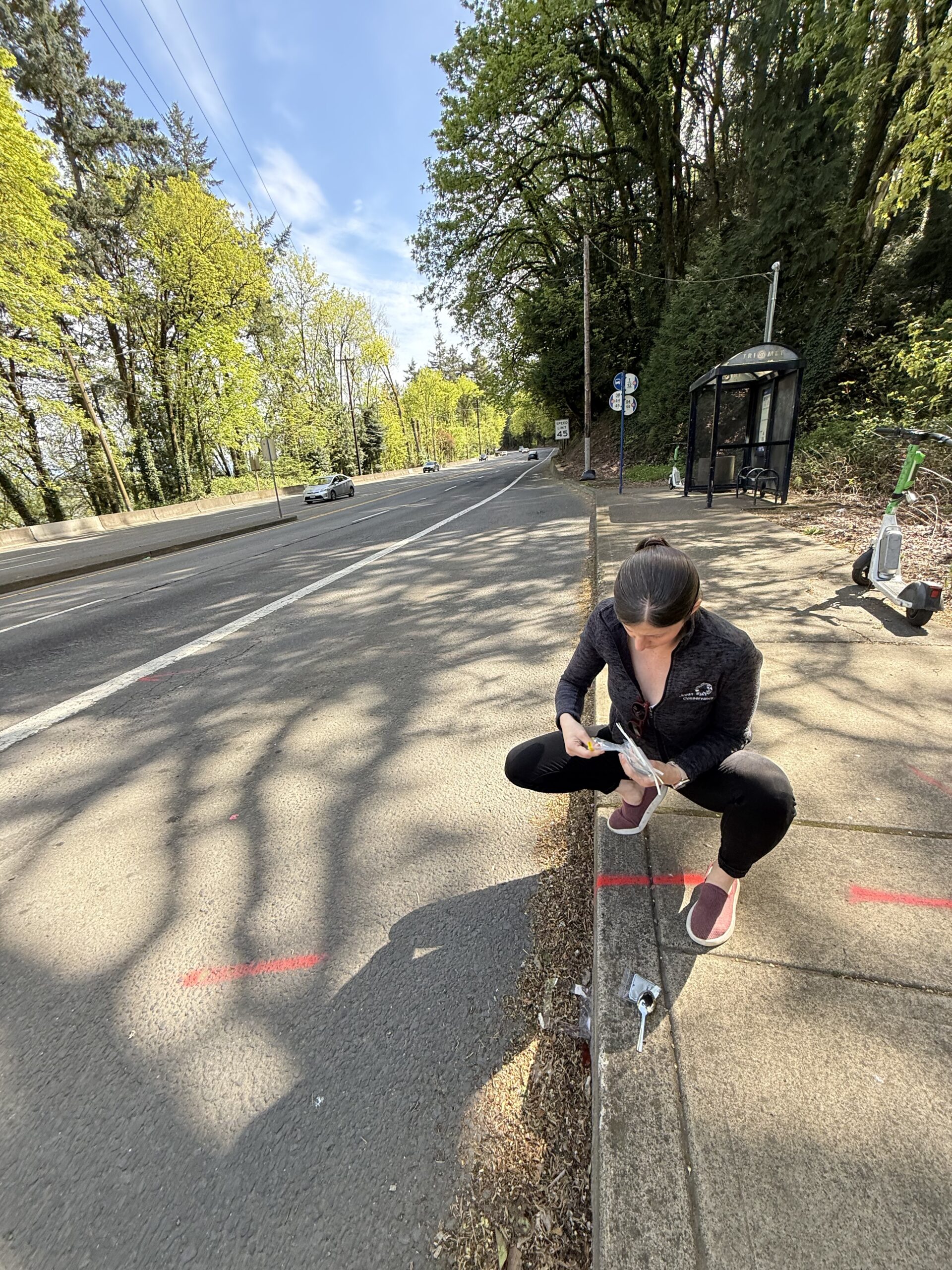
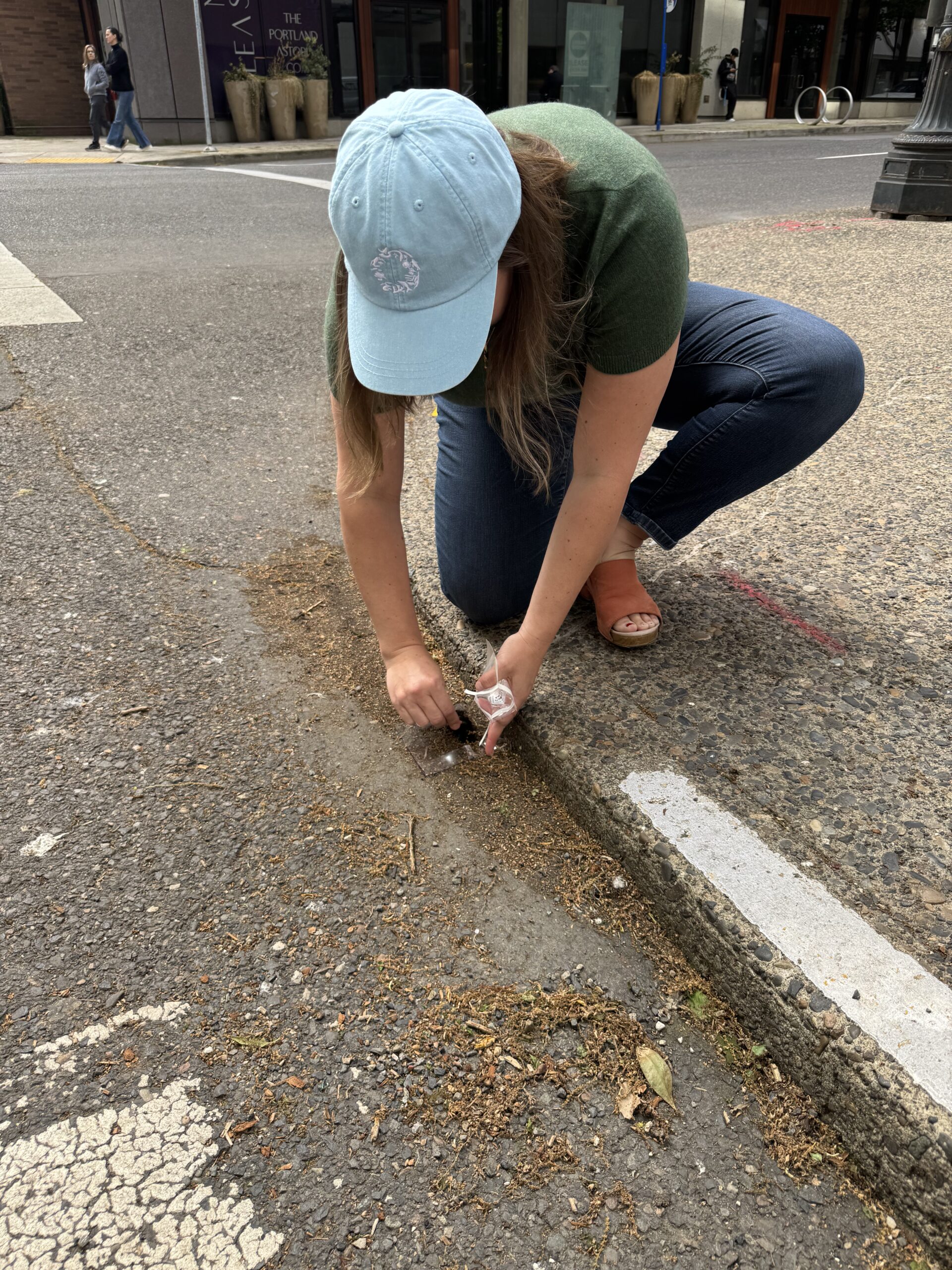
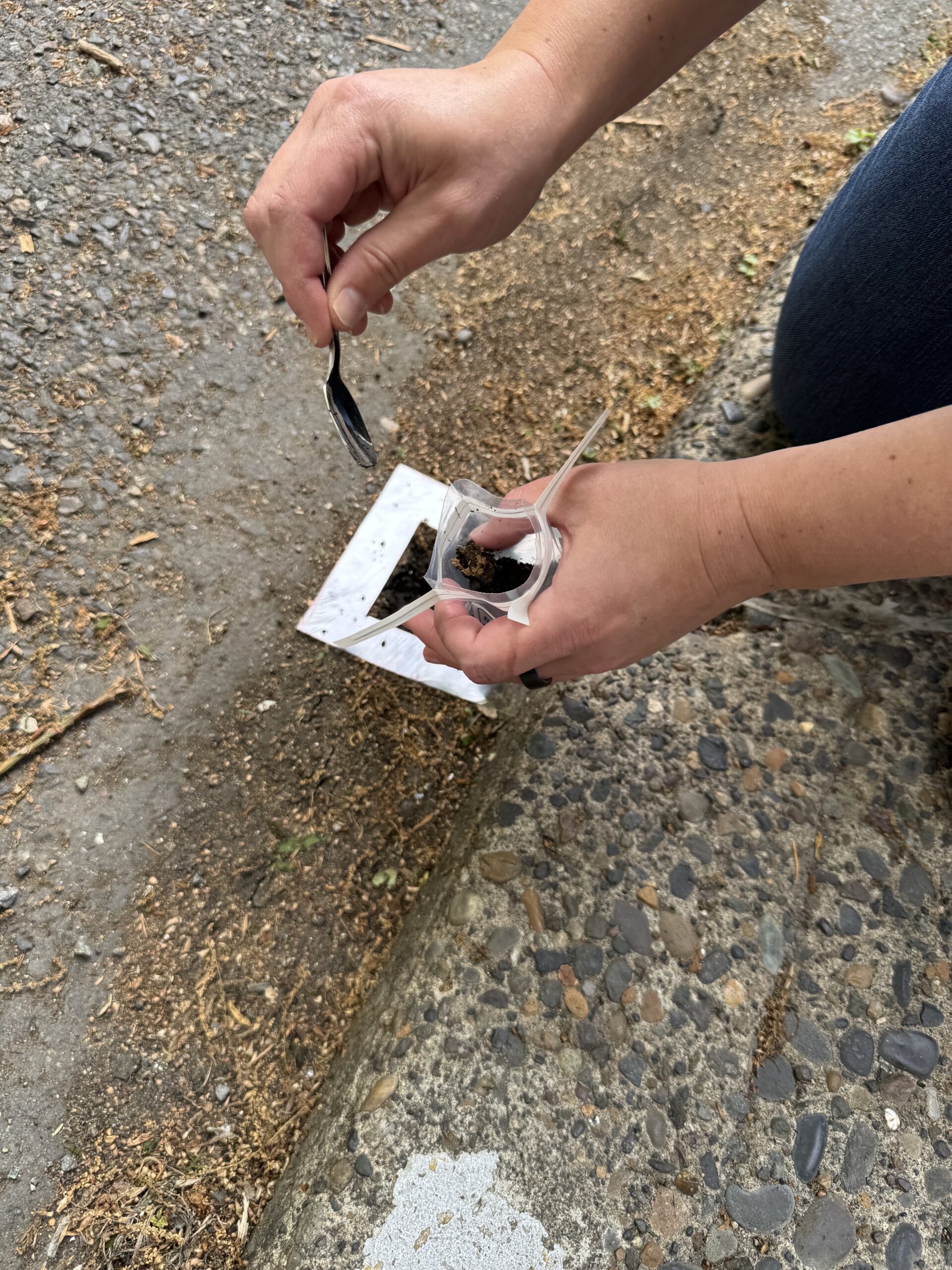
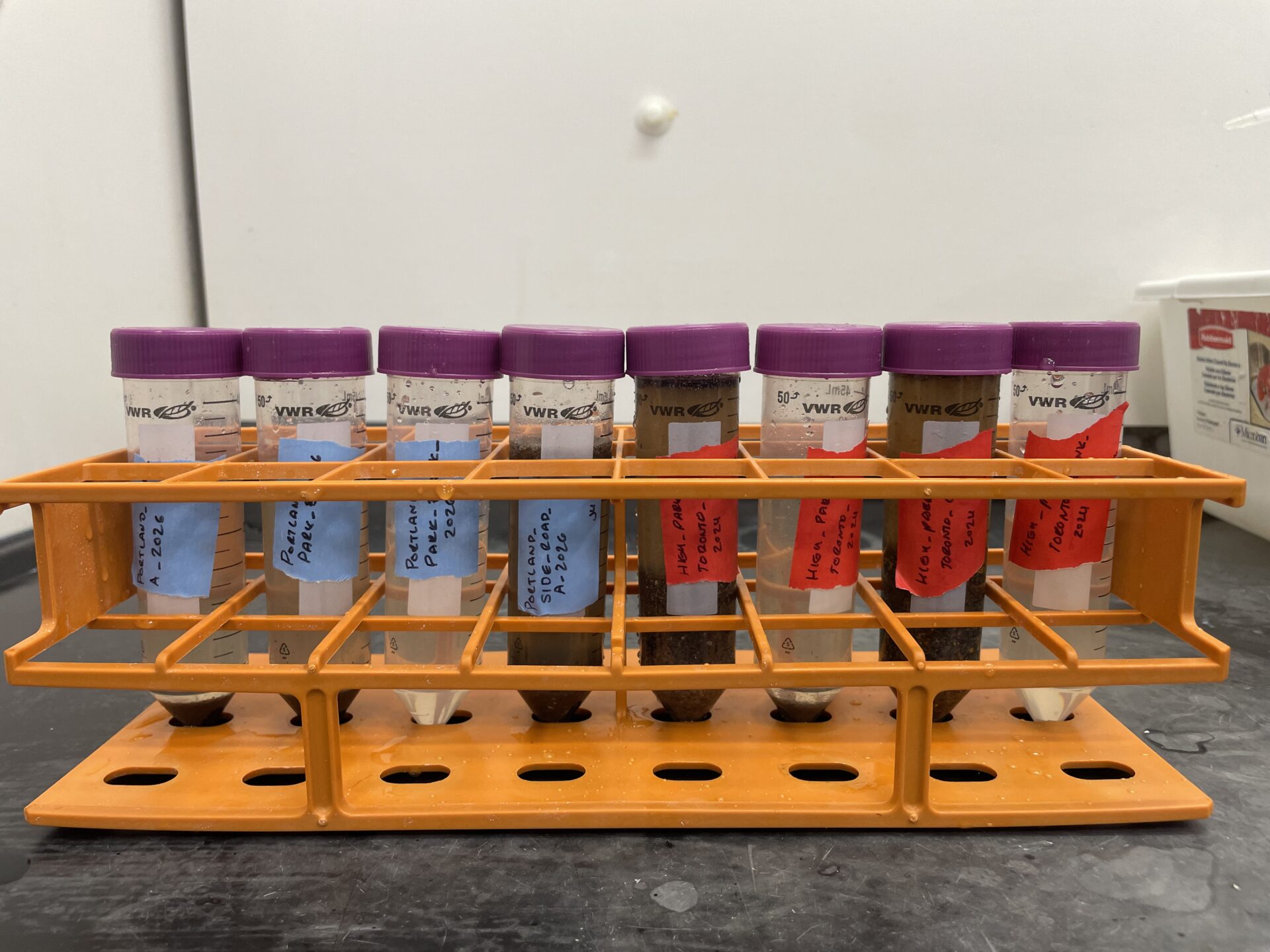
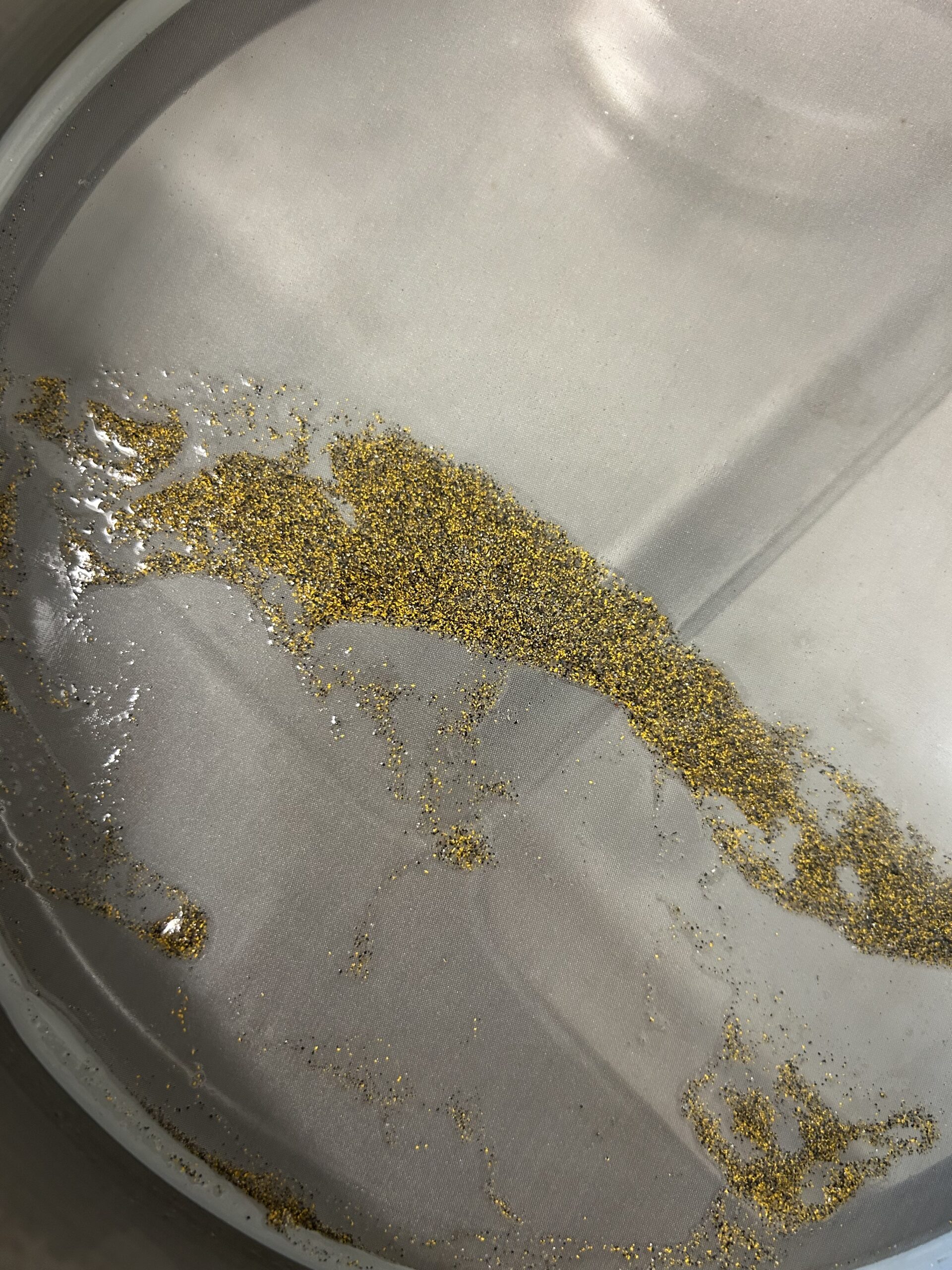
If you happen to be driving on the roadways of Portland, Oregon, you may spot our scientists crouched over, precariously scooping dirt with spoons from a sample area on the roadside. Don’t be alarmed—that’s just us doing science! Feel free to give us a wave.
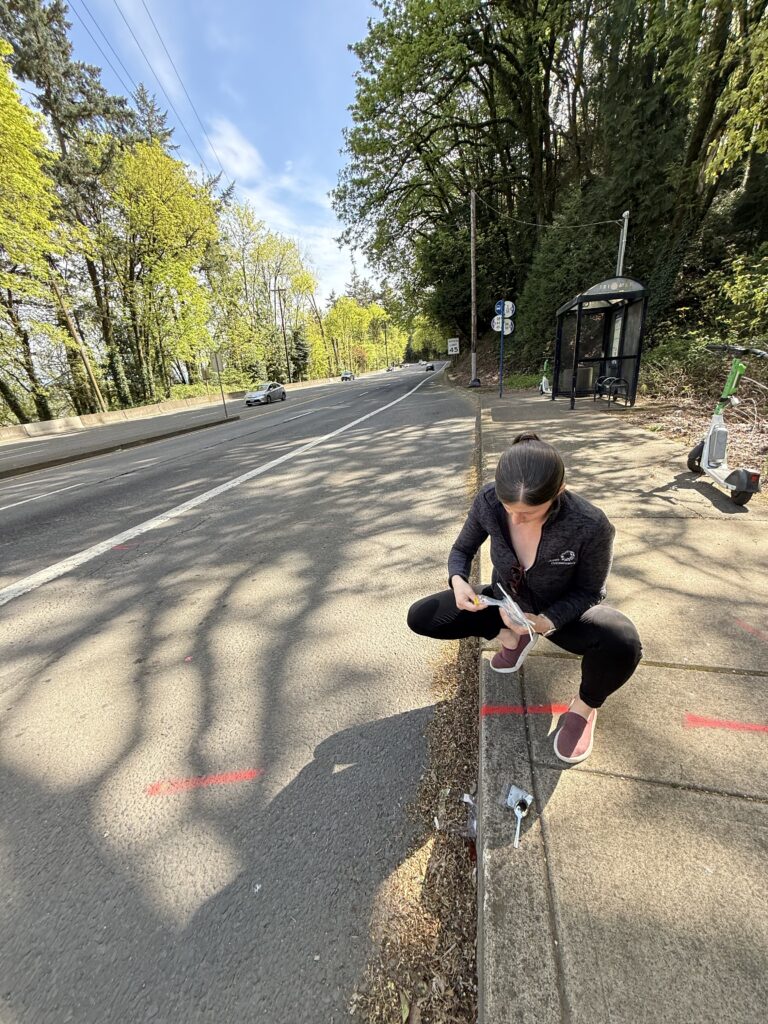
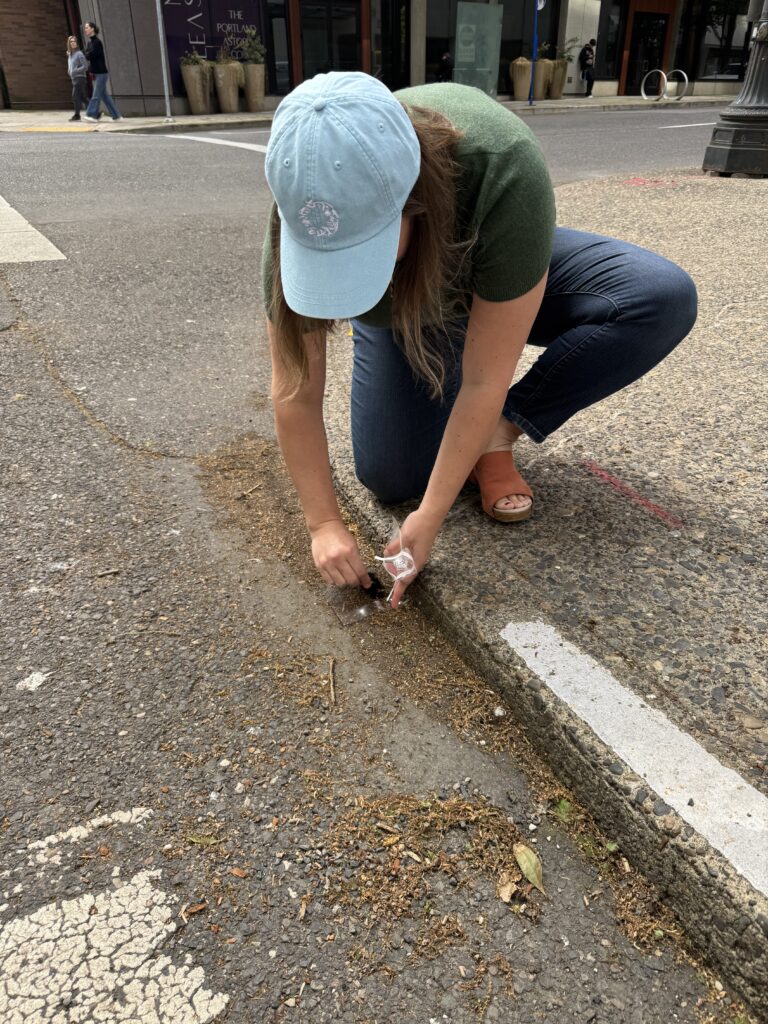
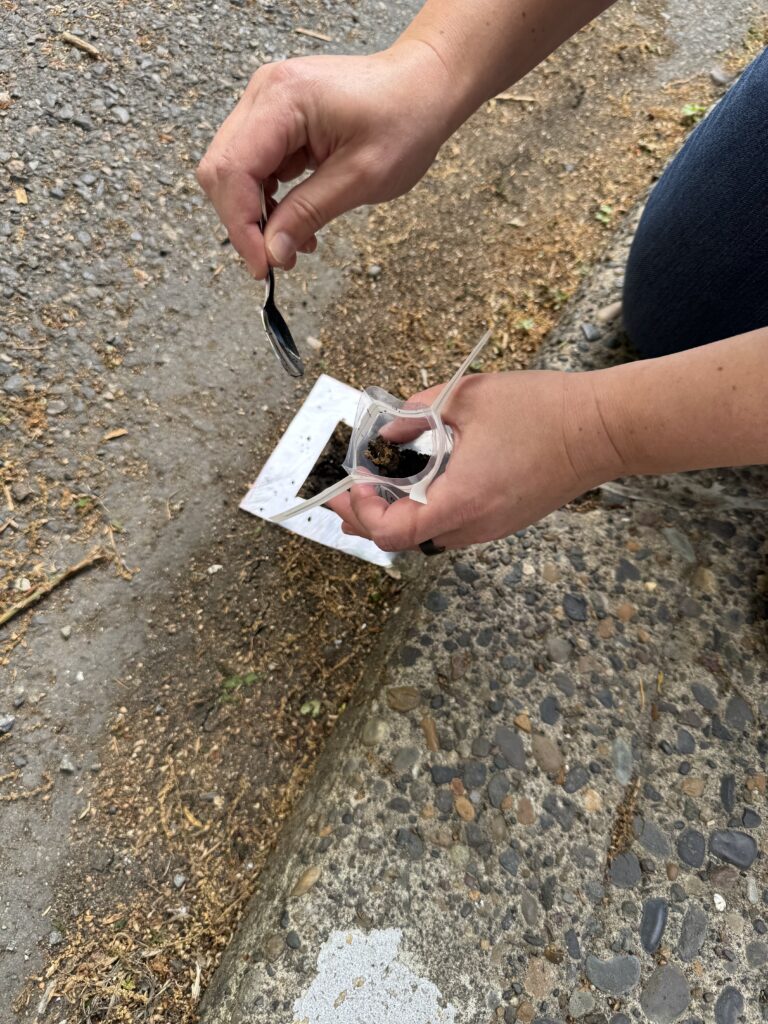
Ocean Conservancy is currently working to:
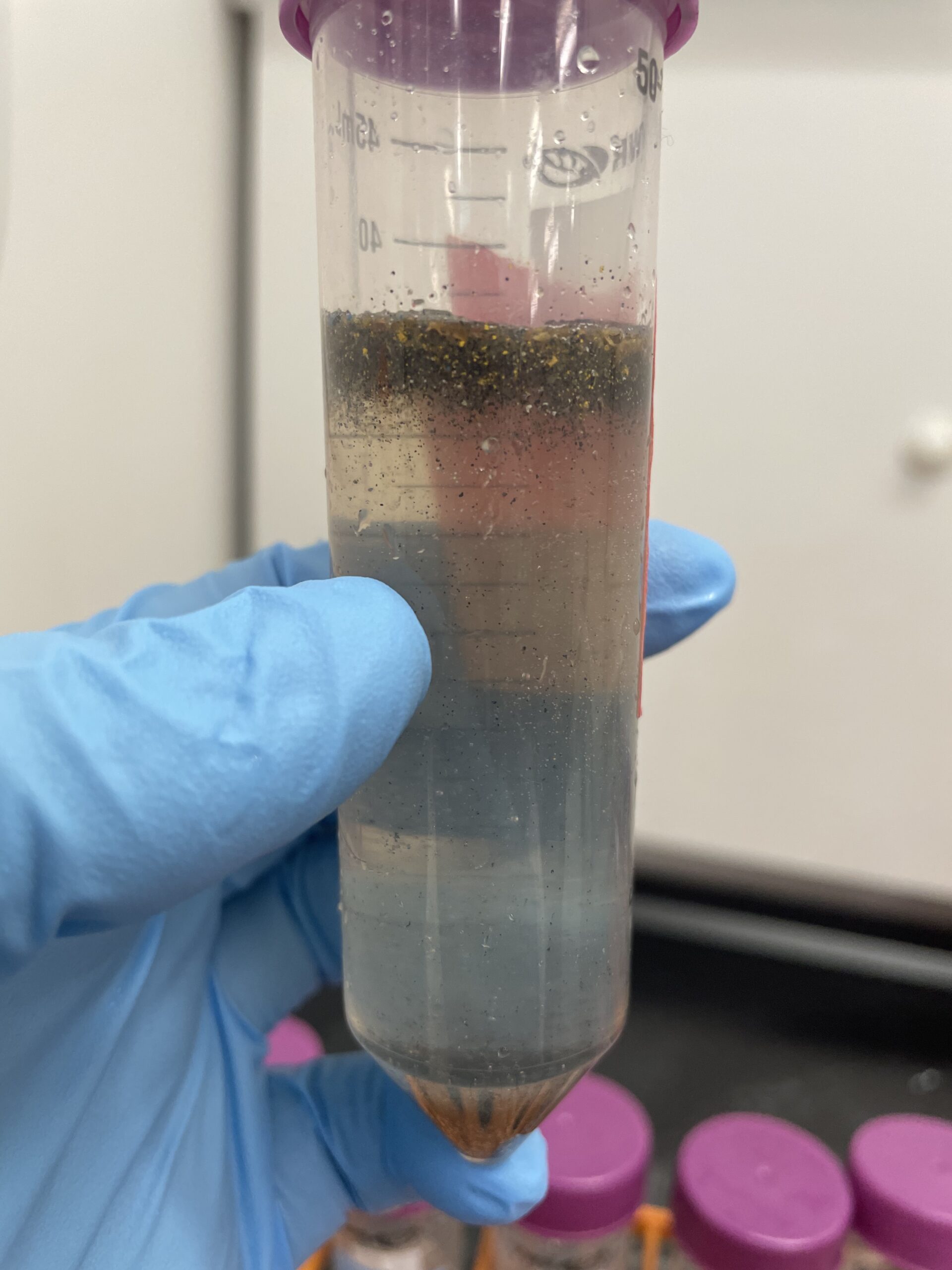
- Quantify the scale of pollution: Collect road dust samples from 30 cities globally to measure both total microplastic and tire wear particle concentrations and determine how different variables (population density, road size, rainfall) might influence those values.
- Assess feasibility: Determine what it would take realistically—logistically, financially and spatially—to scale up green infrastructure across an entire city.
- Model positive impacts: Estimate how much city-scale green infrastructure could reduce tire wear particle pollution entering aquatic ecosystems.
- Compare across cities: Understand how well these solutions might translate across different urban contexts, focusing on Portland, Oregon; Toronto, Canada; and London, England as case-study cities.
- Make our findings accessible: Produce a public-facing toolkit to help city planners, engineers and advocates guide real-world implementation of infrastructure that captures tire-wire particles.
By pairing rigorous science with practical guidance, we hope to help cities move from asking “Could this work?” to confidently building solutions that we know can be effective.
Give today and make a difference!
How can I help?
Tire wear particle pollution can feel like an overwhelming problem. After all, it’s tied to transportation, which most of us rely on every day. But that’s exactly why research like this matters: It gives us a real, near-term path forward that doesn’t require waiting for the entire global transportation system to change first.
You can help by staying engaged with Ocean Conservancy as we continue to dig into solutions for the plastic pollution crisis—one roadway, one storm drain and one city at a time. Together, we can keep working toward a world and ocean free of plastic pollution, forever and for everyone.
The post What are Tire Wear Particles? appeared first on Ocean Conservancy.



-
Climate Change1 year ago
Guest post: Why China is still building new coal – and when it might stop
-
Greenhouse Gases1 year ago
Guest post: Why China is still building new coal – and when it might stop
-

 Greenhouse Gases2 years ago
嘉宾来稿:满足中国增长的用电需求 光伏加储能“比新建煤电更实惠”
-

 Climate Change2 years ago
嘉宾来稿:满足中国增长的用电需求 光伏加储能“比新建煤电更实惠”
-
Climate Change2 years ago
Bill Discounting Climate Change in Florida’s Energy Policy Awaits DeSantis’ Approval
-

 Renewable Energy10 months ago
Sending Progressive Philanthropist George Soros to Prison?
-
Greenhouse Gases1 year ago
嘉宾来稿:探究火山喷发如何影响气候预测
-

 Carbon Footprint2 years ago
US SEC’s Climate Disclosure Rules Spur Renewed Interest in Carbon Credits