

First Solar has entered into two separate tax credit transfer agreements to sell $500M and up to $200M of 2023 Inflation Reduction Act Advanced Manufacturing Production tax credits to Fiserv, subject to satisfaction of certain conditions.
Under the terms of the agreements, Fiserv will pay $0.96 per $1 of tax credits to First Solar during the first half of next year, inclusive of fees and commissions paid by First Solar to the placement agent.
“This is the IRA delivering on its intent, which is to incentivize high value domestic manufacturing by providing manufacturers with the liquidity they need to reinvest in growth and innovation,” says Mark Widmar, First Solar CEO. “This agreement establishes an important precedent for the solar industry, confirming the marketability and value of Advanced Manufacturing Production tax credits.”
The tax credits result from the sale of PV solar modules produced this year by First Solar’s operational manufacturing footprint in the U.S. As a result of its vertical integration, First Solar is eligible for Advanced Manufacturing Production tax credits allowed for the production of PV wafers, cells, and modules under Section 45X of the IRA.
Citigroup Global Markets is the placement agent for First Solar on the transaction.
The post First Solar Enters Tax Credit Transfer Agreements With Fiserv appeared first on Solar Industry.
First Solar Enters Tax Credit Transfer Agreements With Fiserv

 The United States seems set on propelling itself backwards.
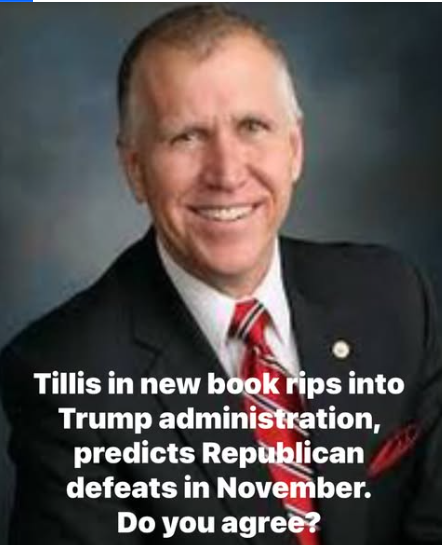 Maybe, as they say, “Hell has a special place reserved in it” for people like Thom Tillis, Republican Senator from North Carolina, who enabled Trump to rape and destroy the United States.
That was until it became clear to Tillis that he could jump ship, write a scathing book about the president, get all over mainstream news promoting it, and go on to enjoy another chapter of political success.
That we Americans are so stupid that we accept this blatant hypocrisy and criminality is sad proof that we’re not the people we were 20 years ago. Maybe what many people are saying are correct: we deserved what we got.
Here’s a short video from Elle Cordova that reminds us that science is something of a rarity in human history.
The great tyrants of history have done their best to cause the people they ruled to reject science, simply to ensure the masses are ignorant, terrified, superstitious, and thus easily controlled.
The current political administration is particularly engrossed in the rejection of science. I wonder why.



-
Climate Change1 year ago
Guest post: Why China is still building new coal – and when it might stop
-

 Greenhouse Gases2 years ago
嘉宾来稿:满足中国增长的用电需求 光伏加储能“比新建煤电更实惠”
-
Greenhouse Gases1 year ago
Guest post: Why China is still building new coal – and when it might stop
-

 Climate Change2 years ago
嘉宾来稿:满足中国增长的用电需求 光伏加储能“比新建煤电更实惠”
-

 Renewable Energy12 months ago
Sending Progressive Philanthropist George Soros to Prison?
-
Climate Change2 years ago
Bill Discounting Climate Change in Florida’s Energy Policy Awaits DeSantis’ Approval
-
Greenhouse Gases1 year ago
嘉宾来稿:探究火山喷发如何影响气候预测
-

 Climate Change2 years ago
Analysis: China’s CO2 falls 1% in Q2 2024 in first quarterly drop since Covid-19