


Sustainable Aviation Fuel
Definition of Algal Biofuel
Algal biofuel refers to a type of renewable fuel that is derived from algae, specifically microalgae or macroalgae (seaweed).
It is produced through the cultivation and harvesting of algae, followed by the extraction and conversion of their biomass into various forms of usable fuel.
Algae are photosynthetic organisms that can efficiently convert sunlight and carbon dioxide into energy-rich compounds through the process of photosynthesis. Certain types of algae, particularly microalgae, have a high lipid (oil) content, which can be extracted and processed to produce biofuels.
In the quest for renewable and sustainable energy sources, algal biofuels have emerged as a promising solution. Algae, microscopic photosynthetic organisms, possess the remarkable ability to convert sunlight and carbon dioxide into biomass and oils. This article explores the potential of algal biofuels, their production methods, benefits, and challenges, highlighting their role in achieving a cleaner and more sustainable energy future.
Algal Biofuel Production Methods
The production of algal biofuels typically involves the following steps:
Cultivation: Algae are grown in large-scale cultivation systems, such as open ponds, closed photobioreactors, or raceway ponds. They are provided with sunlight, water, nutrients, and carbon dioxide to facilitate their growth.
Harvesting: Once the algae have reached the desired density or lipid content, they are harvested. Various methods, such as centrifugation, filtration, flocculation, or sedimentation, are employed to separate the algae from the growth medium.
Extraction: The harvested algae biomass undergoes an extraction process to separate the lipids or oils from the rest of the biomass. Common extraction methods include mechanical pressing, solvent extraction, or supercritical fluid extraction.
Conversion: The extracted lipids can be processed through different conversion methods to produce biofuels. The most common approach is transesterification, where the lipids are reacted with alcohol (e.g., methanol) to produce biodiesel. Alternatively, the lipids can be processed through hydrothermal liquefaction, pyrolysis, or fermentation to produce bio-oil, biogas, or bioethanol, respectively.
Algal biofuels have gained attention as a potential renewable energy source due to several advantages. Algae can be grown on non-arable land, using wastewater or seawater, which minimizes competition with food production. They have a high growth rate and can yield a higher oil productivity per unit area compared to conventional oil crops. Algal biofuels also have the potential to reduce greenhouse gas emissions and dependence on fossil fuels.
However, there are still challenges to overcome in terms of improving the efficiency and scalability of algal cultivation, optimizing extraction methods, and addressing the economic viability of large-scale production. Ongoing research and technological advancements aim to further develop and commercialize algal biofuels as a sustainable and environmentally friendly alternative to traditional fossil fuels.
Benefits of Algal Biofuels:
High productivity: Algae can achieve significantly higher oil yields per unit area compared to traditional biofuel feedstocks. They have a rapid growth rate and can produce substantial amounts of biomass and oil in a short period.
Reduced environmental impact: Algal biofuels have the potential to reduce greenhouse gas emissions, as algae consume carbon dioxide during photosynthesis. Algae can also grow in wastewater or with the use of nutrient-rich effluents, thereby providing an opportunity for wastewater treatment and nutrient recycling.
Versatility: Algal biofuels can be processed into various types of fuels, including biodiesel, green gasoline, and renewable diesel, making them compatible with existing infrastructure and vehicles.
Potential for co-product generation: Algal biomass can serve as a valuable resource for the production of other products, such as animal feed, pharmaceuticals, cosmetics, and bio-based chemicals, creating additional revenue streams.
Challenges and Consideration for Algal Biofuel
Strain selection and cultivation: Identifying suitable algal strains with high oil content and optimizing their cultivation conditions remain important challenges. Researchers are actively exploring genetic engineering and selective breeding techniques to enhance productivity.
Cost-effectiveness and scalability: Algal biofuel production is currently more expensive compared to conventional fuels. Achieving cost reductions through improved cultivation systems, harvesting methods, and processing technologies is crucial for commercial viability.
Water and nutrient requirements: Algae cultivation requires a consistent supply of water and essential nutrients, such as nitrogen and phosphorus. Exploring sustainable sourcing options and efficient nutrient recycling systems are necessary to minimize environmental impacts and operational costs.
Land and resource use: Large-scale algae cultivation may require significant land area, potentially conflicting with other land uses. Utilizing non-arable land or exploring alternative cultivation methods, such as algae grown on floating structures or wastewater treatment facilities, can mitigate land use concerns.
Conclusion for Algae for a Sustainable Energy Future
Algal biofuels hold tremendous promise as a renewable and sustainable energy source.
Their high productivity, reduced environmental impact, versatility, and potential for co-product generation make them an attractive option for a cleaner energy future. Addressing challenges related to strain selection, cultivation techniques, cost-effectiveness, and resource management will pave the way for widespread adoption of algal biofuels. Continued research, development, and collaboration among scientists, industry, and policymakers are crucial for unlocking the full potential of algal biofuels and accelerating the transition to a more sustainable energy landscape.
In conclusion, algal biofuels hold great promise as a renewable energy source with numerous potential benefits. The cultivation and utilization of algae for biofuel production offer advantages such as high lipid content, rapid growth, and the ability to grow on non-arable land using wastewater or seawater. Algal biofuels have the potential to reduce greenhouse gas emissions, decrease dependence on fossil fuels, and contribute to a more sustainable energy future.
However, several challenges need to be addressed to fully realize the potential of algal biofuels. These include improving the efficiency and scalability of algal cultivation systems, optimizing extraction and conversion processes, and addressing the economic viability of large-scale production. Ongoing research and development efforts are focused on overcoming these challenges and advancing the commercialization of algal biofuels.
Despite the challenges, the continued exploration of algal biofuels holds promise for creating a more sustainable and environmentally friendly energy system. As technology advances and our understanding of algae biology and cultivation techniques improves, algal biofuels may play an increasingly significant role in the transition to a low-carbon future. By harnessing the power of algae, we can potentially reduce greenhouse gas emissions, promote energy security, and pave the way for a greener and more sustainable world.
https://www.exaputra.com/2023/05/algae-for-sustainable-energy-future.html




 I met a guy today from a rural part of Central England–“nothing but farms and pubs,” as he put it. His father was an epidemiologist working for the United Nations, and so, as a boy, he lived all over the world and grew up largely in developing countries that suffered from horrific diseases.
He and his wife had the conversation one would expect from such people:
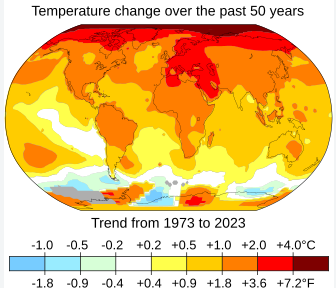
- Why are we so content to ignore climate change that is ruining our planet?
- Why are people so indifferent to the suffering of others?
- How is it possible that billionaires expect to live well here on Earth while 99.9% of us suffering with wildfires, devastating storms, blistering heat, losses of landmasses, and desertification?
- At the end of the day, is money really that precious?
Obviously, not everyone thinks this way, but to be in something of a “lovefest” for just a few minutes was a great relief.
relief.
 I may have mentioned that I’m lucky enough to be a part of a group of boyhood friends from our prep school in Philadelphia that meets monthly on Zoom.
Yesterday the question came up as to how our political beliefs are formed, and the group found my input somewhat shocking.
First, from what I can understand from neurologists, our brains are “wired” to function in certain ways. Via some combination of genetics, epigenetics, and early experiences, we are incapable of looking at the world in a fundamentally different way than we do now. I am no more capable of being a Trump supporter than I am of starting as quarterback in the NFL or memorizing the first 22K digits of pi, the way certain savants can.
This is validated by studies showing that our political philosophies are shaped by the way our brains fire under certain circumstances. When experimental subjects were hooked up to electronics that monitored their brain activities were shown pictures that depict certain threats, the results from self-described “liberals” and “conservatives” differed considerably. When shown photographs of kittens and mountain ranges, both groups processed those images in the same regions of the brain. But when shown photographs of snakes and tarantulas, conservatives were far more likely to process these images through the amygdala, the “fight-or-flight,” or “reptile” brain that kicks in when we interpret something as a danger to our survival.
I’m not losing my mind about immigration into the U.S.; I’m unconvinced that hordes of immigrants from our south or the Muslims from the Mideast are destroying our nation.
Why is that? My brain is wired to doubt it. For whatever reason, I’m more inclined to think that I’m one of 8 billion people on this planet that have almost identical goals and ideals. We all want to survive, to love our children, to be productive and responsible human beings, and to appreciate beauty.
On top of that, I’m a follower of Sam Harris, neuroscientist, author, and philosopher, whose work has shown that free will is an illusion. He points to a study whose findings are that, when we make up our minds in an instant to do a certain thing, say lift our finger from a table at a certain point of our choice, that our brains have made that decision a full half-second before.
Needless to say, there is a ton more to understand here about Sam Harris and his work on this subject. I urge readers to take that step forward.
Weather Guard Lightning Tech

Nordex Invests in Türkiye, Vestas Wins First V182 Order
Allen covers Nordex’s Türkiye expansion, Chinese turbine makers seeking European partners, Vestas’ first V182 order, and two Pennsylvania repowers.
The Uptime Wind Energy Podcast is brought to you by Weather Guard Lightning Tech, creators of the StrikeTape Ultra LPS retrofit. Subscribe to Uptime’s Substack newsletter. And check out Rosemary’s “Engineering with Rosie” Youtube channel. Have a question we can answer on the show? Email us!



-
Climate Change1 year ago
Guest post: Why China is still building new coal – and when it might stop
-

 Greenhouse Gases2 years ago
嘉宾来稿:满足中国增长的用电需求 光伏加储能“比新建煤电更实惠”
-
Greenhouse Gases1 year ago
Guest post: Why China is still building new coal – and when it might stop
-

 Climate Change2 years ago
嘉宾来稿:满足中国增长的用电需求 光伏加储能“比新建煤电更实惠”
-

 Renewable Energy11 months ago
Sending Progressive Philanthropist George Soros to Prison?
-
Climate Change2 years ago
Bill Discounting Climate Change in Florida’s Energy Policy Awaits DeSantis’ Approval
-
Greenhouse Gases1 year ago
嘉宾来稿:探究火山喷发如何影响气候预测
-

 Climate Change2 years ago
Analysis: China’s CO2 falls 1% in Q2 2024 in first quarterly drop since Covid-19