

Just like fashion has been overrun by fast fashion, home goods and furniture have similarly seen a rapid decline in quality. Rugs are no exception.
And similar to fashion, these cheap goods come at a high cost — namely, to the planet and to people. In fact carpet and rug production is rampant with child labor and trafficked labor.
On the other hand, fair trade rugs present the best of what a rug can bring to your home: artistry, craftsmanship, and heritage.
The brands featured in this guide are partnering with (and fairly paying!) skilled artisans who are using generations-old — and sometimes even centuries-old — techniques. These artisans are sustaining long lines of crafts, preserving their cultural diversity, and celebrating the richness of their time-honored crafts.
There’s simply no replacement for a timeless, quality artisan-made rug — they’re like pieces of art you can lay out on your floor or hang on your walls.
So, enjoy browsing through this guide to sustainable rug brands listed out below and best of luck on your search for the right fair trade rug!
The Best Sustainable and Fair Trade Rugs
Note that this guide includes affiliates and partners. As always, brands must meet high standards for ethics and sustainability to be featured and all opinions are my own.
1. Kiliim
If you’re well-versed in rug terminology, you may recognize that this brand’s name looks similar to the word kilim. Kiliim’s rug are made using authentic, well, kilim rug craftsmanship by artisans in Egypt coming from generations of kilim artisans. To ensure ethical production and to support the preservation of this heritage craft, Kiliim pays living wages to all artisans.
Price Range: $ – $$$
Conscious Qualities: Ethical Production, Heritage Craft Preservation, Natural Fibers
Categories: Area Rugs, Accent Rugs

2. The Citizenry
If you’re browsing for fair trade rugs, but looking for a more minimalist or neutral aesthetic, look no further than The Citizenry.
The brand’s natural, handmade rugs — made by artisans working in fair trade conditions — feature striking prints but more subtle colors. Next to each product page you’ll be able to learn more about the workshop and the artisans behind that piece.
Price Range: $$$
Conscious Qualities: Fair Trade, Natural Fibers, Craft Preservation
Categories: Area Rugs

3. MINNA
MINNA’s elegantly designed, ethically made home textiles feature unique textures and geometric patterns woven by master artisans and weavers.
The brand’s fair trade rugs are made entirely from natural fibers like cotton and wool by artisans who set their own wages and work in small co-operatives.
Price Range: $$$
Conscious Qualities: Fair Trade, Traditional Techniques, Natural Fibers, LGBTQIA+-Owned
Categories: Area Rugs

4. Urban Natural
This natural home and lifestyle retailer has a beautifully curated selection of sustainably-made rugs crafted with materials like jute, sisal, wool, and cotton.
Several brands on Urban Natural are also ethically hand-loomed or hand-knotted, such as Loloi — a GoodWeave partner — and Jaipur Living — a brand that partners with thousands of local artisans to sustain heritage crafts.
Price Range: $$+
Conscious Qualities: Eco-Conscious Materials
Categories: Outdoor Rugs, Area Rugs, Accent Rugs

5. Zuahaza
Each of Zuahaza’s artisan-made rugs is creatively designed with unique patterns and expertly handwoven by weavers in Colombia. Zuahaza’s captivating rugs are made from sustainably-sourced fique, a natural fiber from Colombia that is similar to hemp. And, just like hemp, fique requires little water to grow and is rarely attacked by pests (meaning fique is always grown organically without chemical pesticides).
Price Range: $$ – $$$
Conscious Qualities: Organic Fibers & Natural Dyes, Cultural Preservation, BIPOC-Owned
Categories: Area Rugs, Runner Rugs, Accent Rugs

6. Sabai
Known for their affordable sustainable sofas, Sabai now offers versatile eco-friendly rugs in a range of warm cozy colors.
Sabai’s all-natural textured rugs are crafted from jute and wool in North Carolina by skilled rug makers. They are one of the few companies to manufacture their rugs in the US!
You can also add on a Sabai rug pad for further comfort and durability.
Price Range: $$
Conscious Qualities: BIPOC-Owned, Natural Fibers, Domestically Produced
Categories: Area Rugs, Accent Rugs

7. LOOMY
Founded by a weaver, LOOMY is dedicated to making beautiful, non-toxic rugs that will last for decades to come.
LOOMY partners with highly-skilled artisan weavers who craft quality rugs made from eco-minded materials like banana silk, jute, and recycled cotton built to withstand whatever life brings you.
Price Range: $$ – $$$
Conscious Qualities: Eco & Non-Toxic Materials, Craft Preservation
Categories: Area Rugs, Accent Rugs, Runners, Outdoor Rugs
8. Parachute
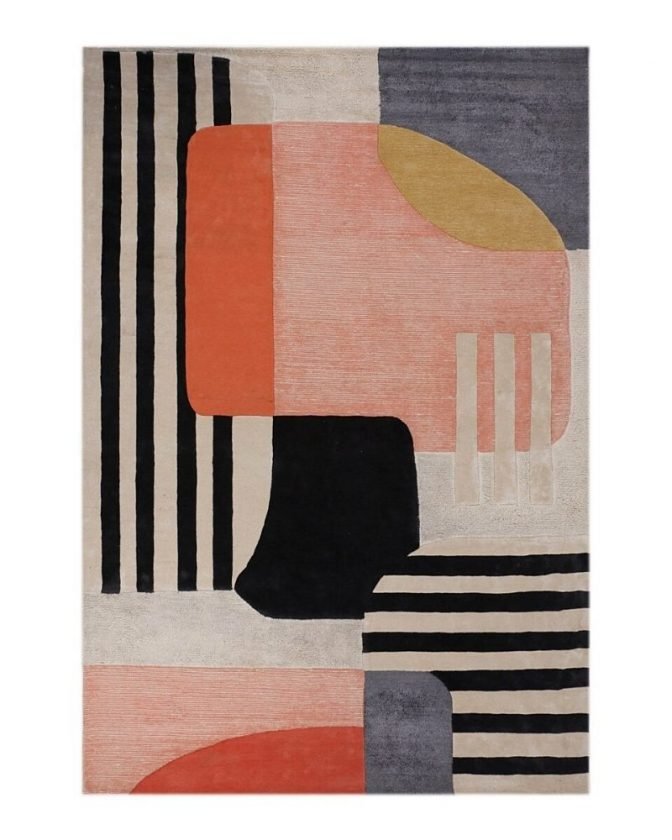
Complete your non-toxic home with one of Parachute’s textured artisan-made rugs. From geometric flatweave rugs for a contemporary aesthetic to handbraided wool for a timeless cozy vibe, Parachute has something for every one and every home.
Parachute’s rugs are made in a heritage textiles factory committed to ethical and environmentally responsible production.
Price Range: $$ – $$$
Conscious Qualities: Fair Production, Natural Materials
Categories: Area Rugs, Accent Rugs

9. Leah Singh
Leah Singh’s designs are a reflection of the designer’s background, growing up surrounded by the rich artistry of India and studying at Parsons amidst the structural, minimal lines of New York. All of the brand’s rugs are made by artisans in India who use embroidery, weaving, and printing techniques native to their respective regions.
Price Range: $$ – $$$
Conscious Qualities: BIPOC-Owned, Ethical Production, Cultural Preservation
Categories: Area Rugs, Accent Rugs, Runners

10. The Ninevites
The Ninevites creates more than artisan-made rugs and textiles — the Black-owned home brand’s pieces also tell the story “of Black culture and unheard voices” and celebrates “age-old traditions in a modern context.” The brand’s boldly patterned and vividly colored rugs are handcrafted by artisans in South Africa and Peru using South-African grown mohair and Peruvian sheep wool.
Price Range: $$ – $$$$
Conscious Qualities: BIPOC-Owned, Cultural Celebration & Preservation, Local Natural Fibers
Categories: Area Rugs, Accent Rugs (also offers custom sizes)

11. West Elm
West Elm is bringing ethical rugs to a broader market with their collection of Fair Trade Certified wool and cotton rugs. While I recommend browsing the smaller shops listed above first, West Elm is supporting the movement to responsibly-made, fair trade rugs.
Price Range: $$$
Conscious Qualities: Fair Trade production, Majority Natural Materials
Categories: Area Rugs, Accent Rugs

Liked this guide to sustainable rugs? You might also enjoy:
Ethical Home Decor Brands to Curate a Beautiful, Conscious Space
Eco-Friendly Furniture to Furnish Your Home Sustainably
Fair Trade and Eco-Friendly Blankets to Cozy Up With
The post 11 Best Sustainable Fair Trade Rugs to Elevate Your Space appeared first on Conscious Life & Style.

Just like fashion has been overrun by fast fashion, home goods and furniture have similarly seen a rapid decline in quality. Rugs are no exception.
And similar to fashion, these cheap goods come at a high cost — namely, to the planet and to people. In fact carpet and rug production is rampant with exploitation.
On the other hand, fair trade rugs present the best of what a rug can bring to your home: artistry, craftsmanship, and heritage.
The brands featured in this guide are partnering with (and fairly paying!) skilled artisans who are using generations-old — and sometimes even centuries-old — techniques. These artisans are sustaining long lines of crafts, preserving their cultural diversity, and celebrating the richness of their time-honored crafts.
There’s simply no replacement for a timeless, quality artisan-made rug — they’re like pieces of art you can lay out on your floor or hang on your walls.
So, enjoy browsing through this guide to sustainable rug brands listed out below and best of luck on your search for the right fair trade rug!
Where to Find Ethical and Fair Trade Rugs
Note that this guide includes affiliates and partners. As always, brands must meet high standards for ethics and sustainability to be featured and all opinions are my own.
1. Obakki
Best for: warm-hued handwoven wool rugs
Categories: Area Rugs, Runners, Accent Rugs
Obakki partners with artisan weavers primarily in Oaxaca, Mexico — including individual makers like José — who hand-dyes and weaves rugs on a traditional pedal loom using locally sourced sheep’s wool and natural dyes derived from native plants. The brand also works with Rrres Design Studio, a Latin American studio dedicated to preserving traditional Oaxacan weaving techniques, and sources handwoven textiles from artisan communities beyond Mexico as well, including Morocco.
Each rug is made from 100% wool with no synthetic dyes or backing. Most pieces are made-to-order with a 4-8 week production window, shipped directly from the artisan partners.
Price Range: $460 – $4,159
Conscious Qualities: Natural Fibers, Natural Dyes, Craft Preservation
2. Kiliim
Best for: modern wool kilim rugs
Categories: Area Rugs, Accent Rugs
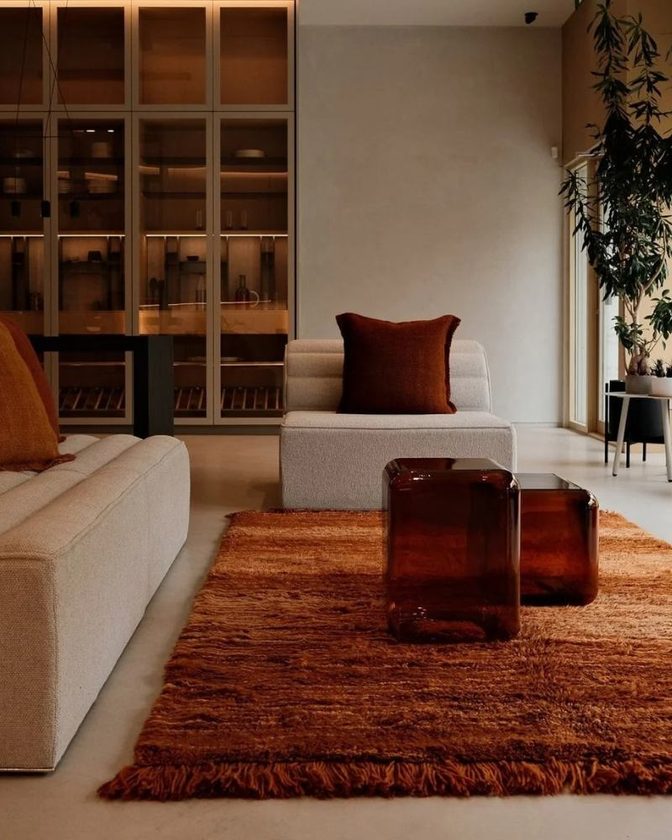
If you’re well-versed in rug terminology, you may recognize that this brand’s name looks similar to the word kilim.
Kiliim’s rug are made using authentic kilim rug craftsmanship by artisans in Egypt coming from generations of kilim artisans. To ensure ethical production and to support the preservation of this heritage craft, Kiliim pays living wages to all artisans.
Price Range: $95 – $4,812
Conscious Qualities: Ethical Production, Heritage Craft Preservation, Natural Fibers
3. Urban Natural
Best for: browsing fair trade rugs in lots of styles and sizes
Categories: Outdoor, Area Rugs, and Accent Rugs
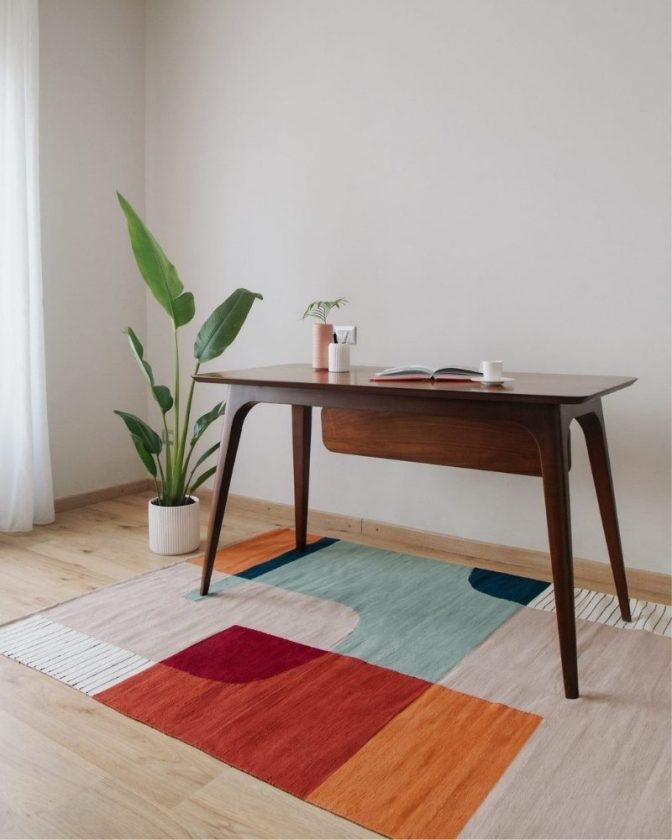
This natural home and lifestyle retailer has a beautifully curated selection of sustainably-made rugs crafted with materials like jute, sisal, wool, and cotton.
Several brands on Urban Natural are also ethically hand-loomed or hand-knotted, such as Loloi — a GoodWeave partner — and Jaipur Living — a brand that partners with thousands of local artisans to sustain heritage crafts.
Price Range: $259 – $9,755
Conscious Qualities: Eco-Conscious Materials
4. LOOMY
Best for: pet-friendly and performance rugs
Categories: Area Rugs, Accent Rugs, Runners, Outdoor Rugs
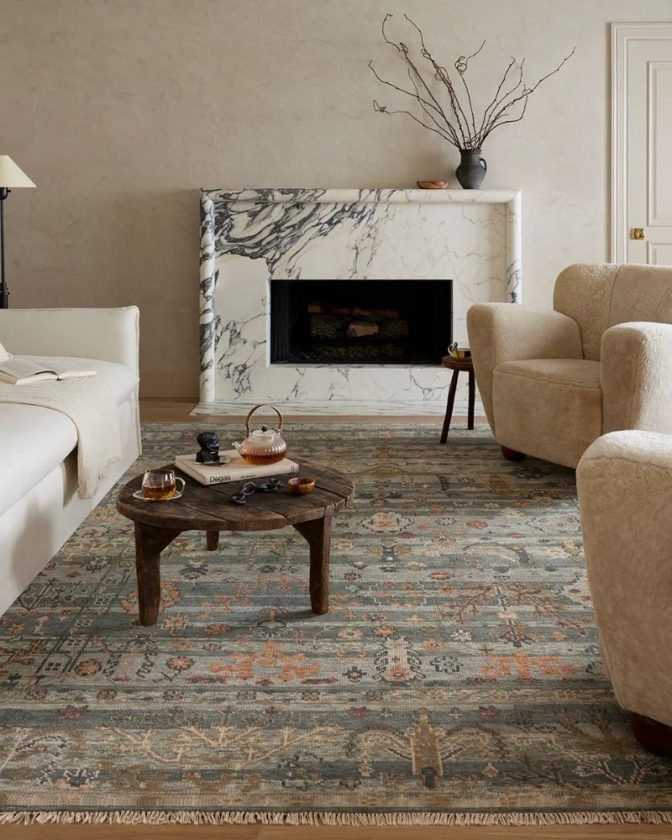
Founded by a weaver, LOOMY is dedicated to crafting beautiful artisan-made rugs that will last for decades to come.
LOOMY partners with highly-skilled artisan weavers who craft quality rugs made from eco-minded materials like banana silk, jute, and recycled cotton, plus performance options made from 100% recycled polyester built to withstand whatever life brings you.
Price Range: $298 – $8,298
Conscious Qualities: Natural Fibers, Craft Preservation, Vintage Options
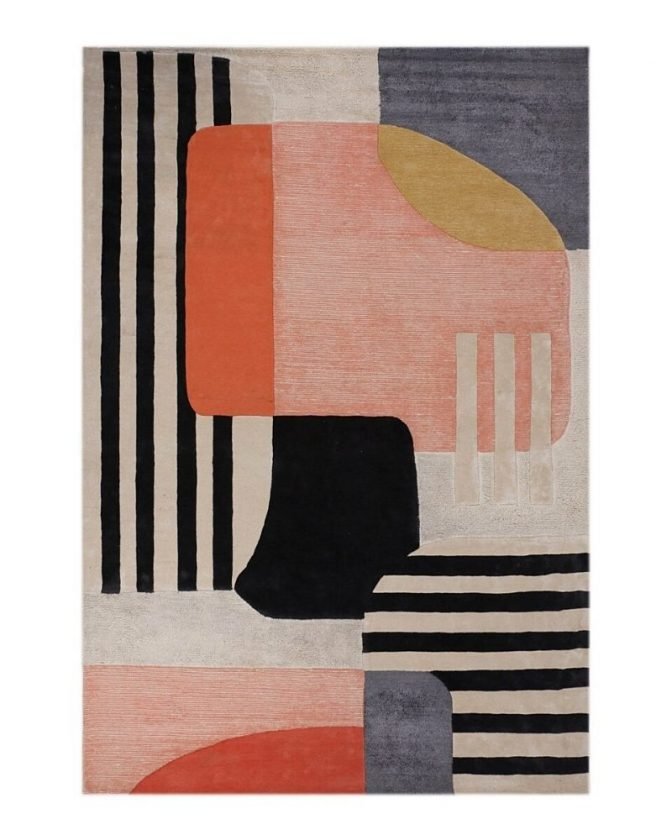
5. West Elm
Best for: fair trade rugs in on-trend mainstream styles
Categories: Area Rugs, Accent Rugs
West Elm is bringing ethical rugs to a broader market with their collection of Fair Trade Certified wool and cotton rugs. While I recommend browsing the smaller shops listed above first, West Elm is supporting the movement to responsibly-made, fair trade rugs.
Price Range: $$$
Conscious Qualities: Fair Trade production, Majority Natural Materials
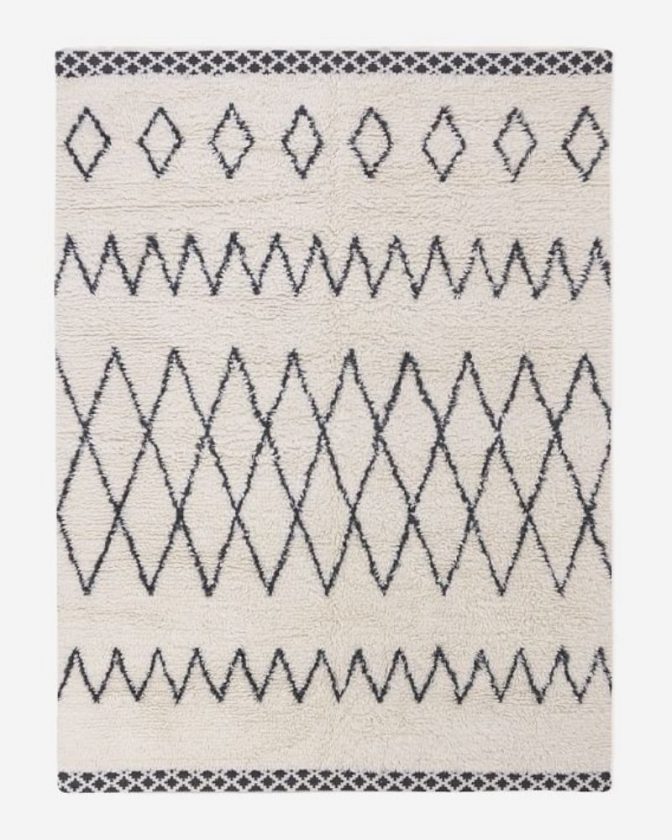
6. Jubi
Best for: Modern rugs in vibrant prints
Categories: Accent Rugs, Circle Rugs, Runners
Jubi is a Brooklyn studio founded by textile designer Cassie Dagostino. Every rug is handmade from New Zealand wool by fourth-generation weaving families in Bhadohi, India using traditional techniques. Each rug is made-to-order, meaning no excess stock. Since everything is made to order, expect between 3 and 7 weeks for your rug, depending on the technique used.
Conscious Qualities: Pays Above Market Rates, 100% Wool, Made-to-Order
Price Range: $228 – $668
Shipping: Free worldwide shipping
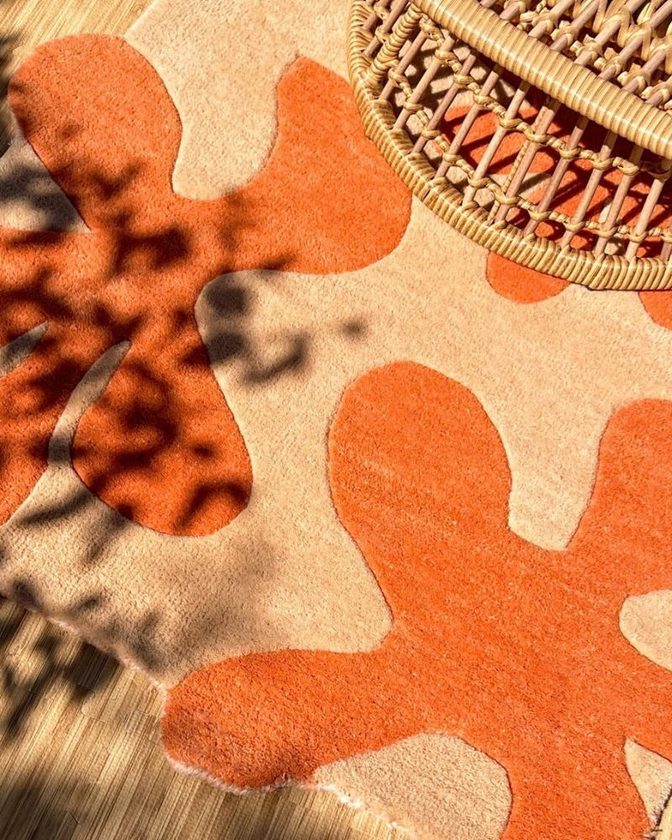
7. Rejuvenation
Best for: Classic rug styles made in Fair Trade factories
Categories: Accent Rugs, Runners, Area Rugs
Home retailer Rejuvenation has a selection of rugs made in Fair Trade Certified factories. Their collection includes undyed hand-loomed rugs to geometric flatwoven wool rugs. And while I’d typically avoid synthetics, it tends to be unavoidable for outdoor rugs — so Rejuvenation’s Fair Trade 100% recycled poly rug is a good option.
Conscious Qualities: Fair Trade Certified, Mostly Natural Materials
Price Range: $79 – $1,649
Shipping: Contiguous U.S. shipping for 10% of product price (add $20 for HI, AK, and US. territorries)
Liked this guide to ethical rugs? You might also enjoy:
Ethical Home Decor Brands to Curate a Beautiful, Conscious Space
Eco-Friendly Furniture to Furnish Your Home Sustainably
Fair Trade and Eco-Friendly Blankets to Cozy Up With
The post 5 Best Ethical Fair Trade Rugs to Elevate Your Space appeared first on Conscious Life & Style.