Whether the family is sitting down for dinner in the kitchen or you and your roommates are marathoning Netflix in the living room, the sustainable tables from these brands will be your new gathering places for enjoying meals, drinks, and conversations together.
The sustainable table brands featured in this guide have furniture for any of your living and dining places:
- Dining tables,
- Side tables,
- Nightstands,
- Coffee tables, and
- Bar tables.
But first, you might be wondering: what is a sustainable table anyway?
What to Look for in a Sustainable Table
The word “sustainable” is used frequently and in so many different contexts that it can be difficult to pinpoint what exactly sustainable means.
That said, here are some key elements to consider when looking for your next coffee table, dining table, or desk.
Eco-Friendly Materials
When it comes to eco-friendly tables, wood is the most common material used because it’s a natural, renewable, and durable material that works with nearly any room or interior design style.
Note: If you find a brand that uses engineered wood or pressed wood, make sure to look on their website or ask about what adhesives are used. These products are often made from wood pieces that are bond together with glue that contains formaldehyde, which the EPA classifies as a “probable human carcinogen”.
Here’s what to look for to ensure sustainably-sourced wood:
- Reclaimed Wood. Using existing resources reduces waste and the need to cut down additional trees. Plus, reclaimed wood — especialcan add authentic character to your table!
- FSC-certified. The Forest Stewardship Council’s certification is the most widely used verification for responsible forestry practices. Just like any other large certification, the FSC seal is not perfect but can be an additional seal of approval to look for.
- Traceability. Look to see if the brand can tell you where the wood was sourced from. Usually, smaller furniture brands will be able to have more transparency and traceability of their supply chain!
- Local sourcing. Locally-sourced wood (from native or climate-appropriate trees) is preferable because sourcing locally reduces emissions from transportation.
Zero-VOC or Low-VOC Finishes
Similar to paints, finishes can contain Volatile Organic Compounds (VOCs). Not only do VOCs create environmental hazards like air pollution and smog but they also pollute your indoor air too.
According to the EPA, health impacts of VOCs include:
- Eye, nose, and throat irritations
- Headaches and nausea
- Damage to the liver, kidney, and central nervous system
- Some VOCs are also known or suspected carcinogens
All too often we think of environmental sustainability as something separate from ourselves — something “out there in nature”.
But as with so many aspects of sustainability, what’s healthy for the environment is also often healthy for us as well — humans are, in fact, part of the environment. That’s why this sustainable table guide only includes non-toxic tables, too.
Other Sustainability Initiatives
Some other initiatives to look for from sustainable table brands include:
- Use of renewable energy to power their operations or the purchase of renewable energy credits to offset fossil fuel energy use.
- Take-back and/or repair programs to extend the life of their tables.
- Quality manufacturing that ensures durable products built to last.
- Trustworthy tree planting projects, especially if the company uses wood for their products.
Where to Find Sustainable Tables
Just as with fashion, looking secondhand first is a great way to find eco-friendly furniture at a more affordable price. Check out your local flea markets, secondhand stores, and keep an eye out for estate sales.
For online secondhand options, check out:
If you’re looking for a new eco-friendly table made from responsibly-sourced or reclaimed materials, take a look at the brands below!
Disclaimer: This guide includes affiliate links and partners, but as always all brands are vetted rigorously for sustainability and are brands we love, that we think you’ll love too
Best for Dining Tables: Medley

Medley uses only FSC-certified walnut or maple hardwood for their solid wood eco-friendly dining tables and accent tables. Each table is finished with an all-natural furniture polish that consists of just beeswax, carnauba wax, and olive oil. And every table, just like the rest of Medley’s furnishings, is made in their own workshop in Los Angeles.
Conscious Qualities: FSC-Certified Wood, Transparent Local Production, Non-Toxic Finishes, Plants Trees
Price Range: Side tables start at $745 | Dining tables start at $2995
Best Luxury Sustainable Tables: Maiden Home

Maiden Home is a woman-founded furniture brand that produces all of their furniture made-to-order in North Carolina, which is, as the brand explains, “home to the world’s premier furniture craftsmen”.
And all of their wood furniture — like their sustainable dining tables, coffee tables, benches, and ottomans — is made from responsibly sourced hardwood that meets the standards of the Sustainable Forestry Initiative.
This is heritage furniture build to last generations — and as a direct to consumer brand, Maiden Home can create luxury quality furniture at a fraction of typical luxury furniture prices.
Conscious Qualities: Made to Order, USA Made, Woman-Founded, Solid Wood
Price Range: Side tables start at $775 | Dining tables start at $2450
Best for Side Tables: Avocado

Founded as a non-toxic mattress brand, Avocado has now expanded into a variety of sustainable and non-toxic furniture like beds, dressers, and of course tables.
Their collection of eco-friendly tables includes accent tables, nightstands, side tables, benches & stools, and a beautiful zero waste coffee table. Every table is made to order in the company’s Los Angeles woodshop from either reclaimed wood, FSC-Certified solid wood, or even 100% upcycled wood (which is not particleboard or fiberboard).
The Sustainable Furnishings Council member also uses non-toxic finishes and glues, like zero-VOC stain and safe odorless glues. And, Avocado offsets more than 100% of their emissions and has several product- factory- and company-level certifications of note.
Conscious Qualities: Made-To-Order In Avocado’s Own LA Woodshop; Uses Reclaimed and Sustainably-Sourced Materials; Non-Toxic Finishes; Renewable Energy-Powered Operations
Price Range: Side tables start at $329
Best Sustainability Practices: Sylvan Craft

Perhaps you’ve heard of slow fashion or slow food — well Sylvan Craft is the epitome of slow furniture with their “Forest to Table” approach.
Sylvan Craft’s heirloom-quality tables (and other furniture) are all crafted with care from solid wood by their Amish business partner. And it’s not just any wood — this is wood that was sourced from Sylvan Craft’s own sustainably managed forest. Since their entire process from harvest to finished furniture takes place within a 5 mile radius, this “hyper-local” business also boasts a small carbon footprint and impressive average 8-10 week lead times on delivery. Blanket-wrapped shipping also minimizes packaging waste.
On a mission to preserve and restore forests through sustainable forestry and land management, Sylvan Craft has a meticulous forest management plan that centers on forest health. They employ selective harvesting (i.e. prioritizing damaged or dead trees for their wood), plant a variety of tree species to promote forest biodiversity, and use low-impact timber removal practices instead of heavy machinery.
Sylvan Craft’s selection of sustainably-crafted tables includes end tables, sofa tables, coffee tables, dining tables, and benches.
Conscious Qualities: Sustainable Forestry Management, Hyper-Local, Traceable Supply Chain, Heirloom Quality, VOC-Free Finish Option
Price Range: Side tables start at $525
Best for Durability: Emeco

Handcrafted in their own factory near Lancaster, Pennsylvania, Emeco’s minimalist sustainable tables are made to pass commercial-grade standards, ensuring they’ll be pieces for decades (if not generations!) to come.
The brand uses sustainably-harvested ash or reclaimed accoya wood and recycled aluminum to create their industrial-chic pieces. Many of their pieces are Cradle to Cradle Gold Certified, and are free of toxic chemicals like VOCs and formaldehyde.
One major bonus of Emeco’s sturdy eco-friendly tables? Most of them are suitable for outdoor use too. (Check out more sustainable outdoor furniture in this guide.)
Conscious Qualities: Sustainably-Sourced and Recycled Materials, Crafted in the Pennsylvania, Contract Grade Quality
Price Range: Tables start at $1740
Best for Outdoor Tables: Masaya & Co

Originally founded as a reforestation project, Masaya & Co. is a mission-driven sustainable furniture company planting 100 trees (yes, you read that number right!) in Nicaragua for every product sold. The company partners with local Nicaraguan designers and craftspeople to produce their sustainably-made furniture. The hardwoods are dried on-site in solar kilns and finished with water-based low-VOC finishes.
Conscious Qualities: Traceable Sourcing, Reforestation Projects, Small Batch
Price Range: Side tables start at $145 | Dining tables start at $1395
Best For Extendable Sustainable Tables: Copeland

If you’re looking for an eco-friendly dining table with a bit more flexibility, Copeland is going to be your best bet. The sustainable furniture company has solid wood tables in walnut, oak, and cherry wood available with leafs. Some table styles even have a double leaf extension for accommodating extra large dinner parties.
Copeland’s furniture is made-to-order in Bradford, Vermont and the company sources most of their wood within 500 miles of the factory. Speaking of Copeland’s factory, the brand doesn’t stop at sourcing sustainable materials but also has a solar array installed on the factory’s property and uses wood waste to heat the building. And the tables are low-toxic with a GREENGUARD certified finish.
Conscious Qualities: Domestically Sourced Hardwood, Made in the US, Made-to-Order, Durable, GREENGUARD Certified Finishes
Price Range: Side tables start at $508 | Dining tables start at $850
Check out Copeland @ Urban Natural
Best Artisan-Made Accent Tables: The Citizenry

The Citizenry has the most beautiful artisan tables ideal for completing your natural cozy minimalist aesthetic or adding an earthy touch to your bold boho living room. The brand has sustainable coffee tables made from natural rattan and eco friendly nightstands made from hinoki or mindi wood.
Every single product sold on The Citizenry is handcrafted in a fair trade environment, and their natural non-toxic tables are no exception. Most of this retailer’s sustainable side tables and coffee tables selection was made in Indonesia by artisans using traditional crafts.
Conscious Qualities: Artisan-Made, Fair Trade, Cultural Preservation, Natural Materials
Price Range: Starts at $349
Best Non-Toxic Coffee Table: Savvy Rest

Non-toxic furniture brand Savvy Rest has a simple timeless coffee table made in Central Virginia from solid wood. Each table is made with responsibly-sourced maple — a durable yet lightweight hardwood — and is available unfinished or in a variety of zero-VOC finishes: linseed oil, walnut, cedar, or mahogany.
Conscious Qualities: Zero-VOC Finishes, Local Production, Sustainably-Sourced Wood
Price Range: $779+ for coffee table
Use code CONSCIOUSSTYLE20 for 20% off all products on Savvy Rest!
What About More Affordable Sustainable Tables?
When looking for affordable sustainable furniture, we always recommend checking secondhand first! Try estate sales, garage sales, local resale shops, or online platforms like FB Marketplace and OfferUp.
If you’d like to find a new table or just can’t seem to find what you’re looking for used, here are a couple options to check out.
Affordable Dining Table: Adyn

Adyn’s Center Table is a versatile piece that can function as a dining room, desk, or even a vanity table or minimalist console table. And the company reports that it can be assembled and reassembled in just minutes.
Committed to responsible sourcing, 100% of the wood Adyn uses is from one single wood mill in Oregon. The legs are made from steel and there are a few options for your table top. You can select from natural / white maple, which is finished with a FSC-certified White Maple veneer or laminate, which is made with partially post-consumer recycled materials. The laminates Adyn uses are made in the US and have sustainability certifications like GREENGUARD Gold, NSF, and SCS.
*Note: we typically recommend solid wood furniture; Adyn reports that their plywood is free of UF (urea-formaldehyde) adhesives.
Conscious Qualities: Responsibly-Sourced Materials, Made in Oregon, FSC-Certified Wood
Price Range: $1000 – $1800
Affordable Coffee Table: Sabai
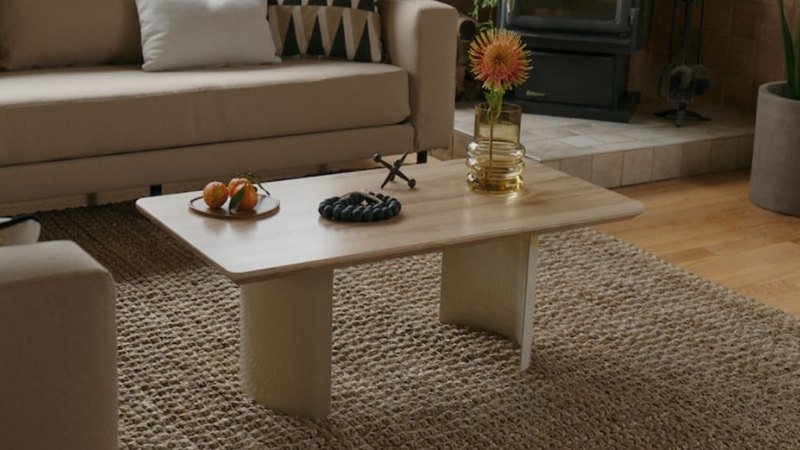
Sabai is a leader in sustainable furniture with their use of eco-conscious materials, ethical production practices, and low-waste shipping. Not to mention they’re committed to circularity with both a repair program and a resale program, called Sabai Revive.
Their City Table is so exception. This eco-friendly coffee table is made using recycled steel, wood sourced from urban fallen trees in Baltimore and a non-toxic, zero VOC water-based finish. Did we mention the brand is also a certified B-Corporation?
Conscious Qualities: Recycled & Natural Materials, Zero VOC Finish, Circularity Program
Price Range: $595
We hope you enjoyed this guide to sustainable tables! Looking for more furniture & home furnishings?
Check Out These Sustainable Home Guides:
15 Ethical Home Decor Brands for Your Conscious Space
The Best Places to Find Eco-Friendly Furniture
Sustainable Non-Toxic Sofas for Truly Restful Relaxation
The post 11 Gorgeous Sustainable Tables to Gather Around (2024) appeared first on Conscious Life & Style.

Just like fashion has been overrun by fast fashion, home goods and furniture have similarly seen a rapid decline in quality. Rugs are no exception.
And similar to fashion, these cheap goods come at a high cost — namely, to the planet and to people. In fact carpet and rug production is rampant with exploitation.
On the other hand, fair trade rugs present the best of what a rug can bring to your home: artistry, craftsmanship, and heritage.
The brands featured in this guide are partnering with (and fairly paying!) skilled artisans who are using generations-old — and sometimes even centuries-old — techniques. These artisans are sustaining long lines of crafts, preserving their cultural diversity, and celebrating the richness of their time-honored crafts.
There’s simply no replacement for a timeless, quality artisan-made rug — they’re like pieces of art you can lay out on your floor or hang on your walls.
So, enjoy browsing through this guide to sustainable rug brands listed out below and best of luck on your search for the right fair trade rug!
Where to Find Ethical and Fair Trade Rugs
Note that this guide includes affiliates and partners. As always, brands must meet high standards for ethics and sustainability to be featured and all opinions are my own.
1. Obakki
Best for: warm-hued handwoven wool rugs
Categories: Area Rugs, Runners, Accent Rugs
Obakki partners with artisan weavers primarily in Oaxaca, Mexico — including individual makers like José — who hand-dyes and weaves rugs on a traditional pedal loom using locally sourced sheep’s wool and natural dyes derived from native plants. The brand also works with Rrres Design Studio, a Latin American studio dedicated to preserving traditional Oaxacan weaving techniques, and sources handwoven textiles from artisan communities beyond Mexico as well, including Morocco.
Each rug is made from 100% wool with no synthetic dyes or backing. Most pieces are made-to-order with a 4-8 week production window, shipped directly from the artisan partners.
Price Range: $460 – $4,159
Conscious Qualities: Natural Fibers, Natural Dyes, Craft Preservation
2. Kiliim
Best for: modern wool kilim rugs
Categories: Area Rugs, Accent Rugs
If you’re well-versed in rug terminology, you may recognize that this brand’s name looks similar to the word kilim.
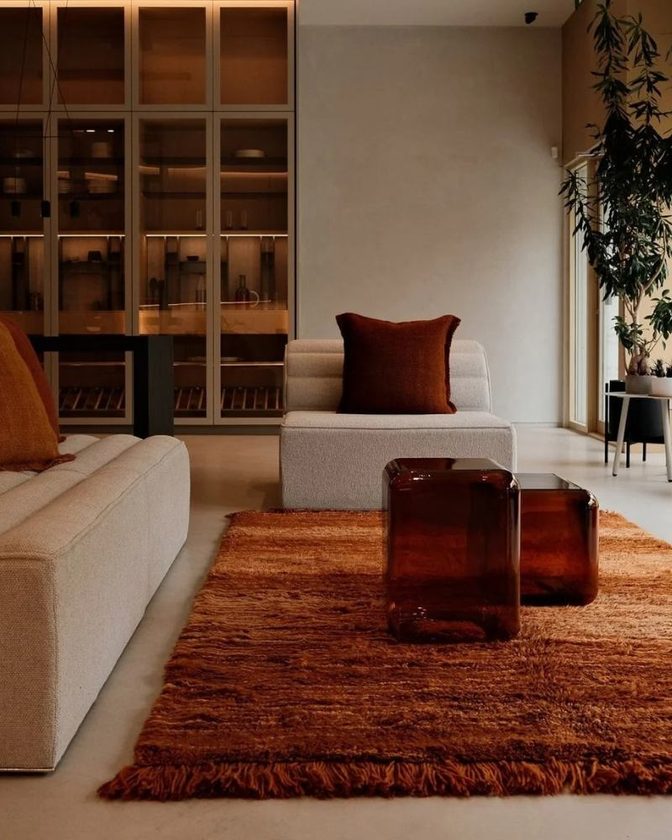
Kiliim’s rug are made using authentic kilim rug craftsmanship by artisans in Egypt coming from generations of kilim artisans. To ensure ethical production and to support the preservation of this heritage craft, Kiliim pays living wages to all artisans.
Price Range: $95 – $4,812
Conscious Qualities: Ethical Production, Heritage Craft Preservation, Natural Fibers
3. Urban Natural
Best for: browsing fair trade rugs in lots of styles and sizes
Categories: Outdoor, Area Rugs, and Accent Rugs
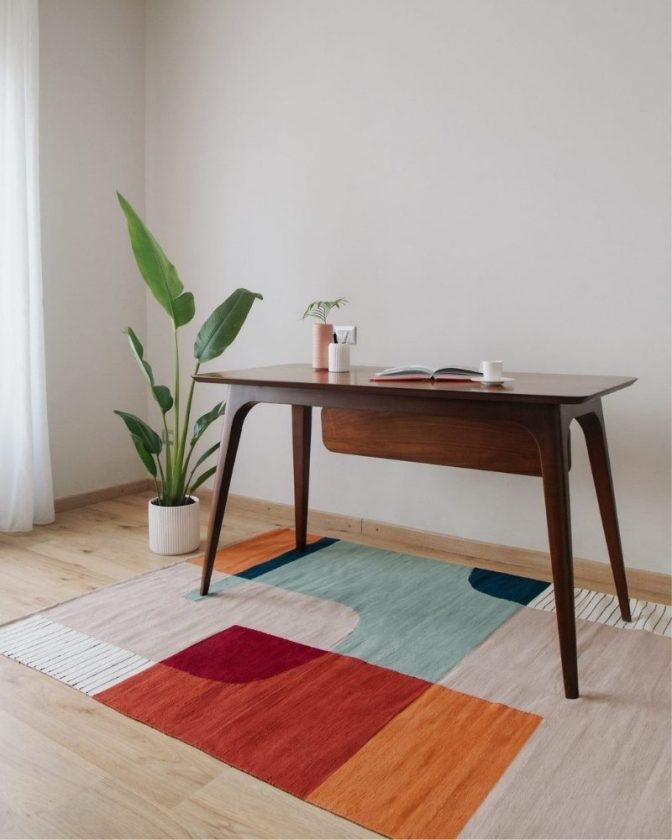
This natural home and lifestyle retailer has a beautifully curated selection of sustainably-made rugs crafted with materials like jute, sisal, wool, and cotton.
Several brands on Urban Natural are also ethically hand-loomed or hand-knotted, such as Loloi — a GoodWeave partner — and Jaipur Living — a brand that partners with thousands of local artisans to sustain heritage crafts.
Price Range: $259 – $9,755
Conscious Qualities: Eco-Conscious Materials
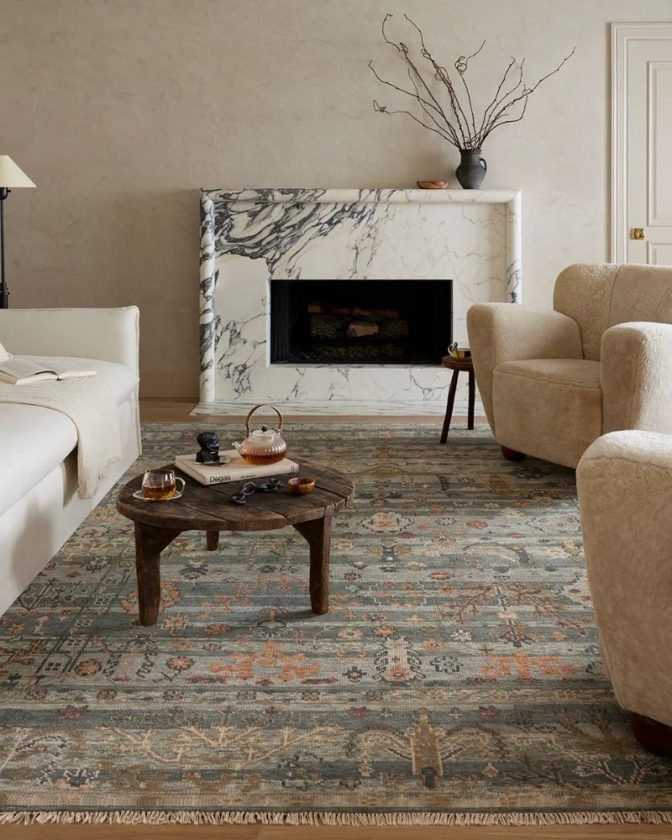
4. LOOMY
Best for: pet-friendly and performance rugs
Categories: Area Rugs, Accent Rugs, Runners, Outdoor Rugs
Founded by a weaver, LOOMY is dedicated to crafting beautiful artisan-made rugs that will last for decades to come.
LOOMY partners with highly-skilled artisan weavers who craft quality rugs made from eco-minded materials like banana silk, jute, and recycled cotton, plus performance options made from 100% recycled polyester built to withstand whatever life brings you.
Price Range: $298 – $8,298
Conscious Qualities: Natural Fibers, Craft Preservation, Vintage Options
5. West Elm
Best for: fair trade rugs in on-trend mainstream styles
Categories: Area Rugs, Accent Rugs
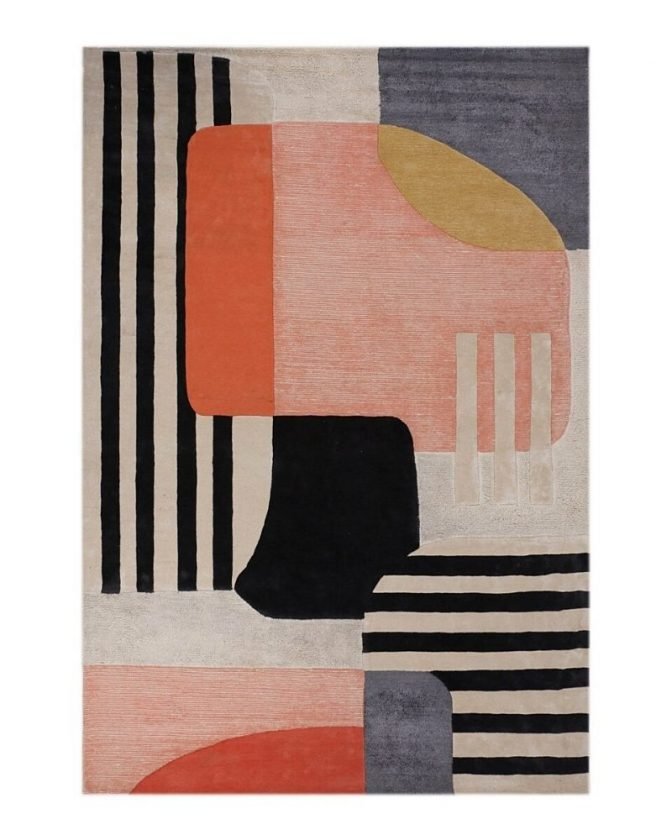
West Elm is bringing ethical rugs to a broader market with their collection of Fair Trade Certified wool and cotton rugs. While I recommend browsing the smaller shops listed above first, West Elm is supporting the movement to responsibly-made, fair trade rugs.
Price Range: $$$
Conscious Qualities: Fair Trade production, Majority Natural Materials